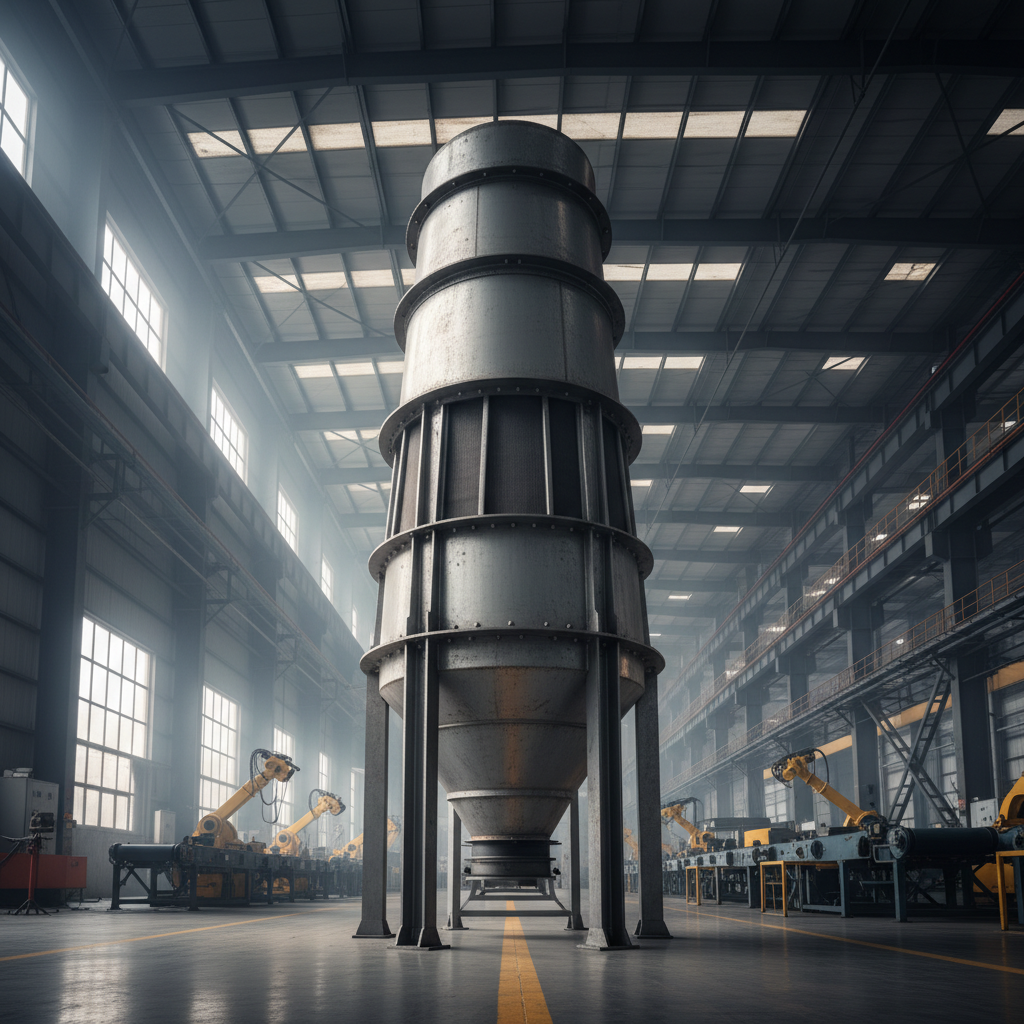
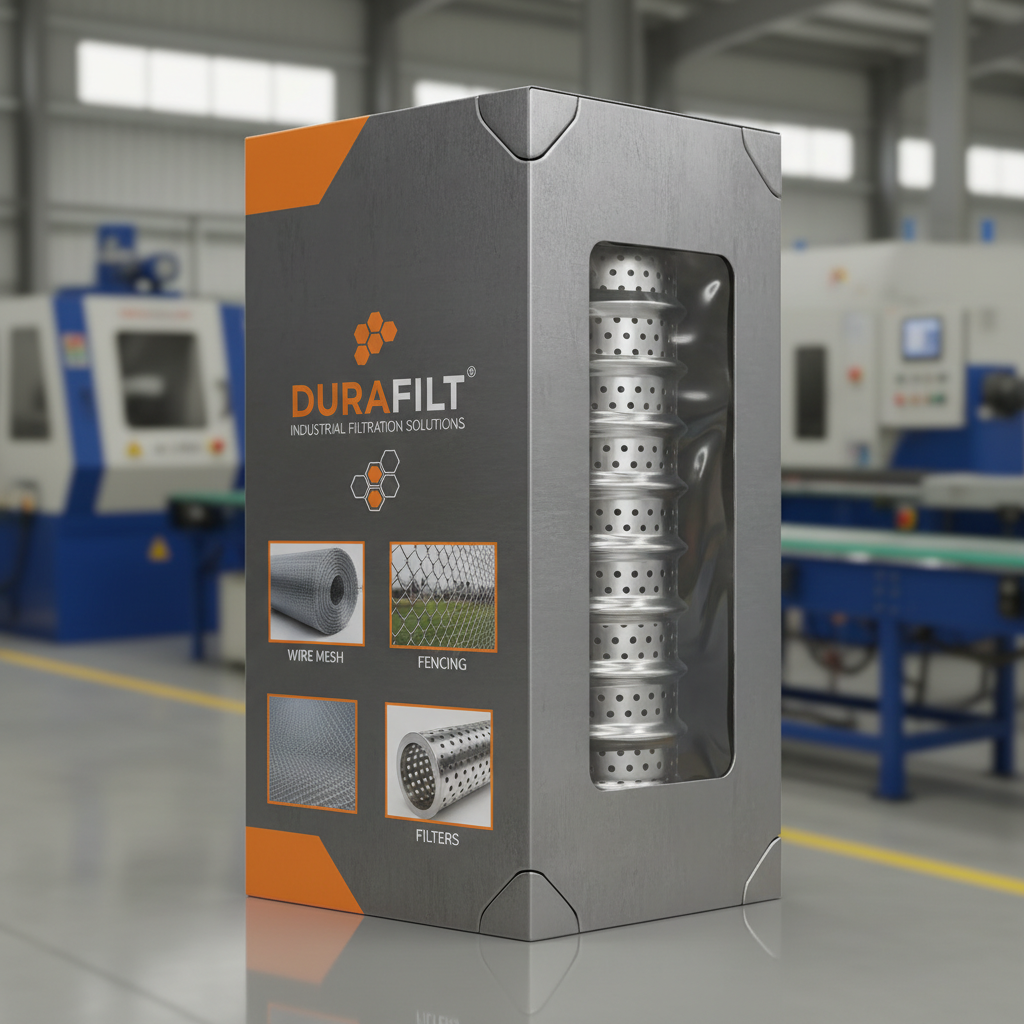
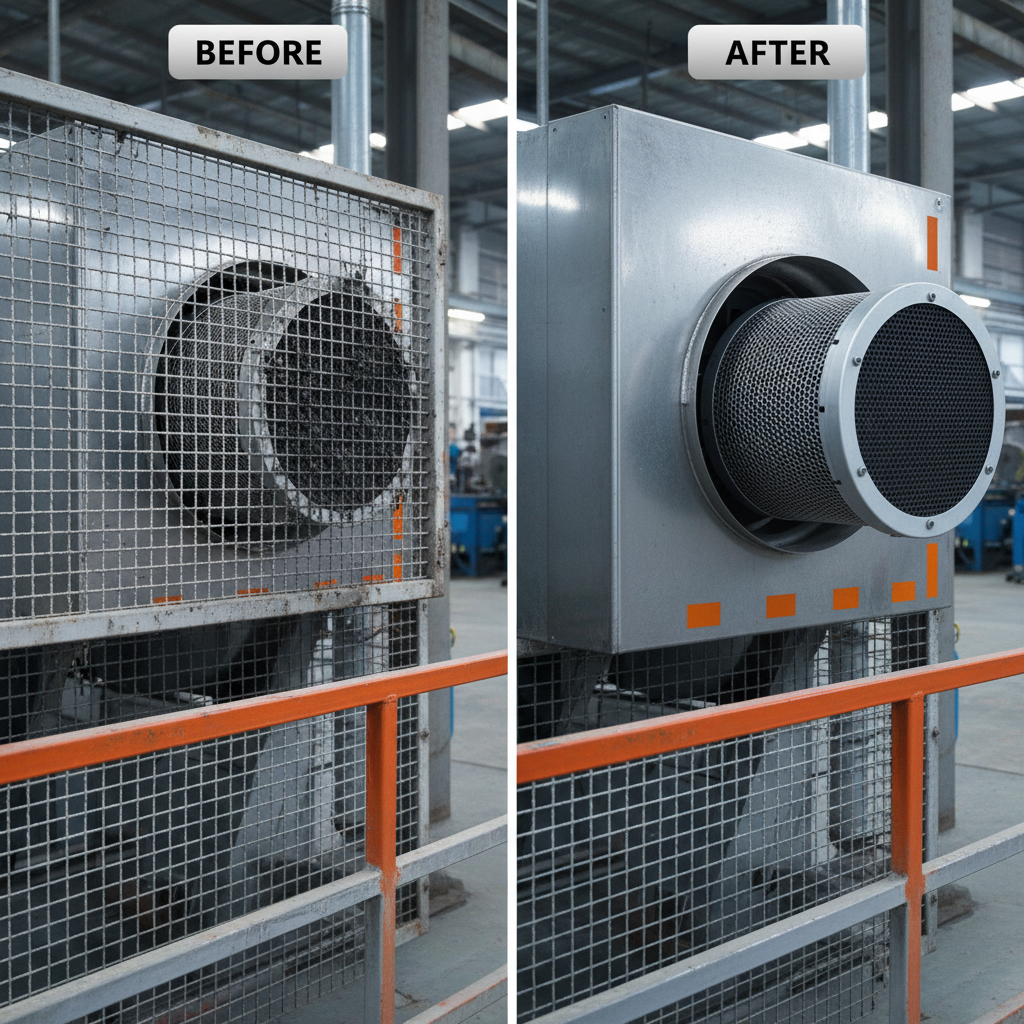
Dust cartridge filtration systems are essential components in a multitude of industrial and environmental applications, playing a crucial role in air quality control and process efficiency. Globally, industries are increasingly focused on optimizing filtration processes to comply with stricter environmental regulations and maintain operational safety. The rising demand for effective dust control, driven by health concerns and stringent pollution standards, underscores the importance of understanding and implementing appropriate dust cartridge solutions. dust cartridge technology directly addresses these challenges by providing high-efficiency particulate air (HEPA) filtration and ensuring a cleaner, safer working environment.
The significance of dust cartridge systems extends beyond industrial settings, impacting public health and environmental sustainability. According to the World Health Organization, air pollution is a major environmental health risk, contributing to millions of deaths annually. Effective dust filtration, facilitated by high-quality dust cartridge replacements, helps mitigate these risks by removing harmful airborne particles. ISO standards emphasize the importance of air quality monitoring and control in industrial processes, further highlighting the necessity for reliable and efficient dust cartridge technology.
Investing in the right dust cartridge solution isn’t merely about compliance; it’s about protecting workers, minimizing environmental impact, and enhancing overall operational performance. The benefits range from reduced maintenance costs and increased equipment lifespan to improved product quality and a safer work environment. Understanding the nuances of dust cartridge technology allows businesses and organizations to make informed decisions, leading to long-term sustainability and responsible environmental stewardship.
Introduction to dust cartridge
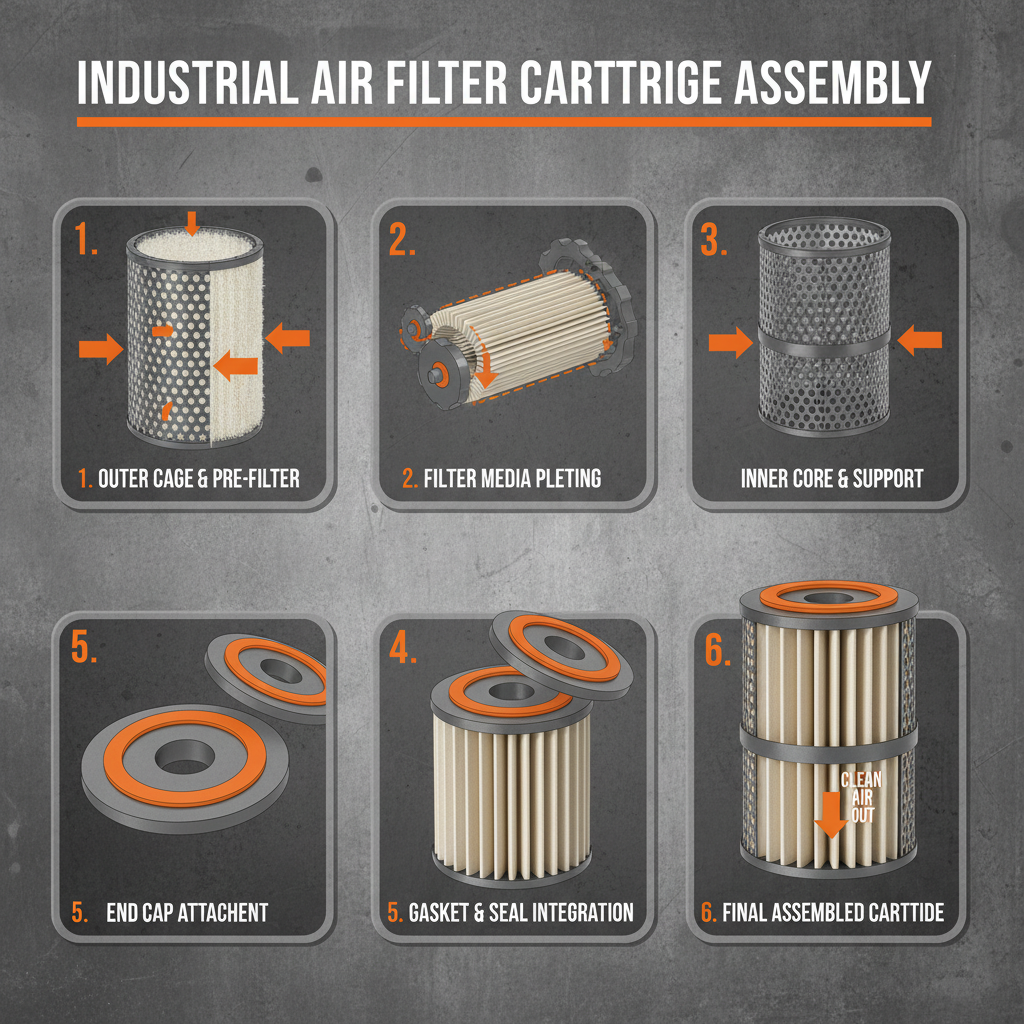
A dust cartridge is a filtration device designed to remove particulate matter from air or gas streams. These cartridges are typically constructed with a pleated filter media, providing a large surface area for efficient dust collection. The core principle revolves around capturing airborne particles on the filter media, preventing them from being released back into the environment or damaging downstream equipment. dust cartridge systems are vital in maintaining air quality, protecting equipment, and ensuring worker safety across numerous industries.
The evolution of dust cartridge technology has been driven by the need for increasingly efficient and cost-effective filtration solutions. From early baghouse filters to modern cartridge systems, advancements in filter media, cartridge design, and cleaning mechanisms have significantly improved performance and reduced maintenance requirements. Today, dust cartridge systems offer a wide range of options to meet specific application needs, from heavy-duty industrial dust collection to specialized cleanroom filtration.
Defining dust cartridge Technology
At its core, dust cartridge technology represents a sophisticated method for separating solid particulates from fluid (air or gas) streams. Unlike traditional filter bags, dust cartridges feature a pleated filter media encased within a rigid housing. This design increases the surface area available for filtration within a smaller footprint, boosting efficiency. The filter media itself is often constructed from materials like polyester, polypropylene, or cellulose, selected based on the specific type and size of particulate matter being captured.
The connection between dust cartridge systems and modern industry is undeniable. Manufacturing, pharmaceuticals, food processing, and power generation all rely heavily on effective dust control to maintain product quality, comply with regulations, and protect worker health. Without reliable dust filtration, these industries would face increased operational costs, reduced efficiency, and potential health and safety risks.
Furthermore, the application of dust cartridges extends beyond industrial settings to address critical humanitarian needs. In disaster relief efforts, portable dust filtration units can provide clean air in affected areas, mitigating respiratory problems and improving living conditions. The versatility and efficiency of dust cartridge technology make it a valuable asset in both planned and emergency scenarios.
Core Components of a dust cartridge System
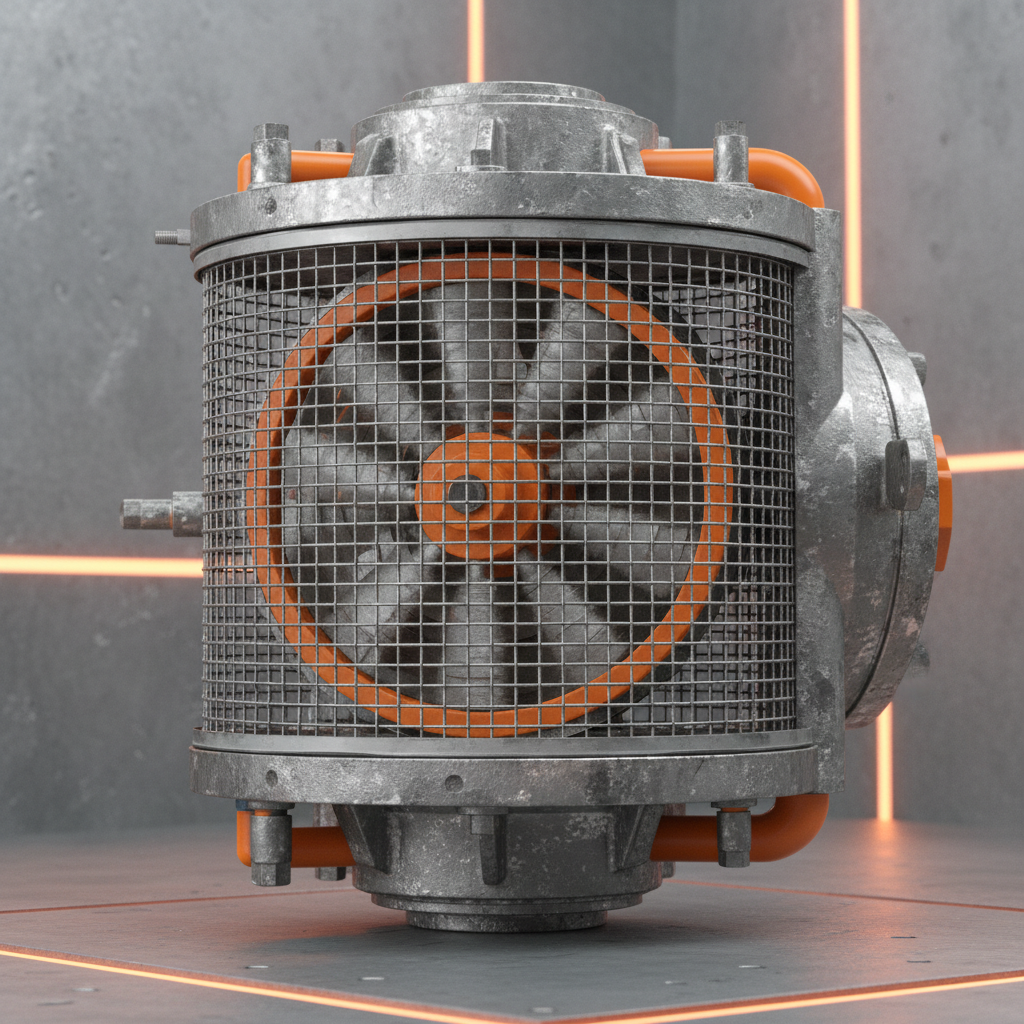
A typical dust cartridge system comprises several key components working in concert. The dust cartridge itself is the primary filtration element, responsible for trapping particulate matter. A collection hopper or bin accumulates the filtered dust, requiring periodic emptying. A cleaning system, typically employing compressed air pulses, removes accumulated dust from the filter media, maintaining airflow and filtration efficiency.
Beyond these core components, a dust cartridge system also includes an air inlet, a fan or blower to drive airflow, and a control system to manage the cleaning cycle and monitor system performance. The housing provides structural support and protects the internal components. The precise configuration of these components varies depending on the specific application and the level of filtration required.
The effectiveness of a dust cartridge system hinges on the quality and compatibility of each component. Selecting the appropriate filter media, optimizing the cleaning cycle, and ensuring proper system maintenance are crucial for maximizing performance and minimizing downtime. Regular inspections and timely replacement of worn or damaged components are essential for maintaining a safe and efficient operation.
Key Factors Influencing dust cartridge Performance
Several factors significantly influence the performance of a dust cartridge system. Filter media selection is paramount, as different materials offer varying levels of efficiency, chemical resistance, and temperature tolerance. Particle size distribution, dust loading, and gas stream velocity also play crucial roles. Higher dust loading and faster airflows can lead to more frequent cleaning cycles and reduced filter life.
Durability is another critical consideration. The quality of the cartridge housing, the strength of the filter media, and the reliability of the cleaning system all contribute to the overall lifespan of the dust cartridge. A robust design ensures long-term performance and minimizes the need for frequent replacements.
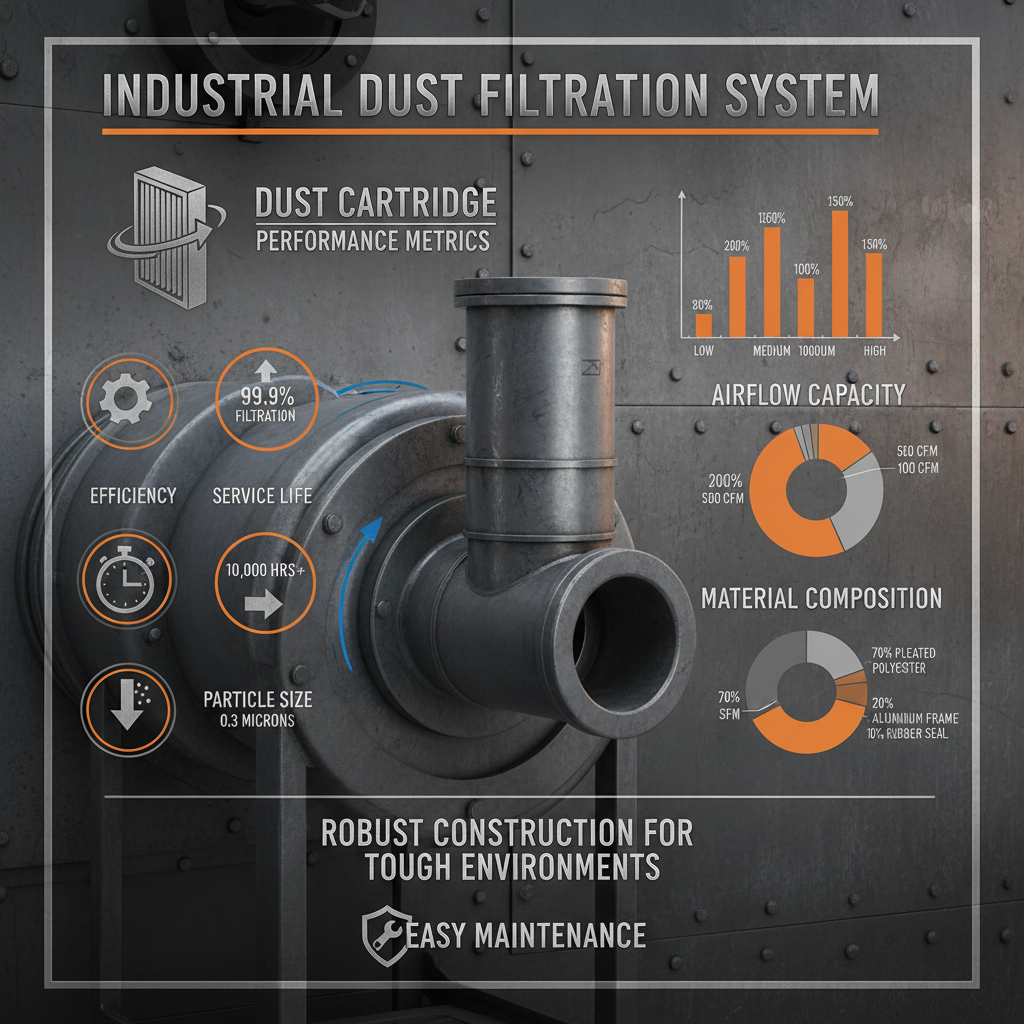
dust cartridge Performance Metrics
Global Applications of dust cartridge Systems
Dust cartridge systems find widespread application across diverse industries globally. In manufacturing, they are used to control dust generated during processes like grinding, cutting, and sanding, ensuring a safe and compliant work environment. Power plants utilize dust cartridges to remove particulate matter from flue gases, reducing emissions and protecting air quality.
In post-disaster relief operations, portable dust filtration units provide clean air for emergency responders and affected populations. In remote industrial zones, where access to clean air is limited, dust cartridges are essential for maintaining worker health and productivity. The food and beverage industry employs dust cartridges to maintain hygienic conditions and prevent contamination of products.
Advantages and Long-Term Value of dust cartridge
The advantages of using dust cartridge systems are manifold. Cost-effectively, while the initial investment can vary, the long-term operational costs are typically lower due to reduced maintenance and energy consumption. Sustainability is enhanced by minimizing dust emissions and reducing environmental impact. Socially, dust cartridges contribute to a safer and healthier work environment, improving employee well-being.
From a reliability perspective, modern dust cartridge systems are designed for continuous operation and minimal downtime. The modular design allows for easy replacement of filters and components, minimizing disruptions to production processes. The peace of mind knowing that your facility is operating in compliance with environmental regulations and prioritizing worker safety is an invaluable benefit.
Future Trends in dust cartridge Technology
The future of dust cartridge technology is poised for innovation, driven by advancements in materials science, digital technologies, and sustainability initiatives. We are seeing the development of self-cleaning filter media that reduces the frequency of pulse cleaning, minimizing energy consumption and extending filter life. The integration of sensors and data analytics allows for predictive maintenance, optimizing system performance and preventing unexpected failures.
Furthermore, research into bio-based and biodegradable filter media is gaining momentum, offering a more sustainable alternative to traditional materials. Automation and remote monitoring capabilities are also becoming increasingly prevalent, allowing for greater control and efficiency. These advancements will continue to refine dust cartridge technology, providing even more effective and environmentally responsible solutions for air filtration.
The industry is also exploring the use of nanotechnology to enhance filter performance and create specialized cartridges for specific applications. Combining digital transformation with material innovations will enable a new generation of smart dust cartridge systems capable of adapting to changing conditions and optimizing filtration efficiency.
Summary of dust cartridge System Performance Attributes
| Application Area |
Filtration Efficiency (Scale 1-10) |
Maintenance Frequency (Scale 1-10) |
Lifespan (Years) |
| Manufacturing |
9 |
4 |
3-5 |
| Power Generation |
8 |
6 |
5-7 |
| Food Processing |
7 |
5 |
2-4 |
| Pharmaceuticals |
10 |
3 |
4-6 |
| Disaster Relief |
6 |
7 |
1-2 |
| Chemical Processing |
8 |
5 |
3-5 |
FAQS
Upgrading to a more efficient dust cartridge system yields numerous benefits, including improved air quality, reduced energy consumption, lower maintenance costs, and enhanced compliance with environmental regulations. Modern systems often feature advanced filter media and automated cleaning mechanisms, resulting in higher filtration efficiency and extended filter life. This translates to reduced operating expenses and a healthier work environment.
The frequency of dust cartridge replacement depends on several factors, including dust loading, air flow rate, and the specific application. Regularly monitoring differential pressure across the cartridges is crucial. A significant increase in pressure indicates that the filters are becoming clogged and need to be replaced. Generally, replacement intervals range from 6 to 24 months, but regular inspections and data analysis are recommended to optimize replacement schedules.
Common filter media used in dust cartridges include polyester, polypropylene, cellulose, and synthetic blends. Polyester is known for its durability and chemical resistance, while polypropylene offers excellent moisture resistance. Cellulose is often used for cost-effective filtration of dry dusts. Synthetic blends combine the advantages of different materials, providing a balance of performance and cost.
Determining the appropriate dust cartridge size and configuration requires a thorough assessment of your application's specific requirements. Factors to consider include air flow rate, dust loading, particle size distribution, and operating temperature. Consulting with a filtration expert is recommended to ensure optimal performance and efficiency. They can help you select the right filter media, cartridge dimensions, and cleaning system for your needs.
When handling and replacing dust cartridges, it’s essential to follow proper safety precautions. Wear appropriate personal protective equipment (PPE), including a respirator, gloves, and eye protection. Shut down the system and disconnect the power supply before opening the housing. Dispose of used cartridges properly, following local regulations for hazardous waste disposal. Always follow the manufacturer's instructions for installation and maintenance.
Yes, dust cartridge systems can often be retrofitted into existing facilities. However, a thorough site assessment is necessary to determine the feasibility and cost of the retrofit. Factors to consider include space constraints, existing ductwork, and power supply availability. Working with an experienced filtration system integrator can ensure a smooth and successful retrofit process.
Conclusion
In conclusion, dust cartridge technology plays a vital role in safeguarding air quality, optimizing industrial processes, and protecting public health. From its core components to its diverse applications, understanding the nuances of dust filtration is paramount for businesses and organizations seeking to enhance operational efficiency, ensure regulatory compliance, and promote environmental sustainability. Investing in high-quality dust cartridges and implementing effective maintenance practices is a crucial step towards achieving these goals.
Looking ahead, the future of dust cartridge technology promises further innovation driven by advancements in materials science, digital technologies, and sustainable manufacturing practices. Embracing these advancements will enable the development of smarter, more efficient, and environmentally responsible filtration solutions. For more information and to explore our range of dust cartridge products, visit our website: www.onlyfiltercartridge.com.

 Email:admin@only-filter.com
 Tel:
+8615930870079
Tel:
+8615930870079