 Email:admin@only-filter.com
 Tel:
+8615930870079
Tel:
+8615930870079
Cartridge type air filter systems represent a crucial technology in modern air purification, addressing increasing concerns about indoor and outdoor air quality globally. These filters, utilizing replaceable cartridges to trap particulate matter, offer a versatile and effective solution for a wide range of applications, from industrial settings to residential homes. Their widespread adoption is driven by growing awareness of the health risks associated with air pollution and the need for reliable, scalable filtration solutions.
The importance of cartridge type air filter extends beyond simply removing dust and allergens. They play a vital role in protecting sensitive equipment in manufacturing facilities, ensuring clean environments for healthcare facilities, and mitigating the spread of airborne diseases. The evolving landscape of air quality standards and regulations worldwide necessitates the continuous development and improvement of these filtration systems.
Understanding the principles, applications, and future trends surrounding cartridge type air filter is essential for professionals in environmental health, engineering, and public safety, as well as for individuals seeking to improve their own living and working environments. This knowledge empowers informed decision-making regarding air purification strategies and contributes to a healthier, more sustainable future.
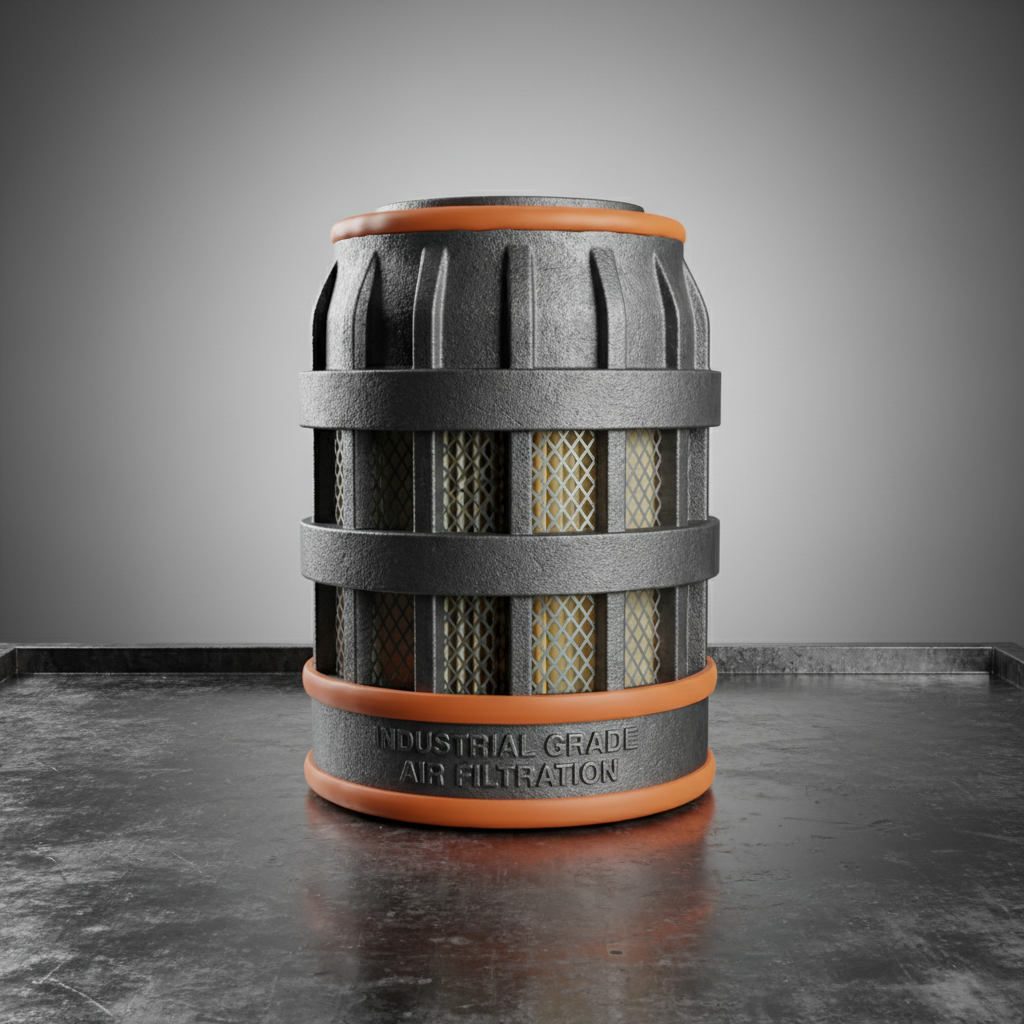
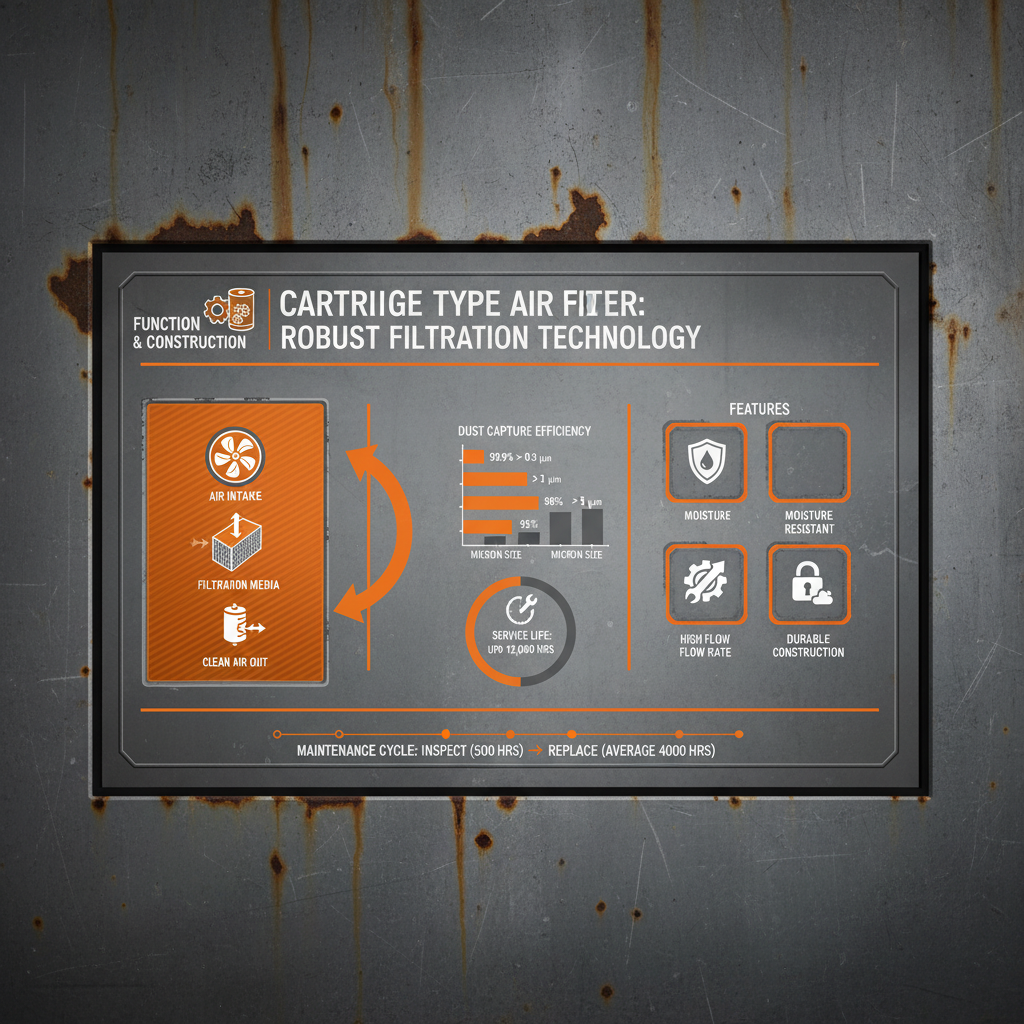
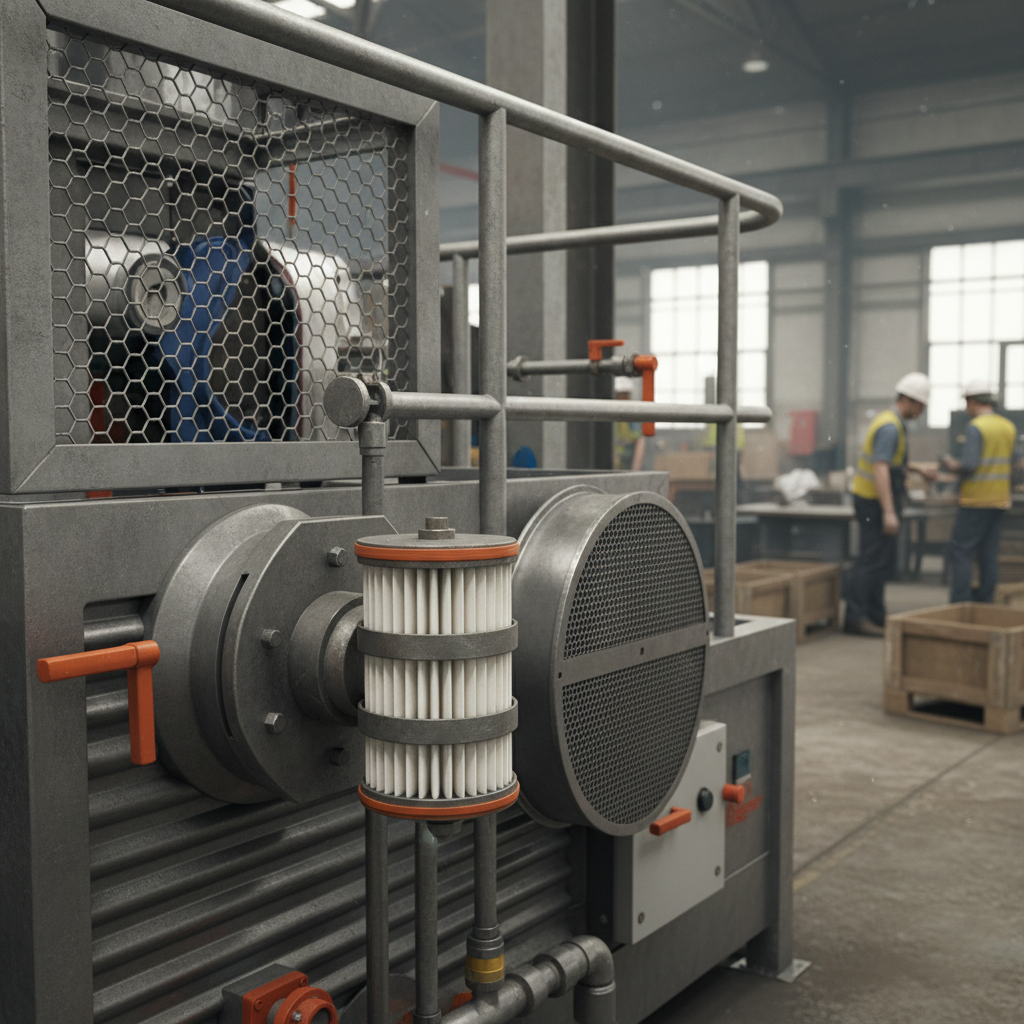
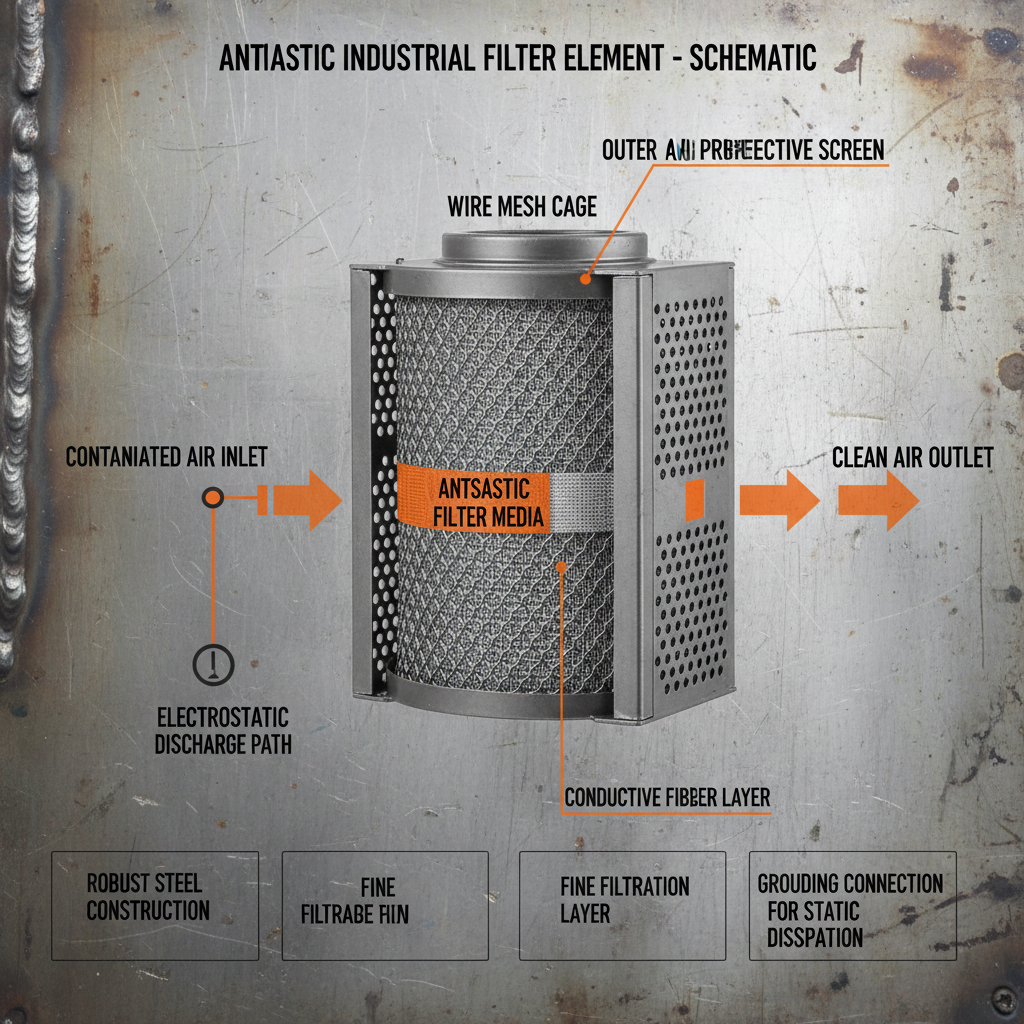
At their heart, cartridge type air filter systems rely on a physical barrier to capture airborne particles. These cartridges are constructed from a variety of materials, each offering different levels of filtration efficiency and durability. The selection of the appropriate cartridge material is critical, depending on the specific contaminants being targeted and the operating environment. cartridge type air filter selection is key.
The effectiveness of a cartridge filter is determined by its Minimum Efficiency Reporting Value (MERV) rating, which indicates its ability to capture particles of varying sizes. Higher MERV ratings signify greater filtration efficiency, but also potentially increased airflow resistance. Maintaining optimal airflow is crucial to ensure system performance and prevent damage to the filtration unit.
The lifespan of a cartridge type air filter varies significantly based on several factors, including the concentration of contaminants, the filter media type, and the airflow rate. Generally, cartridges should be replaced when they exhibit a noticeable increase in pressure drop, indicating they are becoming clogged. Routine inspections and monitoring are crucial for determining the optimal replacement schedule, typically ranging from 3 to 12 months.
The appropriate MERV rating depends on the specific contaminants you need to capture. Lower MERV ratings (1-4) are suitable for basic particle removal, like dust and pollen. MERV 8-13 is commonly used for residential and commercial applications, capturing mold spores and pet dander. Higher MERV ratings (14-20) are ideal for critical environments like hospitals and pharmaceutical facilities, capturing bacteria and viruses.
Proper disposal of used cartridge filters depends on the contaminants they have captured. Filters contaminated with hazardous materials should be disposed of according to local regulations for hazardous waste. Non-hazardous filters can often be discarded with regular waste, but checking with your local waste management authority is recommended. Consider exploring recycling programs offered by filter manufacturers.
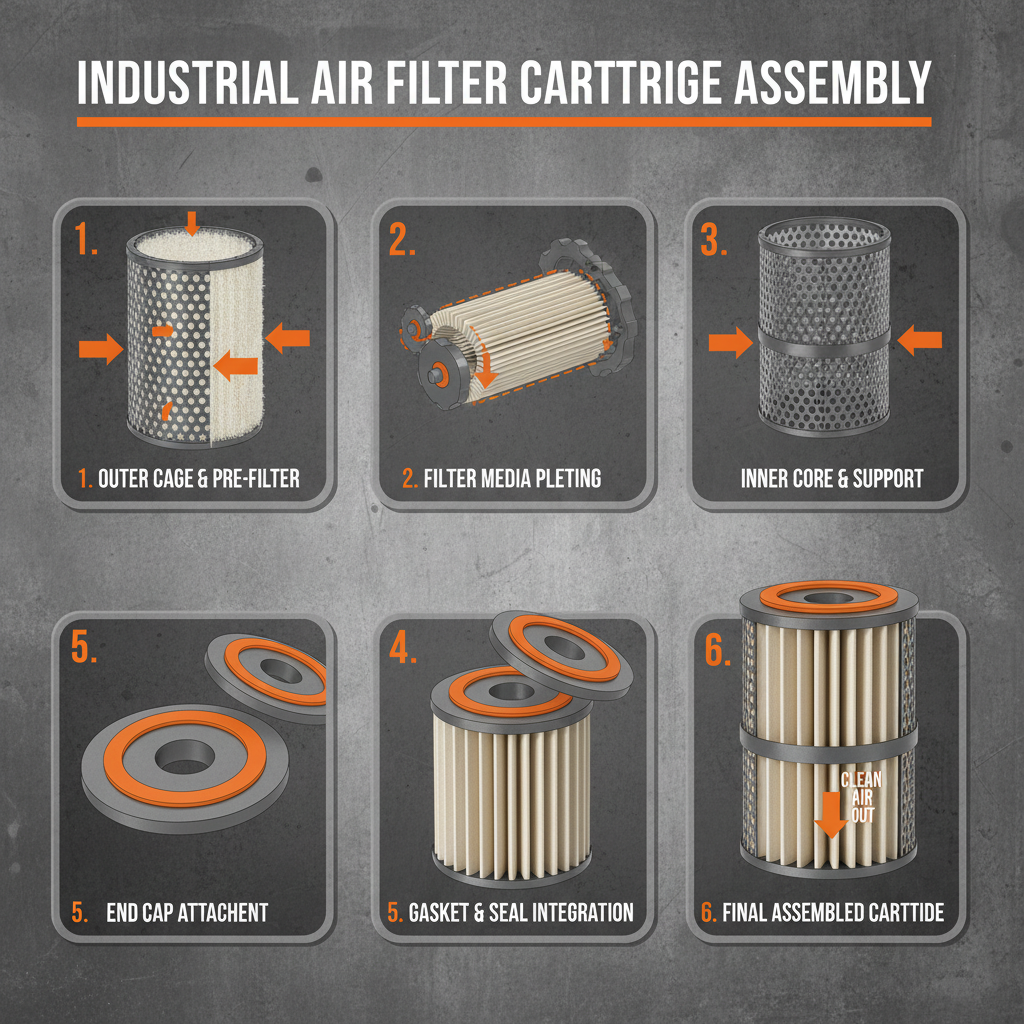
Pleated filters, commonly used in cartridge type air filter systems, offer several advantages. Their large surface area provides higher filtration efficiency and lower pressure drop compared to flat filters. They are also more durable and can handle higher airflow rates. The pleat design maximizes the amount of filter media packed into a compact space, making them a cost-effective solution.
Optimizing performance involves several factors. Ensure the filter housing is properly sealed to prevent bypass. Regularly inspect and replace cartridges as needed. Maintain proper airflow by cleaning or replacing pre-filters. Monitor pressure drop to identify when a cartridge needs replacement. Choose a filter with the appropriate MERV rating for your specific application.
Cartridge type air filter systems can be quite energy efficient, especially when paired with a well-maintained system and appropriately sized filters. Lower pressure drop reduces fan energy consumption. Regularly replacing clogged filters prevents the system from working harder than necessary. Choosing filters designed for low resistance further improves energy efficiency, leading to long-term cost savings.
In conclusion, cartridge type air filter systems are a vital technology for addressing the global challenge of air pollution and ensuring healthy indoor environments. Their versatility, affordability, and scalability make them a crucial component in a wide range of industries and applications. Understanding the principles of filtration efficiency, airflow dynamics, and cartridge selection is paramount for maximizing performance and achieving optimal air quality.
Looking ahead, continued innovation in materials science, sensor technology, and digital integration will further enhance the effectiveness and sustainability of these systems. Investing in advanced cartridge type air filter solutions is not only a responsible environmental practice but also a strategic investment in public health, worker safety, and long-term operational efficiency. For more information and to explore our comprehensive range of air filtration products, visit our website: www.onlyfiltercartridge.com