Industrial air filter cartridges are integral components in maintaining air quality across a diverse spectrum of industries, from manufacturing and pharmaceuticals to healthcare and food processing. These cartridges serve as the core filtration element within air purification systems, removing particulate matter, contaminants, and pollutants to create a safe and healthy working environment. Their increasing importance stems from growing regulatory pressures, heightened awareness of indoor air quality, and the need to protect sensitive equipment and processes. The effective selection, maintenance, and implementation of industrial air filter cartridges are paramount for operational efficiency and worker well-being.
Globally, the demand for advanced air filtration solutions is escalating due to industrial expansion, urbanization, and increasing air pollution levels. According to the World Health Organization (WHO), approximately 99% of the global population breathes air exceeding WHO guideline limits. This necessitates robust filtration systems utilizing high-performance cartridges. The ISO 16890 standard provides a framework for evaluating filter performance, ensuring consistency and reliability across manufacturers. The need for improved indoor air quality isn't merely an industrial concern; it has direct implications for public health and productivity, driving innovation in industrial air filter cartridges technology.
The rise of stringent environmental regulations, such as those imposed by the Environmental Protection Agency (EPA) in the United States and similar bodies worldwide, further fuels the demand for efficient and compliant air filtration solutions. Organizations are increasingly recognizing the economic benefits of investing in high-quality air filtration, including reduced healthcare costs, increased employee productivity, and minimized equipment downtime. This convergence of factors underscores the critical role industrial air filter cartridges play in modern industrial operations.
Introduction to industrial air filter cartridges
Industrial air filter cartridges aren’t merely accessories; they are critical systems for maintaining operational integrity in diverse industrial settings. They protect equipment from damaging particulate matter, ensuring consistent product quality and reducing maintenance costs. The effective implementation of these cartridges contributes significantly to a safer and more productive work environment, impacting both employee health and the bottom line.
The evolution of industrial air filter cartridges has been driven by advancements in materials science and filtration technology. From basic woven fabrics to sophisticated multi-layer synthetic media, cartridges now offer superior efficiency and extended service life. Understanding the various types, performance characteristics, and optimal application scenarios is essential for selecting the right filtration solution for specific industrial needs.
Defining industrial air filter cartridges
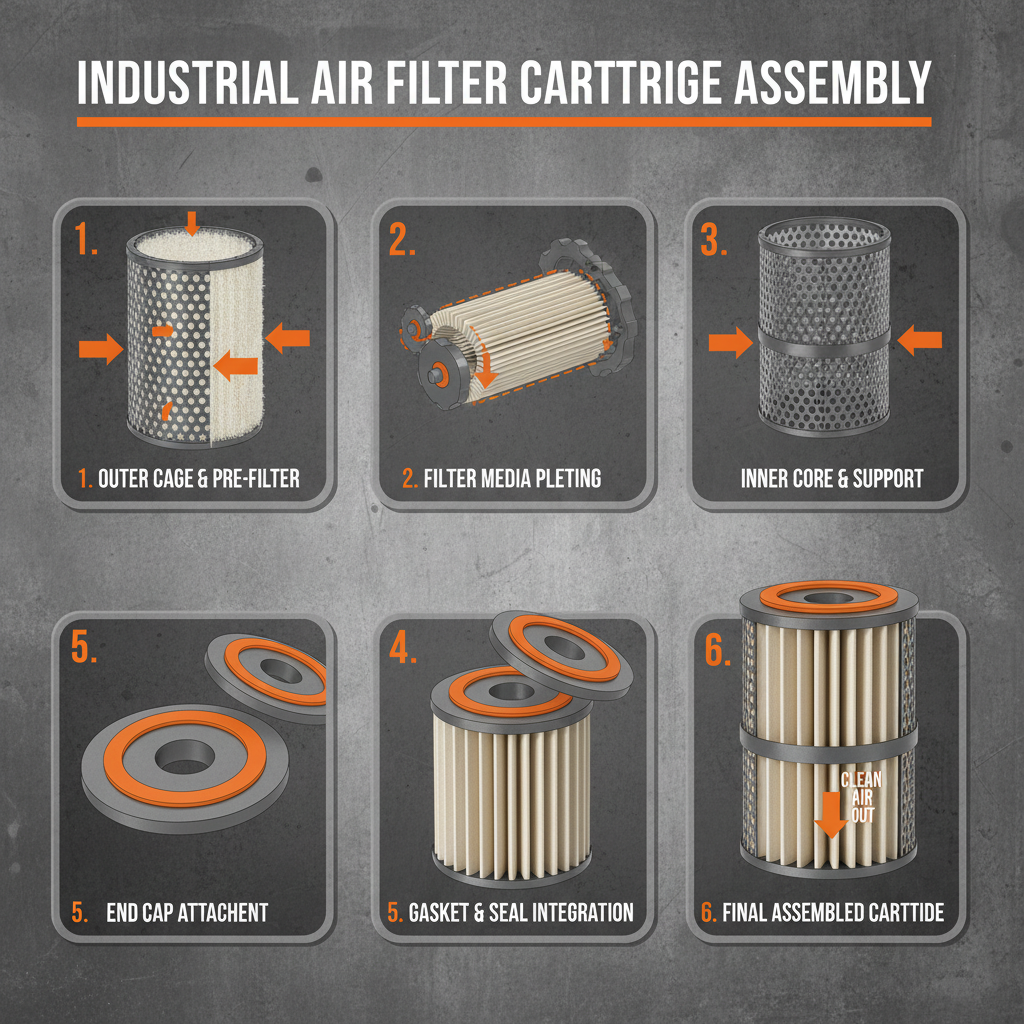
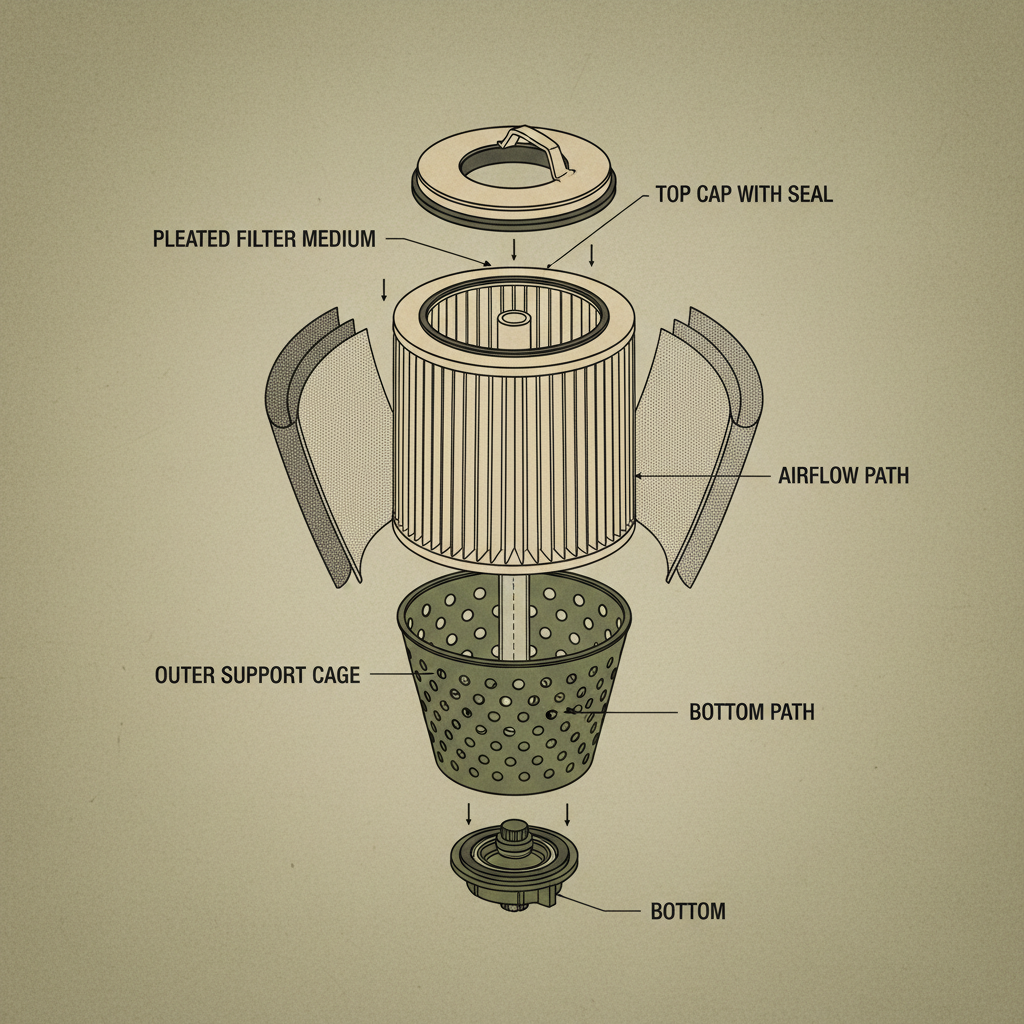
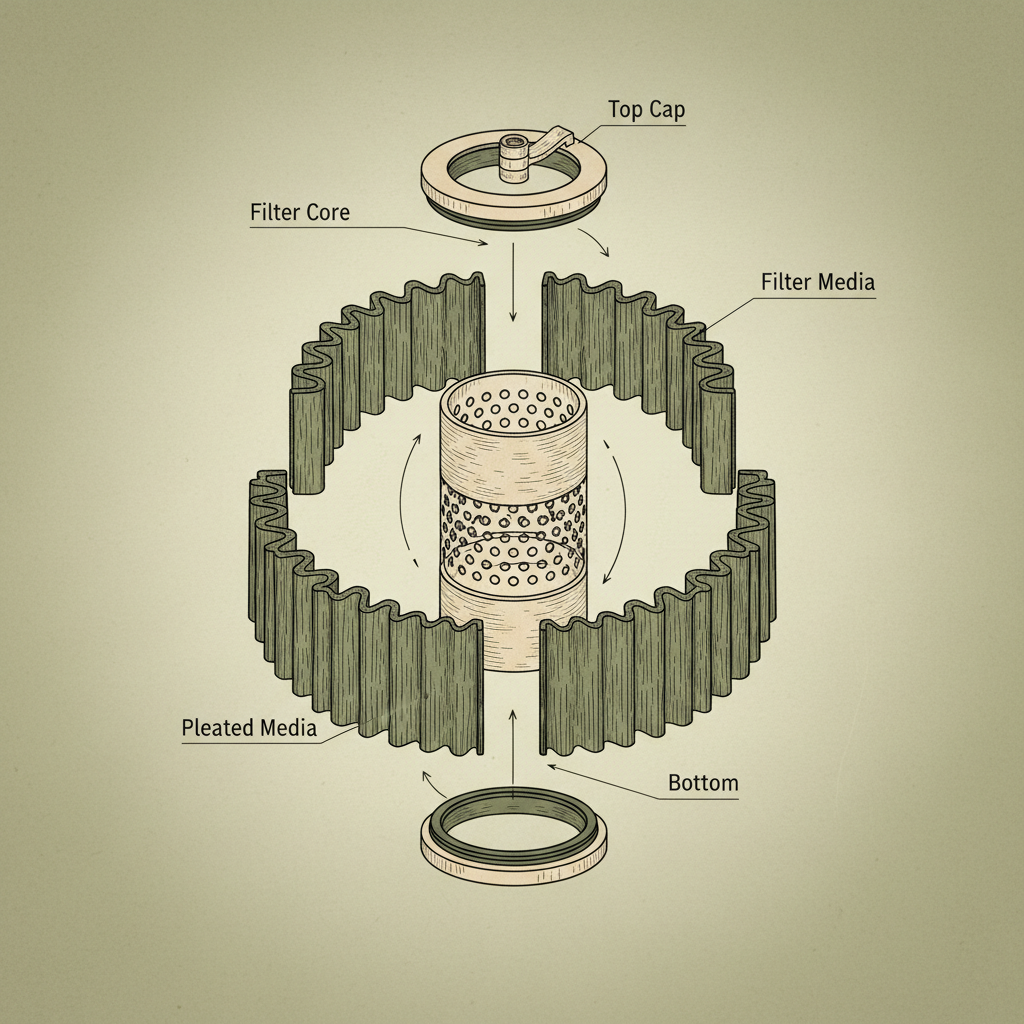
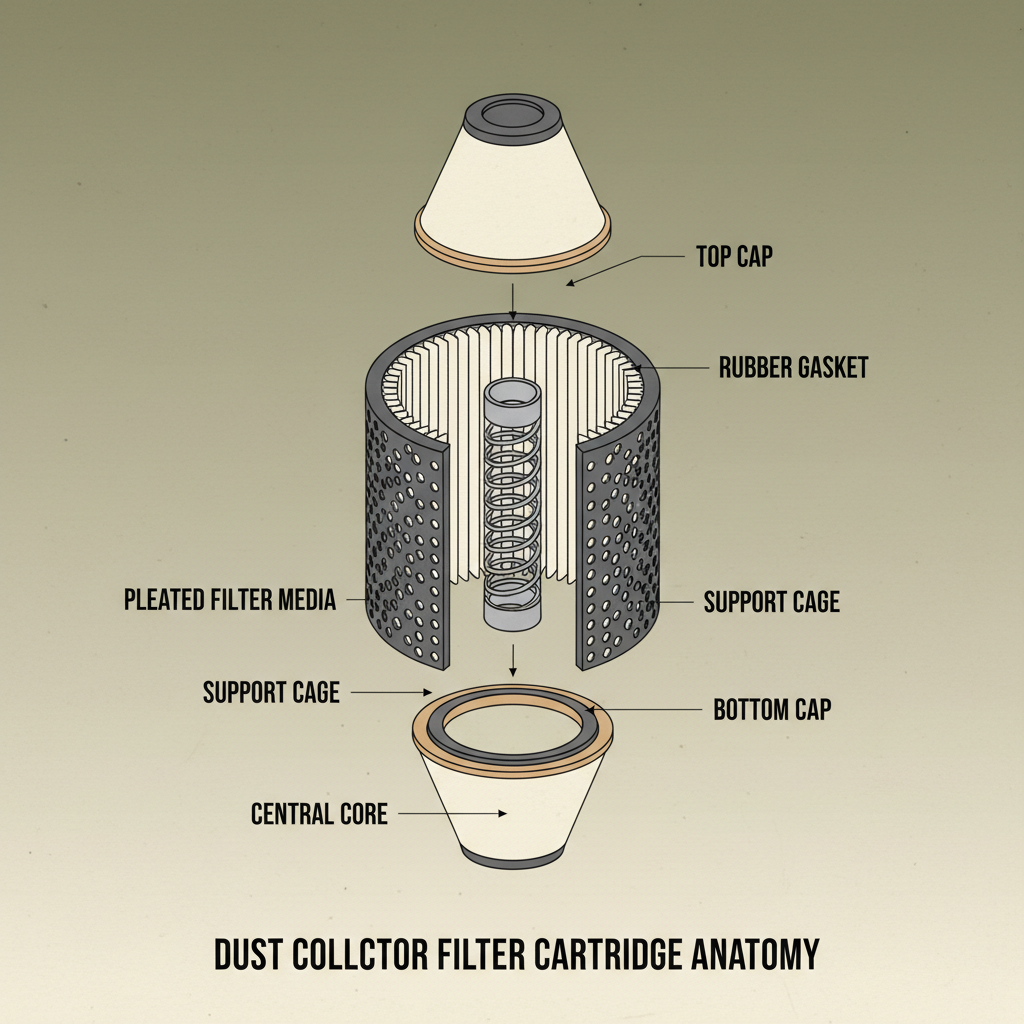
Industrial air filter cartridges are self-contained units designed to remove contaminants from air streams in industrial processes. They consist of a filtration medium, typically pleated to maximize surface area, housed within a protective frame. These cartridges are installed within air handling units or filtration housings, where air is forced through the media, trapping particles and pollutants. Their primary function is to maintain air quality, protect sensitive equipment, and ensure compliance with environmental regulations.
These cartridges are fundamentally linked to the health and efficiency of modern industry. Without effective air filtration, manufacturing processes can suffer from contamination, leading to product defects and costly rework. Similarly, in pharmaceutical production, maintaining sterile air environments is paramount for product safety and efficacy. Industrial air filtration is, therefore, not just a cost of doing business, but a crucial investment in operational excellence.
The relevance extends to humanitarian contexts as well. In emergency relief operations, portable air filtration systems utilizing industrial air filter cartridges can provide clean air in disaster-stricken areas, protecting responders and affected populations from airborne hazards. The ability to quickly deploy and maintain clean air systems is a life-saving capability in challenging environments.
Key Aspects of industrial air filter cartridges
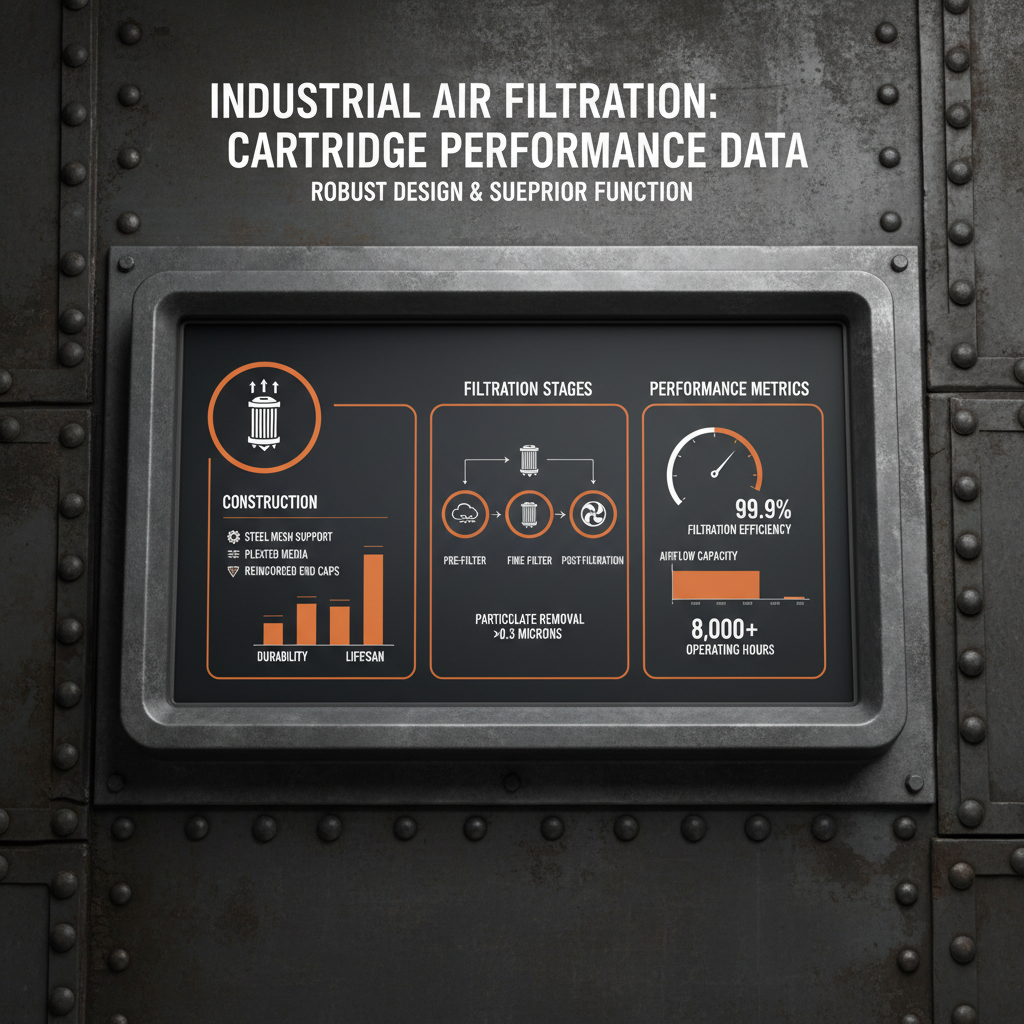
Efficiency: The ability of a cartridge to capture contaminants is measured by its efficiency rating, often expressed as MERV (Minimum Efficiency Reporting Value) or MPR (Microparticle Performance Rating). Higher ratings indicate greater efficiency in removing smaller particles, crucial for applications requiring highly purified air.
Capacity: Cartridge capacity refers to the amount of particulate matter a filter can hold before its efficiency declines. Higher capacity cartridges require less frequent replacement, reducing maintenance costs and downtime. Factors influencing capacity include the type of contaminant, air flow rate, and filter media.
Durability: Industrial environments can be harsh, exposing filter cartridges to extreme temperatures, humidity, and corrosive substances. Durability is therefore a critical factor, ensuring the cartridge maintains its integrity and performance over its intended lifespan. Robust construction and high-quality materials are essential for maximizing durability.
Global Applications of industrial air filter cartridges
The applications of industrial air filter cartridges are extensive, spanning diverse industries. In the pharmaceutical sector, they are crucial for maintaining sterile environments during drug manufacturing. Food and beverage processing plants rely on them to prevent contamination and ensure product safety. The automotive industry utilizes them to maintain clean painting and coating processes, ensuring high-quality finishes.
Geographically, the demand for these cartridges is highest in industrialized nations like the United States, Germany, and Japan, where stringent environmental regulations and advanced manufacturing processes are prevalent. However, rapidly developing economies such as China, India, and Brazil are experiencing significant growth in demand due to increasing industrialization and rising environmental awareness.
In post-disaster relief operations, portable air filtration units equipped with industrial air filter cartridges are deployed to provide clean air in affected areas. Furthermore, in remote industrial zones, such as mining operations or oil refineries, self-contained filtration systems utilizing these cartridges are essential for protecting workers from hazardous airborne pollutants.
Performance Comparison of industrial air filter cartridges Methods
Advantages and Value of industrial air filter cartridges
The tangible benefits of utilizing high-quality industrial air filter cartridges are numerous. Reduced maintenance costs due to extended cartridge life, decreased energy consumption resulting from optimized air flow, and minimized equipment downtime are all significant economic advantages. Furthermore, improved air quality directly translates to enhanced employee health and productivity.
From a sustainability perspective, efficient filtration reduces waste by minimizing the frequency of cartridge replacements. Investing in cartridges with recyclable components further contributes to environmental responsibility. The ethical implications of providing a safe and healthy work environment, free from harmful airborne pollutants, cannot be overstated, fostering employee trust and morale.
Future Trends in industrial air filter cartridges
The future of industrial air filtration is poised for significant innovation. Nanotechnology is being explored to create filter media with enhanced efficiency and capacity. Smart cartridges equipped with sensors to monitor performance and predict replacement needs are gaining traction. The integration of digital technologies, such as IoT (Internet of Things), will enable real-time monitoring and optimization of air filtration systems.
The drive towards sustainability will continue to shape the development of industrial air filter cartridges, with increased emphasis on biodegradable and recyclable materials. Furthermore, advancements in automation and robotics will streamline filter replacement and maintenance processes, reducing labor costs and improving efficiency.
Challenges and Solutions for industrial air filter cartridges
One of the primary challenges is accurately assessing the performance of cartridges in real-world operating conditions. Laboratory testing often doesn't fully replicate the complexities of industrial environments. Developing more sophisticated testing methodologies and predictive models is crucial for optimizing filter selection and performance.
Another challenge is managing the cost of high-performance cartridges, particularly for smaller businesses. Exploring alternative financing models, such as cartridge-as-a-service, can make advanced filtration solutions more accessible. Investing in preventative maintenance programs and optimizing filter replacement schedules can also help mitigate costs.
The growing demand for ultra-low penetration (ULPA) filters presents a further challenge. Developing cost-effective and sustainable ULPA cartridges requires ongoing research and development in materials science and filtration technology. Expert consultation with industrial air filter cartridges specialists can help organizations overcome these hurdles and implement the most effective filtration solutions for their specific needs.
Summary of Key Challenges and Potential Solutions for industrial air filter cartridges
| Challenge |
Impact on Operations |
Potential Solution |
Implementation Cost (1-10) |
| Inaccurate Performance Assessment |
Suboptimal Filter Selection |
Real-world Performance Monitoring |
7 |
| High Cartridge Costs |
Budget Constraints |
Cartridge-as-a-Service Models |
5 |
| Limited ULPA Options |
Compromised Air Quality |
Investment in R&D |
9 |
| Filter Compatibility Issues |
System Malfunctions |
Detailed Compatibility Checks |
4 |
| Lack of Preventative Maintenance |
Premature Filter Failure |
Scheduled Maintenance Programs |
6 |
| Complex Regulatory Compliance |
Potential Legal Issues |
Expert Regulatory Guidance |
8 |
FAQS
The lifespan of an industrial air filter cartridge varies widely depending on the application, the concentration of contaminants, and the filter media used. Generally, cartridges require replacement every 3-12 months, but regular monitoring of pressure drop and visual inspection are crucial for determining optimal replacement intervals. Ignoring replacement can lead to decreased efficiency and increased energy consumption.
The ideal MERV rating depends on the specific application. For basic particulate removal, MERV 8-11 may suffice. However, for sensitive processes like pharmaceutical manufacturing or electronics assembly, MERV 13-16 or even ULPA filters (MERV 17+) are often necessary. Selecting the appropriate rating balances filtration efficiency with airflow resistance and cost.
Regular inspection, ideally monthly, is crucial for maintaining optimal performance. Check for visible signs of dirt, damage, or clogging. Monitor the pressure drop across the filter – a significant increase indicates that the cartridge is nearing the end of its lifespan and needs replacement. Proactive inspection prevents system failures and ensures consistent air quality.
Pleated filters offer a significantly larger surface area compared to non-pleated filters of the same size. This increased surface area translates to higher dust-holding capacity, lower pressure drop, and extended filter life. While typically more expensive upfront, pleated filters often provide a lower total cost of ownership due to reduced replacement frequency.
Generally, it is not recommended to wash and reuse industrial air filter cartridges. Washing can damage the filter media and compromise its efficiency. Most cartridges are designed for single-use only to ensure consistent performance and prevent the release of trapped contaminants back into the air stream. Proper disposal of used cartridges is essential for environmental safety.
Several factors influence pressure drop, including the filter’s MERV rating, the air flow rate, the amount of particulate matter accumulated on the filter, and the filter media’s construction. Higher MERV ratings and increased loading typically lead to higher pressure drops. Monitoring pressure drop is crucial for determining when a cartridge needs replacement to maintain optimal air flow and system efficiency.
Conclusion
In conclusion, industrial air filter cartridges are indispensable components of modern industrial operations, playing a vital role in protecting equipment, safeguarding worker health, and ensuring regulatory compliance. Understanding their various types, performance characteristics, and optimal application scenarios is paramount for making informed decisions and maximizing their benefits. From advancements in materials science to the integration of digital technologies, the future of industrial air filtration promises even greater efficiency, sustainability, and cost-effectiveness.
Investing in high-quality industrial air filter cartridges and implementing a proactive maintenance program is not merely a cost of doing business, but a strategic investment in operational excellence. By prioritizing air quality, organizations can create safer, healthier, and more productive work environments, while minimizing environmental impact and ensuring long-term sustainability. Visit our website at www.onlyfiltercartridge.com to explore our comprehensive range of filtration solutions and learn how we can help you optimize your air quality.

 Email:admin@only-filter.com
 Tel:
+8615930870079
Tel:
+8615930870079