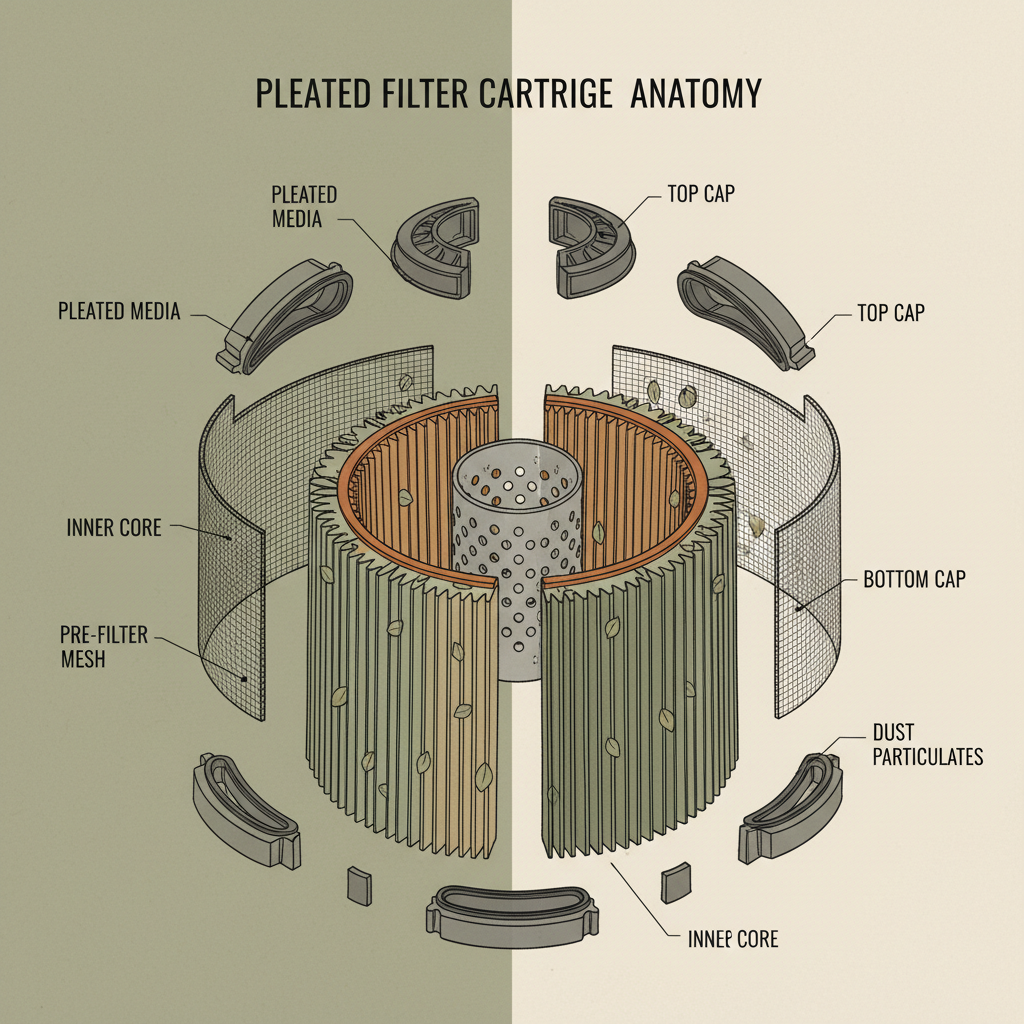
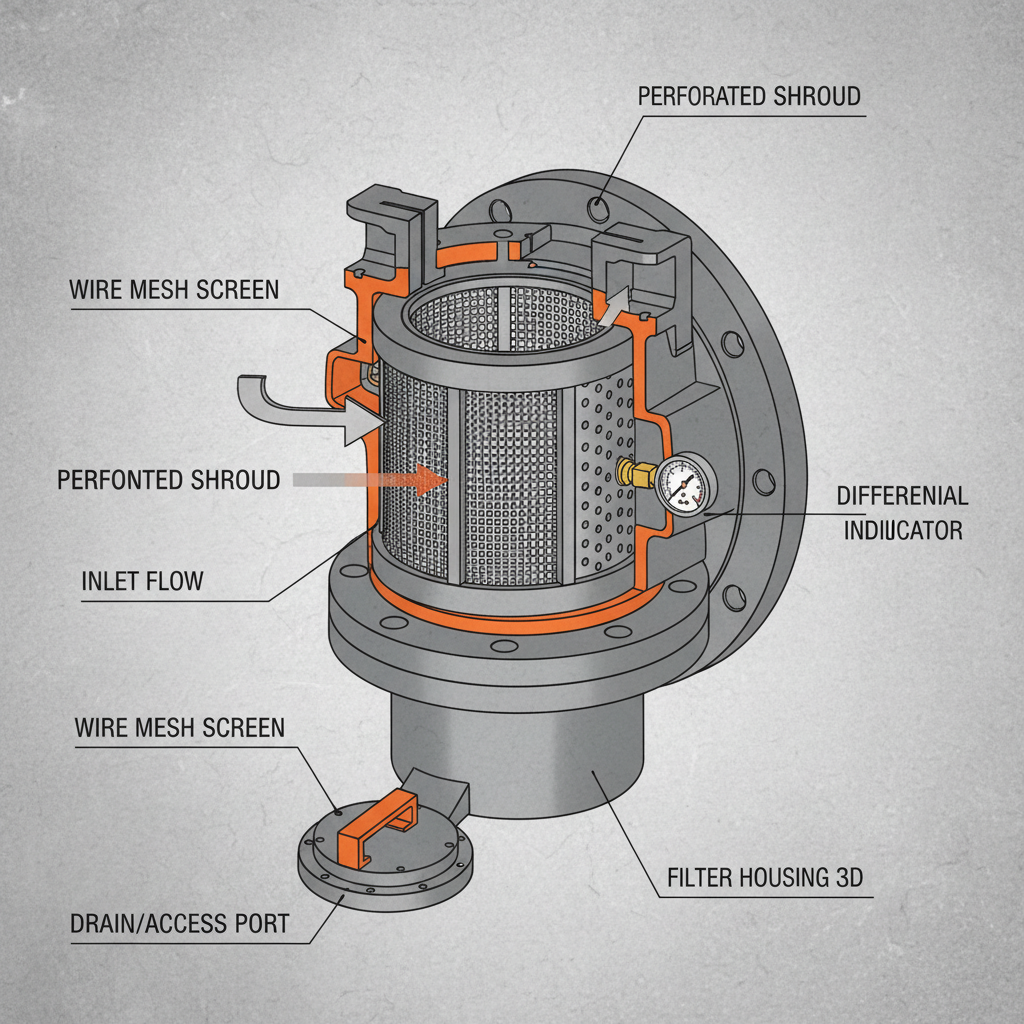
Gas turbine filters are critical components in ensuring the efficient and reliable operation of gas turbine engines across a multitude of industries. These engines, renowned for their high power-to-weight ratio, are employed in power generation, aviation, oil and gas, and marine applications. The performance and longevity of these turbines are significantly impacted by the quality of air and gas entering the combustion chamber, making effective filtration paramount. Understanding the intricacies of gas turbine filter technology is therefore vital for optimizing operational costs, reducing downtime, and mitigating environmental impact.
Globally, the demand for efficient power generation and reliable industrial processes is continually increasing. This surge in demand directly translates to a growing reliance on gas turbine technology. According to the International Energy Agency, gas-fired power generation is projected to remain a significant contributor to the global energy mix for decades. However, operating these turbines in diverse and often harsh environments necessitates robust filtration systems to protect sensitive internal components from damaging contaminants. Failure to do so results in reduced efficiency, increased maintenance costs, and potential catastrophic failure.
The increasing focus on sustainability and emissions reduction further emphasizes the importance of optimized gas turbine performance. Efficient combustion, achieved through clean air intake, minimizes harmful emissions and maximizes fuel utilization. This makes the selection, maintenance, and upgrade of gas turbine filters a key strategic consideration for operators worldwide.
Introduction to Gas Turbine Filter Technology
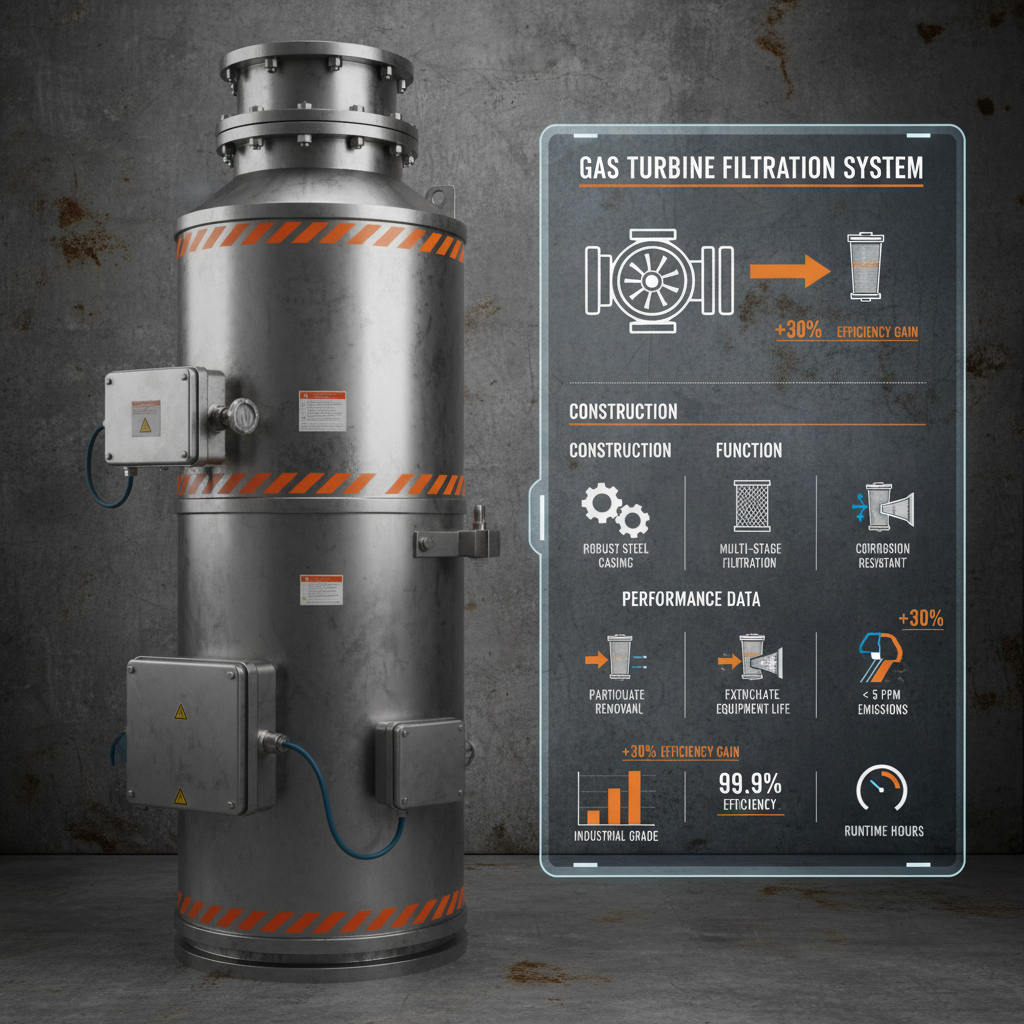
The foundational principle behind gas turbine filter technology lies in removing particulate matter, moisture, and aerosols from the intake air or gas stream. This ensures the compressor and turbine blades are shielded from erosion, corrosion, and fouling, all of which severely impair performance. Without this protection, even microscopic particles can cause significant damage over time, leading to costly repairs and unscheduled downtime.
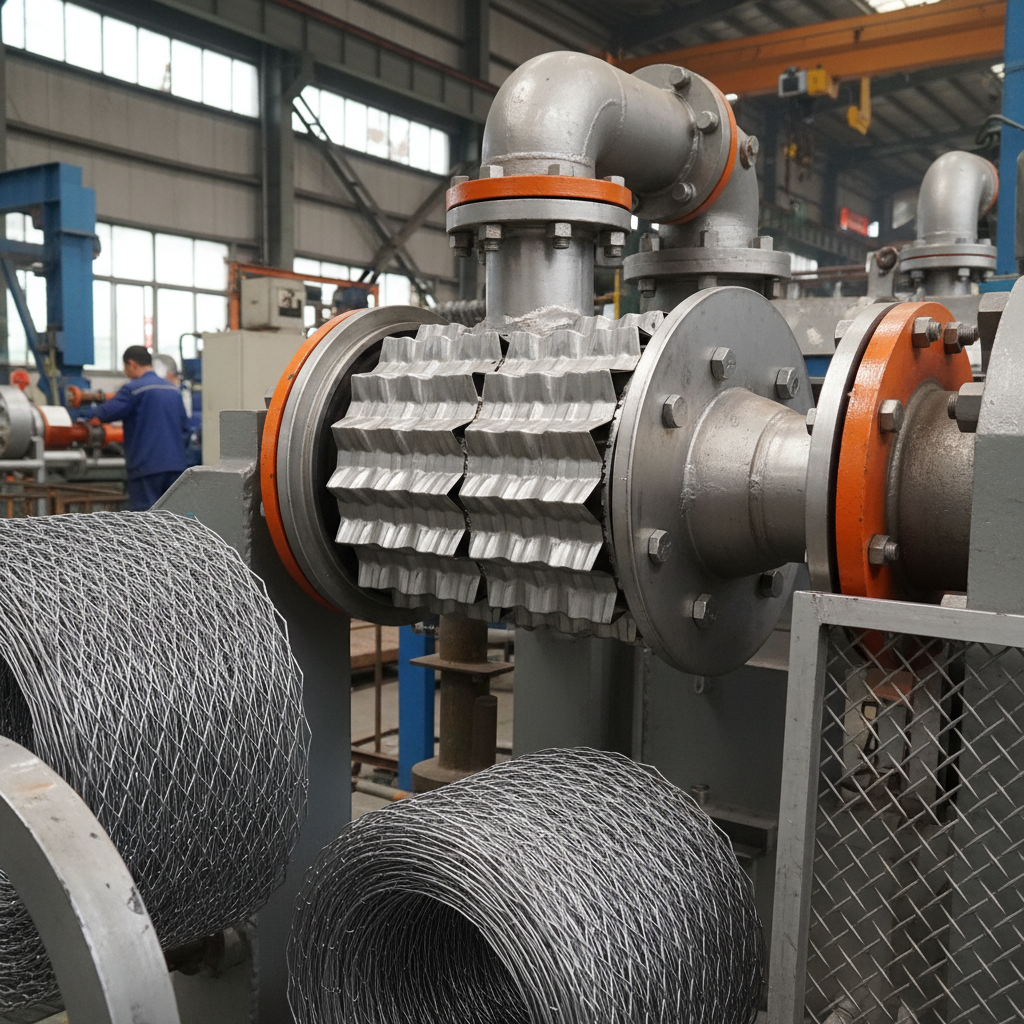
Modern gas turbine filters employ a variety of technologies, ranging from inertial separators and media filters to advanced electrostatic precipitators. The specific choice of filtration system is heavily influenced by the operating environment, the type of contaminants present, and the performance requirements of the turbine. Proper filter selection and maintenance are therefore integral to maximizing turbine efficiency and extending its operational lifespan.
Defining Gas Turbine Filters and Their Role
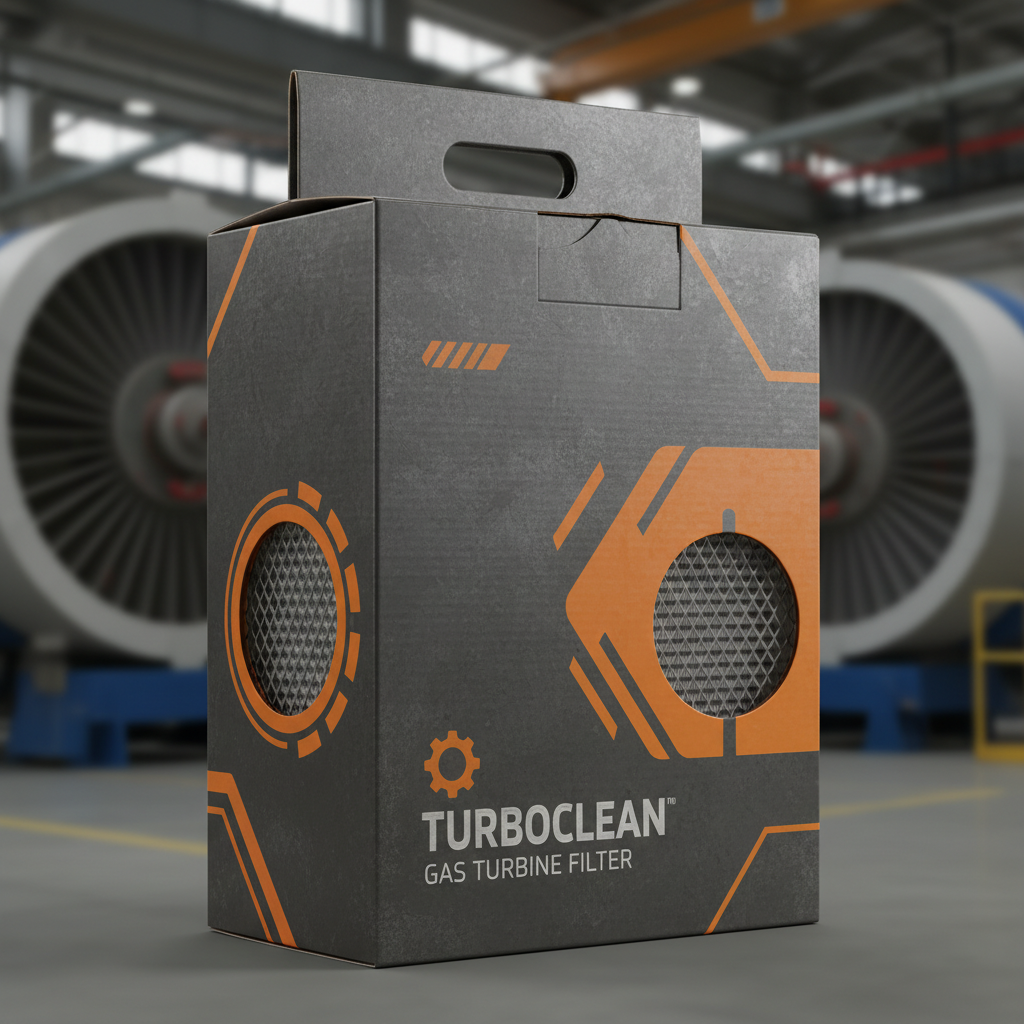
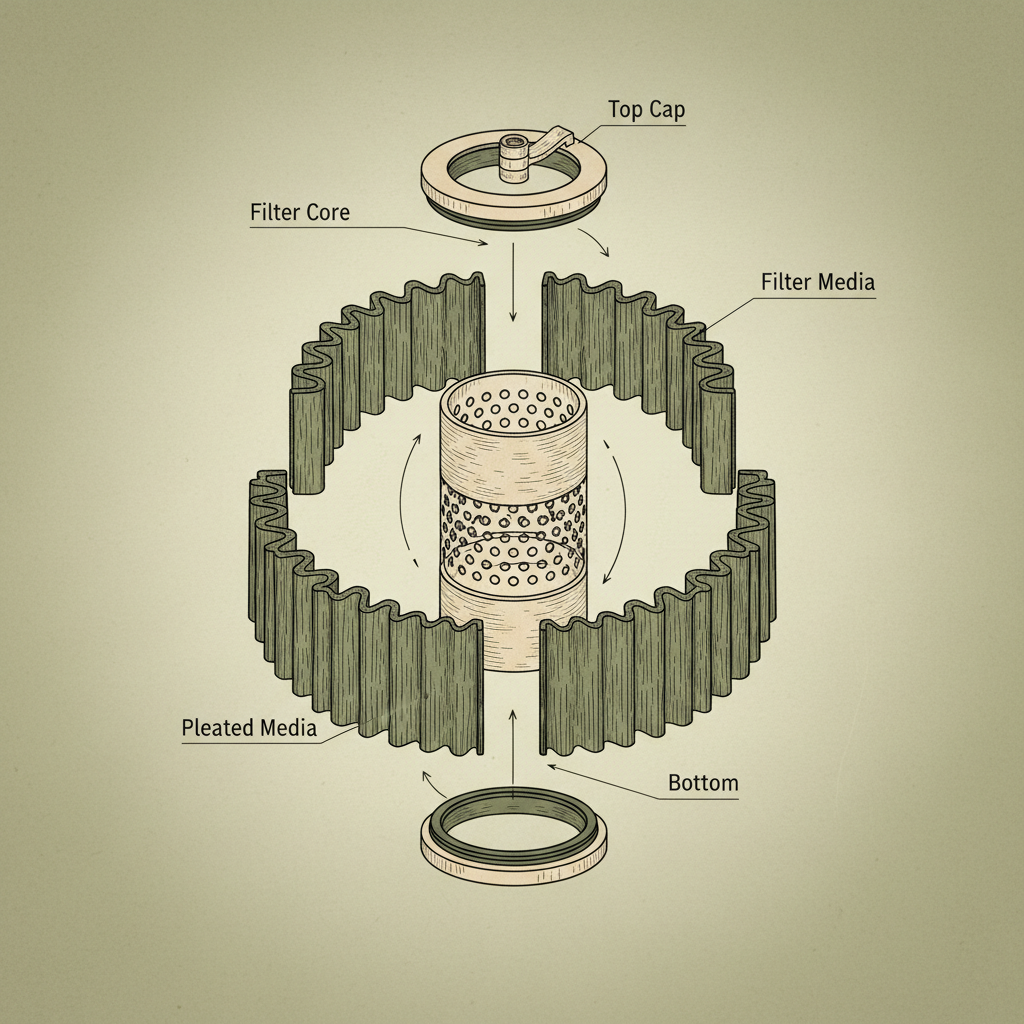
A gas turbine filter is a specialized device designed to clean the air or gas entering a gas turbine engine. Its primary function is to prevent harmful contaminants from reaching the turbine's delicate internal components. These contaminants can include dust, pollen, sand, salt spray, water droplets, and even insects. The filter acts as a barrier, trapping these particles and allowing only clean air or gas to pass through.
This process is vital because gas turbines operate at extremely high speeds and temperatures. Even small amounts of contamination can cause significant erosion and corrosion, reducing efficiency and potentially leading to catastrophic failure. In the context of modern industry, reliable power generation is critical; therefore, effective gas turbine filter systems are indispensable.
Beyond industrial power generation, gas turbine filters play a crucial role in aviation, where engine performance and safety are paramount. Similarly, in the oil and gas industry, these filters protect gas turbines used to drive compressors and pumps, ensuring continuous operation in often challenging environments.
Core Components and Critical Factors
Several key factors determine the effectiveness and longevity of a gas turbine filter. Firstly, filtration efficiency refers to the filter’s ability to remove contaminants of a specific size. Higher efficiency filters capture smaller particles, offering superior protection. Secondly, pressure drop is a crucial consideration; a higher pressure drop reduces turbine performance and increases fuel consumption. Balancing efficiency and pressure drop is therefore a fundamental design challenge.
Durability is another vital aspect, particularly in harsh operating environments. Filters must withstand high temperatures, humidity, and exposure to corrosive substances without degrading or failing. The media type used in the filter – whether it’s synthetic, cellulose, or a combination – significantly impacts its durability and filtration performance. Finally, filter life dictates how frequently the filter needs to be replaced, influencing maintenance costs and downtime.
Moisture removal capability is also critical. Water droplets can cause compressor stall and blade erosion. Specialized filters utilize coalescing media or moisture separators to effectively remove water from the intake air or gas. Optimizing these factors ensures optimal gas turbine performance, reducing operational costs and maximizing turbine lifespan.
Global Applications and Diverse Use Cases
Gas turbine filters are deployed globally across a diverse range of industries. In the power generation sector, they are essential for maintaining the efficiency of combined cycle power plants and simple cycle peaking plants. In the aviation industry, they protect aircraft engines from damage during takeoff and landing, ensuring flight safety.
The oil and gas industry relies heavily on gas turbines for powering compressors and pumps in upstream, midstream, and downstream operations. These turbines often operate in remote and challenging environments, such as offshore platforms and deserts, where effective filtration is paramount. In marine applications, gas turbines power cruise ships and naval vessels, and their filters must withstand the corrosive effects of saltwater.
Furthermore, in post-disaster relief operations, portable gas turbine generators provide vital electricity to affected areas, and their filters must be robust enough to operate in highly contaminated environments. In remote industrial zones, where air quality is poor, gas turbine filters ensure the reliable operation of critical infrastructure.
Gas Turbine Filter Performance Comparison
Advantages and Long-Term Value Proposition
Implementing high-quality gas turbine filters yields significant tangible benefits. Cost savings are realized through reduced maintenance requirements, extended turbine lifespan, and improved fuel efficiency. These filters also enhance turbine reliability, minimizing the risk of unscheduled downtime and production losses.
Sustainability is another key advantage. By improving combustion efficiency, these filters contribute to lower emissions and a reduced carbon footprint. Furthermore, proper filtration safeguards against environmental damage caused by turbine failures. From a safety perspective, reliable gas turbine operation is crucial in applications such as power generation and aviation, where malfunctions can have severe consequences.
Future Trends and Technological Innovations
The future of gas turbine filter technology is focused on developing more efficient, durable, and environmentally friendly solutions. Nanomaterials are being explored for creating filters with enhanced filtration efficiency and reduced pressure drop. Self-cleaning filters, utilizing electrostatic or ultrasonic technologies, are gaining traction as a means of extending filter life and reducing maintenance requirements.
Digitalization is also playing a growing role, with the development of smart filters that incorporate sensors to monitor filter performance and predict replacement needs. This predictive maintenance approach minimizes downtime and optimizes filter utilization. The integration of these technologies with artificial intelligence will further enhance filter performance and reliability.
Challenges and Innovative Solutions in Gas Turbine Filtration
One of the primary challenges in gas turbine filtration is addressing the issue of filter fouling, particularly in harsh environments. Dust, oil, and other contaminants can accumulate on the filter surface, reducing its efficiency and increasing pressure drop. Innovative solutions, such as pulsed jet cleaning systems and hydrophobic coatings, are being developed to mitigate this issue.
Another challenge is the need to balance filtration efficiency with pressure drop. Higher efficiency filters often exhibit higher pressure drops, which can reduce turbine performance. Developing filters with optimized pore structures and advanced media materials is crucial for achieving this balance.
Furthermore, the proper disposal of used filters presents an environmental challenge. Developing sustainable filter materials and recycling programs is essential for minimizing the environmental impact of gas turbine filtration.
Summary of Gas Turbine Filter Challenges and Solutions
| Challenge |
Impact on Turbine Performance |
Potential Solutions |
Implementation Cost (1-10) |
| Filter Fouling |
Reduced efficiency, increased pressure drop |
Pulsed jet cleaning, hydrophobic coatings |
6 |
| High Pressure Drop |
Reduced power output, increased fuel consumption |
Optimized pore structure, advanced media materials |
7 |
| Harsh Operating Environments |
Reduced filter lifespan, increased maintenance |
Durable filter materials, corrosion-resistant coatings |
8 |
| Moisture Contamination |
Compressor stall, blade erosion |
Coalescing filters, moisture separators |
5 |
| Filter Disposal |
Environmental impact |
Sustainable materials, recycling programs |
4 |
| Filter Monitoring |
Suboptimal maintenance schedules |
Smart filters with sensor technology |
9 |
FAQS
The lifespan of a gas turbine filter varies significantly depending on the operating environment, the type of contaminants present, and the filter’s quality. In relatively clean environments, a filter might last for several thousand hours, while in harsh, dusty conditions, it may need to be replaced every few hundred hours. Regular monitoring of pressure drop and visual inspections are crucial for determining when replacement is necessary. Properly maintained filters contribute to a longer turbine life.
Filter efficiency directly affects gas turbine performance. Higher efficiency filters remove more contaminants, resulting in cleaner air or gas entering the turbine. This improves combustion efficiency, reduces erosion and corrosion of turbine blades, and minimizes downtime for repairs. Conversely, low filter efficiency leads to increased maintenance costs, reduced power output, and a shorter turbine lifespan. Investing in high-quality filters offers significant long-term benefits.
Several contaminants pose a significant threat to gas turbines. Particulate matter, such as dust, sand, and salt spray, can cause erosion of turbine blades. Moisture droplets can lead to compressor stall and corrosion. Oil and other aerosols can foul turbine components, reducing efficiency. Even microscopic particles can accumulate over time, causing significant damage. Effective filtration systems must address all these contaminants.
Pressure drop refers to the resistance to airflow caused by the filter. A lower pressure drop allows for greater airflow, maximizing turbine performance. However, filters with lower pressure drops often have lower efficiency. Therefore, selecting a filter involves balancing efficiency and pressure drop to optimize turbine operation. Regular monitoring of pressure drop is essential for determining when a filter needs to be replaced.
Yes, there’s a growing focus on sustainable gas turbine filter materials. Manufacturers are exploring the use of recycled materials, biodegradable polymers, and more durable filter media to extend filter life and reduce waste. Proper disposal and recycling of used filters are also crucial for minimizing environmental impact. Choosing environmentally friendly filters contributes to a more sustainable operation.
Selecting the correct gas turbine filter requires careful consideration of several factors, including the operating environment, the type of contaminants present, the turbine’s specifications, and the desired level of performance. Consulting with a filtration specialist is highly recommended. They can assess your specific needs and recommend the most appropriate filter for your application. Contact us for a consultation.
Conclusion
In conclusion, gas turbine filters are an indispensable component of modern power generation, aviation, and industrial operations. Their role in protecting critical turbine components from damaging contaminants, enhancing performance, and promoting sustainability is paramount. Selecting the right filter, coupled with regular maintenance and monitoring, is crucial for maximizing turbine lifespan and minimizing operational costs. The advancements in filtration technology, including nanomaterials and smart filters, promise even greater efficiency and reliability in the future.
Looking ahead, continued innovation in filter materials and designs will be essential for meeting the evolving demands of the energy sector. Embracing digital technologies for predictive maintenance and optimizing filter utilization will further enhance turbine performance and reduce environmental impact. To learn more about optimizing your gas turbine filtration system and exploring our comprehensive range of gas turbine filter solutions, visit our website today.

 Email:admin@only-filter.com
 Tel:
+8615930870079
Tel:
+8615930870079