 Email:admin@only-filter.com
 Tel:
+8615930870079
Tel:
+8615930870079
Look, I've been running around construction sites for over a decade now, you know? Dust collection... it's a constant battle. Used to be, everyone just slapped a basic filter on whatever vacuum they had. But things are changing. Everyone's talking about IAQ now – Indoor Air Quality. Owners are getting sued for sick building syndrome, workers are demanding better conditions... it's a whole thing. Honestly, it’s not just about meeting regulations anymore, it’s about actually caring for the people doing the work.
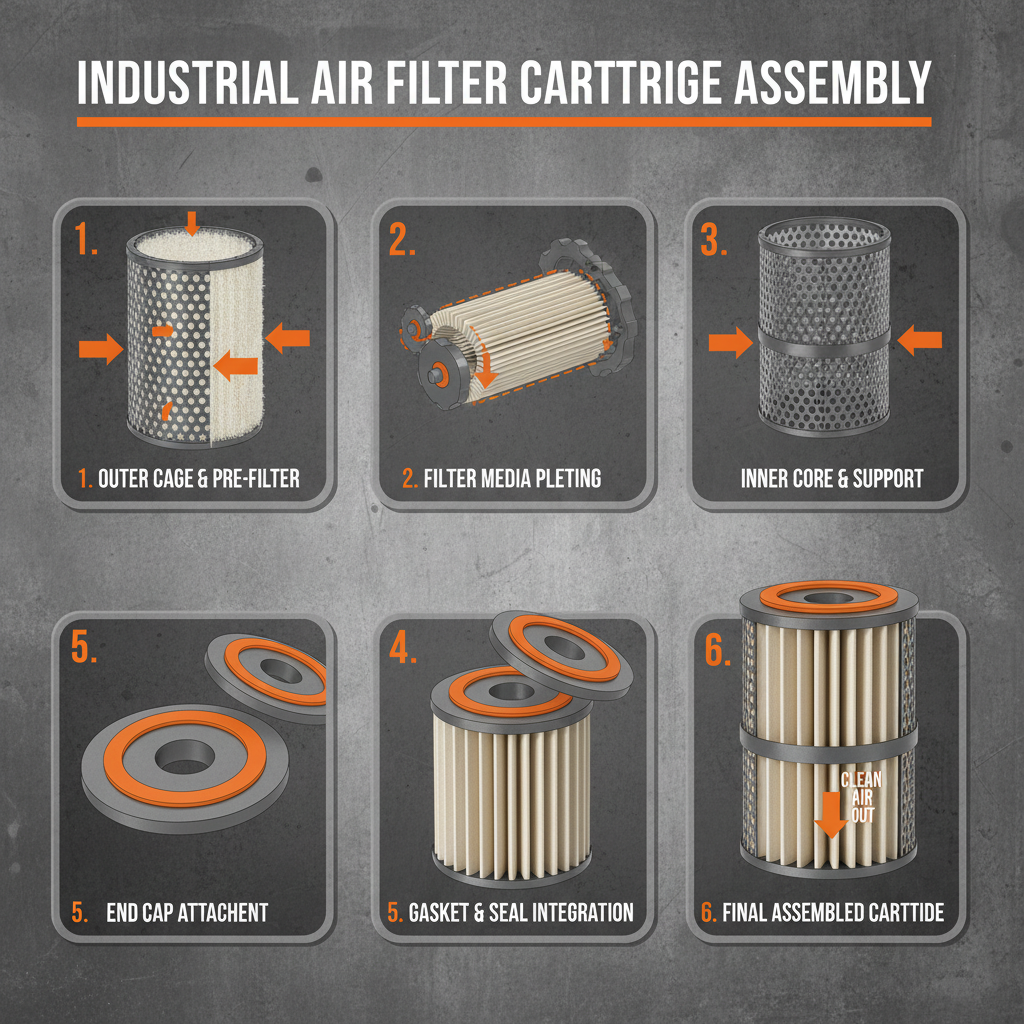
To be honest, the biggest trend I’m seeing is a move towards pleated filters. Not just any pleated filters, though. It's the media, the construction, and how they actually perform in the real world, not in some lab test. I encountered this at a massive metal fabrication plant last time – they were going through filters like water, complaining about dust getting past, clogging everything up. Turns out, the filter media wasn't designed for the heavy metal dust they were dealing with. It looked good on paper, but in practice… well, it was a disaster.
And don't even get me started on the marketing hype. “99.99% efficiency!” Yeah, sure. But at what airflow? And for how long? That's the stuff they never tell you.
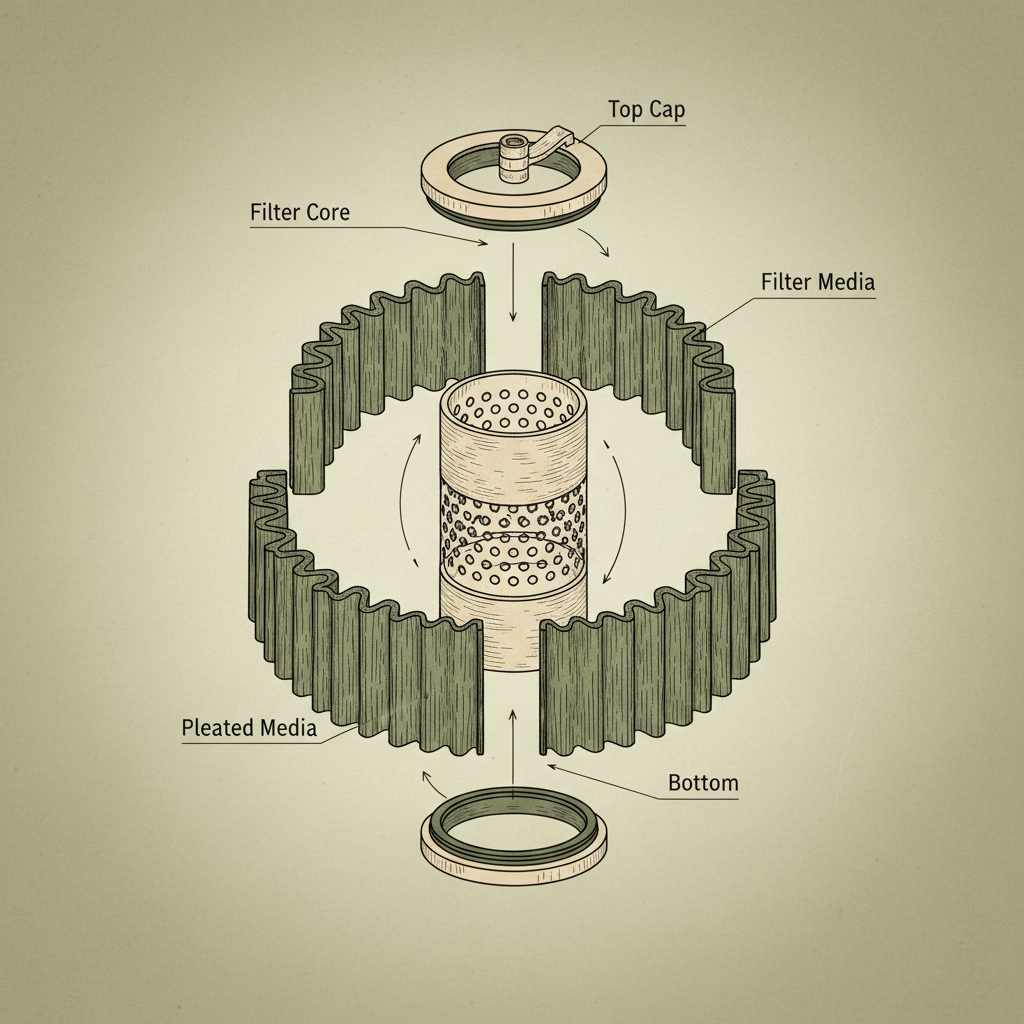
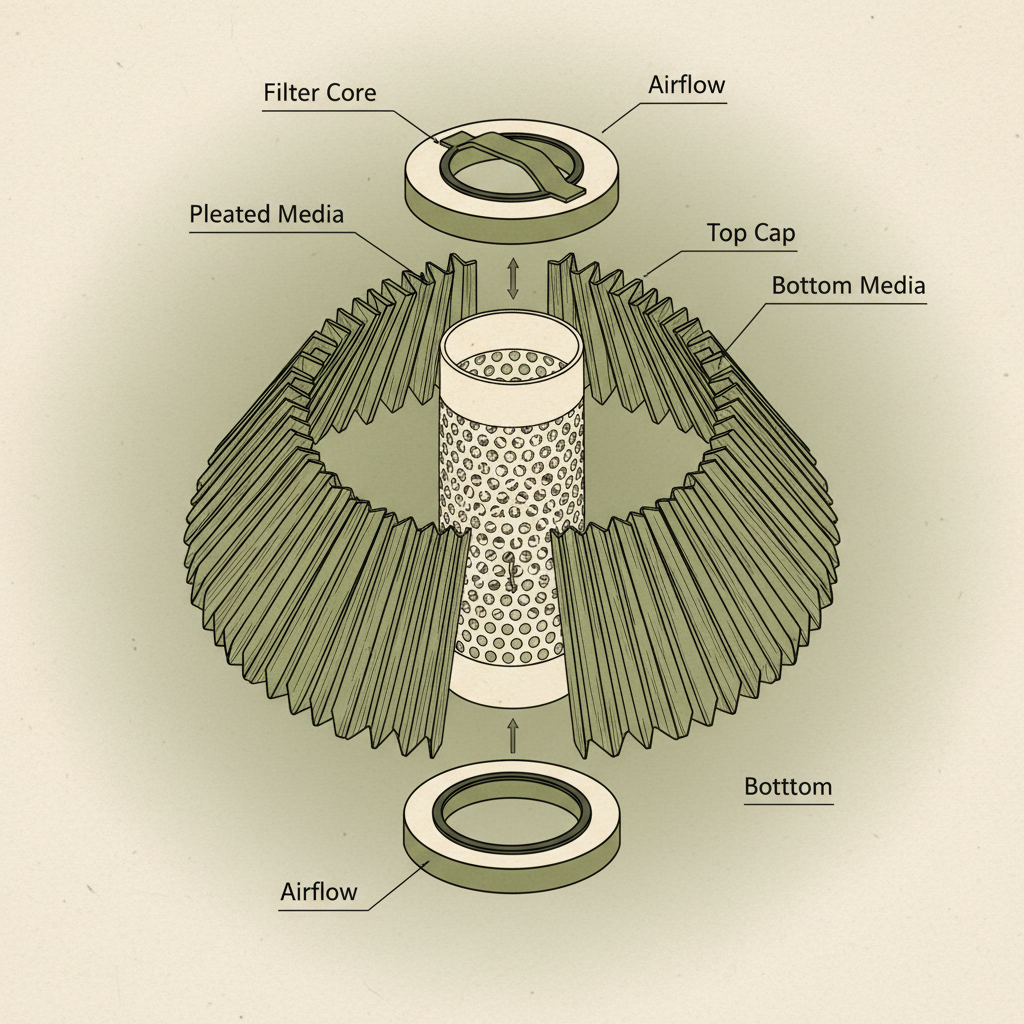
It wasn't always pleated filters, you know. Back in the day, it was all bag filters, cartridge filters… bulky, inefficient. They required a lot of space and maintenance. Then someone had the bright idea of pleating the filter media. More surface area in the same footprint. Seems simple, right? But the devil is in the details.
Have you noticed how quickly filter technology evolves? It feels like every six months there's a "new and improved" material. It’s exhausting keeping up.
MERV stands for Minimum Efficiency Reporting Value. Higher MERV ratings mean the filter captures smaller particles. A MERV 13 filter will capture more dust, pollen, and even some bacteria and viruses compared to a MERV 11. However, higher MERV ratings also mean more airflow resistance, potentially reducing the system’s efficiency. It's a trade-off. You need to balance filtration efficiency with airflow requirements.
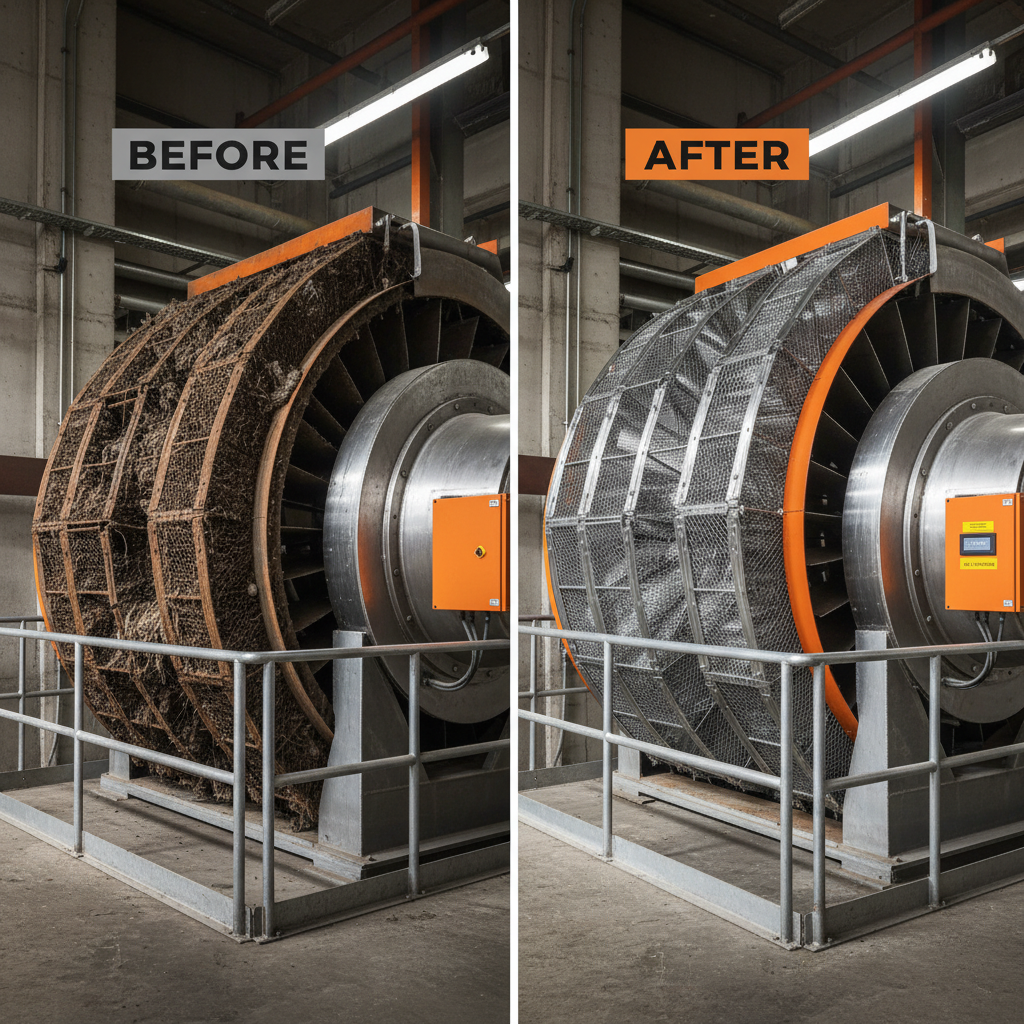
That depends entirely on the application. In a clean woodworking shop, you might get away with replacing it every 6 months. In a metal fabrication shop, you might need to replace it every month. A good rule of thumb is to check the pressure drop across the filter regularly. When it reaches a certain point, it's time for a new one. Ignoring it will hurt your system's performance and waste energy.
No, absolutely not. Washing a pleated filter will damage the media and reduce its efficiency. It’ll also introduce moisture, which can lead to mold growth. Pleated filters are designed to be disposable. Trying to reuse them is a false economy; you'll end up replacing them more frequently and compromising air quality.
Airflow resistance refers to how much the filter restricts the flow of air. A filter with high resistance requires the fan to work harder to maintain the same airflow. This reduces the system's efficiency, increases energy consumption, and can even damage the fan motor. It's a critical factor to consider when choosing a filter.
Yes, there are. Filters made with materials like PTFE (Teflon) can withstand temperatures up to 500°F. These are often used in welding and other high-heat applications. Standard polyester or polypropylene filters will melt or break down at high temperatures, so it’s crucial to choose the right material.
Pleated filters offer a significantly larger surface area in the same physical space as a bag filter, resulting in higher dust holding capacity and lower pressure drop. They are also generally easier to change and dispose of. Bag filters, while still used in some applications, are becoming less common due to their lower efficiency and higher maintenance requirements.
So, there you have it. Dust collection isn't glamorous, but it's essential. And pleated filters are a crucial part of the equation. Understanding the materials, the construction, the testing, and the real-world applications can make all the difference. It’s about finding the right balance between efficiency, airflow, and cost.
Ultimately, whether this thing works or not, the worker will know the moment he tightens the screw. If the air's cleaner, he'll feel it. If he's still choking on dust, well, you know you've got a problem. Don't just rely on marketing hype; get out there, get your hands dirty, and see what works in the real world.