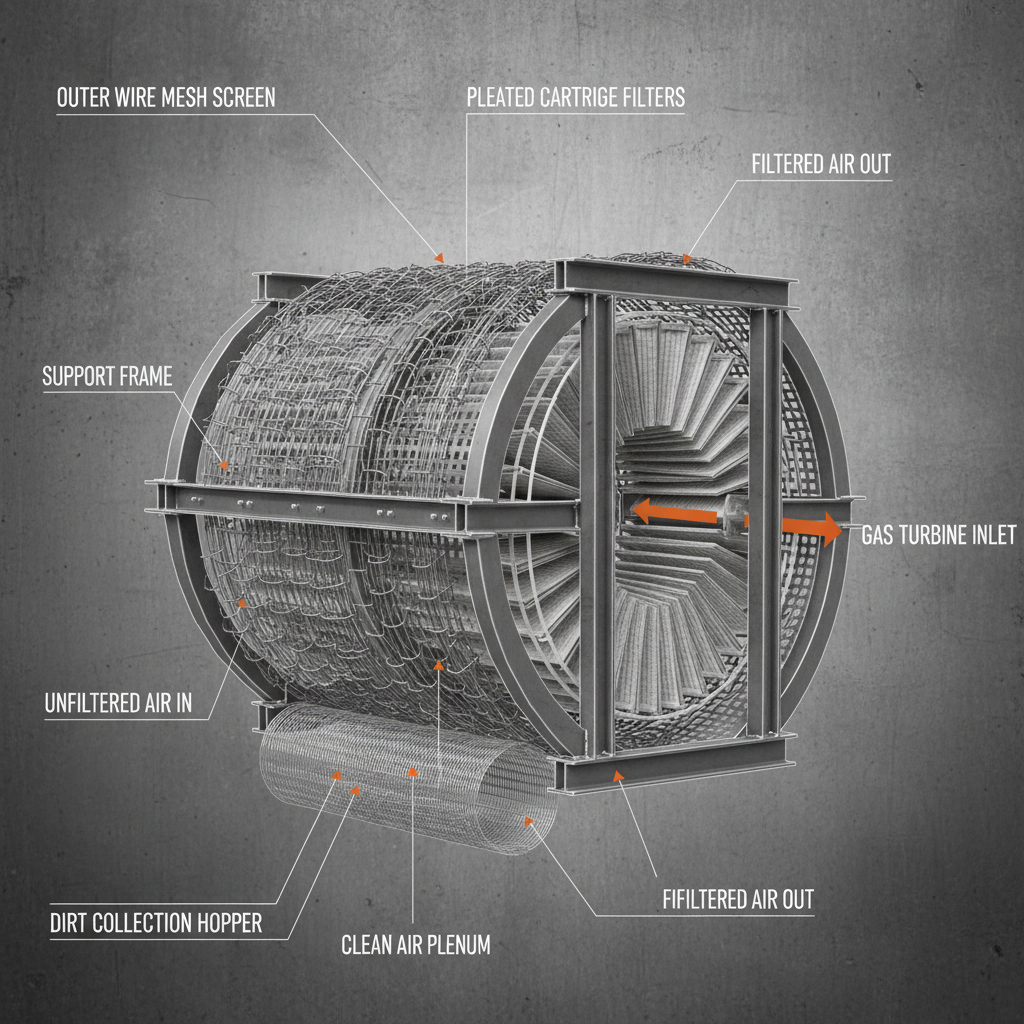
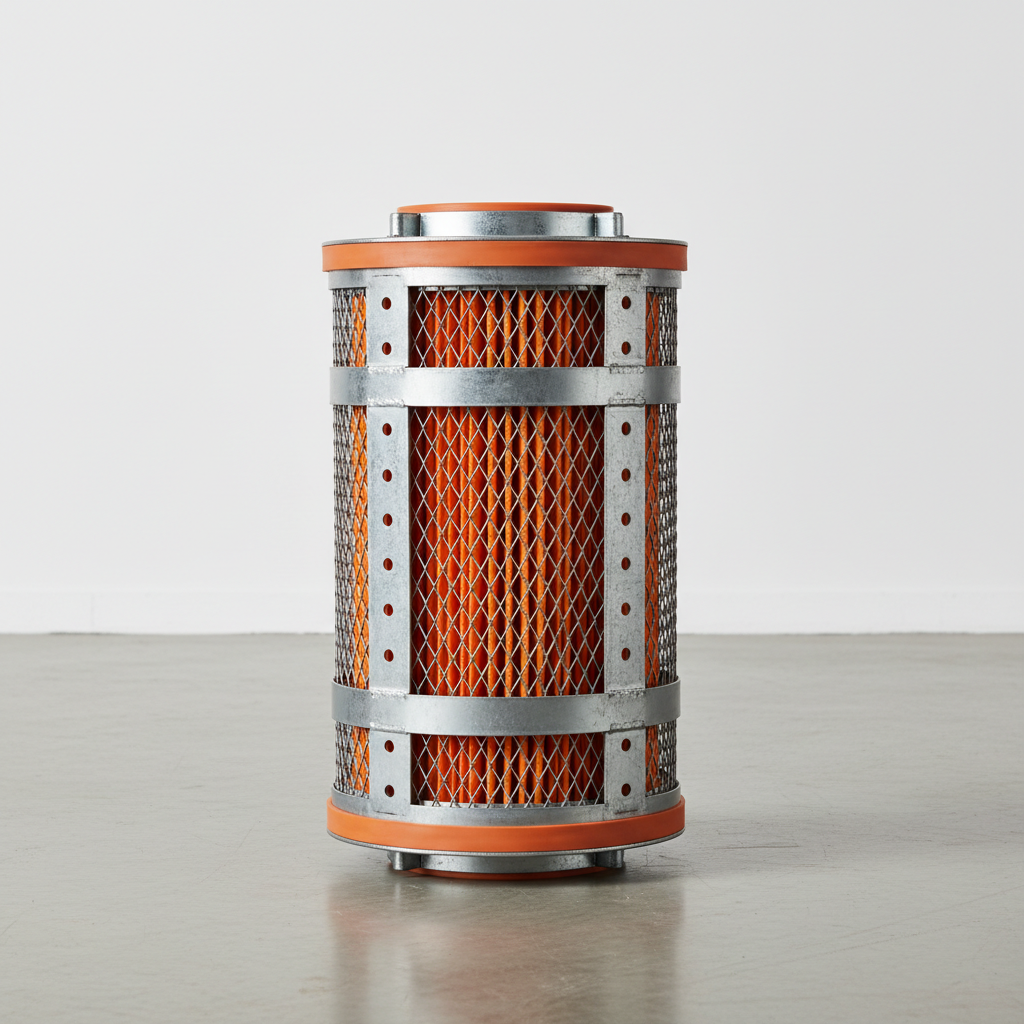
You know, lately everyone's talking about efficiency, modularity, and, of course, reducing dust. It’s all over the factories I visit. Seems like everyone’s trying to squeeze every last bit of performance out of their systems. To be honest, it's tiring just hearing about it, let alone implementing it. But the demand for cleaner air is real, especially with the stricter regulations. The pleated filter cartridge dust collector? Well, it's become the go-to solution for a lot of folks. It’s not a groundbreaking invention, no, but the small improvements – the media, the frame design…they add up.
I've noticed a lot of designers get caught up in the theoretical airflow rates and pressure drops. They spend hours in simulations, but then they haven’t spent a day actually handling the thing in a dusty environment. You need to understand how it feels, how easy it is to change, how much crud actually builds up. It’s the practical stuff that really matters. And frankly, most folks designing these things haven’t got a clue.
The core of a good pleated filter cartridge dust collector is the media, obviously. We're mostly using polyester these days – that’s the workhorse. Smells a bit like...well, plastic, honestly. Feels pretty durable, though. Sometimes you'll see polypropylene, especially for wetter applications, but polyester holds up better to constant flexing and the abrasive particles. Then there’s the frame. Metal – usually galvanized steel – is the standard. I encountered a supplier last time at a factory in Ningbo that was trying to push plastic frames. Seemed flimsy, and I didn’t trust it to hold up under pressure. Anyway, I think metal is still king.
Introduction: The Current Landscape
It's all about particle size these days. Everyone's chasing finer filtration. You’ve got your standard cartridge dust collectors, but increasingly, they're opting for nanofiber media. It's expensive, mind you, but the efficiency gains can be significant. Strangely, a lot of companies are still focusing on initial cost, not lifetime cost. They’ll buy a cheaper filter that needs replacing twice as often. Doesn't make sense, but what do I know?
The market is flooded with options - baghouses, cyclones, wet scrubbers – but for many applications, the pleated filter cartridge dust collector strikes a good balance between cost, efficiency, and maintenance. It's not the best at everything, but it's good enough for most jobs. And good enough is often all you need.
Design Pitfalls and Material Choices
The biggest issue I see is inadequate support for the media. If the pleats aren’t properly supported, they collapse under pressure, reducing airflow and shortening the filter life. A lot of manufacturers skimp on the internal bracing to save a few bucks. You can spot these filters a mile away – they look nice and fluffy at first, but they start to sag after a few weeks. And don’t even get me started on the glue they use. Some of that stuff off-gasses like crazy!
Then there's the end cap material. Plastic is cheaper, but metal provides a better seal and can withstand higher temperatures. I once had a customer complain about a filter failing because the plastic end cap warped in the heat. Told him he needed to upgrade to a metal cap, but he didn’t want to spend the extra money. Later… forget it, I won’t mention it.
The gasket is also critical. If it doesn't seal properly, you get bypass – dust leaking around the filter. That defeats the whole purpose, doesn't it? We've experimented with different gasket materials – silicone, neoprene, EPDM – and EPDM seems to hold up the best in most applications.
Real-World Testing and Application
Lab tests are fine, but they don't tell the whole story. You need to see how these filters perform in the real world, under actual operating conditions. I usually recommend a pilot test – install a few filters in the customer's system and monitor their performance over time. That’s the best way to identify any potential issues.
I've seen these filters used in everything from woodworking shops to pharmaceutical plants. They’re particularly popular in the metalworking industry, where they’re used to control fine dust from grinding and cutting operations. You also see them in the food processing industry, where hygiene is paramount.
What’s surprising is how people use them. Some customers treat them like disposable items, replacing them religiously on a schedule. Others try to stretch their life as long as possible, which can lead to reduced efficiency and increased energy consumption. It really depends on the application and the customer’s priorities.
Advantages, Disadvantages, and Customization
The biggest advantage of pleated filter cartridge dust collectors is their high surface area. That means they can capture a lot of dust with minimal pressure drop. They’re also relatively easy to install and maintain. But they're not perfect. They can be expensive, especially if you need to replace them frequently. And they’re not ideal for handling extremely high dust loads.
Customization is definitely possible. We've had customers request different media types, different frame materials, and even different pleat configurations. Last month, that small boss in Shenzhen who makes smart home devices insisted on changing the interface to , arguing it was more "future-proof." The result was a total nightmare – the standard fittings didn’t work, he had to redesign his entire dust collection system, and it cost him a fortune. Some ideas are just… bad.
Pleated Filter Cartridge Dust Collector: Performance Comparison
A Customer Story: The Debacle
I told you about the thing earlier. This happened last month, in Shenzhen. It was a small guy, runs a smart home gadget factory. Insisted on using connectors on the filter housings, said it was “future-proof.” He'd seen it on some expensive European equipment and thought it would make his product look more high-tech.
I tried to explain that nobody makes standard dust collector fittings with connections. He wouldn’t listen. He spent weeks trying to find a supplier who could custom-make the fittings, and ended up paying three times the original cost. In the end, he had to redesign the entire dust collection system because the connectors couldn’t handle the pressure. It was a complete disaster. He learned a valuable lesson that day.
Performance Metrics and Key Comparisons
When evaluating these filters, there are a few key metrics to consider: initial pressure drop, dust holding capacity, and filtration efficiency. Initial pressure drop tells you how much resistance the filter offers to airflow. Dust holding capacity tells you how much dust the filter can capture before it needs to be replaced. And filtration efficiency tells you how well the filter removes particles of a given size.
Comparing different filters can be tricky. You need to look at the specific application and the type of dust being collected. For example, a filter that’s great for capturing fine dust from woodworking might not be suitable for capturing heavy dust from metal grinding.
Honestly, the numbers often don't tell the whole story. A filter with a slightly lower efficiency rating might perform better in the real world if it has a higher dust holding capacity. It's all about finding the right balance for your specific needs.
Long-Term Reliability and Maintenance
The lifespan of a pleated filter cartridge dust collector depends on a lot of factors – the type of dust being collected, the airflow rate, the operating temperature, and the quality of the filter media. Regular maintenance is crucial. You need to inspect the filters regularly for damage and replace them when they become clogged.
A simple visual inspection can tell you a lot. If the filter looks dirty or discolored, it’s probably time to replace it. You can also use a differential pressure gauge to measure the pressure drop across the filter. If the pressure drop exceeds a certain level, it indicates that the filter is clogged.
The table below summarizes some common maintenance guidelines.
Common Pleated Filter Cartridge Dust Collector Maintenance Guidelines
| Maintenance Task |
Frequency |
Difficulty (1-5) |
Estimated Time |
| Visual Inspection |
Weekly |
1 |
5 minutes |
| Differential Pressure Measurement |
Monthly |
2 |
10 minutes |
| Filter Replacement |
As Needed |
3 |
30 minutes |
| Housing Cleaning |
Semi-Annually |
2 |
60 minutes |
| Gasket Inspection/Replacement |
Annually |
3 |
45 minutes |
| System Leak Check |
Quarterly |
2 |
15 minutes |
FAQS
It really depends on how much dust your shop generates. But as a rule of thumb, you're looking at anywhere from 3 to 6 months for a standard polyester filter. If you’re running a high-volume operation, you might need to replace them more frequently. The key is to monitor the pressure drop and replace them when it starts to climb. Don’t wait for it to clog completely – you’ll lose efficiency and potentially damage your dust collector.
Generally, no. Most pleated filter cartridges aren't designed to be cleaned. Trying to clean them can damage the media and reduce their efficiency. There are some specialized filters that can be reverse-flushed, but those are typically used in industrial applications and are much more expensive. It's usually cheaper and more effective to just replace them.
MERV stands for Minimum Efficiency Reporting Value. It's a measure of how effectively a filter captures particles of different sizes. Higher MERV ratings mean the filter can capture smaller particles, but also means higher pressure drop. For most dust collection applications, a MERV rating of 8 to 12 is sufficient. Going higher than that can restrict airflow too much.
Make sure the gasket is seated properly and forms a tight seal against the housing. You shouldn’t be able to see any light around the edges of the filter. Also, make sure the filter is oriented correctly – some filters have a specific airflow direction. A proper installation is crucial for optimal performance and preventing dust bypass.
That depends on the type of dust you were collecting. If you were collecting hazardous materials, you’ll need to dispose of the filters according to local regulations. For general dust, you can usually dispose of them in the regular trash. However, it’s always a good idea to check with your local waste management authority.
Yes, there are. Look for filters with a hydrophobic media, like polypropylene. These filters are designed to resist moisture absorption and maintain their efficiency in humid environments. Polyester filters can also be treated with a water-repellent coating, but that coating can wear off over time.
Conclusion
So, where does that leave us? The pleated filter cartridge dust collector isn’t revolutionary, but it’s a solid, reliable solution for a wide range of applications. It’s about understanding the nuances – the materials, the design, the maintenance – and finding the right filter for the job. You gotta remember it's not just about picking the cheapest option.
Ultimately, whether this thing works or not, the worker will know the moment he tightens the screw. It all comes down to practical performance in the real world. If you're looking for high-quality pleated filter cartridges for your dust collection system, visit our website at www.onlyfiltercartridge.com. We’ve got the expertise and the products to help you keep your air clean and your operation running smoothly.

 Email:admin@only-filter.com