ONLY Technology (hebei Province) Co., Ltd.

If you are interested in our products, you can choose to leave your information here, and we will be in touch with you shortly.


0%

Table of Contents

To be honest, the dust collection business has been crazy lately. Everyone’s talking about nanofiber filters, you know? Supposedly better filtration, lower pressure drop. But I've seen those things clog up faster than you can say ‘particle matter’ on a humid job site. And the cost… forget about it. Meanwhile, good old cartridge dust collector filter are still holding their own. You see ‘em everywhere, from metal fabrication shops to wood mills. Reliable, relatively cheap, and when you know what you’re looking at, they get the job done.

Have you noticed how many companies are trying to reinvent the wheel? Fancy polymers, exotic blends… I encountered this at a filter factory in Jiangsu last time, they were bragging about this new ‘breathable membrane’ that was supposed to increase airflow. Turned out it just tore after a week with coarse wood dust. Simple is often best.

Anyway, I think a lot of folks underestimate how important the material choice is. We're using a spunbond polyester felt – it’s got good tear strength, resists moisture, and doesn’t shed fibers like some of those cheaper options. You can tell the quality just by the smell… that cheap stuff smells like burnt plastic. And feeling it - a good cartridge medium should feel firm, not flimsy. We work with several suppliers, but we always run a pinch test - if it compresses too easily, it's no good.
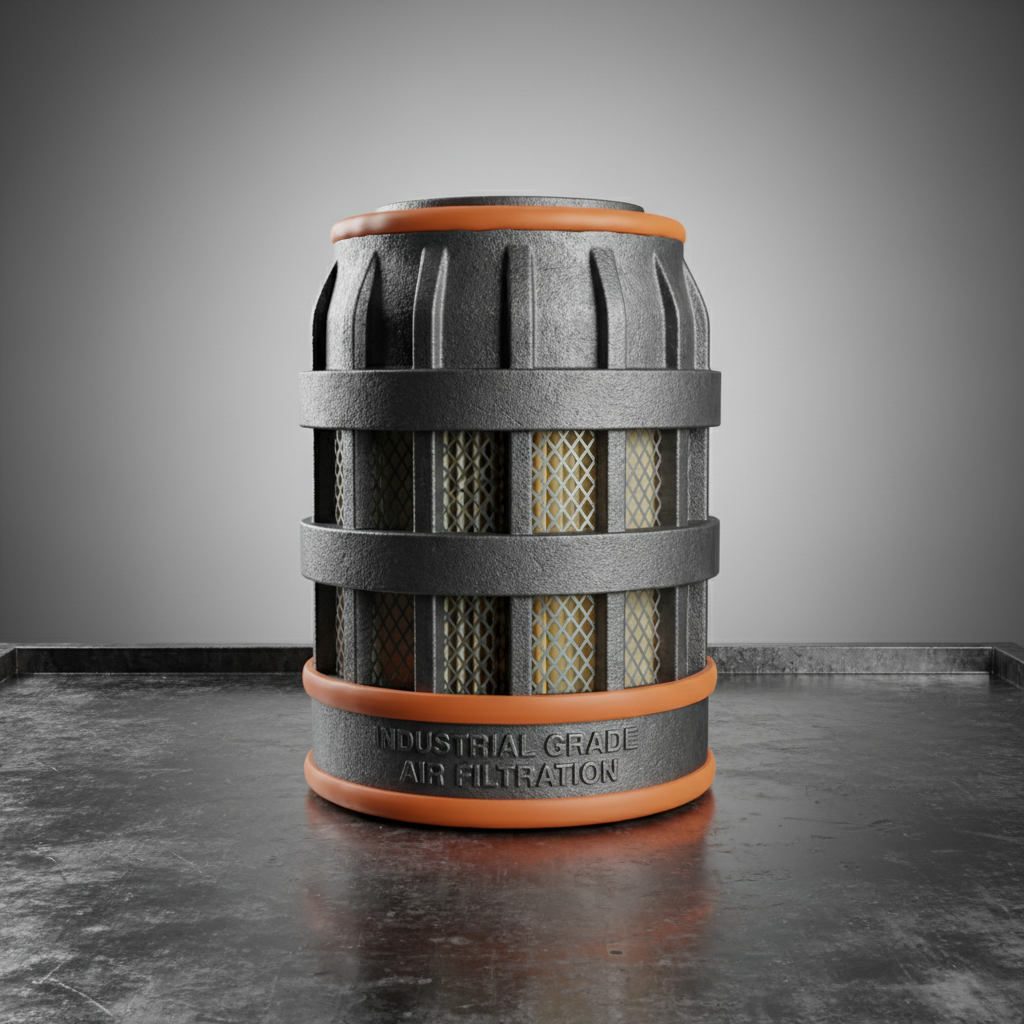
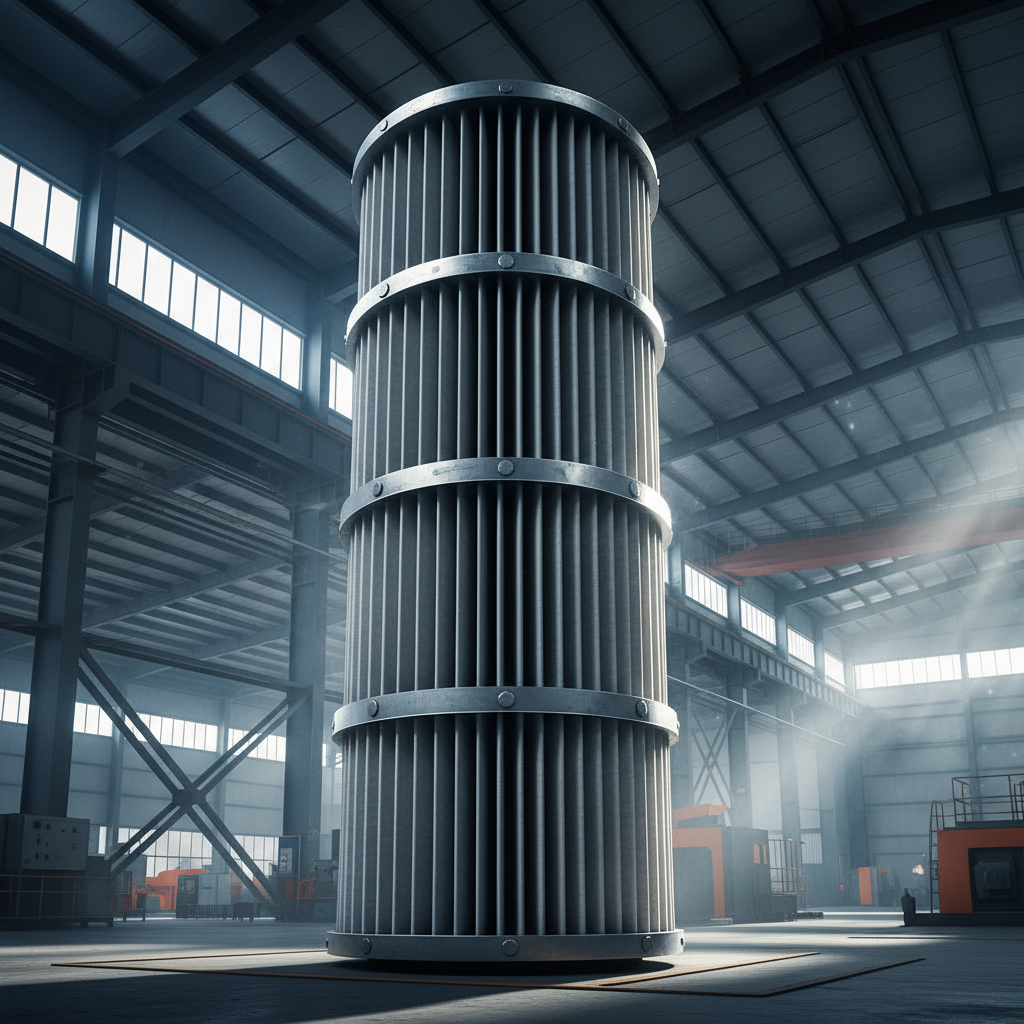
Optimizing Industrial Air Quality with Reliable Cartridge Dust Collector Filter Solutions

Industry Trends & Common Pitfalls

Optimizing Industrial Air Quality with Reliable Cartridge Dust Collector Filter Solutions

Strangely, the biggest trend I've seen isn't a new material, but a shift towards smaller, more portable dust collectors. More and more shops are cramped for space, so they need solutions that don’t take up a whole corner of the building. That means higher filter density, which often translates to higher pressure drop and shorter filter life. A common pitfall is focusing too much on initial efficiency ratings and not enough on long-term performance. A filter that catches 99.9% of particles sounds great, but if it clogs up after a week, it’s useless.

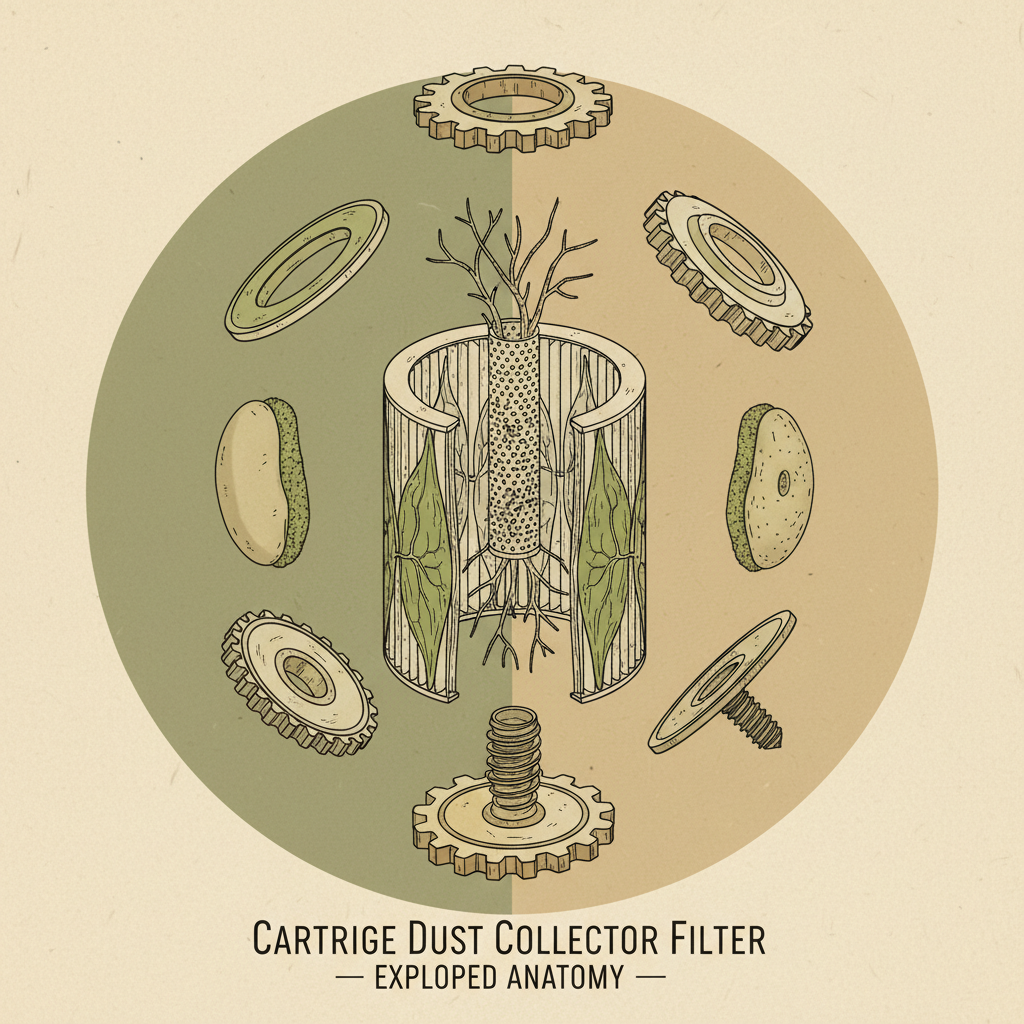
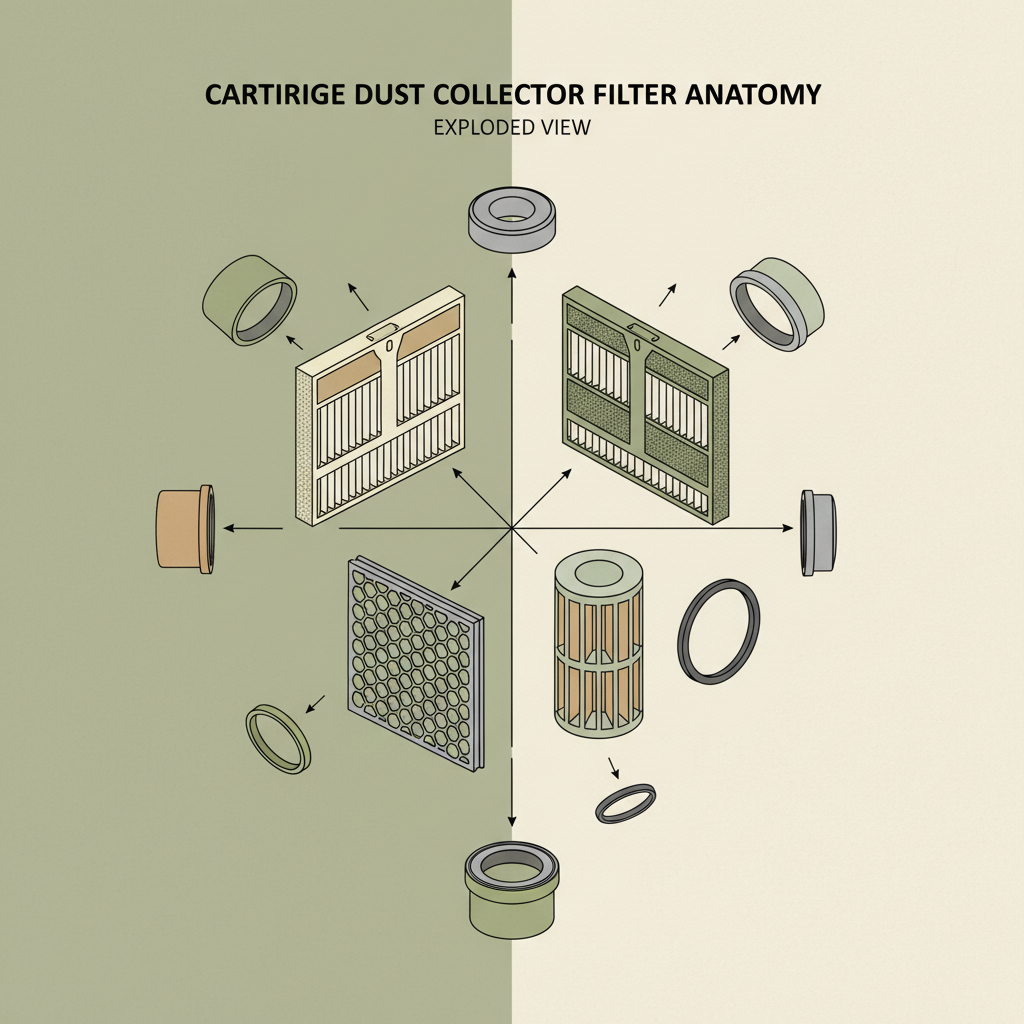
The other big issue? People trying to cut corners on the cage. The supporting structure inside the cartridge. You wouldn’t believe how many flimsy cages I’ve seen snap during backflushing. Then you've got a real mess on your hands.

Material Science: Beyond the Specs

It’s not just about the micron rating and the air permeability. The way the filter media is constructed makes a huge difference. We use a graded density filter media - it's tighter at the surface to capture the fine particles, and looser further in to allow for higher dust loading capacity. It seems simple, but it’s a game changer.

And the pleat shape… that’s critical. Too shallow, and you reduce surface area. Too deep, and it can cause bridging, where the dust forms a hard crust and blocks the pores. We’ve experimented with different pleat depths, and we've found that a consistent, uniform pleat is the best approach.

We also use a coating to help release the dust during backflushing. It’s a proprietary formula, but it’s basically a silicone-based lubricant. Makes a world of difference, especially with sticky dusts like MDF.

Real-World Testing & Performance

Lab tests are fine, but they don’t tell the whole story. We test our cartridge dust collector filter in real shops, with real dust. We’ve got relationships with several metal fabrication shops, woodworking mills, and plastic processing plants. We’ll put a filter in, monitor the pressure drop over time, and then cut it open and analyze the dust loading.

What's more, we test the backflushing capabilities. A lot of filters claim to be ‘easily backflushed,’ but they still end up with a significant pressure drop after a few cycles. We simulate realistic backflushing conditions – same air pressure, same duration, same dust loading – to see how well the filter recovers.

It’s messy work, honestly. Covered in dust, dealing with hot air… but it gives us valuable insights that you just can’t get in a sterile lab environment.

User Behavior & Unexpected Applications

You’d be surprised how people actually use these things. We designed a filter for a specific application – grinding aluminum – but then we got feedback from a customer who was using it to collect plastic fumes from a 3D printing operation. Worked surprisingly well.

Another thing we’ve noticed is that a lot of users don’t bother with regular maintenance. They just let the filter clog up until the airflow drops to a crawl. Then they wonder why it’s not working properly. Education is key – we try to provide clear instructions and encourage regular backflushing.

cartridge dust collector filter Performance Metrics


Advantages, Disadvantages & Trade-offs

The big advantage of cartridge dust collector filter, obviously, is the filtration efficiency. You get a lot of surface area packed into a relatively small space. And they're generally easier to change than bag filters, which is a plus.

But they’re not perfect. They can be prone to clogging, especially with sticky dusts. And if the cage gets damaged, the whole thing needs to be replaced. It's a trade-off – high efficiency for potential maintenance headaches.

Customization Options & Practical Examples

We do a fair amount of customization. Last month, that small boss in Shenzhen who makes smart home devices insisted on changing the interface to – he said it was ‘more modern.’ Honestly, I didn’t see the point, but he was paying the bill. We also do different flange sizes, different media weights, and even custom pleat configurations.

A more practical customization is adjusting the filter length to fit specific dust collector housings. Sometimes a customer will have an older machine, and they can’t find a standard filter that fits. We can manufacture a custom length to meet their needs.

Another one was a guy who needed a filter that could handle extremely hot exhaust fumes – we had to use a special PTFE-coated media to resist the heat.

Durability & Long-Term Reliability

Durability is everything. A filter that fails prematurely is just a waste of money. We focus on using high-quality materials, robust construction, and rigorous testing to ensure that our filters can withstand the harsh conditions of a real-world workshop.

We've seen filters that disintegrate after just a few weeks, leaving behind a mess of fibers and debris. That’s not acceptable. We aim for filters that will last at least a year, even in demanding applications.

And it all comes down to the little things. Properly sealed seams, a strong cage, and a media that doesn’t shed.

Summary of Cartridge Dust Collector Filter Durability Factors

Material Quality Construction Strength Seam Integrity Resistance to Shedding
Polyester felt (grade A) Heavy-gauge metal cage, welded joints Double-stitched seams with durable thread Low fiber release rate (tested to industry standards)
Polypropylene (lower grade) Lightweight cage, spot-welded joints Single-stitched seams Moderate fiber release rate
Cellulose (paper-based) Cardboard support structure Glued seams High fiber release rate
Nanofiber blend Stainless steel cage, reinforced welds Ultrasonic welding Very low fiber release rate
Acrylic blend Plastic cage, snap-fit joints Heat-sealed seams Moderate fiber release rate
Mixed fibers (unknown origin) Wire mesh cage, twisted joints No seams High fiber release rate, prone to tearing

FAQS

What’s the lifespan of a typical cartridge dust collector filter?

That depends heavily on the application and the dust loading. A general rule of thumb is 6-12 months for metalworking, but it can be shorter for woodworking or plastic processing. Regular backflushing extends the life considerably. Ignoring it? You'll be replacing it much sooner. We've seen filters completely clog up in a month if they aren't maintained.

How often should I backflush my filter?

Ideally, you should backflush your filter at least once a week, or more frequently if you’re dealing with a lot of fine dust. Monitor the pressure drop – when it starts to climb significantly, it’s time to backflush. The frequency depends a lot on the type of dust too - sticky dust will clog things up faster. And don't skimp on the air pressure - you need enough force to dislodge the dust.

Can I use compressed air to clean the filter?

Absolutely, but be careful. Use a nozzle with a wide fan pattern and keep it moving to avoid damaging the filter media. Don't focus the air stream on one spot for too long. And always wear eye protection – you don’t want dust blown back in your face. A dedicated backflushing system is always the best option, but compressed air can work in a pinch.

What's the difference between a pleated and a non-pleated filter?

Pleated filters have a much larger surface area packed into the same space, which means they can capture more dust before clogging up. Non-pleated filters are simpler and cheaper, but they require more frequent replacement. For most industrial applications, a pleated filter is the way to go. It's about balancing cost and performance.

My filter is making a lot of noise. What could be the problem?

That could be a few things. Sometimes it's just a loose connection or a vibration. But it could also indicate a damaged cage or a clogged filter. Check the cage for cracks or bends, and inspect the filter media for excessive dust buildup. If the noise persists, it’s best to replace the filter. Ignoring it could lead to a complete system failure.

Are all cartridge dust collector filters compatible with any dust collector?

No, definitely not. You need to make sure the filter’s dimensions and compatibility match your dust collector’s specifications. Pay attention to the flange type, length, diameter, and media type. Using the wrong filter can damage your dust collector or reduce its efficiency. We offer a compatibility checker on our website, or you can always contact us for assistance.

Conclusion

Ultimately, cartridge dust collector filter are about finding the right balance between efficiency, durability, and cost. There's no silver bullet – the best filter for one application might be terrible for another. Understanding your dust load, your operating conditions, and your maintenance practices is crucial.

And remember, the real test isn’t in the lab or on a spec sheet. It’s on the shop floor, in the hands of the guy who’s tightening the screws, breathing the air. Ultimately, whether this thing works or not, the worker will know the moment he tightens the screw. Visit our website for more information: www.onlyfiltercartridge.com
David Miller

David Miller

David Miller is a Senior Application Engineer at ONLY TECHNOLOGY. With over 8 years of experience in industrial filtration, David specializes in tailoring dust removal solutions for the mining and chemical industries. He holds a Bachelor's degree in Mechanical Engineering and a strong understanding of air purification processes. David frequently
Previous Optimizing Dust Collection with Pleated Filter Technology for Improved IAQ
Next Optimizing Dust Collection with High Performance Filter Cartridges
Copyright © 2026 ONLY Technology (hebei Province) Co., Ltd. All Rights Reserved. Sitemap | Privacy Policy | Top Blog | Global Service