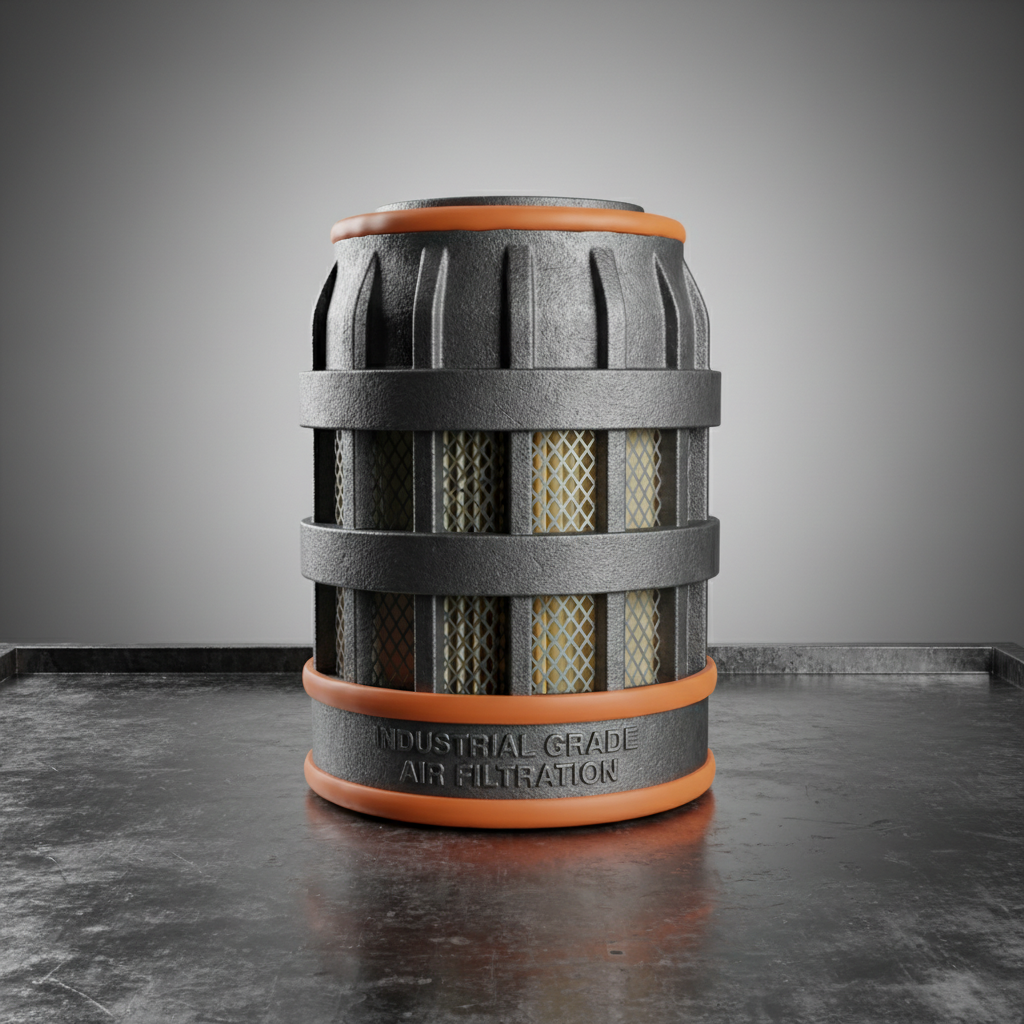
Navigating the complexities of international trade requires more than just a high-quality product; it demands precision in documentation. For businesses importing or exporting air purification components, identifying the correct air filter cartridge hs code is critical to ensuring seamless customs clearance and avoiding costly regulatory delays. Whether you are dealing with activated carbon or dust removal systems, the Harmonized System (HS) provides the universal language needed to categorize these technical components across global borders.
The global demand for clean air has surged, driven by stricter environmental regulations and a growing emphasis on industrial hygiene. As manufacturers scale their operations, the ability to accurately apply the air filter cartridge hs code allows for the optimization of tariff costs and the utilization of preferential trade agreements. Misclassification can lead to overestimated duties or, worse, legal disputes with customs authorities, making a deep understanding of these codes an operational necessity for any serious supplier in the environment control equipment sector.
By mastering the nuances of the air filter cartridge hs code, companies can transition from reactive logistics to a strategic supply chain approach. This ensures that high-performance products—such as activated carbon filter cartridges used for removing organic vapors—reach their destination without friction. In the following guide, we will break down the technicalities of HS classification, explore the core components of filtration hardware, and provide a roadmap for navigating international shipping standards in the air purification industry.
Global Importance of Air Filter Cartridge HS Code
The global trade landscape for environment control equipment is governed by strict customs protocols. For the air filter cartridge hs code, this means that every shipment must be meticulously labeled to reflect the material composition and the intended function of the filter. According to World Customs Organization (WCO) standards, the HS code ensures that statistics are collected accurately and that the correct duties are applied, which is essential for companies managing large-scale imports of dust removal or carbon filters.
Beyond mere compliance, utilizing the correct air filter cartridge hs code acts as a catalyst for speed. In industries where downtime is expensive—such as medical facilities or chemical laboratories—the delay of a replacement cartridge due to a customs hold can be catastrophic. By aligning technical specifications with the global tariff schedule, manufacturers ensure that their air purification solutions move through ports with maximum velocity and minimum administrative friction.
Defining the Air Filter Cartridge HS Code System
In simple terms, an air filter cartridge hs code is a standardized numerical method of classifying traded products. It is a six-to-ten digit code that tells customs officials exactly what the item is, what it is made of, and what its primary purpose is. For an activated carbon filter, the code must distinguish it from a simple mechanical mesh filter, as the presence of chemical adsorbents often places the item in a different tariff category.
This system is inextricably linked to modern industrial needs. As cities worldwide struggle with smog and factories implement stricter VOC (Volatile Organic Compound) emission limits, the trade of specialized filtration media has skyrocketed. The air filter cartridge hs code provides the necessary framework to track these environmental technologies, ensuring that "green" tech can be traded efficiently to areas that need it most.
Ultimately, the HS code is not just a number; it is a legal declaration. When a company declares a specific air filter cartridge hs code, they are asserting that the product meets the technical criteria of that category. This creates a bridge of trust between the manufacturer, the freight forwarder, and the importing government, facilitating the rapid deployment of air quality solutions globally.
Core Components Affecting HS Classification
The primary factor influencing the air filter cartridge hs code is the material of the filtration media. For instance, products utilizing granular activated carbon treated with special chemical formulas are classified differently than those using synthetic polymers or glass fibers. The adsorption mechanism—whether physical or chemical—dictates the technical heading under which the product falls.
Another critical element is the structural housing. A cartridge featuring a stainless steel or galvanized steel plate shell may be viewed as a "part of a machine" or a "filter element" depending on the regional interpretation of the air filter cartridge hs code. The durability and reusability of the metal shell often move the product into a higher value bracket, affecting the duty rates.
Finally, the intended application plays a role. Filters designed specifically for radioactive gas removal or mercury vapor adsorption require more stringent documentation than standard office air filters. This specialization ensures that the air filter cartridge hs code reflects the hazardous material handling capabilities of the device, which is vital for safety audits and international shipping regulations.
Practical Applications and Trade Efficiency
In real-world scenarios, the application of the air filter cartridge hs code is most visible in large-scale industrial ventilation projects. For example, when an engineering firm in Europe imports Activated Carbon Filter Cartridges from an Asian manufacturer to treat acidic and alkaline gases in a chemical plant, the accuracy of the HS code prevents the shipment from being flagged as "unclassified machinery," which could lead to weeks of inspection.
Similarly, in remote industrial zones or post-disaster recovery areas where air quality is compromised, the rapid import of dust removal cartridges is essential. By utilizing a pre-verified air filter cartridge hs code, NGOs and government agencies can expedite the delivery of air purification systems, ensuring that healthcare workers and civilians have breathable air in critical environments.
Comparative Efficiency of Air Filter Cartridge HS Code Classification
Long-term Value of Accurate HS Coding
The tangible benefits of precision in using the air filter cartridge hs code extend far beyond avoiding fines. For a manufacturer, it establishes a track record of reliability with customs agencies. This "trusted trader" status often leads to expedited processing and fewer physical inspections, reducing the total cost of ownership for the end customer and enhancing the company's competitive edge in the global market.
From a sustainability perspective, accurate coding supports the circular economy. By correctly identifying the air filter cartridge hs code for reusable metal shells and replaceable adsorption media, companies can facilitate the return and recycling of components. This logical approach to logistics reduces waste and aligns the business with global ESG (Environmental, Social, and Governance) goals, fostering a brand image built on trust and innovation.
Future Innovations in Filtration Classification
As we move toward Industry 4.0, the way we handle the air filter cartridge hs code is evolving. Digital transformation is introducing "Smart HS" systems, where the technical specifications of an activated carbon filter—such as its pore structure and specific surface area—are automatically mapped to the correct customs code using AI. This reduces human error and ensures that as new materials emerge, the classification remains current.
Furthermore, the shift toward green energy and sustainable materials is forcing a revision of the HS system. We are seeing the emergence of new categories for biodegradable filter media and carbon-capture cartridges. These innovations require a dynamic understanding of the air filter cartridge hs code to ensure that eco-friendly products benefit from "green tariffs" or tax incentives offered by various governments.
Automation in logistics is also playing a role. Integration between ERP systems and customs databases means that the air filter cartridge hs code is now embedded in the product's digital twin. This allows for real-time tracking and automatic documentation generation, ensuring that the transition from the factory floor to the customer's facility is as seamless as the air passing through the filters themselves.
Common Challenges in HS Code Assignment
One of the most common challenges is the "grey area" between a filter as a standalone product and a filter as a part of a larger ventilation system. Customs agents in different countries may interpret the air filter cartridge hs code differently; some may classify it under "machinery parts" while others place it under "chemical products" due to the activated carbon. This inconsistency can lead to unexpected duty hikes during transit.
Another hurdle is the complexity of multi-material cartridges. When a filter combines galvanized steel, synthetic fabric, and chemically treated carbon, determining the "essential character" of the product—a key requirement for HS classification—becomes difficult. Without expert guidance, companies often choose the simplest code, which may not be the most legally accurate one.
To overcome these limitations, the industry is moving toward detailed Technical Data Sheets (TDS) that accompany every shipment. By providing a clear breakdown of materials and a precise description of the adsorption mechanism, manufacturers can justify their chosen air filter cartridge hs code to any customs inspector, effectively eliminating ambiguity and reducing the risk of shipment seizures.
Analysis of HS Code Challenges and Strategic Solutions
| Challenge Type |
Impact on Air Filter HS Code |
Expert Solution |
Risk Reduction Score (1-10) |
| Material Ambiguity |
Misclassification of carbon media |
Detailed Material Composition List |
9 |
| Regional Variance |
Conflicting duty rates per country |
Local Customs Broker Consultation |
8 |
| Part vs. Product |
Wrong chapter assignment (84 vs 39) |
Function-based Technical Narratives |
7 |
| Chemical Treatment |
Specialized hazardous codes required |
MSDS Documentation Alignment |
10 |
| Valuation Disputes |
Incorrect duty calculation |
Standardized Price-per-Unit Lists |
6 |
| Documentation Error |
Shipping delays and fines |
Digitalized Automated Filing |
9 |
FAQS
The HS system classifies goods based on material and function. A dust filter is primarily a mechanical barrier (often categorized under plastics or textiles), while an activated carbon filter is a chemical adsorbent. Because the carbon filter removes organic vapors and odors through adsorption, it often falls under different chemical or specialized filter headings, which may carry different duty rates.
Using an incorrect code can lead to several issues: customs delays, monetary fines for misdeclaration, and the payment of incorrect tariffs. In severe cases, customs may seize the shipment for inspection to determine the true nature of the product, which can significantly disrupt your supply chain and increase logistics costs.
Yes, it often does. The "essential character" of the product is a key deciding factor. A cartridge with a heavy-duty stainless steel shell may be classified as a durable metal part, whereas a plastic-housed filter might be classified under synthetic materials. This distinction is crucial for determining the correct air filter cartridge hs code and associated import taxes.
The best approach is to combine your technical data sheet (TDS) with the WCO's Harmonized System database. However, since regional interpretations vary, consulting with a licensed customs broker or a trade expert who specializes in environment control equipment is the most reliable way to ensure compliance and optimize costs.
Yes, filters designed for highly specialized applications—such as removing radioactive gases or medical-grade sterilization—often have specific sub-headings. These codes reflect the high-tech nature and the safety certifications of the product, ensuring they are handled with the necessary care and regulatory oversight during international transit.
It is highly discouraged. Using a generic code for a diverse product line (e.g., mixing dust removal and activated carbon filters under one code) is seen as a red flag by customs authorities. Each product type should have its own specific air filter cartridge hs code to ensure transparency and avoid audits.
Conclusion
Understanding the intricacies of the air filter cartridge hs code is a fundamental requirement for any business operating in the air purification and environment control sector. From the chemical properties of activated carbon to the structural integrity of stainless steel shells, every technical detail influences how a product is perceived by global customs. By prioritizing accuracy in classification, companies not only avoid legal and financial risks but also streamline their logistics, ensuring that critical air quality solutions are delivered to their destination without unnecessary delay.
Looking forward, the integration of AI and digital documentation will likely simplify the classification process, but the need for human expertise in technical specifications will remain. We recommend that manufacturers maintain rigorous documentation and regularly audit their HS code assignments to adapt to changing international trade laws. For high-performance filtration solutions and expert guidance on air purification components, visit our website: www.onlyfiltercartridge.com.

 Email:admin@only-filter.com