In the demanding landscape of modern industrial filtration, the need for precision and durability has led to the widespread adoption of high-performance filtration media. Among these, the sintered filter element stands out as a critical component for applications where traditional fiber or paper-based filters fail due to extreme temperatures or aggressive chemical environments. By utilizing advanced metallurgy and sintering processes, these elements provide a rigid, permeable structure capable of removing microscopic contaminants with unwavering consistency.
The global shift toward more sustainable and efficient manufacturing has placed a premium on "clean-in-place" (CIP) capabilities and long-term reliability. Industries ranging from petrochemicals to pharmaceutical processing are increasingly relying on the robust nature of a sintered filter element to reduce downtime and waste. These components are not merely consumables but strategic assets that ensure product purity and equipment longevity in the face of high differential pressures and corrosive fluids.
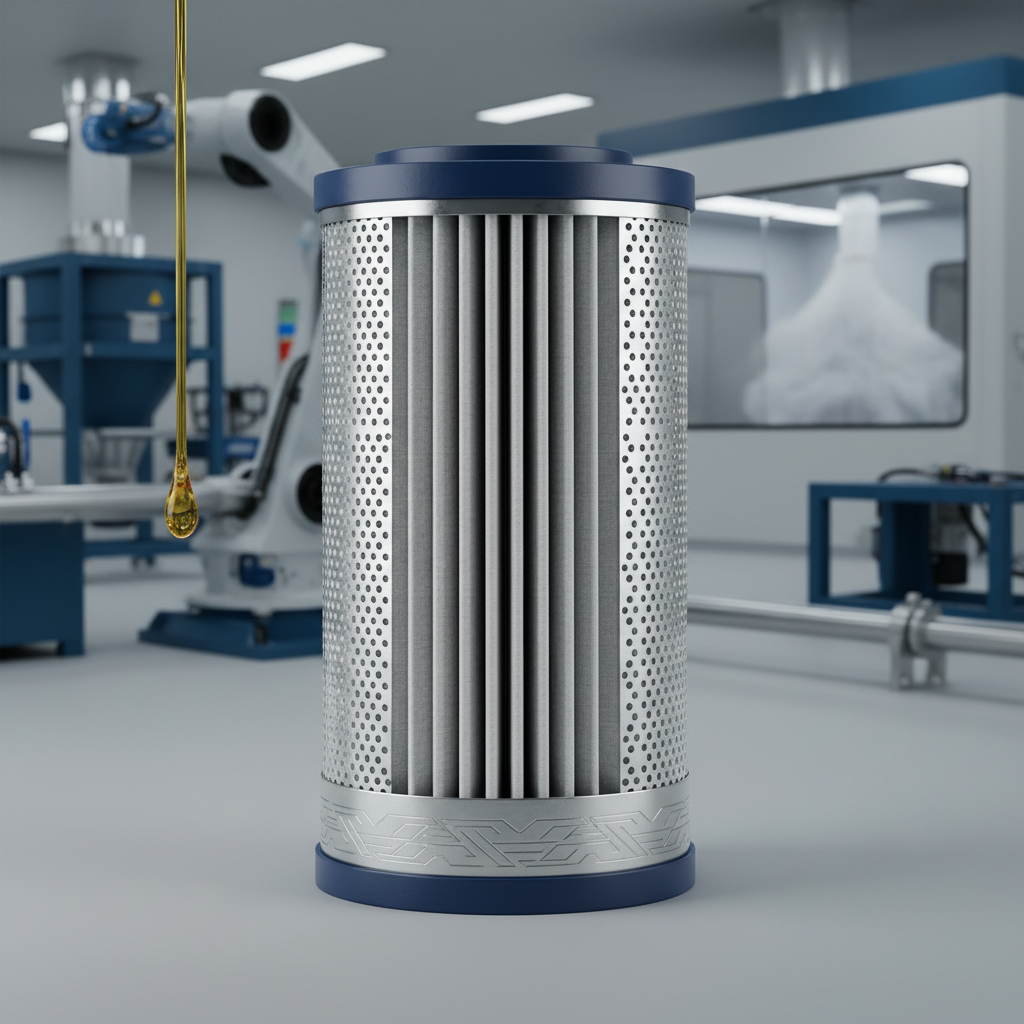
Understanding the technical nuances of these systems is essential for engineers aiming to optimize flow rates and dirt-holding capacity. By integrating a sintered filter element into a pleated stainless steel configuration, facilities can achieve a superior balance of surface area and structural integrity, effectively overcoming the thermal and chemical obstacles common in high-temperature industrial processing.
Technical Composition of Sintered Filter Elements
A sintered filter element is created by fusing metallic powder or fibers through heat and pressure without melting the base material entirely. In the context of stainless steel wire mesh pleated cartridges, this sintering process often adds a layer of fiber to enhance filtration precision. Available in materials like SS 304, SS 316, and SS 316L, these elements are engineered to withstand extreme conditions that would destroy artificial fiber media.
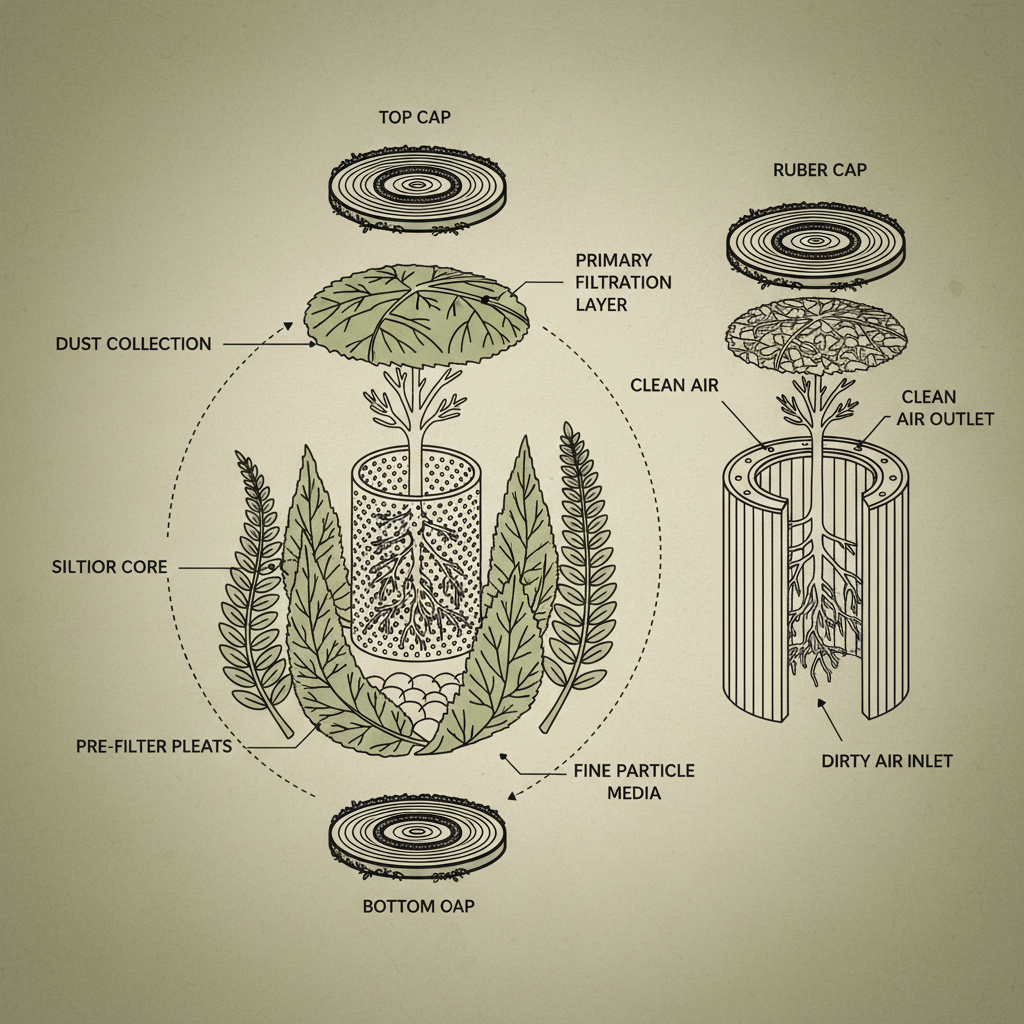
The architecture can range from simple cylindrical shapes to complex pleated configurations. Pleating is specifically employed to increase the effective filtration area, allowing for higher flow rates and a significantly higher dirt-holding capacity. To protect the primary filtering media from sudden pressure upsets, these cartridges are often supported by coarser filter media, ensuring the structural stability of the internal sintered layers.
Industrial Relevance and Global Demand
The global industrial landscape is currently facing a critical challenge: the need for high-purity processing under extreme thermal stress. Traditional filtration materials often degrade at high temperatures or react with aggressive chemicals, leading to contamination and frequent system failures. This has driven the demand for the sintered filter element, which offers the chemical compatibility and thermal resistance necessary for heavy-duty manufacturing.
According to international quality standards such as ISO, the move toward precision filtration is essential for reducing operational waste and improving energy efficiency. As industries in Asia and North America scale their chemical and pharmaceutical production, the reliance on stainless steel sintered components has grown. These elements allow for the filtration of hot gases and caustic liquids that would otherwise be impossible to process with standard cartridges.
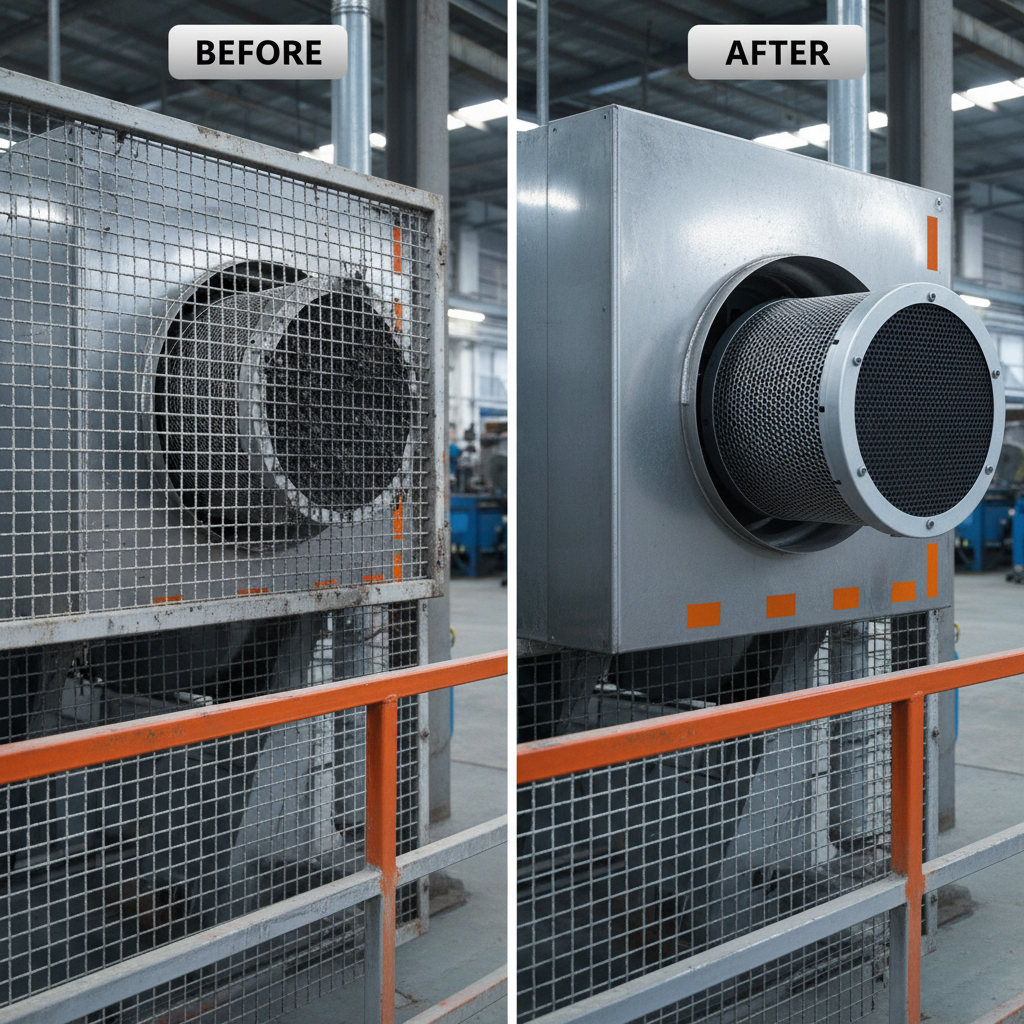
Furthermore, the economic impact of unplanned downtime in a manufacturing plant can be catastrophic. By utilizing a sintered filter element, companies can extend the intervals between filter changes. The ability to withstand high differential pressure means these filters can operate longer even as they accumulate contaminants, providing a reliable buffer against process fluctuations.
Core Advantages of Sintered Media
One of the primary benefits of the sintered filter element is its unmatched durability. Unlike disposable polymer filters, stainless steel sintered media can be cleaned and reused multiple times. This circular approach to filtration not only reduces the cost of consumables over the long term but also significantly lowers the environmental footprint of the industrial facility.
Thermal stability is another cornerstone of the sintered filter element design. These components are specifically engineered to triumph over temperature obstacles, maintaining their structural integrity and pore size even when exposed to high-heat environments. This makes them indispensable for steam sterilization and hot-oil filtration where synthetic fibers would melt.
Finally, the precision of the filtration is highly customizable. Depending on the application, a sintered filter element can be produced with micron ratings ranging from 1 to 100 microns. This versatility allows engineers to tailor the filtration level to the specific particle size of the contaminant, ensuring maximum efficiency without sacrificing flow rate.
Performance Metrics and Efficiency
When evaluating the efficiency of a sintered filter element, two key metrics are prioritized: flow rate and dirt-holding capacity. Because the pleated design increases the surface area, these filters can handle a much larger volume of fluid per hour compared to standard cylindrical filters. This prevents the system from becoming a bottleneck in high-speed production lines.
Furthermore, the depth of the sintered layer allows for "depth filtration," where particles are trapped throughout the thickness of the media rather than just on the surface. This increases the amount of debris the filter can hold before the differential pressure reaches a critical limit, thereby extending the operational lifespan of the cartridge.
Efficiency Comparison of Sintered Filter Element Types
Global Applications and Use Cases
In the petrochemical industry, the sintered filter element is widely used for the removal of catalyst fines and scale from hot process streams. In remote industrial zones, where the supply chain for replacement filters may be unstable, the reusability of stainless steel sintered filters provides a critical operational advantage, ensuring that production does not grind to a halt due to a lack of disposable parts.
Similarly, in pharmaceutical and biotech sectors, these elements are used in the production of sterile injectables and the filtration of aggressive solvents. The use of SS 316L ensures that no metallic leaching occurs, maintaining the purity of the end product. Whether it is in a high-tech lab in Singapore or a large-scale refinery in Texas, the sintered filter element provides a reliable barrier against contamination.
Future Trends in Sintering Technology
The future of filtration is moving toward "intelligent" systems. We are seeing the integration of digital pressure sensors directly into the housing of the sintered filter element, allowing for real-time monitoring of differential pressure. This digital transformation enables predictive maintenance, where filters are cleaned or replaced based on actual data rather than a fixed calendar schedule.
Material science is also evolving, with the exploration of nano-sintered powders that can achieve sub-micron filtration levels without causing a massive drop in pressure. These innovations aim to make the sintered filter element even more energy-efficient, reducing the pump power required to move fluids through the media.
Furthermore, the drive toward "Green Manufacturing" is pushing for the development of more sustainable sintering processes that use less energy during the fusion stage. By optimizing the heat treatment of stainless steel fibers, manufacturers can produce elements that are stronger and more precise while reducing the carbon footprint of the production process itself.
Selection Criteria for Industrial Filters
Selecting the right sintered filter element requires a careful analysis of the process conditions. The first consideration is the chemical compatibility of the material; while SS 304 is suitable for many applications, SS 316L is required for environments with high chloride content to prevent pitting corrosion.
Next, the physical dimensions and connection types must be matched to the existing housing. With standard lengths of 10, 20, 30, and 40 inches and diameters of 2.5 or 4 inches, as well as various end connections like DOE, Code 7, and NPT threads, the versatility of these cartridges ensures they can fit almost any industrial setup.
Finally, the micron rating must be balanced against the required flow rate. A tighter micron rating (e.g., 1 micron) provides higher purity but increases the pressure drop. By choosing a pleated sintered filter element, operators can mitigate this trade-off, gaining the precision of a fine filter with the flow capacity of a much larger system.
Core Specifications and Analysis of Sintered Filter Elements
| Material Grade |
Corrosion Resistance |
Max Temp Range |
Typical Application |
| SS 304 |
Moderate |
Up to 800°C |
General Industrial Water |
| SS 316 |
High |
Up to 850°C |
Chemical Processing |
| SS 316L |
Very High |
Up to 850°C |
Pharmaceuticals/Biotech |
| Sintered Fiber |
High |
Up to 800°C |
High-Precision Gas Filtration |
| Multi-layer Mesh |
Variable |
Up to 800°C |
Heavy-Duty Oil Filtration |
| Pleated SS Mesh |
High |
Up to 850°C |
High-Flow Process Streams |
FAQS
The main difference lies in the structural bonding. A standard mesh filter relies on the weave of the wire, whereas a sintered filter element is created by fusing particles or fibers together through heat and pressure. This results in a more rigid structure with a precisely controlled pore size, offering far superior resistance to high pressure and temperature compared to simple mesh.
Yes, one of the greatest advantages of stainless steel sintered filters is their reusability. They can typically be cleaned using back-flushing, ultrasonic cleaning, or chemical solvent washes. This significantly reduces the long-term cost of ownership and waste compared to disposable fiber cartridges.
SS 316L is the superior choice for corrosive environments. The addition of molybdenum and the lower carbon content (the "L" stands for low carbon) make it far more resistant to pitting and crevice corrosion, especially in the presence of chlorides or acidic solutions common in chemical processing.
The pleated design dramatically increases the available surface area within the same physical footprint. This allows for a higher flow rate and a significantly larger dirt-holding capacity. Consequently, the filter can operate for longer periods before the differential pressure increases to a level that requires cleaning.
These elements are highly customizable and typically available in ratings such as 1, 5, 10, 20, 50, and 100 microns. The choice depends on the size of the contaminants being removed and the acceptable pressure drop for the specific industrial application.
Absolutely. Sintered stainless steel is specifically designed to overcome the temperature obstacles of artificial fibers. Depending on the grade, they can operate in environments exceeding 800°C, making them ideal for hot gas filtration and high-temperature liquid processing.
Conclusion
The implementation of a high-quality sintered filter element represents a strategic investment in industrial reliability and efficiency. By combining the strength of stainless steel with the precision of sintering and the surface area of a pleated design, these components solve the most pressing challenges of high-temperature and chemically aggressive filtration. From reducing operational downtime through reusability to ensuring extreme product purity, the technical advantages of sintered media are clear.
As we look toward a future of smarter, greener manufacturing, the role of advanced filtration will only grow in importance. Operators are encouraged to evaluate their current filtration bottlenecks and consider the transition to sintered solutions to enhance their system's longevity and sustainability. For more information on precision filtration solutions, visit our website: www.onlyfiltercartridge.com

 Email:admin@only-filter.com