ONLY Technology (hebei Province) Co., Ltd.

If you are interested in our products, you can choose to leave your information here, and we will be in touch with you shortly.


0%

Table of Contents

Gas turbine inlet filters are crucial components in protecting gas turbine engines from harmful contaminants like dust, sand, salt, and insects. Their importance stems from the sensitive nature of turbine blades and the potential for significant performance degradation and costly repairs if these particles enter the engine. Understanding the nuances of gas turbine inlet filter technology is vital for industries reliant on these powerful engines, including power generation, oil and gas, and aviation. Effective filtration translates directly into increased operational efficiency, reduced maintenance costs, and prolonged engine life.

Globally, the demand for reliable power and efficient industrial processes is constantly growing. Gas turbines play a key role in meeting this demand, and maintaining their performance is paramount. According to the International Energy Agency (IEA), gas-fired power generation is expected to remain a significant part of the energy mix for decades to come. This increasing reliance on gas turbines directly impacts the need for advanced gas turbine inlet filter systems. The UN's Sustainable Development Goal 7 (Affordable and Clean Energy) is also indirectly supported by optimizing gas turbine performance through effective filtration.

A gas turbine inlet filter is essentially a barrier designed to remove particulate matter from the air before it enters the compressor section of a gas turbine. This protection is essential because even small amounts of contamination can erode compressor blades, reduce aerodynamic efficiency, and lead to engine failure. Modern gas turbine inlet filters go beyond simple particle capture, incorporating features like moisture removal and self-cleaning mechanisms to maximize performance and minimize maintenance. They are integral to ensuring the consistent and reliable operation of a vital energy source.
Optimizing Gas Turbine Performance with Advanced Gas Turbine Inlet Filter Technology

Introduction to gas turbine inlet filter

Optimizing Gas Turbine Performance with Advanced Gas Turbine Inlet Filter Technology

The function of a gas turbine inlet filter extends beyond simply preventing debris from entering the engine. Modern filters often incorporate sophisticated technologies for pre-treatment of the air, such as moisture separators and inertial separators, to maximize efficiency and minimize the load on the primary filtration stage. This holistic approach to air cleaning ensures optimal performance and reliability.

The selection of the appropriate gas turbine inlet filter is highly dependent on the operating environment. Factors such as dust concentration, humidity, temperature, and the presence of salt spray all influence the filter's design and material selection. Understanding these environmental variables is critical for ensuring effective filtration and preventing premature filter clogging.

Defining the Role of gas turbine inlet filter

At its core, a gas turbine inlet filter safeguards the intricate and expensive components of a gas turbine from the detrimental effects of airborne contaminants. Without this protection, the turbine’s compressor blades can suffer erosion, leading to reduced efficiency, increased fuel consumption, and ultimately, costly repairs or even complete engine failure. The role of the filter is preventative, actively minimizing downtime and maximizing the lifespan of the turbine.

The need for effective filtration is particularly acute in harsh environments. Coastal areas are susceptible to salt spray, industrial sites accumulate particulate matter, and desert regions contend with fine sand. A properly designed gas turbine inlet filter is specifically engineered to address these challenges, ensuring consistent performance even under demanding conditions.

Beyond protecting the turbine itself, a high-quality inlet filter contributes to environmental sustainability. By maintaining optimal turbine efficiency, it reduces fuel consumption and minimizes emissions, aligning with global efforts to reduce the carbon footprint of power generation.

Core Components of Effective gas turbine inlet filter

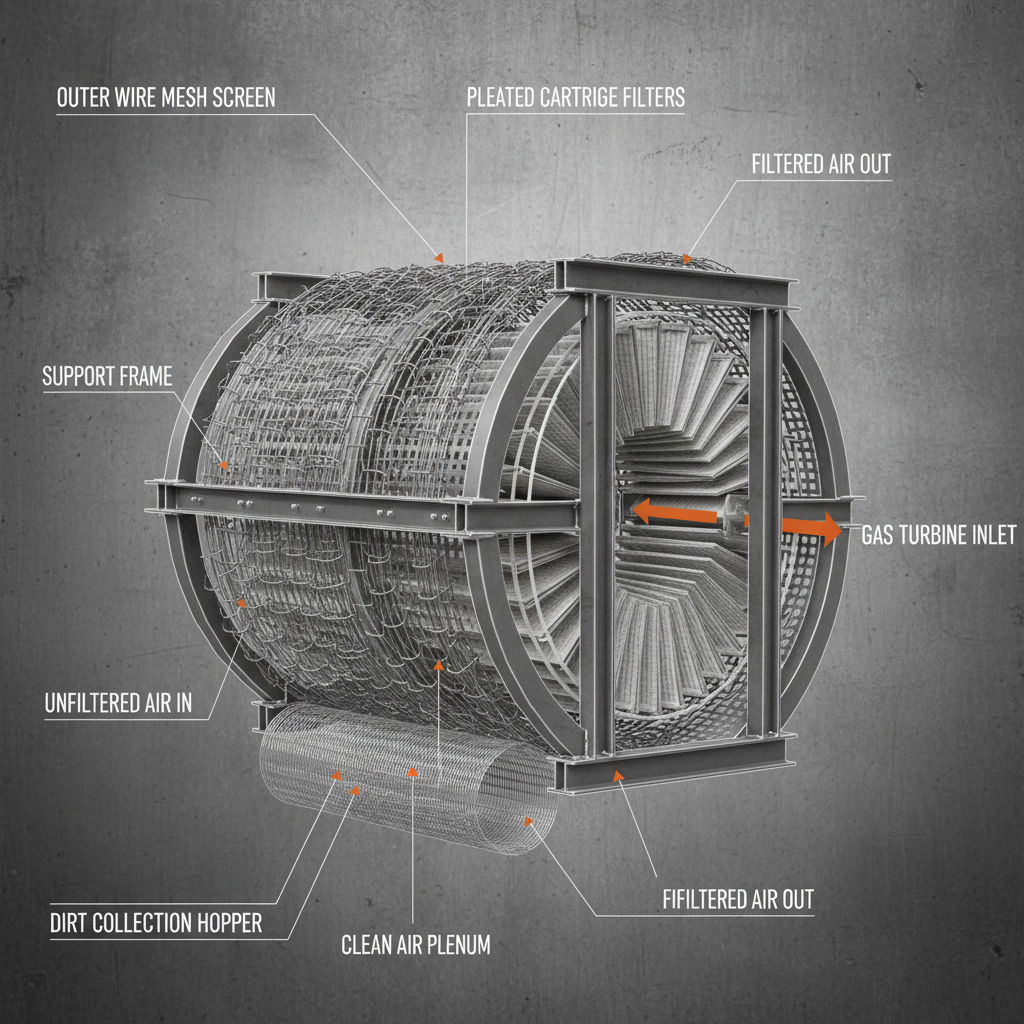
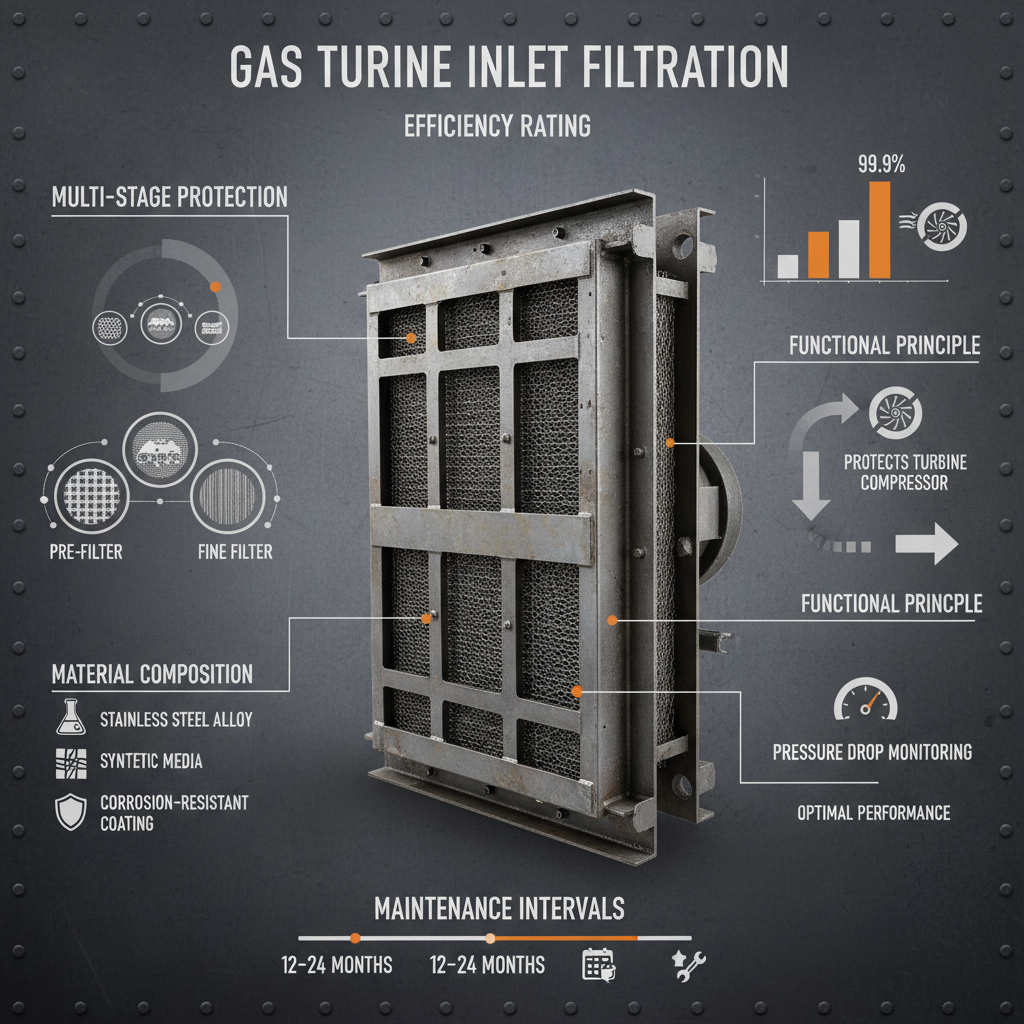
Several key components contribute to the effectiveness of a gas turbine inlet filter system. These often include pre-filters for removing larger particles, inertial separators for heavier contaminants, moisture separators to prevent water ingress, and fine particulate filters for capturing microscopic dust and aerosols. Each component plays a distinct role in providing comprehensive air cleaning.

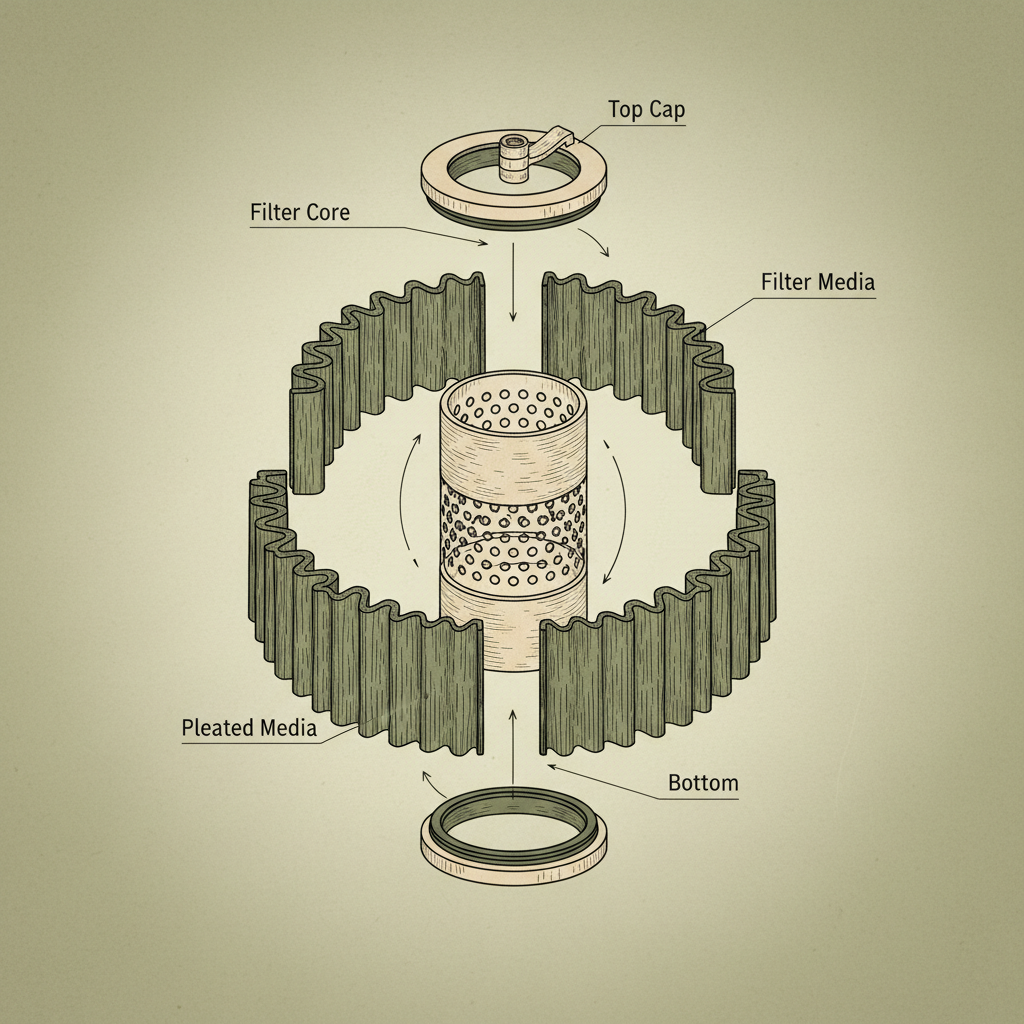
Filter media is another critical aspect. Common materials include synthetic fibers, pleated media, and specialized coatings designed to enhance filtration efficiency and resist degradation. The choice of media depends on the specific contaminants present and the desired level of performance. Self-cleaning mechanisms, like pulse-jet systems, are also increasingly integrated to maintain consistent airflow and reduce maintenance requirements.

The housing and structural design of the filter are equally important. The housing must be robust enough to withstand environmental stresses and maintain a tight seal to prevent bypass of unfiltered air. Proper airflow distribution within the housing is also essential for maximizing filter utilization and minimizing pressure drop.

Key Performance Indicators of gas turbine inlet filter

Evaluating the performance of a gas turbine inlet filter requires assessing several key indicators. These include initial pressure drop (a measure of airflow resistance when the filter is clean), filtration efficiency (the percentage of particles removed), dust-holding capacity (the amount of particulate matter the filter can accumulate before requiring replacement), and service life (the duration the filter can operate effectively).

These metrics can be used to compare different filter types and determine the optimal solution for a specific application. Regular monitoring of pressure drop is crucial, as a significant increase indicates filter loading and the need for maintenance.

Comparison of gas turbine inlet filter Performance Metrics


Global Applications of gas turbine inlet filter

Gas turbine inlet filter systems are deployed across a diverse range of industries and geographical locations. Power generation plants, particularly those utilizing combined cycle gas turbines (CCGTs), represent a significant application area. These plants rely heavily on continuous, reliable operation, and effective filtration is essential for maintaining peak performance.

The oil and gas industry also utilizes gas turbines extensively for powering compressors, pumps, and other critical equipment. In remote locations, where air quality can be particularly poor, robust gas turbine inlet filter systems are vital. Furthermore, the aviation industry employs gas turbines in aircraft engines and relies on sophisticated filtration to ensure safe and efficient flight.

Advantages and Long-Term Value of gas turbine inlet filter

Investing in high-quality gas turbine inlet filter offers substantial long-term benefits. Reduced maintenance costs, stemming from fewer turbine repairs and replacements, represent a significant economic advantage. Increased turbine efficiency translates directly into lower fuel consumption and reduced operating expenses. Extended turbine lifespan provides a substantial return on investment.

Beyond the economic advantages, effective filtration enhances operational reliability and minimizes the risk of unscheduled downtime. This is particularly critical in industries where uninterrupted power supply or continuous operation is essential. Furthermore, by reducing emissions, these filters contribute to environmental sustainability and responsible energy production.

Future Trends in gas turbine inlet filter Technology

The future of gas turbine inlet filter technology is driven by several key trends. The development of more efficient filter media, incorporating nanotechnology and advanced materials, is a major focus. Smart filters, equipped with sensors and data analytics, are also emerging, allowing for real-time monitoring of filter performance and predictive maintenance.

Furthermore, there’s growing emphasis on developing self-cleaning systems that require less manual intervention and reduce operational costs. Integration with digital twins and remote monitoring platforms will enable proactive filter management and optimized turbine performance. These innovations will be crucial for meeting the evolving demands of the power generation and industrial sectors.

FAQS

What are the key factors to consider when selecting a gas turbine inlet filter?

When choosing a gas turbine inlet filter, consider the specific contaminants present in your environment (dust, salt, insects), the turbine’s power output and airflow requirements, the desired level of filtration efficiency, and the acceptable pressure drop. Also, factor in maintenance requirements and the filter’s overall lifespan to ensure a cost-effective solution. Understanding your operational context is crucial for making the right decision.

How often should gas turbine inlet filters be replaced?

The replacement frequency of gas turbine inlet filters depends on operating conditions and filter type. Regularly monitor pressure drop; a significant increase indicates loading and the need for replacement. Visual inspection can also reveal clogging or damage. Generally, filters should be inspected monthly and replaced when pressure drop exceeds recommended limits or signs of deterioration are observed. Following manufacturer guidelines is essential.

What are the benefits of using a self-cleaning gas turbine inlet filter?

Self-cleaning filters reduce maintenance requirements by automatically removing accumulated contaminants, minimizing downtime and labor costs. They maintain consistent airflow and filtration efficiency, ensuring optimal turbine performance. This feature is particularly valuable in harsh environments where frequent filter replacements are impractical or expensive. Self-cleaning systems contribute to improved reliability and reduced operational expenses.

How does humidity impact gas turbine inlet filter performance?

High humidity can cause filter media to become saturated, reducing filtration efficiency and increasing pressure drop. It can also promote the growth of mold and bacteria within the filter. Moisture separators are often integrated into gas turbine inlet filter systems to remove excess moisture, protecting the filter media and maintaining optimal performance. Choosing filters designed for humid environments is vital in such conditions.

Can a gas turbine inlet filter improve turbine efficiency?

Yes, a properly maintained and effective gas turbine inlet filter significantly improves turbine efficiency. By preventing contaminants from entering the engine, it maintains optimal compressor blade aerodynamics and combustion efficiency. This translates to reduced fuel consumption, increased power output, and lower operating costs. A clean filter ensures the turbine operates as designed, maximizing its performance.

What is the role of pre-filtration in a gas turbine inlet filter system?

Pre-filtration removes larger particles before they reach the primary filter, extending its lifespan and reducing the frequency of replacements. This is especially important in environments with high dust or debris levels. Pre-filters also protect the more sensitive primary filter from damage, ensuring consistent performance and minimizing maintenance. A well-designed pre-filtration stage is crucial for a robust filtration system.

Conclusion

In conclusion, the gas turbine inlet filter is an indispensable component for maintaining the reliability, efficiency, and longevity of gas turbine engines. From power generation to aviation, these filters play a critical role in protecting vital infrastructure and minimizing environmental impact. Understanding the core components, performance indicators, and emerging trends in filter technology is essential for optimizing turbine operation and maximizing return on investment.

Looking ahead, continued innovation in filter media, smart filter technology, and predictive maintenance will further enhance the performance and cost-effectiveness of these systems. Investing in high-quality filtration solutions is not merely a preventative measure, but a strategic decision that contributes to sustainable energy production and responsible industrial practices. Visit our website at www.onlyfiltercartridge.com to learn more.

Michael Brown

Michael Brown

Michael Brown is a Product Development Engineer at ONLY TECHNOLOGY, focusing on advancements in filter media technology. He's responsible for researching and integrating new materials and designs into our dust removal filter cartridges. Michael holds a Master's degree in Materials Science and possesses a deep understanding of filtration mechanics and
Previous Leading Gas Turbine Air Intake Filter Manufacturers for Optimal Performance
Next Optimizing Gas Turbine Performance with Advanced Air Filter Technology
Copyright © 2026 ONLY Technology (hebei Province) Co., Ltd. All Rights Reserved. Sitemap | Privacy Policy | Top Blog | Global Service