 Email:admin@only-filter.com
 Tel:
+8615930870079
Tel:
+8615930870079
Carbon air filter cartridges are essential components in a wide range of air purification systems, playing a crucial role in improving indoor air quality and safeguarding public health. From residential HVAC systems to industrial ventilation and even specialized applications like medical facilities and cleanrooms, these cartridges effectively remove contaminants such as volatile organic compounds (VOCs), odors, and harmful gases. Their importance stems from the increasing awareness of the detrimental effects of poor air quality on human well-being and the growing demand for effective air purification solutions. carbon air filter cartridge technology continues to evolve, offering enhanced performance and efficiency.
Globally, air pollution remains a significant environmental and health challenge. According to the World Health Organization (WHO), 99% of the global population breathes air that exceeds WHO guideline limits. This alarming statistic underscores the urgent need for effective air filtration technologies, including those utilizing carbon air filter cartridges. The market for air purification systems is experiencing substantial growth, driven by factors like industrialization, urbanization, and increasing respiratory illnesses. The demand for high-quality carbon air filter cartridges is directly correlated with this trend, positioning them as a vital component in mitigating the harmful effects of air pollution.
The versatility of the carbon air filter cartridge makes it a key technology in addressing diverse air quality concerns across multiple sectors, and the continued refinement of manufacturing processes and material science promises further advancements in performance and sustainability.
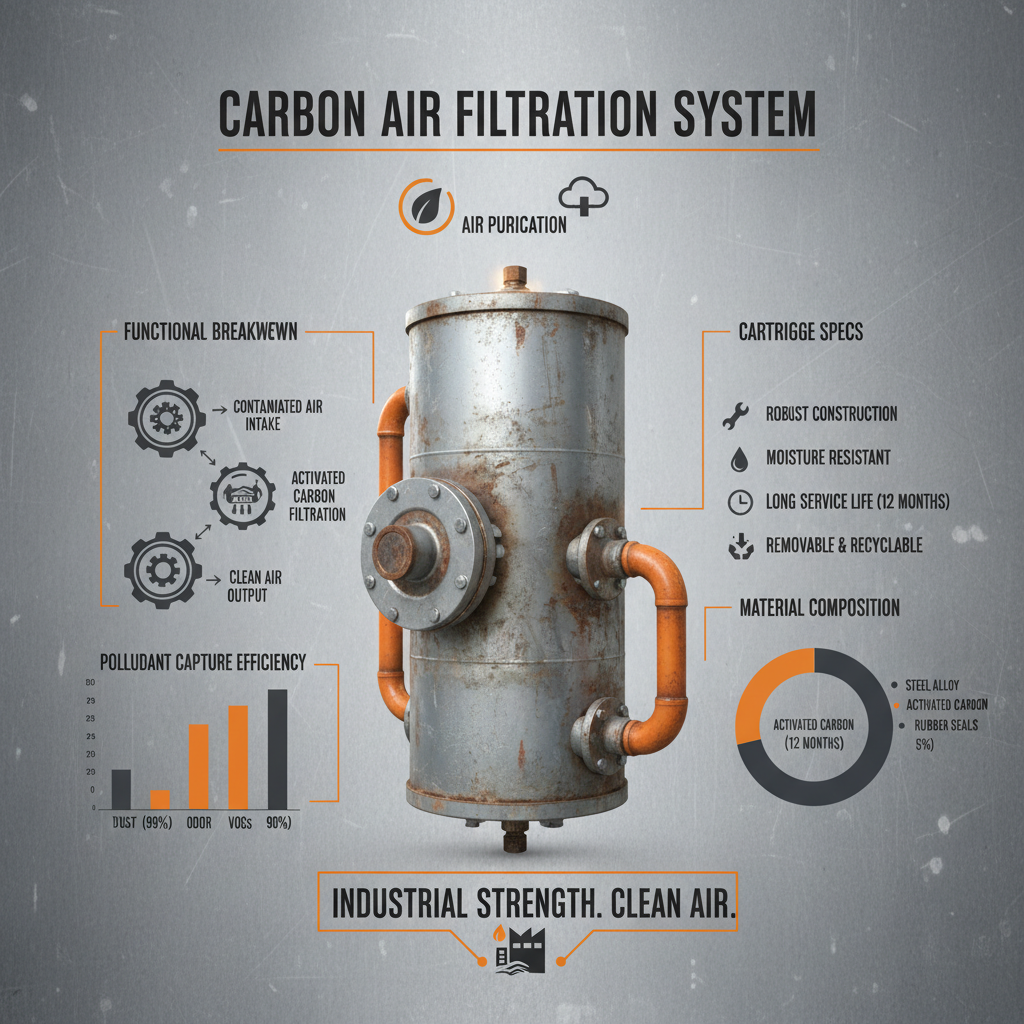
The pervasive nature of indoor air pollution demands increasingly sophisticated filtration solutions. Carbon air filter cartridges, utilizing activated carbon, are uniquely suited to tackle a wide array of gaseous pollutants, odors, and VOCs that traditional particulate filters often miss. This makes them indispensable in environments prioritizing health and comfort, from homes and offices to hospitals and industrial facilities. carbon air filter cartridge is becoming more essential.
Their effectiveness isn't limited to simply removing pollutants; they contribute to creating healthier and more productive spaces. By minimizing exposure to harmful airborne substances, carbon air filter cartridges help reduce respiratory issues, allergies, and even long-term health risks associated with chronic exposure to pollutants.
The replacement frequency of a carbon air filter cartridge depends on several factors, including air quality, usage intensity, and the specific type of cartridge. Generally, it’s recommended to replace cartridges every 3-6 months for residential applications and more frequently in industrial settings. Monitor airflow and odor levels; if you notice a decrease in performance or unpleasant smells, it's time for a replacement. Regularly check the manufacturer’s recommendations for your specific carbon air filter cartridge.
Activated carbon differs from regular carbon through a specialized manufacturing process that dramatically increases its surface area. This is achieved by treating the carbon source with gases or chemicals, creating a vast network of pores. The increased surface area significantly enhances its adsorption capacity, making it far more effective at capturing pollutants and odors. Regular carbon lacks this porous structure and offers limited adsorption capabilities.
While carbon air filter cartridges effectively remove particulate matter and gaseous pollutants, they aren’t designed to filter viruses and bacteria directly. However, they can remove carrier particles that may harbor these pathogens, reducing their airborne concentration. For comprehensive protection against viruses and bacteria, consider combining carbon filtration with HEPA filters and UV-C sterilization.
Common activated carbon sources include coal, wood, and coconut shell. Coconut shell activated carbon is often preferred due to its high hardness, excellent adsorption capacity, and renewability. Coal-based carbon is cost-effective but may have lower pore density. Wood-based carbon is sustainable but may release more dust. The best choice depends on the specific application and desired performance characteristics.
Used carbon air filter cartridges may contain adsorbed pollutants and should be disposed of responsibly. Check local regulations for proper disposal methods. In some cases, cartridges can be recycled or sent to specialized facilities for reactivation. Avoid discarding them in regular household waste, as this could release harmful substances back into the environment.
Yes, carbon air filter cartridges are highly effective at removing odors. Activated carbon's porous structure readily adsorbs odor-causing molecules, eliminating them from the air stream. This makes them ideal for controlling smells from cooking, pets, smoke, and various industrial processes. The effectiveness depends on the odor's concentration and the carbon’s quality and weight.
In conclusion, carbon air filter cartridges represent a critical component in safeguarding air quality across a diverse range of applications. From protecting public health in homes and healthcare facilities to ensuring product integrity in industrial settings, these cartridges offer a cost-effective and reliable solution for removing harmful pollutants and odors. Their versatility, coupled with ongoing innovations in materials and technologies, positions them as a vital technology for addressing the growing global challenge of air pollution.
Looking ahead, continued research and development will focus on enhancing their efficiency, sustainability, and longevity. By embracing innovative materials, smart technologies, and responsible disposal practices, we can maximize the benefits of carbon air filter cartridges and create cleaner, healthier environments for all. Visit our website to explore our range of high-quality carbon air filter cartridge solutions: www.onlyfiltercartridge.com