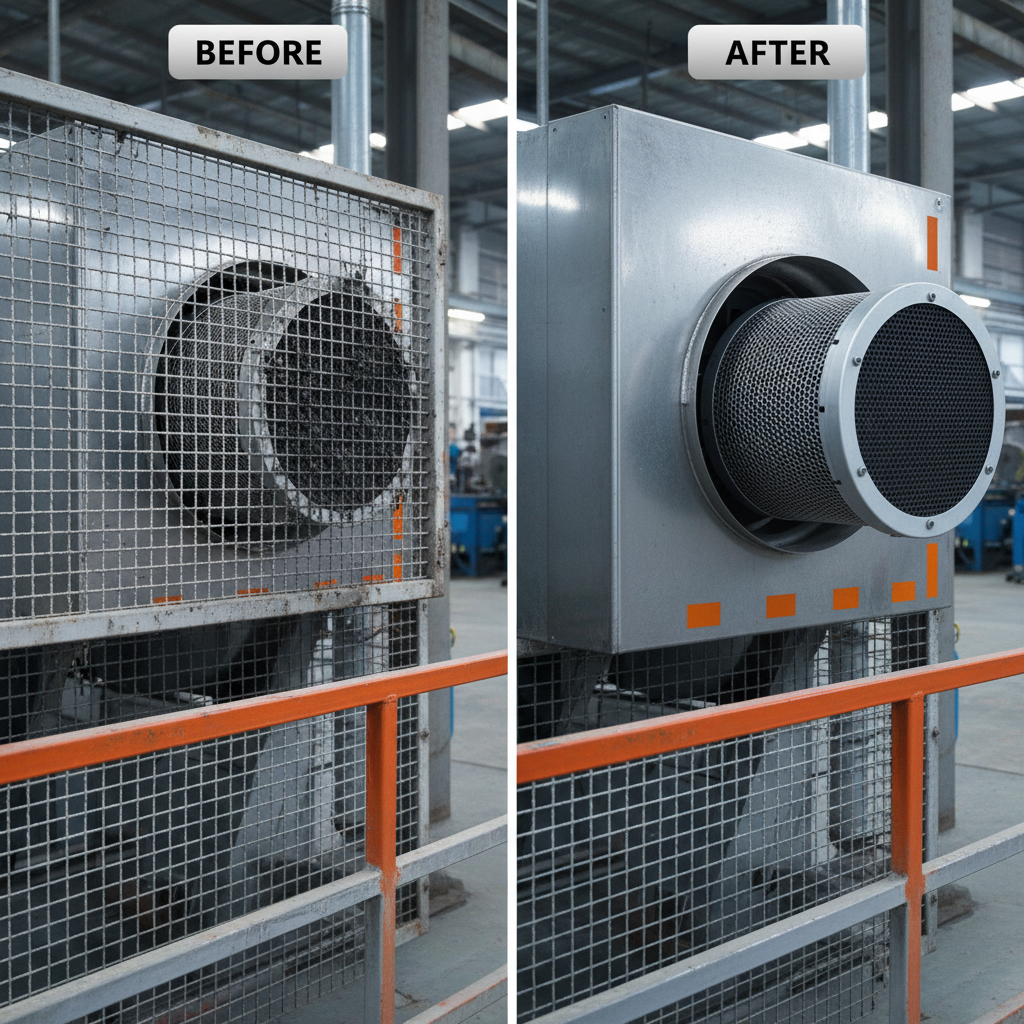
Cellulose air filter cartridges are critical components in a wide range of applications, from HVAC systems in buildings to industrial processes and even automotive engineering. Their ability to effectively remove particulate matter, dust, and allergens from the air makes them essential for maintaining air quality, protecting sensitive equipment, and ensuring human health. Understanding the nuances of these filters – their construction, performance characteristics, and evolving technologies – is increasingly important in a world facing growing concerns about air pollution and energy efficiency. cellulose air filter cartridge plays a crucial role in these solutions.
Globally, the demand for high-quality air filtration solutions is surging, driven by stricter environmental regulations, a rising awareness of health impacts related to air quality, and rapid industrialization in emerging economies. According to the World Health Organization, air pollution causes millions of premature deaths annually, highlighting the urgent need for effective filtration technologies. The cellulose air filter cartridge market is responding to this demand with innovations in materials, designs, and manufacturing processes, aiming to deliver filters that offer superior performance, longer lifespans, and reduced environmental footprints.
The increasing focus on indoor air quality, particularly in commercial buildings and healthcare facilities, is another key driver of growth. Businesses and institutions are recognizing the importance of investing in robust air filtration systems to create healthier and more productive environments. Advances in cellulose air filter cartridge technology directly contribute to these improvements, offering cost-effective and reliable solutions for maintaining optimal air quality.
The Fundamentals of Cellulose Air Filter Cartridges
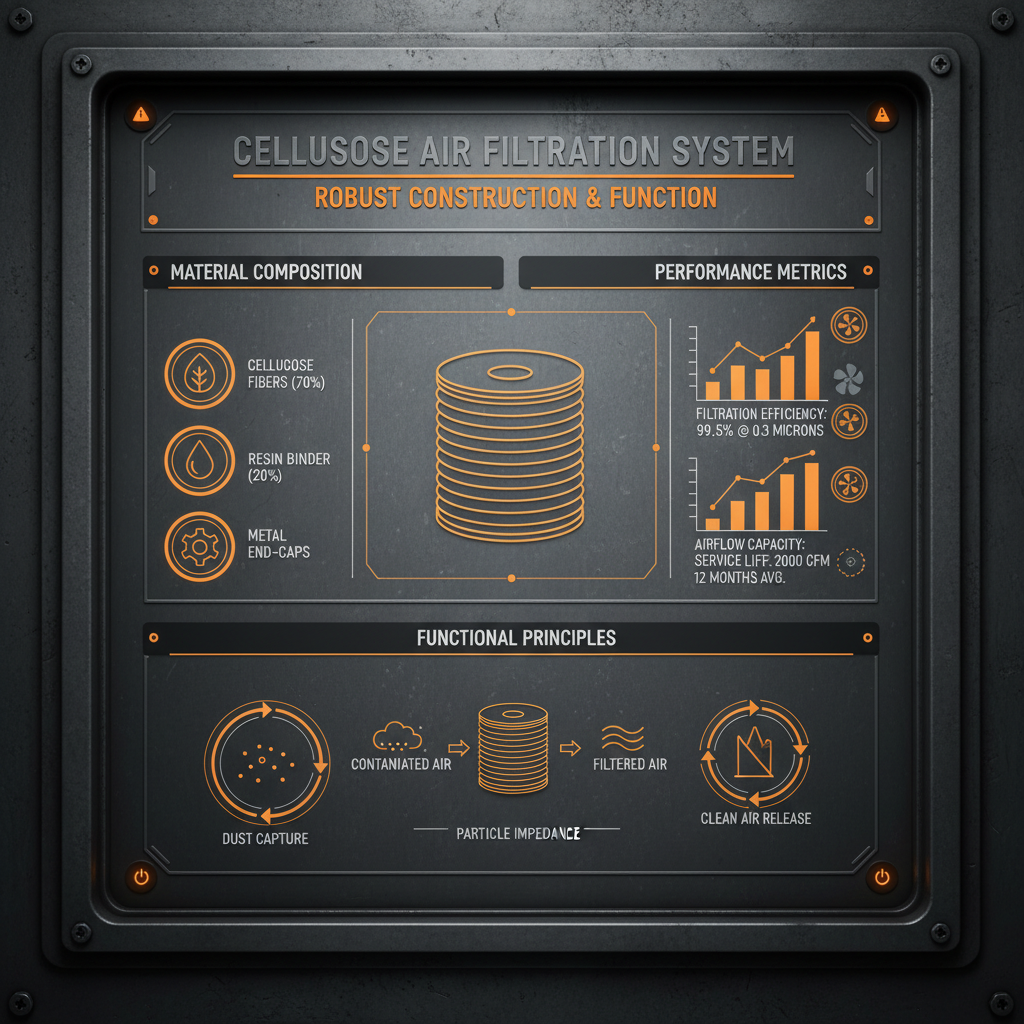
At their core, cellulose air filter cartridges are constructed from a specialized paper material derived from wood pulp. This cellulose matrix is engineered to create a complex network of fibers that trap airborne particles as air passes through. The effectiveness of a cellulose air filter cartridge hinges on factors like fiber density, pore size distribution, and the presence of any additional treatment or coatings.cellulose air filter cartridge material is key.
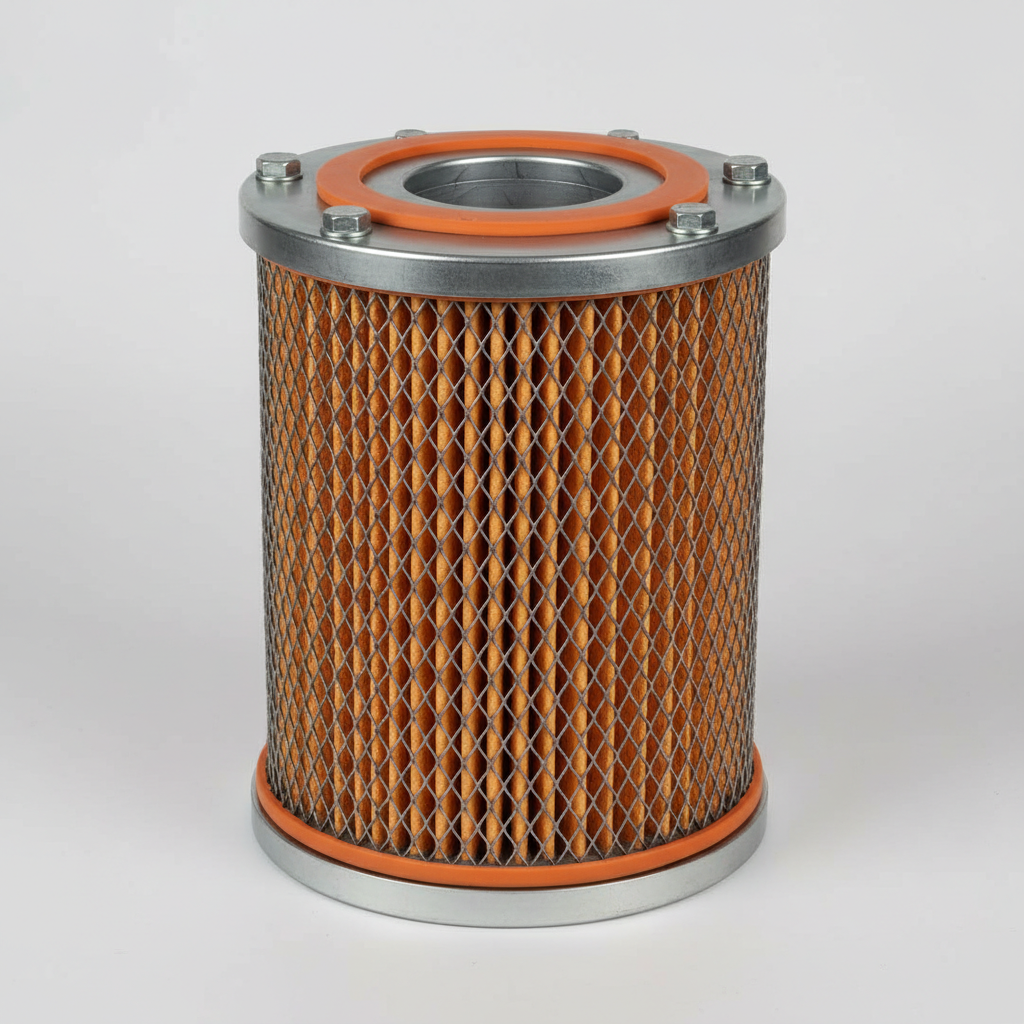
The manufacturing process involves carefully controlling these parameters to achieve specific filtration efficiency levels. Pleating the filter media is a common technique to maximize surface area and increase dust-holding capacity. Different grades of cellulose media are available, each offering a balance between filtration performance, airflow resistance, and cost.
The Global Significance of Air Filtration
Air filtration is no longer simply a matter of comfort; it's a critical public health issue. Globally, millions suffer from respiratory illnesses exacerbated by poor air quality. Industrial processes, vehicle emissions, and natural sources all contribute to the presence of harmful particulate matter in the air. The importance of effective filtration extends beyond human health, impacting industrial productivity, equipment longevity, and environmental sustainability.
Developing nations, undergoing rapid industrialization, often face the most significant air quality challenges. Investing in advanced air filtration technologies, including high-performance cellulose air filter cartridges, is essential for mitigating these impacts and protecting vulnerable populations. International organizations like the UN Environment Programme are actively promoting air quality monitoring and pollution control measures.
Furthermore, the increasing demand for cleanroom environments in industries like pharmaceuticals, semiconductors, and food processing underscores the critical role of air filtration in maintaining product quality and safety. Stringent standards and regulations drive the need for highly efficient and reliable filtration systems, often utilizing advanced cellulose air filter cartridge designs.
Defining Cellulose Air Filter Cartridges
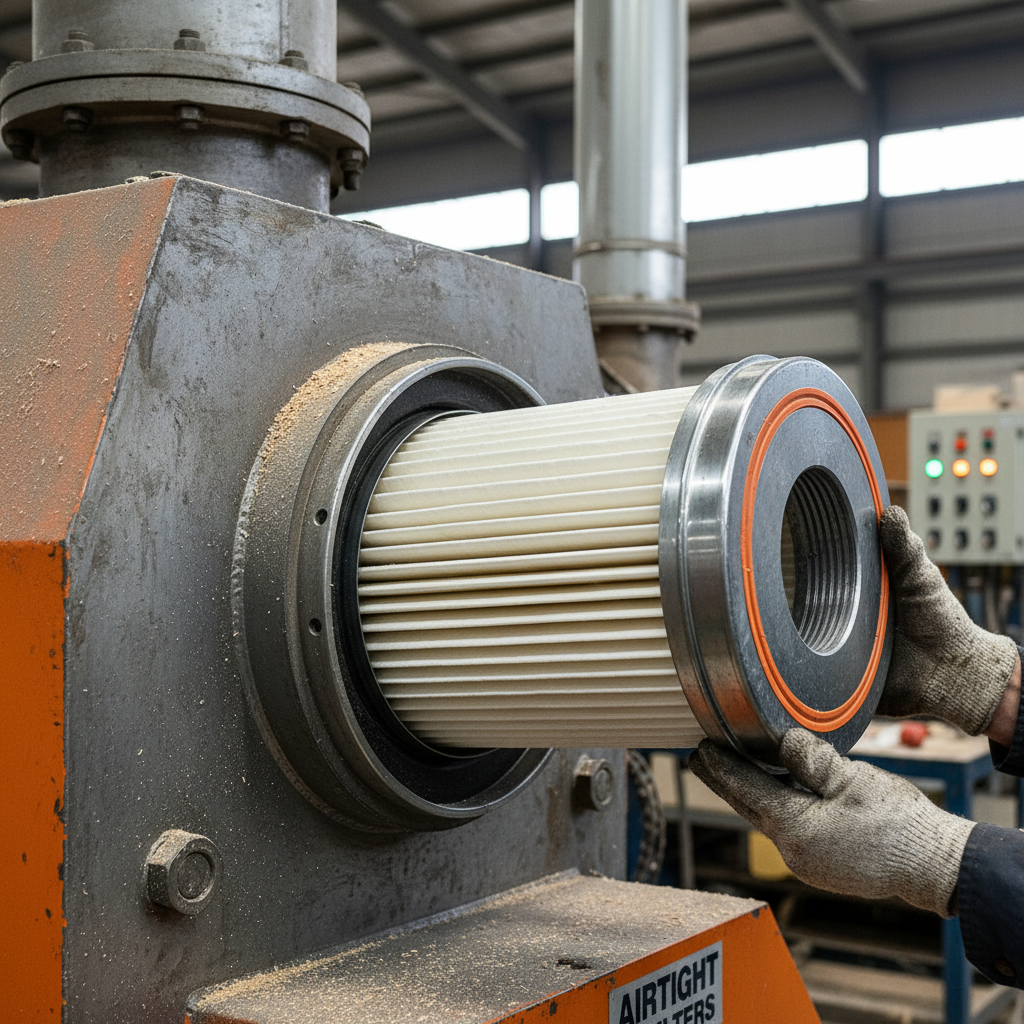
A cellulose air filter cartridge is a disposable filter element used to remove contaminants from air. It is primarily composed of cellulose fibers, processed into a paper-like material. These filters are typically pleated to increase surface area, maximizing their ability to capture particles. Their core function is to protect downstream components (like engines or HVAC systems) from damage and maintain optimal performance. cellulose air filter cartridge offers a cost-effective solution.
The connection to modern industry is profound. From the air we breathe indoors to the complex filtration demands of manufacturing processes, cellulose air filter cartridges are essential for maintaining operational efficiency and product quality. They're also directly linked to humanitarian needs, providing cleaner air in disaster relief scenarios and improving respiratory health in communities with poor air quality.
The performance of a cellulose air filter cartridge is generally measured by its Minimum Efficiency Reporting Value (MERV) rating. Higher MERV ratings indicate a greater ability to capture smaller particles. Understanding the appropriate MERV rating for a specific application is crucial for ensuring optimal filtration performance and protecting sensitive equipment.
Key Characteristics of Effective Cellulose Filters
Several key factors determine the effectiveness of a cellulose air filter cartridge. Filtration Efficiency is paramount, referring to the filter’s ability to remove particles of different sizes. This is directly tied to the MERV rating. Dust Holding Capacity is equally important, indicating how much particulate matter a filter can hold before becoming clogged and restricting airflow.
Another crucial aspect is Airflow Resistance, which impacts the energy consumption of the system. A filter with high resistance requires more energy to push air through it. Durability refers to the filter's ability to withstand the operating conditions, including temperature fluctuations and humidity. Finally, Cost-Effectiveness is a significant consideration, balancing performance with affordability.
Performance Comparison of Cellulose Air Filter Cartridge Methods
Global Applications and Diverse Use Cases
Cellulose air filter cartridges are employed in a vast array of applications. In HVAC systems, they protect building occupants from airborne allergens, dust, and pollutants. In automotive engineering, they safeguard engine components from wear and tear caused by particulate matter. Industrial facilities utilize them to maintain clean production environments and prevent contamination of sensitive processes.
In post-disaster relief operations, portable air filtration units equipped with cellulose air filter cartridges provide critical clean air in areas affected by wildfires, dust storms, or industrial accidents. Remote industrial zones, lacking sophisticated air quality infrastructure, rely heavily on these filters to protect workers and equipment.
Advantages and Long-Term Value Proposition
The advantages of utilizing cellulose air filter cartridges are multi-faceted. Their relatively low cost makes them an economically attractive option for a wide range of applications. Their widespread availability ensures a reliable supply chain. From a sustainability perspective, cellulose is a renewable resource, making these filters a more environmentally friendly choice than some synthetic alternatives.
Beyond the tangible benefits, cellulose air filter cartridges contribute to improved air quality, protecting human health and enhancing indoor comfort. They foster a sense of safety and well-being, and demonstrate a commitment to environmental responsibility. Investing in high-quality air filtration is an investment in long-term health, productivity, and sustainability.
Future Trends and Innovations in Air Filtration
The future of air filtration is poised for significant advancements. Researchers are exploring the integration of nanomaterials into cellulose filter media to enhance filtration efficiency and antimicrobial properties. Smart filters, equipped with sensors and connectivity, will provide real-time monitoring of filter performance and predict maintenance needs.
The growing emphasis on sustainability is driving the development of biodegradable and compostable filter materials. Advances in digital manufacturing and automation are enabling the production of customized filter designs tailored to specific application requirements. These innovations will further enhance the performance, efficiency, and environmental friendliness of cellulose air filter cartridges.
Challenges and Solutions
Despite their benefits, cellulose air filter cartridges face certain challenges. One limitation is their susceptibility to moisture, which can reduce filtration efficiency and promote mold growth. Another challenge is their relatively limited lifespan compared to some synthetic filters. cellulose air filter cartridge longevity can be improved with treatment.
Solutions to these challenges include applying hydrophobic coatings to the cellulose media to repel moisture, and developing advanced pleating techniques to maximize surface area and dust-holding capacity. Furthermore, integrating sensors and predictive analytics can optimize filter replacement schedules, reducing waste and ensuring continuous protection.
Summary of Cellulose Air Filter Cartridge Performance Metrics
| Filter Type |
MERV Rating |
Initial Airflow Resistance (Pa) |
Dust Holding Capacity (g) |
| Standard Cellulose |
8 |
25 |
150 |
| Pleated Cellulose |
11 |
30 |
250 |
| Hydrophobic Cellulose |
9 |
28 |
180 |
| Electrostatic Cellulose |
13 |
35 |
300 |
| Enhanced Cellulose Blend |
12 |
32 |
280 |
| Activated Carbon Cellulose |
7 |
20 |
120 |
FAQS
The lifespan of a cellulose air filter cartridge varies based on factors such as air quality, usage, and filter MERV rating. Generally, they require replacement every 1-3 months in residential settings, and more frequently in industrial environments with higher dust loads. Regular inspection and monitoring of airflow resistance are crucial for determining when a filter needs changing.
Cellulose, being derived from wood pulp, is inherently biodegradable. However, many cellulose air filter cartridges incorporate synthetic materials for structural support or pleating, which may reduce their overall biodegradability. Look for filters specifically marketed as biodegradable or compostable for environmentally friendly options.
The Minimum Efficiency Reporting Value (MERV) rating indicates a filter’s ability to capture particles of different sizes. Higher MERV ratings mean the filter captures a greater percentage of smaller particles (like bacteria and viruses). However, higher MERV ratings also typically result in greater airflow resistance, requiring more powerful fans.
Washing and reusing a cellulose air filter cartridge is generally not recommended. The washing process can damage the filter media, reducing its efficiency and potentially releasing trapped particles back into the air. Cellulose filters are designed as disposable components for optimal performance and hygiene.
Pleated cellulose filters offer significantly increased surface area compared to flat filters, resulting in higher dust-holding capacity and longer lifespan. The pleats maximize the amount of filter media packed into a given space, improving filtration efficiency without drastically increasing airflow resistance.
Hydrophobic coatings repel water, preventing moisture from saturating the cellulose media. This maintains filtration efficiency in humid environments and reduces the risk of mold growth. Hydrophobic filters are particularly beneficial in applications where moisture is a concern, such as HVAC systems in coastal regions.
Conclusion
Cellulose air filter cartridges represent a cornerstone of modern air filtration technology. Their affordability, effectiveness, and increasing sustainability make them a vital component in protecting human health, safeguarding industrial processes, and improving indoor air quality worldwide. From HVAC systems to automotive engines and disaster relief operations, these filters play a critical role in a wide range of applications.
Looking ahead, continued innovation in materials, designs, and smart technologies will further enhance the performance and value of cellulose air filter cartridges. By embracing these advancements, we can build a cleaner, healthier, and more sustainable future. For optimal air filtration solutions, visit our website: www.onlyfiltercartridge.com

 Email:admin@only-filter.com
 Tel:
+8615930870079
Tel:
+8615930870079