 Email:admin@only-filter.com
 Tel:
+8615930870079
Tel:
+8615930870079
Oct . 22, 2025 15:20 Back to list
Pleated Filter Manufacturers – Custom Dust Cartridges
Inside the world of Pleated Filter Manufacturers: trends, specs, and real buying notes
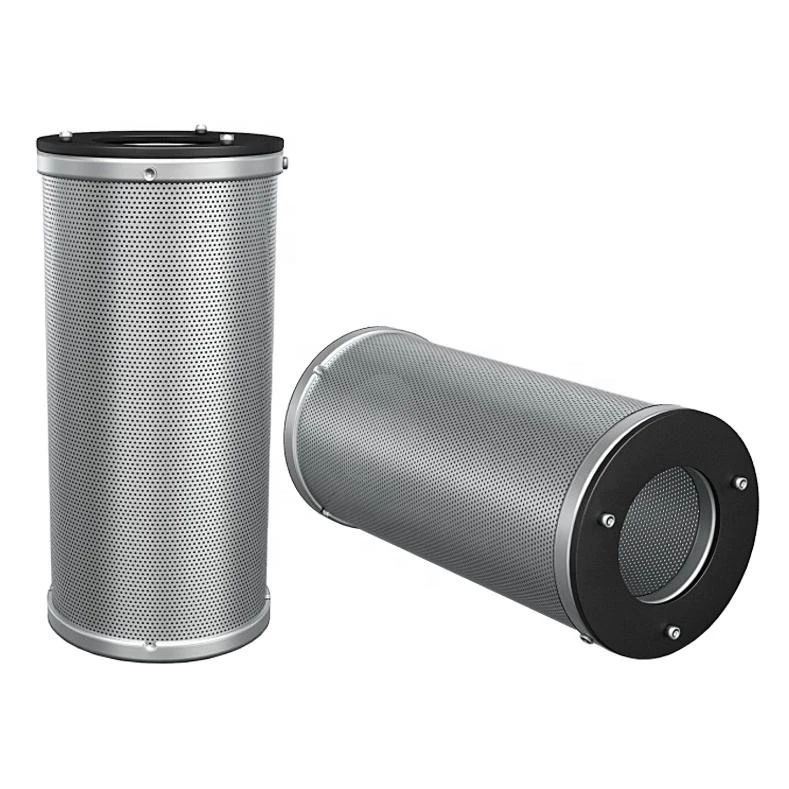
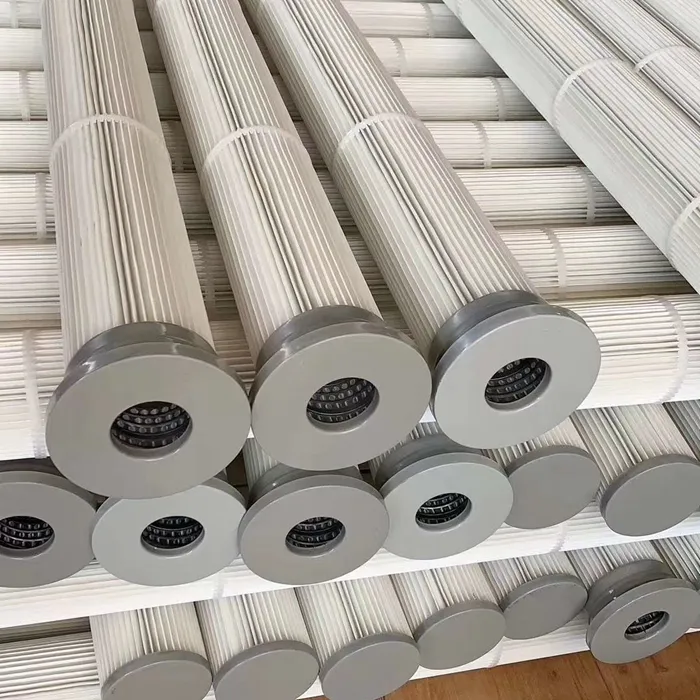
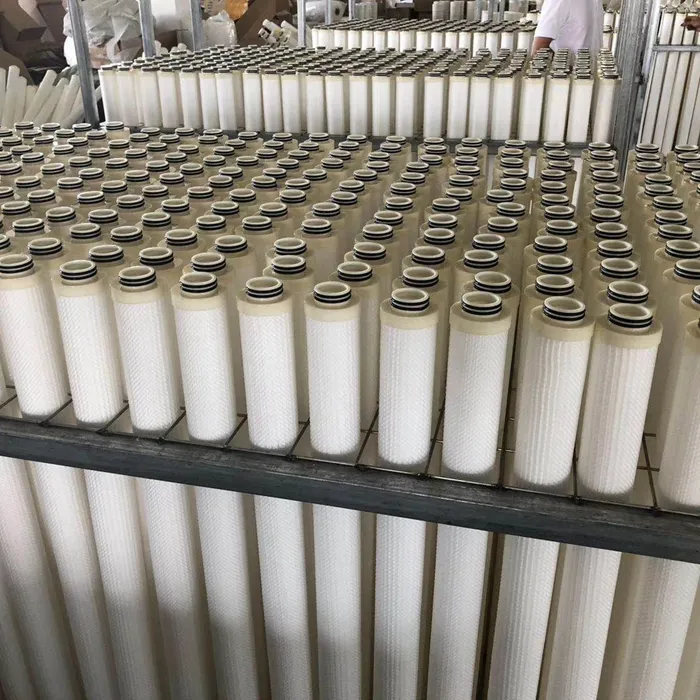
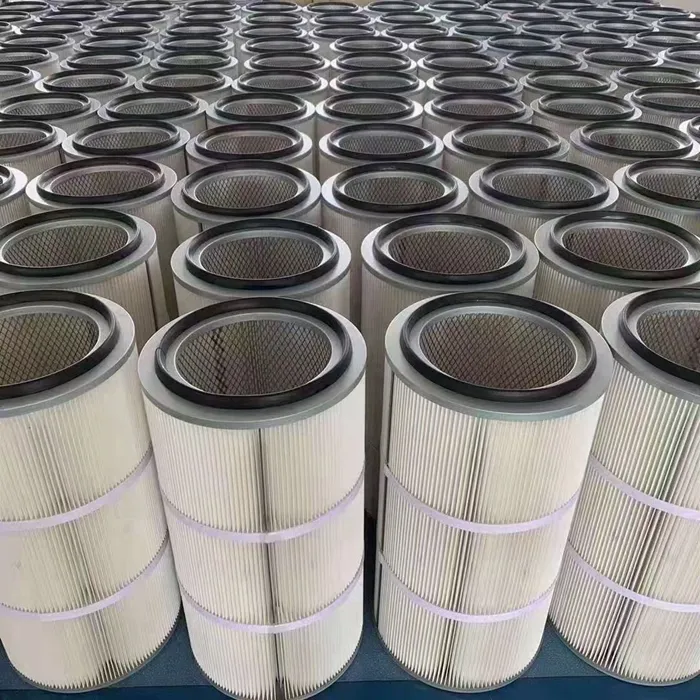
Walk any factory floor and you’ll hear it: the hum of compressors, the sigh of dust collectors. Pleated filters sit quietly at the center of it all. I’ve toured shops from Hebei to Houston, and—no exaggeration—the difference between a tired cellulose tube and a well-built HEPA pleat is night and day. The product on my desk today is the Industrial HEPA Dust Removal Filter Element Compressed Air Purifier Filter, produced in Rongding World, Xinhua District, Shijiazhuang City, Hebei Province. It aims at that sweet spot: high efficiency, sensible pressure drop, and practical customization.
What’s moving the market
Three themes keep coming up in conversations with procurement leads and maintenance managers: energy, compliance, and uptime. Media science is shifting toward low-ΔP nanofiber layers, ePTFE membranes, and flame-retardant blends. Standards like ISO 16890 for general ventilation and EN 1822 for HEPA/ULPA are becoming baseline, not “nice-to-have.” And compressed-air systems are chasing ISO 8573-1 classes more tightly than ever—especially in food, pharma, and electronics.
Materials, process, and testing (the short version)
- Media: cellulose-synthetic blends or glass microfiber with optional nanofiber/ePTFE skins; anti-static and oil/water-repellent treatments available.
- Pleating: uniform pitch pleating; hot-melt bead spacing for even airflow; galvanized or stainless end-caps; epoxy/polyurethane potting.
- Seals: EPDM/FKM gaskets; silicone available for high temp.
- Testing: efficiency by EN 1822 (H13/H14, MPPS), gravimetric per ISO 16890, pressure drop curves, burst/collapse strength, leak scan; for air systems, ISO 8573-1 class verification downstream.
- Typical service life: around 6–18 months (≈4,000–8,000 hours), depending on dust loading, purge cycles, and humidity—real-world use may vary.
- Industries: powder coating, metalworking, cement/mining, food & beverage, cleanrooms, electronics, pharma, and general HVAC.
Key specs for buyers
Here’s a concise spec snapshot of the Industrial HEPA Dust Removal Filter Element Compressed Air Purifier Filter. I like that the data is practical—not lab fantasy.
| Efficiency grade | H13 (99.95% @ MPPS) per EN 1822; ISO 16890 reference for upstream prefilters |
| Initial ΔP | ≈120–180 Pa @ 0.9–1.1 m/s face velocity |
| Media options | Glass microfiber, cellulose-synthetic blend, optional ePTFE/nanofiber skin, anti-static |
| Temp range | -20 to 70°C standard; higher with special adhesives |
| Collapse strength | ≥2,500 Pa (typical) |
| Certs (typical) | EN 1822, ISO 16890, ISO 8573-1 alignment; UL 900 and ATEX options |
When to use it
Compressed-air polishing lines (Class 1–2–1 targets), powder booths needing faster pulse-clean recovery, or HVAC zones where PM2.5 must be tamed without spiking the fan curve. Many customers say the big win is stable ΔP between maintenance intervals—less “yo-yo” behavior after pulse cleaning.
Vendor landscape (short, honest take)
You’ve got global giants and nimble specialists. Here’s a quick, apples-to-apples-ish view. To be honest, actual results depend on your dust profile and compressor hygiene.
| Vendor | Strengths | Lead time | Notes |
|---|---|---|---|
| Rongding/OnlyFilter (Hebei) | Custom sizes, fast iteration, solid HEPA builds | 2–4 weeks (custom) | Good value; flexible MOQ |
| Donaldson | Dust collection expertise, global service | 3–6 weeks | Strong aftermarket network |
| Camfil | High-end HEPA/ULPA, cleanroom pedigree | 3–8 weeks | Premium pricing, excellent data sheets |
| Parker Hannifin | Compressed-air conditioning, breadth of SKUs | 2–5 weeks | Great for ISO 8573-1 compliance stacks |
Customization and real cases
- Options: diameter/height, pleat count, end-cap metal, gasket (EPDM/FKM), anti-static, ePTFE, food-grade adhesives, ATEX, UL 900.
- Electronics plant, Suzhou: swapped legacy cartridges for HEPA pleats; ΔP dropped ≈15% and ISO 8573-1 particle class improved from 2–3–2 to 1–2–1.
- Powder coating shop, Hebei: anti-static ePTFE media cut color-change downtime by ~20%; visible overspray haze basically gone.
If you’re shortlisting Pleated Filter Manufacturers, ask for full test curves (not just a single-point efficiency) and a dust-loading report. Also, verify gasket chemistry against your cleaning solvents—sounds obvious, but that’s where leaks sneak in, surprisingly often.
Final thought: Pleated Filter Manufacturers that publish EN 1822 scans and ISO 16890 references—and tie them to ISO 8573-1 air goals—save you time during audits. It’s the paperwork you want before you need it.
Authoritative references
- EN 1822: High efficiency air filters (EPA, HEPA, ULPA).
- ISO 16890: Air filters for general ventilation.
- ISO 8573-1: Compressed air — Contaminants and purity classes.
- IEST Recommended Practices (e.g., IEST-RP-CC034): HEPA/ULPA filter leak testing.
-
High-Efficiency Industrial Dust Filtration & PurificationNewsApr.21,2026
-
High-Efficiency Adsorption for Clean Air & Water PurificationNewsApr.20,2026
-
Air Filter Cartridge: High-Efficiency Filtration for Engine Protection & Clean Air SupplyNewsApr.17,2026
-
Filter Paper: Precision Filtration Media for Industrial & Laboratory ExcellenceNewsApr.16,2026
-
Industrial Guide for Selecting a Stainless Filter CartridgeNewsApr.16,2026
-
Dust Filter Cartridges: High-Efficiency Industrial Filtration for Clean Production & ComplianceNewsApr.15,2026