 Email:admin@only-filter.com
 Tel:
+8615930870079
Tel:
+8615930870079
Oct . 21, 2025 12:30 Back to list
Industrial Dust Collector Cartridge Filters - High Capacity
Industrial Dust Collector Pleated Bag Long Filter Cartridge: field notes, specs, and what really matters
Over the past two years, I’ve watched plants scramble to hit stricter particulate limits while keeping energy bills sane. That’s where Industrial Dust Collector Cartridge Filters (specifically, pleated long cartridges) have quietly become the default retrofit in many dust collectors. The pitch is simple: more surface area, lower ΔP, cleaner air. In practice? It depends—media choice, pleat geometry, and how you pulse-clean all make or break the ROI.
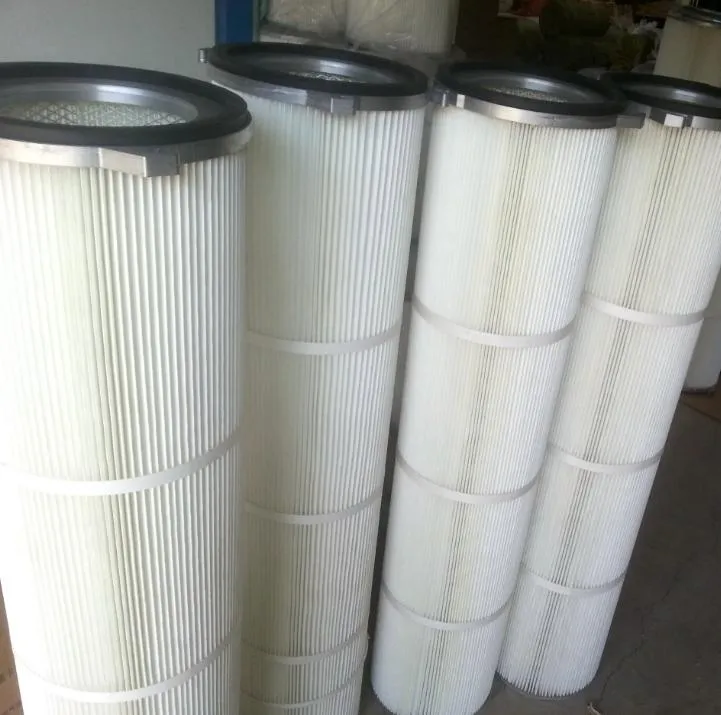
What’s inside the cartridge (materials and build)
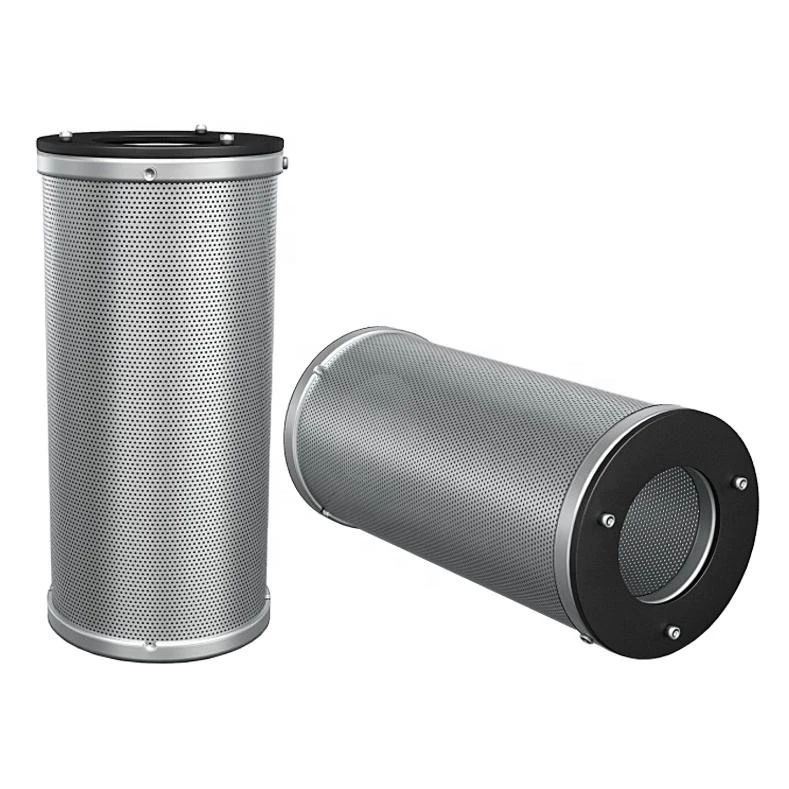
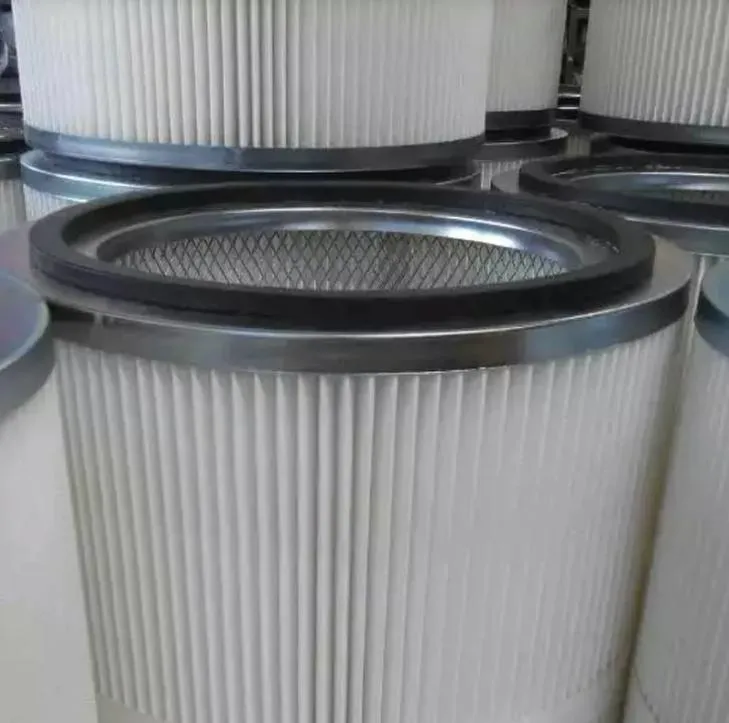
Origin matters: these units are built in Rongding World, Xinhua District, Shijiazhuang, Hebei—an area that’s oddly known for steady filter supply chains. The element itself is a pleated media pack (polyester spunbond, cellulose blend, or PTFE-membrane laminated) bonded with low-VOC hot-melt, supported by a perforated galvanized or stainless inner core. End caps are typically epoxy-sealed; gaskets can be NBR, EPDM, or silicone. Dust filter elements—put simply—are high-efficiency air purification devices that intercept airborne particulates across a very wide spectrum.
Product specifications (typical)
| Model | Industrial Dust Collector Pleated Bag Long Filter Cartridge |
| Media options | Polyester spunbond; cellulose-blend; PTFE membrane; anti-static; flame-retardant |
| Dimensions | Ø120–160 mm x 600–2000 mm length (custom sizes available) |
| Efficiency | Up to 99.9% @ 0.5–1 μm (media-dependent; ≈ per ISO 16890/ISO 29463 concepts) |
| Initial ΔP | ≈120–220 Pa at 1.0–1.2 m/min face velocity (real-world use may vary) |
| Temperature | -20 to 80°C standard; up to 120°C with specialty media |
| Cleaning | Pulse-jet (per ASHRAE 199 test methodology) |
| Service life | ≈12–36 months depending on dust load, pulsing, and humidity |
How they’re made and tested
Process flow: media inspection → pleating (controlled pleat pitch) → bead/adhesive setting → core insertion → end-cap potting → gasket fitment → leak test → ΔP/airflow check. Test references I like to see: ISO 16890 classification for capture behavior, ASHRAE 199 for dust collector performance, and audits under ISO 9001. For combustible dust, designs should align with NFPA 652 housekeeping and explosion protection practices—plus anti-static media when required.
Where they shine (applications and benefits)
- Metalworking, thermal spray, welding fume (with FR or PTFE media)
- Woodworking and composite sanding (low ΔP helps keep fans efficient)
- Cement, mineral, grain handling (consider anti-static for explosive dust)
- Pharma/food premix (FDA-compliant media on request; consult QA)
The headline advantage of Industrial Dust Collector Cartridge Filters is surface area density—more media in the same footprint, plus smoother pulsing. Many customers say their fan amperage drops a notch after retrofit; I’ve seen that too, when ducts are balanced.
Vendor snapshot (what buyers compare)
| Vendor | OnlyFilterCartridge (Hebei) | Generic A | Import B |
|---|---|---|---|
| Media range | Cellulose/PTFE/FR/anti-static | Cellulose + PTFE | Polyester only |
| Certs | ISO 9001; test per ASHRAE 199 | ISO 9001 | — |
| Customization | High (sizes, caps, gaskets) | Medium | Low |
| Lead time | ≈7–15 days | ≈2–4 weeks | ≈4–6 weeks |
Customization and real-world notes
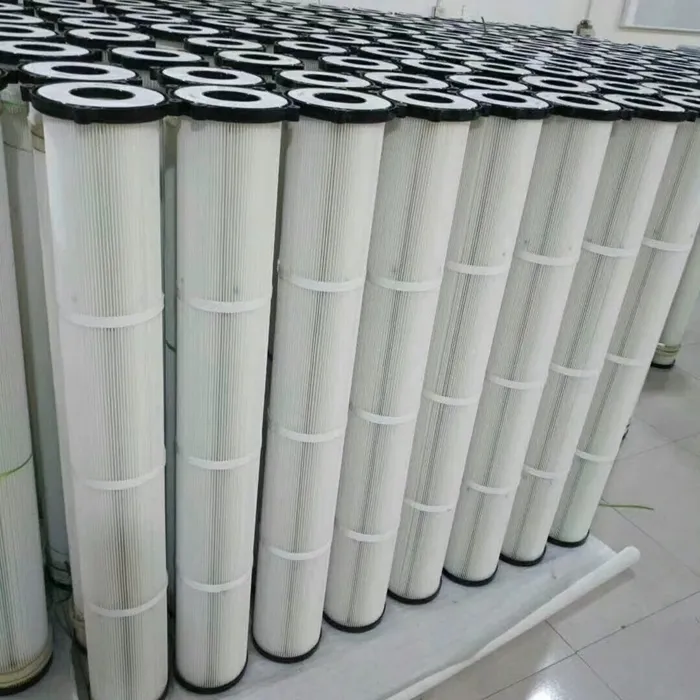
Options include end-cap styles (open/closed), bayonet/flange mounts, anti-static media (carbon-loaded), gasket profiles, and pleat spacing tuned for sticky dust. I guess the biggest miss I see is sizing the pulse valves—undersized valves wreck the ΔP curve, no matter how premium your Industrial Dust Collector Cartridge Filters are.
Quick case notes
Cement packing line, Southeast Asia: swapped woven bags for pleated long cartridges; ΔP dropped ≈18%, fan power down ≈12%, PM emissions held
Compliance and data points
Look for ISO 16890 classifications, ASHRAE 199 test reports for your collector, and NFPA 652 alignment when handling combustible dusts. For food/pharma, request media declarations (e.g., REACH/RoHS; food-contact grades on request). Typical field numbers we see: residual emissions
References:
- ISO 16890: Air filters for general ventilation
- ASHRAE Standard 199: Testing of pulse-cleaned dust collectors
- NFPA 652: Standard on the Fundamentals of Combustible Dust
- OSHA 29 CFR 1910 (Air Contaminants; Housekeeping for dust)
-
High-Efficiency Industrial Dust Filtration & PurificationNewsApr.21,2026
-
High-Efficiency Adsorption for Clean Air & Water PurificationNewsApr.20,2026
-
Air Filter Cartridge: High-Efficiency Filtration for Engine Protection & Clean Air SupplyNewsApr.17,2026
-
Filter Paper: Precision Filtration Media for Industrial & Laboratory ExcellenceNewsApr.16,2026
-
Industrial Guide for Selecting a Stainless Filter CartridgeNewsApr.16,2026
-
Dust Filter Cartridges: High-Efficiency Industrial Filtration for Clean Production & ComplianceNewsApr.15,2026