Air purifier cartridges are essential components in maintaining indoor air quality, a growing concern globally due to increasing pollution levels and a heightened awareness of respiratory health. These cartridges, designed to trap airborne particles and pollutants, play a crucial role in reducing allergens, dust, smoke, and even some viruses and bacteria. The demand for effective air purification solutions, and subsequently, high-quality air purifier cartridges, is surging in both residential and commercial settings.
The global air purifier market is experiencing significant growth, driven by factors like rising disposable incomes, increasing urbanization, and a greater prevalence of respiratory illnesses. According to the World Health Organization, 99% of the global population breathes air that exceeds WHO air quality limits. This statistic underscores the urgent need for effective air purification technologies, making the air purifier cartridge a key element in public health initiatives.
Understanding the nuances of air purifier cartridge technology, including filter types, efficiency ratings, and replacement schedules, is vital for maximizing their effectiveness and ensuring optimal air quality. This knowledge empowers consumers and professionals alike to make informed decisions, contributing to healthier and more comfortable living and working environments.
The Core Function of air purifier cartridge
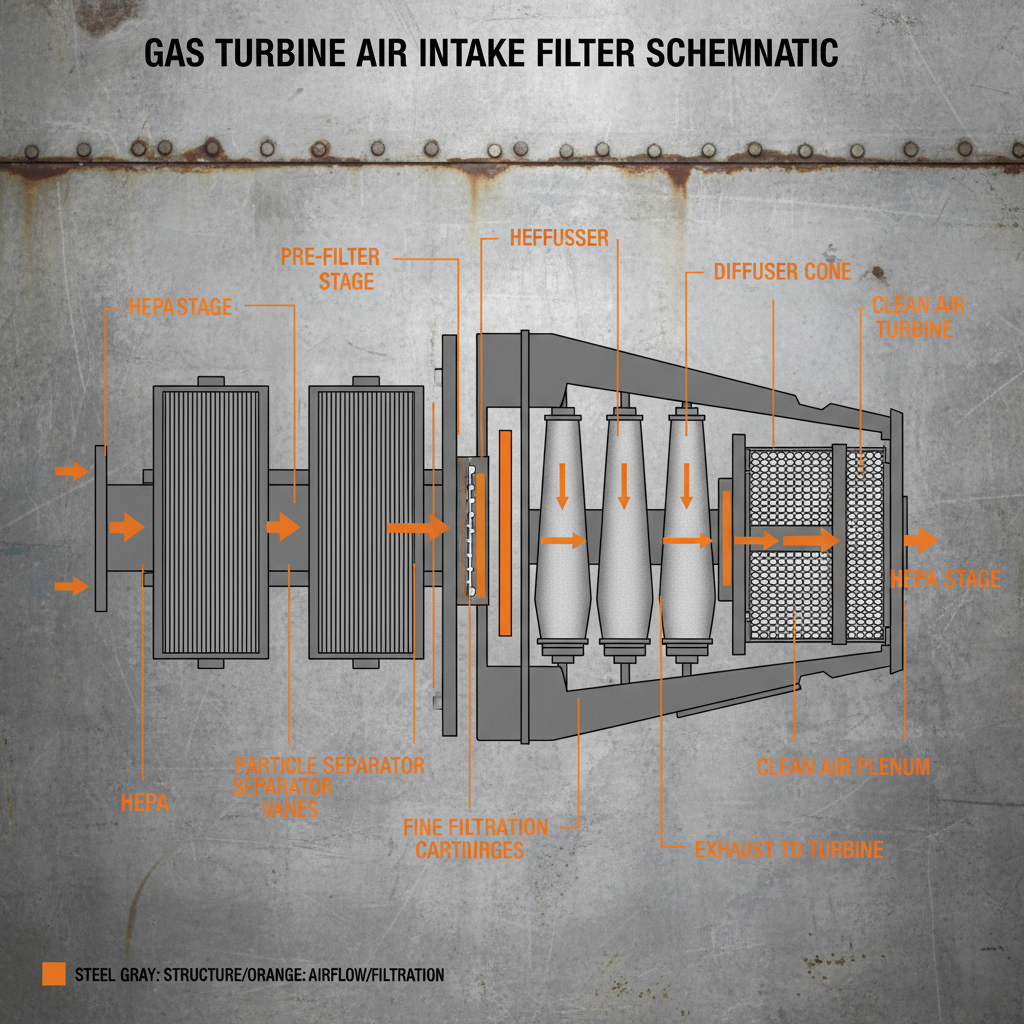
The primary function of an air purifier cartridge is to remove contaminants from the air that passes through the air purifier. This is achieved through various filtration mechanisms, depending on the type of cartridge. These mechanisms include mechanical filtration (trapping particles), adsorption (binding pollutants to the filter material), and chemical absorption (neutralizing gases). Understanding these core functionalities is key to selecting the right air purifier cartridge for specific needs.
Different air purifier cartridges are designed to target specific pollutants. For instance, HEPA filters excel at capturing particulate matter, while activated carbon filters are effective at removing odors and volatile organic compounds (VOCs). The choice of cartridge directly impacts the air purifier’s ability to address specific air quality concerns within a given environment.
Understanding Air Purifier Cartridge Types
Air purifier cartridges come in several different types, each designed with specific filtration capabilities. The most common types include HEPA (High-Efficiency Particulate Air) filters, activated carbon filters, and pre-filters. HEPA filters are highly effective at capturing 99.97% of particles 0.3 microns in size, making them ideal for allergy sufferers and those concerned about particulate matter pollution.
Activated carbon filters utilize activated carbon to adsorb odors, gases, and VOCs, improving air quality by removing unpleasant smells and harmful chemical compounds. Pre-filters, often made of washable materials, capture larger particles like dust and pet dander, extending the lifespan of the more expensive HEPA and carbon filters.
Some advanced air purifiers utilize specialized cartridges like UV-C filters which use ultraviolet light to kill bacteria and viruses, or photocatalytic oxidation (PCO) filters which break down pollutants at a molecular level. Choosing the appropriate combination of cartridge types is vital for achieving comprehensive air purification.
The Importance of Cartridge Efficiency
Cartridge efficiency, often measured by its MERV (Minimum Efficiency Reporting Value) rating, indicates its ability to capture particles of different sizes. A higher MERV rating signifies a more efficient filter, capable of capturing smaller particles. However, higher MERV ratings can also result in reduced airflow, potentially impacting the air purifier's performance. Therefore, choosing a cartridge with the appropriate MERV rating for the specific application is crucial.
Regularly checking and replacing the air purifier cartridge is essential for maintaining optimal efficiency. Over time, cartridges become clogged with pollutants, reducing airflow and filtration effectiveness. A visibly dirty cartridge or a noticeable decrease in air purifier performance indicates the need for replacement. The frequency of replacement depends on factors like air quality and usage patterns, but generally, cartridges should be replaced every 3-6 months.
Understanding the efficiency of your air purifier cartridge is not just about particle removal; it also affects the overall energy consumption of the device. A clogged filter forces the air purifier to work harder, consuming more electricity.
Cost-Effectiveness and Longevity of air purifier cartridge
While the initial cost of an air purifier can be significant, the ongoing cost of cartridge replacements is a key factor in long-term cost-effectiveness. Choosing cartridges with a longer lifespan, or opting for washable pre-filters, can help reduce replacement costs.
Evaluating the total cost of ownership—including the initial air purifier cost and the projected cartridge replacement expenses over its lifespan—provides a more accurate assessment of cost-effectiveness. Investing in a high-quality air purifier and appropriate cartridges can ultimately save money by improving air quality and reducing healthcare costs associated with respiratory issues.
Cartridge Replacement Frequency by Type
Global Applications of Air Purification Systems
Air purification systems utilizing high-quality air purifier cartridge are employed in a diverse range of settings worldwide. In healthcare facilities, they are crucial for maintaining sterile environments and preventing the spread of airborne infections. Industrial facilities utilize these systems to protect workers from hazardous particles and gases.
Residential applications are also widespread, with air purifiers becoming increasingly common in homes to address allergies, asthma, and indoor air pollution. In regions experiencing high levels of smog or wildfires, air purification systems are often essential for protecting public health.
Advantages of Using High-Quality air purifier cartridge
Employing high-quality air purifier cartridges delivers tangible benefits, including improved respiratory health, reduced allergy symptoms, and elimination of unpleasant odors. These cartridges effectively remove airborne pollutants, creating a healthier and more comfortable indoor environment.
Furthermore, high-quality cartridges often offer superior durability and efficiency, minimizing the need for frequent replacements and reducing long-term costs. They also contribute to a greater sense of well-being and peace of mind, knowing that you are actively protecting yourself and your family from harmful airborne contaminants.
The use of advanced materials and technologies in these cartridges ensures optimal performance and longevity, making them a worthwhile investment in overall health and quality of life.
Future Trends in air purifier cartridge Technology
The future of air purifier cartridge technology is focused on innovation and sustainability. Research is underway to develop cartridges made from biodegradable materials, reducing environmental impact. Smart cartridges equipped with sensors to monitor air quality and automatically adjust filtration levels are also emerging.
Nanotechnology is being explored to create cartridges with enhanced filtration capabilities and increased surface area for adsorption. The integration of artificial intelligence (AI) to optimize cartridge performance and predict replacement needs is another promising trend.
These advancements aim to create more efficient, environmentally friendly, and user-friendly air purification solutions, contributing to cleaner and healthier air for all.
Summary of Air Purifier Cartridge Technology Trends
| Technology Area |
Current Status |
Potential Impact |
Implementation Timeline |
| Biodegradable Materials |
Early Stage Research |
Reduced Environmental Footprint |
5-10 Years |
| Smart Cartridges |
Limited Commercial Availability |
Optimized Performance & Reduced Waste |
2-5 Years |
| Nanotechnology Filters |
Laboratory Testing |
Increased Filtration Efficiency |
5-10 Years |
| AI-Powered Optimization |
Conceptual Stage |
Predictive Maintenance & Enhanced Air Quality |
5-10 Years |
| UV-C Integration |
Increasingly Common in High-End Models |
Effective Germicidal Action |
Ongoing |
| PCO Enhancement |
Research focused on efficiency improvement |
Better VOC Removal |
3-7 Years |
FAQS
The frequency of air purifier cartridge replacement depends on usage and air quality. Generally, HEPA filters should be replaced every 6-12 months, activated carbon filters every 3-6 months, and pre-filters cleaned or replaced monthly. Check your air purifier’s manual for specific recommendations. Failing to replace your cartridge reduces its effectiveness and can even damage the unit. A dirty air purifier cartridge drastically reduces air flow.
HEPA (High-Efficiency Particulate Air) filters are designed to capture 99.97% of airborne particles 0.3 microns in size, like dust, pollen, and pet dander. Activated carbon filters, on the other hand, utilize activated carbon to adsorb gases, odors, and VOCs. They work on a chemical level, attracting and holding these pollutants. A combination of both filter types provides the most comprehensive air purification.
Only pre-filters are generally washable. HEPA and activated carbon filters should not be washed, as this can damage the filter material and reduce their effectiveness. Washing can also release trapped pollutants back into the air. Replacing these cartridges is the recommended practice. Regular cleaning or replacement of the pre-filter extends the lifespan of the more expensive HEPA and carbon filters.
Consider the specific pollutants you’re trying to remove. If you have allergies, a HEPA filter is essential. If you're concerned about odors or VOCs, an activated carbon filter is a good choice. For comprehensive purification, look for a system with both. Also, factor in the size of the room and the air purifier’s CADR (Clean Air Delivery Rate) to ensure adequate filtration capacity. Selecting the correct air purifier cartridge is critical.
MERV (Minimum Efficiency Reporting Value) measures a filter's ability to capture particles of different sizes. Higher MERV ratings indicate better filtration, but can also restrict airflow. A MERV rating of 8-13 is typically recommended for residential use, balancing filtration efficiency with airflow. Choosing the right MERV rating depends on the specific air quality concerns and the air purifier’s design.
Yes, the market is seeing a growing number of eco-friendly air purifier cartridges made from sustainable materials like recycled fibers and biodegradable components. These cartridges offer a reduced environmental impact without compromising filtration performance. Look for certifications and labels that indicate eco-friendly production and materials. Companies are actively researching and implementing more sustainable air purifier cartridge alternatives.
Conclusion
In conclusion, air purifier cartridges are vital components in maintaining healthy indoor air quality. From understanding different filter types and efficiency ratings to staying informed about emerging technologies, a comprehensive understanding of these components is crucial for maximizing their benefits. The global relevance of air purification, driven by rising pollution levels and increasing health concerns, makes continued innovation and adoption of effective air purification solutions paramount.
Looking ahead, the future of air purifier cartridges lies in sustainability, intelligent design, and enhanced performance. By embracing eco-friendly materials, integrating smart technologies, and continuously refining filtration capabilities, we can create a cleaner, healthier, and more comfortable indoor environment for all. Visit our website at www.onlyfiltercartridge.com to explore our range of high-quality air purifier cartridges and find the perfect solution for your needs.

 Email:admin@only-filter.com
 Tel:
+8615930870079
Tel:
+8615930870079