HEPA filter cartridges are increasingly vital across a wide spectrum of applications, from maintaining indoor air quality to safeguarding sensitive industrial processes. The global demand for effective filtration solutions is driven by growing awareness of the health impacts of air pollution and increasingly stringent regulatory standards. These cartridges, designed to remove at least 99.97% of airborne particles 0.3 microns in diameter, are central to protecting human health and ensuring the reliability of critical equipment. Understanding their function, applications, and future trends is essential for professionals in diverse fields, and for consumers seeking to improve their living environments.
The importance of hepa filter cartridges extends beyond simply removing dust and allergens. In healthcare settings, they are critical for preventing the spread of airborne pathogens, protecting patients and medical staff alike. In manufacturing, they safeguard sensitive electronics and pharmaceutical products from contamination, maintaining product integrity and quality control. This widespread applicability underscores the need for reliable, high-performance filtration systems and a thorough understanding of the technology behind hepa filter cartridge.
As environmental concerns escalate and air quality deteriorates in many parts of the world, the role of advanced filtration systems like those utilizing hepa filter cartridges becomes even more paramount. Innovation in materials and design is continually improving their efficiency and lifespan, making them a cornerstone of both public health initiatives and industrial best practices.
The Fundamentals of hepa filter cartridge
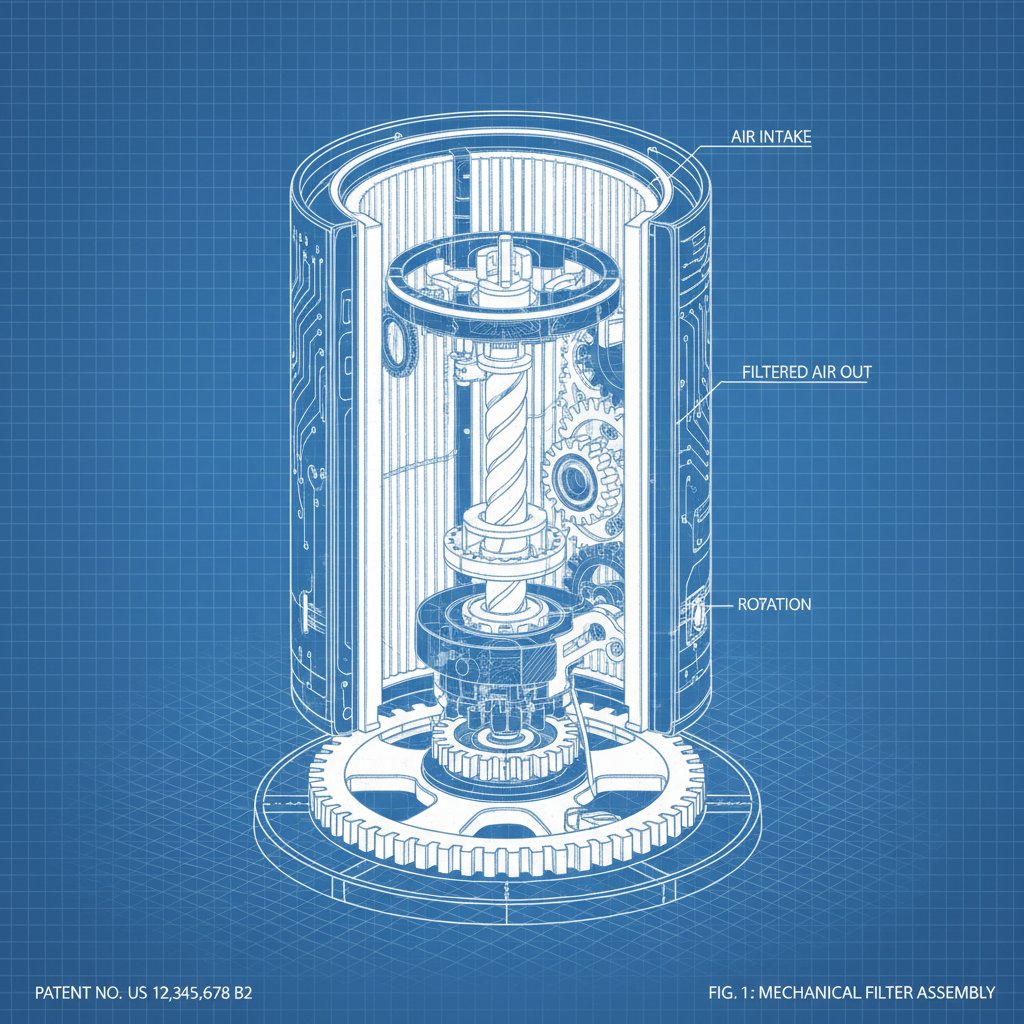
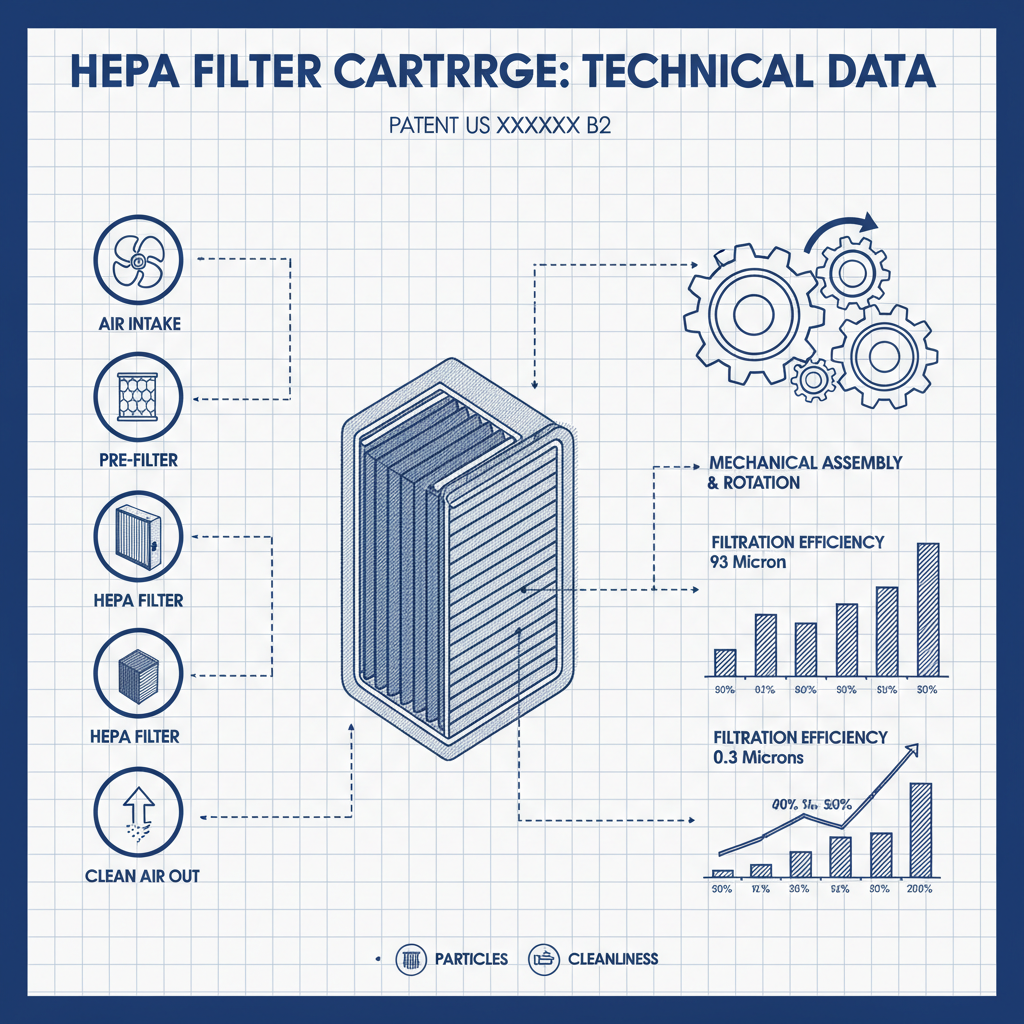
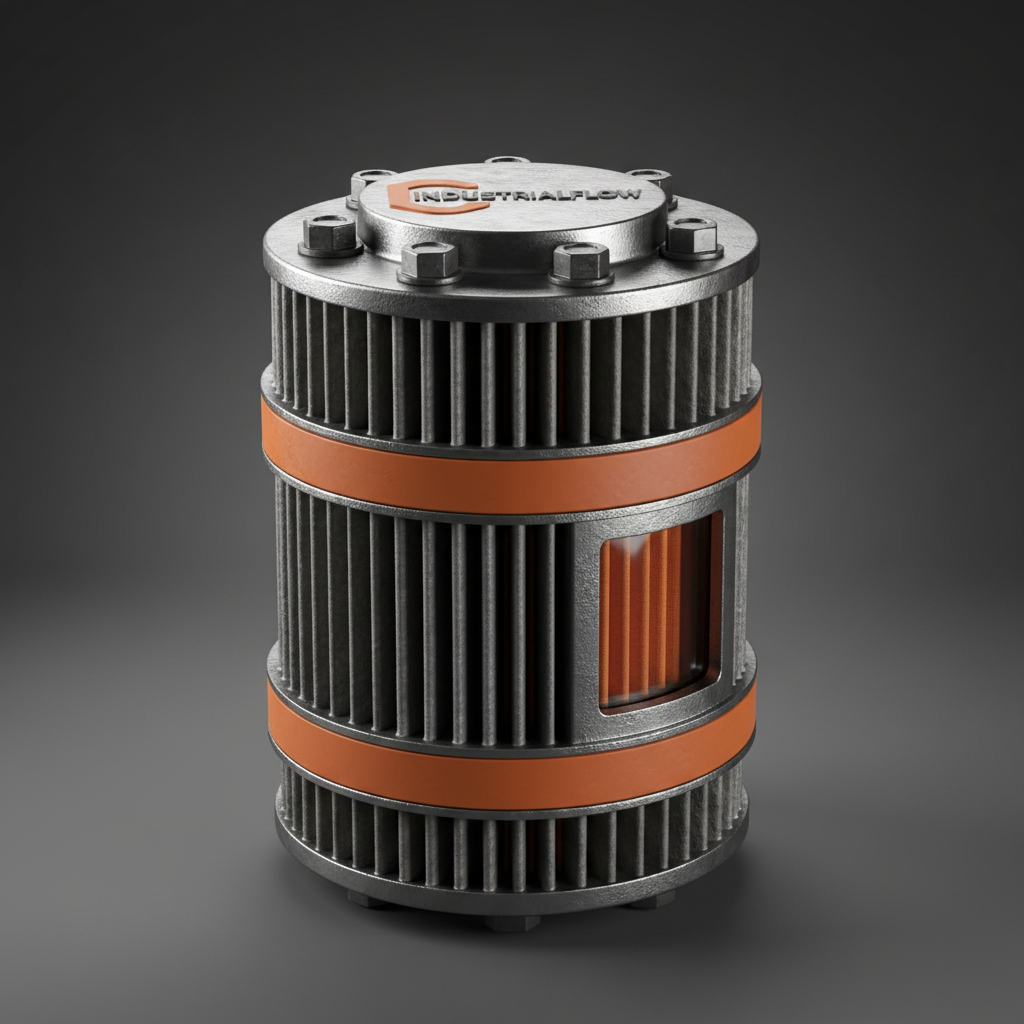
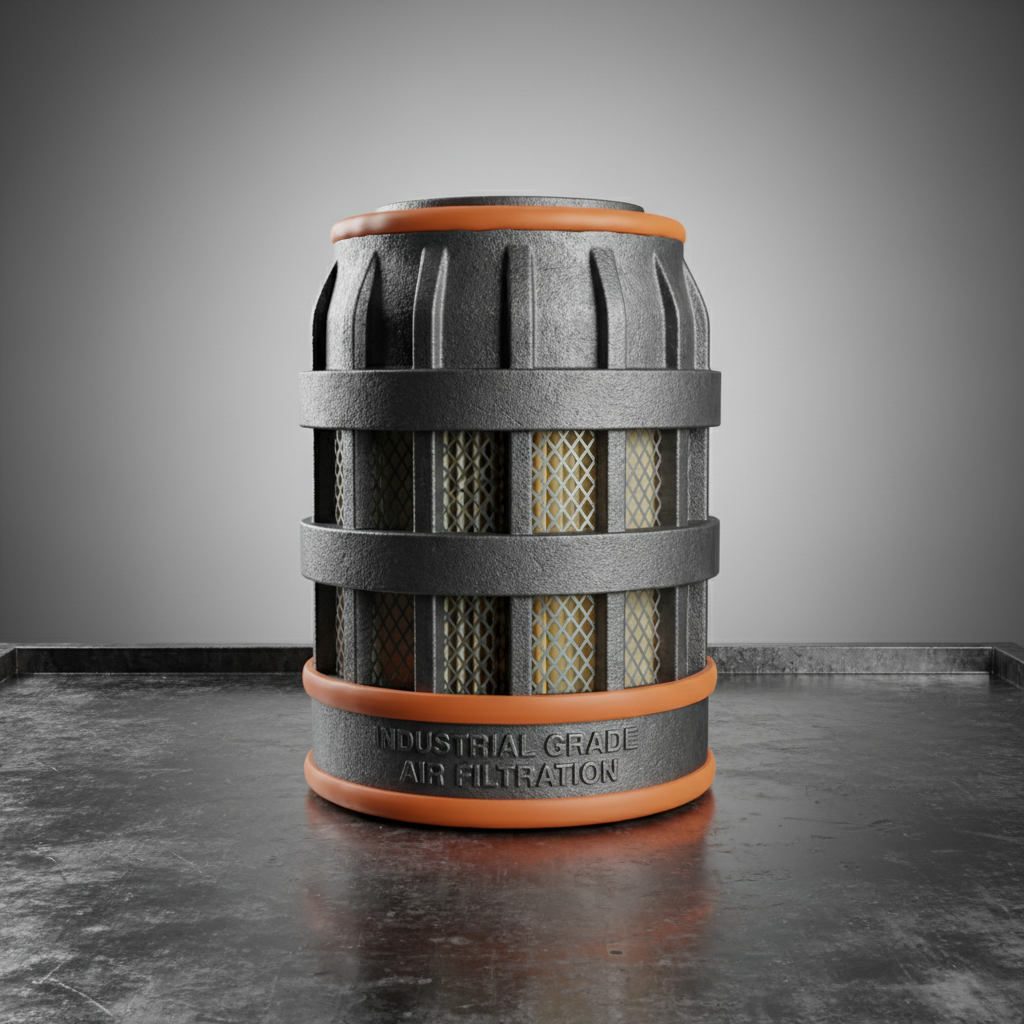
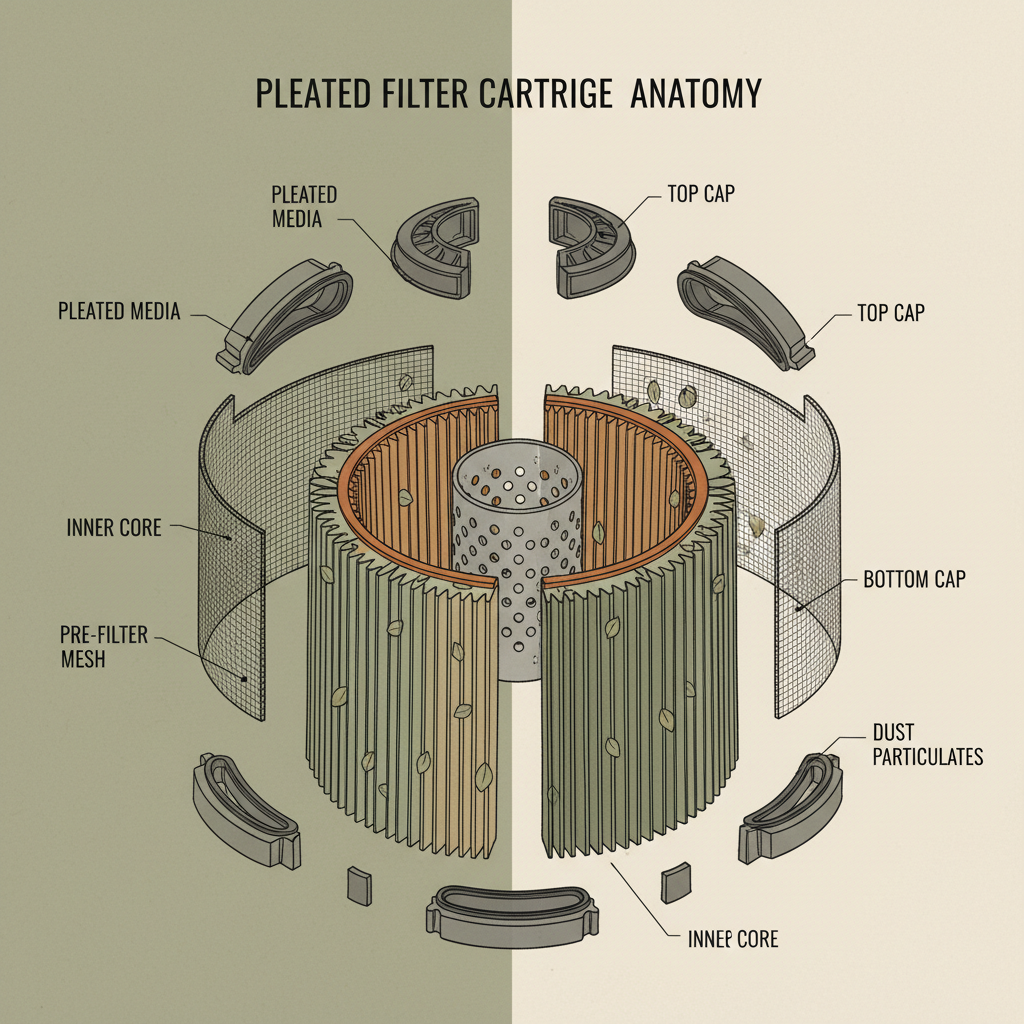
At its core, a hepa filter cartridge functions by physically trapping airborne particles. The “HEPA” designation stands for High-Efficiency Particulate Air, and to earn this classification, a filter must remove at least 99.97% of particles 0.3 microns in diameter. This is achieved through a complex web of randomly arranged fibers – typically fiberglass – which create a tortuous path that forces particles to collide with and adhere to the fibers. hepa filter cartridge designs vary in terms of pleat density and surface area, impacting airflow resistance and filtration efficiency.
The effectiveness of a hepa filter cartridge is greatly influenced by its construction and the quality of materials used. Factors such as fiber diameter, filter media thickness, and the uniformity of the pleats all play a role. Proper sealing is also crucial – any leaks around the cartridge can bypass the filter, rendering it ineffective. Regular inspection and replacement are essential to maintain optimal performance.
The Global Landscape of hepa filter cartridge Production and Usage
The global hepa filter cartridge market is experiencing substantial growth, driven by increasing concerns about indoor air quality and the rising prevalence of respiratory illnesses. Asia-Pacific currently dominates the market, fueled by rapid industrialization and urbanization in countries like China and India. North America and Europe represent significant markets as well, with a strong emphasis on air purification in healthcare, commercial buildings, and residential settings. According to recent reports, the global market is projected to reach several billion dollars in the coming years.
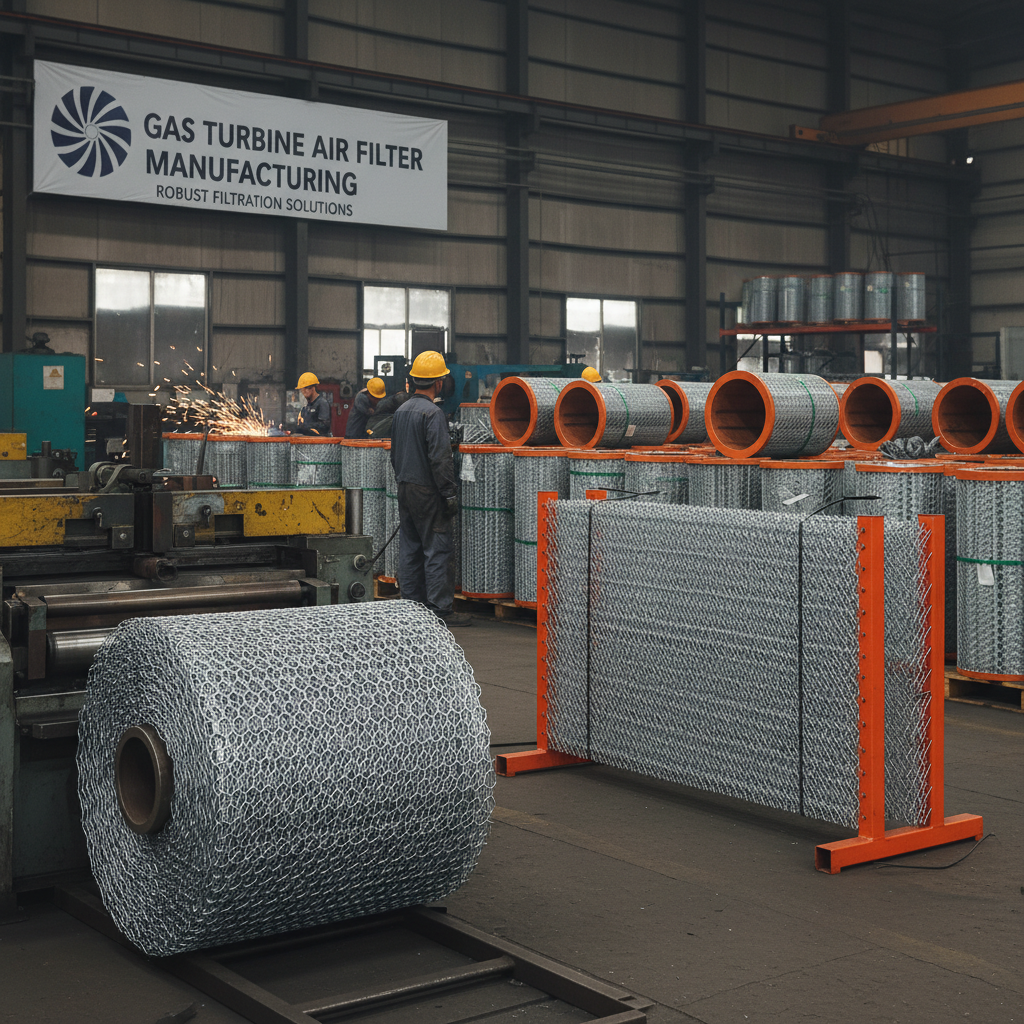
Production is largely concentrated in Asia, with China being a major manufacturer and exporter. However, several companies in North America and Europe maintain specialized production facilities focusing on high-performance or custom-designed hepa filter cartridge solutions. Supply chain disruptions, raw material costs, and evolving regulatory standards pose ongoing challenges for manufacturers.
The demand for hepa filter cartridges is not solely linked to consumer markets. Industrial applications, including semiconductor manufacturing, pharmaceutical production, and nuclear facilities, require consistently high levels of air purification, contributing significantly to overall market growth. Government initiatives promoting clean air technologies further bolster demand.
Defining hepa filter cartridge: Core Principles and Standards
A hepa filter cartridge is defined as a filter medium capable of removing at least 99.97% of particles 0.3 microns in diameter. This standard is based on the American Society of Heating, Refrigerating and Air-Conditioning Engineers (ASHRAE) 52.2 test method. Crucially, this efficiency level must be maintained across the entire filter surface area. It's not just about capturing large particles; the 0.3-micron size is considered the “most penetrating particle size” (MPPS) – meaning it’s the hardest to capture.
The performance of a hepa filter cartridge isn't solely determined by its filtration efficiency. Other important parameters include airflow resistance (measured in Pascals), dust holding capacity (the amount of particulate matter the filter can hold before performance degrades), and lifespan. Different applications require different balances between these parameters – for example, a hospital operating room may prioritize high efficiency and long lifespan, while a home air purifier may prioritize low airflow resistance for quieter operation.
Several international standards govern hepa filter cartridge manufacturing and testing, including EN 1822 in Europe and AS 1739 in Australia. Adherence to these standards ensures consistent quality and reliable performance. Furthermore, filters intended for specific applications, such as nuclear facilities, may require additional certifications and compliance with more stringent regulations.
Key Performance Indicators of hepa filter cartridge
Evaluating the performance of a hepa filter cartridge requires considering several key indicators. Filtration efficiency, as previously discussed, is paramount, but airflow resistance and dust holding capacity are equally important. Higher filtration efficiency doesn’t always equate to better performance – a filter that restricts airflow excessively can reduce system efficiency and increase energy consumption.
Another critical factor is the filter’s lifespan and total cost of ownership. A more expensive filter with a longer lifespan and higher dust holding capacity may ultimately be more cost-effective than a cheaper filter that requires more frequent replacement. Regular monitoring of pressure drop across the filter can help determine when replacement is necessary.
Performance Metrics for Different hepa filter cartridge Types
Global Applications and Industries Utilizing hepa filter cartridge
The applications of hepa filter cartridges are incredibly diverse. In healthcare, they are essential in operating rooms, isolation wards, and pharmaceutical manufacturing facilities to prevent the spread of infections and maintain sterile environments. In the aerospace industry, they are used in aircraft ventilation systems to provide clean air for passengers and crew.
Beyond these, hepa filter cartridges find widespread use in the electronics industry, where they protect sensitive components from dust contamination during manufacturing. They're also vital in food processing plants to maintain hygiene and prevent spoilage. In post-disaster relief operations, portable air purifiers equipped with hepa filter cartridge are used to provide clean breathing air in areas affected by smoke, ash, or chemical contaminants.
The Advantages and Long-Term Value of Utilizing hepa filter cartridge
The advantages of utilizing hepa filter cartridges extend far beyond simply removing particulate matter. Improved indoor air quality translates to better respiratory health, reduced allergy symptoms, and increased overall well-being. In industrial settings, preventing contamination leads to higher product yields, reduced defects, and improved quality control. The long-term health and productivity benefits often outweigh the initial cost of the filter.
Investing in high-quality hepa filter cartridge demonstrates a commitment to safety, sustainability, and innovation. It builds trust with customers and employees, fostering a positive and responsible brand image. Furthermore, proper filtration can reduce energy consumption by minimizing the load on HVAC systems, leading to cost savings and a smaller environmental footprint.
Future Trends and Innovations in hepa filter cartridge Technology
The future of hepa filter cartridge technology is focused on enhancing efficiency, reducing energy consumption, and incorporating advanced materials. Research is underway to develop filters with antimicrobial coatings that can kill bacteria and viruses, providing an additional layer of protection. Nanomaterials and electrospun fibers are being explored to increase filtration surface area and improve particle capture rates.
Smart filters equipped with sensors that monitor air quality and filter performance are also gaining traction. These sensors can provide real-time data on filter life, pressure drop, and the presence of specific pollutants, enabling proactive maintenance and optimized filter replacement schedules. The integration of digital technologies and data analytics will play a crucial role in shaping the future of air purification.
Sustainability is another key driver of innovation. Manufacturers are exploring the use of bio-based and biodegradable materials to reduce the environmental impact of filter production and disposal. The development of easily recyclable filter components is also a priority.
Summary of Future Trends in hepa filter cartridge Technology
| Technology Area |
Innovation Description |
Potential Impact |
Development Stage |
| Antimicrobial Coatings |
Application of coatings to kill bacteria and viruses on filter media. |
Enhanced protection against airborne pathogens, especially in healthcare settings. |
Commercialization Phase |
| Nanomaterials Integration |
Incorporating nanomaterials to increase filtration surface area and capture efficiency. |
Higher filtration rates and improved particle capture, particularly for ultrafine particles. |
Research & Development |
| Smart Filters & Sensors |
Integrating sensors to monitor air quality, filter life, and pressure drop. |
Proactive maintenance, optimized filter replacement, and real-time air quality monitoring. |
Pilot Production |
| Bio-based Materials |
Utilizing renewable and biodegradable materials in filter construction. |
Reduced environmental impact and improved sustainability. |
Conceptual Design |
| Electrospun Fibers |
Using electrospinning to create filters with extremely fine and dense fiber networks. |
Enhanced particle capture and increased filtration efficiency. |
Laboratory Testing |
| Recyclable Components |
Designing filters with components that are easily separable and recyclable. |
Reduced landfill waste and a more circular economy. |
Material Selection Phase |
FAQS
HEPA filters are significantly more effective at removing airborne particles than standard air filters. Standard filters typically capture larger particles like dust and pollen, while HEPA filters are designed to capture at least 99.97% of particles 0.3 microns in diameter, including bacteria, viruses, and allergens. This efficiency is achieved through a denser and more complex filter media construction.
The replacement frequency depends on usage and air quality. A good rule of thumb is to replace your hepa filter cartridge every 6-12 months in a typical home environment. If you have pets, allergies, or live in an area with high pollution, you may need to replace it more frequently. Monitoring the filter's appearance and checking for reduced airflow are also good indicators.
While HEPA filters excel at removing particulate matter, they are not designed to remove odors or gases. To address odors, you typically need to incorporate an activated carbon filter alongside a HEPA filter. Activated carbon effectively absorbs volatile organic compounds (VOCs) that cause unpleasant smells.
Not necessarily. The term “HEPA-type” or “HEPA-like” can be misleading. To be certified as a true HEPA filter, the filter must meet the stringent requirements of the ASHRAE 52.2 standard. Look for filters that are specifically labeled as “HEPA” and ideally have been tested and certified by an independent laboratory.
Airflow resistance is a critical factor. A filter with high airflow resistance can reduce the overall efficiency of your HVAC system, forcing it to work harder and consume more energy. It’s important to choose a hepa filter cartridge that balances high filtration efficiency with reasonable airflow resistance for your specific application.
HEPA filters can effectively remove airborne particles carrying viruses, including COVID-19. However, they don’t kill the viruses themselves; they simply trap them on the filter media. Combined with other preventative measures like ventilation and social distancing, HEPA filtration plays a crucial role in reducing the risk of airborne transmission.
Conclusion
In conclusion, hepa filter cartridges represent a critical technology for safeguarding public health, protecting industrial processes, and improving overall air quality. From their core filtration principles to the emerging innovations in materials and smart technologies, these filters continue to evolve to meet the growing demands of a world increasingly concerned with clean air. Understanding their performance characteristics, proper usage, and long-term value is essential for individuals, businesses, and governments alike.
Looking ahead, investment in research and development focused on sustainability, efficiency, and intelligent filter systems will be vital. Prioritizing the adoption of certified HEPA filters and promoting awareness of their benefits will contribute to a healthier and more sustainable future. Visit our website at www.onlyfiltercartridge.com to explore our range of high-performance hepa filter cartridges and learn more about how we can help you achieve optimal air quality.

 Email:admin@only-filter.com
 Tel:
+8615930870079
Tel:
+8615930870079