HEPA (High-Efficiency Particulate Air) cartridges are crucial components in air purification systems, playing a vital role in maintaining air quality across diverse sectors globally. Their ability to remove at least 99.97% of airborne particles 0.3 microns in diameter makes them essential for protecting human health and sensitive processes. The increasing awareness of indoor air pollution and the growing demand for clean environments are driving the global market for hepa cartridges.
The demand for effective air filtration solutions is significantly influenced by industrial growth, healthcare advancements, and heightened environmental consciousness. Globally, the market is experiencing consistent expansion, with North America and Europe leading in adoption, followed by the Asia-Pacific region due to rapid industrialization and increasing pollution levels. According to the World Health Organization (WHO), 99% of the global population breathes air exceeding WHO guideline limits, underscoring the critical need for robust air purification technologies using hepa cartridges.
The development and widespread implementation of hepa cartridges represent a significant leap in public health and industrial hygiene. They address a pressing global challenge – the pervasive issue of air pollution and its detrimental effects on human well-being. Investing in and understanding these technologies is essential for ensuring healthier and more productive environments.
Introduction to hepa cartridges
HEPA cartridges function as sophisticated air filters, meticulously crafted to capture a broad spectrum of airborne particles, from dust and pollen to mold spores and even microscopic viruses. They’ve become indispensable in a variety of settings, impacting everything from the quality of air we breathe indoors to the integrity of sensitive manufacturing processes. Their core function is removing particulate matter, making them a cornerstone of air purification strategies.
The importance of understanding HEPA cartridges extends beyond their technical specifications. Proper selection, maintenance, and replacement are critical for ensuring optimal performance and protecting the health of individuals and the efficiency of industrial operations. Investing in quality hepa cartridges and understanding their limitations is a fundamental step towards a cleaner and healthier future.
Defining hepa cartridges
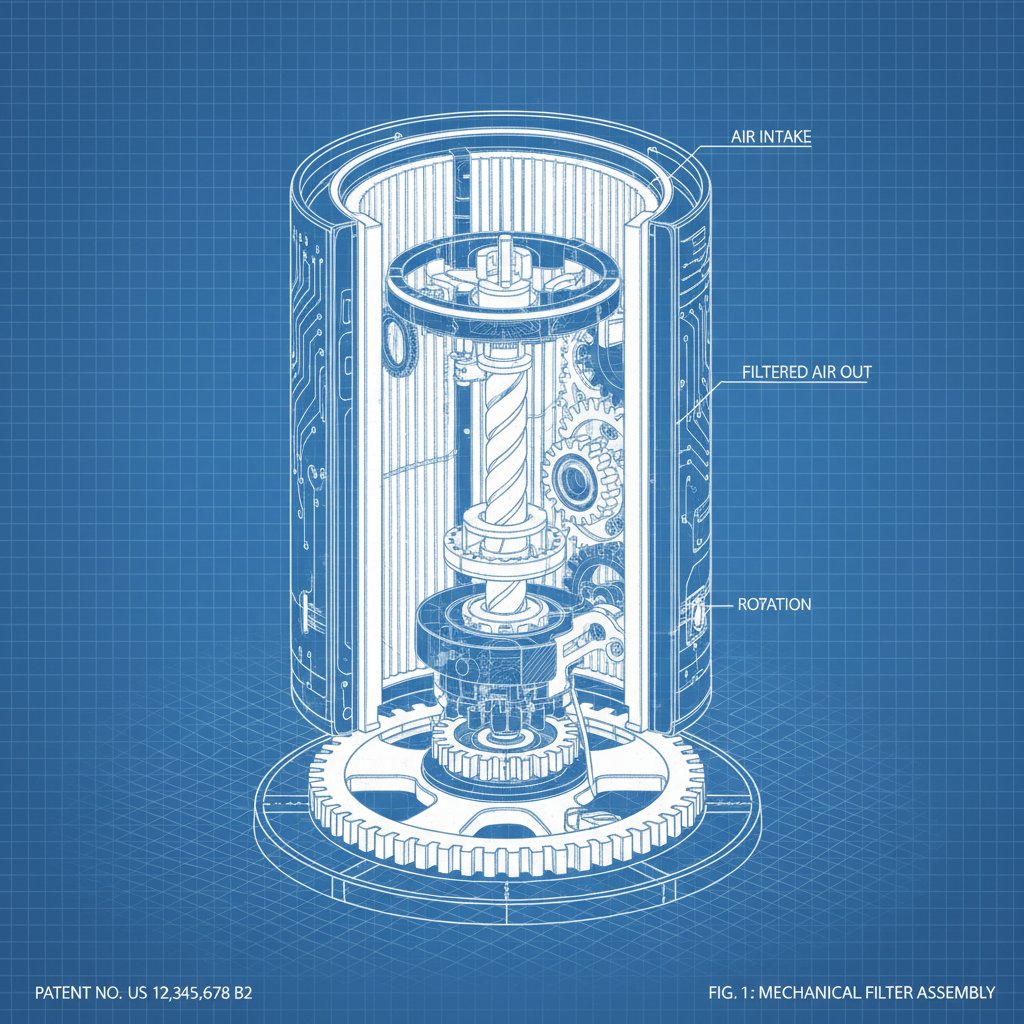
A HEPA cartridge is a type of mechanical air filter; it works by forcing air through a fine mesh that traps airborne particles. The "HEPA" designation isn’t merely a marketing term; it’s a standard established by the United States Department of Energy. To qualify as HEPA, a filter must remove at least 99.97% of particles 0.3 microns in diameter. This size is considered the “most penetrating particle size” (MPPS) because it’s the hardest to capture.
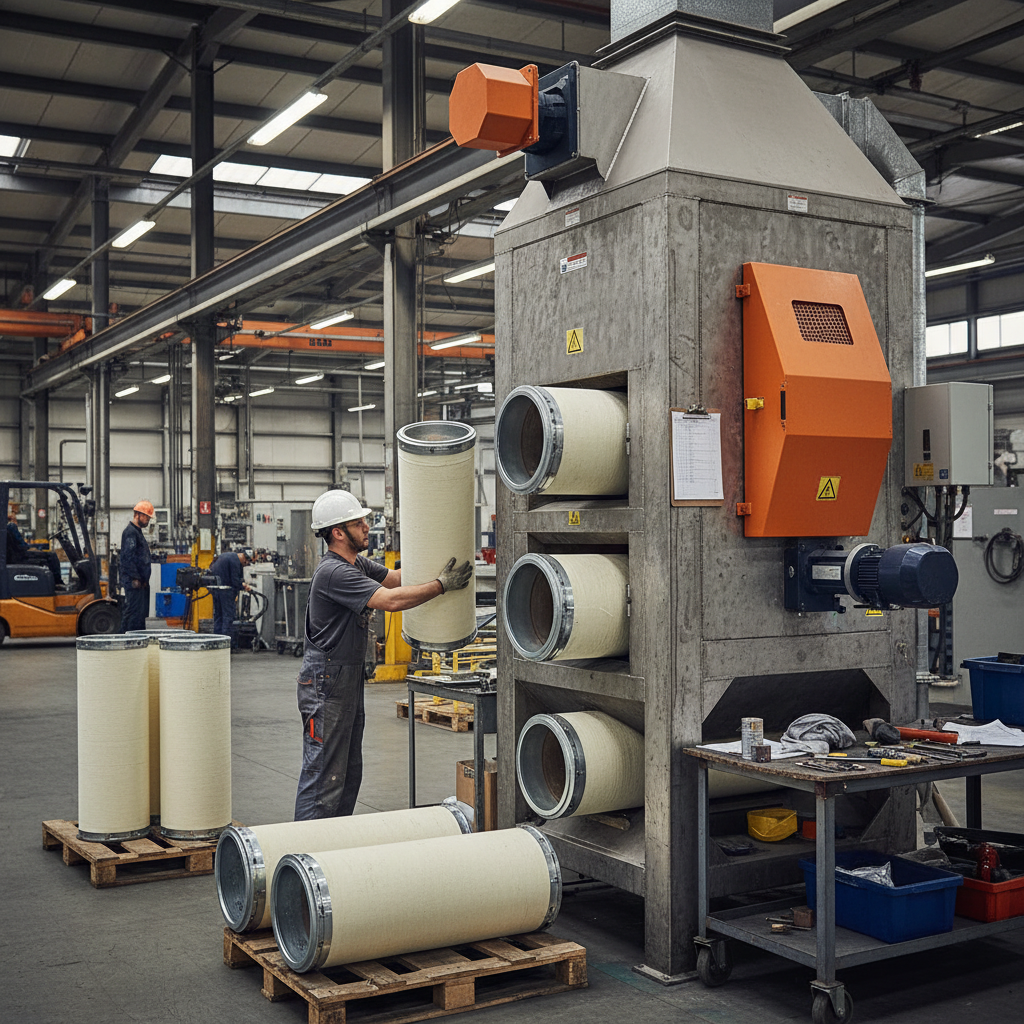
HEPA cartridges are integral to modern industrial processes, healthcare facilities, and even home air purifiers. They're vital in maintaining sterile environments for surgical operations, protecting sensitive electronic components during manufacturing, and reducing allergens and pollutants in residential settings. The versatility of hepa cartridges makes them a cornerstone of air quality control.
The connection to humanitarian needs is also significant. In disaster relief efforts, and areas with high levels of air pollution, readily available and effective filtration systems utilizing HEPA technology are crucial for providing safe breathing air, particularly for vulnerable populations.
Core Components of hepa cartridges
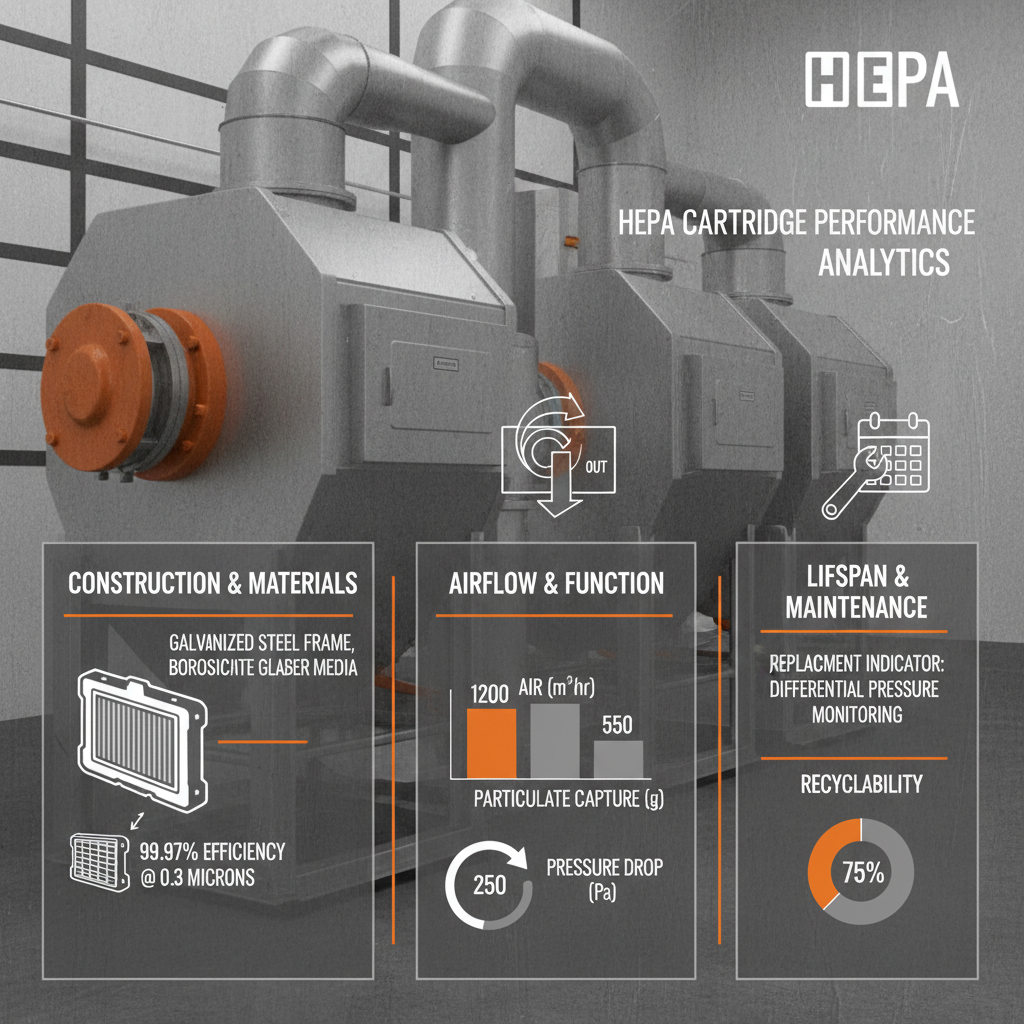
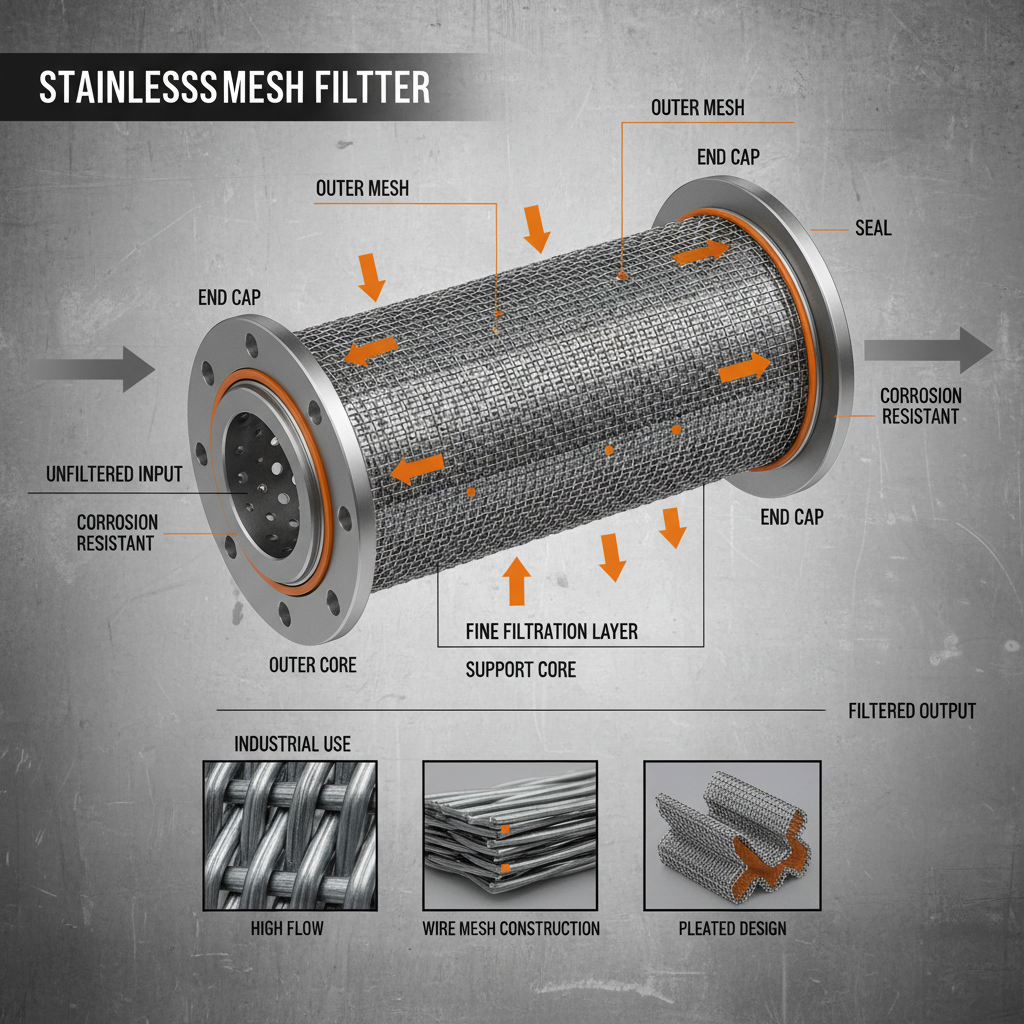
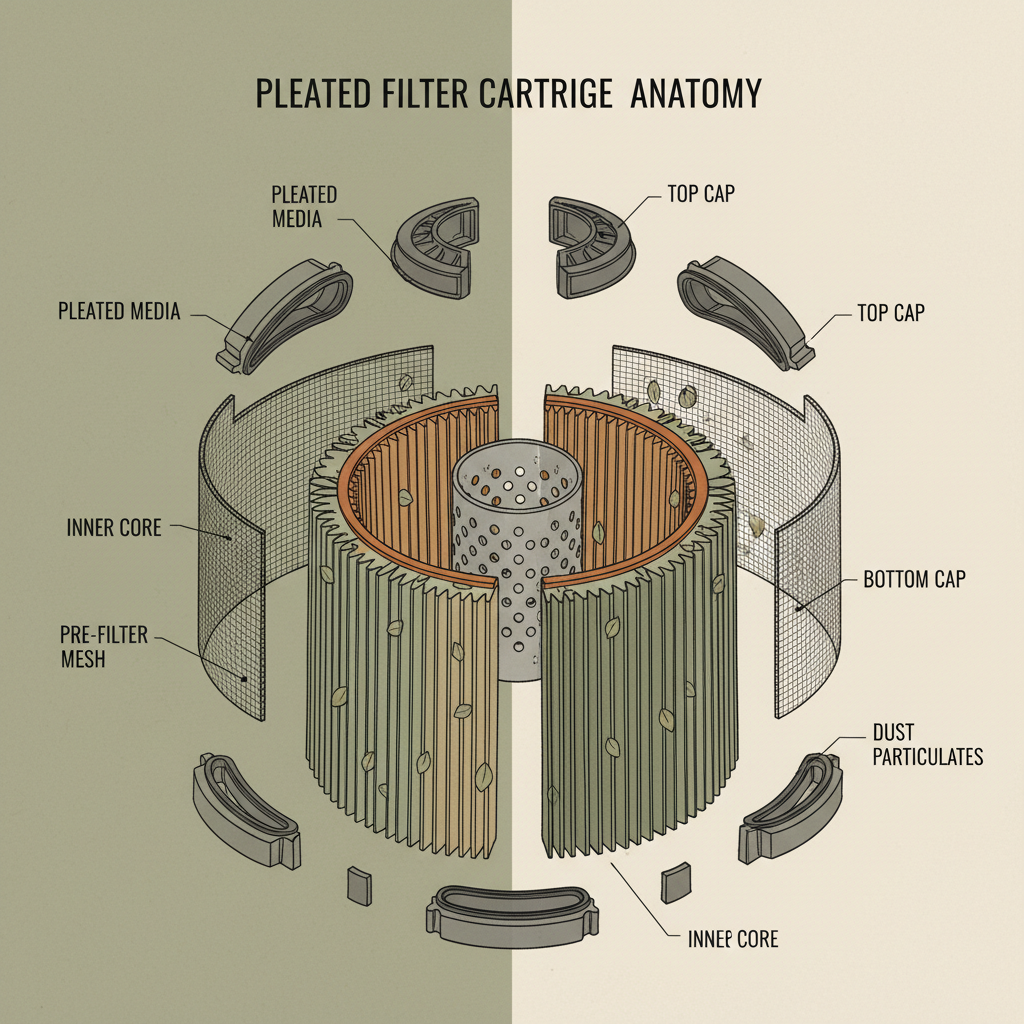
The effectiveness of a HEPA cartridge stems from its carefully engineered components. At its core is the filter media, typically composed of a dense mat of randomly arranged fibers – often fiberglass, though synthetic materials are increasingly common. This intricate structure creates a tortuous path for airflow, maximizing particle capture.
Supporting the filter media is a robust frame, usually made of metal or plastic, providing structural integrity and facilitating installation into air handling systems. The frame must be durable enough to withstand airflow pressure and prevent media deformation. Effective sealing mechanisms are also crucial, ensuring air doesn't bypass the filter media, which would compromise its efficiency.
Finally, a pre-filter is often incorporated to capture larger particles, extending the lifespan of the HEPA filter and maintaining consistent airflow. This pre-filter stage captures dust, pollen, and other sizable debris, preventing premature clogging of the fine HEPA media.
Key Performance Factors of hepa cartridges
The efficiency of a HEPA cartridge is paramount, measured by its ability to capture particles of various sizes. As previously stated, a true HEPA filter must remove 99.97% of particles 0.3 microns and larger. Beyond efficiency, the airflow resistance, or pressure drop, is a critical factor – a lower pressure drop indicates less energy is required to push air through the filter.
The lifespan of a HEPA cartridge, impacted by factors like particle load and airflow rate, is also vital. Extended lifespan reduces replacement costs and minimizes waste. The structural integrity and resistance to humidity and temperature variations significantly influence long-term performance.
HEPA Cartridge Performance Comparisons
Applications of hepa cartridges Worldwide
HEPA cartridges are extensively employed in the healthcare industry, filtering air in operating rooms, isolation wards, and pharmaceutical manufacturing facilities to prevent the spread of infections and maintain sterile conditions. Their use is critical in protecting patients and ensuring the integrity of medical procedures.
Industries like electronics manufacturing rely heavily on hepa cartridges to maintain cleanrooms, safeguarding sensitive components from particulate contamination during production. The aerospace industry also utilizes them to ensure air quality in aircraft cabins and manufacturing environments.
The Benefits of Utilizing hepa cartridges
The most tangible benefit of using HEPA cartridges is improved air quality, leading to reduced respiratory illnesses and allergic reactions. This translates to fewer sick days and increased productivity in workplaces. From a financial perspective, preventative air filtration can minimize healthcare costs associated with air pollution-related diseases.
Beyond health benefits, HEPA cartridges contribute to a more sustainable environment by reducing energy consumption; cleaner filters require less energy to maintain airflow. Their reliability and consistency in performance engender trust and provide peace of mind, particularly in critical applications like healthcare and manufacturing.
Future Trends in hepa cartridges Technology
Innovation in HEPA cartridge technology is focused on developing more efficient filter media, utilizing nanomaterials and advanced polymers to enhance particle capture while minimizing airflow resistance. Electrostatic precipitators integrated with HEPA filters are also gaining traction, offering improved performance and longer lifespan.
The integration of smart sensors and IoT connectivity is enabling real-time monitoring of filter performance, providing data-driven insights for optimal maintenance and replacement schedules. Sustainable materials and biodegradable filter options are emerging, addressing environmental concerns and promoting circular economy principles.
Challenges and Solutions
A key challenge with HEPA cartridges is the eventual clogging of the filter media, leading to reduced airflow and efficiency. Regular monitoring and timely replacement are crucial, but can be costly. Pre-filter implementation and innovative filter designs focused on extended lifespan are viable solutions.
The cost of HEPA cartridges can be prohibitive for some applications, particularly in developing countries. Developing more affordable filter options without compromising performance is essential. Furthermore, proper disposal of used filters presents an environmental challenge; research into recyclable or biodegradable filter materials is vital.
Effective implementation requires a holistic approach, encompassing not just the hepa cartridges themselves, but also the entire air handling system, ensuring proper sealing and airflow distribution.
Summary of HEPA Cartridge Performance Analysis
| Filter Type |
Efficiency Rating (0-10) |
Airflow Resistance (Low-High) |
Estimated Lifespan (Months) |
| Standard HEPA Cartridge |
9.5 |
Medium |
6-12 |
| Electrostatic HEPA Cartridge |
9.8 |
Low |
12-24 |
| Nanomaterial-Enhanced HEPA Cartridge |
9.9 |
Medium |
8-16 |
| Activated Carbon Pre-Filter + HEPA |
9.2 |
High |
4-8 |
| Biodegradable HEPA Cartridge |
8.8 |
Medium |
3-6 |
| IoT-Enabled Smart HEPA Cartridge |
9.7 |
Low |
10-18 |
FAQS
HEPA filters are designed to capture at least 99.97% of particles 0.3 microns in size, a significantly higher efficiency than standard air filters which capture larger particles. Regular filters primarily remove dust and pollen, while HEPA filters capture much smaller particles like bacteria and viruses. This makes HEPA filters critical for applications requiring very clean air, such as healthcare and cleanroom environments.
The replacement frequency of a HEPA cartridge depends on factors like air quality, usage, and filter type. Generally, cartridges should be replaced every 6-12 months in residential settings. However, in heavily polluted environments or high-use applications, more frequent replacement may be necessary. Monitor the airflow and pressure drop – a significant decrease indicates the filter is clogged and needs replacement.
HEPA filters are effective at capturing particles that may carry viruses like COVID-19. While they don't kill the virus, they remove the particles from the air, reducing the risk of airborne transmission. It’s important to note that HEPA filtration is most effective when combined with other preventative measures like ventilation and social distancing.
MERV (Minimum Efficiency Reporting Value) ratings indicate a filter’s ability to capture larger particles. HEPA filters are not rated by MERV; they meet a specific standard for capturing 0.3-micron particles (99.97% efficiency). MERV ratings are used for filters that capture larger particles; a higher MERV rating doesn’t necessarily equate to HEPA-level filtration.
No, HEPA cartridges are generally not washable or reusable. Washing can damage the delicate filter media, reducing its effectiveness. The fibers are designed to trap particles and cannot be effectively cleaned without compromising their integrity. Replacing the cartridge is the recommended practice to ensure continued air quality.
Traditional HEPA filters often contain fiberglass and plastic, posing environmental concerns during disposal. Fortunately, advancements are being made in biodegradable filter materials and sustainable manufacturing processes. Proper disposal is crucial; check local regulations for responsible disposal options. Selecting filters from companies committed to sustainability helps minimize environmental impact.
Conclusion
In conclusion, HEPA cartridges are essential components in safeguarding air quality across diverse sectors, from healthcare and industry to residential environments. Their high efficiency in capturing airborne particles, combined with ongoing technological advancements, makes them invaluable for protecting human health and maintaining optimal operational performance. Understanding the core principles, applications, and future trends related to HEPA cartridges is vital for making informed decisions and prioritizing clean air.
Looking ahead, continued innovation in filter materials, smart technologies, and sustainable manufacturing practices will further enhance the effectiveness and environmental friendliness of HEPA cartridges. By embracing these advancements and prioritizing proactive air filtration strategies, we can collectively contribute to a healthier and more sustainable future. Visit our website at www.onlyfiltercartridge.com to explore our range of high-quality HEPA cartridges.

 Email:admin@only-filter.com
 Tel:
+8615930870079
Tel:
+8615930870079