ONLY Technology (hebei Province) Co., Ltd.

If you are interested in our products, you can choose to leave your information here, and we will be in touch with you shortly.


0%

Table of Contents

Honestly, this dust filter cartridge business… it’s been a year. A year of dust, concrete, and guys yelling about tolerances. It’s not glamorous, but someone’s gotta make sure the air’s clean, right? Lately, everyone’s going crazy for these nanofiber media cartridges. Supposedly, they capture 99.999% of everything. Sounds good on paper, but… have you noticed how quickly those things clog up in a real-world environment? Seriously.

It's the details, you know? Everyone thinks designing a dust filter cartridge is just about microns and airflow. Nope. It's about how a guy in a dirty coverall is gonna handle it. If it tears when he tries to unfold it, or the end caps are flimsy… forget it. I encountered this at a factory in Foshan last time – beautiful lab results, complete disaster on the production line. The guys were cursing a blue streak.

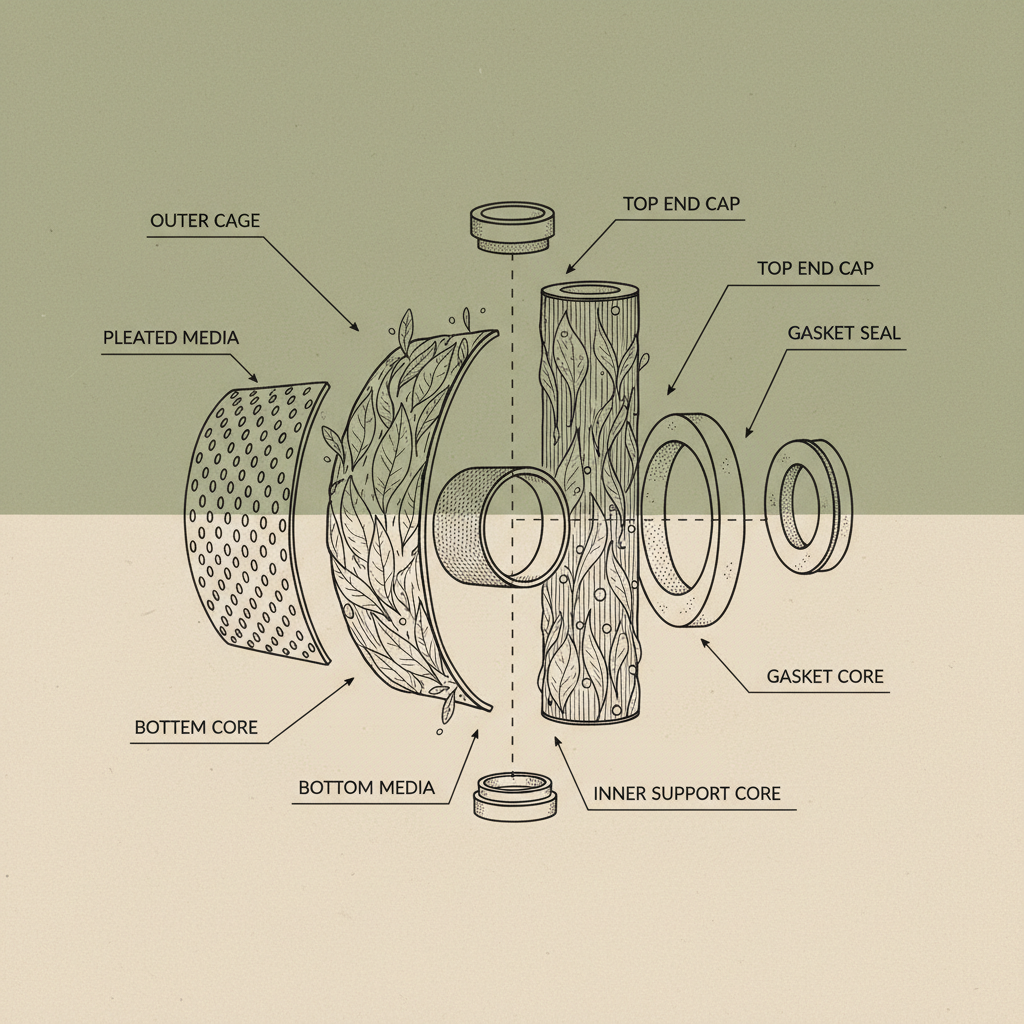
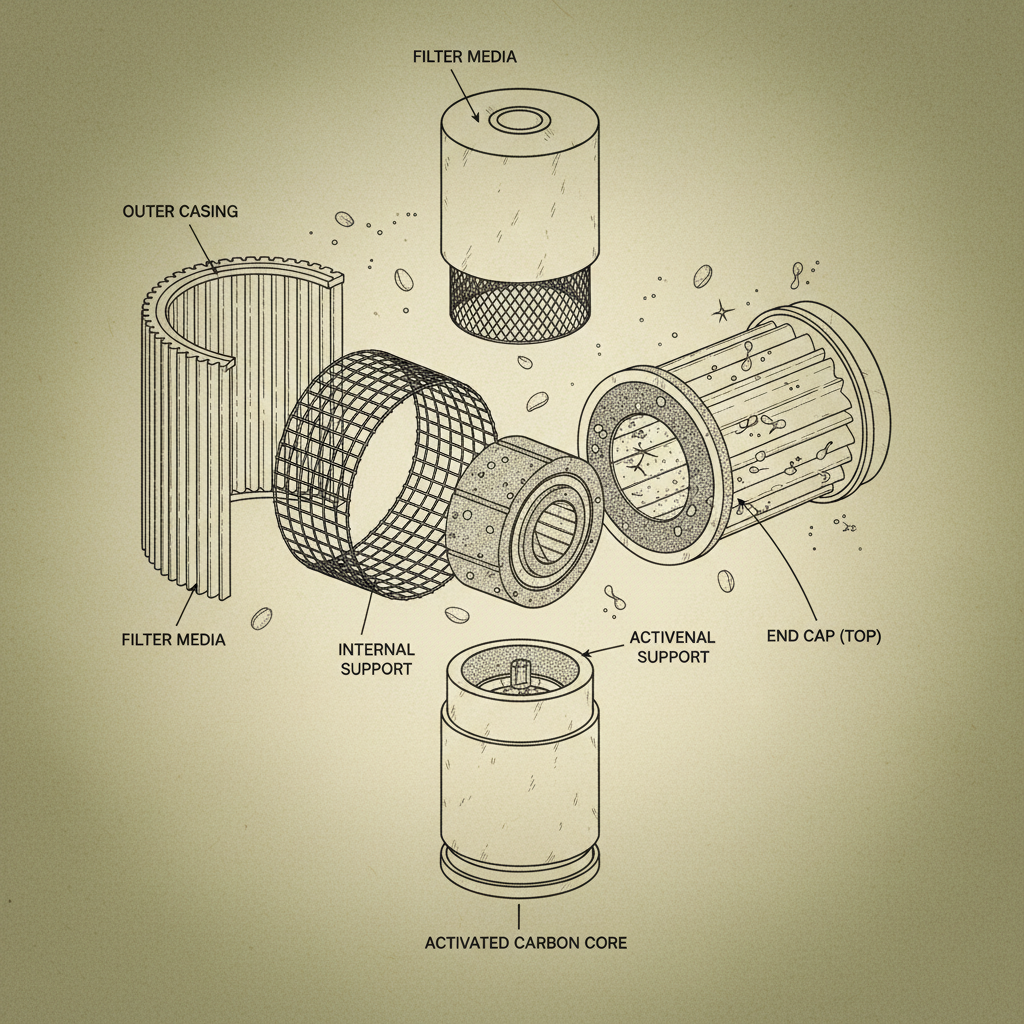
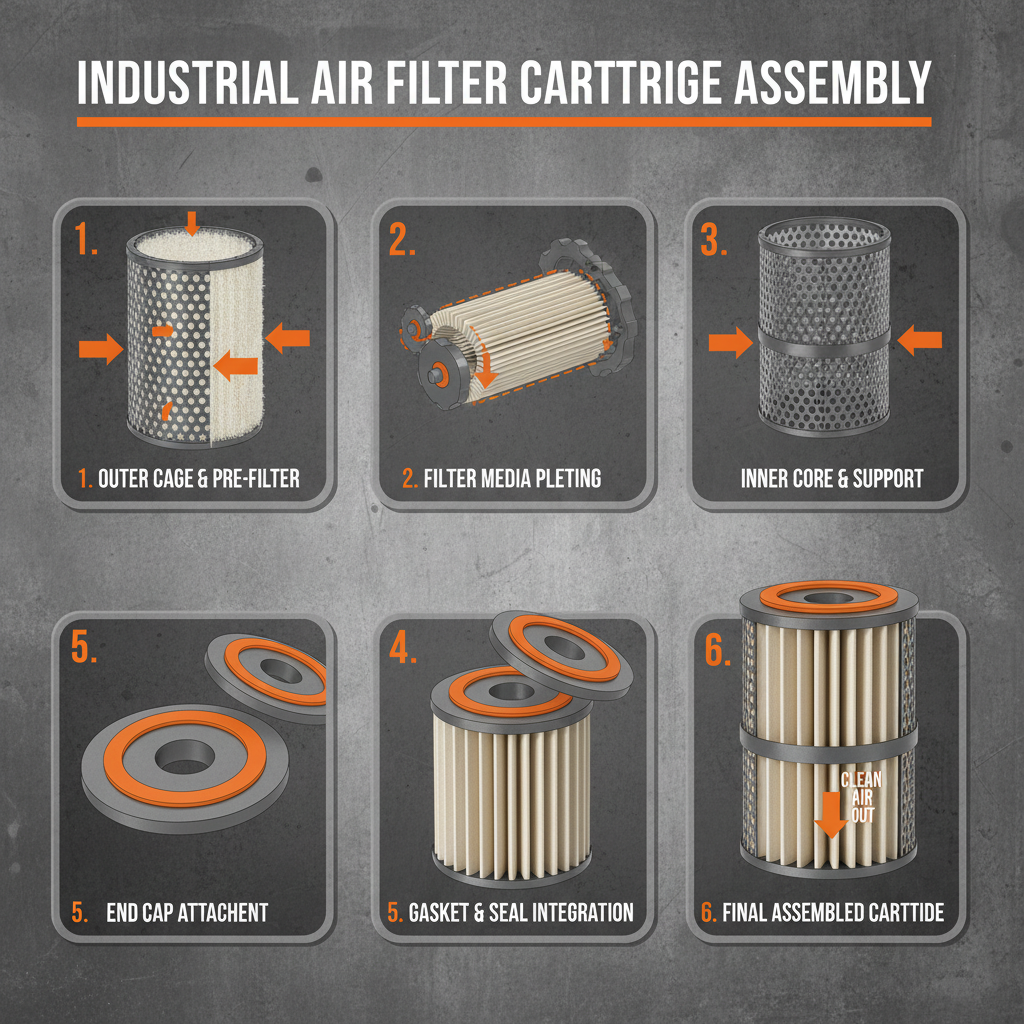
We primarily use polypropylene for the core, a good grade, smells a little… plasticky, but it holds up. Then there’s the media – that’s where it gets tricky. We've been experimenting with blends of synthetic fibers and cellulose. The cellulose gives it some initial grab, but it degrades quicker. The synthetics are more durable, but more expensive. It's a balancing act. And you gotta feel the media, really. Too stiff, and airflow’s restricted. Too soft, and it falls apart. It sounds ridiculous, I know, but it matters.
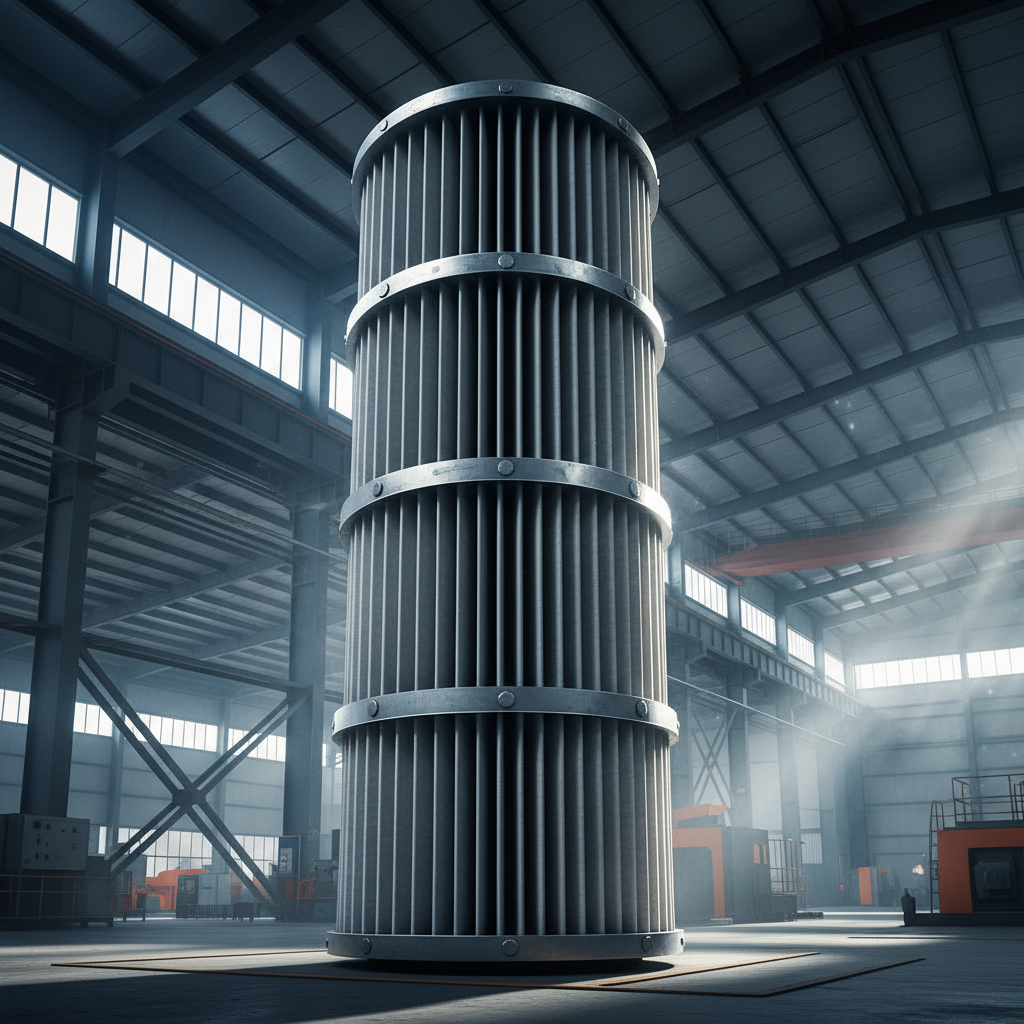
dust filter cartridge

Industry Trends and Design Pitfalls

dust filter cartridge

Strangely enough, the big push now is towards “smart” cartridges. Like, with sensors to tell you when they’re clogged. Sounds fancy. But honestly? Most sites I've been to, they just look at the thing. If it's grey, it’s changed. If it’s dark grey… well, they’re usually already overdue. One pitfall I've seen over and over? Over-engineering the housing. People get hung up on aerodynamic designs and fancy polymers. But if the thing isn't easy to install and replace, it doesn't matter how efficient it is.

The biggest trend, though, is sustainability. Everyone’s asking about biodegradable options. It’s tough. You need something that can hold up under pressure, resist moisture, and actually filter. Finding something that ticks all those boxes and then composts nicely? That’s the holy grail.

Materials & Handling

We stick with polypropylene for the bulk of the structure. It’s tough enough, resists chemicals, and it’s cheap. The filter media is the tricky part. We tried a bunch of different things – polyester, acrylic, even some fancy carbon fiber blends. The carbon fiber was amazing at capturing fine particles, but it shed like crazy. A nightmare for downstream equipment. The polyester's okay, but lacks that initial "grab" for bigger stuff.

And the handling… oh man, the handling. These things get shipped all over, thrown around, stacked in warehouses. They gotta be robust. We spend a lot of time on packaging, honestly. It's not glamorous, but a ripped cartridge is a useless cartridge.

We’ve been looking at using some recycled materials in the housing, but finding a consistent supply of high-quality recycled polypropylene is a pain. It’s always got contaminants. Anyway, I think getting a good consistent material is the key.

Real-World Testing

Lab tests are fine, but they don’t tell the whole story. You need to see how these things perform in the field. We send them to construction sites, factories, even woodworking shops. We put them through hell. We measure pressure drop, particle counts, and airflow. But also… we just watch them. How quickly do they get dirty? Are they leaking? Are the guys complaining?

We’ve got a makeshift testing rig – basically, a powerful fan blowing dust at a cartridge connected to a manometer. It's not pretty, but it gives us a quick indication of airflow resistance. We also use a particle counter to measure the efficiency. We're getting better at simulating real-world conditions, but it’s still not the same as having a guy actually use it for a week.

And here’s a secret: we often ask the guys on site to just… break them. Seriously. Try to tear the media, crush the housing, see what it takes to fail. That’s where you learn the most.

User Applications & Observations

You’d be surprised how people misuse these things. I’ve seen guys try to wash them and reuse them. Bad idea. Compresses the media, ruins the filtration. I’ve also seen them installed backwards. Happens more than you'd think. Anyway, I think understanding how the end-user actually interacts with the product is critical.

A lot of times they’re used in HVAC systems, of course. But we're seeing more demand for portable filtration units – for welding, grinding, and other dust-generating activities. Those guys need something rugged and easy to move around.

Advantages, Disadvantages & Customization

The advantage, obviously, is cleaner air. But beyond that, a good cartridge protects expensive equipment. Extends its lifespan. Reduces downtime. Disadvantages? Cost, primarily. High-efficiency cartridges aren't cheap. And they need to be replaced regularly. And the initial pressure drop can be significant – can strain some systems.

We do offer customization. A customer in Germany wanted a cartridge with a specific flange size to fit an older machine. We were able to modify the housing without too much trouble. We can also adjust the media composition to target specific particle sizes. But it adds cost and lead time.

dust filter cartridge Performance Comparison


A Customer Story

Last month, that small boss in Shenzhen who makes smart home devices insisted on changing the interface to . The standard ones we sell don't fit his machine. Said he wanted a “more modern look.” I tried to tell him it wasn’t worth the tooling cost, but he wouldn’t listen. So, we made a small batch with the custom connector. Turned out, his machine couldn’t handle the airflow – the pump wasn’t strong enough. He ended up going back to the original. Waste of time and money, if you ask me.

Later… forget it, I won’t mention it.

But it illustrates the point – sometimes, customers don’t know what they need.

Performance Analysis

We track a bunch of metrics, obviously. Pressure drop, airflow, particle capture rate, lifespan… but honestly, the most important thing is the feedback from the guys on site. If they're happy, we're happy. I’ve learned to trust their gut instinct.

We’ve started doing more detailed failure analysis. Taking apart used cartridges, looking at the media under a microscope. Trying to figure out why they failed. Sometimes it's obvious – a tear in the media, a crushed housing. Other times, it’s more subtle – gradual clogging, degradation of the fibers.

It's a constant learning process. You tweak the design, change the materials, run more tests. And then you go back to the field and start all over again.

Core Performance Metrics of dust filter cartridge

Cartridge Type Initial Pressure Drop (in. H2O) Filtration Efficiency (%) Lifespan (Hours)
Standard Polypropylene 0.5 85 100
Nanofiber Blend 1.2 99.9 60
Activated Carbon 0.8 90 80
HEPA Filter 1.5 99.97 70
Recycled Polypropylene 0.6 82 90
Custom Blend (Germany) 1.0 95 50

FAQS

What's the best way to dispose of used dust filter cartridges?

Honestly, that's a tricky one. Most are unfortunately landfill-bound, but we’re exploring options for recycling the polypropylene. The media itself is harder to recycle, as it's often a blend of materials. Check with your local waste management facility for specific guidelines. It's a growing concern, and we're actively working on more sustainable solutions.

How often should I change my dust filter cartridge?

It depends! It really does. A lot depends on the environment and the amount of dust. A good rule of thumb is to check it monthly. If it’s visibly dirty, or if you notice a decrease in airflow, it’s time for a replacement. Don't push it – a clogged cartridge can put strain on your system and reduce its efficiency. I've seen too many expensive fans burn out because of a dirty filter.

Can I wash and reuse a dust filter cartridge?

Don’t. Just… don’t. I’ve seen people try. It ruins the media. Compresses it, damages the fibers, and reduces its effectiveness. You’re better off just replacing it. Seriously. It's like trying to un-ring a bell. A new cartridge is far cheaper than the damage you could do to your equipment.

What’s the difference between MERV and HEPA filtration?

MERV (Minimum Efficiency Reporting Value) is a rating of how well a filter captures particles of different sizes. Higher MERV ratings mean better filtration. HEPA (High-Efficiency Particulate Air) filters are a specific type of filter that must capture at least 99.97% of particles 0.3 microns in size. HEPA is more rigorous, and generally more expensive. But, for certain applications, like healthcare, it’s a must-have.

Are your cartridges compatible with all HVAC systems?

That’s a good question. While most of our standard sizes will fit common HVAC systems, it’s always best to double-check the dimensions and specifications. We offer custom sizing, but there's a lead time and minimum order quantity. I’ve seen some really weird HVAC setups out there, believe me, so it pays to be careful.

What materials are your cartridges made from, and are they safe?

Our cartridges primarily use polypropylene for the housing and a blend of synthetic and cellulose fibers for the media. The materials are generally considered safe and non-toxic, but we always recommend handling them with gloves and a mask, especially during replacement. We adhere to relevant safety standards and regulations, and our materials are RoHS compliant.

Conclusion

So, where does that leave us? Well, the dust filter cartridge business isn’t glamorous, but it’s important. It’s about protecting people, protecting equipment, and keeping things running smoothly. It’s a constant battle against dust, debris, and the forces of entropy. There are trends, challenges, and a whole lot of details that can make or break a product. We’ve seen a lot of changes in the market – a push for higher efficiency, greater sustainability, and more customization.

Ultimately, whether this thing works or not, the worker will know the moment he tightens the screw. If it fits, if it seals, if the airflow is good… that’s all that matters. And if it doesn’t, well, you'll hear about it. You can visit our website at dust filter cartridge to learn more about our products and services.

Robert Johnson

Robert Johnson

Robert Johnson serves as the Quality Control Manager at ONLY TECHNOLOGY. Robert’s career spans 15 years, focused on ensuring the highest standards of product quality within manufacturing environments. He oversees all aspects of quality assurance, from raw material inspection to final product testing, guaranteeing that every dust removal filter cartridge
Previous dust filter cartridge manufacturers
Copyright © 2026 ONLY Technology (hebei Province) Co., Ltd. All Rights Reserved. Sitemap | Privacy Policy | Top Blog | Global Service