ONLY Technology (hebei Province) Co., Ltd.

If you are interested in our products, you can choose to leave your information here, and we will be in touch with you shortly.


0%

Table of Contents

Dust extraction… honestly, it’s a world of its own. Been spending my days crawling through factories and construction sites for years, and you really start to see what works and what’s just marketing fluff. Lately, everyone’s obsessed with efficiency – smaller filters, more surface area, trying to squeeze every last bit of performance out. But you quickly find out that the best tech in the world is useless if it falls apart after a week. That's where pleated filter cartridges come in, and they’re not exactly new, but people are starting to really pay attention.

It's funny, you design these things in a clean room, running simulations, thinking you’ve got it all figured out. But then you get on-site, and things are… different. Dust isn’t uniform. It's wood dust, metal shavings, concrete powder, sometimes even weird chemical stuff. You gotta build for the worst-case scenario, not the lab test. We've seen filters clog in hours with the wrong mix.

And the biggest issue I see? People trying to cheap out. You get these filters made with flimsy media, weak frames… they look good on paper, but they disintegrate under pressure. I encountered that at a woodworking factory in Guangdong last time – the whole system was choked with shredded filter material. A real mess. It ended up costing them a fortune in downtime and repairs.
Optimizing Industrial Air Quality with Durable Dust Extractor Pleated Filter Cartridges

The Growing Demand for Efficient Dust Control

Optimizing Industrial Air Quality with Durable Dust Extractor Pleated Filter Cartridges

Have you noticed how much stricter regulations are getting? It’s not just about safety anymore, it's about long-term health. Silicosis, respiratory issues… companies are facing serious liability. That’s driving demand for really effective dust control, and that’s why pleated filter cartridges are having a moment. Globally, the construction and manufacturing sectors are booming, especially in Asia and South America. The UN even released a report last year highlighting the need for improved worker safety in developing countries.

Strangely, the push for sustainability also plays a role. Better filtration means less dust escaping into the environment, and that’s a win for everyone. More and more companies are looking for filters that are not only effective but also have a lower environmental impact, prompting demand for filters with longer lifespans and recyclable materials.

Understanding Pleated Filter Cartridge Design

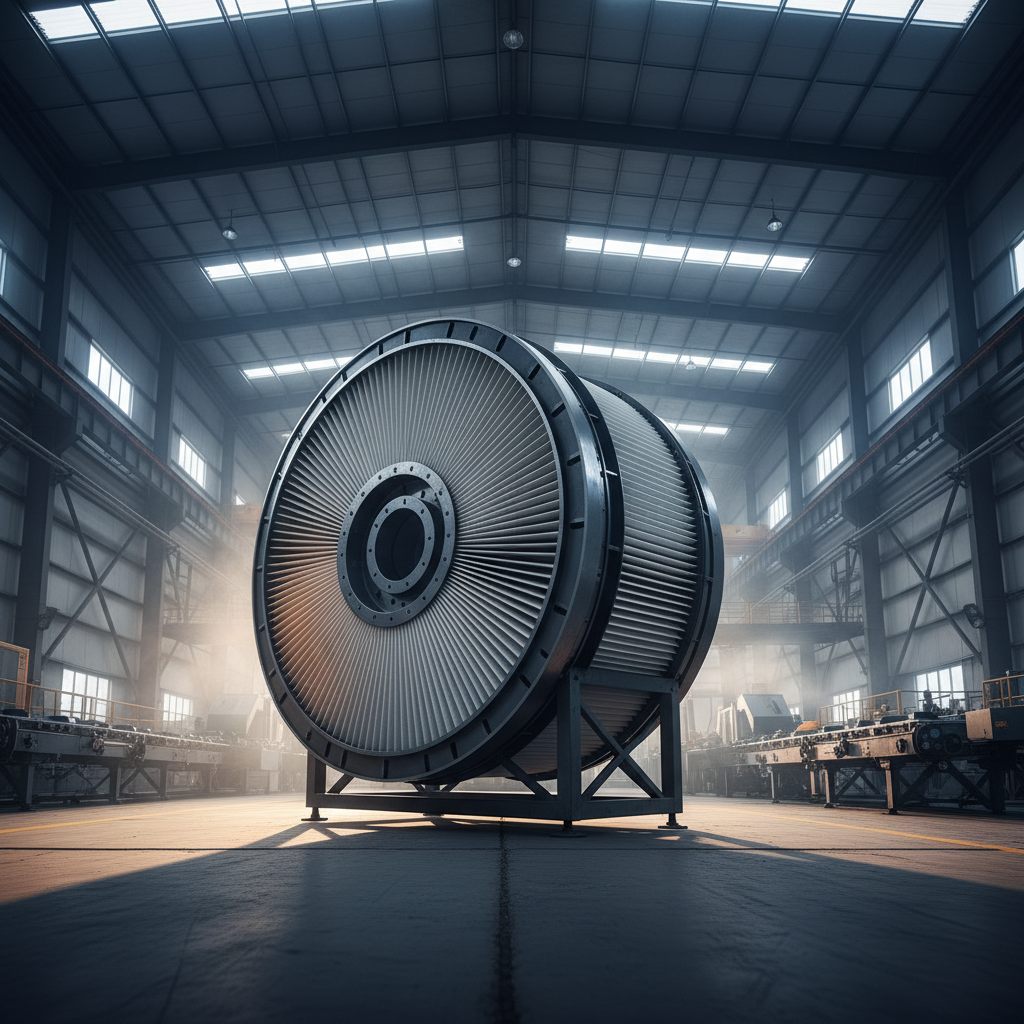
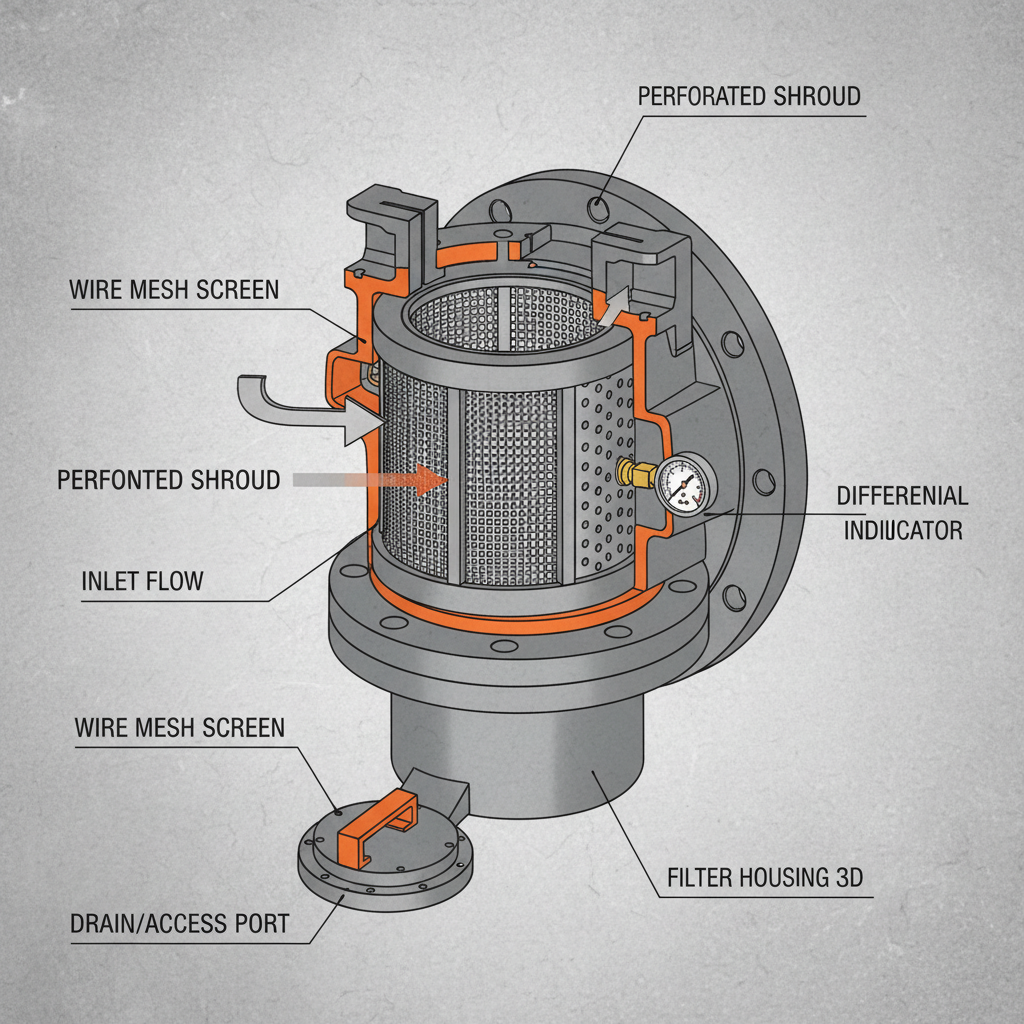
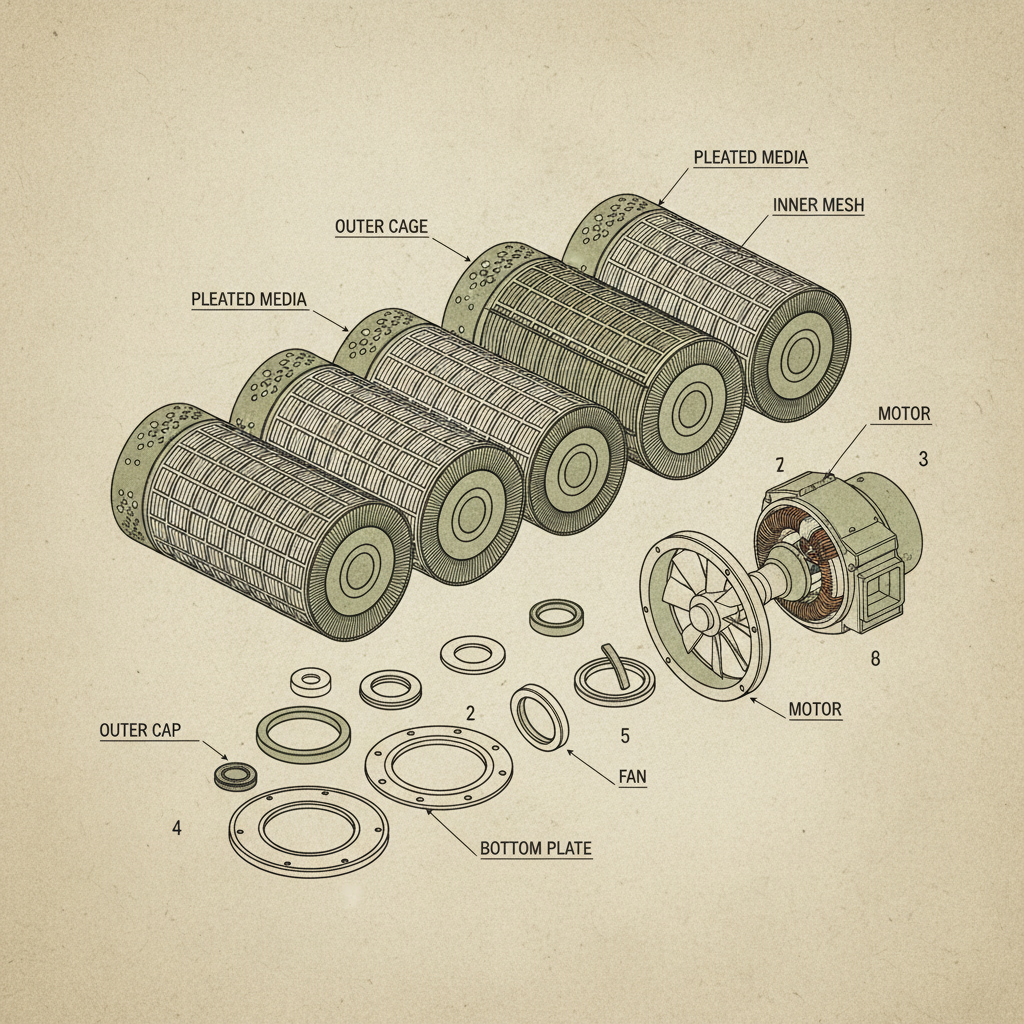
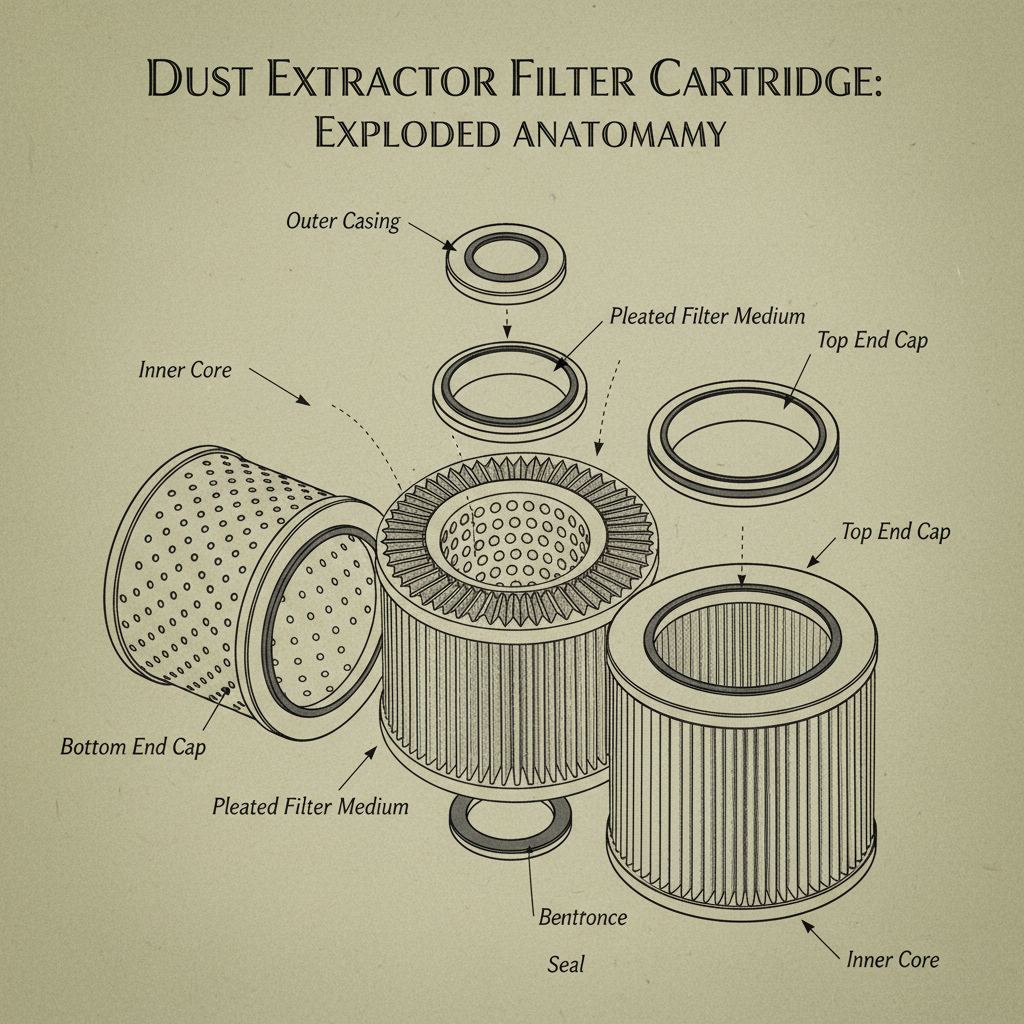
So, what is a pleated filter cartridge? Basically, it’s a bunch of filter material folded into pleats, housed in a frame. The pleats increase the surface area, which means you can filter more air for a longer time before the filter clogs. The media itself can be anything from polyester to polypropylene to cellulose, or even blends. It all comes down to what you’re filtering. Wood dust needs a different media than fine metal particles. You've gotta think about particle size, loading capacity, and airflow resistance.

The frame is just as important. Cheap frames warp and crack under pressure, allowing dust to bypass the filter. We’re seeing more and more galvanized steel and durable plastics being used, but the devil’s in the details – the welds, the seals… those are the points of failure.

Anyway, I think a lot of designers underestimate the importance of the pleat shape. Too tight, and you restrict airflow. Too loose, and you lose filtration efficiency. It’s a balancing act.

Material Science: What Makes a Good Filter

The media itself… that's where it gets interesting. Polyester feels kinda rough, almost like sandpaper. Good for coarser dust, but not ideal for fine particles. Polypropylene is smoother, almost silky to the touch. Better for finer dust, but can be more prone to static buildup. And cellulose… smells a bit like paper, obviously. It’s cheap and effective, but it degrades quickly when exposed to moisture.

We’re experimenting with nanofiber technology now. It’s expensive, but the filtration efficiency is incredible. We can capture particles down to 0.1 microns. It feels different too – almost like nothing at all. But it's still early days. Durability is a concern. And getting the production costs down is a real challenge.

What I've learned is you can’t just look at the numbers on a datasheet. You gotta feel the material, understand its limitations. Some materials are treated with antistatic agents, others with water-repellent coatings. It all impacts performance.

Real-World Testing: Beyond the Lab

Lab tests are useful, don’t get me wrong. But they don’t replicate the chaos of a real job site. We test our filters in actual woodworking shops, metal fabrication facilities, and construction sites. We measure airflow, pressure drop, and particle counts over time. And we break them. We intentionally overload them with dust, expose them to extreme temperatures and humidity, and see how they hold up.

Last month, that small boss in Shenzhen who makes smart home devices insisted on changing the interface to , and the result was a nightmare. He thought it was more "modern," but the connector was too fragile and kept breaking when the dust extractor hose was pulled. Lesson learned: sometimes you stick with what works.

Dust Extractor Pleated Filter Cartridge Performance Metrics


How Users Actually Utilize Dust Extraction

Here’s the thing: people don't always use equipment the way you expect them to. I’ve seen guys try to use a filter designed for dry dust with a wet slurry. Needless to say, it didn’t end well. Or they’ll just ignore the filter maintenance schedule and run it until it’s completely clogged. Then they complain that the dust extractor isn’t working.

Training is key, but it’s often overlooked. And even with training, habits are hard to break. Some guys just don't bother checking the filter pressure gauge. They just keep on working until the machine starts to overheat. You gotta design for the lowest common denominator, basically.

Advantages & Drawbacks of Pleated Filters

Okay, let's be real. Pleated filters are great for surface area and efficiency. They're better than basic bag filters, no question. They handle a wider range of particle sizes, and they last longer. But they’re also more expensive. And they can be prone to clogging if you’re dealing with really sticky dust.

Another drawback? They can be a pain to clean. Some can be washed, but it’s a delicate process. You gotta be careful not to damage the pleats. Others are disposable, which means more waste. It’s a trade-off.

Customization and Specific Applications

We’re doing a lot of customization these days. One customer, a small furniture manufacturer, needed a filter with a specific activated carbon layer to capture VOCs from their finishing process. It wasn’t a standard offering, but we were able to modify the filter design to meet their needs.

Another client, a metal fabrication shop, needed a filter that could withstand high temperatures. We switched to a fiberglass media and reinforced the frame with stainless steel. It cost more, but it solved their problem. The key is to listen to the customer and understand their unique challenges.

Key Specifications for Dust Extractor Pleated Filter Cartridges

Filter Media Type Efficiency Rating (%) Maximum Airflow (CFM) Recommended Application
Polyester 85% 500 Woodworking, Basic Dust Collection
Polypropylene 90% 400 Fine Dust, Metalworking
Cellulose 75% 600 General Purpose, Low-Cost Applications
Nanofiber Composite 99.9% 300 Critical Environments, Hazardous Materials
Activated Carbon Pleated 80% (Dust & VOCs) 450 Paint Spraying, Chemical Fumes
Fiberglass Reinforced 95% 550 High-Temperature Applications

FAQS

What's the lifespan of a typical dust extractor pleated filter cartridge?

That depends entirely on the environment and the type of dust. A light-duty woodworking shop might get a year out of a filter, while a metal fabrication facility might need to replace it every month. Generally, you should replace a filter when the pressure drop reaches a certain level or when you notice a significant decrease in airflow. Keep an eye on that pressure gauge! It’s your best friend. And always check the manufacturer’s recommendations.

Can I wash and reuse pleated filter cartridges?

Some can, but not all. Washing a filter can damage the media, reducing its efficiency. If you do wash it, use low-pressure air or a gentle spray of water. Don’t use soap or detergents, as they can leave a residue that attracts dust. And make sure the filter is completely dry before reinstalling it. Disposable filters should never be washed. Frankly, in most cases, it’s just not worth the risk.

What's the difference between HEPA and non-HEPA pleated filters?

HEPA filters are designed to capture 99.97% of particles 0.3 microns in size. That's a very high level of filtration. They’re essential for environments where you need to protect against hazardous materials like asbestos or lead. Non-HEPA filters are less efficient, but they’re often more affordable and provide sufficient filtration for general dust collection. The need for a HEPA filter will depend on the application and the specific risks involved.

How do I choose the right pleated filter cartridge for my dust extractor?

Consider the type of dust you’re dealing with, the airflow requirements of your dust extractor, and the level of filtration you need. Check your dust extractor’s manual for the recommended filter specifications. If you're unsure, consult with a filtration specialist. It's better to spend a little more upfront to get the right filter than to deal with the consequences of using the wrong one.

What causes premature filter clogging?

There are several culprits. High dust loading, improper filter selection, and moisture are all common causes. Also, if your dust extractor isn’t properly sealed, dust can bypass the filter altogether. Regularly inspect your hoses and connections for leaks and ensure your pre-filter (if you have one) is clean. A clogged pre-filter puts extra strain on the main pleated filter.

Are dust extractor pleated filter cartridges environmentally friendly?

That’s a tough one. Most pleated filters aren’t biodegradable. However, some manufacturers are now using recycled materials and developing more sustainable filtration solutions. Choosing filters with longer lifespans reduces waste. Properly disposing of used filters is also important – don’t just throw them in the trash. Check with your local waste management authorities for proper disposal guidelines.

Conclusion

So, there you have it. Pleated filter cartridges aren’t glamorous, but they’re absolutely essential for keeping workers safe and maintaining a clean working environment. From the materials they’re made of to the way they’re tested, every detail matters. The industry's moving towards higher efficiency, better durability, and more sustainable solutions, and that's a good thing.

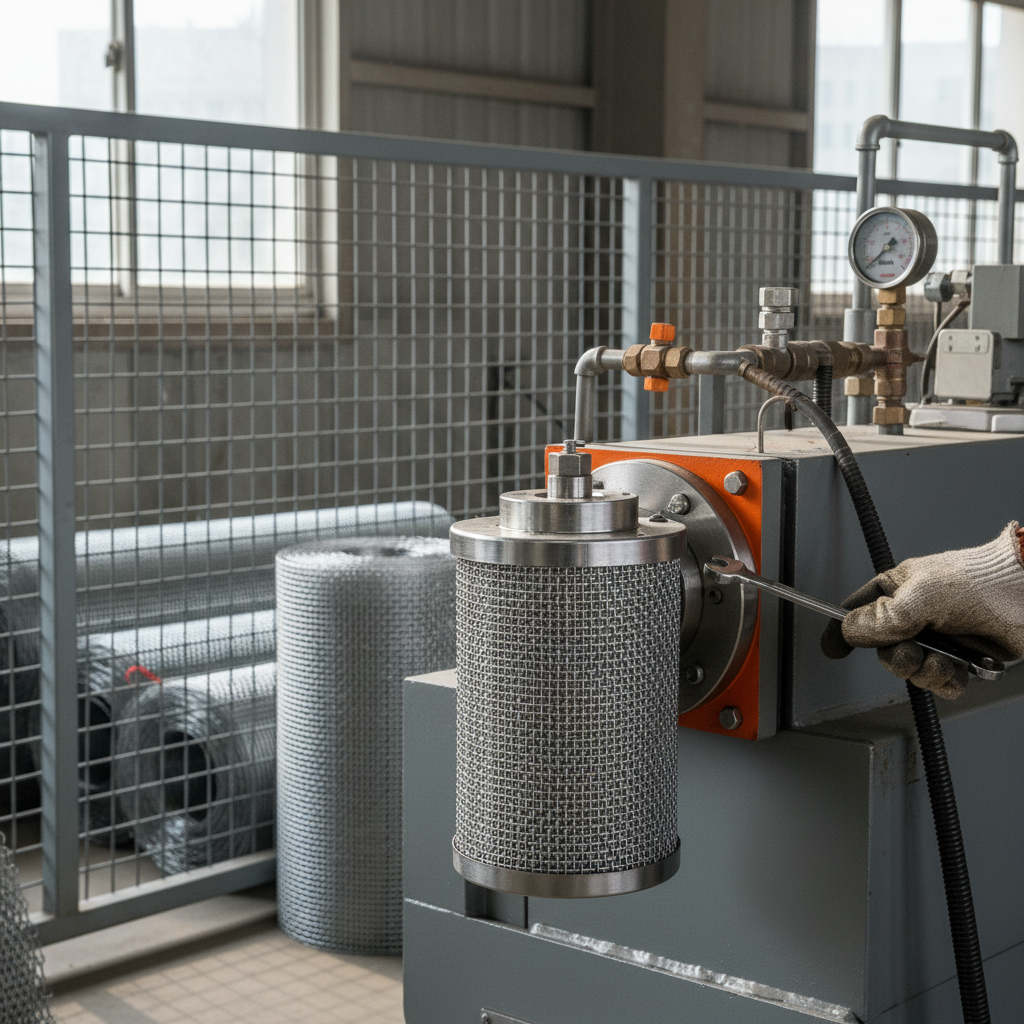
Ultimately, whether this thing works or not, the worker will know the moment he tightens the screw. Because at the end of the day, it's about real-world performance, not just numbers on a spec sheet. And if you want to know if a filter’s any good, get out there, get your hands dirty, and see for yourself. Visit our website at dust extractor pleated filter cartridges to learn more.

Robert Johnson

Robert Johnson

Robert Johnson serves as the Quality Control Manager at ONLY TECHNOLOGY. Robert’s career spans 15 years, focused on ensuring the highest standards of product quality within manufacturing environments. He oversees all aspects of quality assurance, from raw material inspection to final product testing, guaranteeing that every dust removal filter cartridge
Previous Optimizing Air Quality with Advanced Dust Collector Air Filter Cartridges
Next Optimizing Dust Collection with Pleated Filter Technology for Improved IAQ
Copyright © 2026 ONLY Technology (hebei Province) Co., Ltd. All Rights Reserved. Sitemap | Privacy Policy | Top Blog | Global Service