 Email:
Selecting reliable dust collector filter cartridge manufacturers is a critical decision for industries aiming to maintain air quality and operational efficiency. In the specialized field of environment control and air purification equipment manufacturing, the filter cartridge serves as the primary barrier against hazardous particulates, directly impacting both worker safety and machinery longevity.
Procurement officers often struggle to balance high filtration efficiency with the longevity of the filter media, especially when facing aggressive pulse backwash cycles or corrosive environments. This challenge requires a deep understanding of material science, from long-fiber polyester to specialized coatings, to ensure the chosen cartridges do not fail prematurely under industrial stress.
This guide provides a technical and commercial framework for evaluating manufacturers, analyzing key material specifications, and matching cartridge configurations to specific industrial applications such as powder spraying, wood processing, and chemical production.

Core Material Science in Cartridge Manufacturing

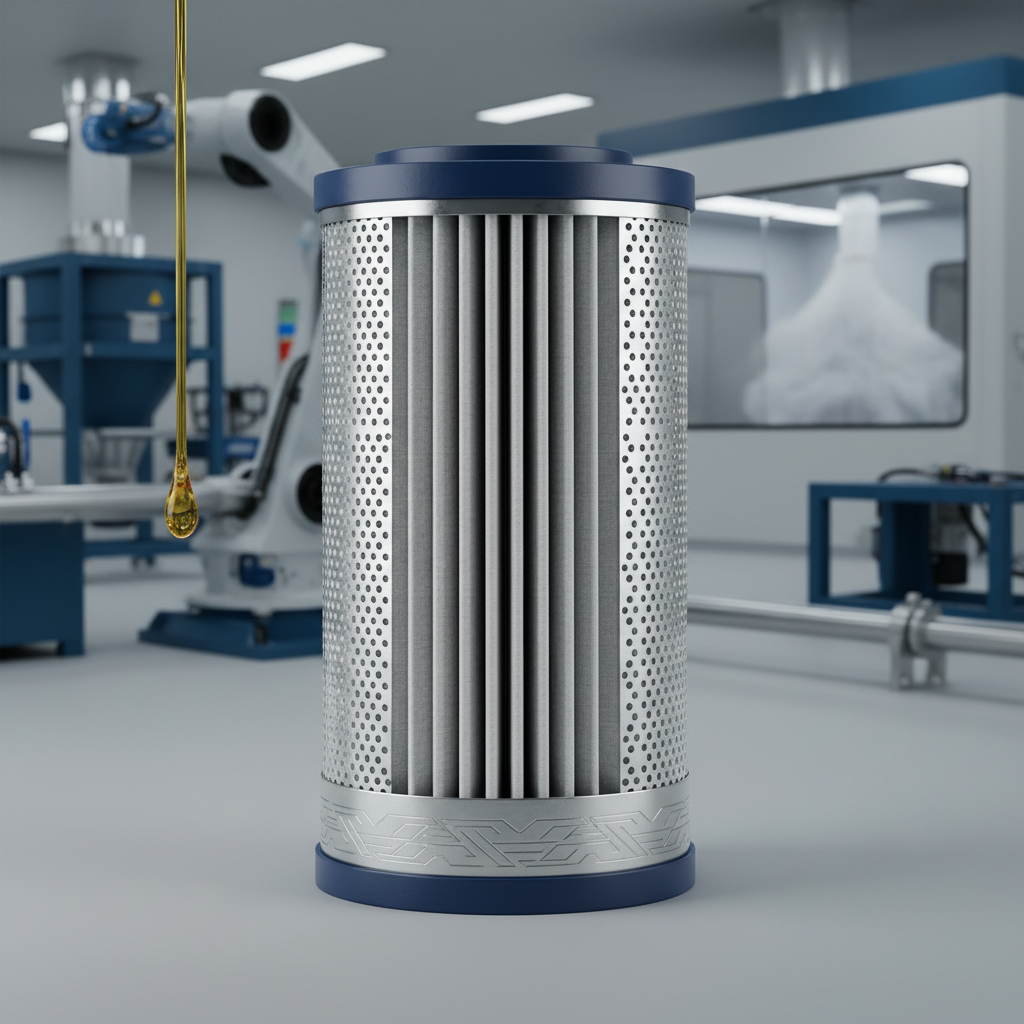
The effectiveness of a filter cartridge depends heavily on the substrate material. High-performance manufacturers typically utilize imported long-fiber polyester, where fibers are interlaced and evenly distributed. This structure provides superior wear resistance compared to traditional materials, allowing the element to withstand the repetitive stress of pulse-jet cleaning without structural degradation.
Beyond polyester, specific applications require wood pulp fiber filter paper or spunbond polyester non-woven fabrics. For environments involving oils or moisture, these non-woven fabrics can be treated with specialized coatings to become oil-proof and waterproof, while anti-static treatments prevent dangerous electrostatic buildup in volatile dust environments.
Critical Design Specifications for Industrial Use
Beyond the media, the mechanical construction of the cartridge determines its operational lifespan. The end cap is a primary failure point; high-quality designs use durable plastic covers or non-porous galvanized iron plates. These materials are essential for preventing "blow-by," where unfiltered air bypasses the media and enters the clean air plenum.
The central skeleton must be electro-galvanized to prevent rust, especially in humid conditions. Furthermore, the sealing mechanism—often a special rubber ring—must maintain a tight fit under pressure. Common industry specifications, such as 325660mm or 350660mm (converted from 12.75" diameter and 26" height), ensure compatibility across various collector brands, though custom dimensions are often required for specialized machinery.
Matching Cartridges to Industrial Applications
Different industries produce particulates with vastly different physical properties. In the pigment and powder spraying industries, the focus is on high filtration efficiency for extremely fine particles. Here, surface filter elements that use tiny air-permeable tissues to block particulates on the exterior are most effective.
Conversely, wood processing and sandblasting operations generate larger, more abrasive particles. In these scenarios, the stiffness of the filter material and the durability of the galvanized end caps are paramount. Chuck-type dust filters are frequently used in compressed air systems within these plants to remove impurities and moisture, ensuring that downstream pneumatic tools remain operational.
Evaluating Performance and Durability Metrics
When evaluating dust collector filter cartridge manufacturers, it is useful to look at relative performance scores across different environmental stressors. The following conceptual index illustrates how different media treatments prioritize specific operational needs, such as moisture resistance versus particle capture efficiency.
This illustrative framework shows that while standard polyester offers high structural integrity, coated non-woven fabrics are necessary for oil-heavy environments. Selecting the wrong balance can lead to "blinding," where the filter pores become permanently clogged, drastically increasing pressure drop and energy costs.
Supplier Evaluation and Quality Standards
A manufacturer's ability to provide consistent quality is more important than a low initial price. Quality control should be verified through the inspection of the weld points on the central skeleton and the uniformity of the fiber distribution in the media. Manufacturers like ONLY TECHNOLOGY (HEBEI PROVINCE) CO., LTD focus on integrating advanced production equipment with technical teams to ensure stable performance across different batches.
Buyers should verify if the manufacturer can provide specialized specifications based on user requirements. The ability to customize end-cap materials (plastic vs. galvanized iron) and media coatings (anti-static, oil-proof) indicates a level of technical maturity and flexibility that is essential for complex industrial air purification projects.
Common Procurement Risks and Failures
One of the most common risks is the purchase of cartridges with insufficient stiffness. If the filter material is too flexible, it may collapse during the pulse backwash or fail to expand fully during cleaning, leading to a permanent buildup of dust. This reduces the airflow and forces the fan to work harder, increasing electrical consumption.
Another critical failure occurs when the sealing rubber ring is made of low-grade materials that shrink or crack over time. This results in "leakage," where dust bypasses the filter entirely. Ensuring that the manufacturer uses professional-grade sealing rubber and electro-galvanized skeletons is the only way to mitigate these risks in the long term.
Manufacturer Selection Decision Framework
To simplify the selection process, buyers can use a qualitative comparison based on their specific operational environment. The following table outlines how to choose the right cartridge type and manufacturer capability based on the primary industry challenge.
| Industry Challenge | Recommended Media | Critical Feature | Selection Priority |
|---|---|---|---|
| Fine Pigment Dust | Non-woven Polyester | High Surface Area | Filtration Efficiency |
| Oily Aerosols | Coated Polyester | Hydrophobic Layer | Media Repellency |
| Abrasive Wood Dust | Long-fiber Polyester | High Stiffness | Wear Resistance |
| Volatile Chemicals | Anti-static Media | Conductive Fibers | Safety/Compliance |
| Compressed Air | Chuck-type Elements | Precision Seal | Installation Ease |
| General Industrial | Standard Polyester | Galvanized Skeleton | Cost-to-Life Ratio |
By aligning the industry challenge with the specific technical capabilities of the manufacturer, companies can reduce downtime and ensure a more sustainable air purification strategy.
Frequently Asked Questions
Surface filtration blocks particles on the exterior tissue of the media, making it easier to clean via pulse-jetting. Depth filtration allows particles to penetrate the media, which can capture finer dust but often results in a shorter lifespan due to internal clogging.
The end cap prevents unfiltered air from leaking into the clean side. Galvanized iron or high-grade plastics are used to prevent corrosion and ensure a perfect seal, especially in environments with moisture or chemicals.
Cartridges made from high-stiffness, imported long-fiber polyester are often designed to be washed repeatedly. However, excessive washing can degrade the fibers over time, so it should be done according to the manufacturer's technical specifications.
Standard sizes often follow international samples, commonly 12.75 inches in diameter with heights of 13.84 or 26 inches. In metric, these are approximately 325660mm and 350660mm.
Anti-static coatings prevent the buildup of electrical charges caused by the friction of dust particles passing through the media. This is critical in industries dealing with combustible dust to prevent sparks and explosions.
Check the uniformity of the media distribution, the tightness of the sealing rubber ring, and ensure the central skeleton is fully galvanized without visible rust or weld gaps.
Conclusion
Selecting the right dust collector filter cartridge manufacturers requires a shift in focus from initial procurement cost to total operational value. By prioritizing material stiffness, precise end-cap sealing, and application-specific media treatments, industrial operators can significantly extend the intervals between replacements and reduce energy consumption.
For organizations evaluating their current filtration efficiency or seeking custom specifications, technical data and product options are available at www.onlyfiltercartridge.com to help align equipment capabilities with industrial requirements.