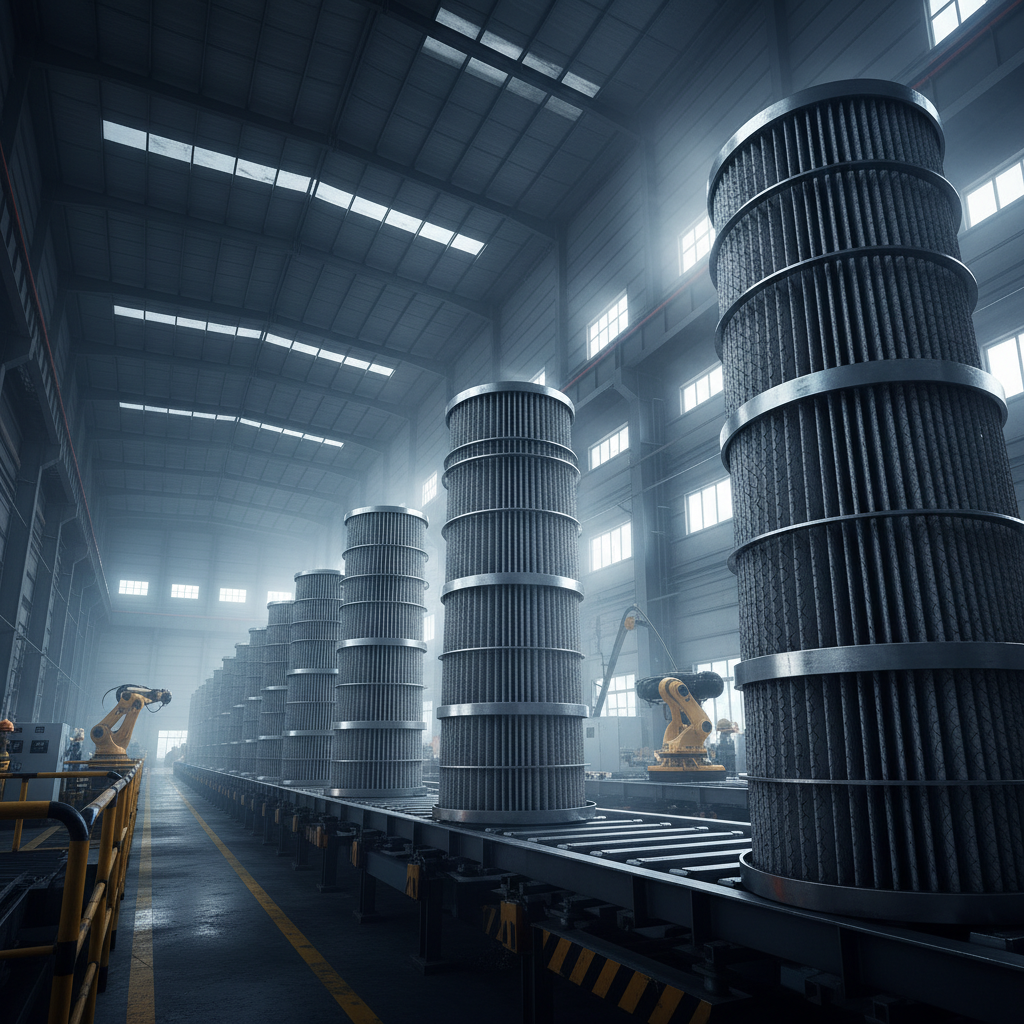
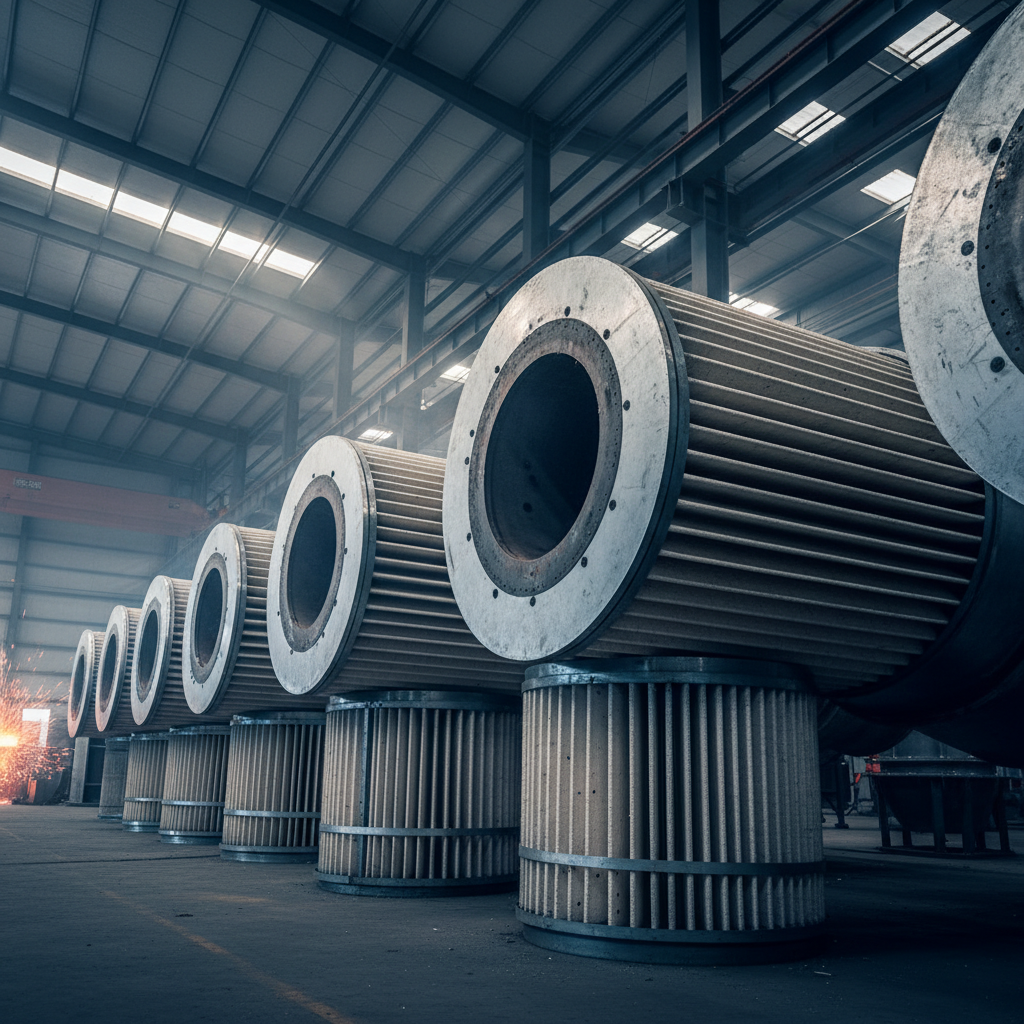
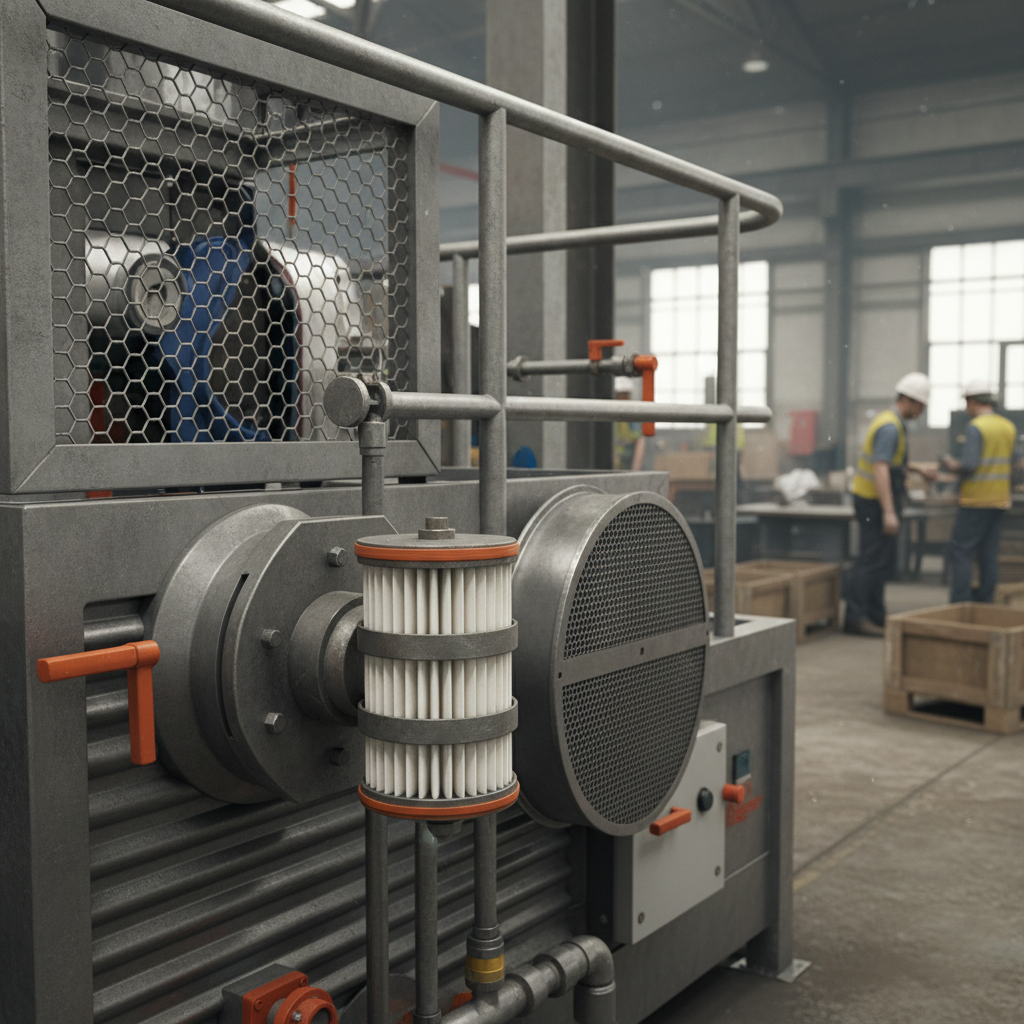
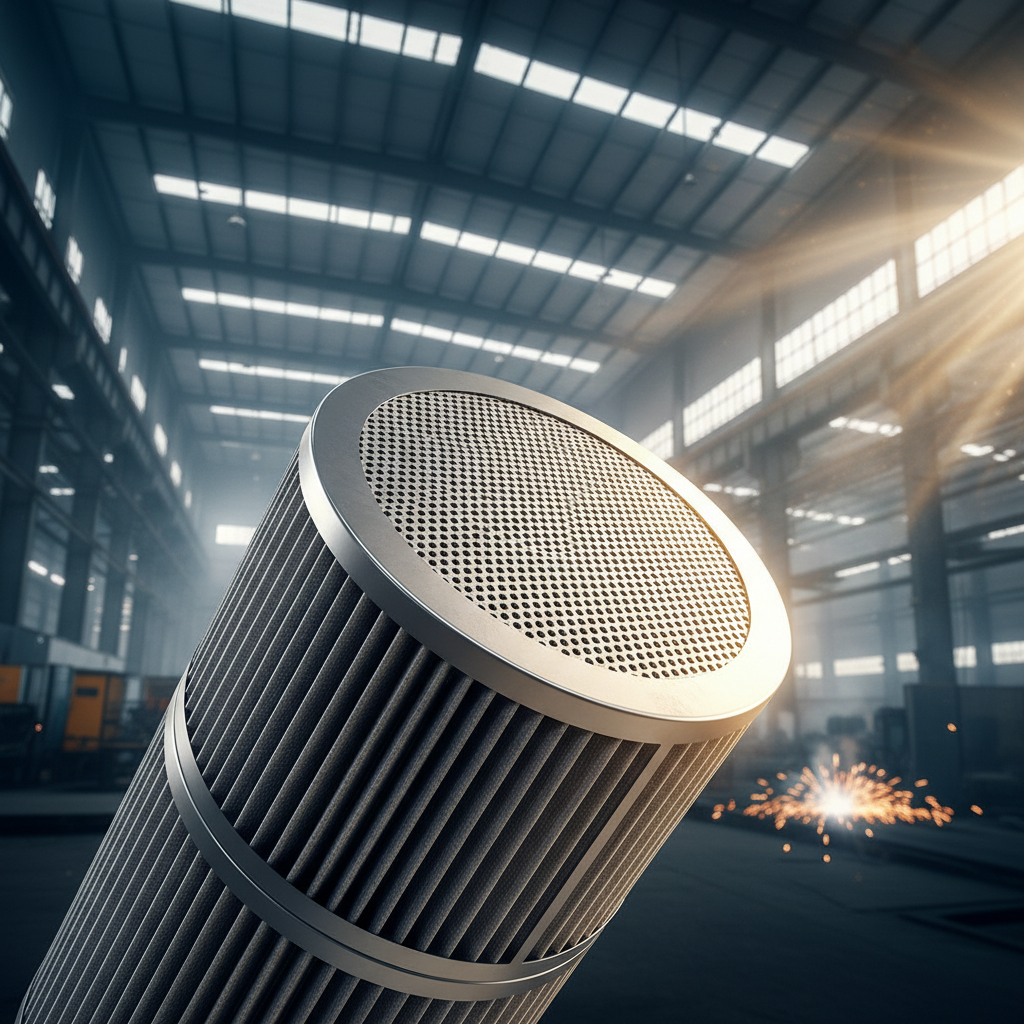
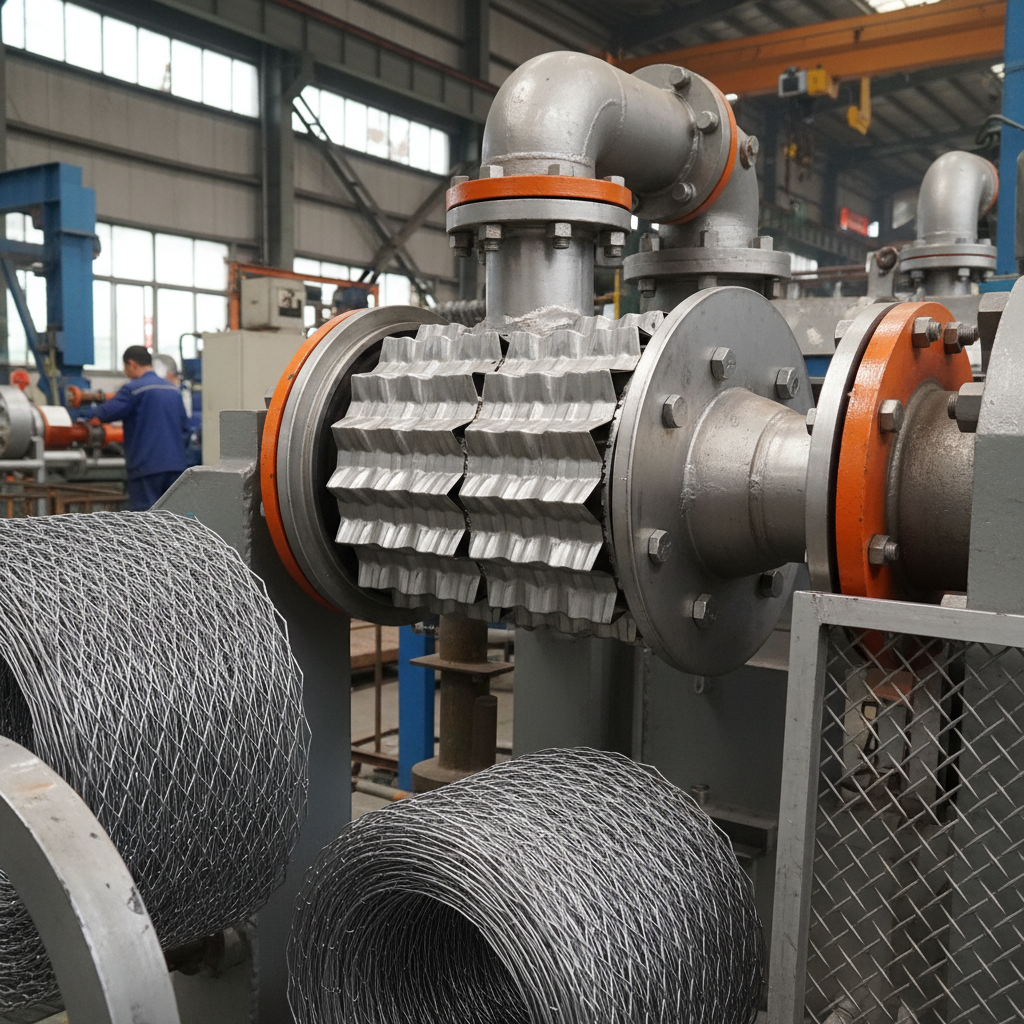
Industrial dust collector cartridge filters are essential components in maintaining safe and healthy working environments across numerous industries. These filters play a critical role in removing particulate matter from the air, preventing respiratory illnesses, improving product quality, and complying with stringent environmental regulations. The increasing demand for cleaner air and more efficient filtration systems is driving innovation and growth in the industrial dust collection market.
Globally, industries are facing heightened scrutiny regarding air quality and worker safety. From manufacturing and pharmaceuticals to food processing and woodworking, the need for effective dust control is paramount. The economic impact of poor air quality, including healthcare costs and lost productivity, further reinforces the importance of robust dust collection systems utilizing high-performance industrial dust collector cartridge filters.
Understanding the intricacies of these filters—their construction, efficiency ratings, and maintenance requirements—is vital for optimizing performance, minimizing downtime, and ensuring long-term cost-effectiveness. This guide delves into the key aspects of industrial dust collector cartridge filters, providing insights into their applications, advantages, future trends, and potential challenges.
The Importance of Industrial Dust Collector Cartridge Filters
Effective dust collection is not merely a matter of regulatory compliance; it's fundamental to workplace safety and the protection of human health. Exposure to airborne dust particles can lead to a range of respiratory ailments, from mild irritation to severe lung diseases like silicosis and pneumoconiosis. Utilizing quality industrial dust collector cartridge filters minimizes these risks, creating a healthier and more productive work environment.
Furthermore, dust accumulation can negatively impact manufacturing processes, leading to product defects, equipment malfunctions, and increased maintenance costs. Investing in robust filtration systems demonstrates a commitment to both employee well-being and operational efficiency.
Understanding Industrial Dust Collection
Industrial dust collection is a multi-faceted process encompassing the capture, removal, and containment of airborne particulate matter generated during manufacturing, processing, and other industrial activities. These systems are designed to protect workers, prevent environmental contamination, and maintain optimal operating conditions. Different types of dust collection systems exist, each suited to specific applications and dust characteristics. These include baghouses, cyclones, wet scrubbers, and cartridge collectors.
The effectiveness of a dust collection system is determined by several factors, including airflow rate, filter media efficiency, and system design. Proper system sizing and maintenance are crucial for ensuring optimal performance and preventing costly downtime.
A key component of many modern dust collection systems is the use of cartridge filters, offering high efficiency, compact design, and relatively low maintenance requirements. They have become increasingly popular due to their ability to handle a wide range of dust types and concentrations.
Defining Industrial Dust Collector Cartridge Filters
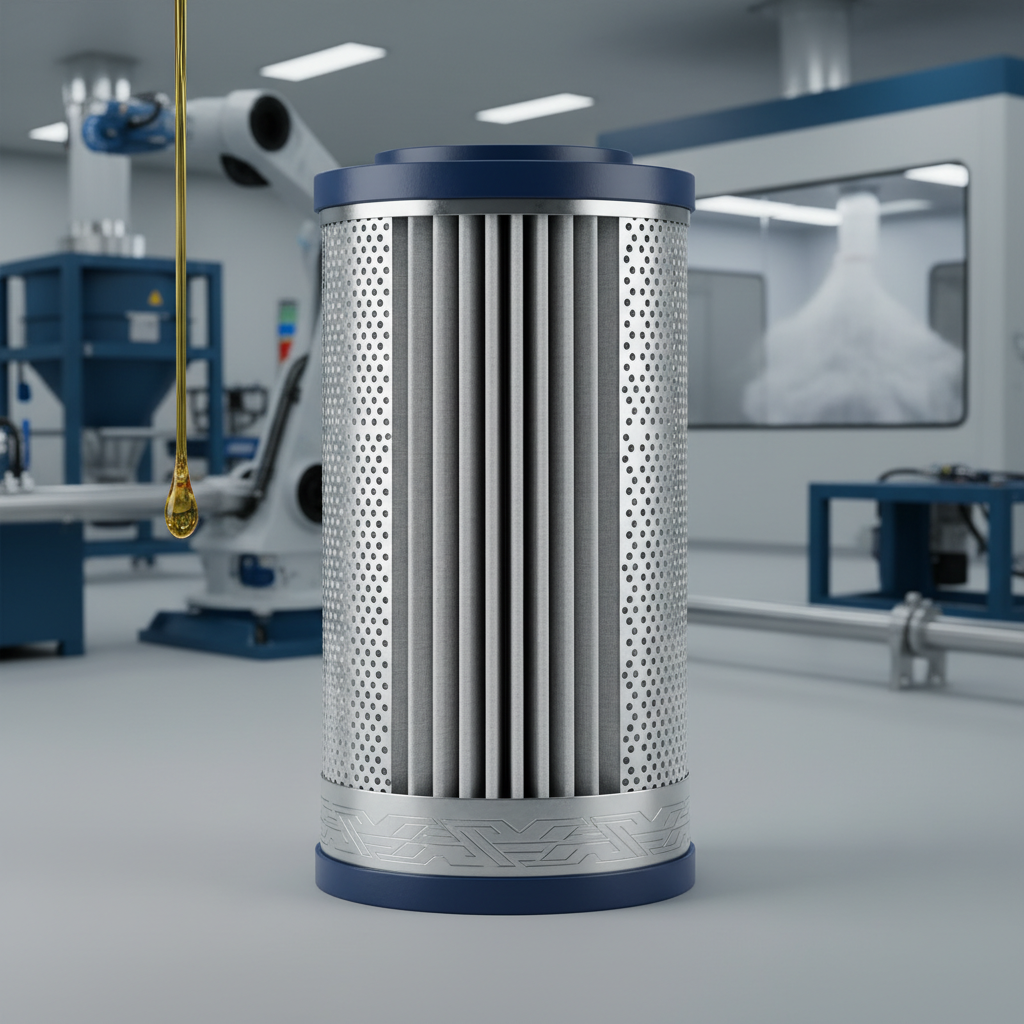
Industrial dust collector cartridge filters are specialized filtration devices used to remove particulate matter from air streams in industrial settings. They consist of a pleated filter media—typically made from cellulose, synthetic fibers, or a combination of materials—encased within a supportive housing. These cartridges are designed to maximize surface area for efficient dust capture and minimize pressure drop across the system.
Unlike traditional bag filters, cartridge filters offer a higher filtration surface area within a smaller footprint, making them ideal for applications where space is limited. They effectively capture dust particles ranging in size from coarse to sub-micron, depending on the filter media's efficiency rating. The effectiveness of these filters is crucial in industries striving to meet stringent emission standards and protect worker health.
Their role extends beyond simple air purification; industrial dust collector cartridge filters safeguard sensitive equipment, enhance product quality by preventing contamination, and contribute to a safer, more compliant workplace. Proper selection and maintenance are key to maximizing their effectiveness and lifespan.
Key Performance Factors
Several factors determine the performance and longevity of industrial dust collector cartridge filters. Understanding these key elements is crucial for selecting the right filters for a specific application and ensuring optimal system efficiency.
One crucial factor is Filter Media Efficiency. This refers to the filter's ability to capture particles of a given size. Filters are rated according to their Minimum Efficiency Reporting Value (MERV), with higher MERV ratings indicating greater efficiency. Another is Pressure Drop, which is the resistance to airflow caused by the filter. Lower pressure drop translates to lower energy consumption and reduced operating costs.
Cartridge Filter Performance Comparison
Real-World Applications
The versatility of industrial dust collector cartridge filters makes them applicable across a diverse range of industries. In the woodworking industry, these filters are essential for controlling fine sawdust generated during cutting, sanding, and shaping operations, protecting workers from respiratory hazards and preventing explosions.
The pharmaceutical industry relies heavily on high-efficiency filters to maintain sterile environments and prevent product contamination. Similarly, in the food processing industry, these filters ensure product purity and comply with strict hygiene regulations. The metalworking industry employs these filters to capture metal dusts and fumes produced during welding, grinding, and machining, safeguarding worker health and preventing fire hazards.
Long-Term Benefits and Value
Investing in high-quality industrial dust collector cartridge filters yields significant long-term benefits. Beyond the immediate improvements in air quality and worker safety, these filters contribute to reduced operational costs through increased energy efficiency and decreased maintenance requirements. The extended lifespan of the filters themselves, coupled with minimized downtime, results in substantial cost savings over time.
Moreover, effective dust collection enhances product quality by preventing contamination, reducing scrap rates, and improving overall process efficiency. Demonstrating a commitment to environmental responsibility through the use of efficient filtration systems enhances a company’s reputation and fosters trust with stakeholders.
Future Trends & Innovations
The industrial dust collection landscape is constantly evolving, driven by advancements in materials science, sensor technology, and data analytics. Emerging trends include the development of self-cleaning filters that reduce maintenance requirements and extend filter lifespan. The integration of smart sensors and IoT (Internet of Things) devices enables real-time monitoring of filter performance, allowing for predictive maintenance and optimized system operation.
Furthermore, there is a growing focus on developing more sustainable filter media from renewable resources, reducing the environmental impact of dust collection systems. The trend towards miniaturization and modular design allows for greater flexibility and customization of dust collection solutions to meet specific application needs.
FAQS
The lifespan of industrial dust collector cartridge filters varies depending on factors such as dust load, particle size, filter media type, and operating conditions. Generally, filters can last from 6 to 24 months with regular maintenance. Monitoring differential pressure is crucial for determining when filters need replacement. Ignoring this can lead to reduced efficiency and increased energy consumption.
Routine maintenance should be performed at least every 3-6 months, depending on the operating environment. This includes inspecting filter condition, checking for leaks in the system, cleaning collection hoppers, and verifying proper airflow. Regular maintenance extends the lifespan of both the filters and the entire dust collection system, ensuring optimal performance and safety.
The optimal MERV rating depends on the size of the particulate matter you need to capture. For basic dust removal, a MERV 8 filter may be sufficient. However, for applications requiring high efficiency, such as pharmaceutical manufacturing or semiconductor fabrication, a MERV 13 or higher filter is recommended. Consult with a filtration specialist to determine the most appropriate MERV rating for your specific needs.
While some cartridge filters can be cleaned, it's generally not recommended for most industrial applications. Cleaning can damage the filter media, reducing its efficiency and lifespan. Additionally, cleaning processes may not remove all accumulated dust, potentially leading to cross-contamination. It’s usually more cost-effective to replace filters regularly.
Premature filter failure can be caused by several factors, including excessive dust loading, improper filter selection, high humidity, and mechanical damage. Also, lack of regular maintenance and ignoring high differential pressure readings can significantly shorten filter lifespan. Addressing these issues can prevent costly downtime and ensure optimal system performance.
Yes, always wear appropriate personal protective equipment (PPE), including a respirator, gloves, and eye protection, when handling used filters. Dust accumulated on filters may contain hazardous materials. Dispose of used filters properly in accordance with local regulations. Avoid creating dust clouds during handling and disposal.
Conclusion
In conclusion, industrial dust collector cartridge filters are indispensable components of modern industrial operations, playing a critical role in protecting worker health, safeguarding product quality, and ensuring environmental compliance. Understanding their functionalities, key performance factors, and future trends is vital for optimizing system efficiency and achieving long-term cost savings. Investing in high-quality filters and implementing a robust maintenance program are essential for maximizing their benefits.
As industries continue to prioritize sustainability and worker safety, the demand for innovative dust collection solutions will only increase. Embracing emerging technologies, such as smart sensors and advanced filter media, will pave the way for more efficient, reliable, and environmentally friendly dust control systems. To explore our wide range of industrial dust collector cartridge filters and find the perfect solution for your needs, visit our website today.

 Email:admin@only-filter.com
 Tel:
+8615930870079
Tel:
+8615930870079