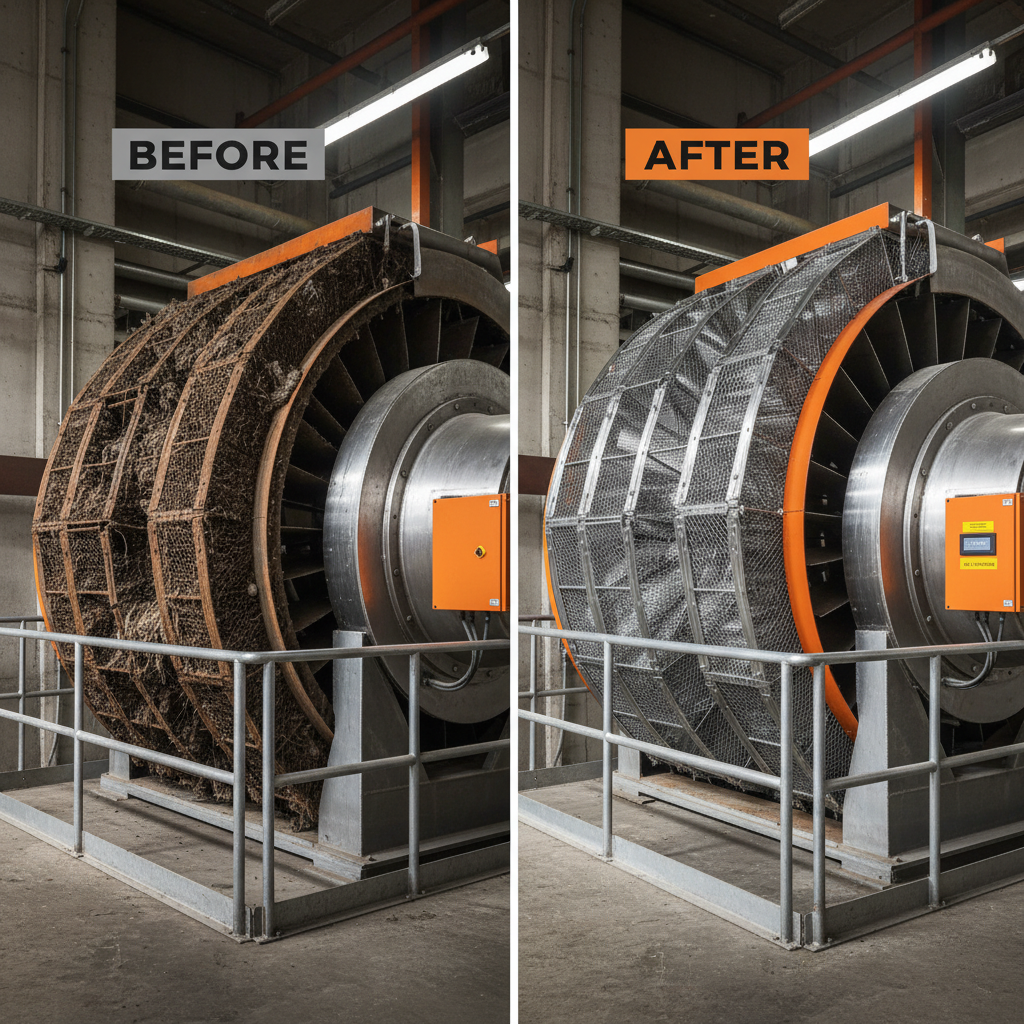
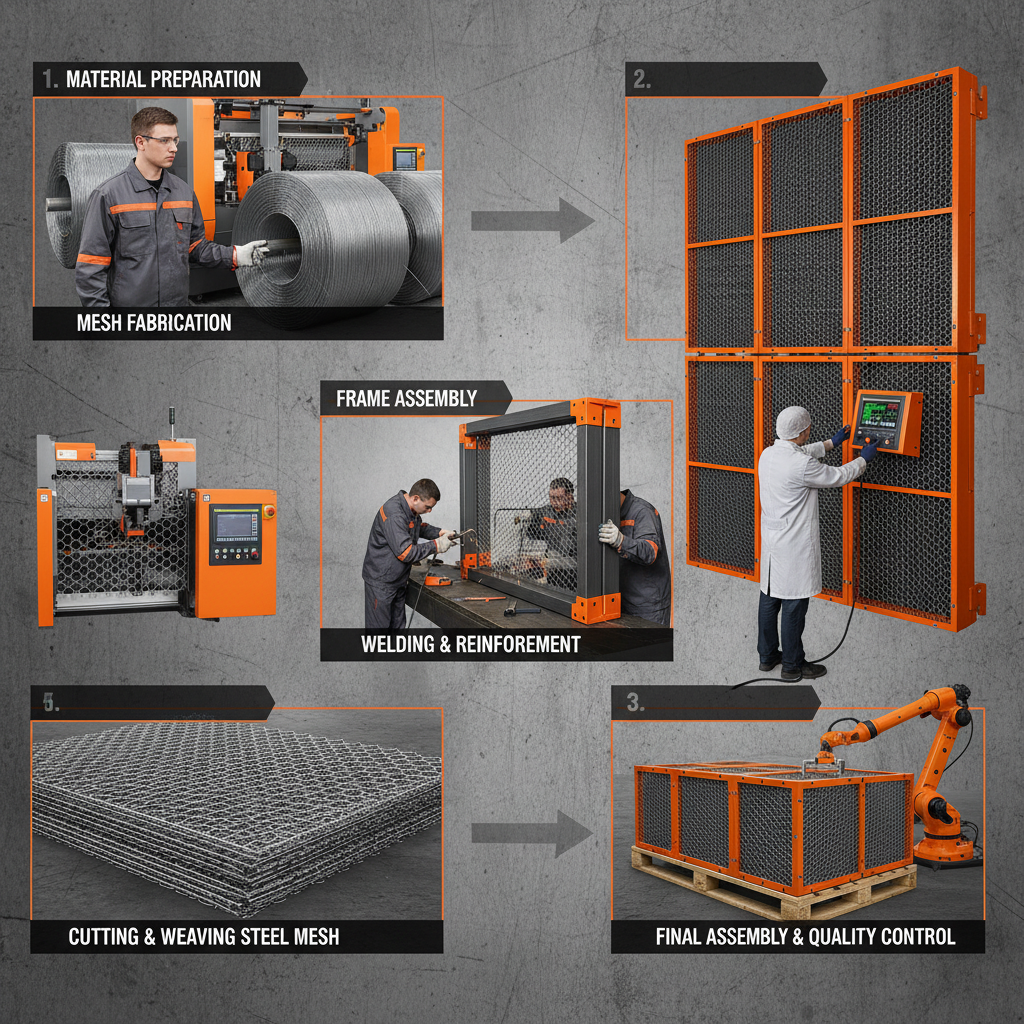
Honestly, things have been… hectic. You wouldn’t believe the dust I’ve been breathing lately. Everyone’s chasing efficiency, right? Less downtime, more output. And that means, surprise, everyone is suddenly obsessed with dust extraction. Not a new concept, of course. Been around forever. But the demands… they’re shifting. It's not just about collecting the big chunks anymore; it’s about the fines, the really insidious stuff that gets into everything and messes up tolerances. And it’s not just woodworking shops anymore; metal fabrication, concrete polishing, even 3D printing – everyone needs to deal with dust. It’s a headache, I tell ya.
Have you noticed how many suppliers are jumping into this market? Every Tom, Dick, and Harry with a sewing machine is now making a filter bag. Quality control is… let’s just say variable. You get what you pay for, obviously, but even the expensive stuff isn’t always what it seems. I’ve seen filters that claim to be HEPA-rated but leak like a sieve. It’s frustrating. And the pressure to cut costs… well, it’s always there.
The whole industry is moving toward more specialized solutions, too. Generic filters aren't cutting it. It’s about tailoring the filtration media to the specific dust being generated. It's become really nuanced.
The Ever-Changing Landscape of Dust Extraction
To be honest, the biggest trend I’m seeing isn’t necessarily new technology, it’s the demand for more adaptable systems. We used to design a dust extractor filter cartridge for a specific application, and that was it. Now, people want filters that can handle a wider range of dust types and volumes. It’s about versatility. And a lot of that’s driven by the rise of multi-material fabrication. One minute you’re working with wood, the next with aluminum… the dust changes constantly.
Strangely, there’s also a push towards more sustainable options. People are asking about biodegradable filter materials, or filters that can be easily recycled. It's good to see, but it also adds another layer of complexity. Biodegradable materials often don’t have the same filtration efficiency as synthetics, so you have to find the right balance. It's a tightrope walk, really.
The Devil’s in the Details: Design Pitfalls
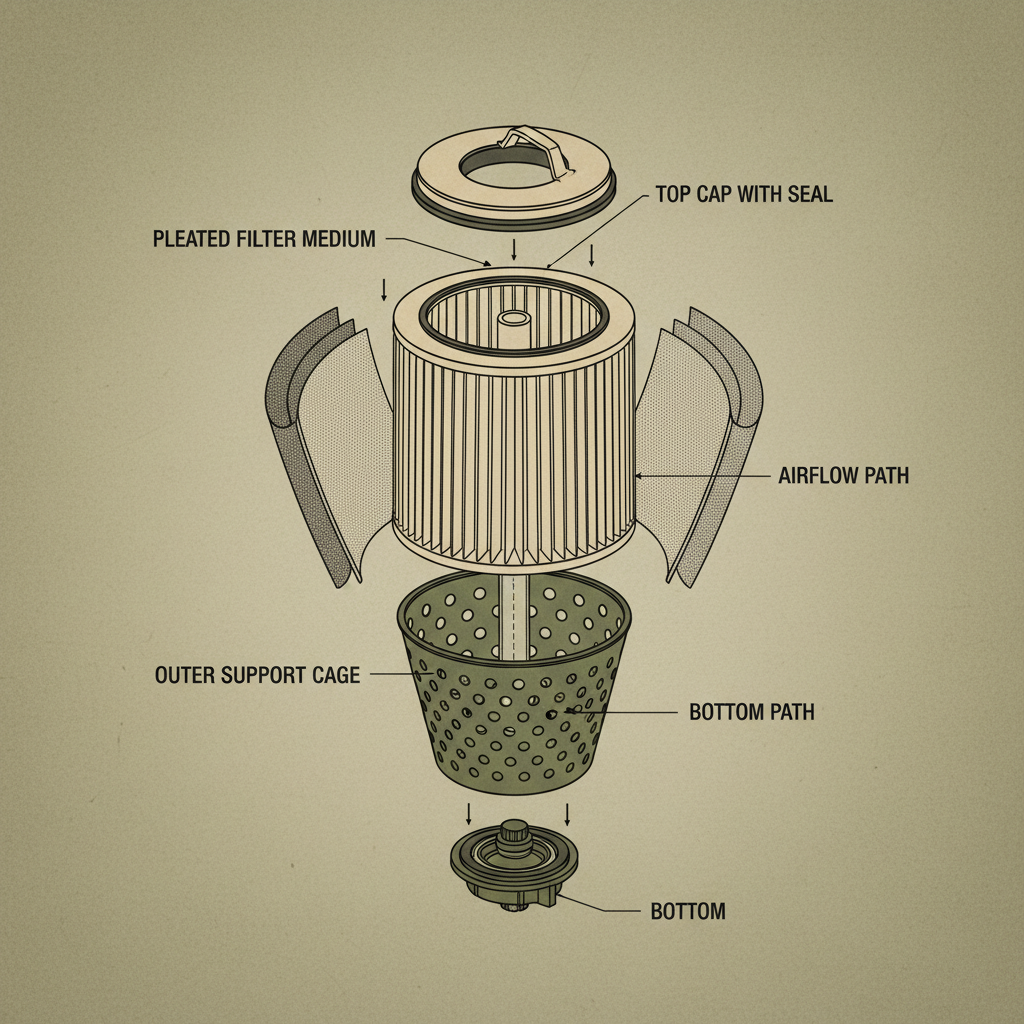
I encountered this at a factory in Ningbo last time. They were using a convoluted filter design – lots of pleats, complex geometry. Looked great on paper, but it was a nightmare to clean and maintain. Dust built up in all the nooks and crannies, reducing airflow and ultimately lowering efficiency. Simple is often better. Don’t overengineer things. A straight-through filter design, with a good quality filter media, is often more effective and easier to service.
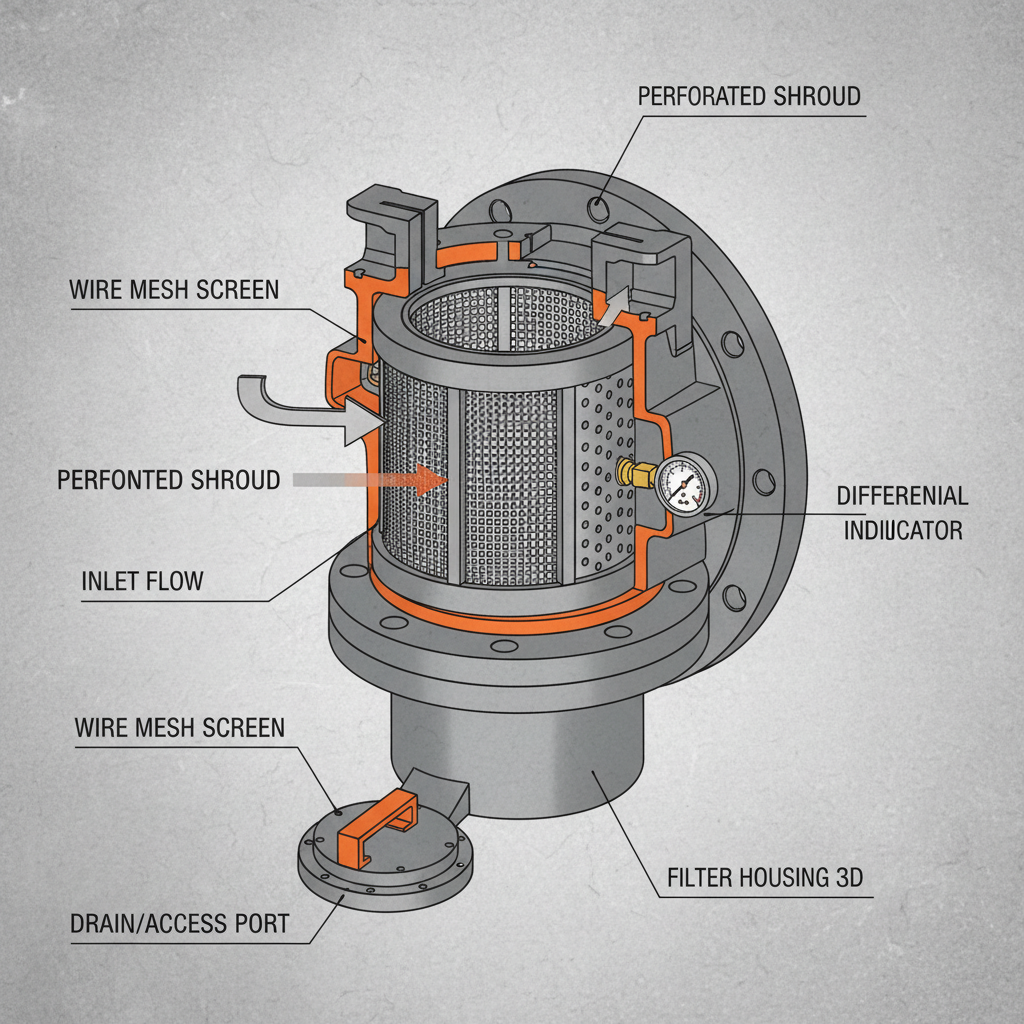
Another common mistake? Ignoring the surface area. You need enough surface area to capture the dust without creating excessive back pressure. And the media has to be the right pore size for the type of dust you’re dealing with. Too large, and the dust passes through; too small, and the filter clogs up too quickly.
And for the love of all that is holy, make sure the filter seals properly to the housing! A leaky seal renders the whole thing useless. I’ve seen too many systems where dust is bypassing the filter altogether.
Material Matters: A Hands-On Perspective
We use a lot of polyester felt – it’s a good all-rounder, relatively inexpensive, and handles a wide range of dusts. But it can get compacted over time, reducing its effectiveness. Then there's polypropylene, which is lighter and more resistant to moisture, but not as durable. You can tell a good polypropylene filter just by the feel; it's got a bit of a sheen to it.
The higher-end stuff uses nanofiber media – that’s where you get the really high filtration efficiency. But it’s also expensive, and it can be fragile. Handling it on-site, you have to be careful not to damage it. And… honestly? Sometimes it smells a little weird. A slightly chemical odor. I don’t love that.
We’ve also started experimenting with some new blended materials - polyester with a touch of carbon fiber, for example. It increases the static charge, which helps attract more dust. It’s promising, but still in the early stages. Anyway, I think choosing the right material is 80% of the battle.
Real-World Testing: Beyond the Lab
Lab tests are useful, sure. You can measure airflow, filtration efficiency, pressure drop. But they don’t tell the whole story. You need to see how the filter performs in a real workshop, under real conditions. That means subjecting it to high dust loads, varying temperatures, and the general abuse that happens on a construction site.
We have a test rig – basically a sealed chamber with a dust generator and a sensor to measure dust concentration. We run the filter through its paces, simulating different operating scenarios. But the best testing is always in the field, talking to the guys who are actually using the equipment.
dust extractor filter cartridge Performance Metrics
How They Actually Use It
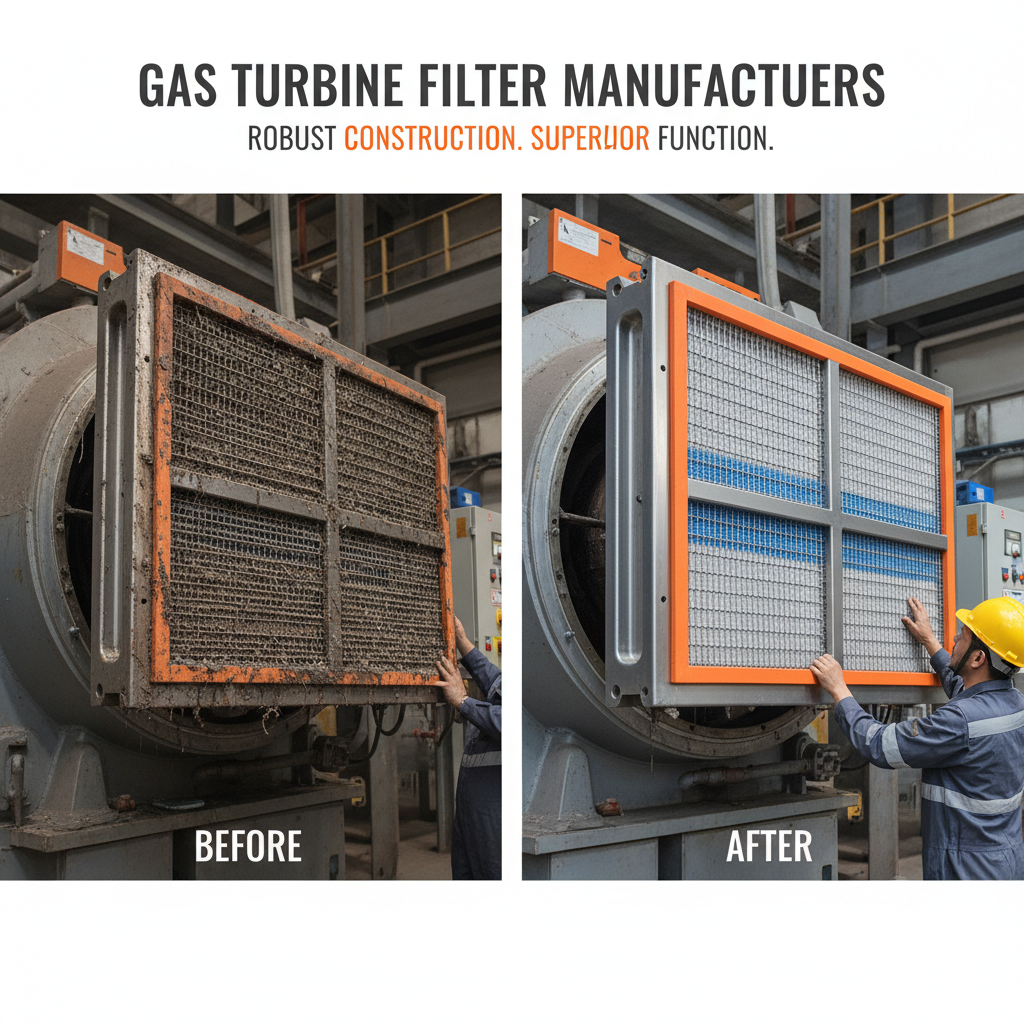
This is where things get interesting. You design a filter to be changed every six months, based on your testing. But then you get out on the shop floor, and you realize guys are leaving them in for a year, or even longer! They’re too busy, or they forget, or they just don’t see the point. And then they wonder why their extraction system isn’t working properly.
They also tend to abuse the filters. Using them in conditions they weren’t designed for, overfilling the dust collection bin, generally not following the instructions. You can’t design for stupidity, but you can try to make things as foolproof as possible.
Pros, Cons, and Customization Options
The biggest advantage of a good dust extractor filter cartridge? Improved air quality, obviously. But also, reduced maintenance costs, increased tool life, and a healthier work environment. It’s an investment that pays off in the long run.
The downsides? Cost, of course. And the need for regular maintenance. And the fact that no filter is perfect. They all have limitations. But we're working on it. We can customize filters to fit specific housings, change the media to suit different dust types, even add antimicrobial treatments. Last week a client needed a filter with a larger opening for oversized wood chips—we fabricated that for them.
Customization adds cost, though. It’s a trade-off.
A Customer Story: The Debacle
Last month, that small boss in Shenzhen who makes smart home devices – Mr. Lin, a real character - insisted on changing the interface to for his new dust extractor. Said it was "more modern." I tried to explain that a standard connection was more reliable, easier to source, and frankly, cheaper. He wouldn’t listen.
He had a whole production run of filters made with connectors, only to discover that the connectors were failing under the vibration of the extractor. The whole batch was useless. He ended up having to scrap everything and start over with a standard connector. Cost him a fortune. It was a disaster.
Later… Forget it, I won't mention it. Point is, sometimes, 'innovation' isn't all it's cracked up to be.
Summary of Key Filter Characteristics
| Filter Media Type |
Filtration Efficiency (µm) |
Durability Score (1-10) |
Cost per Unit ($) |
| Polyester Felt |
5 µm |
6 |
2.50 |
| Polypropylene |
3 µm |
5 |
3.00 |
| Nanofiber |
0.3 µm |
7 |
7.00 |
| Polyester/Carbon Blend |
4 µm |
7 |
4.00 |
| Paper Filter |
10 µm |
3 |
1.00 |
| HEPA Filter |
0.1 µm |
8 |
10.00 |
FAQS
That depends on the filter material. Polyester and polypropylene can sometimes be recycled, but it varies by location. Nanofiber filters usually end up in the landfill, unfortunately. The dust itself might be hazardous, so check local regulations for proper disposal. We’re working with suppliers to develop more sustainable end-of-life options, but it's a slow process.
The manufacturer’s recommendations are a good starting point, but it really depends on the dust load and the type of material you’re working with. Visually inspect the filter regularly. If it’s heavily clogged or you notice a decrease in airflow, it’s time to change it. Don't wait until it completely blocks up, or you risk damaging the extractor motor.
Generally, no. Washing a filter can damage the media and reduce its filtration efficiency. Some filters are designed to be shaken or brushed clean, but even then, their lifespan will be limited. It’s almost always more cost-effective to replace the filter than to try and restore it.
Pleated filters have more surface area, which means they can capture more dust and last longer. However, they’re also more prone to clogging in dusty environments. Cylindrical filters are simpler in design and easier to clean, but they have less surface area. The best choice depends on the specific application.
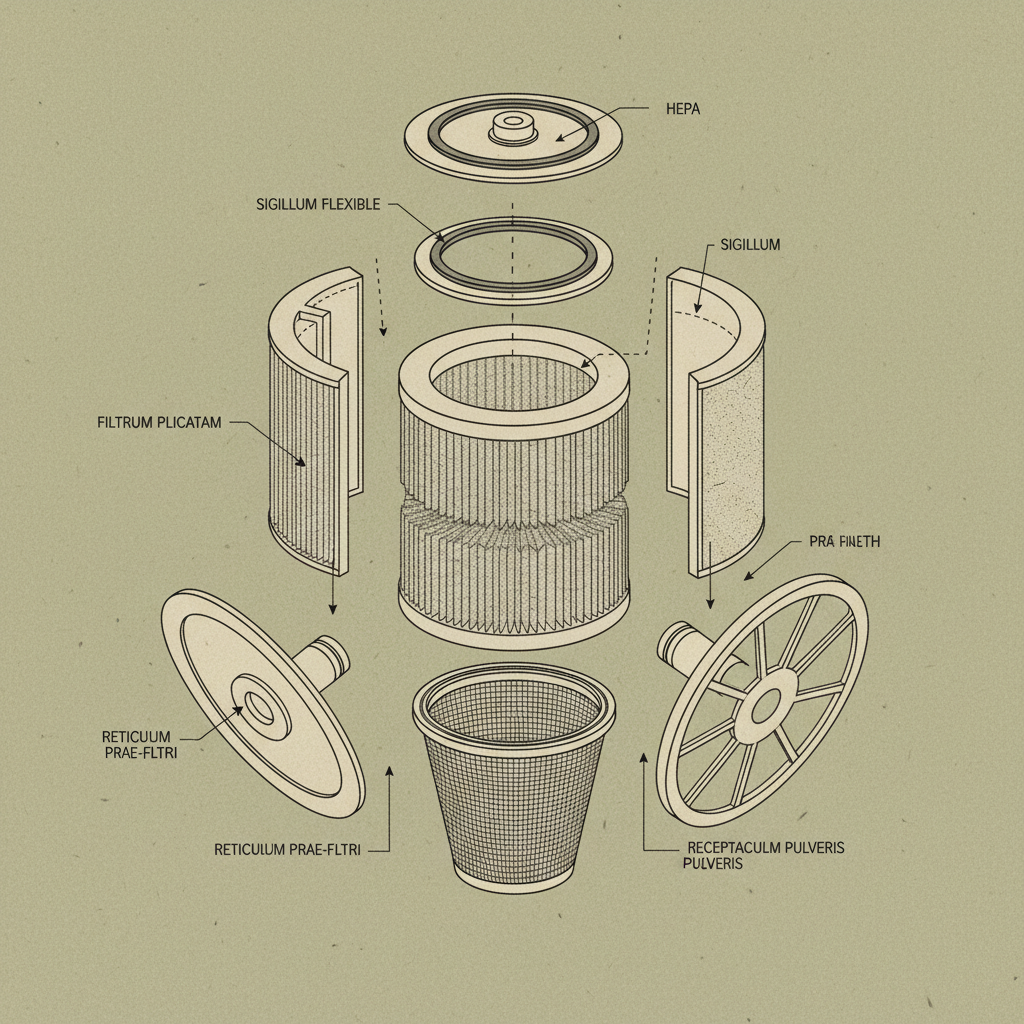
No, absolutely not. The term "HEPA" is often misused. A true HEPA filter must meet a specific standard for filtration efficiency – it needs to capture 99.97% of particles 0.3 microns in size. Make sure the filter is certified by a reputable testing organization.
Welding fumes are a different beast. You need a filter specifically designed to capture particulate matter and harmful gases. Look for a filter with a high efficiency rating and an activated carbon layer to absorb odors and toxic fumes. A pre-filter is also essential to protect the main filter from large particles.
Conclusion
So, where does all this leave us? Dust extraction is evolving. It's no longer just about grabbing the big stuff; it’s about achieving higher filtration efficiency, adapting to different materials, and prioritizing sustainability. Understanding the nuances of filter media, testing methods, and real-world usage is crucial for making informed decisions. It’s a complex field, but a vital one.
Ultimately, whether this thing works or not, the worker will know the moment he tightens the screw. If the air’s cleaner, the job’s easier, and the equipment lasts longer, you’ve got a good filter. That’s all that really matters. Check out our range of dust extractor filter cartridges.

 Email:admin@only-filter.com
 Tel:
+8615930870079
Tel:
+8615930870079