 Email:admin@only-filter.com
 Tel:
+8615930870079
Tel:
+8615930870079
To be honest, the dust collector filter cartridge market's been wild lately. Everyone's chasing higher efficiency, finer filtration… it’s a constant arms race. I’ve been on sites where they're trying to push the limits with nanofiber media, claiming incredible particle capture. But have you noticed, that stuff gets loaded so fast? It's a pain to change and ends up costing more in the long run. It's not always about the numbers on the spec sheet, you know? It's about practicality.
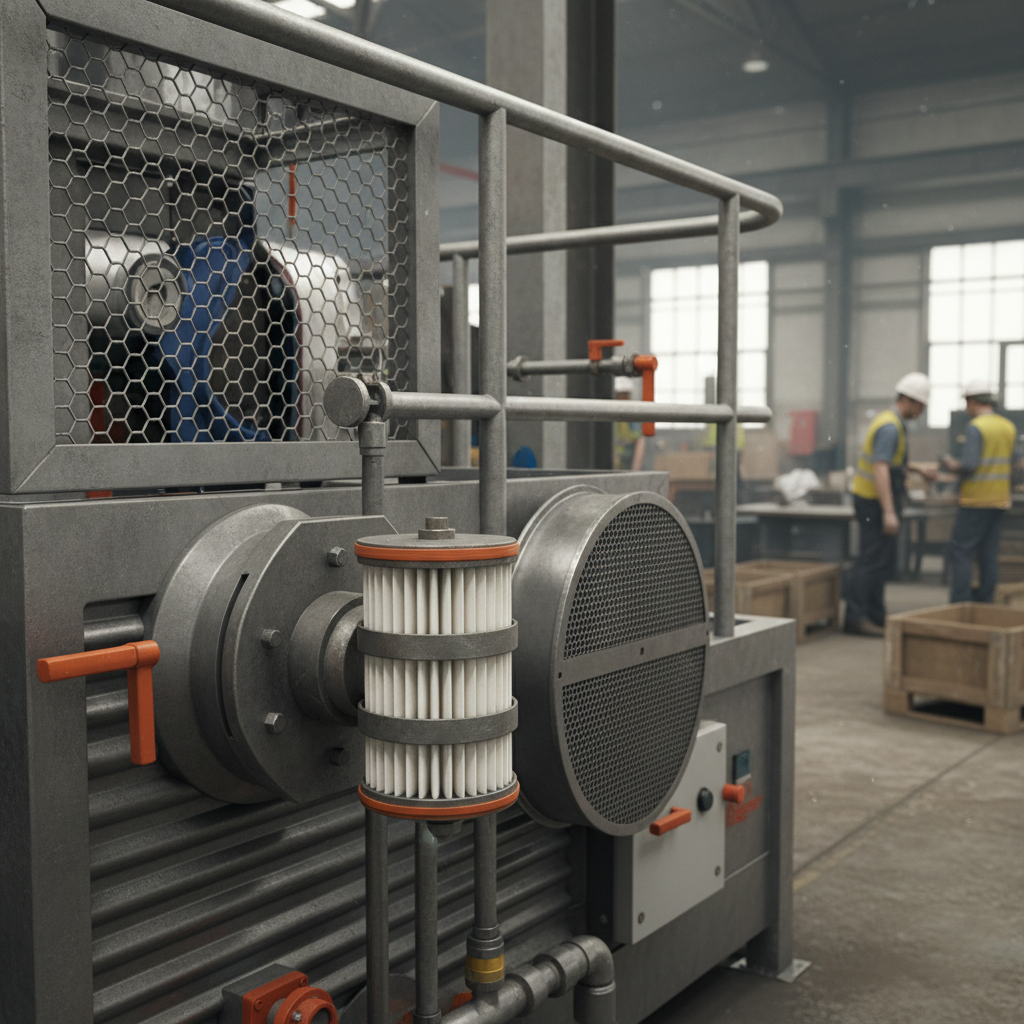
What I've seen a lot of companies stumble on is designing these cartridges with overly complex housing. They think they’re being clever, making it modular, quick-change… but then you get guys in the field wrestling with it for half an hour trying to get it seated correctly. Simple is often better. A solid, well-designed cage, a good sealing gasket… that's what matters. Forget the fancy bells and whistles.
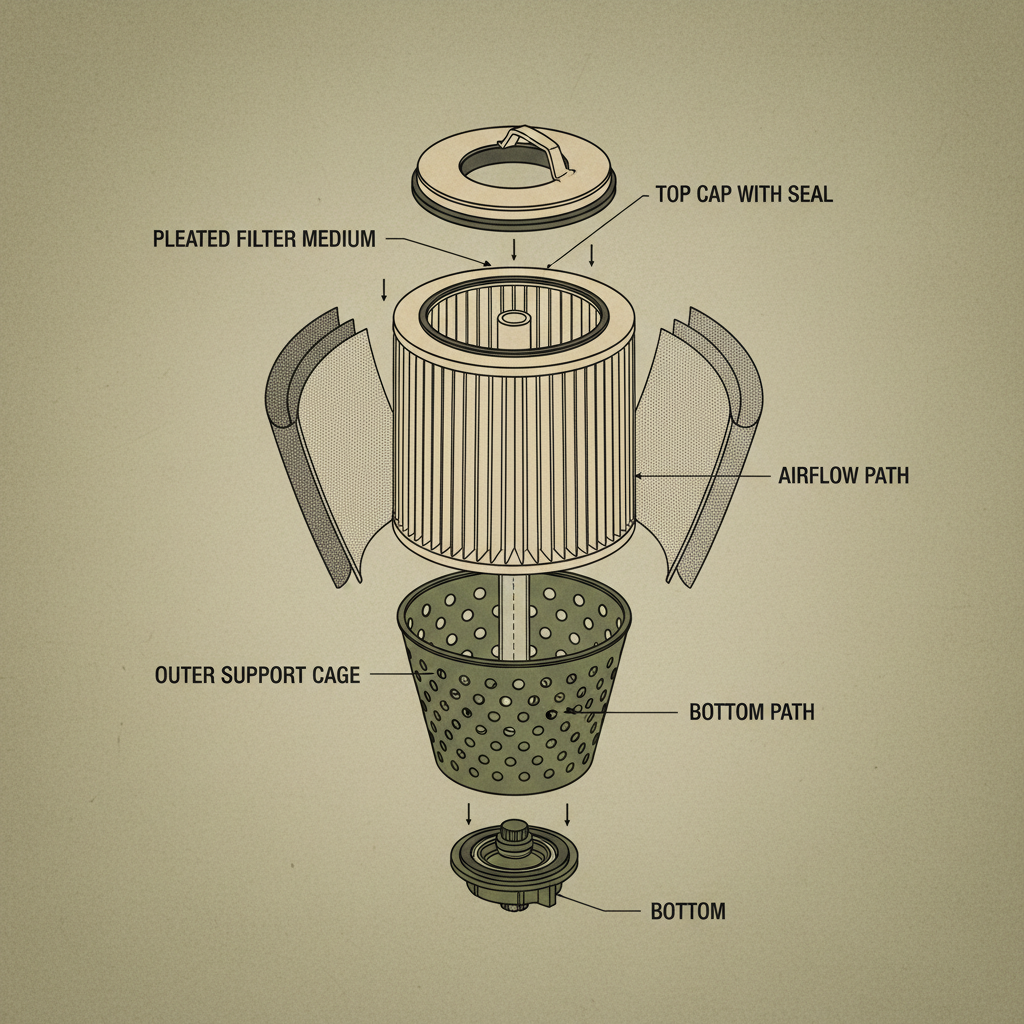
We primarily use polypropylene for the cages, sometimes coated with epoxy for added durability in corrosive environments. It's not glamorous, smells a bit like plastic when you cut it, but it's tough. The filter media itself varies – polyester is common, especially for dry dust, but for oily mists, you need something different. We've been experimenting with a blend of cellulose and synthetic fibers lately. Feels a bit like a stiff paper towel, surprisingly. It holds up well to moisture and doesn't fall apart easily.
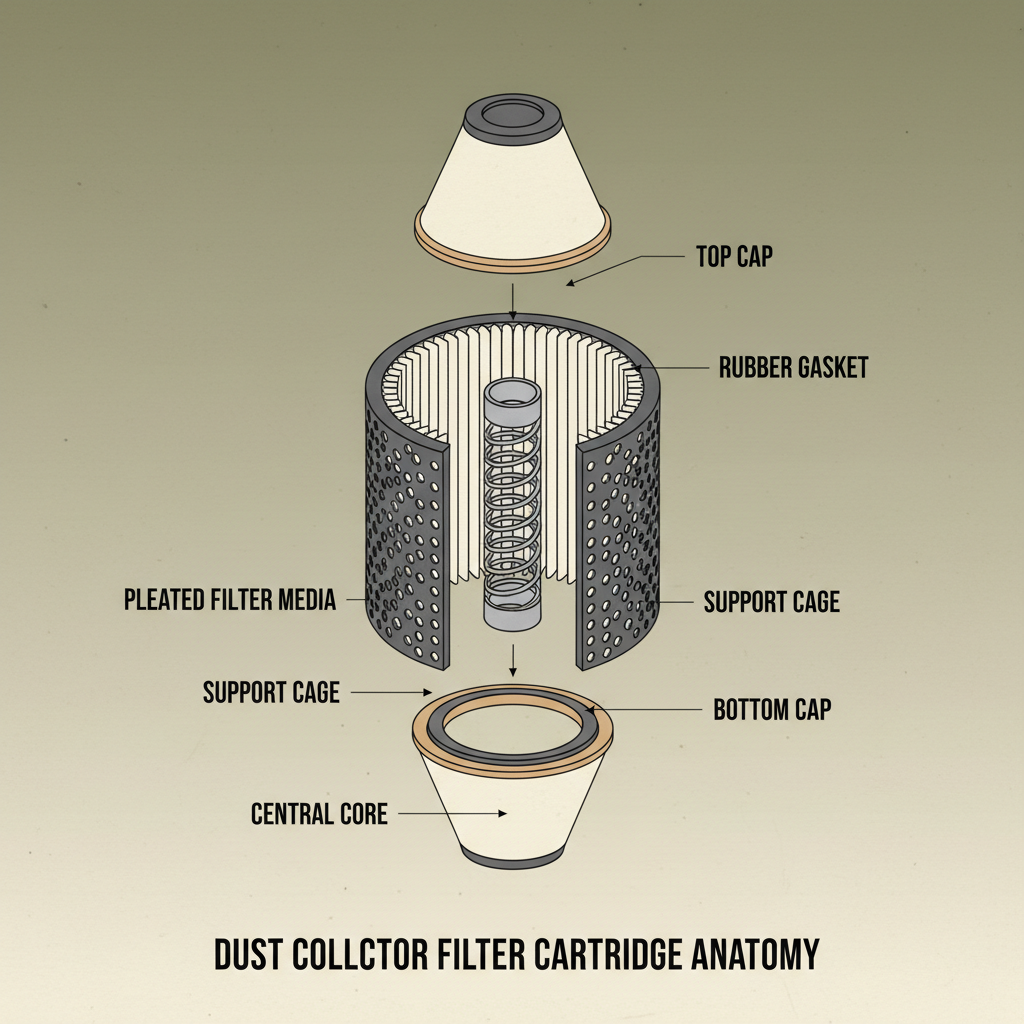
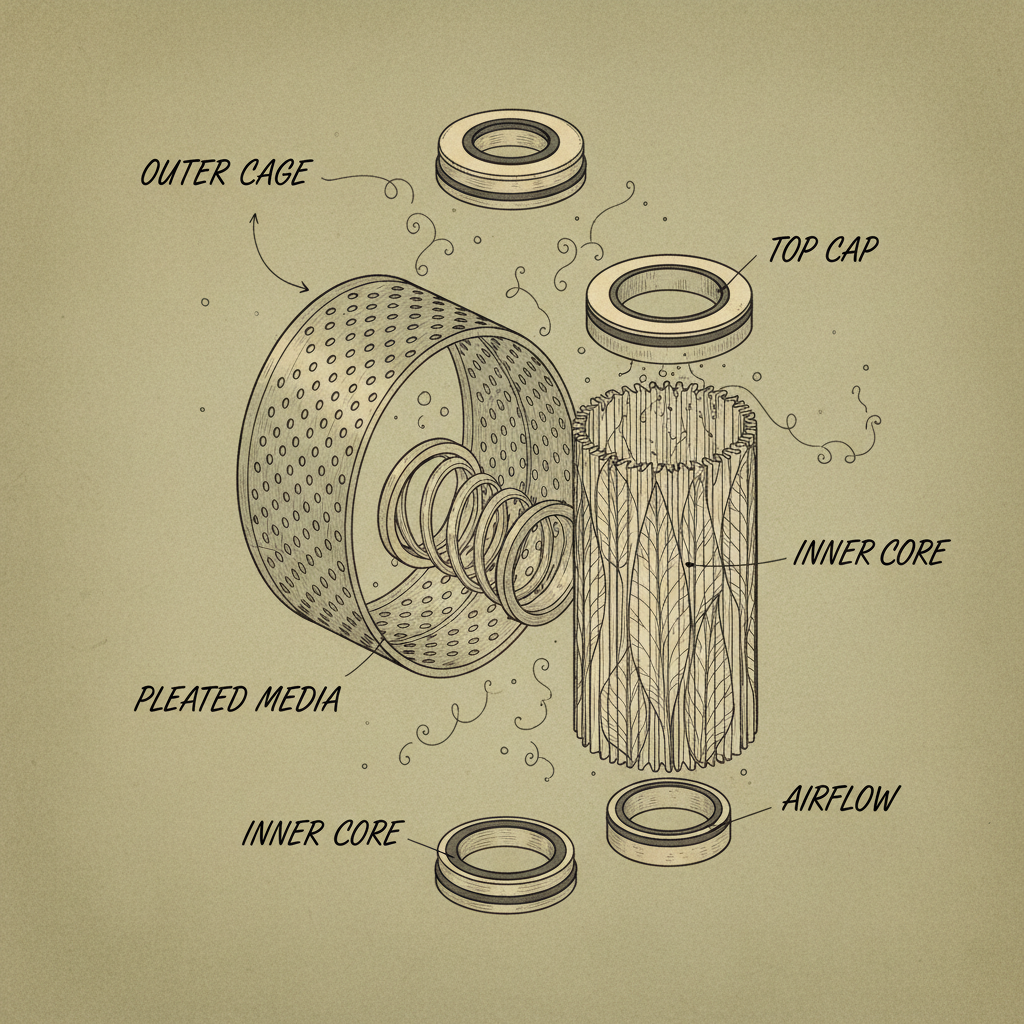
Strangely enough, there's a huge push for pleated filters right now. More surface area, they say. And it's true, they can filter more, but they also create more pressure drop. It's a trade-off. You gotta think about the fan power needed to pull air through them. If you're not careful, you end up negating the efficiency gain with increased energy consumption. I encountered this at a wood processing plant last time, they had switched to super-fine pleated filters and their energy bill shot up.
It’s all about finding the sweet spot, really. And a lot of it depends on the application. Welding fumes? You need something that can handle heavy particulate and resist heat. Pharmaceuticals? Absolute cleanliness is paramount, even if it means more frequent changes.
That depends heavily on your application and dust load. Generally, you want to replace it when the pressure drop exceeds the manufacturer’s recommendation, or when you notice a significant decrease in airflow. A good rule of thumb is to check it monthly and replace it every 6-12 months, but it’s really about monitoring the performance. Don't wait for it to completely clog; that strains the fan and reduces efficiency. It's also crucial to consider the type of dust – oily dust will clog filters much faster than dry dust.
Some filters can be cleaned, but it's not always recommended. Pleated filters are generally not suitable for cleaning, as you risk damaging the media. Bag filters can sometimes be pulsed with compressed air, but this only removes surface dust. Ultimately, cleaning extends the lifespan slightly, but it doesn’t restore the filter to its original efficiency. And honestly, the time and effort involved often outweigh the benefits. Plus, you risk introducing moisture or damaging the media.
MERV (Minimum Efficiency Reporting Value) and HEPA (High-Efficiency Particulate Air) are both ratings for filter efficiency, but HEPA is a much stricter standard. HEPA filters are designed to capture 99.97% of particles 0.3 microns in size. MERV ratings range from 1 to 20, with higher numbers indicating greater efficiency. For most industrial dust collection applications, a MERV rating of 8-12 is sufficient. HEPA filters are typically only needed for critical applications like pharmaceutical manufacturing or cleanrooms.
It depends on the type of dust you're collecting. Polyester is good for dry dust, polypropylene for moisture-resistant applications, and cellulose blends for a balance of properties. If you're dealing with oily mists, you'll need a specialized media that won't become clogged. Consider the particle size as well – finer particles require a more efficient filter. If you're unsure, consult with a filter supplier and provide them with details about your process.
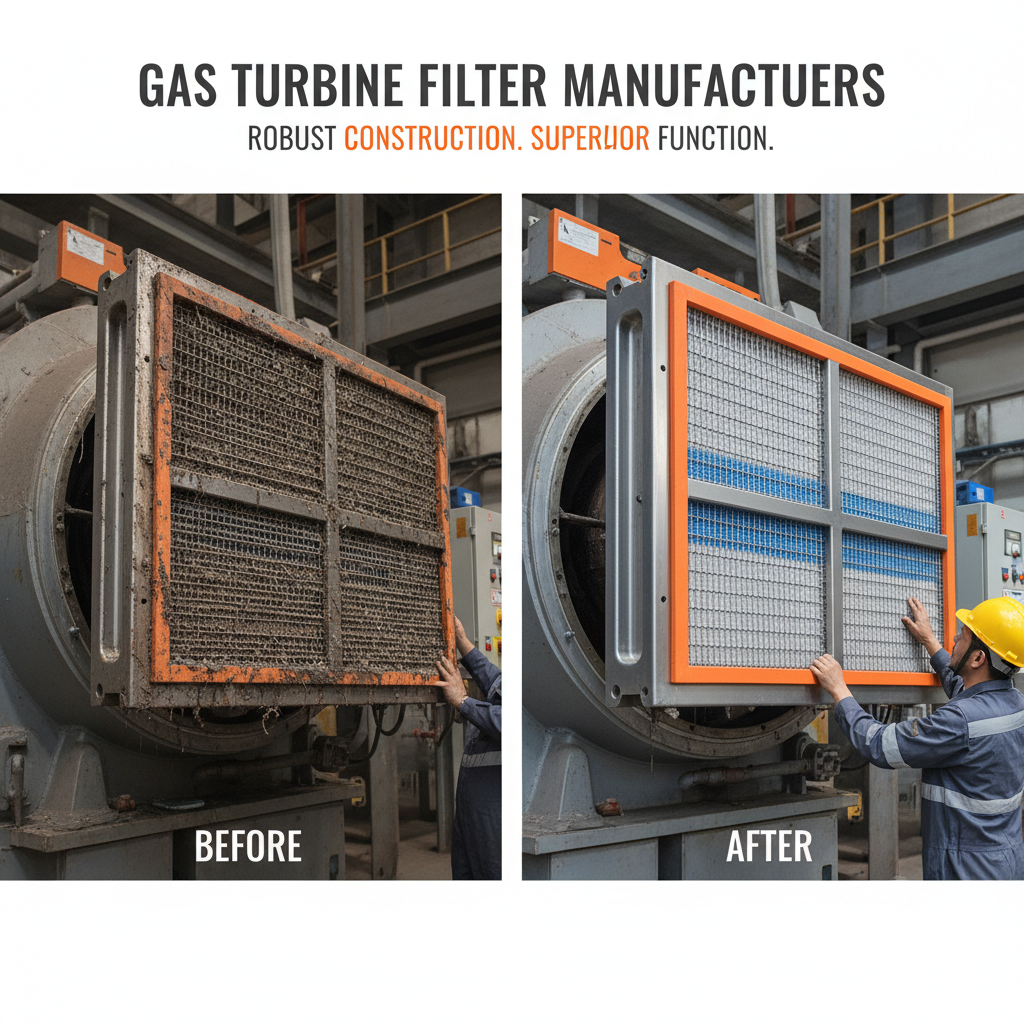
There are several common culprits. Incorrect filter selection for the application, excessive dust loading, humidity, temperature fluctuations, and physical damage can all contribute to premature failure. Also, improper installation – a leaky gasket, for example – can bypass the filter and reduce its lifespan. Regularly inspect your filters for signs of damage and address any issues promptly.
We’re seeing more and more demand for sustainable filter options. Recycled polyester media is one option, although it’s still relatively expensive. Another approach is to use filters with longer lifespans, reducing the frequency of replacements. We're also exploring biodegradable filter materials, but the technology is still in its early stages. Proper disposal and recycling of used filters are also crucial for minimizing environmental impact.
Ultimately, a dust collector filter cartridge is a fairly simple device, but it plays a critical role in maintaining air quality, protecting equipment, and ensuring worker safety. Choosing the right filter for your application requires careful consideration of factors like dust type, particle size, airflow, and budget. It's not just about the highest efficiency rating; it’s about finding the sweet spot between performance, cost, and longevity.
And remember, even the best filter won’t perform well if it’s not properly installed and maintained. Regular inspections, timely replacements, and a proactive approach to filter management are essential. Ultimately, whether this thing works or not, the worker will know the moment he tightens the screw.