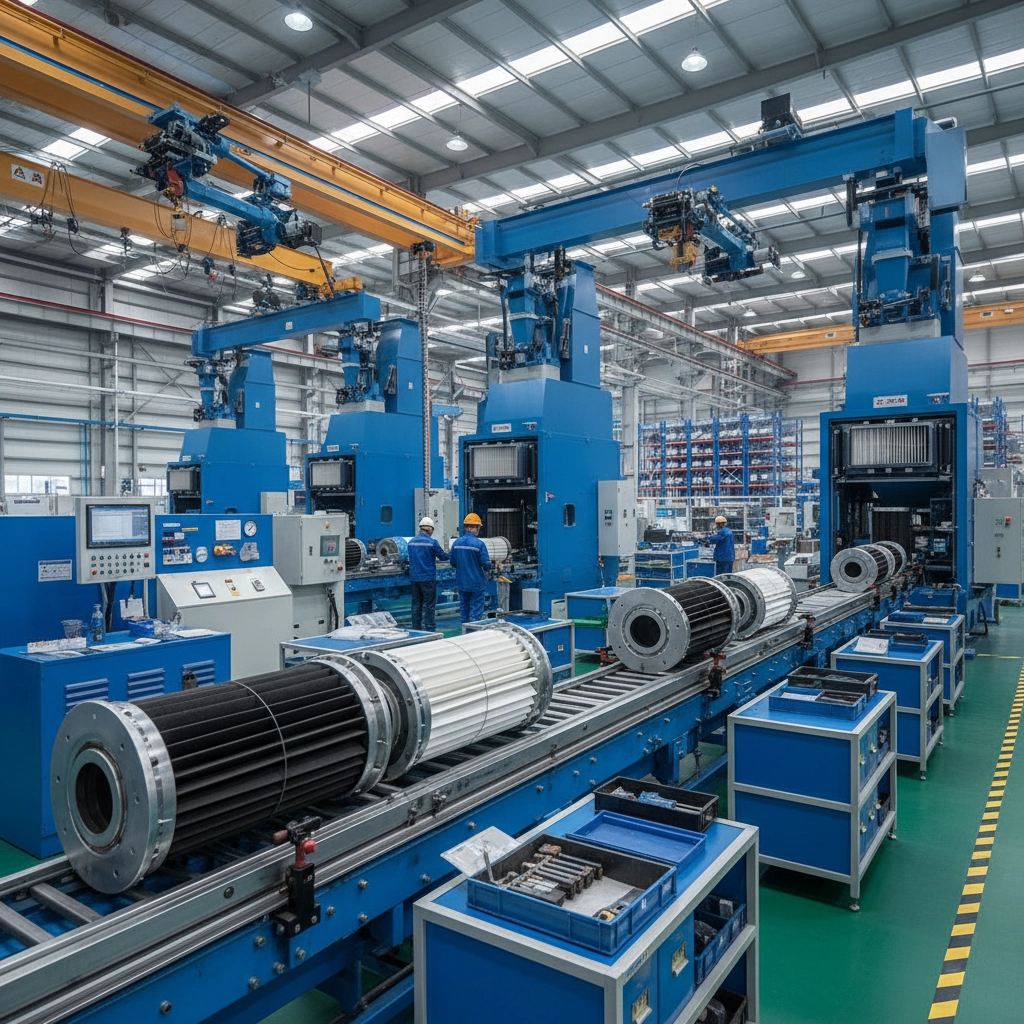
In the demanding environment of industrial finishing, maintaining air quality is not just a regulatory requirement but a critical factor in product quality. The use of high-efficiency powder coating air filters ensures that overspray and particulate matter are captured effectively, preventing contamination of the finished surface and protecting the operational longevity of the exhaust system. By managing the airflow and filtration precisely, manufacturers can achieve a superior finish while reducing waste.
Across the global manufacturing landscape, the transition toward sustainable and clean production has placed a spotlight on advanced filtration technologies. From automotive parts to heavy machinery, the reliance on precision-engineered filter elements allows facilities to maintain a stable working environment, reducing the risk of respiratory hazards for workers and minimizing the environmental footprint of the facility. The integration of specialized materials ensures that these systems can withstand the rigorous demands of continuous industrial cycles.
Understanding the technical nuances of powder coating air filters is essential for optimizing production efficiency. Whether utilizing imported long-fiber polyester or specialized non-woven fabrics, the right choice of filter media directly impacts the filtration efficiency and the frequency of maintenance. By focusing on durability and sealing performance, industries can ensure a seamless workflow and a higher return on investment.
Technical Composition of Filter Elements
The structural integrity of powder coating air filters begins with the end cap and bottom cover. Our designs utilize high-grade plastic covers for the end caps, while the bottom covers can be tailored from plastic or non-porous galvanized iron plates. This versatility makes them ideal for a wide range of applications, including fan dust removal, central air conditioning duct cleaning, and specifically for powder spraying and sandblasting operations where durability is paramount.
Central to the element's stability is the electro-galvanized skeleton, which is engineered to resist rust and corrosion even in humid industrial environments. By combining a rigid central support with a special sealing rubber ring, the filter ensures a leak-proof connection, preventing untreated air from bypassing the media and compromising the air quality of the workspace.
Filtration Media and Material Science
The effectiveness of powder coating air filters relies heavily on the quality of the filter material. We employ imported long-fiber polyester, where fibers are interlaced and evenly distributed to create a robust barrier against particulates. This material is specifically chosen for its superior wear resistance, allowing it to withstand the intense pressure of pulse backwash airflow better than traditional filter materials.
Beyond standard polyester, the selection of media can be adapted to the specific nature of the dust. We utilize wood pulp fiber filter paper and spunbond polyester fiber non-woven fabric to cater to different particulate sizes. For more challenging environments, the polyester non-woven fabric can be specially coated to provide oil-proof, waterproof, and anti-static properties, ensuring the filter does not clog prematurely due to moisture or oily residues.
The mechanical stiffness of these materials allows for repeated washing and cleaning, which significantly extends the operational life of the cartridge. By utilizing a surface filtration mechanism, the tiny air-permeable tissues formed on the material's surface block particulate matter effectively, maintaining a high dust filtration efficiency throughout the service cycle.
Engineering Standards for Industrial Sealing
Precision sealing is the cornerstone of any high-performance filtration system. When implementing powder coating air filters, any gap in the seal can lead to "blow-by," where contaminated air bypasses the filter media entirely. This is why the use of a special sealing rubber ring is mandatory to ensure an airtight fit between the cartridge and the housing.
The chuck-type design of these powder coating air filters simplifies the installation process while maximizing sealing pressure. The combination of the galvanized end cap and the rubber gasket ensures that the filter element remains securely in place during high-pressure pulse cleaning, which is essential for maintaining consistent airflow and filtration rates.
Furthermore, the compatibility of the sealing materials with various industrial chemicals prevents the rubber from degrading over time. By adhering to strict engineering tolerances, these powder coating air filters provide a reliable solution for the pigment industry and wood processing, where fine particles must be captured with absolute precision.
Performance Metrics and Efficiency Analysis
Evaluating the performance of powder coating air filters involves analyzing filtration efficiency, pressure drop, and the durability of the media under stress. High-efficiency cartridges are designed to capture the smallest particulates while maintaining a low resistance to airflow, which reduces the energy consumption of the ventilation fans.
The ability to withstand repeated pulse backwashing is a key metric for these filters. By using long-fiber polyester, the media maintains its structural integrity and pore distribution even after hundreds of cleaning cycles, ensuring that the filtration efficiency does not drop sharply over time.
Efficiency Ratings for Various Filter Media Types
Versatile Industrial Applications
The application of powder coating air filters extends far beyond simple paint booths. In the pigment industry, they are used to capture fine chemical powders that could otherwise contaminate the air or cause explosions. Similarly, in wood processing, these filters manage the heavy load of sawdust and resinous particles, ensuring the facility remains safe and clean.
In the realm of compressed air systems, the chuck-type dust filter element is indispensable for removing contaminants before the air reaches sensitive pneumatic tools. This prevents tool wear and ensures that the compressed air used in powder spraying is free of oil and moisture, which is critical for achieving a flawless, bubble-free finish on the coated part.
Maintenance and Life Cycle Optimization
To maximize the lifespan of powder coating air filters, a structured maintenance routine is essential. The use of pulse-jet cleaning systems allows for the removal of the "dust cake" from the surface of the filter, restoring airflow without requiring the system to be shut down. This automated cleaning process relies on the stiffness and wear resistance of the polyester fibers.
Regular inspections of the sealing rubber rings and the integrity of the end caps are also necessary. A worn-out seal can lead to a significant drop in filtration efficiency, causing particulates to escape back into the production area or bypass the collection system entirely, which increases the cost of cleanup and risks equipment failure.
Ultimately, the life cycle of the filter is extended when the media is chosen correctly for the environment. For instance, using oil-proof coatings in environments with lubricant mist prevents the fibers from becoming permanently saturated, allowing the filters to be washed repeatedly and used for much longer periods compared to untreated media.
Customization and Specification Guide
Recognizing that every industrial setup is unique, powder coating air filters are often customized to meet specific equipment dimensions. While common industry standards include diameters of 12.75 inches and heights of 13.84 or 26 inches (approximately 325660mm and 350660mm), we offer fully customized dimensions to ensure a perfect fit for any proprietary housing.
Customization also extends to the material properties. Depending on whether the application is for liquid media (using metal wire mesh) or gaseous media (using non-woven fabrics), the construction of the cartridge is adjusted. For powder coating, the focus is typically on the gaseous media filter, emphasizing anti-static and oil-resistant coatings.
Selecting the right specification involves analyzing the particulate size, the airflow volume, and the chemical nature of the dust. By providing samples or detailed technical drawings, users can obtain a filter cartridge that optimizes the balance between filtration efficiency and airflow resistance.
Comparison of Customization Options for Filter Cartridges
| Material Type |
Key Feature |
Optimal Application |
Durability Score |
| Long-fiber Polyester |
Pulse-wash resistant |
Powder Coating/Sandblasting |
9/10 |
| Spunbond Non-woven |
High Surface Area |
General Dust Removal |
7/10 |
| Coated Polyester |
Oil-proof/Anti-static |
Chemical/Pigment Industry |
10/10 |
| Wood Pulp Paper |
Cost-effective |
Dry Air Filtration |
5/10 |
| Metal Wire Mesh |
Liquid filtration |
Liquid Impurity Removal |
8/10 |
| Custom Galvanized |
Rust-proof Skeleton |
High-Humidity Zones |
9/10 |
FAQS
Polyester media, particularly long-fiber polyester, is designed for durability and can withstand repeated pulse backwashing, making it ideal for heavy industrial use in powder coating. Wood pulp paper is generally used for simpler air filtration and cannot be washed, meaning it must be replaced more frequently once clogged. Polyester offers a significantly longer lifespan and better wear resistance in high-pressure environments.
The cleaning frequency depends on the dust load and the efficiency of your pulse-jet system. However, physical replacement usually occurs when the pressure drop across the filter exceeds the manufacturer's recommended limit despite cleaning. Regular inspections of the sealing rings and a check for media tears every 3-6 months are recommended to maintain optimal filtration efficiency.
Yes, provided you select the correct media. Our spunbond polyester non-woven fabrics can be coated to be oil-proof and waterproof. This prevents the "blinding" of the filter, where oil or moisture fills the pores of the media and stops airflow. For environments with high lubricant mist, we strongly recommend the coated versions to ensure longevity.
Common industry standard sizes are 12.75" in diameter, with heights of either 13.84" or 26". In metric terms, these are roughly 325660mm and 350660mm. However, we specialize in custom specifications, meaning we can manufacture filter elements to match the exact dimensions of your existing housing upon request.
The central skeleton provides the necessary structural support to prevent the filter media from collapsing under the force of the incoming airflow. Electro-galvanizing protects the metal from oxidation and rust, which is critical because any corrosion on the skeleton could eventually puncture the filter media, leading to filtration failure and contaminated air.
Absolutely. Powder coating involves the movement of fine dry particles, which can generate significant static electricity through friction. An anti-static coating on the filter media prevents the buildup of charges, reducing the risk of sparks and ensuring that the powder is released more efficiently during the cleaning cycle.
Conclusion
Selecting the right powder coating air filters is a critical decision that impacts everything from the final finish of your product to the health of your workforce. By combining high-grade imported polyester media with a robust electro-galvanized skeleton and precision sealing, manufacturers can achieve a high-efficiency filtration system that is both durable and easy to maintain. The ability to customize materials—adding oil-proof or anti-static coatings—ensures that these filters can adapt to the specific challenges of any industrial environment, from pigment production to wood processing.
As industrial standards move toward greater sustainability and tighter emission controls, investing in high-quality, washable filter elements is no longer optional but a strategic advantage. We recommend conducting a thorough audit of your current airflow and particulate load to determine the optimal media and size for your facility. For those looking to upgrade their filtration efficiency and reduce operational downtime, visit our website: www.onlyfiltercartridge.com to explore our full range of custom solutions.

 Email:admin@only-filter.com