 Email:admin@only-filter.com
Selecting the right partner among various dust filter cartridge manufacturers is often the deciding factor in maintaining industrial air quality and operational efficiency. For facilities dealing with high particulate loads, the difference between a generic filter and a precision-engineered cartridge can mean the difference between seamless production and costly unplanned downtime. The challenge lies in balancing filtration efficiency with pressure drop and longevity.
In the context of environmental control equipment, high-performance filtration is not just about capturing dust; it is about protecting downstream machinery and ensuring compliance with stringent air purity standards. Whether utilizing an Activated Carbon Filter Cartridge for odor control or a dedicated Dust Removal Filter Cartridge for particulate matter, the material composition and structural integrity of the element directly impact the total cost of ownership.
This analysis explores the technical specifications and procurement logic required to evaluate dust filter cartridge manufacturers. By examining the intersection of material science and industrial application, we provide a framework for optimizing air purification systems through the lens of ONLY TECHNOLOGY (HEBEI PROVINCE) CO., LTD's engineering standards.


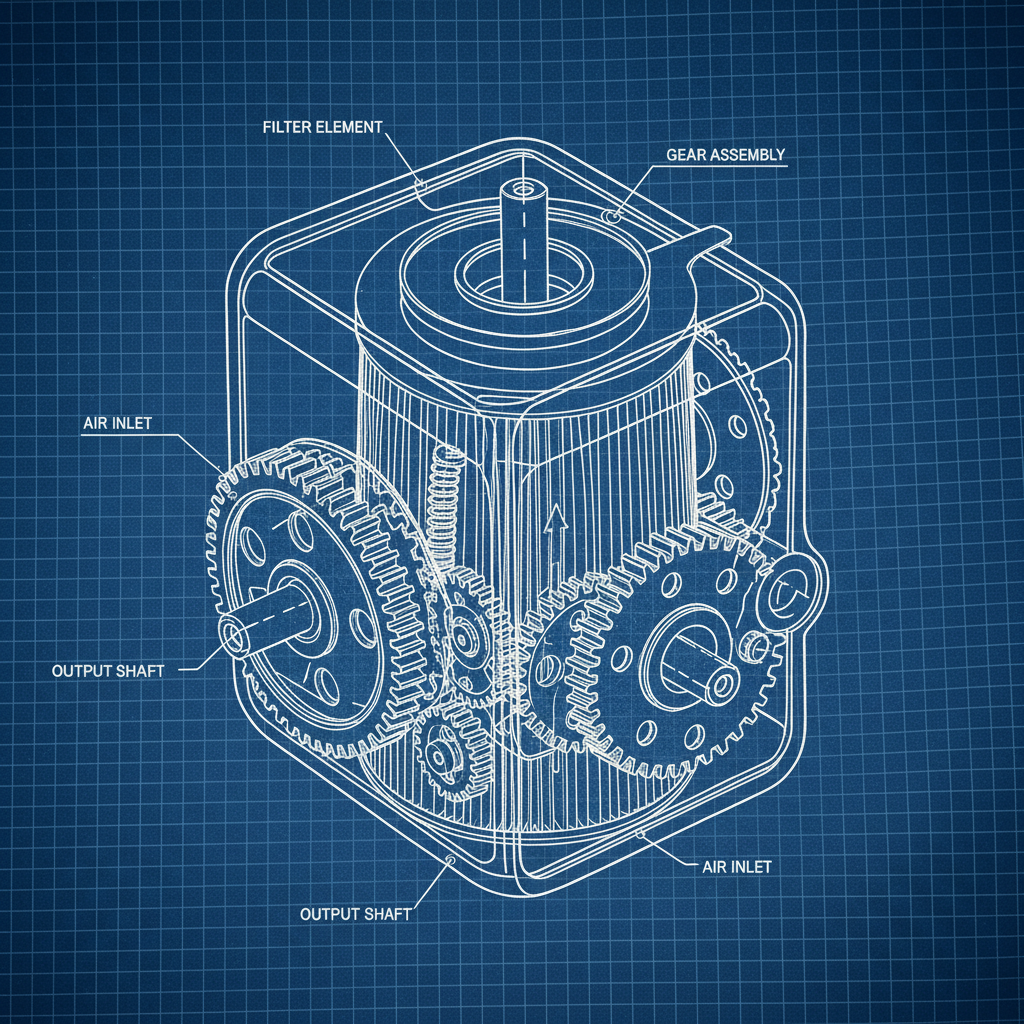
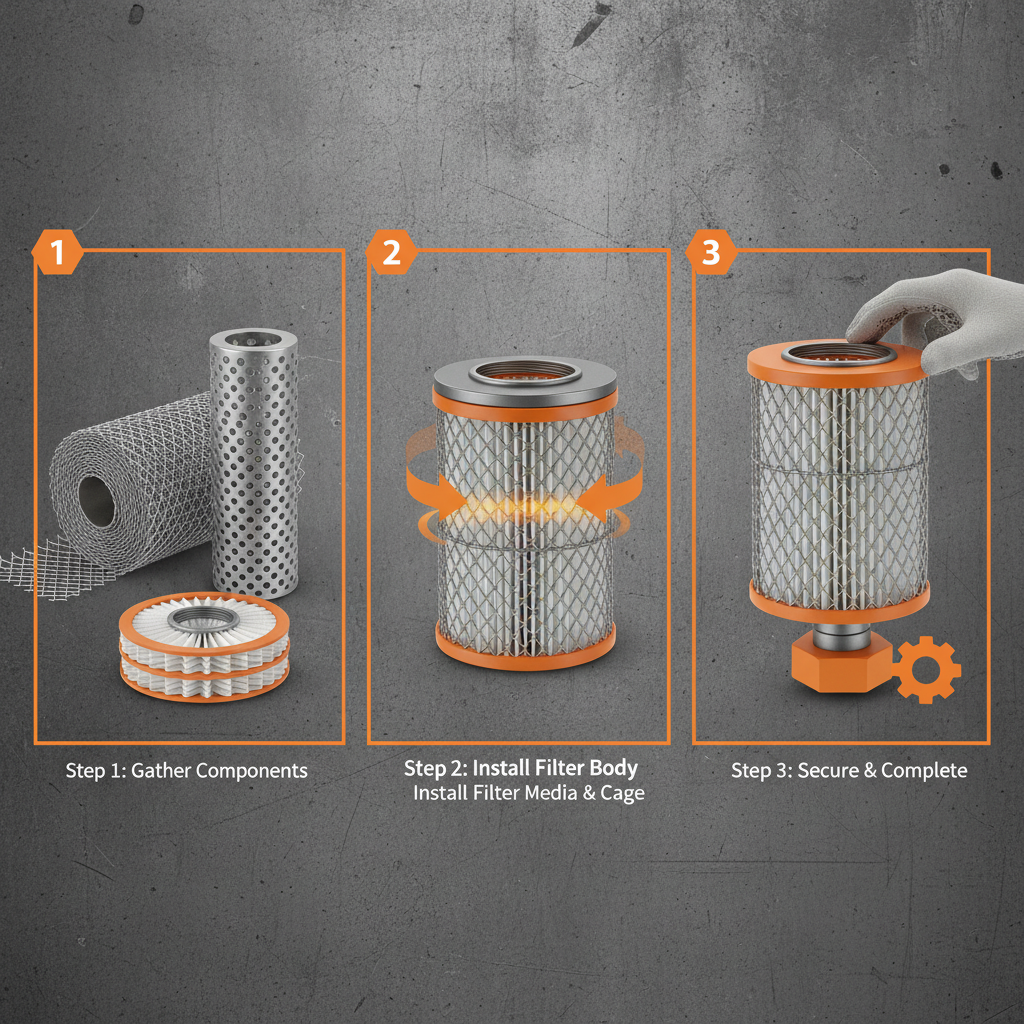
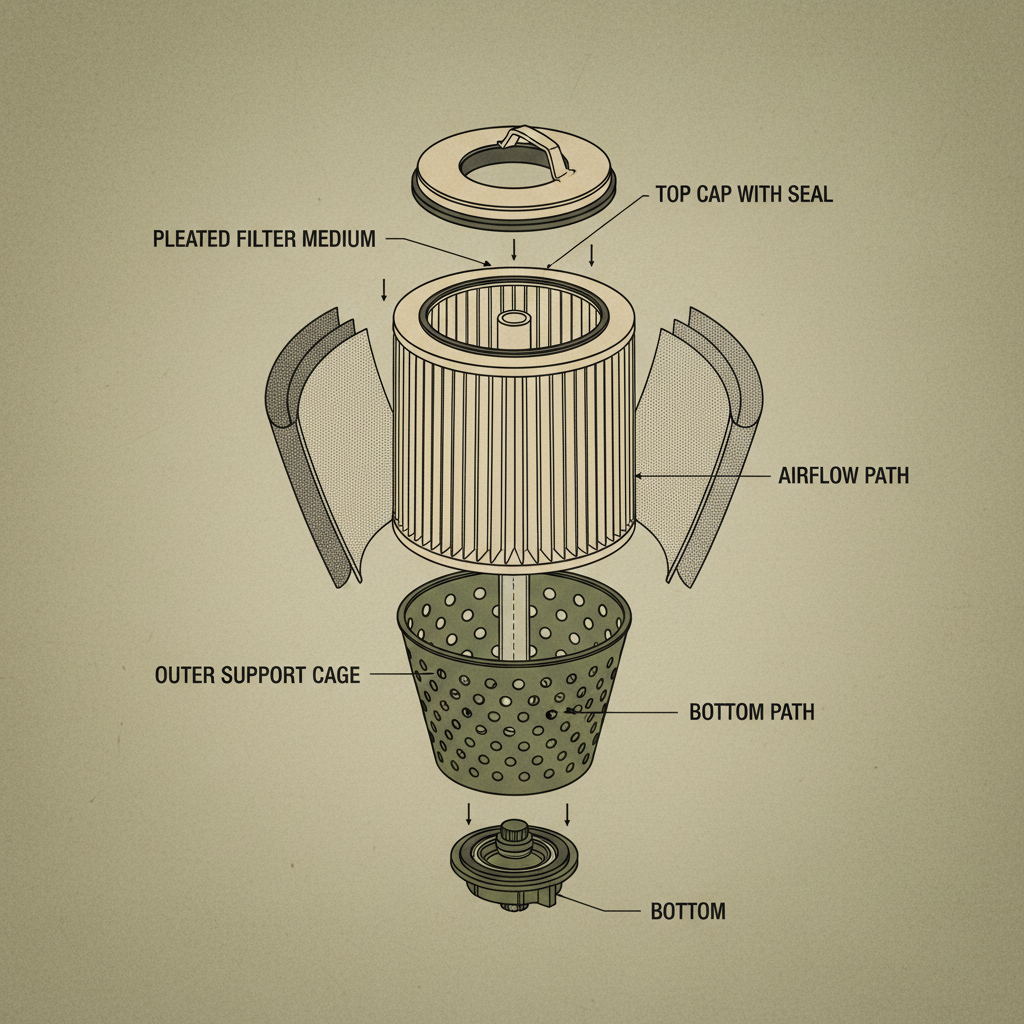
A professional dust filter cartridge is more than a simple sleeve of paper; it is a multi-component assembly designed for structural rigidity under pressure. The core consists of an electro-galvanized central skeleton that prevents rust and ensures the cartridge does not collapse during high-pressure pulse backwashing. The sealing mechanism typically employs a special rubber ring to eliminate air bypass, ensuring that 100% of the airflow passes through the filter media.
The end caps are critical for secure installation. Depending on the application, these can be high-grade plastic covers or non-porous galvanized iron plates. The latter is particularly suited for heavy-duty environments such as powder spraying or sandblasting operations where physical impact and durability are paramount. This structural integrity allows the element to maintain its shape even when subjected to repeated cleaning cycles.
The effectiveness of a filter cartridge is primarily determined by the interaction between the filter media and the particulate size. Imported long-fiber polyester is often preferred because its interlaced fibers are evenly distributed, providing a balance between high dust-holding capacity and low airflow resistance. This stiffness allows the material to be washed repeatedly without losing its structural pore size.
Another key factor is the surface treatment of the media. For environments where moisture or oils are present, coatings such as oil-proof and waterproof layers are essential to prevent the media from blinding. Anti-static treatments are equally critical in pigment or wood processing industries to prevent the buildup of static electricity, which could otherwise lead to hazardous sparking in explosive dust environments.
Finally, the precision of the dimensions—such as the common 325660mm or 350660mm metrics—ensures a perfect fit within the chuck-type housing. Any gap in the seal or a slight misalignment in the cartridge height can lead to "leakage," where unfiltered air bypasses the media, rendering the entire purification system ineffective regardless of the media quality.
Material selection directly dictates the operational lifecycle of the filtration system. When utilizing spunbond polyester fiber non-woven fabrics, the system benefits from a surface filtration mechanism. This approach blocks particulate matter on the surface of the tissue rather than deep within the fibers, which significantly simplifies the pulse-jet cleaning process.
The primary value of high-stiffness filter materials is the ability to withstand repetitive pulse backwashing without fiber degradation. This ensures that the pressure drop across the filter remains stable over longer intervals, reducing the energy consumption of the fan and extending the time between full cartridge replacements.
For gaseous media containing volatile organic compounds (VOCs) or odors, the integration of activated carbon filter cartridges adds a chemical adsorption layer. This dual-action approach—combining mechanical dust removal with chemical adsorption—is essential for facilities that must meet strict environmental emission standards while maintaining a clean workspace.
Different media types serve distinct purposes based on the chemical and physical nature of the dust. Wood pulp fiber paper offers excellent initial efficiency for fine particles but lacks the durability for repeated washing. In contrast, polyester non-woven fabrics provide the robustness needed for industrial pulse-cleaning systems.
When comparing these materials, the focus is usually on the "Dust Holding Capacity" (DHC) versus the "Pressure Drop." A higher DHC means fewer replacements, while a lower pressure drop means lower electricity costs for the air handling unit. Metal wire mesh is typically reserved for liquid media or as a pre-filter to capture large debris.
The application of dust filter cartridges varies significantly across different industrial sectors. In the pigment and chemical industry, where powders are extremely fine and potentially reactive, oil-proof and anti-static polyester cartridges are mandatory. These prevent the "caking" of powder on the filter surface, which would otherwise cause a rapid increase in pressure drop.
In wood processing and furniture manufacturing, the primary challenge is the volume of coarse sawdust mixed with fine airborne particles. Here, the use of robust, washable polyester cartridges allows for frequent automated cleaning, ensuring that the woodworking machinery remains free of dust buildup and the indoor air remains safe for operators.
The trend in air purification is shifting toward "intelligent filtration," where the focus is on reducing the total lifecycle cost rather than the initial purchase price. This involves the use of materials that can be washed more times without losing efficiency, moving away from disposable paper elements toward permanent, high-stiffness synthetic fibers.
Sustainability is also driving the adoption of specialized coatings. By improving the hydrophobicity of the filter material, manufacturers are reducing the energy required for the pulse-jet cleaning system, as dust releases more easily from the surface. This leads to a measurable decrease in compressed air consumption.
Furthermore, customization is becoming the standard. Rather than relying on generic sizes, industries are moving toward cartridges tailored to specific airflow velocities and particulate morphologies, ensuring that the filter is neither undersized (leading to frequent clogging) nor oversized (leading to inefficient filtration).
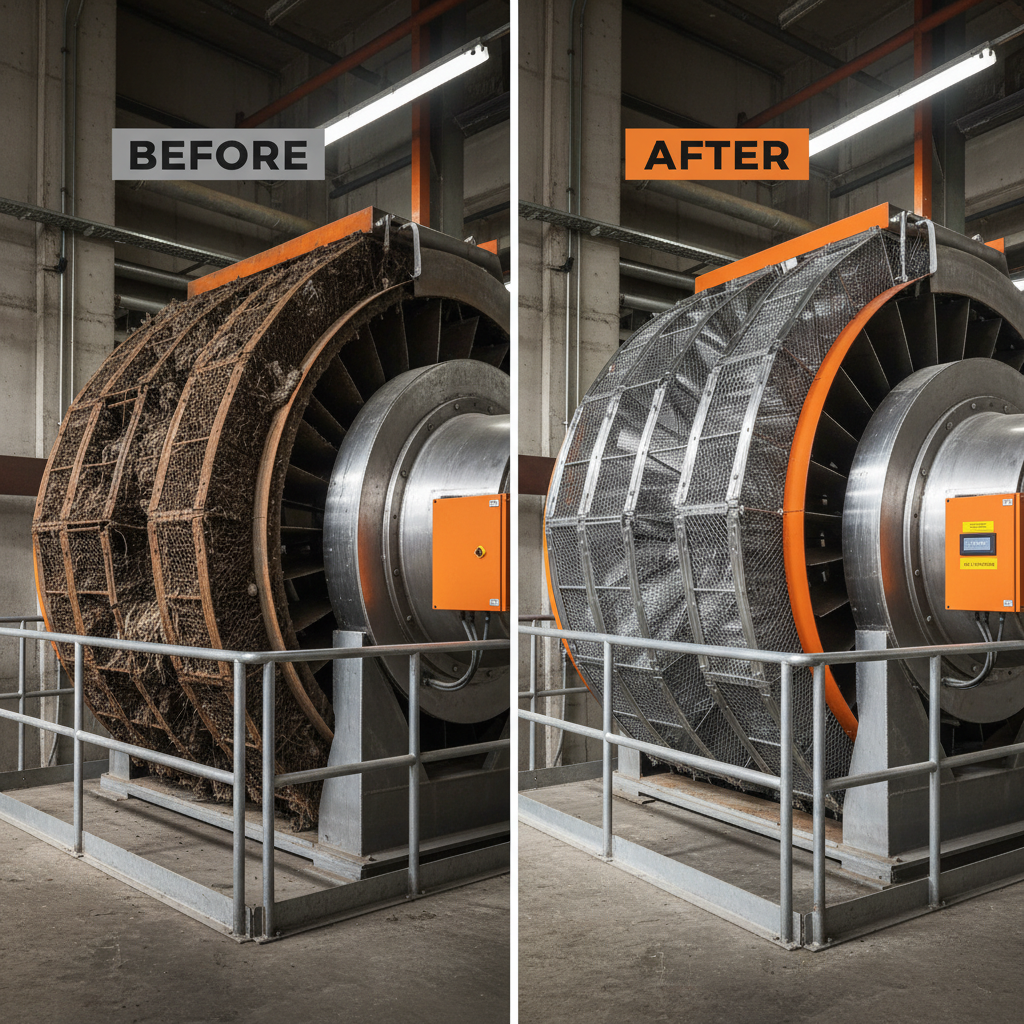
Most filtration failures stem from an incorrect match between the filter material and the operating environment. For instance, using standard polyester in an oily environment leads to "blinding," where oil fills the pores of the media, making it impossible to clean via backwashing. The solution is the application of an oil-repellent coating.
Another frequent issue is the premature failure of the end caps or seals. When cartridges are improperly fitted or the seal is of low quality, air bypasses the filter entirely. Ensuring the use of a special sealing rubber ring and precise galvanized skeletons prevents this "leakage" and maintains system efficiency.
Finally, the frequency of pulse cleaning must be optimized. Over-cleaning can wear down the fibers of the filter media, while under-cleaning leads to excessive pressure drop. A balanced maintenance schedule, supported by the use of high-stiffness materials, ensures the longest possible element life.
| Media Material | Primary Use Case | Cleaning Method | Key Advantage |
|---|---|---|---|
| Polyester Non-woven | Industrial Dust | Pulse Jet | High Durability |
| Wood Pulp Paper | Fine Particles | Replacement | High Efficiency |
| Activated Carbon | Gas/Odors | Replacement | Chemical Adsorption |
| Metal Wire Mesh | Liquid Media | Washing | Extreme Strength |
| Coated Polyester | Oily Environments | Pulse Jet | Oil Resistance |
| Anti-static Fiber | Pigment/Wood | Pulse Jet | Safety/No Spark |
Surface filtration, used in the polyester non-woven cartridges produced by our company, blocks particles on the outer layer of the media. This allows for easier cleaning via pulse-jet systems. Depth filtration captures particles throughout the thickness of the material, which often provides higher initial efficiency but makes the filter harder to clean and shorter in lifespan.
The most reliable indicator is the differential pressure across the filter. When the pressure drop exceeds the manufacturer's specified limit despite regular pulse cleaning, the filter is likely blinded or the media has degraded. Regularly monitoring the pressure gauge prevents fan strain and ensures consistent air purity.
Only those designed with high-stiffness, long-fiber polyester and reinforced skeletons can withstand repeated washing or pulse-jet cleaning. Standard paper-based cartridges are disposable. Using the wrong cleaning method on non-washable media will destroy the pore structure and lead to total filtration failure.
In environments like wood processing or pigment manufacturing, the friction of dust particles against the filter media can generate significant static electricity. An anti-static coating dissipates this charge, preventing electrical sparks that could ignite combustible dust clouds, thereby ensuring facility safety.
While many specifications can be customized, common industrial standards include diameters of 12.75 inches (325mm) and heights of 13.84 inches (350mm) or 26 inches (660mm). These dimensions are designed to fit standard chuck-type housings used in global air purification projects.
The skeleton provides the structural support. An electro-galvanized skeleton is essential because it resists rust and corrosion. If a skeleton rusts, it can tear the filter media from the inside, creating holes that allow unfiltered air to bypass the system and contaminate the environment.
Optimizing industrial air purification requires a strategic approach to material selection and structural design. By prioritizing high-stiffness polyester fibers and corrosion-resistant skeletons, facilities can achieve a sustainable balance between high filtration efficiency and low maintenance costs. The transition from generic components to precision-engineered cartridges ensures that air quality standards are met without compromising operational throughput.
Whether you are managing a chemical plant or a wood processing facility, the right filtration solution is based on a deep understanding of your specific dust morphology and operating conditions. For professional guidance on selecting the ideal elements for your system, we invite you to explore the technical solutions available at www.onlyfiltercartridge.com to enhance your facility's environmental control.