 Email:admin@only-filter.com
 Tel:
+8615930870079
Tel:
+8615930870079
Dec . 02, 2025 14:32 Back to list
Pulse Jet Patroonfilter: The Industrial Filtration Solution for Cleaner Air
Understanding the Pulse Jet Patroonfilter: A Key to Cleaner, Efficient Air Filtration
If you’ve ever wondered how large industrial plants keep their emissions within safe limits or how certain dust collectors maintain top performance without constant manual cleaning, the pulse jet patroonfilter is likely key to that success. It’s a cornerstone technology in modern air filtration systems that tackles industrial pollution while improving operational efficiency. Globally, with stricter environmental regulations and rising awareness of air quality impacts on health, knowing about pulse jet patroonfilters isn’t just academic—it’s essential for industries, environmentalists, and policy makers alike.
Global Relevance of Pulse Jet Patroonfilters
Air pollution remains one of the top environmental challenges worldwide. According to the World Health Organization, around 91% of the global population lives in places where air quality levels exceed recommended limits, posing serious health risks. Industrial emissions contribute significantly to this problem. Here, filters like the pulse jet patroonfilter shine. These devices are engineered to continuously and efficiently clean dust-filled air by self-cleaning on the go, reducing downtime and ensuring factories comply with ever-tightening emissions standards set by organizations such as the ISO and the UN Environment Programme.
Imagine massive power plants, cement factories, or grain processing facilities running 24/7; their dust control systems must be robust, sustainable, and cost-effective. The pulse jet patroonfilter fits exactly into this context, responding to a global need for scalable, reliable filtration solutions.
What Is a Pulse Jet Patroonfilter?
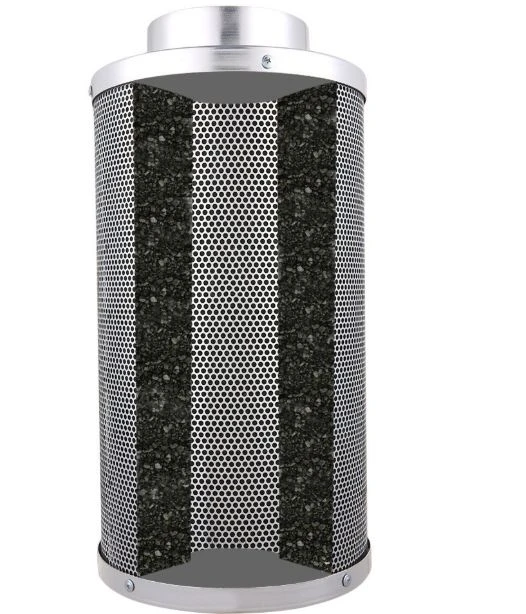
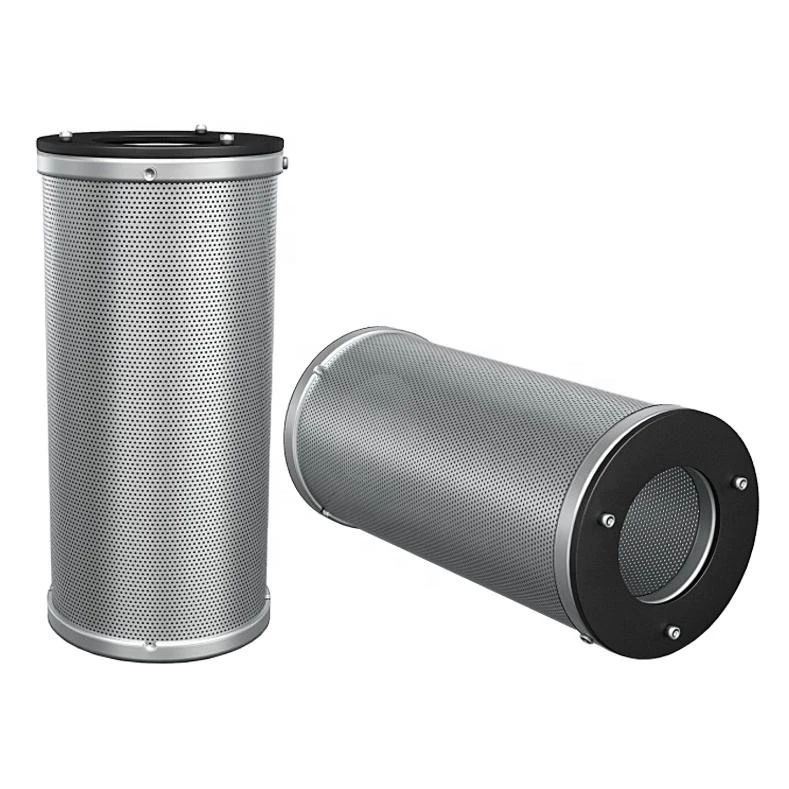
Simply put, a pulse jet patroonfilter is a type of air filter cartridge used in industrial dust collectors. It is designed with pleated filtering media shaped like a pattern or pattern filter (“patroon” being Dutch for pattern), housed inside a cartridge. The “pulse jet” aspect refers to how it cleans itself: bursts of compressed air are periodically injected in a pulse, dislodging dust that has accumulated on the filter surface. This automatic cleaning process ensures minimal pressure drop and maximal airflow continuity.
This self-cleaning feature makes these filters indispensable in industries such as steel manufacturing, pharmaceuticals, and food processing, where air purity and operational uptime are non-negotiable.
Core Components and Key Features
- Durability and Material Quality: Typically, pulse jet patroonfilters use synthetic fibers or specially treated cellulose blends that withstand heat, moisture, and aggressive industrial particulates. Their ruggedness translates into a longer service life and less frequent replacements.
- Scalability: These filters come in various sizes and can be integrated into both small dust collectors and large centralized filtration systems used by big industrial complexes.
- Energy Efficiency: Because cleaning is done in quick pulses rather than continuous backwashing, energy usage is reduced without compromising filter cleanliness.
- Cost Efficiency: Reduced maintenance and downtime mean operational costs drop significantly over the filter’s lifespan—especially versus older, conventional filters.
- Ease of Integration: Modern pulse jet patroonfilters are designed to be modular, allowing factories to upgrade without overhauling entire systems.
- Environmental Compliance: Their high capture efficiency helps facilities meet national and international air emission regulations.
Mini takeaway: These factors make pulse jet patroonfilters a pragmatic choice, blending engineering finesse with real-world durability and a reduced carbon footprint.
Global Applications & Use Cases
Across the globe, pulse jet patroonfilters find homes in an array of settings. In Europe and North America, strict emission laws make them indispensable in power plants and cement factories. In rapidly industrializing Asian countries, they help factories curtail pollution while keeping production lines running smoothly. Oddly enough, even in remote mining operations in South America or Africa, where maintenance options are limited, pulse jet patroonfilters contribute to safer, cleaner work environments.
Take, for example, a steel mill in Germany that reports over 98% dust removal efficiency using pulse jet cartridges, which significantly cuts downtime due to filter maintenance. Or humanitarian operations that rely on portable dust collectors fitted with these filters during disaster relief in dusty, post-collapse zones.
Pulse Jet Patroonfilter Product Specifications
| Specification | Details |
|---|---|
| Filter Type | Pleated Cartridge (Patroon) |
| Media Material | Polyester, Nomex, or Cellulose blends |
| Cleaning Method | Compressed air pulse jets |
| Operating Temperature | Up to 125°C (varies by media) |
| Efficiency | 95-99.9% particulate removal |
| Lifespan | 1-3 years typically (depends on usage) |
Advantages and Long-Term Value
What really stands out with pulse jet patroonfilters is the balance of upfront and long-term benefits. From a cost perspective, while replacement filters might feel like a recurring investment, the overall system savings on labor, downtime, and energy are well worth it. Sustainability-wise, their ability to maintain clean air not only limits harm to workers’ health but also reduces emissions for the surrounding community, promoting social welfare—a critical point for any corporate responsibility program. There’s also this intangible but invaluable aspect of trust and reliability; operators know their process won’t be interrupted by clogged filters.
Vendor Comparison: Leading Pulse Jet Patroonfilter Suppliers
| Vendor | Filter Media Options | Typical Lead Time | Customisation & Support | Price Range |
|---|---|---|---|---|
| FiltraTech | Polyester/Nomex blends | 2-4 weeks | High – custom sizes, onsite assistance | $$$ |
| EcoFilter Inc. | Cellulose & synthetic blends | 1-2 weeks | Moderate – standard sizes | $$ |
| CleanAir Solutions | High temp Nomex, PTFE coatings | 3-5 weeks | Extensive – tailored to extreme environments | $$$$ |
Future Trends and Innovations
Looking ahead, pulse jet patroonfilters are evolving with new materials like nanofiber coatings and heat-resistant synthetics to tackle ever tougher particulate challenges, especially in green energy sectors like biomass power. Digitally, more filters are integrating sensors for condition monitoring, enabling predictive maintenance that cuts downtime even further. Automation of cleaning sequences is also on the rise, driven by IoT technology, letting operators optimize cleaning frequency based on real-time data rather than fixed cycles. Frankly, as environmental laws tighten and the demand for cleaner industrial processes grows, the pulse jet patroonfilter’s core technology will only become more vital—and smarter.
Challenges and Solutions
Of course, no technology is perfect. Current challenges include filter media clogging in ultra-fine dust environments and compressor air consumption for pulse jets adding operational costs. Yet, ingenious solutions such as hybrid media combining nanofibers with traditional materials, and energy recovery systems recycling compressed air, are showing promise. User training and system design adjustments further mitigate pitfalls, balancing performance with cost-effectiveness.
FAQ: Frequently Asked Questions About Pulse Jet Patroonfilters
- How often do pulse jet patroonfilters need to be replaced?
- Typically, these filters last between 1 to 3 years depending on the dust load and operating conditions. Routine inspections and pulse cleaning efficiency are the best indicators for timely replacement.
- Can pulse jet patroonfilters handle high temperatures?
- Yes, many are designed for operating temperatures up to 125°C, with specialty media like Nomex or PTFE coatings allowing use in even hotter environments.
- What kind of maintenance is required for these filters?
- Maintenance is generally minimal thanks to the pulse jet self-cleaning. However, periodic checks of the compressed air system, filter integrity, and dust disposal units are important.
- Are pulse jet patroonfilters suitable for all industries?
- They’re highly versatile but best suited for industries with moderate to heavy dust loads. Extremely sticky or oily particulates may require specialized filter media.
- How can I choose the right supplier?
- Consider factors such as media options, customization capability, lead times, and support services. Comparing vendors helps identify the best match for your specific application.
Conclusion: The Lasting Value of Pulse Jet Patroonfilters
Over the decades, pulse jet patroonfilters have demonstrated they’re not just another industrial commodity but a critical ally in balancing productivity with environmental stewardship. Their combination of durability, efficiency, and automation makes them an investment in both operational resiliency and global air quality. For anyone serious about cleaner facilities or compliance with regulations, learning more about these filters is a smart move. Feel free to explore detailed product offerings and expert insights by visiting our site: https://www.onlyfiltercartridge.com.
Mini takeaway: Pulse jet patroonfilters aren’t just filters—they’re essential partners in the drive for cleaner air and leaner operations worldwide.
References:
-
High-Efficiency Adsorption for Clean Air & Water PurificationNewsApr.20,2026
-
Air Filter Cartridge: High-Efficiency Filtration for Engine Protection & Clean Air SupplyNewsApr.17,2026
-
Filter Paper: Precision Filtration Media for Industrial & Laboratory ExcellenceNewsApr.16,2026
-
Industrial Guide for Selecting a Stainless Filter CartridgeNewsApr.16,2026
-
Dust Filter Cartridges: High-Efficiency Industrial Filtration for Clean Production & ComplianceNewsApr.15,2026
-
Filter Paper: High-Efficiency Filtration Solution for Industrial & Laboratory UseNewsApr.14,2026