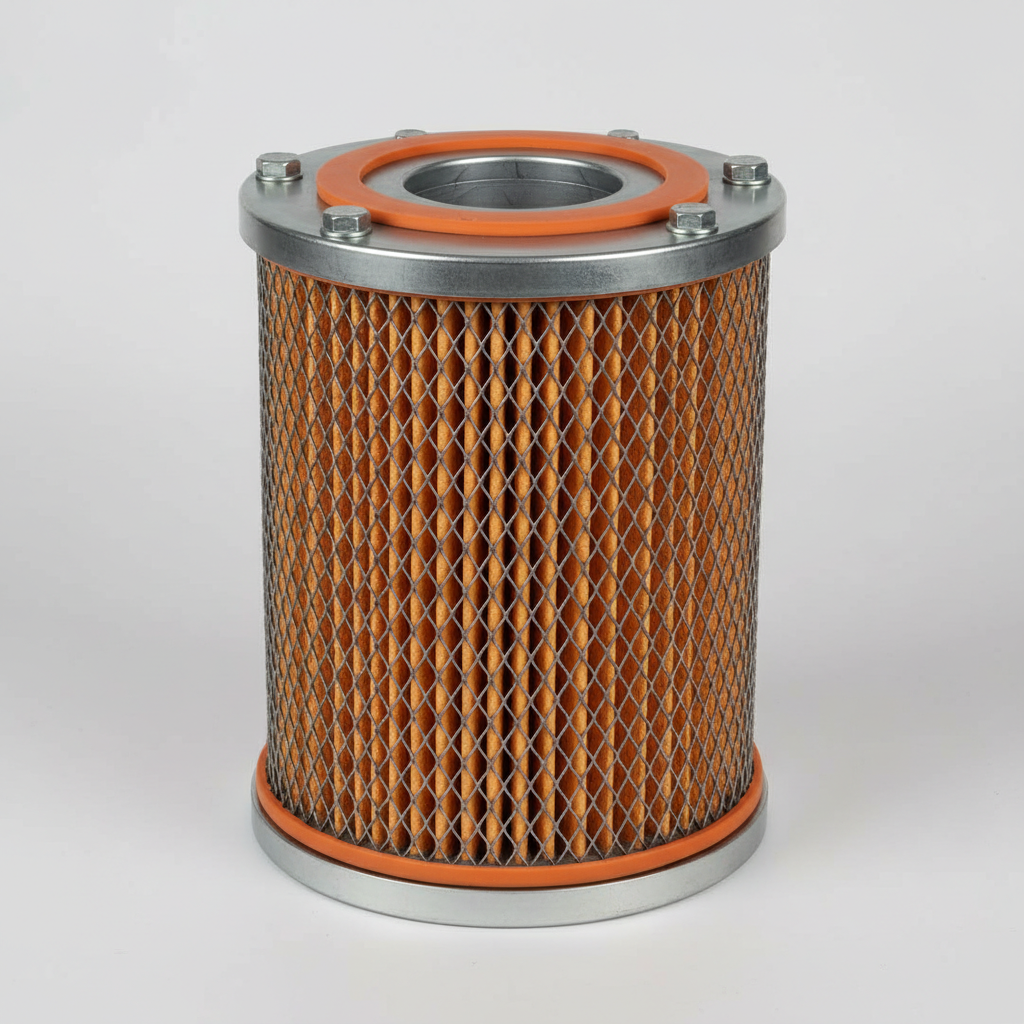
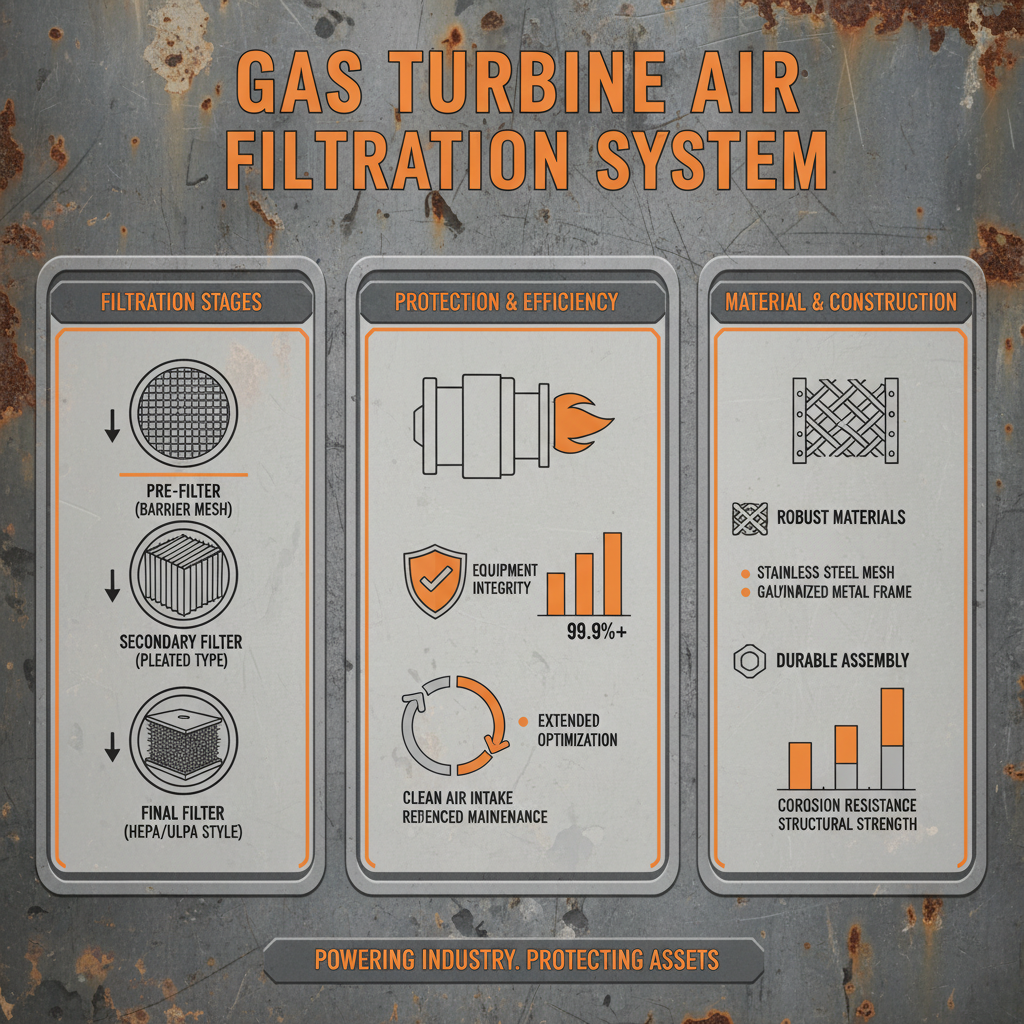
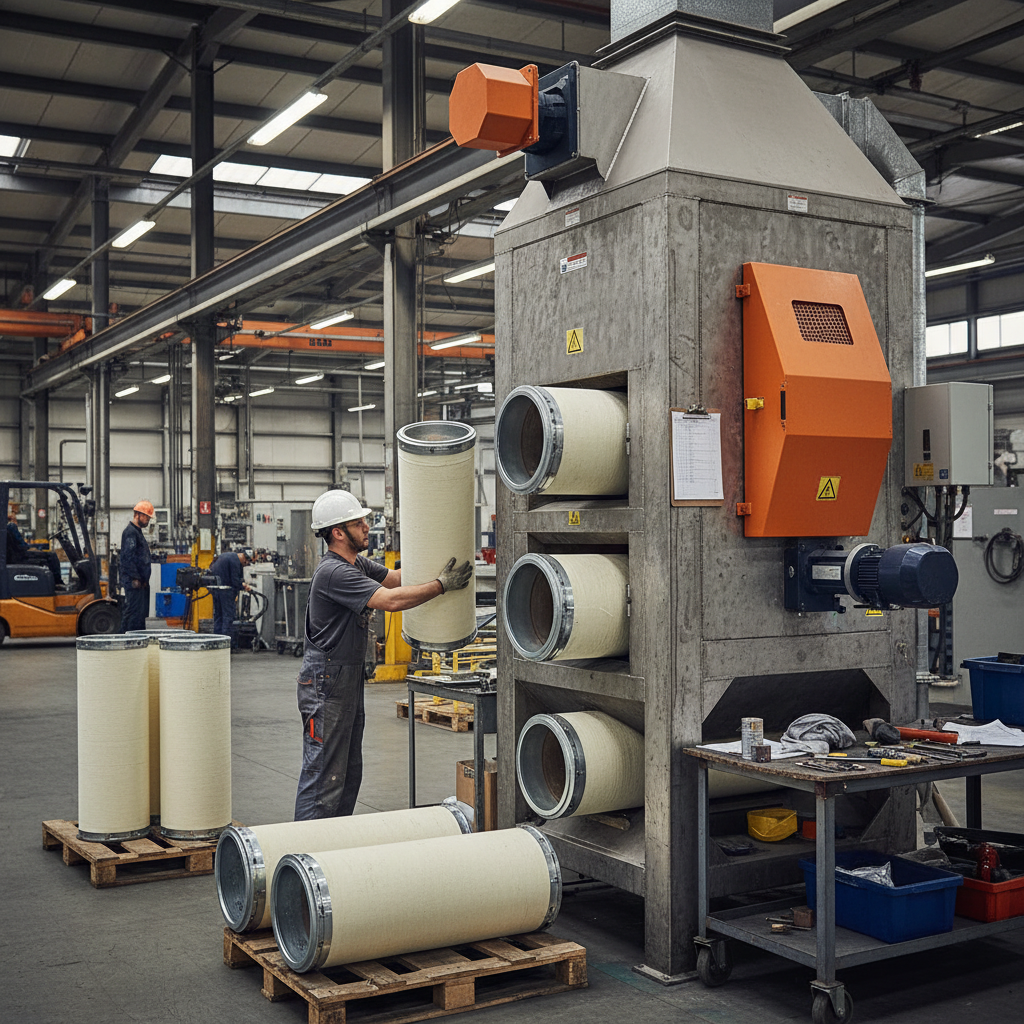
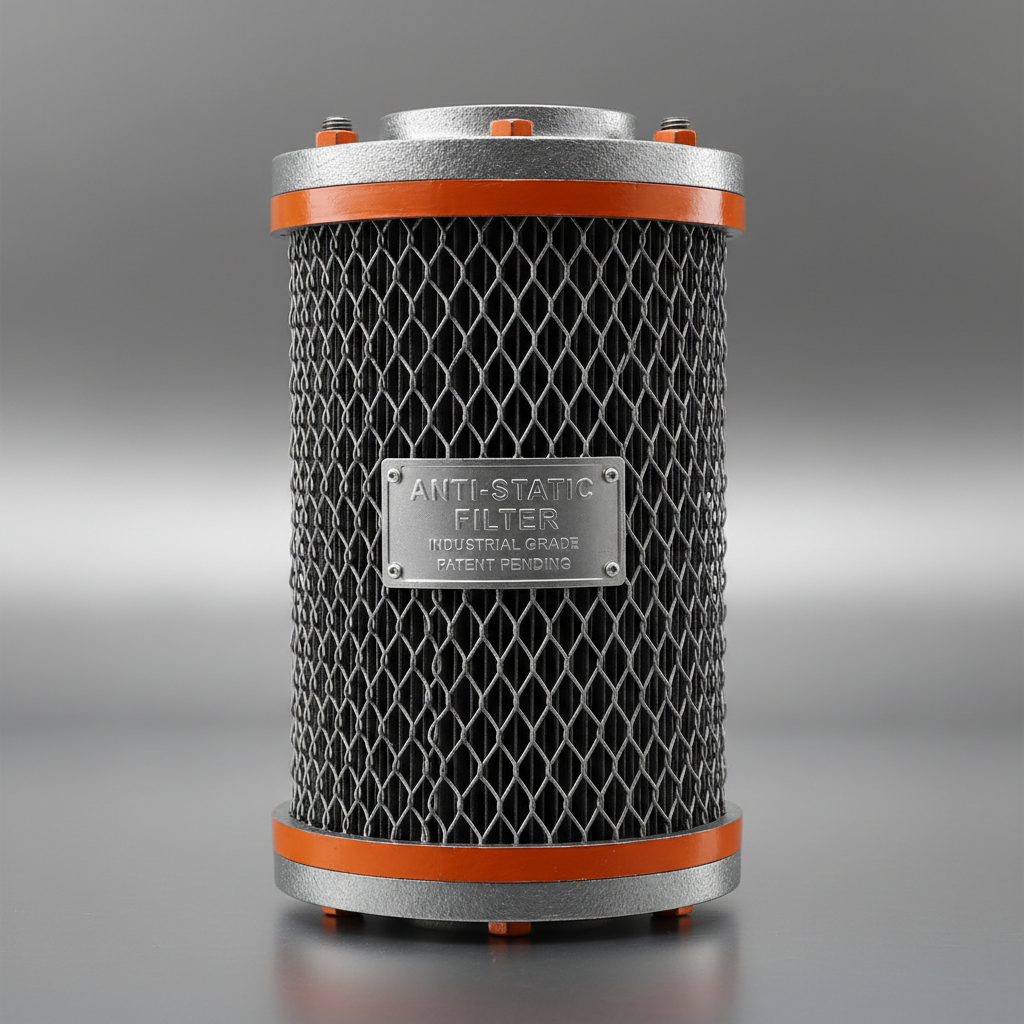
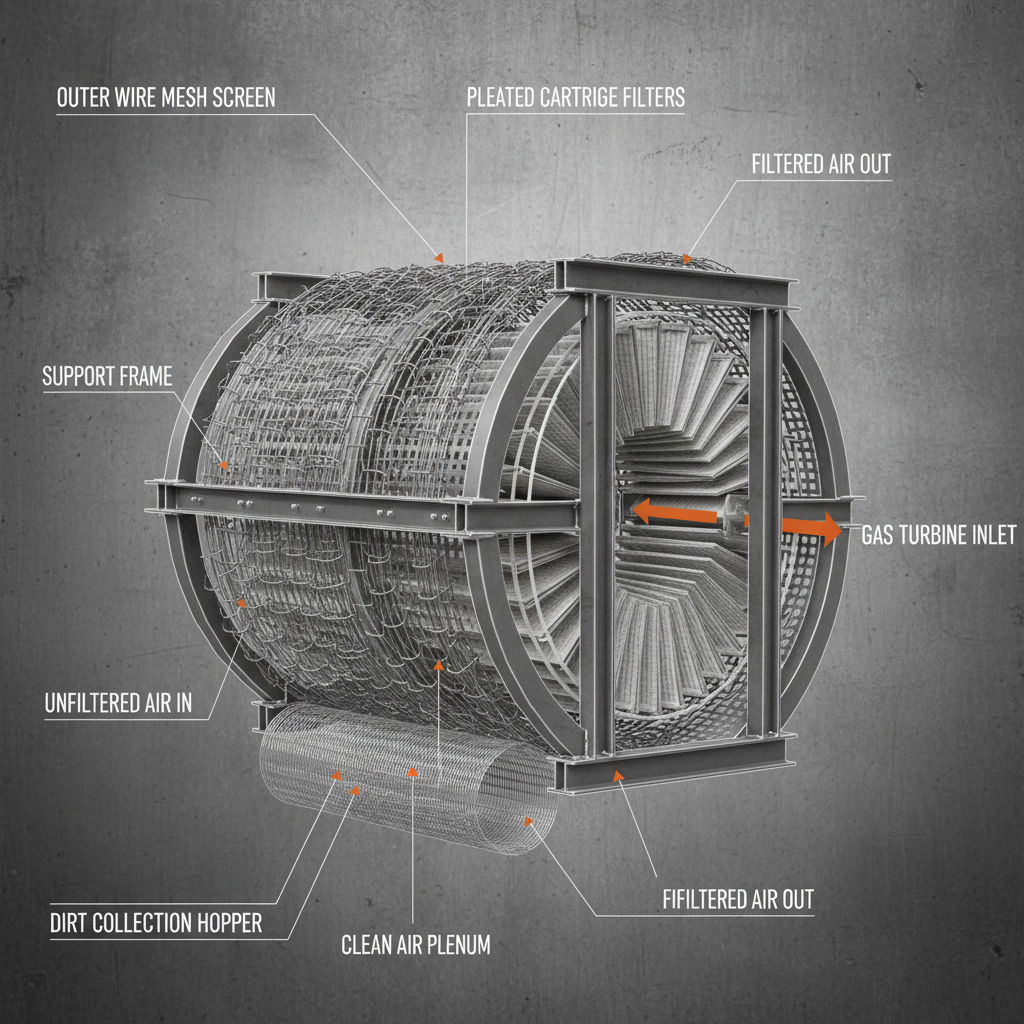
Gas turbine air filters are crucial components in the operation of gas turbines, ensuring clean air intake for efficient combustion and preventing damage to sensitive turbine blades. Their significance extends across multiple industries, including power generation, aviation, oil and gas, and marine applications. The effective functioning of these filters directly impacts turbine performance, reliability, and lifespan, ultimately influencing operational costs and environmental impact. Understanding the nuances of gas turbine air filter technology is paramount for optimizing power plant efficiency and minimizing downtime.
Globally, the demand for reliable and efficient energy sources continues to rise, driving the need for advanced gas turbine technology. According to the International Energy Agency (IEA), gas-fired power generation is projected to remain a significant part of the energy mix for decades to come. This increasing reliance on gas turbines necessitates the consistent use of high-quality air filtration systems. However, challenging environments – from dusty deserts to offshore platforms – pose significant threats to turbine health. A compromised gas turbine air filter can lead to reduced power output, increased fuel consumption, and costly repairs.
The need for optimal filtration isn’t limited to power generation. The aviation industry, relying heavily on gas turbine engines, demands exceptionally high standards of air cleanliness to maintain flight safety and efficiency. Furthermore, the expanding oil and gas sector, often operating in harsh conditions, relies on gas turbines for mechanical drive and power generation, further highlighting the global importance of robust gas turbine air filter solutions.
Introduction to gas turbine air filter
A gas turbine air filter's primary function is to remove particulate matter – dust, pollen, sand, and other contaminants – from the air entering the turbine. This protects the compressor blades from erosion and fouling, maintaining aerodynamic efficiency. Without effective filtration, these contaminants can cause significant performance degradation and costly repairs, leading to substantial operational inefficiencies.
Modern gas turbine air filters employ various technologies, ranging from traditional media filters to advanced electrostatic precipitators and self-cleaning systems. Choosing the right filtration system depends heavily on the specific operating environment and the turbine’s design characteristics, emphasizing the importance of tailored gas turbine air filter solutions.
Defining gas turbine air filter Technology
A gas turbine air filter is a critical component designed to cleanse incoming air before it reaches the compressor section of a gas turbine engine. It's more than simply a barrier; it’s a precisely engineered system that ensures optimal air quality for efficient and reliable turbine operation. Proper filtration prevents abrasive particles from damaging the delicate compressor blades, which are essential for maintaining turbine performance.
The core principle behind these filters is to separate particulate matter from the airstream without significantly restricting airflow. This balance is essential; excessive airflow restriction can reduce turbine output and efficiency. Different filter types achieve this balance through various mechanisms, including inertial separation, diffusion, interception, and electrostatic attraction.
In essence, a gas turbine air filter connects directly to the demands of modern industry and humanitarian needs. Reliable power generation, whether for hospitals, remote communities, or industrial processes, relies on the consistent performance of gas turbines, and that performance hinges on effective air filtration.
Core Characteristics of Effective Filters
Several key factors define the effectiveness of a gas turbine air filter. Efficiency is paramount, referring to the filter’s ability to remove particulate matter of various sizes. This is often quantified by metrics like MERV (Minimum Efficiency Reporting Value) or ISO efficiency grades. Higher efficiency generally equates to better protection for the turbine.
Pressure Drop is another crucial characteristic. As air passes through the filter, it encounters resistance, resulting in a pressure drop. High pressure drop reduces airflow and turbine output. An optimal filter balances high efficiency with minimal pressure drop. Lifespan dictates how long a filter can operate effectively before requiring replacement, impacting maintenance costs. Finally, Durability – the filter's ability to withstand harsh environmental conditions – is vital for long-term reliability.
These characteristics are interwoven. A highly efficient filter might have a higher pressure drop, necessitating more frequent replacements. Conversely, a durable filter may be less efficient but provide a longer operational life. The ideal gas turbine air filter solution depends on a careful evaluation of these trade-offs for a specific application.
Real-World Applications and Use Cases
Gas turbine air filters are indispensable in power generation plants, where they safeguard turbines powering entire cities and industrial facilities. In the aviation industry, they ensure the reliable operation of jet engines, contributing to flight safety and fuel efficiency. The oil and gas sector leverages these filters in remote locations to power equipment and maintain uninterrupted operations.
Consider the demanding conditions of offshore oil platforms. These installations are exposed to saltwater spray, high humidity, and airborne contaminants. Robust gas turbine air filter systems are essential to prevent corrosion and maintain the performance of critical gas turbine generators. Similarly, in desert environments, filters must effectively handle large volumes of sand and dust.
Furthermore, emergency power systems often utilize gas turbines equipped with advanced filtration to provide reliable backup power during grid outages. In post-disaster relief operations, portable gas turbine generators with high-efficiency air filters can quickly restore power to affected areas, demonstrating their versatility and importance in humanitarian efforts.
gas turbine air filter Performance Comparison
Benefits and Long-Term Value Proposition
Investing in high-quality gas turbine air filters yields significant long-term benefits. Reduced maintenance costs are a primary advantage, as fewer filter replacements and less frequent turbine overhauls translate to substantial savings. Enhanced turbine reliability minimizes downtime and ensures consistent power output, crucial for critical operations.
Beyond the economic advantages, effective air filtration contributes to environmental sustainability by optimizing combustion efficiency and reducing emissions. Improved turbine performance also leads to lower fuel consumption, further minimizing the environmental footprint. A robust gas turbine air filter solution is, therefore, a responsible investment.
Emerging Trends and Innovations
The field of gas turbine air filtration is constantly evolving, driven by demands for greater efficiency and sustainability. Nanomaterial-based filters are emerging, offering superior filtration capabilities and extended lifespan. Self-cleaning filter systems, employing technologies like pulsed jet cleaning or electrostatic precipitation, are gaining traction, reducing maintenance requirements and operational costs.
Digitalization also plays a role, with advanced sensor technologies and predictive maintenance algorithms being integrated into filter systems. This allows operators to monitor filter performance in real-time, anticipate replacements, and optimize maintenance schedules, maximizing turbine uptime and efficiency.
Challenges and Future Solutions
One of the main challenges facing gas turbine air filtration is dealing with increasingly harsh operating environments and diverse contaminant types. Traditional filters may struggle to effectively remove ultra-fine particles or cope with high humidity and corrosive substances. The need for filters that can perform reliably under extreme conditions remains a key area of development.
Another challenge is balancing efficiency and pressure drop. Higher efficiency often comes at the cost of increased resistance to airflow. Future solutions will likely focus on developing innovative filter designs and materials that minimize pressure drop without compromising filtration effectiveness. Furthermore, integrating advanced monitoring and control systems can help optimize filter performance and extend their lifespan.
The future of gas turbine air filter technology hinges on continuous innovation, addressing these challenges with a combination of advanced materials, intelligent systems, and proactive maintenance strategies.
Summary of Key Factors Affecting gas turbine air filter Performance
| Environmental Conditions |
Filter Material |
Maintenance Schedule |
Turbine Type/Sensitivity |
| Desert/High Dust |
Polyester Blend |
Monthly Inspection/Replacement |
Heavy-Duty Industrial Turbine (5/10 Sensitivity) |
| Offshore/Salt Spray |
Corrosion-Resistant Synthetic |
Bi-Annual Inspection/Replacement |
Aeroderivative Turbine (7/10 Sensitivity) |
| Moderate Climate/Low Dust |
Standard Cellulose |
Quarterly Inspection/Replacement |
Simple Cycle Turbine (3/10 Sensitivity) |
| High Humidity/Pollution |
Multi-Layered Media |
Weekly Inspection/Proactive Replacement |
Combined Cycle Turbine (6/10 Sensitivity) |
| Arctic/Extreme Cold |
Cold-Resistant Fibers |
Seasonal Inspection/Replacement |
Remote Power Generation Turbine (4/10 Sensitivity) |
| Industrial/Urban Areas |
Activated Carbon/HEPA Blend |
Monthly Inspection/Automated Cleaning |
Critical Infrastructure Turbine (8/10 Sensitivity) |
FAQS
The lifespan of a gas turbine air filter varies significantly based on operating conditions, contaminant levels, and filter type. Generally, filters can last anywhere from a few hundred to several thousand hours of operation. Regular monitoring of pressure drop and visual inspection are key to determining when replacement is necessary. Proactive replacement prevents performance degradation and potential turbine damage.
Higher filter efficiency directly translates to improved turbine performance. By removing more particulate matter, it maintains compressor blade cleanliness, preserving aerodynamic efficiency and reducing fuel consumption. Less contamination also extends the time between turbine overhauls, minimizing downtime and maintenance costs. A compromised filter leads to reduced power output and increased operating expenses.
Common types include media filters (using woven or non-woven materials), inertial separators (using centrifugal force), electrostatic precipitators (using electrical charges), and self-cleaning filters (employing automated cleaning mechanisms). The best choice depends on the specific application and the level of contamination. Hybrid systems combining multiple technologies are also becoming increasingly popular.
Inspection frequency depends on the operating environment. In dusty or harsh conditions, filters should be inspected monthly, or even weekly. Regular monitoring of pressure drop across the filter is crucial, as a significant increase indicates clogging. Visual inspection for damage or excessive dirt buildup is also essential. Consistent monitoring prevents costly problems.
Pressure drop is a critical indicator of filter loading. As a filter accumulates contaminants, its resistance to airflow increases, resulting in a higher pressure drop. Exceeding the manufacturer’s recommended pressure drop signifies the filter is nearing the end of its useful life and needs replacement. Ignoring this can lead to reduced turbine performance and increased fuel consumption.
No, using an incorrect air filter can severely damage your gas turbine. Gas turbines have specific filtration requirements based on their design and operating environment. Utilizing a filter with insufficient efficiency or excessive pressure drop can lead to reduced performance, increased fuel consumption, and potential turbine failure. Always consult the turbine manufacturer’s specifications for the correct filter type.
Conclusion
In conclusion, gas turbine air filters are essential components for maintaining the efficiency, reliability, and longevity of gas turbine systems across a wide range of industries. Their effective functioning contributes to significant cost savings, environmental sustainability, and operational safety. Understanding the core characteristics of effective filters, emerging trends, and potential challenges is paramount for optimal performance.
Investing in high-quality filtration solutions and adopting proactive maintenance strategies are crucial for maximizing the value of gas turbine assets. As technology continues to evolve, embracing innovative filter designs and digitalization will pave the way for even greater efficiency and resilience. For advanced gas turbine air filter solutions and expert guidance, visit our website: www.onlyfiltercartridge.com.

 Email:admin@only-filter.com
 Tel:
+8615930870079
Tel:
+8615930870079