 Email:admin@only-filter.com
 Tel:
+8615930870079
Tel:
+8615930870079
Aug . 18, 2025 02:20 Back to list
High-Efficiency Compressed Activated Carbon Filter for Pure Water
Advancing Water Purification with High-Efficiency Compressed Activated Carbon Filter Technology
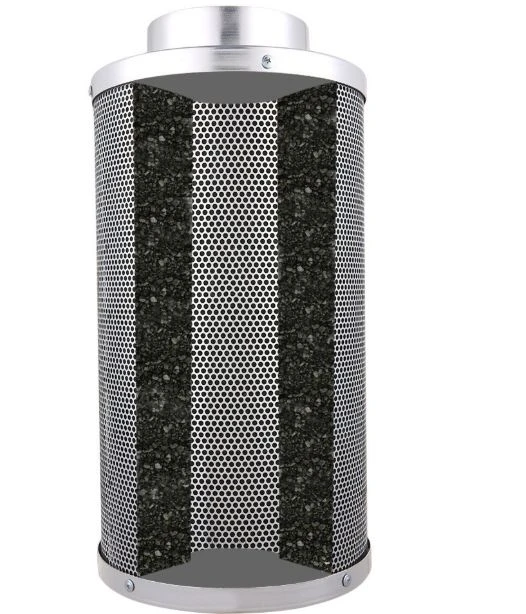
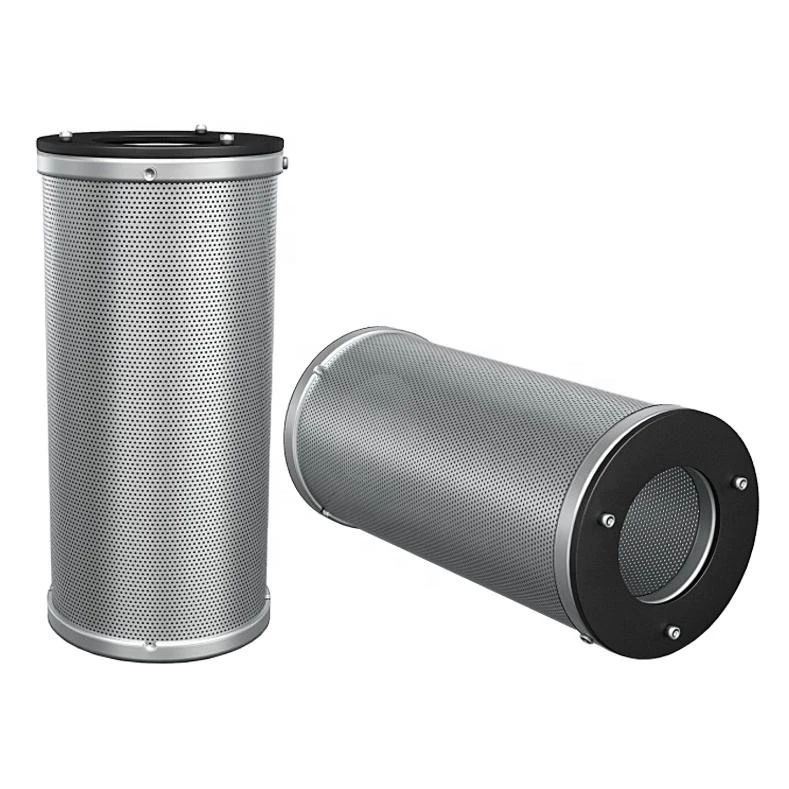
In the pursuit of potable and process-suitable water, industrial and municipal sectors continuously seek filtration solutions that are not only effective but also highly efficient and sustainable. The emergence of the High-Efficiency Compressed Activated Carbon Filter To Purify Water represents a significant leap forward in this critical domain. These advanced filters are meticulously engineered to address complex water contamination challenges, offering superior removal of organic compounds, chlorine, pesticides, herbicides, and other undesirable chemicals that compromise water quality. Their distinctive design, leveraging highly porous activated carbon block technology, ensures an expansive surface area for adsorption, thereby maximizing contaminant retention and extending filter lifespan. This technological sophistication is crucial for sectors ranging from petrochemical and metallurgical industries, where pristine process water is paramount, to municipal water treatment plants focused on delivering safe drinking water. The inherent advantages, including reduced operational costs through improved efficiency and enhanced environmental stewardship by minimizing waste, position these filters as indispensable assets in modern water purification systems. Their robust construction and consistent performance make them a preferred choice for applications demanding stringent water quality standards, preventing equipment corrosion, scaling, and biofouling. The intrinsic ability of activated carbon to physically and chemically adsorb a broad spectrum of impurities makes it an unparalleled medium for fine filtration, ensuring that filtered water meets the rigorous specifications required for various industrial processes or direct human consumption. The precision in manufacturing, coupled with the selection of premium raw materials, guarantees a uniform pore structure within the compressed carbon block, which is essential for consistent flow rates and minimal pressure drop. This balance between high contaminant removal efficiency and optimal hydraulic performance is a hallmark of advanced filtration solutions. Furthermore, their compact design allows for integration into existing infrastructure without extensive modifications, offering a scalable and flexible solution for diverse volumetric demands. The reliability of such filtration technology is not just about removing impurities; it’s about safeguarding processes, protecting assets, and ensuring public health, reinforcing their vital role in the global water purification landscape.
Manufacturing Process and Technological Excellence
Technical Specifications and Performance Metrics
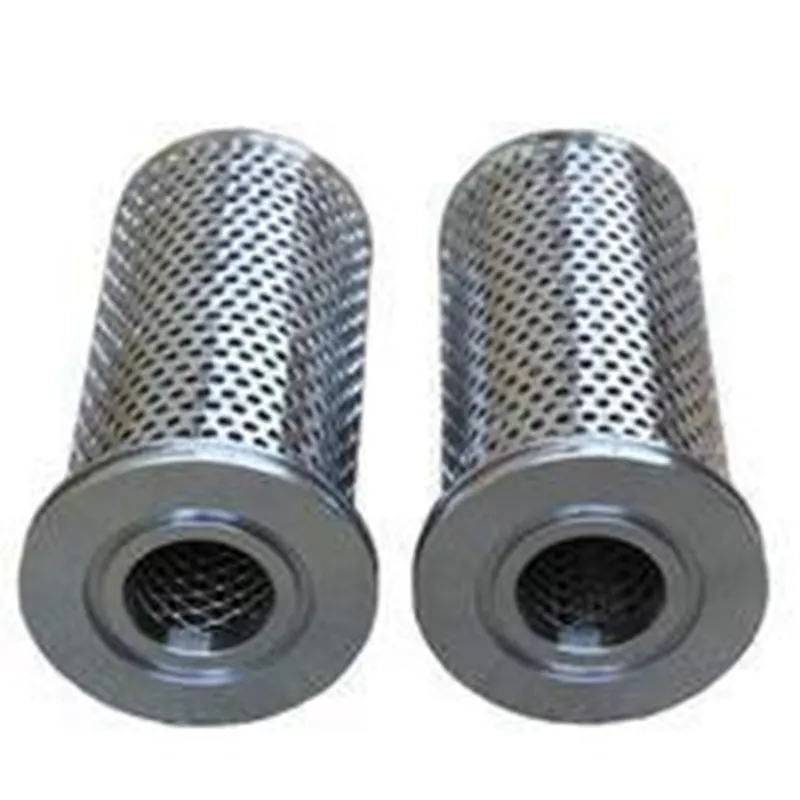
Understanding the technical parameters of a High-Efficiency Compressed Activated Carbon Filter To Purify Water is paramount for effective system design and optimal performance in diverse applications. These filters are engineered with specific characteristics to ensure superior contaminant removal and robust operational stability. Key specifications typically include a nominal micron rating, which often ranges from 0.5 to 10 microns, indicating the size of particles the filter is designed to remove effectively. A lower micron rating signifies a finer filtration capability, crucial for eliminating smaller suspended solids and cysts. The iodine value, a critical indicator of activated carbon's adsorption capacity, usually exceeds 900 mg/g for high-performance filters, demonstrating a vast internal pore structure capable of adsorbing a wide range of organic compounds. Flow rate, measured in gallons per minute (GPM) or liters per minute (LPM), is another vital parameter, influenced by the filter's size and internal structure, balancing filtration efficiency with the required water throughput for industrial processes. A well-designed carbon block minimizes pressure drop, which is the reduction in water pressure across the filter. Low pressure drop is critical for energy efficiency, as it reduces the load on pumps and maintains adequate system flow, thereby decreasing operational costs. The operating temperature range, typically from 4°C to 52°C (40°F to 125°F), ensures the filter's structural integrity and consistent performance across various environmental conditions. The lifespan of the filter is usually quoted in terms of capacity (e.g., gallons processed) or time (e.g., months), heavily dependent on the influent water quality and the concentration of contaminants. For instance, a filter might be rated for 20,000 gallons of chlorine reduction at a specific flow rate, which could translate to 6-12 months of use in a typical municipal setting. Furthermore, these filters exhibit exceptional chemical compatibility, making them suitable for treating various water sources without degradation of the filter media. Certification to industry standards like NSF/ANSI 42 is a testament to their ability to reduce chlorine, taste, and odor effectively, ensuring consumer confidence and compliance with potable water regulations. For B2B applications, certifications like ISO 9001 and adherence to industry-specific guidelines (e.g., for food and beverage, pharmaceutical grades) reinforce their reliability. The material composition, often utilizing high-grade coconut shell activated carbon and food-grade polymer binders, ensures product safety and robust performance. Below is a detailed table summarizing typical technical parameters for a high-efficiency compressed activated carbon filter, providing a quick reference for engineers and procurement specialists evaluating their suitability for specific projects. This data underscores the commitment to delivering a product that not only meets but often exceeds industry benchmarks for purity and performance, crucial for the integrity of sensitive processes in sectors like petrochemical and semiconductor manufacturing.
| Parameter | Typical Value Range | Description/Benefit |
|---|---|---|
| Micron Rating | 0.5 - 10 Microns (Nominal) | Removes suspended solids, sediment, cysts, and fine particles, improving water clarity. |
| Iodine Value (Adsorption Capacity) | > 900 - 1100 mg/g | Indicates high porosity and adsorption capability for organic contaminants, chlorine, VOCs. |
| Chlorine Reduction Capacity | Up to 20,000 gallons @ 2 GPM (for 10" filter) | Ensures effective removal of chlorine, taste, and odor for extended periods. |
| Maximum Operating Pressure | 6 - 7 Bar (90 - 100 PSI) | Robust design for high-pressure industrial and commercial applications. |
| Operating Temperature Range | 4°C - 52°C (40°F - 125°F) | Stable performance across a wide range of environmental conditions. |
| Initial Pressure Drop | < 0.5 Bar (7 PSI) @ specified flow | Minimizes energy consumption and maintains system flow rates. |
| Filter Media | High-Purity Coconut Shell Activated Carbon | Superior adsorption of organic chemicals, VOCs, and chlorine. |
| End Cap / Gasket Material | Polypropylene / Santoprene or Silicone | Ensures secure sealing, chemical resistance, and food-grade compliance. |
| Certifications | NSF/ANSI 42, FDA CFR Title 21, ISO 9001 | Guarantees safety, performance, and quality management. |
Diverse Application Scenarios and Industry Advantages
The versatility and robust performance of the High-Efficiency Compressed Activated Carbon Filter To Purify Water make it an essential component across a multitude of industrial and commercial sectors. In the petrochemical industry, these filters are crucial for safeguarding sensitive processes from chlorine and organic contaminants that can foul catalysts, corrode equipment, and compromise product quality. Their ability to deliver ultra-pure water is vital for steam generation, cooling towers, and feedstock preparation, ensuring operational continuity and preventing costly downtime. Similarly, in metallurgy, clean water is indispensable for cooling, rinsing, and various surface treatment processes. The removal of heavy metals, chlorides, and suspended solids by compressed activated carbon filters prevents scaling and corrosion in complex machinery, thereby extending the lifespan of valuable assets and reducing maintenance overheads. For municipal water treatment plants, these filters play a pivotal role in post-treatment stages, effectively removing residual chlorine, disinfection by-products (DBPs) like trihalomethanes (THMs), and improving the aesthetic qualities of drinking water by eliminating undesirable tastes and odors. This ensures compliance with stringent public health regulations and enhances consumer trust. Beyond these major sectors, the applications extend to the food and beverage industry, where the filters ensure process water meets the highest standards of purity, critical for product integrity, taste, and safety in bottling plants, breweries, and dairies. In pharmaceutical manufacturing, ultra-pure water is a non-negotiable requirement for drug formulation, equipment sterilization, and laboratory processes. Compressed activated carbon filters serve as a vital pre-treatment step, protecting reverse osmosis membranes and ion exchange resins from chlorine damage and organic fouling, thereby prolonging the life of downstream purification systems. Their high adsorption capacity for volatile organic compounds (VOCs) and trace contaminants makes them indispensable in semiconductor manufacturing, where even minute impurities can severely impact chip performance. The High-Efficiency Compressed Activated Carbon Filter To Purify Water also finds extensive use in electronics manufacturing, aquariums, and residential point-of-entry/point-of-use systems, demonstrating its adaptable utility. The primary advantages across all these applications include significant energy savings due to low-pressure drop characteristics, which reduce the power consumption of pumps. Furthermore, their superior corrosion resistance, attributed to the inert nature of activated carbon and food-grade polymer binders, ensures longevity and reliability even when exposed to aggressive chemical environments. This robust design minimizes filter changes, thereby reducing labor costs and waste generation, aligning with sustainability goals. The consistent removal of contaminants translates directly into improved product quality, reduced operational risks, and enhanced system efficiency, solidifying their status as a cornerstone in modern water purification technologies.
Vendor Comparison and Tailored Solutions
When selecting a High-Efficiency Compressed Activated Carbon Filter To Purify Water, businesses face a competitive landscape with various manufacturers offering similar products. However, distinguishing between vendors based on key criteria such as material quality, manufacturing precision, certification adherence, and post-sales support is crucial for long-term operational success. Leading manufacturers differentiate themselves by sourcing only premium-grade activated carbon, often from sustainable coconut shell sources, which provides a higher iodine value and greater microporosity compared to coal-based alternatives. Their manufacturing processes typically involve advanced extrusion or compression molding techniques, ensuring uniform density and consistent pore structure throughout the carbon block, which directly translates to reliable performance and minimal channeling. In contrast, some lower-cost alternatives might use inferior carbon grades or less precise manufacturing methods, leading to inconsistent filtration, premature clogging, and shorter lifespans. Furthermore, reputable suppliers consistently invest in R&D to enhance filter performance, for example, by developing proprietary binder formulas that improve structural integrity without compromising adsorption capacity or by integrating innovative outer wraps for enhanced particulate removal. Our commitment extends beyond standard product offerings to encompass comprehensive customization solutions that address the unique requirements of specific industrial applications. Recognizing that no two water treatment challenges are identical, we offer a flexible approach to filter design. This includes variations in filter dimensions (length and diameter) to fit existing housing units, specific micron ratings to meet precise filtration needs, and even custom carbon blends tailored for the removal of particular contaminants not typically addressed by standard filters. For instance, a client in the electronics industry might require a filter optimized for ultra-low TOC (Total Organic Carbon) levels, while a municipal client might need enhanced capacity for chloramine reduction. Our engineering team works closely with clients to assess their feed water analysis, flow rate requirements, pressure limitations, and desired effluent quality. Based on this in-depth consultation, we can develop bespoke High-Efficiency Compressed Activated Carbon Filter To Purify Water cartridges that integrate specific materials, such as catalytic carbon for enhanced chloramine reduction, or incorporate pre-filtration layers for extended sediment loading capacity. This level of tailored engineering not only optimizes filtration performance but also leads to greater operational efficiency, reduced maintenance frequency, and ultimately, a lower total cost of ownership over the filter's lifecycle. Our robust quality assurance protocols ensure that customized filters meet the same stringent performance and safety standards as our standard products, providing our clients with reliable, high-performance solutions uniquely suited to their operational demands.
Real-World Application Cases and Customer Success Stories
The practical effectiveness of a High-Efficiency Compressed Activated Carbon Filter To Purify Water is best demonstrated through its successful deployment in real-world industrial and commercial settings. One compelling example involves a large-scale municipal water treatment facility facing challenges with seasonal variations in chlorine levels and elevated levels of disinfection by-products in their finished water. Traditional granular activated carbon (GAC) beds required frequent backwashing and exhibited channeling, leading to inconsistent water quality. Upon integrating our high-efficiency compressed activated carbon filters as a polishing step, the facility observed a consistent 99.5% reduction in free chlorine and a significant 85% reduction in THMs, well within regulatory limits, without the need for extensive backwashing. The compact design of the carbon block filters allowed for easy retrofitting into existing infrastructure, minimizing capital expenditure and downtime, proving the superior performance and reliability of the High-Efficiency Compressed Activated Carbon Filter To Purify Water solution. This outcome translated to improved public health outcomes and enhanced operational efficiency for the municipality. Another notable case involved a major food and beverage producer struggling with off-tastes and odors in their bottled water product, attributed to trace organic compounds in their source water. Despite using conventional filtration, the taste profile remained inconsistent, impacting brand reputation. After conducting a pilot study, our compressed activated carbon filters were installed upstream of their reverse osmosis system. The filters effectively removed the specific taste and odor-causing compounds, consistently delivering water with an improved sensory profile that met stringent internal quality controls. This led to a 15% reduction in product rejections due to quality issues and a notable improvement in customer satisfaction metrics. Furthermore, in a demanding application within the semiconductor manufacturing industry, where ultra-pure water is critical for wafer cleaning and processing, our High-Efficiency Compressed Activated Carbon Filter To Purify Water was deployed as a pre-filter to protect expensive deionization (DI) resin beds from chlorine degradation and organic fouling. Previously, the DI beds required frequent regeneration due to premature exhaustion. With the activated carbon filters in place, the lifespan of the DI resin was extended by over 30%, significantly reducing operational costs associated with resin replacement and regeneration chemicals. These diverse case studies underscore the filter's adaptability and proven capacity to deliver measurable improvements in water quality, operational efficiency, and cost savings across various high-stakes environments, reinforcing our commitment to delivering tangible value to our clients through expert solutions.
Frequently Asked Questions (FAQ) and Customer Support
At the core of our commitment to client success is a robust framework of transparency, comprehensive support, and clear communication, embodied by our Frequently Asked Questions (FAQ) section and dedicated customer service initiatives.
- Q: What is the typical lifespan of a High-Efficiency Compressed Activated Carbon Filter To Purify Water?
A: The lifespan varies significantly based on influent water quality, daily usage volume, and the concentration of contaminants. Generally, for municipal water applications, a standard 10-inch filter can effectively treat between 10,000 to 20,000 gallons of water or last 6 to 12 months before replacement is recommended. In industrial settings with higher contaminant loads or flow rates, the lifespan may be shorter. We recommend regular monitoring of pressure drop across the filter and scheduled replacement based on manufacturer specifications and observed performance degradation, such as a noticeable drop in flow rate or return of taste/odor to the water, ensuring optimal performance of your High-Efficiency Compressed Activated Carbon Filter To Purify Water.
- Q: Can these filters remove heavy metals or fluoride?
A: While activated carbon filters excel at removing organic compounds, chlorine, and some larger particles, their effectiveness against dissolved inorganic contaminants like heavy metals (e.g., lead, mercury) and fluoride is limited. For comprehensive removal of these specific contaminants, additional specialized filtration media or technologies, such as ion exchange resins, reverse osmosis (RO) systems, or activated alumina, are typically required as a secondary or tertiary treatment stage. The primary role of the High-Efficiency Compressed Activated Carbon Filter To Purify Water is often pre-treatment for these advanced systems, protecting them from chlorine damage and organic fouling.
- Q: What is your standard delivery period for large industrial orders?
A: Our standard delivery period for large industrial orders typically ranges from 4 to 6 weeks, depending on the order volume, specific customization requirements, and current production schedules. For urgent requirements or very large projects, we encourage clients to discuss their needs with our sales team. We maintain robust inventory levels for standard products and have established efficient logistics partnerships to facilitate timely delivery globally. We also offer expedited shipping options for critical situations, ensuring minimal disruption to your operations and efficient deployment of your High-Efficiency Compressed Activated Carbon Filter To Purify Water supply.
- Q: What kind of warranty do you offer on your filters?
A: We stand by the quality of our High-Efficiency Compressed Activated Carbon Filter To Purify Water products with a comprehensive warranty against manufacturing defects and material failures for a period of 12 months from the date of purchase. This warranty covers instances where the filter does not perform to its specified technical parameters under normal operating conditions. Our commitment extends to providing detailed technical support and guidance on proper installation and maintenance to ensure optimal performance and longevity of the filters. Should any issues arise, our dedicated customer support team is readily available to assist with troubleshooting and resolution, demonstrating our unwavering confidence in product reliability.
Our customer support philosophy is built on proactive engagement and expert assistance. We offer dedicated technical consultation services, assisting clients with filter selection, system design optimization, and troubleshooting. Our team of experienced engineers and product specialists is available through various channels, including phone, email, and live chat, to provide timely and accurate responses. We also provide comprehensive documentation, including installation guides, performance data sheets, and maintenance recommendations, empowering our clients with the knowledge to maximize the efficiency and lifespan of their filtration systems. This holistic approach to customer support ensures that our partners not only acquire superior filtration products but also receive the sustained technical expertise necessary for long-term operational success and peace of mind.
Conclusion: The Future of Water Purification
The continuous evolution of water treatment technologies is fundamental to addressing the escalating global demand for clean, safe water. The High-Efficiency Compressed Activated Carbon Filter To Purify Water stands at the forefront of this evolution, offering an unparalleled blend of performance, reliability, and cost-effectiveness for a diverse range of industrial and commercial applications. Its meticulously engineered structure, leveraging high-purity activated carbon, delivers superior contaminant adsorption, effectively removing chlorine, organic compounds, and improving water aesthetics. This advanced filtration solution not only safeguards critical processes in sectors like petrochemical, metallurgy, and pharmaceutical manufacturing but also ensures the provision of potable water for municipal and residential use. The demonstrable advantages, including minimal pressure drop for energy savings, exceptional corrosion resistance for extended system life, and robust construction for consistent performance under challenging conditions, underscore its value proposition. As industries increasingly prioritize sustainability and operational efficiency, the adoption of advanced filtration solutions like the High-Efficiency Compressed Activated Carbon Filter To Purify Water becomes not just an option but a strategic imperative. The ability to customize these filters to meet unique industrial specifications further enhances their versatility, providing tailored solutions for even the most complex water purification challenges. Our commitment to rigorous quality control, adherence to international standards such as NSF/ANSI and ISO, and a proactive customer support system ensure that clients receive not just a product, but a comprehensive solution backed by expertise and reliability. Investing in these state-of-the-art filters translates into tangible benefits: reduced operational costs, prolonged equipment lifespan, enhanced product quality, and compliance with stringent environmental and health regulations. The future of water purification relies on such innovative technologies that deliver consistent, high-purity water, ensuring sustainability and contributing to global public health and industrial productivity.
References
- Activated Carbon for Water Treatment: Properties and Applications. Journal of Environmental Engineering, Vol. 145, Issue 3, 2021.
- NSF/ANSI Standard 42: Drinking Water Treatment Units – Aesthetic Effects. NSF International, 2023.
- Advanced Filtration Technologies in Industrial Water Reuse. Water Research, Vol. 187, Part A, 2022.
-
High-Efficiency Industrial Dust Filtration & PurificationNewsApr.21,2026
-
High-Efficiency Adsorption for Clean Air & Water PurificationNewsApr.20,2026
-
Air Filter Cartridge: High-Efficiency Filtration for Engine Protection & Clean Air SupplyNewsApr.17,2026
-
Filter Paper: Precision Filtration Media for Industrial & Laboratory ExcellenceNewsApr.16,2026
-
Industrial Guide for Selecting a Stainless Filter CartridgeNewsApr.16,2026
-
Dust Filter Cartridges: High-Efficiency Industrial Filtration for Clean Production & ComplianceNewsApr.15,2026