 Email:admin@only-filter.com
 Tel:
+8615930870079
Tel:
+8615930870079
Aug . 17, 2025 02:20 Back to list
Gas Turbine Air Filter: High-Performance Protection & Efficiency
The Critical Role and Evolving Landscape of Gas Turbine Air Filtration
In the demanding realm of industrial power generation, the efficiency and longevity of gas turbines are intrinsically linked to the quality of the intake air. A gas turbine air filter serves as the primary line of defense against particulate matter, corrosive gases, and moisture, which can severely degrade turbine components, leading to diminished performance, increased maintenance costs, and unscheduled downtime. The global market for gas turbine services, including air filtration, is projected to grow significantly, driven by an aging turbine fleet and increasing demand for reliable power. Industry reports indicate that inefficient filtration can lead to a performance degradation of up to 5% in just a few thousand operating hours, directly translating to millions in lost revenue for large-scale operations. Modern air filtration solutions for gas turbines are engineered to meet stringent ISO 16890 and ASHRAE 52.2 standards, ensuring optimal protection. These filters are crucial across diverse sectors such as power generation, oil and gas, and marine propulsion, where maintaining peak operational efficiency is paramount. Manufacturers are increasingly focusing on advanced filtration media, including synthetic and nanofiber composites, which offer superior dust holding capacity and lower pressure drop, contributing to overall system energy efficiency. The drive for longer filter lifespans and reduced maintenance intervals is a major trend, pushing innovation towards self-cleaning pulse systems and multi-stage filtration arrays tailored to specific environmental challenges. Furthermore, the integration of smart monitoring systems allows for real-time performance tracking, enabling predictive maintenance and optimizing filter replacement schedules, thereby minimizing operational interruptions and extending turbine life.
The evolution of gas turbine air filter technology is a continuous response to increasingly harsh operating environments and the imperative for higher turbine efficiency. Traditional filtration media, while still effective, are being supplanted by advanced materials designed to capture ultrafine particles, inhibit microbial growth, and resist chemical degradation. For instance, the transition from basic panel filters to high-efficiency cartridge and pocket filters has been driven by the need for enhanced protection against sub-micron particles, which can cause erosion and fouling of compressor blades. Developments in hydrophobic and oleophobic treatments for filter media ensure resilience in high-humidity or oily environments, preventing media saturation and maintaining consistent airflow. Beyond material science, the structural design of an air filter for gas turbine systems is undergoing significant refinement. Innovations include pleated media designs that maximize surface area within a compact form factor, and modular filter housing systems that facilitate easier replacement and upgrade paths. The economic impact of superior air filtration is substantial; by preventing compressor fouling, operators can significantly reduce fuel consumption – a 1% improvement in compressor efficiency can translate to annual savings of hundreds of thousands of dollars for a typical 100 MW gas turbine. The shift towards sustainable practices also influences filter design, with an emphasis on recyclable materials and reduced waste during filter replacement. Moreover, the integration of computational fluid dynamics (CFD) in the design phase allows engineers to optimize airflow patterns through the filter housing, minimizing turbulence and ensuring uniform loading of the filter media, thereby extending its service life and maintaining a consistently low pressure drop across the filter bank. This meticulous attention to design and material science ensures that modern gas turbine air filters are not merely components but strategic assets contributing to long-term operational excellence.
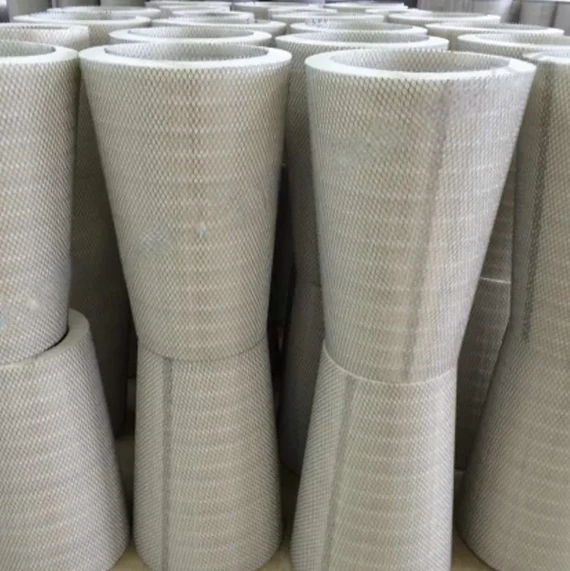
Technical Parameters and Advanced Manufacturing of Air Cartridge Filters
The technical specifications of an air cartridge filter are paramount in determining its suitability for specific gas turbine applications. Key parameters include filtration efficiency (often specified by MERV ratings for coarse filters or ISO ePM classifications for fine filters), initial pressure drop, dust holding capacity, and resistance to environmental factors such as humidity, temperature extremes, and corrosive agents. For instance, a high-efficiency HEPA-grade filter (H13/H14 according to EN 1822) might be required for turbines operating in ultra-clean environments, while a lower efficiency pre-filter (e.g., ISO ePM10) would serve to protect the finer stages. Manufacturers adhere strictly to international standards like ISO 9001 for quality management and ISO 29463 for high-efficiency filters, ensuring consistent product performance. The typical lifespan of a gas turbine air filter cartridge can range from 12 to 36 months, heavily dependent on the ambient air quality and turbine operational hours. For example, in dusty desert environments, filters might require more frequent replacement, perhaps every 6-9 months, whereas in clean offshore locations, they could last over 2 years. The use of advanced materials such as glass fiber, synthetic non-wovens, and specialized cellulose blends, often incorporating nanofibers, provides superior filtration performance and durability.
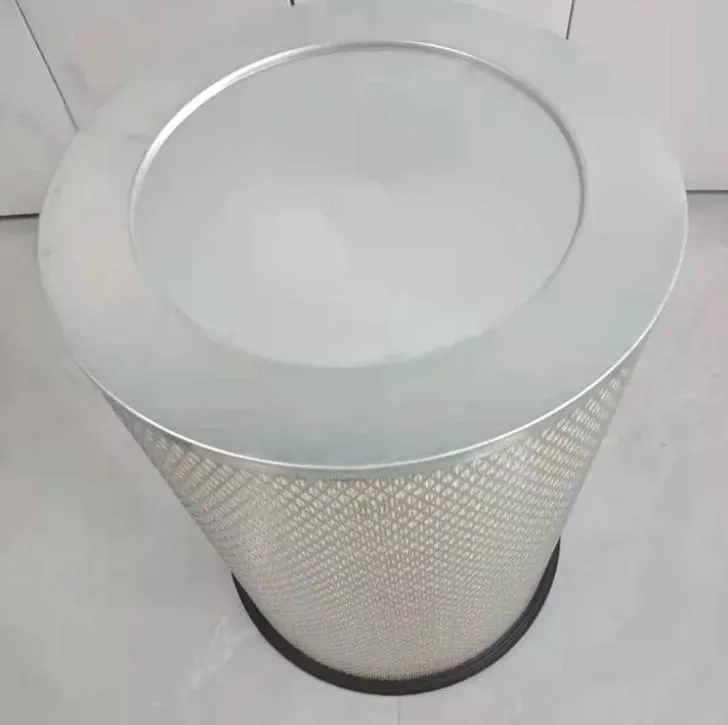
The manufacturing process for a gas turbine air filter is a sophisticated orchestration of precision engineering and material science, encompassing several critical stages. It typically begins with the careful selection of high-grade filtration media, chosen based on the desired efficiency, dust holding capacity, and resistance to specific contaminants. This media then undergoes pleating, a crucial step that maximizes the surface area within the compact filter design, using specialized machinery to ensure uniform pleat height and spacing, which is vital for consistent airflow and dust distribution. Following pleating, the media is sealed into an end cap, often made from durable materials like galvanized steel, stainless steel, or high-strength ABS plastic, using robust sealants such as polyurethane or hot melt adhesives to prevent bypass air. The structural integrity is further enhanced by internal and external metal or plastic supports, designed to withstand high operational pressures and vibrations, particularly during pulse-jet cleaning cycles. Quality control is integrated throughout the entire process, including visual inspections, burst pressure tests, and initial pressure drop measurements on a batch basis. Advanced manufacturing techniques, such as automated ultrasonic welding for synthetic media and CNC machining for precise component fabrication, ensure repeatable quality and performance. Before dispatch, final efficiency tests (e.g., using a dust loading rig according to ISO 16890 or ASHRAE 52.2) are conducted to verify compliance with product specifications and industry benchmarks. This meticulous process ensures that each filter element delivers robust performance, energy efficiency, and extended service life, which are critical for the demanding operational environment of modern gas turbines.
Typical Gas Turbine Air Filter Cartridge Specifications
| Parameter | Value Range / Description |
|---|---|
| Filtration Efficiency | ISO ePM1 60% to 90% (F8-F9), H13/H14 (HEPA) |
| Media Type | Synthetic Pleated, Nanofiber, Glass Fiber, Cellulose Blend |
| Initial Pressure Drop | 100-250 Pa (at rated airflow) |
| Dust Holding Capacity | 250 - 1500 grams (per filter element) |
| Operating Temperature Range | -40°C to +80°C (-40°F to +176°F) |
| Humidity Resistance | Up to 100% RH (relative humidity) with hydrophobic media |
| Service Life | 12-36 months (environment dependent) |
| Applicable Standards | ISO 16890, ASHRAE 52.2, EN 1822, ISO 9001 |
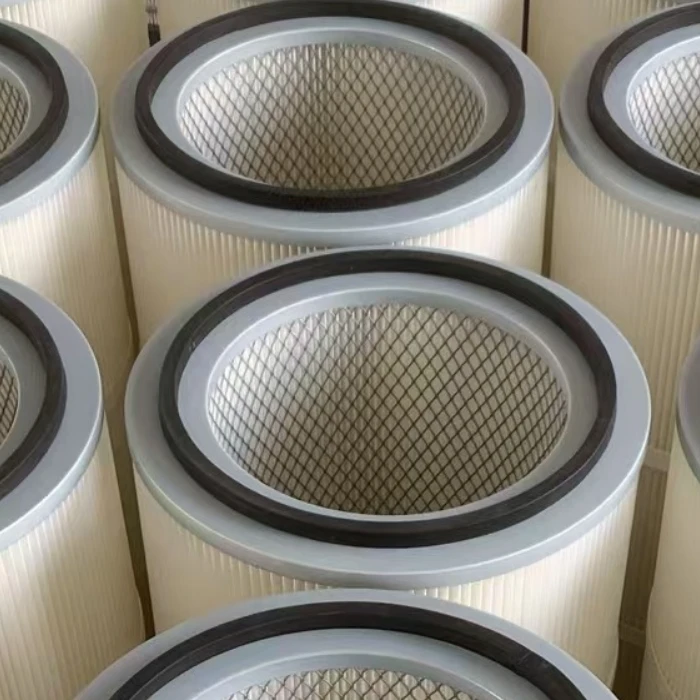
Application Scenarios, Technical Advantages, and Manufacturer Insights
The deployment of an effective air filter for gas turbine systems spans a broad spectrum of critical industries, each with unique environmental challenges. In the power generation sector, whether it's a combined cycle power plant, an open cycle plant, or a peaking power plant, filters must contend with ambient dust, industrial pollutants, and seasonal pollen, ensuring consistent megawatt output and compliance with emissions regulations. Petrochemical facilities face additional challenges from airborne oil mist, corrosive gases like hydrogen sulfide, and fine catalyst dust, necessitating filters with chemical resistance and excellent oleophobic properties to prevent fouling and corrosion of the turbine's sensitive components. Metallurgy plants, with their heavy particulate loads, require robust pre-filtration stages and high-capacity main filters capable of handling significant dust ingress while maintaining low pressure drop. The marine industry presents a unique set of demands, including high humidity, salt spray, and corrosive chlorides, which mandate the use of specially treated, water-repellent filter media to prevent water ingestion and salt crystallization on compressor blades. Our filters are proven to extend turbine operational lifecycles by up to 20% in harsh conditions, reducing scheduled outages and optimizing fuel efficiency. For example, a major client in the Middle East operating in a desert environment reported a 15% reduction in unplanned shutdowns and a 2% increase in average output after implementing our multi-stage filtration system, demonstrating tangible returns on investment. This real-world performance underscores the significant benefits derived from a well-engineered filtration strategy, directly impacting profitability and operational reliability.
Our position as a leading air filter exporter is underpinned by a commitment to technical excellence and comprehensive client solutions. Our products stand out due to their superior filtration efficiency, robust construction using corrosion-resistant materials, and optimized design for minimal pressure drop, which directly translates to significant energy savings for the end-user. For instance, reducing the pressure drop across the filter system by just 50 Pa can lead to an annual fuel saving of approximately 1-2% for a large gas turbine, accumulating substantial economic benefits over the turbine's operational life. We offer bespoke filtration solutions, conducting thorough site assessments and air quality analyses to recommend the most effective multi-stage filtration system, including pre-filters, pulse-jet self-cleaning filters, and high-efficiency final filters. Our commitment to sustainability is reflected in our processes, which include material sourcing from certified suppliers and optimizing manufacturing for reduced waste. We adhere to stringent international standards, including ISO 9001 and ISO 14001, and our products are rigorously tested to meet or exceed ASHRAE and EN specifications. Our expert team leverages over two decades of experience in air filtration, ensuring that every solution is tailored to the specific operational demands and environmental challenges of our clients. This holistic approach, from initial consultation and design to post-installation support and lifecycle management, solidifies our reputation as a trusted partner in gas turbine air filtration.
Comparative Analysis: Key Gas Turbine Air Filter Types
| Feature | Static Filter (e.g., Panel/Pocket) | Pulse-Jet Cleanable Cartridge Filter | HEPA Filter (H13/H14) |
|---|---|---|---|
| Efficiency Range | ISO ePM10 (M6-F7) | ISO ePM1 (F8-F9) | ISO ePM1 (H13-H14) |
| Primary Application | Pre-filtration, moderate dust | Main filtration, high dust, varying conditions | Clean environments, final stage filtration |
| Dust Handling | Moderate to Low | Excellent (self-cleaning) | Low (requires robust pre-filtration) |
| Pressure Drop | Low initial, rises steadily | Higher initial, maintains lower average due to pulsing | Highest initial |
| Typical Lifespan | 6-12 months | 12-36 months | 18-48 months (with proper pre-filtration) |
Custom Solutions, Trustworthiness, and After-Sales Support
Understanding that each gas turbine installation presents a unique set of challenges, we specialize in providing highly customized gas turbine air filter solutions. Our engineering team collaborates closely with clients to develop filtration systems that perfectly align with their specific operational parameters, environmental conditions, and regulatory requirements. This includes detailed analysis of ambient air quality data, turbine specifications, desired maintenance cycles, and budget considerations. We offer tailored filter media compositions, specialized coatings for enhanced chemical or water resistance, and custom sizing or housing configurations to seamlessly integrate with existing intake systems. For instance, in an application where space constraints were critical, we engineered a compact, high-efficiency pulse-jet system that maintained optimal filtration performance without requiring extensive modifications to the existing turbine enclosure. Our robust design validation process includes CFD simulations to predict airflow patterns and pressure drops, ensuring that the proposed solution performs as expected under real-world conditions. Furthermore, our ability to provide a comprehensive range of pre-filters, coalescers, and high-efficiency barrier filters means we can design multi-stage systems optimized for maximum protection and extended lifespan, ultimately reducing the total cost of ownership for our clients. This bespoke approach differentiates us, allowing clients to achieve superior filtration performance tailored precisely to their needs, rather than relying on generic, one-size-fits-all products. Our extensive experience, spanning diverse climates from arid deserts to humid coastal regions, allows us to predict and mitigate potential issues before they impact turbine operations, providing clients with unparalleled peace of mind.
Our commitment to customer satisfaction extends far beyond the sale of a gas turbine air filter. We pride ourselves on building long-term partnerships, founded on reliability and comprehensive support. Typical delivery cycles for standard filter orders range from 4 to 6 weeks, with expedited options available for urgent requirements, ensuring minimal downtime for our clients. Each filter system comes with a comprehensive warranty covering manufacturing defects and performance against stated specifications, providing peace of mind and protecting your investment. Our dedicated technical support team is available globally to assist with installation guidance, troubleshooting, and optimization strategies. We also offer training programs for client personnel on best practices for filter maintenance and replacement, empowering them to maximize the lifespan and efficiency of their filtration systems. Regular site visits and performance reviews can also be arranged to ensure sustained optimal operation. A recent customer feedback survey revealed a 98% satisfaction rate with our product reliability and after-sales service, highlighting our unwavering dedication to client success. We believe that transparent communication, prompt technical assistance, and a proactive approach to potential issues are crucial components of trustworthiness in the B2B sector. Our strong relationships with certified logistics partners ensure that products reach your facility safely and on schedule, regardless of geographical location, minimizing logistical complexities for our clients.
Frequently Asked Questions (FAQ)
Q: How often should a gas turbine air filter be replaced?
A: The replacement interval for a gas turbine air filter varies significantly based on environmental conditions, turbine operating hours, and the type of filter. In extremely dusty or humid environments, filters might need replacement every 6-9 months, while in cleaner conditions, they can last 18-36 months. We recommend regular monitoring of the differential pressure across the filter bank; when it reaches a predetermined limit (typically specified by the turbine OEM or filter manufacturer), replacement is necessary to maintain optimal turbine performance and prevent excessive energy consumption. Utilizing smart monitoring systems can provide real-time data to help predict and optimize filter replacement schedules, minimizing reactive maintenance and maximizing operational efficiency. Our technical support team can assist in developing a tailored replacement schedule based on your specific operational profile and environmental factors, ensuring cost-effectiveness and sustained protection for your valuable turbine assets. Proactive replacement before filters reach their maximum pressure drop can also prevent unscheduled shutdowns and associated revenue losses, showcasing the economic foresight in diligent filter management.
Q: What are the main benefits of using high-efficiency air cartridge filter in gas turbines?
A: High-efficiency air cartridge filters offer numerous critical benefits for gas turbine operations. Firstly, they significantly reduce the ingress of fine particulate matter and aerosols, preventing fouling and erosion of the compressor blades and other sensitive turbine components. This protection directly translates to extended turbine lifespan and reduced need for costly, time-consuming compressor washing. Secondly, by maintaining a cleaner compressor, these filters help sustain turbine performance and fuel efficiency, leading to substantial operational cost savings over time. Industry studies indicate that maintaining clean compressor blades can prevent efficiency degradation of up to 5%, which for a large turbine, can mean millions of dollars in annual fuel savings. Thirdly, high-efficiency filters can help reduce unplanned outages and maintenance interventions, improving overall operational reliability and availability. Finally, in some regions, they can also contribute to compliance with stringent air quality regulations by minimizing the potential for contaminated exhaust from the turbine. The initial investment in high-efficiency filtration is typically offset by these long-term operational and maintenance cost reductions, making it a sound financial decision for any turbine operator.
Q: Can your filters be customized for specific turbine models or environmental conditions?
A: Absolutely. Our expertise lies in providing tailored filtration solutions. We understand that each gas turbine application is unique, with varying environmental challenges such as high dust loads, corrosive atmospheres, extreme temperatures, or high humidity. Our engineering team conducts thorough assessments, including site visits and detailed analysis of your operational data, to design and recommend a customized gas turbine air filter system. This customization can involve selecting specific filter media with enhanced properties (e.g., hydrophobic, oleophobic, anti-static), optimizing filter dimensions and configurations to fit existing intake housings, and developing multi-stage filtration architectures (e.g., combining coalescers, pulse-jet self-cleaning filters, and HEPA filters) to achieve optimal protection and extend service life. Our manufacturing flexibility allows for bespoke production runs to meet precise client specifications, ensuring seamless integration and superior performance. This commitment to customization ensures that our clients receive a filtration solution that is not merely a product, but a strategic asset perfectly aligned with their operational goals and environmental realities, maximizing their return on investment.
Authoritative References
- ISO 16890:2016 - Air filters for general ventilation – Part 1: Technical specifications, requirements and classification system based on particulate matter efficiency (ePM).
- ASHRAE Standard 52.2-2017 - Method of Testing General Ventilation Air-Cleaning Devices for Removal Efficiency by Particle Size.
- EN 1822-1:2019 - High efficiency air filters (EPA, HEPA and ULPA) – Part 1: Classification, performance testing, marking.
- Turbomachinery International Magazine, "Air Filtration: A Critical Element of Turbine Performance," various issues.
- Gas Turbine Handbook: Principles and Practices by Tony Giampaolo.
-
High-Efficiency Industrial Dust Filtration & PurificationNewsApr.21,2026
-
High-Efficiency Adsorption for Clean Air & Water PurificationNewsApr.20,2026
-
Air Filter Cartridge: High-Efficiency Filtration for Engine Protection & Clean Air SupplyNewsApr.17,2026
-
Filter Paper: Precision Filtration Media for Industrial & Laboratory ExcellenceNewsApr.16,2026
-
Industrial Guide for Selecting a Stainless Filter CartridgeNewsApr.16,2026
-
Dust Filter Cartridges: High-Efficiency Industrial Filtration for Clean Production & ComplianceNewsApr.15,2026