
ONLY Technology (hebei Province) Co., Ltd.
 Email:admin@only-filter.com
 Tel:
+8615930870079
Tel:
+8615930870079
Nov . 12, 2025 23:30 Back to list
Durable Industrial Filter Cartridges for Dust Collection Systems
Why пылавы картрыдж Remains Essential in Dust Filtration
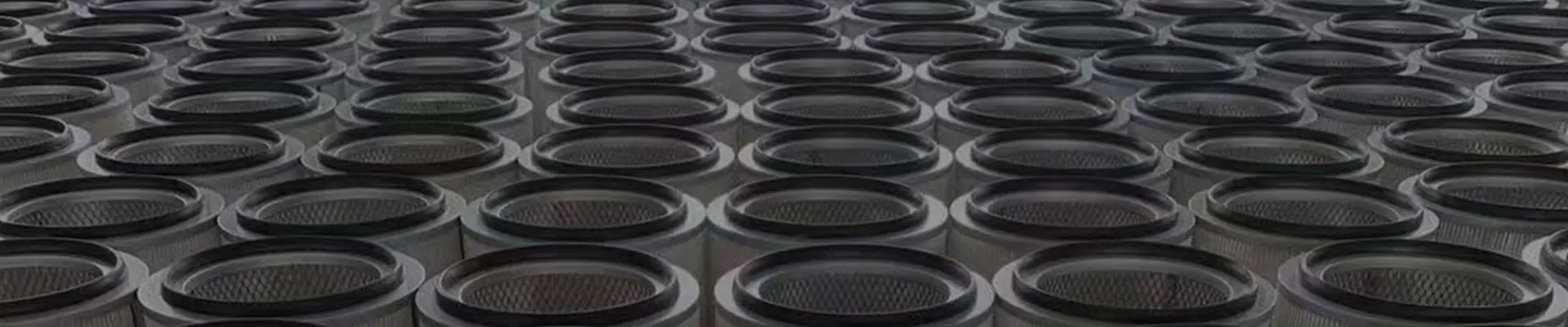
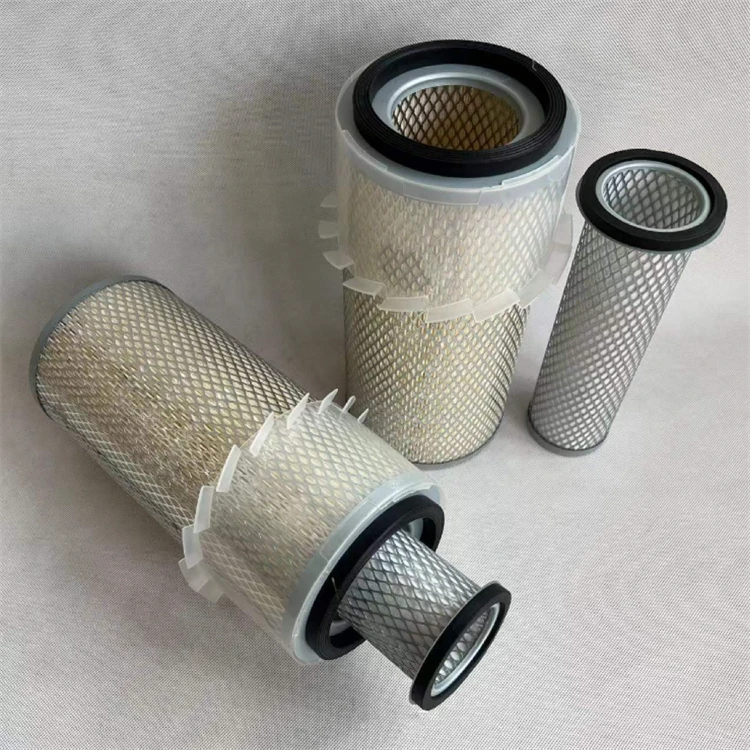
If you’ve been around industrial equipment long enough, you know that dust management is less a luxury and more a vital necessity. The пылавы картрыдж (or dust filter cartridge, if you prefer) is one of those unsung heroes. It’s easy to overlook unless something goes wrong — at which point everyone remembers how critical it is. Back when I first worked on dusty conveyor lines feeding cement plants, we saw firsthand how choosing the right фильтр cartridge could make all the difference — not just for operational efficiency but also for compliance and worker safety. Oddly enough, the value isn’t just in trapping particles but in the durability and ease of maintenance these cartridges offer. Many engineers I've talked to swear by certain pleated filter designs. They not only catch fine particulate but also stand up to the constant pounding of industrial-scale airflows. It’s a balance of porosity and strength — and frankly, not all cartridges are created equal. That’s why the пылавы картрыдж you pick has to match your environment's harshness.Key Product Specifications to Consider
Now, when I say specifications, I mean the nitty-gritty details you might skim over — but don’t. Things like filtration efficiency, temperature tolerance, and media type aren’t trivial numbers. For example, a cartridge built from fiberglass media might be perfect for high-temperature dust streams, whereas polyester ones offer a decent balance for general use. Here’s a rough rundown of specs I always check before recommending:| Specification | Typical Range | Notes |
|---|---|---|
| Filtration Efficiency | 99.9% @ 0.5 microns | Fine particles capture |
| Media Material | Fiberglass / Polyester | Depends on application temperature |
| Max Operating Temp | 120°C – 230°C | Higher temps may need custom media |
| Length | 12” – 40” | Varies by dust collector model |
| Outer Diameter | 4” – 7” | Must fit existing hardware snugly |
Vendor Differences at a Glance
Not all suppliers are created equal, so it’s wise to know what you’re really getting beyond the “dust filter cartridge” label. I've noticed many vendors tout high efficiency but skip on mechanical resilience or don’t test under real conditions. Always ask for certifications and test data. Or better yet, get a sample and run it through your rig — if you can. Here’s a quick comparison table of three common vendors — just to paint a clearer picture:| Feature | Vendor A | Vendor B | Vendor C |
|---|---|---|---|
| Filtration Efficiency | 99.7% @ 0.5 micron | 99.9% @ 0.5 micron | 99.5% @ 1 micron |
| Max Temp | 120°C | 180°C | 150°C |
| Warranty | 12 months | 18 months | 12 months |
| Custom Sizes | No | Yes | Limited |
| Price Range | $80–$120 | $90–$140 | $70–$110 |
A Quick Word on Usage and Maintenance
In the field, it’s the small things that trip you up. For example, I once saw a dust cartridge fail after just three months because the site’s maintenance crew didn’t realize the cartridge had to be cleaned on a schedule compatible with their dust load. It sounds basic, but improper installation, mismatched cartridge-to-equipment sizing, or ignoring service schedules undermines all that great filter tech. If you want the industrial dust collection systems to hold up — pay attention to ongoing maintenance. Also, compatibility with replacement parts saves so much downtime. And here’s where the link shines: a good vendor will offer a broad enough product range and great customer info so you’re not scrambling last minute. That’s why I always recommend checking out пылавы картрыдж offerings from trusted suppliers.Ultimately, for dusty production lines or industrial plants, your filter cartridges are worth a bit of fuss — because when they fail, everything else slows down.
Cheers to dust-free air and smooth-running equipment!
References
- Industry Dust Collection Standards, National Safety Board, 2023.
- Case Study: Cement Plant Dust Control, Industrial Filtration Journal, 2022.
- Filter Media Materials and Temperature Resistance, Tech Materials Review, 2024.
Latest news
-
High-Efficiency Industrial Dust Filtration & PurificationNewsApr.21,2026
-
High-Efficiency Adsorption for Clean Air & Water PurificationNewsApr.20,2026
-
Air Filter Cartridge: High-Efficiency Filtration for Engine Protection & Clean Air SupplyNewsApr.17,2026
-
Filter Paper: Precision Filtration Media for Industrial & Laboratory ExcellenceNewsApr.16,2026
-
Industrial Guide for Selecting a Stainless Filter CartridgeNewsApr.16,2026
-
Dust Filter Cartridges: High-Efficiency Industrial Filtration for Clean Production & ComplianceNewsApr.15,2026
Related PRODUCTS

Copyright © 2026 ONLY Technology (hebei Province) Co., Ltd. All Rights Reserved. Sitemap | Privacy Policy | Top Blog | Global Service