
 Email:admin@only-filter.com
 Tel:
+8615930870079
Tel:
+8615930870079
Sep . 23, 2025 00:20 Back to list
High-Efficiency Air Filter for Gas Turbine - Maximize Performance
The Imperative of Advanced Air Filtration in Gas Turbine Operations
In the demanding landscapes of industrial power generation, oil & gas, and process industries, the efficiency and longevity of gas turbines are paramount. Central to achieving optimal performance and minimizing operational expenditures is the integrity of the inlet air filtration system. This document delves into the critical role and sophisticated design of modern air filter for gas turbine applications, highlighting key technical specifications, manufacturing processes, and their impact on turbine reliability and efficiency.
Effective air filtration is not merely a component; it is a foundational element that safeguards the intricate machinery of gas turbines from particulate matter, moisture, and corrosive contaminants. Failure to implement robust filtration can lead to compressor fouling, erosion, and hot section damage, significantly reducing operational lifespan and increasing maintenance burdens. Our solutions provide a low-cost durable air filter for gas turbine operations, ensuring sustained performance and protection.
Industry Trends and Evolving Filtration Challenges
The global energy landscape is constantly evolving, with increasing demands for higher efficiency, reduced emissions, and longer operational cycles from gas turbines. This evolution places greater pressure on filtration systems to perform under more extreme conditions, including varying climates, higher dust loads, and finer particulate matter. Key trends include:
- Higher Efficiency Requirements: A move towards ISO ePM1 (formerly F9/H10-H12) and even HEPA-level filtration for sensitive turbine applications to mitigate fouling and extend component life.
- Moisture and Salt Ingress Mitigation: Advanced hydrophobic media and specialized designs to combat challenges in coastal or high-humidity environments.
- Pulse-Cleanable Filter Technologies: Enabling extended service life and reduced operational costs through on-line cleaning capabilities, especially in dusty environments.
- Sustainability Focus: Development of filter media with lower pressure drop for energy savings and materials with improved recyclability.
These trends underscore the need for sophisticated filtration solutions that can adapt to diverse operational demands, ensuring the long-term reliability of power generation assets. The challenges range from sub-micron particle ingestion to corrosive atmospheric elements, all of which necessitate a robust air filter for gas turbine solution.
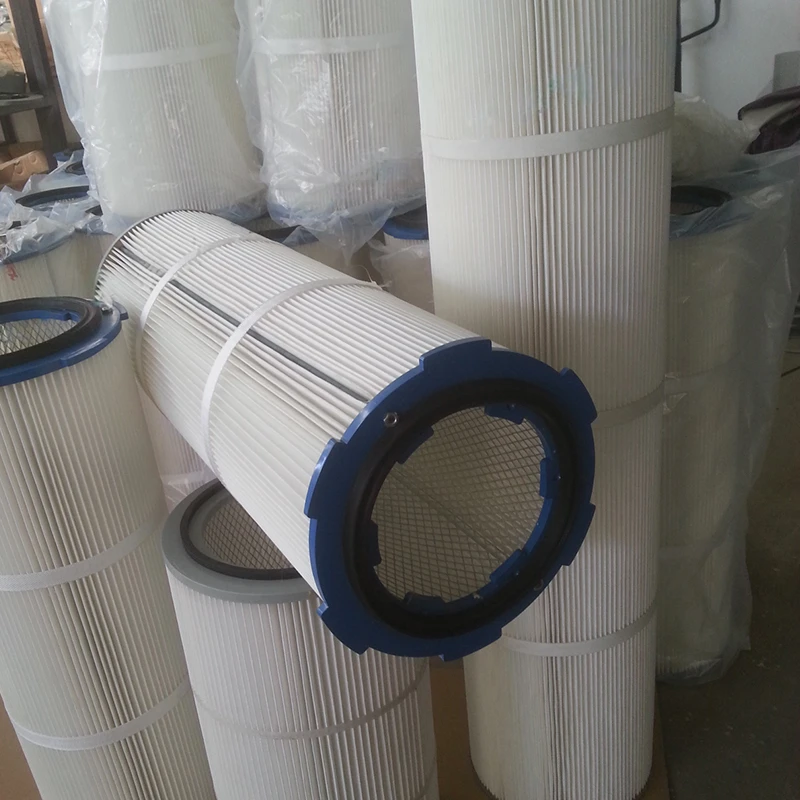
Figure 1: Advanced filtration systems for gas turbine protection.
Technical Specifications and Performance Parameters
The selection of an appropriate air filter for gas turbine is dictated by a suite of critical technical specifications and performance parameters. These criteria ensure that the filter matches the operational demands of the turbine and its environment. Key parameters include:
- Filtration Efficiency: Measured according to ISO 16890 standards (ePM1, ePM2.5, ePM10) or ASHRAE 52.2 (MERV rating), indicating the filter's ability to capture particles of specific sizes.
- Initial Pressure Drop: The resistance to airflow when the filter is clean, directly impacting energy consumption. Lower pressure drop is crucial for energy efficiency.
- Dust Holding Capacity: The amount of dust a filter can hold before reaching its terminal pressure drop, correlating with service life.
- Media Type: Synthetic (e.g., spun-bond polyester, nanofiber) or fiberglass, chosen for specific efficiency, moisture resistance, and mechanical strength.
- Operating Temperature & Humidity: The range within which the filter media and construction materials maintain their integrity and performance.
- Frame Material: Typically galvanized steel, stainless steel, or robust plastics for structural integrity and corrosion resistance.
Typical Product Specification Table: Low Cost Durable Air Filter for Gas Turbine
| Parameter | Specification | Testing Standard |
|---|---|---|
| Filtration Class (ISO 16890) | ePM1 70% (F9 equivalent) | ISO 16890 |
| Media Material | Synthetic, Spun-bond Polyester with Nanofiber Layer | Proprietary Material Test |
| Initial Pressure Drop @ 2500 m³/h | < 150 Pa | ISO 29463-3 |
| Dust Holding Capacity (DHC) | > 800 g/m² (for specific test dust) | EN 779 / ISO 16890 |
| Service Life (Typical) | 12 - 24 months (environment dependent) | Field Performance Data |
| Temperature Resistance | -30°C to +80°C | ASTM D648 |
| Humidity Resistance | Up to 100% RH | ASTM E96 |
| Frame Type | Galvanized Steel / ABS Plastic | Material Specification |
Advanced Manufacturing Process of Air Filters for Gas Turbines
The production of a high-performance gas turbine air filter is a meticulously engineered process, combining material science with precision manufacturing techniques to ensure optimal filtration and durability. While the primary methods for air filters do not involve casting, forging, or extensive CNC machining as seen in metal components, they do rely on sophisticated assembly, pleating, and sealing technologies.
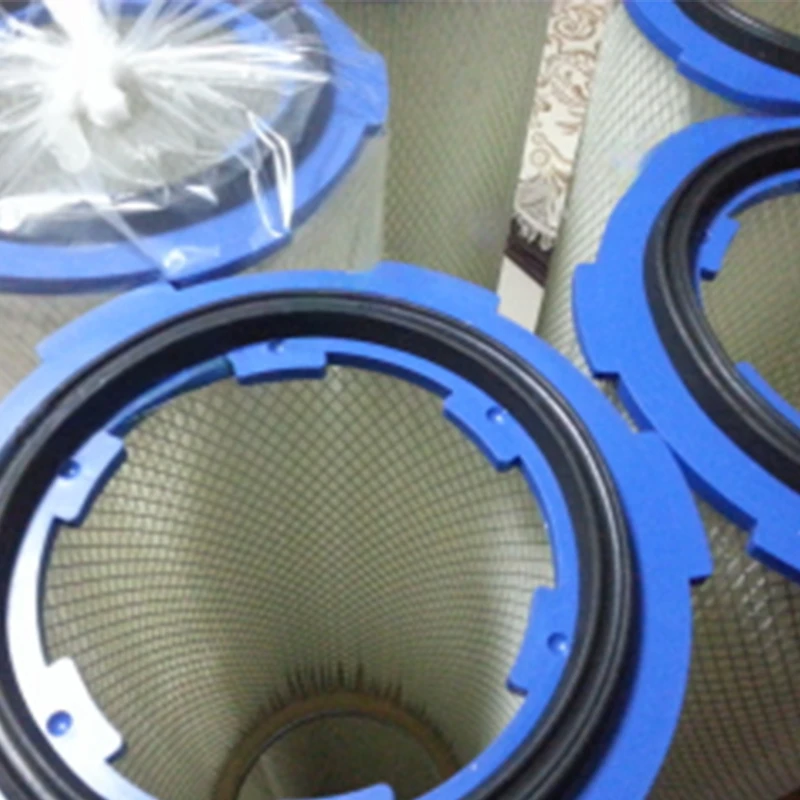
Figure 2: Precision manufacturing of filter media and components.
Process Flow Overview:
-
1. Material Selection & Preparation:
High-quality synthetic media (e.g., spun-bond polyester, micro-fiberglass composites) with specific hydrophobic or oleophobic treatments are selected. These materials are chosen for their high efficiency, low pressure drop, and resistance to moisture and chemicals. Roll stock media undergoes preliminary inspection for defects and consistency.
-
2. Pleating Process:
The filter media is precisely pleated using automated machinery. The pleat height, depth, and count are critical for achieving the desired surface area, dust holding capacity, and airflow characteristics. Advanced pleating techniques ensure uniform pleat spacing and stability, preventing media pack collapse under differential pressure.
HTML representation of pleating:
[MEDIA ROLL] --> [UNWINDING] --> [PLEATING MACHINE] --> [PLEATED MEDIA PACK]
  (Tension Control)         (Precise Fold & Spacing)
-
3. Media Stabilization & Spacing:
Separators (e.g., hot-melt beads, metal mesh, or synthetic threads) are applied between pleats to maintain uniform spacing, ensuring airflow distribution and preventing pleats from collapsing. This maximizes the effective filtration area.
-
4. End Cap & Frame Assembly:
The pleated media pack is then enclosed within a robust frame, typically made of galvanized steel, stainless steel, or high-strength ABS plastic. End caps are securely attached using specialized adhesives (e.g., polyurethane, hot-melt glues) to create a leak-proof seal between the media pack and the frame. The integrity of these seals is crucial for preventing bypass.
HTML representation of assembly:
[PLEATED PACK] --> [END CAP BONDING] --> [FRAME INSERTION] --> [POTTING/SEALING]
 (Adhesive Application)         (Leak-proof Seal)
-
5. Gasket Application:
Durable gaskets (e.g., EPDM, neoprene) are applied to the sealing surfaces of the filter frame to ensure a tight seal within the filter housing, preventing air leakage and guaranteeing that all incoming air passes through the filter media.
-
6. Quality Control & Testing:
Each finished gas turbine air filter undergoes rigorous quality control. This includes visual inspection, dimensional checks, and performance testing according to international standards such as ISO 16890, ISO 29463 (for HEPA/ULPA), and potentially specific ANSI/ASHRAE standards depending on regional requirements. Leakage tests (e.g., DOP/PAO scan tests for high-efficiency filters) ensure the absence of bypass, and pressure drop tests verify performance against design specifications. These stringent tests ensure compliance with service life expectations and performance guarantees for target industries such as petrochemical, power generation, and critical industrial processes.
This meticulous process, from raw material selection to final quality assurance, ensures that each filter delivers superior energy saving capabilities by maintaining low pressure drop, and exceptional corrosion resistance through robust materials and sealing, especially crucial in challenging environments.
Application Scenarios and Industry Impact
The demand for highly efficient air filtration extends across a multitude of industries where clean air is essential for equipment longevity and operational performance. While gas turbines are a primary focus, the underlying principles and technologies for air filtration apply broadly, ensuring protection for various critical assets.
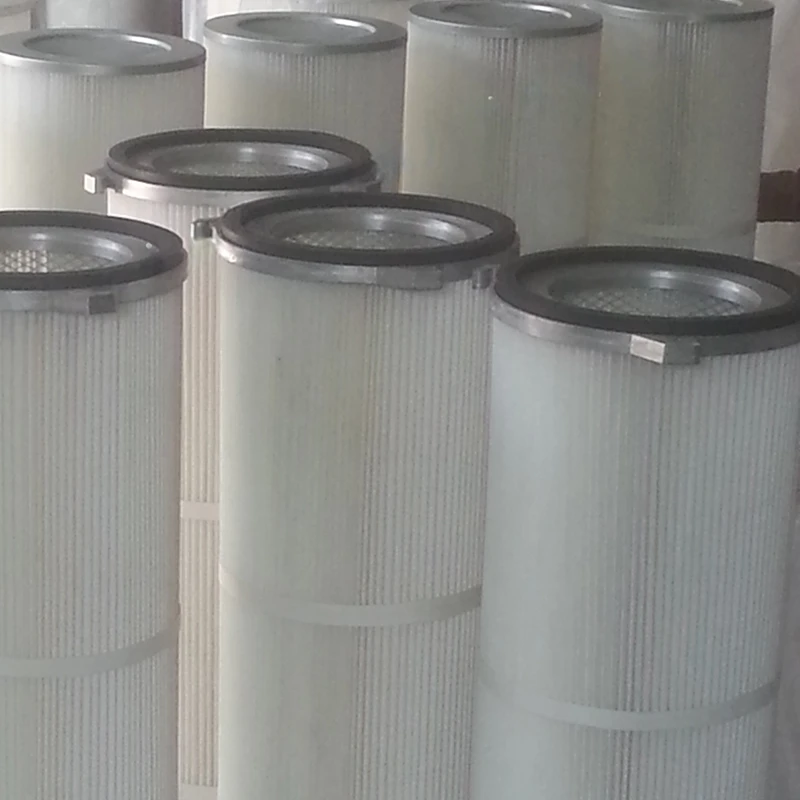
Figure 3: Gas turbine complex highlighting the need for robust air intake filtration.
-
Power Generation (Gas Turbines & Generator Sets):
Critical for protecting industrial gas turbines in combined cycle power plants, simple cycle power plants, and peaking power plants. A high-efficiency generator sets air filter prevents compressor fouling and erosion, leading to significant energy saving and extended time between overhauls. This directly translates to increased uptime and reduced fuel consumption.
-
Oil & Gas Industry:
Gas turbines are extensively used in offshore platforms, LNG facilities, and pipeline compression stations. Filters must contend with high humidity, salt spray, and sometimes hazardous gases, requiring robust, corrosion-resistant media and constructions. The integrity of the gas turbine air filter here is non-negotiable for safety and continuous operation.
-
Industrial Process Plants (Petrochemical, Metallurgy):
Turbines drive compressors and other machinery. Exposure to industrial pollutants, chemicals, and high particulate loads necessitates specialized filtration designed for harsh environments, ensuring long service life and maintaining process purity.
-
Heavy Equipment (e.g., Excavators):
While not gas turbines, diesel engines in heavy machinery like excavators and mining equipment also rely on advanced air filtration. A robust air filter for excavator is essential to protect the engine from severe dust and debris, preventing premature wear of engine components and ensuring reliable operation in challenging construction and mining sites. This demonstrates the broader application of durable, high-capacity air filters.
-
Water Supply & Drainage Systems:
While less direct for gas turbines, backup generator sets in these facilities require dependable air filtration. The environmental conditions can vary, demanding filters that perform consistently across different weather patterns.
In all these scenarios, the focus is on maximizing operational efficiency, reducing maintenance downtime, and extending the lifespan of valuable machinery through superior air intake protection.
Technical Advantages of Our Low Cost Durable Air Filter Solutions
Our range of air filters, specifically designed for gas turbines and similar demanding applications, offers distinct technical advantages that translate into significant operational benefits for our clients. These benefits are rooted in a combination of advanced material science, precision engineering, and rigorous quality control.
- Extended Service Life: Through optimized media design and high dust holding capacity, our filters provide a significantly longer operational life compared to conventional filters. This reduces the frequency of replacements and associated labor costs.
- Superior Filtration Efficiency: Utilizing multi-layer synthetic media, including nanofiber technologies, our filters achieve ISO ePM1 levels of filtration, effectively capturing sub-micron particles that cause compressor fouling and erosion. This protects critical turbine components and maintains peak performance.
- Reduced Pressure Drop & Energy Savings: Engineered for minimal airflow resistance, our filters contribute directly to lower energy consumption by the turbine's inlet system. This translates to measurable fuel efficiency improvements and reduced operational costs over the filter's lifespan, aligning with current sustainability goals.
- Enhanced Moisture and Corrosion Resistance: Specialized hydrophobic and oleophobic media treatments, coupled with robust, corrosion-resistant frame materials (galvanized steel, high-grade plastics), ensure consistent performance even in high-humidity or corrosive industrial and marine environments. This is vital for the longevity of a gas turbine air filter.
- Robust Construction: Designed to withstand the dynamic operational stresses of gas turbines, our filters feature strong pleat stabilization and secure sealing, preventing media damage or bypass even under varying airflow conditions or pulsing regimes.
- Cost-Effectiveness: By combining competitive initial pricing with extended service life and energy efficiency gains, our filters offer a superior total cost of ownership (TCO), providing a truly low-cost durable air filter solution.
These advantages collectively ensure that our clients benefit from increased turbine uptime, reduced maintenance expenditure, and sustained high levels of operational efficiency.
Vendor Comparison: Why Choose Our Air Filters
The market for gas turbine air filtration is diverse, with various manufacturers offering a range of solutions. However, discerning buyers prioritize a balance of performance, durability, and cost-effectiveness. Our approach focuses on delivering superior value through a strategic combination of innovation and manufacturing excellence.
Competitive Analysis Table:
| Feature/Criterion | Our Product (Low Cost Durable Air Filter for Gas Turbine) | Competitor A (Premium Brand) | Competitor B (Economy Brand) |
|---|---|---|---|
| Filtration Efficiency (ISO ePM1) | 70-80% (F9 equivalent) | 80-90% (F9/E10 equivalent) | 50-60% (F7 equivalent) |
| Initial Pressure Drop (Pa) | < 150 Pa | < 120 Pa | > 180 Pa |
| Dust Holding Capacity (DHC) | High (> 800 g/m²) | Very High (> 1000 g/m²) | Moderate (> 500 g/m²) |
| Media Type | Synthetic, Nanofiber blend | Synthetic, advanced nanofiber | Basic synthetic |
| Moisture Resistance | Excellent (Hydrophobic) | Superior (Hydro/Oleophobic) | Good |
| Typical Service Life | 12-24 months | 18-30 months | 6-12 months |
| Initial Unit Cost | Competitive/Low | High | Very Low |
| Total Cost of Ownership (TCO) | Excellent (High Value) | Good (High Performance) | Fair (Frequent Replacement) |
This comparison demonstrates that while some premium brands may offer marginally higher initial performance, our filters strike an optimal balance, providing robust filtration and extended life at a significantly more attractive price point. This results in an overall lower Total Cost of Ownership without compromising essential turbine protection. Economy brands, conversely, often lead to frequent replacements and higher operational costs in the long run due to inferior performance and shorter lifespan for a gas turbine air filter.
Customized Filtration Solutions
Recognizing that every operational environment and gas turbine configuration presents unique challenges, we specialize in providing customized filtration solutions. Standard off-the-shelf filters may not always fully address specific site conditions, such as exceptionally high dust loads, extreme humidity, corrosive atmospheres, or unique physical constraints of existing filter housings.
Our engineering team collaborates closely with clients to:
- Assess Site-Specific Conditions: Analyzing environmental data, existing filtration performance, and turbine operational parameters.
- Tailor Media Combinations: Developing multi-stage filtration systems or selecting specialized media (e.g., anti-static, flame retardant, oleophobic) to combat specific contaminants.
- Design Custom Dimensions & Configurations: Manufacturing filters to precise dimensions to fit non-standard filter housings or to optimize airflow within existing systems.
- Integrate Advanced Features: Incorporating features like integrated mist eliminators or specialized pre-filtration stages for particularly challenging environments.
This bespoke approach ensures maximum protection and efficiency for your gas turbine assets, providing a truly optimized air filter for gas turbine solution that aligns perfectly with your operational goals and budget.
Application Case Study: Enhancing Turbine Performance in a Desert Environment
Client: Major Power Generation Company, Middle East.
Challenge: A large gas turbine power plant operating in a desert region faced significant challenges with frequent compressor fouling and erosion due to high concentrations of fine desert dust (silica) and occasional sandstorms. Their existing F7-rated filters were experiencing short service life (average 6 months) and contributing to noticeable turbine degradation and reduced output, leading to unplanned downtime for compressor washes.
Solution: We conducted a comprehensive site assessment and recommended upgrading their filtration system to a two-stage solution: a G4 pre-filter for coarse dust capture, followed by our custom-designed ePM1 70% (F9 equivalent) gas turbine air filter cartridges featuring a robust synthetic media with an integrated nanofiber layer for enhanced fine dust capture and hydrophobic properties. The new filter design also incorporated improved pleat geometry for higher dust holding capacity.
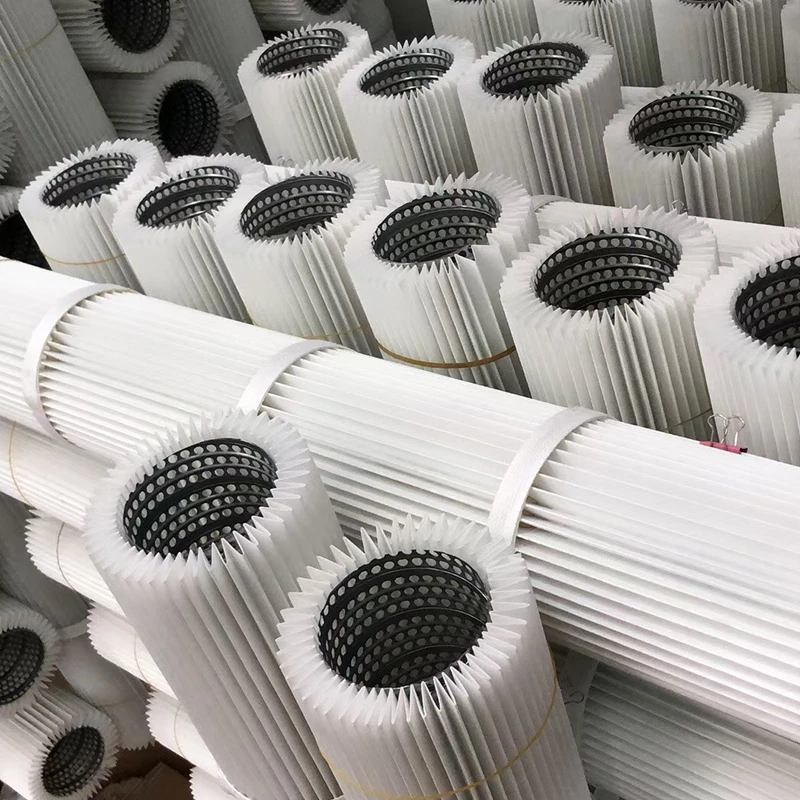
Figure 4: Filtration solutions engineered for demanding industrial applications.
Results:
- Extended Filter Service Life: The average service life of the main filters increased from 6 months to 18 months, reducing filter replacement frequency by 66%.
- Reduced Compressor Fouling: Post-upgrade, visual inspections showed significantly cleaner compressor blades. The frequency of offline compressor washes was reduced from quarterly to annually, saving considerable maintenance time and costs.
- Sustained Turbine Output: The client reported a sustained turbine output closer to base load specifications, with less degradation over time due to cleaner intake air.
- Operational Cost Savings: A detailed analysis revealed a substantial reduction in total operational costs attributed to fewer filter replacements, decreased maintenance, and improved fuel efficiency.
This case study exemplifies how a tailored, high-performance air filter for gas turbine solution can provide tangible economic and operational benefits in challenging environments.
Quality Assurance, Certifications, and Partnerships
Our commitment to quality is foundational, ensuring that every gas turbine air filter we produce meets the most stringent international standards. We adhere to robust quality management systems and continuously invest in R&D to enhance product performance and reliability.
- Certifications: Our manufacturing processes and products conform to internationally recognized standards, including ISO 9001 for quality management and ISO 14001 for environmental management. Filter performance is tested in accordance with ISO 16890, EN 779, and ASHRAE 52.2 where applicable.
- Authoritative References: Our products are designed to meet or exceed OEM specifications for leading gas turbine manufacturers. We leverage extensive internal test data and collaborate with independent laboratories for third-party verification of performance parameters.
- Strategic Partnerships: We have cultivated strong relationships with global leaders in filtration media technology, ensuring access to the latest advancements in materials science. Our client portfolio includes major players in the power generation, oil & gas, and heavy industry sectors, testifying to our proven track record and years of dedicated service in the filtration domain.
Trustworthiness: Your Partner in Filtration
Building lasting partnerships based on trust is at the core of our business philosophy. We are committed to transparency, reliability, and unparalleled customer support for every gas turbine air filter we supply.
Frequently Asked Questions (FAQ)
Q: How often should I replace my gas turbine air filters?
A: Filter replacement frequency is highly dependent on environmental conditions, turbine operating hours, and the type of filter. Typically, our advanced filters for gas turbines have a service life of 12-24 months. Regular monitoring of pressure drop across the filter bank is the most accurate indicator for replacement.
Q: Can your filters be customized for unique turbine models or environmental conditions?
A: Absolutely. We specialize in bespoke filtration solutions. Our engineering team can work with your specific requirements, including unusual dimensions, specialized media for unique contaminants (e.g., oil mist, corrosive gases), or multi-stage configurations.
Q: What are the benefits of upgrading to a higher efficiency filter?
A: Upgrading to higher efficiency filters (e.g., from F7 to F9/ePM1) significantly reduces compressor fouling and erosion, leading to sustained turbine performance, reduced fuel consumption, fewer compressor washes, extended time between overhauls, and ultimately, lower total operational costs and a longer turbine lifespan.
Lead Time & Fulfillment
We maintain efficient manufacturing processes and robust supply chain management to ensure timely delivery. Standard filter orders typically have a lead time of 4-6 weeks, while customized solutions may require 6-10 weeks depending on complexity. Expedited options are available upon request. We prioritize clear communication regarding order status and delivery schedules.
Warranty Commitments
All our air filter for gas turbine products are backed by a comprehensive warranty against manufacturing defects and material failures under normal operating conditions. Specific warranty terms vary by product type and application, typically ranging from 12 to 24 months. Full details are provided with each quotation and order confirmation.
Customer Support & After-Sales Service
Our commitment extends beyond product delivery. We offer dedicated technical support, assisting clients with filter selection, system optimization, and troubleshooting. Our after-sales service includes performance monitoring advice, replacement scheduling, and on-site consultations for complex filtration challenges. Our global network ensures prompt and responsive service.
Conclusion: Unlocking Peak Performance with Superior Filtration
The optimal performance and longevity of gas turbines are inextricably linked to the quality of their air intake filtration. Our low-cost, durable air filter for gas turbine solutions are engineered to provide exceptional protection, enhance operational efficiency, and deliver substantial long-term cost savings. By focusing on advanced materials, precision manufacturing, and rigorous testing, we ensure that our filters consistently meet and exceed the evolving demands of modern industrial environments. Partner with us to safeguard your assets, optimize your operations, and achieve unparalleled reliability.
References
- ISO 16890-1:2016. Air filters for general ventilation - Part 1: Technical specifications, requirements and classification system based on particulate matter efficiency (ePM). International Organization for Standardization.
- ASHRAE Standard 52.2-2017. Method of Testing General Ventilation Air-Cleaning Devices for Removal Efficiency by Particle Size. American Society of Heating, Refrigerating and Air-Conditioning Engineers.
- Turbomachinery International. "Gas Turbine Air Filtration: A Critical Component for Reliability and Performance." Various articles from 2018-2023.
- Journal of Engineering for Gas Turbines and Power. ASME. "Impact of Air Filtration on Gas Turbine Compressor Fouling and Performance Degradation." Various research papers.
- Nordic Filtration Society. "Filtration Handbook for Industrial Applications." 2020 Edition.
-
High-Efficiency Industrial Dust Filtration & PurificationNewsApr.21,2026
-
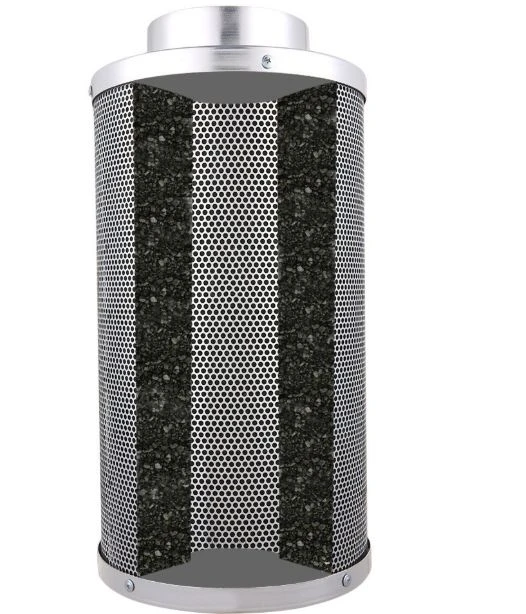
High-Efficiency Adsorption for Clean Air & Water PurificationNewsApr.20,2026
-
Air Filter Cartridge: High-Efficiency Filtration for Engine Protection & Clean Air SupplyNewsApr.17,2026
-
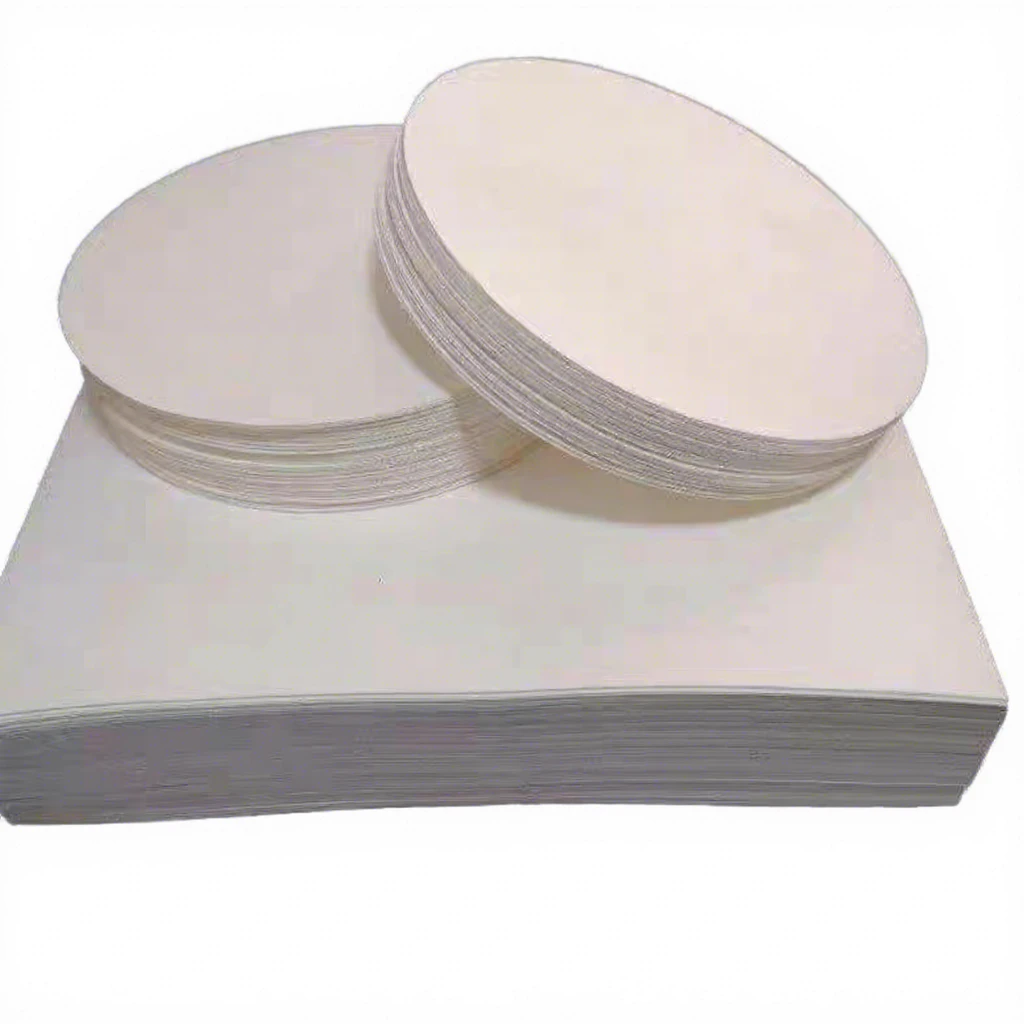
Filter Paper: Precision Filtration Media for Industrial & Laboratory ExcellenceNewsApr.16,2026
-
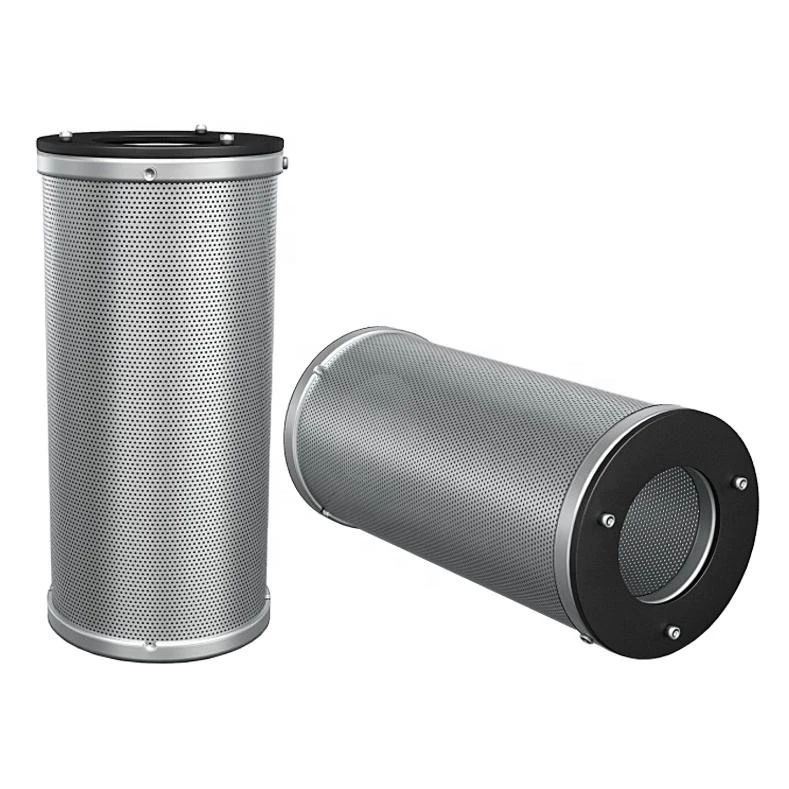
Industrial Guide for Selecting a Stainless Filter CartridgeNewsApr.16,2026
-
Dust Filter Cartridges: High-Efficiency Industrial Filtration for Clean Production & ComplianceNewsApr.15,2026

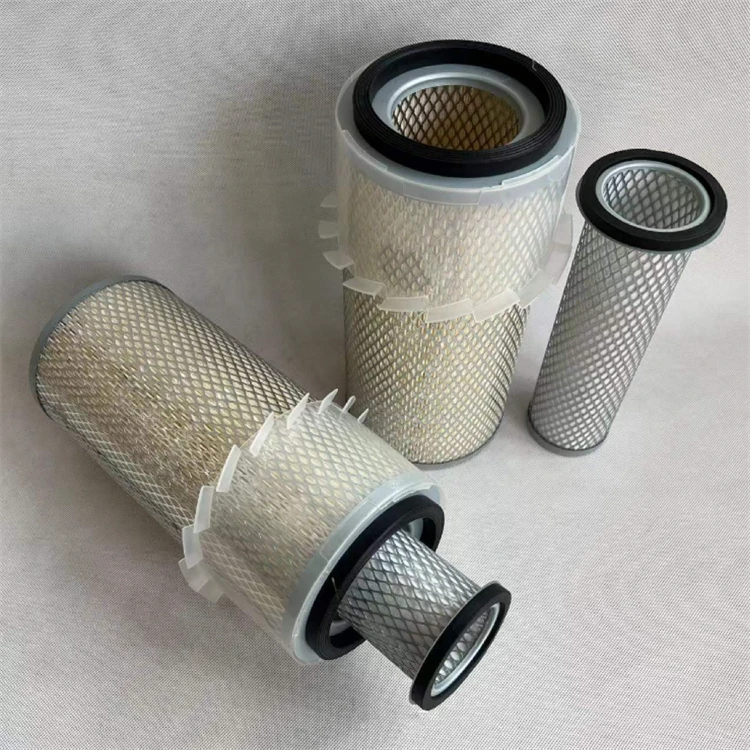
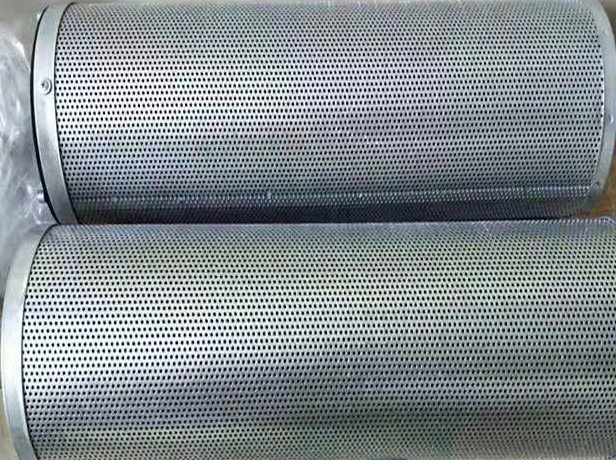
Sep . 08, 2025 16:38 Back to list
High-Efficiency Air Filter for Gas Turbine - Maximize Performance
The Imperative of Advanced Air Filtration in Gas Turbine Operations
In the demanding landscapes of industrial power generation, oil & gas, and process industries, the efficiency and longevity of gas turbines are paramount. Central to achieving optimal performance and minimizing operational expenditures is the integrity of the inlet air filtration system. This document delves into the critical role and sophisticated design of modern air filter for gas turbine applications, highlighting key technical specifications, manufacturing processes, and their impact on turbine reliability and efficiency.
Effective air filtration is not merely a component; it is a foundational element that safeguards the intricate machinery of gas turbines from particulate matter, moisture, and corrosive contaminants. Failure to implement robust filtration can lead to compressor fouling, erosion, and hot section damage, significantly reducing operational lifespan and increasing maintenance burdens. Our solutions provide a low-cost durable air filter for gas turbine operations, ensuring sustained performance and protection.
Industry Trends and Evolving Filtration Challenges
The global energy landscape is constantly evolving, with increasing demands for higher efficiency, reduced emissions, and longer operational cycles from gas turbines. This evolution places greater pressure on filtration systems to perform under more extreme conditions, including varying climates, higher dust loads, and finer particulate matter. Key trends include:
- Higher Efficiency Requirements: A move towards ISO ePM1 (formerly F9/H10-H12) and even HEPA-level filtration for sensitive turbine applications to mitigate fouling and extend component life.
- Moisture and Salt Ingress Mitigation: Advanced hydrophobic media and specialized designs to combat challenges in coastal or high-humidity environments.
- Pulse-Cleanable Filter Technologies: Enabling extended service life and reduced operational costs through on-line cleaning capabilities, especially in dusty environments.
- Sustainability Focus: Development of filter media with lower pressure drop for energy savings and materials with improved recyclability.
These trends underscore the need for sophisticated filtration solutions that can adapt to diverse operational demands, ensuring the long-term reliability of power generation assets. The challenges range from sub-micron particle ingestion to corrosive atmospheric elements, all of which necessitate a robust air filter for gas turbine solution.
Figure 1: Advanced filtration systems for gas turbine protection.
Technical Specifications and Performance Parameters
The selection of an appropriate air filter for gas turbine is dictated by a suite of critical technical specifications and performance parameters. These criteria ensure that the filter matches the operational demands of the turbine and its environment. Key parameters include:
- Filtration Efficiency: Measured according to ISO 16890 standards (ePM1, ePM2.5, ePM10) or ASHRAE 52.2 (MERV rating), indicating the filter's ability to capture particles of specific sizes.
- Initial Pressure Drop: The resistance to airflow when the filter is clean, directly impacting energy consumption. Lower pressure drop is crucial for energy efficiency.
- Dust Holding Capacity: The amount of dust a filter can hold before reaching its terminal pressure drop, correlating with service life.
- Media Type: Synthetic (e.g., spun-bond polyester, nanofiber) or fiberglass, chosen for specific efficiency, moisture resistance, and mechanical strength.
- Operating Temperature & Humidity: The range within which the filter media and construction materials maintain their integrity and performance.
- Frame Material: Typically galvanized steel, stainless steel, or robust plastics for structural integrity and corrosion resistance.
Typical Product Specification Table: Low Cost Durable Air Filter for Gas Turbine
| Parameter | Specification | Testing Standard |
|---|---|---|
| Filtration Class (ISO 16890) | ePM1 70% (F9 equivalent) | ISO 16890 |
| Media Material | Synthetic, Spun-bond Polyester with Nanofiber Layer | Proprietary Material Test |
| Initial Pressure Drop @ 2500 m³/h | < 150 Pa | ISO 29463-3 |
| Dust Holding Capacity (DHC) | > 800 g/m² (for specific test dust) | EN 779 / ISO 16890 |
| Service Life (Typical) | 12 - 24 months (environment dependent) | Field Performance Data |
| Temperature Resistance | -30°C to +80°C | ASTM D648 |
| Humidity Resistance | Up to 100% RH | ASTM E96 |
| Frame Type | Galvanized Steel / ABS Plastic | Material Specification |
Advanced Manufacturing Process of Air Filters for Gas Turbines
The production of a high-performance gas turbine air filter is a meticulously engineered process, combining material science with precision manufacturing techniques to ensure optimal filtration and durability. While the primary methods for air filters do not involve casting, forging, or extensive CNC machining as seen in metal components, they do rely on sophisticated assembly, pleating, and sealing technologies.
Figure 2: Precision manufacturing of filter media and components.
Process Flow Overview:
-
1. Material Selection & Preparation:
High-quality synthetic media (e.g., spun-bond polyester, micro-fiberglass composites) with specific hydrophobic or oleophobic treatments are selected. These materials are chosen for their high efficiency, low pressure drop, and resistance to moisture and chemicals. Roll stock media undergoes preliminary inspection for defects and consistency.
-
2. Pleating Process:
The filter media is precisely pleated using automated machinery. The pleat height, depth, and count are critical for achieving the desired surface area, dust holding capacity, and airflow characteristics. Advanced pleating techniques ensure uniform pleat spacing and stability, preventing media pack collapse under differential pressure.
HTML representation of pleating:
[MEDIA ROLL] --> [UNWINDING] --> [PLEATING MACHINE] --> [PLEATED MEDIA PACK]
  (Tension Control)         (Precise Fold & Spacing)
-
3. Media Stabilization & Spacing:
Separators (e.g., hot-melt beads, metal mesh, or synthetic threads) are applied between pleats to maintain uniform spacing, ensuring airflow distribution and preventing pleats from collapsing. This maximizes the effective filtration area.
-
4. End Cap & Frame Assembly:
The pleated media pack is then enclosed within a robust frame, typically made of galvanized steel, stainless steel, or high-strength ABS plastic. End caps are securely attached using specialized adhesives (e.g., polyurethane, hot-melt glues) to create a leak-proof seal between the media pack and the frame. The integrity of these seals is crucial for preventing bypass.
HTML representation of assembly:
[PLEATED PACK] --> [END CAP BONDING] --> [FRAME INSERTION] --> [POTTING/SEALING]
 (Adhesive Application)         (Leak-proof Seal)
-
5. Gasket Application:
Durable gaskets (e.g., EPDM, neoprene) are applied to the sealing surfaces of the filter frame to ensure a tight seal within the filter housing, preventing air leakage and guaranteeing that all incoming air passes through the filter media.
-
6. Quality Control & Testing:
Each finished gas turbine air filter undergoes rigorous quality control. This includes visual inspection, dimensional checks, and performance testing according to international standards such as ISO 16890, ISO 29463 (for HEPA/ULPA), and potentially specific ANSI/ASHRAE standards depending on regional requirements. Leakage tests (e.g., DOP/PAO scan tests for high-efficiency filters) ensure the absence of bypass, and pressure drop tests verify performance against design specifications. These stringent tests ensure compliance with service life expectations and performance guarantees for target industries such as petrochemical, power generation, and critical industrial processes.
This meticulous process, from raw material selection to final quality assurance, ensures that each filter delivers superior energy saving capabilities by maintaining low pressure drop, and exceptional corrosion resistance through robust materials and sealing, especially crucial in challenging environments.
Application Scenarios and Industry Impact
The demand for highly efficient air filtration extends across a multitude of industries where clean air is essential for equipment longevity and operational performance. While gas turbines are a primary focus, the underlying principles and technologies for air filtration apply broadly, ensuring protection for various critical assets.
Figure 3: Gas turbine complex highlighting the need for robust air intake filtration.
-
Power Generation (Gas Turbines & Generator Sets):
Critical for protecting industrial gas turbines in combined cycle power plants, simple cycle power plants, and peaking power plants. A high-efficiency generator sets air filter prevents compressor fouling and erosion, leading to significant energy saving and extended time between overhauls. This directly translates to increased uptime and reduced fuel consumption.
-
Oil & Gas Industry:
Gas turbines are extensively used in offshore platforms, LNG facilities, and pipeline compression stations. Filters must contend with high humidity, salt spray, and sometimes hazardous gases, requiring robust, corrosion-resistant media and constructions. The integrity of the gas turbine air filter here is non-negotiable for safety and continuous operation.
-
Industrial Process Plants (Petrochemical, Metallurgy):
Turbines drive compressors and other machinery. Exposure to industrial pollutants, chemicals, and high particulate loads necessitates specialized filtration designed for harsh environments, ensuring long service life and maintaining process purity.
-
Heavy Equipment (e.g., Excavators):
While not gas turbines, diesel engines in heavy machinery like excavators and mining equipment also rely on advanced air filtration. A robust air filter for excavator is essential to protect the engine from severe dust and debris, preventing premature wear of engine components and ensuring reliable operation in challenging construction and mining sites. This demonstrates the broader application of durable, high-capacity air filters.
-
Water Supply & Drainage Systems:
While less direct for gas turbines, backup generator sets in these facilities require dependable air filtration. The environmental conditions can vary, demanding filters that perform consistently across different weather patterns.
In all these scenarios, the focus is on maximizing operational efficiency, reducing maintenance downtime, and extending the lifespan of valuable machinery through superior air intake protection.
Technical Advantages of Our Low Cost Durable Air Filter Solutions
Our range of air filters, specifically designed for gas turbines and similar demanding applications, offers distinct technical advantages that translate into significant operational benefits for our clients. These benefits are rooted in a combination of advanced material science, precision engineering, and rigorous quality control.
- Extended Service Life: Through optimized media design and high dust holding capacity, our filters provide a significantly longer operational life compared to conventional filters. This reduces the frequency of replacements and associated labor costs.
- Superior Filtration Efficiency: Utilizing multi-layer synthetic media, including nanofiber technologies, our filters achieve ISO ePM1 levels of filtration, effectively capturing sub-micron particles that cause compressor fouling and erosion. This protects critical turbine components and maintains peak performance.
- Reduced Pressure Drop & Energy Savings: Engineered for minimal airflow resistance, our filters contribute directly to lower energy consumption by the turbine's inlet system. This translates to measurable fuel efficiency improvements and reduced operational costs over the filter's lifespan, aligning with current sustainability goals.
- Enhanced Moisture and Corrosion Resistance: Specialized hydrophobic and oleophobic media treatments, coupled with robust, corrosion-resistant frame materials (galvanized steel, high-grade plastics), ensure consistent performance even in high-humidity or corrosive industrial and marine environments. This is vital for the longevity of a gas turbine air filter.
- Robust Construction: Designed to withstand the dynamic operational stresses of gas turbines, our filters feature strong pleat stabilization and secure sealing, preventing media damage or bypass even under varying airflow conditions or pulsing regimes.
- Cost-Effectiveness: By combining competitive initial pricing with extended service life and energy efficiency gains, our filters offer a superior total cost of ownership (TCO), providing a truly low-cost durable air filter solution.
These advantages collectively ensure that our clients benefit from increased turbine uptime, reduced maintenance expenditure, and sustained high levels of operational efficiency.
Vendor Comparison: Why Choose Our Air Filters
The market for gas turbine air filtration is diverse, with various manufacturers offering a range of solutions. However, discerning buyers prioritize a balance of performance, durability, and cost-effectiveness. Our approach focuses on delivering superior value through a strategic combination of innovation and manufacturing excellence.
Competitive Analysis Table:
| Feature/Criterion | Our Product (Low Cost Durable Air Filter for Gas Turbine) | Competitor A (Premium Brand) | Competitor B (Economy Brand) |
|---|---|---|---|
| Filtration Efficiency (ISO ePM1) | 70-80% (F9 equivalent) | 80-90% (F9/E10 equivalent) | 50-60% (F7 equivalent) |
| Initial Pressure Drop (Pa) | < 150 Pa | < 120 Pa | > 180 Pa |
| Dust Holding Capacity (DHC) | High (> 800 g/m²) | Very High (> 1000 g/m²) | Moderate (> 500 g/m²) |
| Media Type | Synthetic, Nanofiber blend | Synthetic, advanced nanofiber | Basic synthetic |
| Moisture Resistance | Excellent (Hydrophobic) | Superior (Hydro/Oleophobic) | Good |
| Typical Service Life | 12-24 months | 18-30 months | 6-12 months |
| Initial Unit Cost | Competitive/Low | High | Very Low |
| Total Cost of Ownership (TCO) | Excellent (High Value) | Good (High Performance) | Fair (Frequent Replacement) |
This comparison demonstrates that while some premium brands may offer marginally higher initial performance, our filters strike an optimal balance, providing robust filtration and extended life at a significantly more attractive price point. This results in an overall lower Total Cost of Ownership without compromising essential turbine protection. Economy brands, conversely, often lead to frequent replacements and higher operational costs in the long run due to inferior performance and shorter lifespan for a gas turbine air filter.
Customized Filtration Solutions
Recognizing that every operational environment and gas turbine configuration presents unique challenges, we specialize in providing customized filtration solutions. Standard off-the-shelf filters may not always fully address specific site conditions, such as exceptionally high dust loads, extreme humidity, corrosive atmospheres, or unique physical constraints of existing filter housings.
Our engineering team collaborates closely with clients to:
- Assess Site-Specific Conditions: Analyzing environmental data, existing filtration performance, and turbine operational parameters.
- Tailor Media Combinations: Developing multi-stage filtration systems or selecting specialized media (e.g., anti-static, flame retardant, oleophobic) to combat specific contaminants.
- Design Custom Dimensions & Configurations: Manufacturing filters to precise dimensions to fit non-standard filter housings or to optimize airflow within existing systems.
- Integrate Advanced Features: Incorporating features like integrated mist eliminators or specialized pre-filtration stages for particularly challenging environments.
This bespoke approach ensures maximum protection and efficiency for your gas turbine assets, providing a truly optimized air filter for gas turbine solution that aligns perfectly with your operational goals and budget.
Application Case Study: Enhancing Turbine Performance in a Desert Environment
Client: Major Power Generation Company, Middle East.
Challenge: A large gas turbine power plant operating in a desert region faced significant challenges with frequent compressor fouling and erosion due to high concentrations of fine desert dust (silica) and occasional sandstorms. Their existing F7-rated filters were experiencing short service life (average 6 months) and contributing to noticeable turbine degradation and reduced output, leading to unplanned downtime for compressor washes.
Solution: We conducted a comprehensive site assessment and recommended upgrading their filtration system to a two-stage solution: a G4 pre-filter for coarse dust capture, followed by our custom-designed ePM1 70% (F9 equivalent) gas turbine air filter cartridges featuring a robust synthetic media with an integrated nanofiber layer for enhanced fine dust capture and hydrophobic properties. The new filter design also incorporated improved pleat geometry for higher dust holding capacity.
Figure 4: Filtration solutions engineered for demanding industrial applications.
Results:
- Extended Filter Service Life: The average service life of the main filters increased from 6 months to 18 months, reducing filter replacement frequency by 66%.
- Reduced Compressor Fouling: Post-upgrade, visual inspections showed significantly cleaner compressor blades. The frequency of offline compressor washes was reduced from quarterly to annually, saving considerable maintenance time and costs.
- Sustained Turbine Output: The client reported a sustained turbine output closer to base load specifications, with less degradation over time due to cleaner intake air.
- Operational Cost Savings: A detailed analysis revealed a substantial reduction in total operational costs attributed to fewer filter replacements, decreased maintenance, and improved fuel efficiency.
This case study exemplifies how a tailored, high-performance air filter for gas turbine solution can provide tangible economic and operational benefits in challenging environments.
Quality Assurance, Certifications, and Partnerships
Our commitment to quality is foundational, ensuring that every gas turbine air filter we produce meets the most stringent international standards. We adhere to robust quality management systems and continuously invest in R&D to enhance product performance and reliability.
- Certifications: Our manufacturing processes and products conform to internationally recognized standards, including ISO 9001 for quality management and ISO 14001 for environmental management. Filter performance is tested in accordance with ISO 16890, EN 779, and ASHRAE 52.2 where applicable.
- Authoritative References: Our products are designed to meet or exceed OEM specifications for leading gas turbine manufacturers. We leverage extensive internal test data and collaborate with independent laboratories for third-party verification of performance parameters.
- Strategic Partnerships: We have cultivated strong relationships with global leaders in filtration media technology, ensuring access to the latest advancements in materials science. Our client portfolio includes major players in the power generation, oil & gas, and heavy industry sectors, testifying to our proven track record and years of dedicated service in the filtration domain.
Trustworthiness: Your Partner in Filtration
Building lasting partnerships based on trust is at the core of our business philosophy. We are committed to transparency, reliability, and unparalleled customer support for every gas turbine air filter we supply.
Frequently Asked Questions (FAQ)
Q: How often should I replace my gas turbine air filters?
A: Filter replacement frequency is highly dependent on environmental conditions, turbine operating hours, and the type of filter. Typically, our advanced filters for gas turbines have a service life of 12-24 months. Regular monitoring of pressure drop across the filter bank is the most accurate indicator for replacement.
Q: Can your filters be customized for unique turbine models or environmental conditions?
A: Absolutely. We specialize in bespoke filtration solutions. Our engineering team can work with your specific requirements, including unusual dimensions, specialized media for unique contaminants (e.g., oil mist, corrosive gases), or multi-stage configurations.
Q: What are the benefits of upgrading to a higher efficiency filter?
A: Upgrading to higher efficiency filters (e.g., from F7 to F9/ePM1) significantly reduces compressor fouling and erosion, leading to sustained turbine performance, reduced fuel consumption, fewer compressor washes, extended time between overhauls, and ultimately, lower total operational costs and a longer turbine lifespan.
Lead Time & Fulfillment
We maintain efficient manufacturing processes and robust supply chain management to ensure timely delivery. Standard filter orders typically have a lead time of 4-6 weeks, while customized solutions may require 6-10 weeks depending on complexity. Expedited options are available upon request. We prioritize clear communication regarding order status and delivery schedules.
Warranty Commitments
All our air filter for gas turbine products are backed by a comprehensive warranty against manufacturing defects and material failures under normal operating conditions. Specific warranty terms vary by product type and application, typically ranging from 12 to 24 months. Full details are provided with each quotation and order confirmation.
Customer Support & After-Sales Service
Our commitment extends beyond product delivery. We offer dedicated technical support, assisting clients with filter selection, system optimization, and troubleshooting. Our after-sales service includes performance monitoring advice, replacement scheduling, and on-site consultations for complex filtration challenges. Our global network ensures prompt and responsive service.
Conclusion: Unlocking Peak Performance with Superior Filtration
The optimal performance and longevity of gas turbines are inextricably linked to the quality of their air intake filtration. Our low-cost, durable air filter for gas turbine solutions are engineered to provide exceptional protection, enhance operational efficiency, and deliver substantial long-term cost savings. By focusing on advanced materials, precision manufacturing, and rigorous testing, we ensure that our filters consistently meet and exceed the evolving demands of modern industrial environments. Partner with us to safeguard your assets, optimize your operations, and achieve unparalleled reliability.
References
- ISO 16890-1:2016. Air filters for general ventilation - Part 1: Technical specifications, requirements and classification system based on particulate matter efficiency (ePM). International Organization for Standardization.
- ASHRAE Standard 52.2-2017. Method of Testing General Ventilation Air-Cleaning Devices for Removal Efficiency by Particle Size. American Society of Heating, Refrigerating and Air-Conditioning Engineers.
- Turbomachinery International. "Gas Turbine Air Filtration: A Critical Component for Reliability and Performance." Various articles from 2018-2023.
- Journal of Engineering for Gas Turbines and Power. ASME. "Impact of Air Filtration on Gas Turbine Compressor Fouling and Performance Degradation." Various research papers.
- Nordic Filtration Society. "Filtration Handbook for Industrial Applications." 2020 Edition.
-
High-Efficiency Industrial Dust Filtration & PurificationNewsApr.21,2026
-
High-Efficiency Adsorption for Clean Air & Water PurificationNewsApr.20,2026
-
Air Filter Cartridge: High-Efficiency Filtration for Engine Protection & Clean Air SupplyNewsApr.17,2026
-
Filter Paper: Precision Filtration Media for Industrial & Laboratory ExcellenceNewsApr.16,2026
-
Industrial Guide for Selecting a Stainless Filter CartridgeNewsApr.16,2026
-
Dust Filter Cartridges: High-Efficiency Industrial Filtration for Clean Production & ComplianceNewsApr.15,2026