 Email:admin@only-filter.com
 Tel:
+8615930870079
Tel:
+8615930870079
Apr . 09, 2026 02:15 Back to list
Industrial Sintered SS Filter Cartridges for High Pressure Filtration
The Ultimate Guide to Sintered SS Filter Cartridges for Industrial Filtration
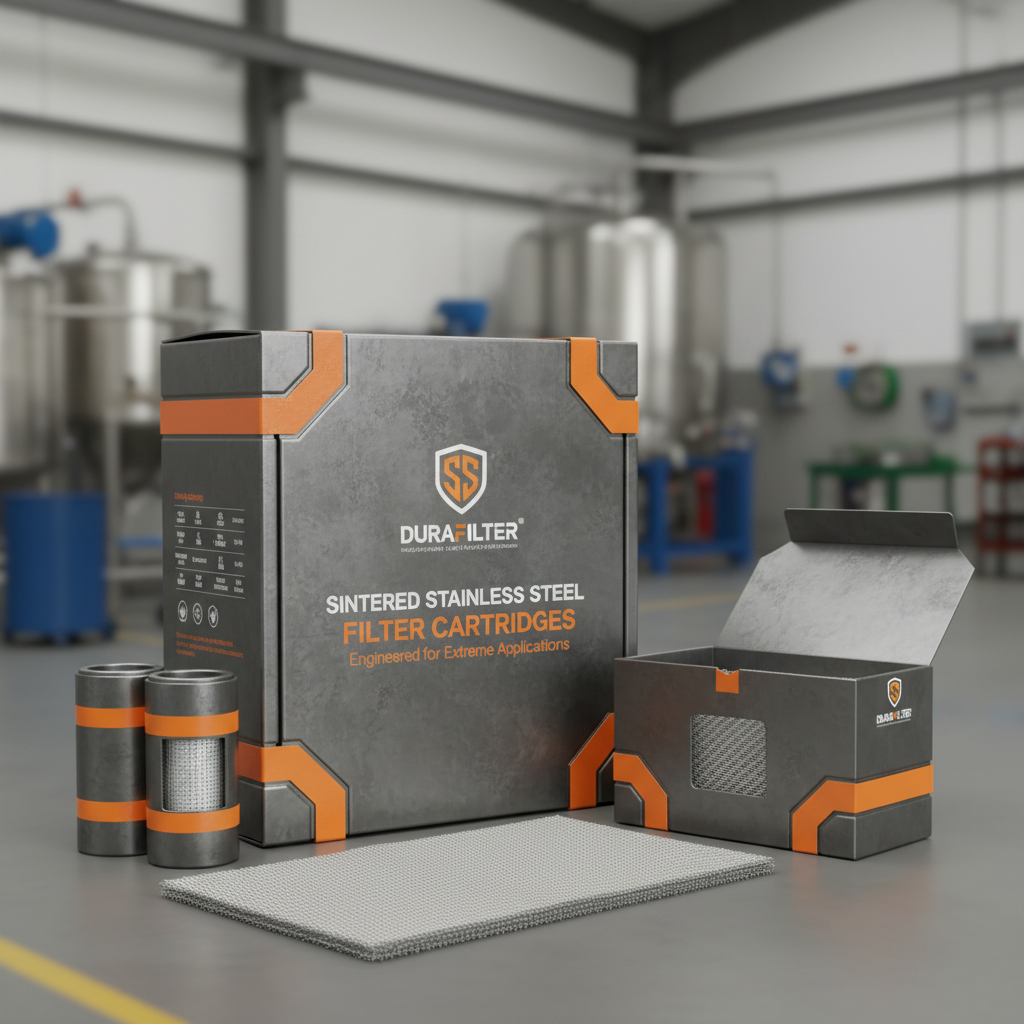
In the demanding world of industrial processing, achieving absolute purity and consistency is a non-negotiable requirement. sintered ss filter cartridges have emerged as a gold standard for high-temperature, high-pressure, and corrosive environments. Unlike disposable filters, these stainless steel solutions offer unparalleled longevity and reliability. This guide explores how sintered technology transforms filtration efficiency, ensuring your production line remains uncontaminated while reducing long-term operational costs. Whether you are in pharmaceuticals, food and beverage, or petrochemicals, understanding the nuances of these cartridges is key to optimizing your system.
What are Sintered SS Filter Cartridges and How Do They Work?
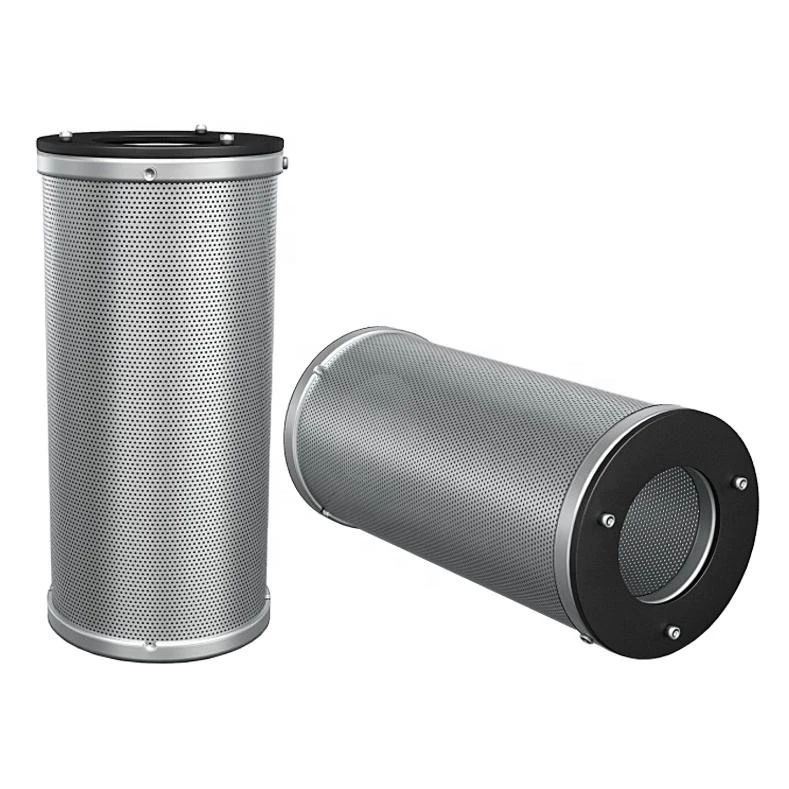
Sintering is a specialized manufacturing process where metal powder is compacted and heated below its melting point, causing the particles to bond together. This creates a rigid, porous structure with a precise micron rating. The resulting sintered ss filter cartridges act as a physical barrier, trapping contaminants while allowing the fluid or gas to pass through the intricate network of pores. Because they are made from high-grade stainless steel (such as 316L), they resist chemical attack and mechanical wear, making them an ideal choice for "critical-path" filtration where failure is not an option.
Core Advantage: The sintering process allows for absolute filtration, meaning the pore size is uniform across the entire cartridge, eliminating the "leak-through" common in felt or woven filters.
Key Benefits of Choosing Sintered SS Filter Cartridges
The primary appeal of sintered ss filter cartridges lies in their extreme durability. While polymer filters degrade under heat or solvent exposure, stainless steel remains stable. Furthermore, these cartridges are fully cleanable. Through back-pulsing or chemical cleaning, the trapped particles can be removed, restoring the filter to its original flow rate. This sustainability reduces waste and drastically lowers the total cost of ownership by eliminating the need for frequent replacements.
Why they outperform others:
• High Temperature Resistance: Operates in environments where plastics would melt.
• Chemical Inertness: Compatible with acids, bases, and organic solvents.
• Mechanical Strength: Withstands high differential pressures without collapsing.
• Reusable Design: Significantly reduces long-term procurement costs.
Comparison: Sintered SS Filter Cartridges vs. Traditional Polymer Filters
When deciding between a disposable polymer filter and a sintered ss filter cartridge, the decision usually comes down to the environment and the budget timeline. Polymers are cheaper upfront but expensive over time due to replacement cycles. Sintered stainless steel requires a higher initial investment but offers a lifespan that can span years. Below is a detailed comparison of their performance metrics.
Industrial Applications for Sintered SS Filter Cartridges
Because of their versatility, sintered ss filter cartridges are utilized across a vast spectrum of industries. In the pharmaceutical sector, they are used for sterile filtration and catalyst recovery. In oil and gas, they filter heavy hydrocarbons and remove metallic debris from lubricants. The food and beverage industry relies on them for beer and wine filtration, where hygiene and the ability to steam-sterilize (SIP) are critical. Their ability to maintain a precise micron rating makes them indispensable for any process where particle contamination could lead to catastrophic equipment failure.
Technical Specifications of Sintered SS Filter Cartridges
Selecting the right filter requires a deep dive into the technical specifications. The most critical factor is the filtration rating, which determines the smallest particle the cartridge can reliably stop. Material selection (304 vs 316L) depends on the corrosivity of the fluid. Additionally, the design of the end-caps and seals must match the housing to prevent bypass. Below is a typical specification table for our high-performance range of sintered ss filter cartridges.
Maintenance Tips for Sintered Stainless Steel Filters
To maximize the ROI of your sintered ss filter cartridges, a proactive maintenance schedule is essential. The most common sign that a filter needs cleaning is a rise in the differential pressure (ΔP) across the housing. When the pressure drop exceeds the manufacturer's threshold, it is time to initiate a cleaning cycle. We recommend using an ultrasonic bath for deep cleaning or a controlled reverse-flow of clean fluid. Avoiding harsh abrasive scrubbing ensures that the precision-sintered surface remains intact, preserving the micron rating for years to come.
Conclusion: Elevating Your Filtration Standards
Choosing sintered ss filter cartridges is more than just a hardware upgrade; it is a strategic decision to enhance process reliability and sustainability. By combining the strength of stainless steel with the precision of sintering technology, these filters provide a robust solution to the most challenging industrial filtration problems. From reducing waste to ensuring absolute purity, the benefits are clear. Invest in quality filtration today to secure the efficiency of your tomorrow.
Frequently Asked Questions (FAQs)
Can sintered ss filter cartridges be completely restored after clogging?
Yes, in most cases, sintered stainless steel filters can be restored to near-original flow rates. Because the structure is rigid and metallic, they can withstand aggressive cleaning methods that would destroy polymer filters. Common methods include back-flushing with compressed air or liquid, chemical soaking to dissolve specific contaminants, and ultrasonic cleaning. However, the ability to restore the filter depends on the nature of the contaminant; for example, some resins or adhesives may permanently bond to the pores, requiring specialized chemical solvents for removal.
What is the difference between 304 and 316L stainless steel for filters?
The primary difference lies in corrosion resistance. 304 stainless steel is excellent for general-purpose filtration and is more cost-effective. 316L, however, contains molybdenum, which provides significantly better resistance to chlorides and acidic environments. The 'L' in 316L stands for 'Low Carbon,' which prevents carbide precipitation during welding, ensuring the filter remains corrosion-resistant at the joints. For pharmaceutical or marine applications, 316L is the industry standard to prevent pitting and crevice corrosion.
How do I determine the correct micron rating for my application?
Determining the micron rating involves balancing the need for purity against the required flow rate. A lower micron rating (e.g., 0.5 to 2 microns) provides higher purity but increases the pressure drop and causes the filter to clog faster. A higher rating (e.g., 20 to 100 microns) allows for higher flow and longer intervals between cleanings but lets more particles through. We recommend analyzing the particle size distribution of your contaminants and testing a few samples. You can consult the experts at Only Filter Cartridge to find the optimal balance for your specific fluid viscosity and flow requirements.
Are sintered filters compatible with high-pressure steam?
Absolutely. One of the greatest advantages of sintered stainless steel is its thermal and mechanical stability. Unlike plastic or fiber filters, which may warp or melt, sintered cartridges can handle high-pressure steam and are frequently used in Steam-In-Place (SIP) sterilization cycles. This makes them indispensable in biotech and food processing where sterility is mandatory. The rigid structure ensures that the filtration precision is maintained even under the extreme thermal expansion and contraction cycles associated with steam sterilization.
-
High-Efficiency Adsorption for Clean Air & Water PurificationNewsApr.20,2026
-
Air Filter Cartridge: High-Efficiency Filtration for Engine Protection & Clean Air SupplyNewsApr.17,2026
-
Filter Paper: Precision Filtration Media for Industrial & Laboratory ExcellenceNewsApr.16,2026
-
Industrial Guide for Selecting a Stainless Filter CartridgeNewsApr.16,2026
-
Dust Filter Cartridges: High-Efficiency Industrial Filtration for Clean Production & ComplianceNewsApr.15,2026
-
Filter Paper: High-Efficiency Filtration Solution for Industrial & Laboratory UseNewsApr.14,2026