In the modern industrial landscape, maintaining ultra-pure air environments is no longer a luxury but a critical operational requirement. The hepa cartridge filter stands as the gold standard for removing microscopic airborne particles, ensuring that sensitive manufacturing processes remain uncontaminated by dust, allergens, and volatile organic compounds.
Understanding the mechanics and application of these high-efficiency particulate air filters is essential for engineers and facility managers who aim to optimize air quality and equipment longevity. By implementing a high-grade hepa cartridge filter, companies can significantly reduce the risk of product defects and enhance the safety of the working environment.
This comprehensive guide explores the technical nuances, global applications, and future innovations of filtration technology. Whether you are integrating these into a cleanroom or using them for industrial dust collection, knowing how to select and maintain your hepa cartridge filter is the key to achieving peak operational efficiency.
Global Relevance and Industrial Context of Filtration
Across the globe, the demand for sterile environments has surged, driven by advancements in biotechnology and semiconductor manufacturing. According to ISO standards, the ability to control particulate matter is paramount in preventing catastrophic failures in high-precision equipment. The hepa cartridge filter has become a cornerstone of this effort, bridging the gap between basic air ventilation and medical-grade purification.
The challenge lies in the increasing prevalence of ultra-fine particles that traditional filters simply cannot capture. From urban pollution to industrial chemical by-products, the need for a robust hepa cartridge filter system ensures that these invisible threats are neutralized before they can impact human health or product quality.
Defining the HEPA Cartridge Filter Mechanics
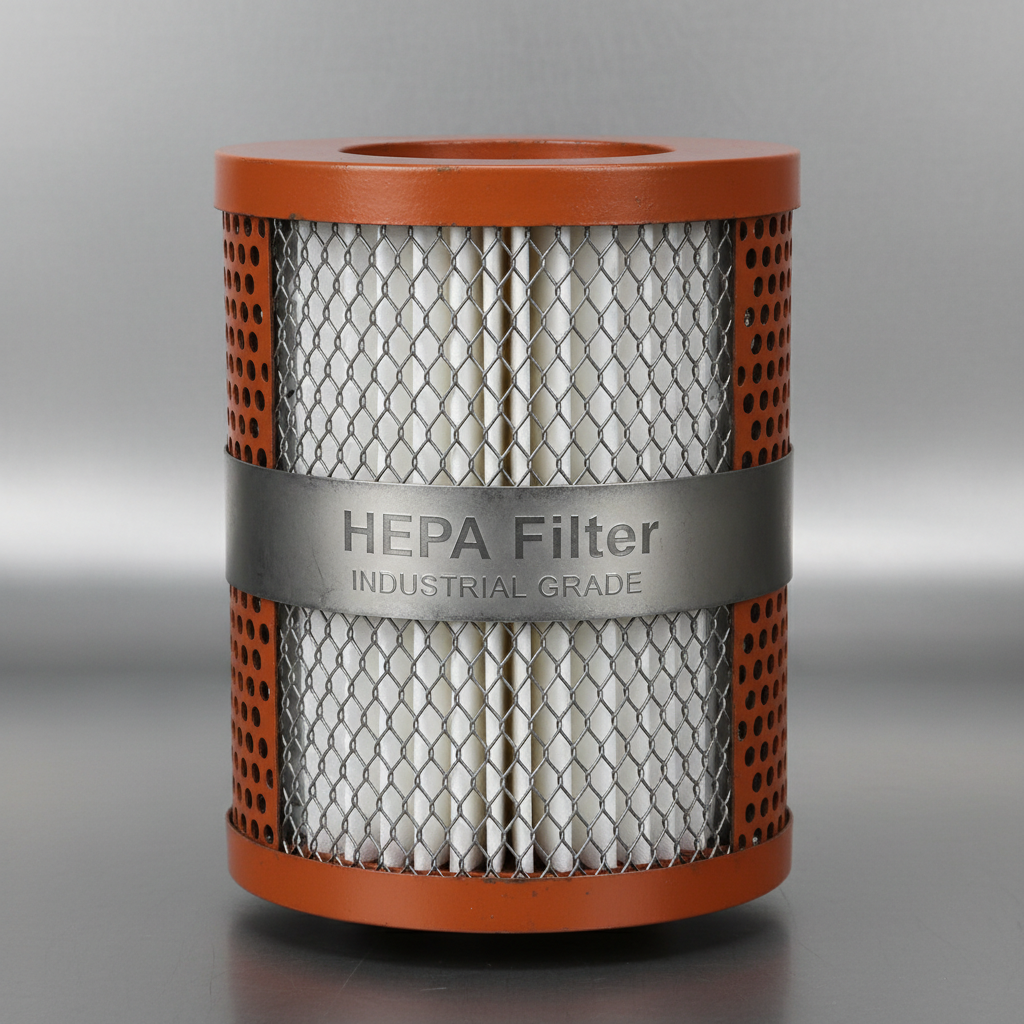
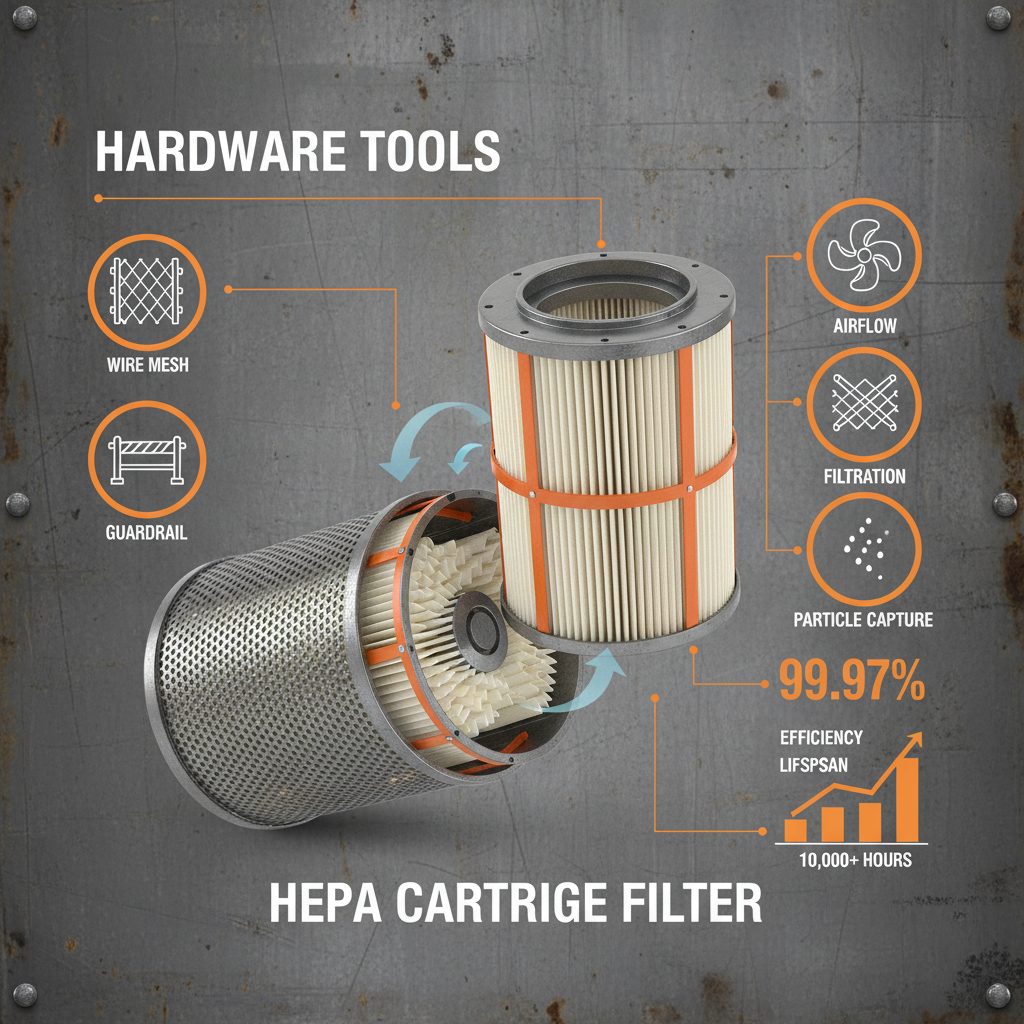
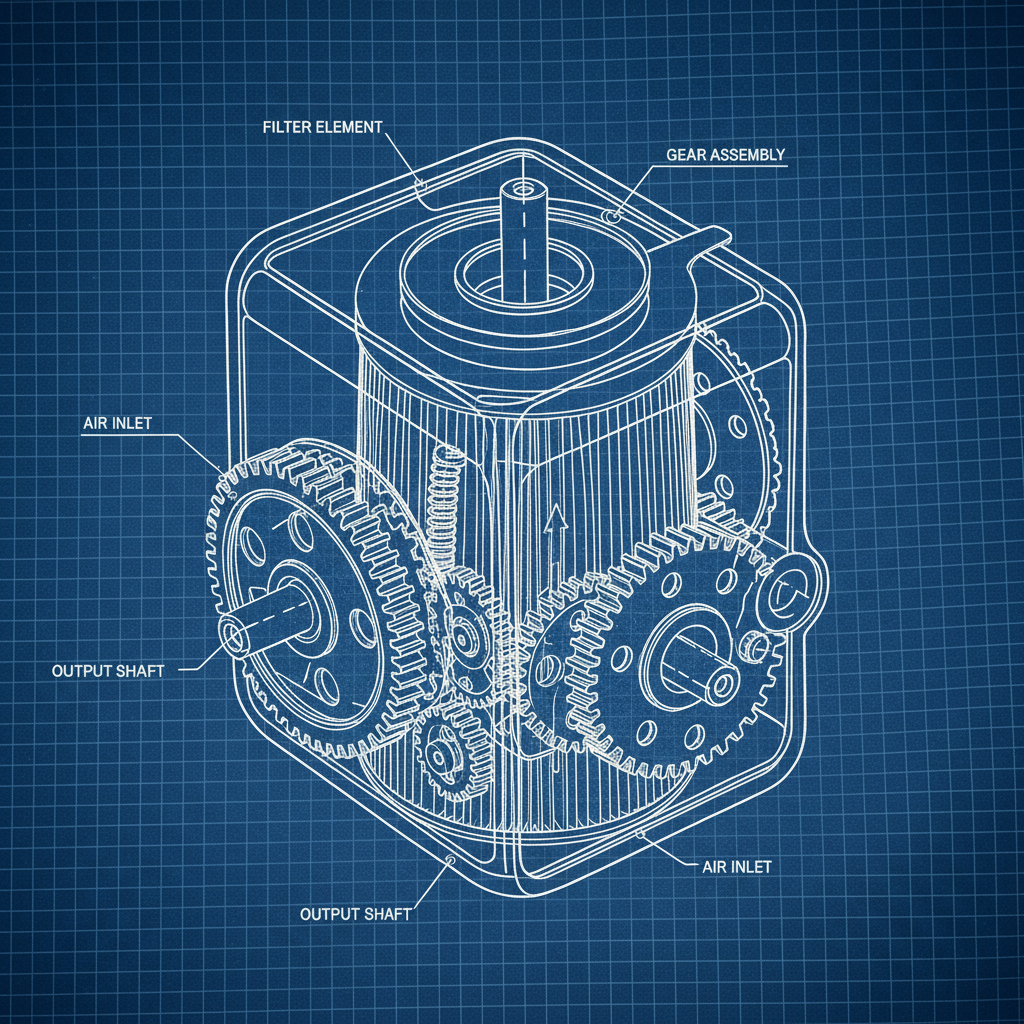
At its core, a hepa cartridge filter is a specialized air filtration device designed to trap at least 99.97% of particles that have a size of 0.3 microns. Unlike flat panel filters, the cartridge design maximizes the surface area through pleating, allowing for a higher volume of air to be processed without a significant increase in pressure drop.
The "High-Efficiency Particulate Air" designation is not just a marketing term but a technical standard. These filters utilize a dense mat of randomly arranged glass fibers, which capture particles through three primary mechanisms: interception, impaction, and diffusion. This multi-layered approach ensures that the hepa cartridge filter remains effective against a wide spectrum of contaminants.
In modern industry, this technology is indispensable for humanitarian and safety needs, such as in the production of pharmaceuticals or the management of hazardous waste. By integrating a hepa cartridge filter into HVAC and vacuum systems, organizations can guarantee an environment that meets stringent regulatory requirements.
Core Components for Maximum Air Purity
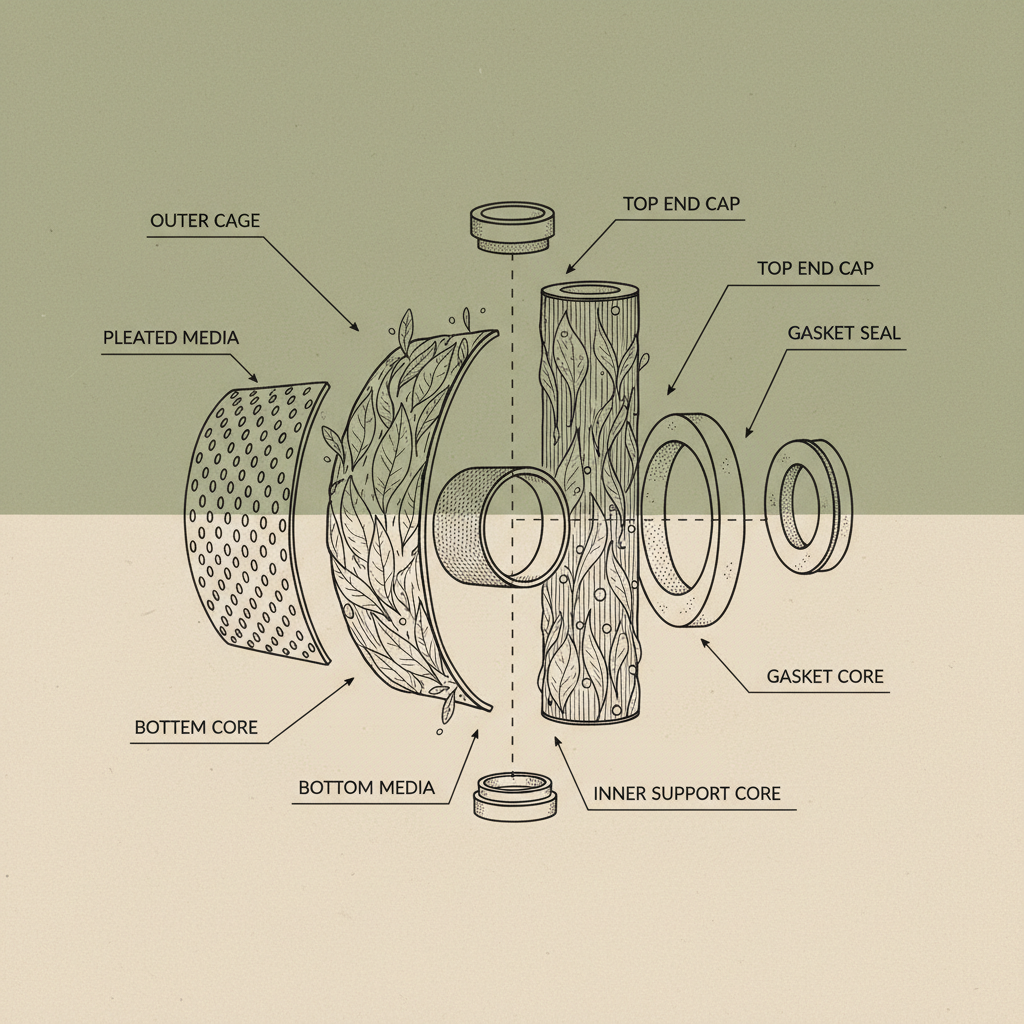
The efficiency of a hepa cartridge filter depends heavily on its structural integrity and the quality of its filter media. The primary component is the micro-glass fiber weave, which provides the necessary resistance to capture sub-micron particles while maintaining an acceptable flow rate.
Durability is further enhanced by the use of reinforced end caps and high-grade gaskets, which prevent "air bypass." If air leaks around the edges of the hepa cartridge filter, the overall system efficiency drops drastically, regardless of how high the media rating is.
Scalability is another critical factor; these filters are often designed in modular cartridges that can be swapped out without shutting down the entire facility. This ensures that the hepa cartridge filter provides continuous protection with minimal operational downtime.
Performance Metrics and Efficiency Standards
When evaluating a hepa cartridge filter, engineers focus on the balance between filtration efficiency and pressure drop. A higher efficiency rating often results in more resistance to airflow, requiring more powerful fans and higher energy consumption.
Optimizing the pleat density allows for a larger surface area, which reduces the velocity of the air passing through the media. This ensures that the hepa cartridge filter can operate longer before reaching its dust-holding capacity, thereby reducing the frequency of replacements.
Comparative Efficiency of Filter Cartridge Technologies
Global Applications and Real-World Use Cases
The versatility of the hepa cartridge filter allows it to be deployed in diverse settings. In pharmaceutical laboratories across Europe and North America, these filters are integrated into Laminar Flow Hoods to prevent cross-contamination during drug formulation, ensuring patient safety and drug efficacy.
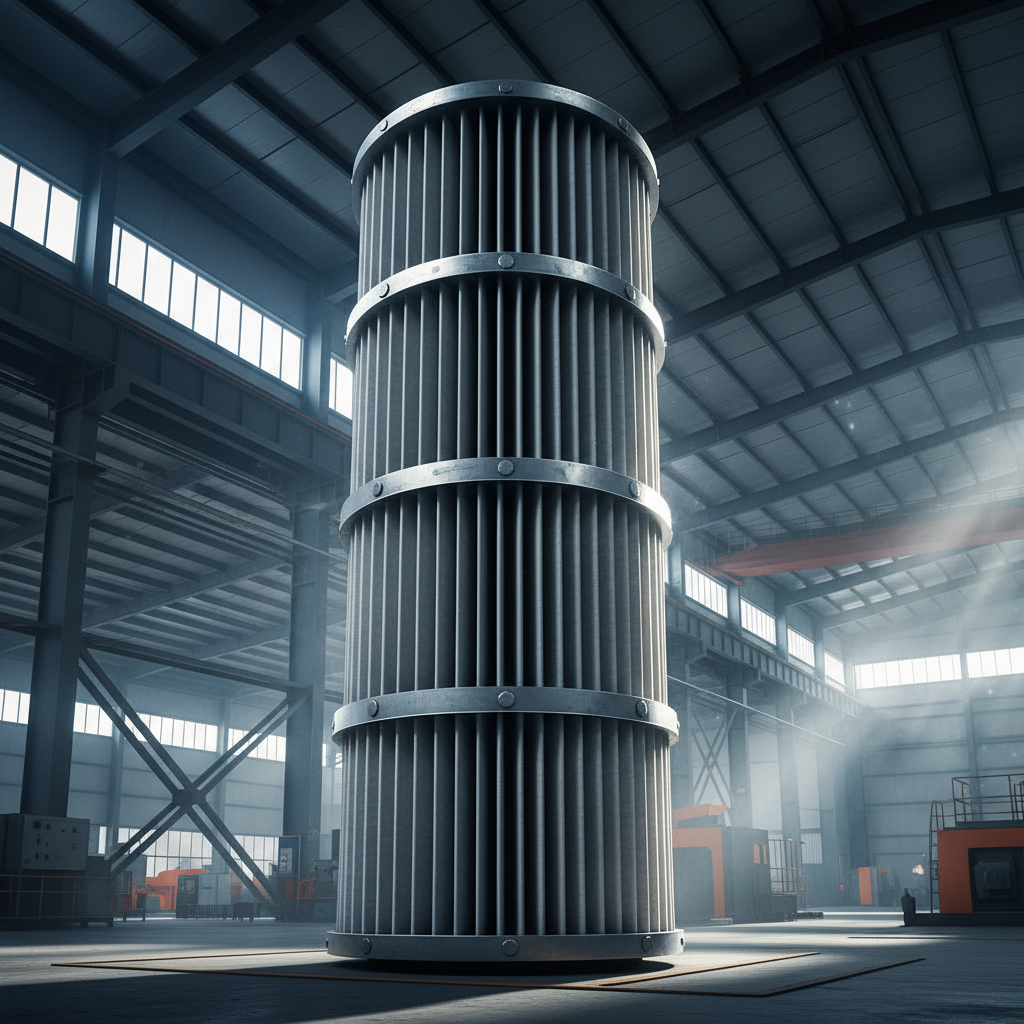
In remote industrial zones, such as mining operations in Australia or oil refineries in the Middle East, the hepa cartridge filter is used in heavy-duty dust collectors. These systems protect machinery from abrasive dust and safeguard workers from inhaling hazardous silica or metallic particles.
Long-Term Value and Sustainable Benefits
Investing in a high-quality hepa cartridge filter provides significant long-term financial value. By reducing the particulate load on secondary equipment, companies can extend the life of their expensive machinery, reducing capital expenditure and avoiding costly unplanned outages.
From a sustainability perspective, modern hepa cartridge filter designs focus on energy efficiency. By optimizing the air-to-cloth ratio, these filters lower the energy required for airflow, directly reducing the carbon footprint of the facility's HVAC system.
Beyond the logic of cost, there is a profound emotional angle: trust and safety. When employees know that the air they breathe is scrubbed by a certified hepa cartridge filter, it fosters a culture of care and professional dignity, increasing overall workplace morale.
Future Innovations in Filtration Technology
The future of the hepa cartridge filter is leaning toward "smart filtration." We are seeing the integration of IoT sensors directly into the filter housing, allowing for real-time monitoring of pressure differentials. This enables predictive maintenance, where a filter is replaced based on actual saturation levels rather than a rigid calendar schedule.
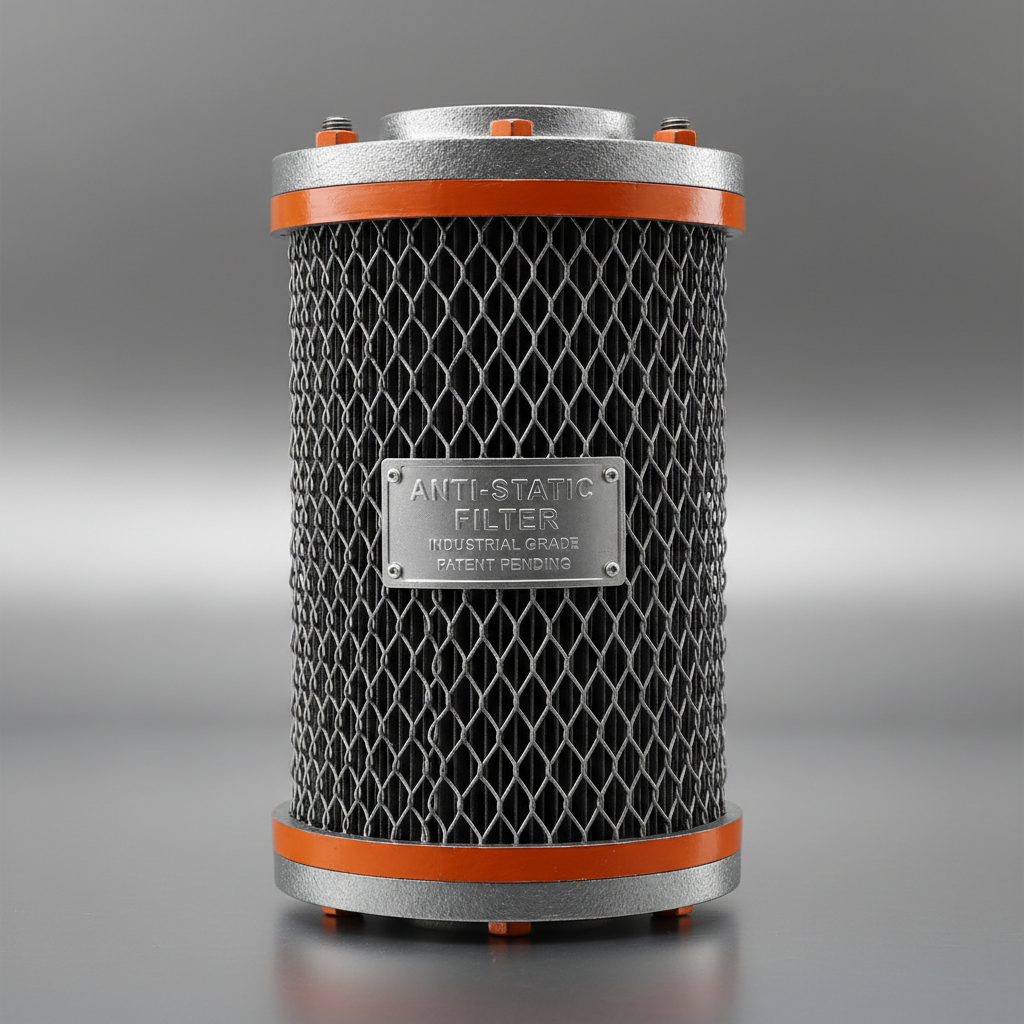
Material science is also evolving, with the introduction of nanofibers and electrostatic media. These innovations allow the hepa cartridge filter to achieve even higher capture rates with lower airflow resistance, further enhancing energy efficiency.
Furthermore, the shift toward green energy is prompting the development of biodegradable filter frames and recyclable media. The next generation of hepa cartridge filter systems will likely balance extreme purity with a circular economy approach to waste management.
Technical Comparison of HEPA Filter Cartridge Variants
|
Filter Variant
|
Efficiency Rate
|
Airflow Resistance
|
Typical Application
|
| Standard Glass Fiber |
99.97% |
Medium |
General Cleanrooms |
| PTFE Membrane Coated |
99.99% |
Low |
Pharmaceutical Labs |
| ULPA Grade |
99.999% |
High |
Semiconductor Fab |
| Hybrid Carbon-HEPA |
99.95% |
Medium |
Chemical Processing |
| Nanofiber Enhanced |
99.98% |
Very Low |
HVAC Energy Saving |
| Heavy Duty Industrial |
99.90% |
Low |
Mining/Dust Collection |
FAQS
Replacement frequency depends on the particulate load and airflow volume. Generally, filters are replaced when the differential pressure reaches a specific threshold (usually 2-3 times the initial pressure). In cleanroom environments, this may occur every 6 to 24 months, but real-time monitoring is the most accurate way to determine the end of a filter's life.
Standard HEPA filters are not designed to be cleaned. Attempting to vacuum or wash the media can create microscopic holes in the glass fiber weave, compromising the filtration efficiency. For applications requiring reusable options, specialized washable pre-filters are used to protect the main hepa cartridge filter from larger debris.
The primary difference is the efficiency rating and the size of particles they can capture. While a hepa cartridge filter captures 99.97% of particles at 0.3 microns, an ULPA (Ultra-Low Particulate Air) filter captures 99.999% of particles as small as 0.12 microns. ULPA filters are typically reserved for extreme environments like semiconductor fabrication.
The best way to ensure a leak-free seal is through "leak testing" using an aerosolized challenge agent (like PAO oil). A probe is passed along the gaskets and seams of the hepa cartridge filter; if the sensor detects the aerosol, it indicates a leak. Proper gasket selection and torque settings during installation are crucial to prevent this.
Standard HEPA filters only capture particulate matter and cannot stop gases or odors. To remove VOCs or smells, you must use a hybrid system that combines a hepa cartridge filter with an activated carbon filter. The carbon adsorbs the gas molecules while the HEPA media captures the physical particles.
Yes, because the higher initial cost is offset by reduced energy consumption and longer service intervals. High-efficiency filters with optimized airflow (low pressure drop) reduce the load on fans and blowers, leading to lower monthly electricity bills and fewer maintenance man-hours over the equipment's lifecycle.
Conclusion
The integration of a high-performance hepa cartridge filter is a fundamental requirement for any industry where air purity is linked to product quality and human safety. From the intricate needs of pharmaceutical cleanrooms to the rugged demands of industrial dust collection, these filters provide a reliable barrier against microscopic contaminants, ensuring operational stability and regulatory compliance.
As we move toward a future of smart manufacturing and sustainable operations, the role of filtration will only grow in importance. By investing in advanced materials and predictive monitoring, businesses can maximize the value of their hepa cartridge filter systems, achieving a perfect balance between purity, energy efficiency, and environmental responsibility. Visit our website for more professional solutions: www.onlyfiltercartridge.com

 Email:admin@only-filter.com
 Tel:
+8615930870079
Tel:
+8615930870079