 Email:admin@only-filter.com
 Tel:
+8615930870079
Tel:
+8615930870079
Mar . 08, 2026 02:10 Back to list
Comprehensive Guide to Gas Turbine Filters for Optimal Performance
Understanding Gas Turbine Filters: A Comprehensive Guide
Gas turbines are critical components in power generation, oil & gas, and aviation industries. Protecting these expensive assets from damaging particulate matter is paramount. This is where gas turbine filters play a crucial role. This article explores the types, functions, and importance of gas turbine filters, offering insights into selection and maintenance for optimal performance. Ensuring the clean air intake significantly extends turbine lifespan and efficiency. We'll discuss how choosing the right filter can minimize downtime and reduce operational costs.
The Crucial Role of Gas Turbine Filters
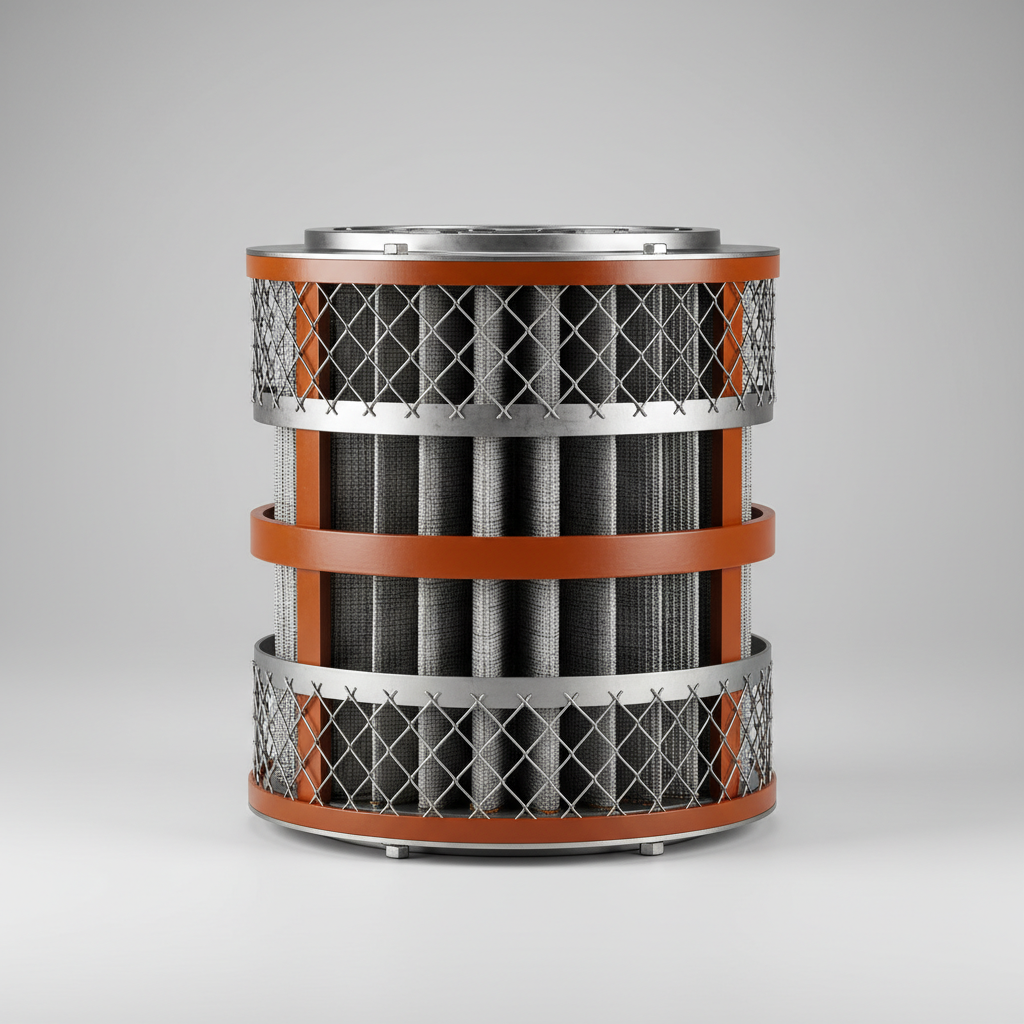
Gas turbine filters are designed to remove particulate matter – dust, sand, pollen, water droplets – from the air entering the turbine. Ingestion of these contaminants can lead to erosion of turbine blades, reduced efficiency, increased maintenance requirements, and even catastrophic failures. Filters work by trapping these particles, preventing them from reaching the sensitive internal components. Different filter types offer varying levels of filtration efficiency, depending on the specific application and the severity of the operating environment. Maintaining a clean air supply is key to maximizing turbine performance and reliability. Choosing the correct gas turbine filter is the first step in effective protection.
Key Benefits: Reduced maintenance costs, increased turbine efficiency, extended turbine lifespan, minimized downtime, and improved overall power output.
Types of Gas Turbine Filters
Several types of filters are used in gas turbine applications, each suited for different conditions and levels of contamination. These include:
- Inertial Separators: Remove large particulate matter using centrifugal force.
- Mesh Filters: Coarse filtration, effective for removing large dust particles.
- Pleated Filters: Offer a larger surface area for higher dust-holding capacity and improved efficiency.
- HEPA Filters: (High-Efficiency Particulate Air) Provide extremely high filtration efficiency, removing even the smallest particles.
- Self-Cleaning Filters: Employ automated mechanisms to remove accumulated dust, reducing pressure drop and extending filter life.
The optimal filter type depends on the specific turbine model, the operating environment, and the desired level of air quality. Onlyfiltercartridge.com offers a wide range of filter solutions to meet diverse needs.
Gas Turbine Filter Performance: Efficiency Ratings and Pressure Drop
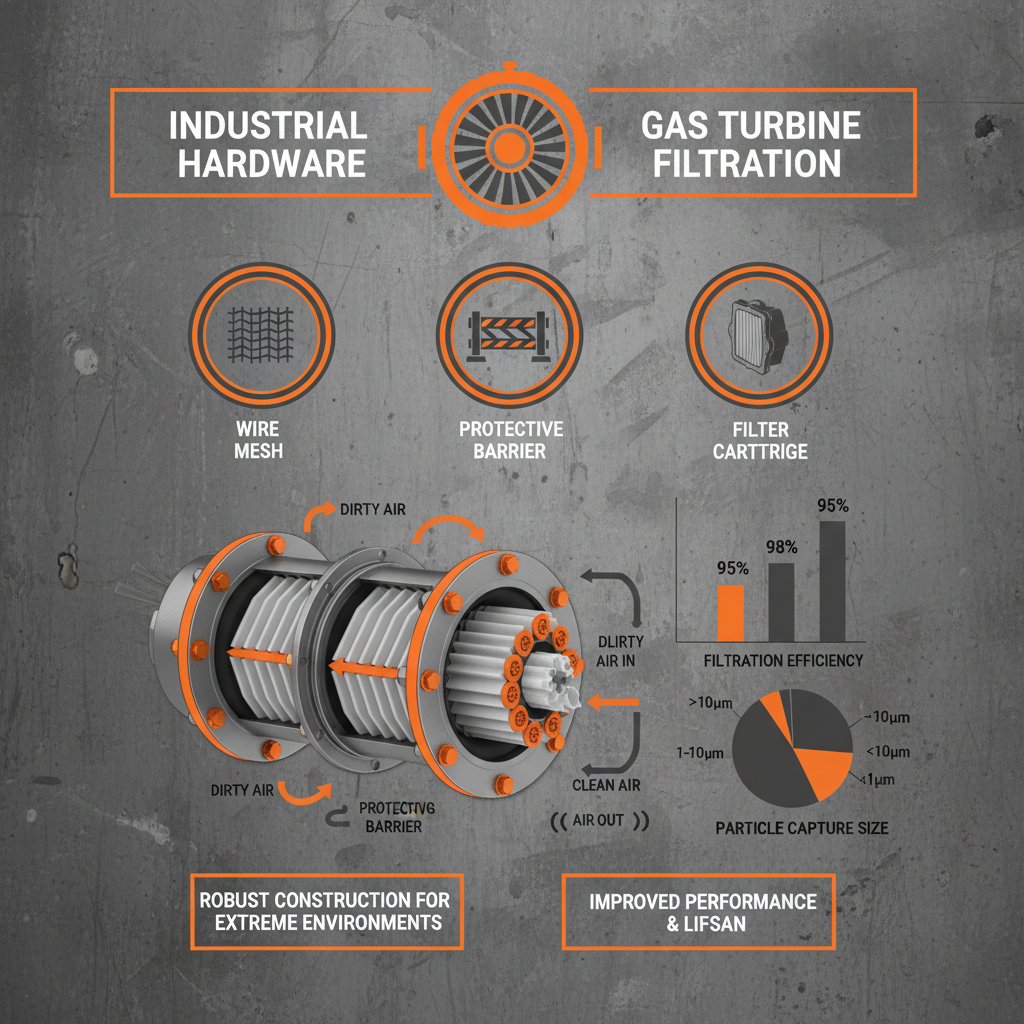
Filter performance is typically evaluated based on two key metrics: filtration efficiency and pressure drop. Filtration efficiency refers to the filter's ability to remove particles of a specific size. It is expressed as a percentage, indicating the proportion of particles captured. Pressure drop is the resistance to airflow caused by the filter. A higher pressure drop requires the turbine to work harder to draw in air, reducing efficiency. Selecting a filter that balances high efficiency with an acceptable pressure drop is essential.
Selecting the Right Gas Turbine Filter for Your Application
Choosing the appropriate gas turbine filter requires careful consideration of several factors. These include the type of turbine, the operating environment (desert, coastal, industrial), the level of contamination, and the desired filter life. For harsh environments with high dust levels, a multi-stage filtration system is often recommended, combining inertial separators with pleated or HEPA filters. Regular filter monitoring and replacement are crucial for maintaining optimal performance. Consider the total cost of ownership, including filter price, pressure drop, and replacement frequency when making your selection. Onlyfiltercartridge.com can provide expert advice and customized filter solutions.
Filter Maintenance and Replacement Schedules
Proactive filter maintenance is essential for preventing turbine damage and maximizing efficiency. Regularly inspect filters for signs of clogging, damage, or wear. Monitor the pressure drop across the filter – a significant increase indicates that it’s time for replacement. Establish a preventative maintenance schedule based on operating hours, environmental conditions, and manufacturer recommendations. Proper filter disposal is also important, adhering to local environmental regulations. Regular maintenance ensures continued optimal performance of the gas turbine and minimizes the risk of costly failures. Consult with Onlyfiltercartridge.com for guidance on filter maintenance and replacement schedules tailored to your specific needs.
Conclusion: Protecting Your Investment with Quality Gas Turbine Filters
Investing in high-quality gas turbine filters and implementing a robust maintenance program is critical for protecting your valuable turbine assets. By preventing contamination, you can significantly reduce maintenance costs, improve efficiency, and extend the lifespan of your turbines. Don’t compromise on air quality – choose reliable filtration solutions and prioritize preventative maintenance.
Frequently Asked Questions (FAQs)
What is the typical lifespan of a gas turbine filter?
The lifespan of a gas turbine filter varies greatly depending on the operating environment and the type of filter used. In clean environments, a filter may last for several months or even a year. However, in dusty or corrosive environments, filters may need to be replaced much more frequently, sometimes as often as every few weeks. Regular pressure drop monitoring is the best way to determine when a filter needs to be replaced. Typically, a filter should be replaced when the pressure drop increases by 25-50% over its initial value. We, at Onlyfiltercartridge.com, can help you establish a maintenance schedule tailored to your specific needs. A general guideline suggests that pleated filters are replaced every 6-12 months while HEPA filters are replaced annually or bi-annually.
How does humidity affect gas turbine filter performance?
High humidity can significantly impact gas turbine filter performance. Moisture can cause filter media to clump together, reducing airflow and increasing pressure drop. It can also promote the growth of mold and bacteria within the filter, further hindering its efficiency. In humid environments, it’s crucial to select filters with moisture-resistant properties. Using pre-filters to remove larger water droplets before they reach the main filter can also help extend its lifespan. Regular filter inspections are vital to identify any signs of moisture damage or contamination. Proper ventilation and dehumidification of the air intake system can also help mitigate the effects of humidity.
What are the consequences of using a damaged gas turbine filter?
Using a damaged gas turbine filter can have severe consequences. A torn or degraded filter allows unfiltered air to enter the turbine, leading to erosion of turbine blades, reduced efficiency, and increased maintenance costs. Contaminants can also cause imbalance and vibration, potentially leading to catastrophic turbine failure. Damaged filters can also increase pressure drop, forcing the turbine to work harder and consume more fuel. Regularly inspecting filters for damage and replacing them promptly is essential to prevent these issues. Ignoring filter damage can result in significant financial losses and downtime.
Can I clean and reuse gas turbine filters?
While some types of gas turbine filters, such as self-cleaning filters, are designed for reuse, most disposable filters should not be cleaned and reused. Attempting to clean a disposable filter can damage the filter media and reduce its efficiency. Self-cleaning filters have automated systems for removing dust and debris, allowing them to be used for extended periods. However, even self-cleaning filters eventually require replacement. Always consult the manufacturer's recommendations before attempting to clean or reuse a gas turbine filter. Improper cleaning can compromise the filter's integrity and protective capabilities. For disposable filters, replacement is always the recommended course of action.
-
High-Efficiency Adsorption for Clean Air & Water PurificationNewsApr.20,2026
-
Air Filter Cartridge: High-Efficiency Filtration for Engine Protection & Clean Air SupplyNewsApr.17,2026
-
Filter Paper: Precision Filtration Media for Industrial & Laboratory ExcellenceNewsApr.16,2026
-
Industrial Guide for Selecting a Stainless Filter CartridgeNewsApr.16,2026
-
Dust Filter Cartridges: High-Efficiency Industrial Filtration for Clean Production & ComplianceNewsApr.15,2026
-
Filter Paper: High-Efficiency Filtration Solution for Industrial & Laboratory UseNewsApr.14,2026