 Email:admin@only-filter.com
 Tel:
+8615930870079
Tel:
+8615930870079
Mar . 04, 2026 02:15 Back to list
Comprehensive Guide to Filter Cartridge Air Quality and Selection
Understanding Filter Cartridge Air Quality
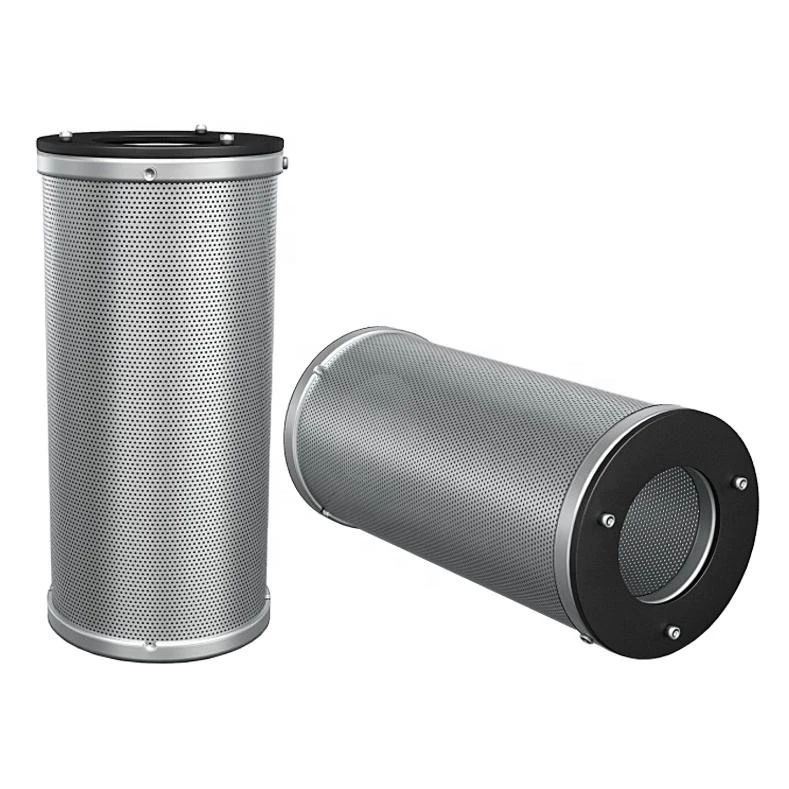
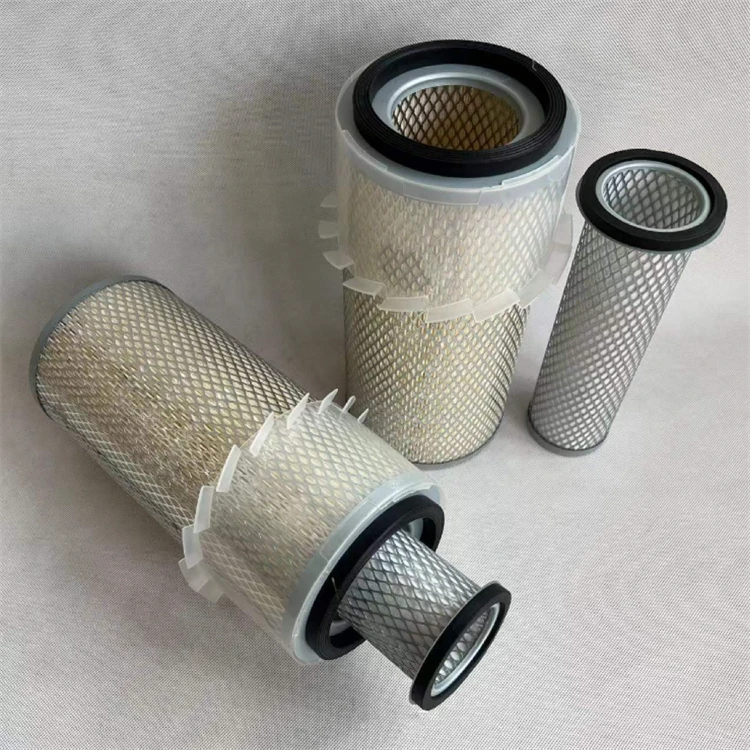
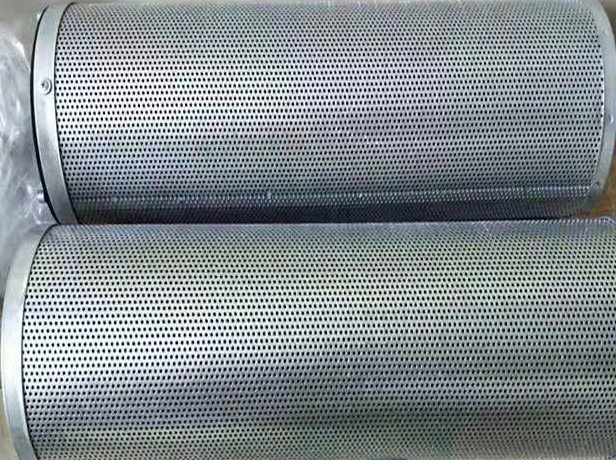
Clean air is essential for health and productivity, and in many industrial and commercial settings, achieving optimal air quality relies on effective filtration systems. A critical component of these systems is the filter cartridge air. These cartridges play a vital role in removing dust, pollutants, and other contaminants from the air, protecting equipment, and ensuring a safe working environment. This article delves into the world of air filter cartridges, exploring their types, applications, and the importance of selecting the right filter for your needs. Investing in the correct filter cartridge is a proactive step towards a healthier and more efficient operation.
Types of Filter Cartridge Air
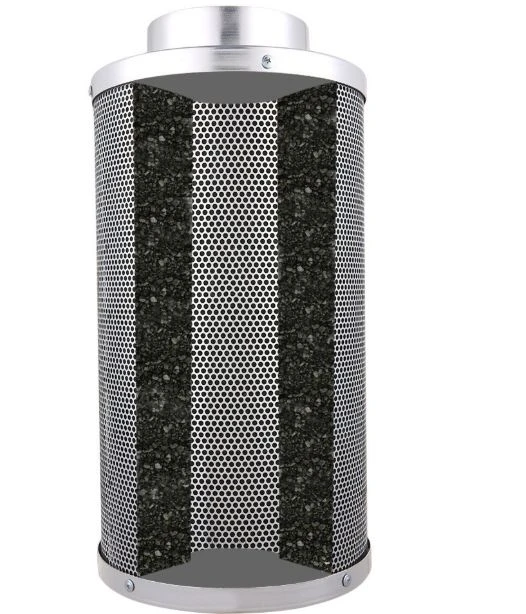
Air filter cartridges are not one-size-fits-all. They come in various types, each designed to capture different particle sizes and contaminants. Common types include pleated filters, bag filters, HEPA filters, and activated carbon filters. Pleated filters are versatile and offer a good balance of efficiency and airflow. Bag filters are ideal for high-dust environments, while HEPA filters are crucial for applications requiring ultra-clean air. Activated carbon filters excel at removing odors and volatile organic compounds (VOCs). Understanding the specific needs of your environment is key to choosing the right type of air filter cartridge.
Key Highlights: Air filter cartridges come in various types, including pleated, bag, HEPA, and activated carbon, each designed for specific contaminants and applications.
The Importance of MERV Ratings
The Minimum Efficiency Reporting Value (MERV) rating is a crucial metric when evaluating filter cartridge air performance. The MERV rating indicates the filter’s ability to capture particles of different sizes. Higher MERV ratings signify greater efficiency in trapping smaller particles. Choosing the appropriate MERV rating depends on the specific air quality requirements of your application. For example, a hospital operating room will require a much higher MERV rating than a general office building. Understanding MERV ratings ensures you select a filter that effectively addresses the contaminants present in your air stream.
MERV Rating Benefits:
• Indicates the filter’s ability to capture particles of different sizes
• Higher ratings mean greater efficiency
• Helps select the right filter for specific air quality needs
Filter Cartridge Air: Applications Across Industries
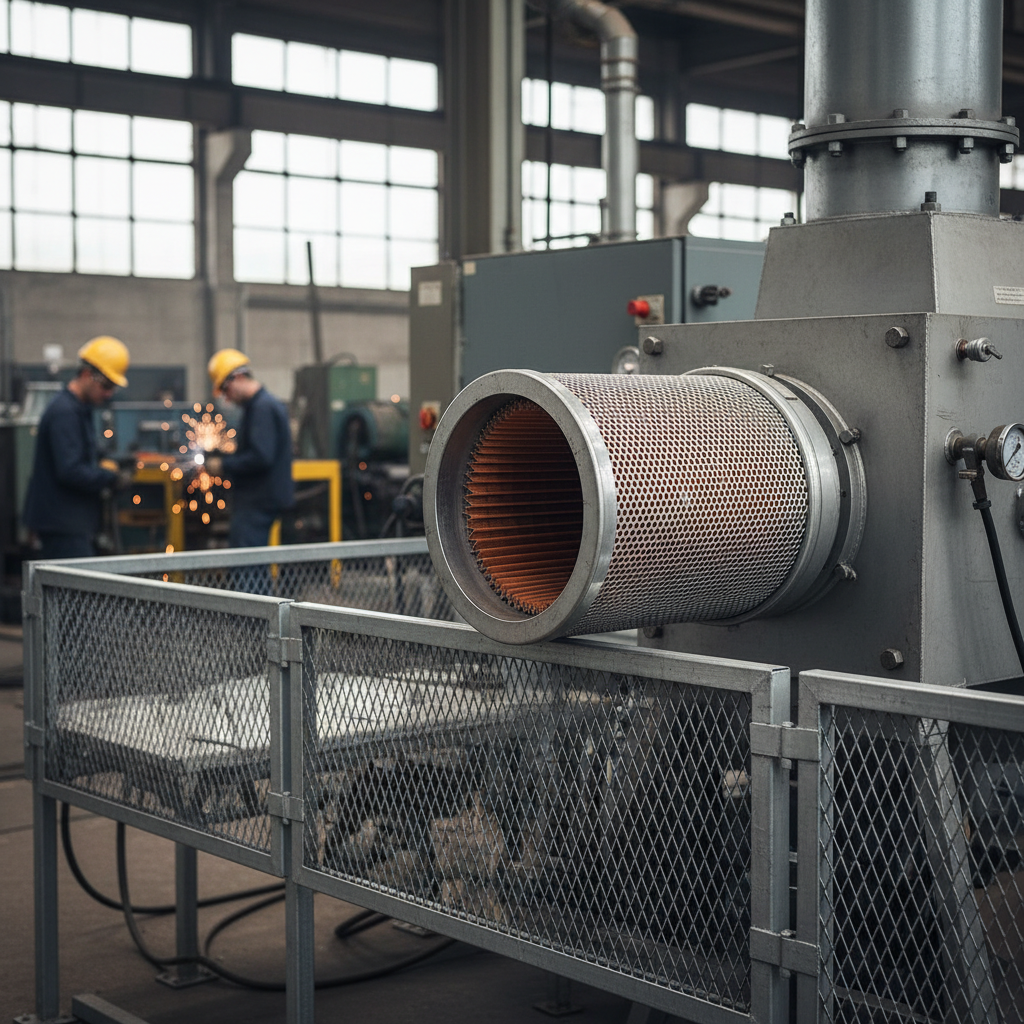
The applications of air filter cartridges are diverse, spanning numerous industries. Manufacturing facilities utilize them to protect sensitive equipment and maintain product quality. Healthcare facilities rely on high-efficiency filters to prevent the spread of airborne pathogens. Commercial buildings employ air filters to improve indoor air quality and reduce energy consumption. The food and beverage industry uses specialized filters to prevent contamination. Selecting the correct filter cartridge air is crucial for optimizing performance and maintaining a safe environment in each of these sectors.
Selecting the Right Supplier for Filter Cartridge Air
Choosing a reputable supplier is essential when sourcing filter cartridge air. Look for a supplier that offers a wide range of filters, competitive pricing, and excellent customer support. Consider factors such as product quality, lead times, and the ability to provide technical assistance. A reliable supplier can help you select the optimal filter for your specific application and ensure a consistent supply of high-quality products. Only Filter Cartridge provides these benefits and more.
Maintenance and Replacement Best Practices
Regular maintenance and timely replacement of air filter cartridges are crucial for maintaining optimal air quality and system efficiency. Check filters regularly for signs of dirt buildup and replace them as needed. The frequency of replacement will depend on the application and the level of contamination. Ignoring filter maintenance can lead to reduced airflow, increased energy consumption, and compromised air quality. Following a consistent filter replacement schedule will ensure your system operates efficiently and provides a clean and healthy environment.
Conclusion: Investing in Clean Air
Investing in high-quality filter cartridge air and adhering to a regular maintenance schedule is essential for protecting equipment, ensuring a healthy environment, and optimizing system performance. Understanding the different types of filters, MERV ratings, and best practices will empower you to make informed decisions and achieve optimal air quality. Choose wisely and breathe easy.
Frequently Asked Questions (FAQs)
How often should I replace my air filter cartridge?
The replacement frequency depends on several factors, including the type of filter, the level of air contamination, and the operating environment. Generally, pleated filters should be replaced every 1-3 months, bag filters every 3-6 months, and HEPA filters every 6-12 months. However, it's crucial to visually inspect filters regularly and replace them when they appear dirty or clogged. Operating in dusty environments will require more frequent replacements. Proactive replacement ensures optimal airflow and filtration efficiency. Ignoring this can lead to reduced system performance and increased energy costs. It’s always best to follow the manufacturer's recommendations for your specific filter type.
What is the difference between a MERV 8 and a MERV 13 filter?
A MERV 13 filter is significantly more efficient at capturing smaller particles than a MERV 8 filter. A MERV 8 filter captures larger particles like dust, pollen, and dust mites, making it suitable for general air filtration. A MERV 13 filter captures smaller particles like bacteria, viruses, and smoke, making it ideal for environments requiring higher levels of air purification, such as healthcare facilities or homes with allergy sufferers. While MERV 13 filters offer better protection, they can also restrict airflow more than MERV 8 filters, so it's important to ensure your HVAC system can handle the increased resistance.
Can I wash and reuse my air filter cartridge?
Generally, air filter cartridges are designed for single use and should not be washed and reused. Washing can damage the filter media, reducing its efficiency and potentially releasing trapped contaminants back into the air. Reusable filters, such as some electrostatic filters, are available, but they require specific cleaning procedures as outlined by the manufacturer. Using a disposable filter beyond its recommended lifespan or attempting to wash a non-reusable filter can compromise air quality and system performance.
How do I know if my air filter is clogged?
Several signs can indicate a clogged air filter. These include reduced airflow from vents, increased dust accumulation in the house, a noticeable increase in energy bills, and a musty odor. Visually inspecting the filter is the most direct way to determine if it's clogged. If the filter appears dirty, discolored, or covered in debris, it's time for a replacement. A clogged filter forces your HVAC system to work harder, leading to decreased efficiency and potential damage.
-
High-Efficiency Adsorption for Clean Air & Water PurificationNewsApr.20,2026
-
Air Filter Cartridge: High-Efficiency Filtration for Engine Protection & Clean Air SupplyNewsApr.17,2026
-
Filter Paper: Precision Filtration Media for Industrial & Laboratory ExcellenceNewsApr.16,2026
-
Industrial Guide for Selecting a Stainless Filter CartridgeNewsApr.16,2026
-
Dust Filter Cartridges: High-Efficiency Industrial Filtration for Clean Production & ComplianceNewsApr.15,2026
-
Filter Paper: High-Efficiency Filtration Solution for Industrial & Laboratory UseNewsApr.14,2026