 Email:admin@only-filter.com
 Tel:
+8615930870079
Tel:
+8615930870079
Mar . 17, 2026 02:05 Back to list
Comprehensive Guide to Air Filter Turbine Systems and Applications
Understanding Air Filter Turbines: A Comprehensive Guide
Air filter turbines are crucial components in various industrial applications, ensuring clean and efficient air supply. These turbines play a vital role in protecting sensitive equipment, maintaining air quality, and optimizing system performance. This article will delve into the principles of operation, applications, maintenance, and selection criteria for air filter turbines, offering insights for professionals and those seeking to improve their air filtration systems. Properly chosen and maintained, these turbines can significantly reduce downtime and operational costs.
How Air Filter Turbines Work
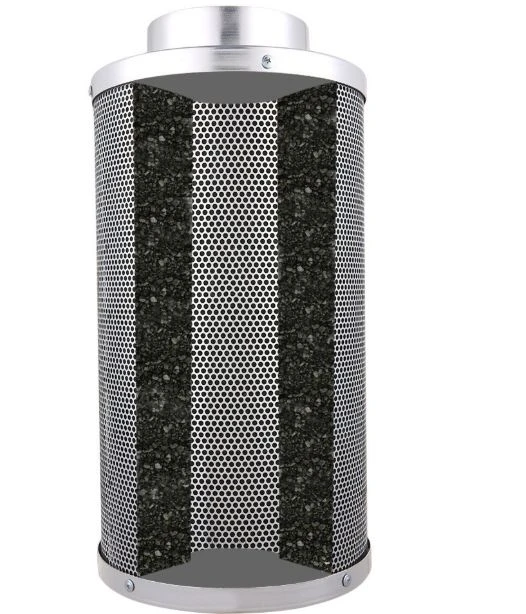
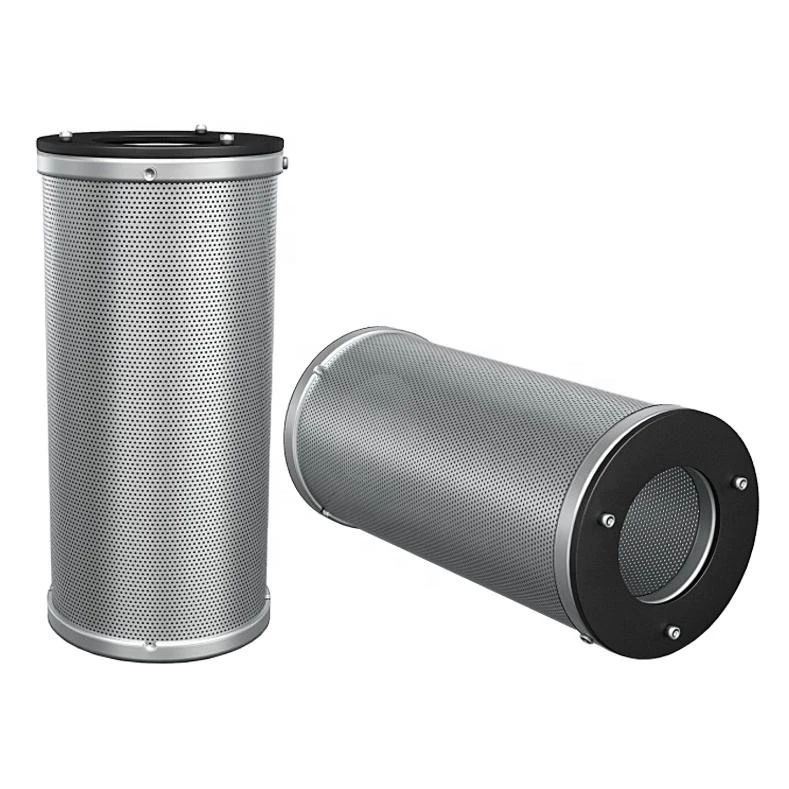
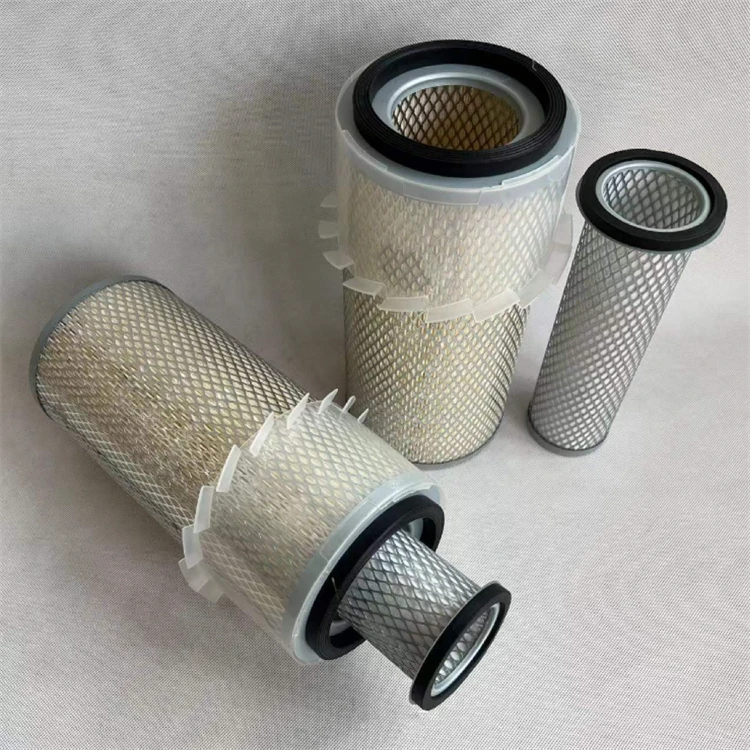
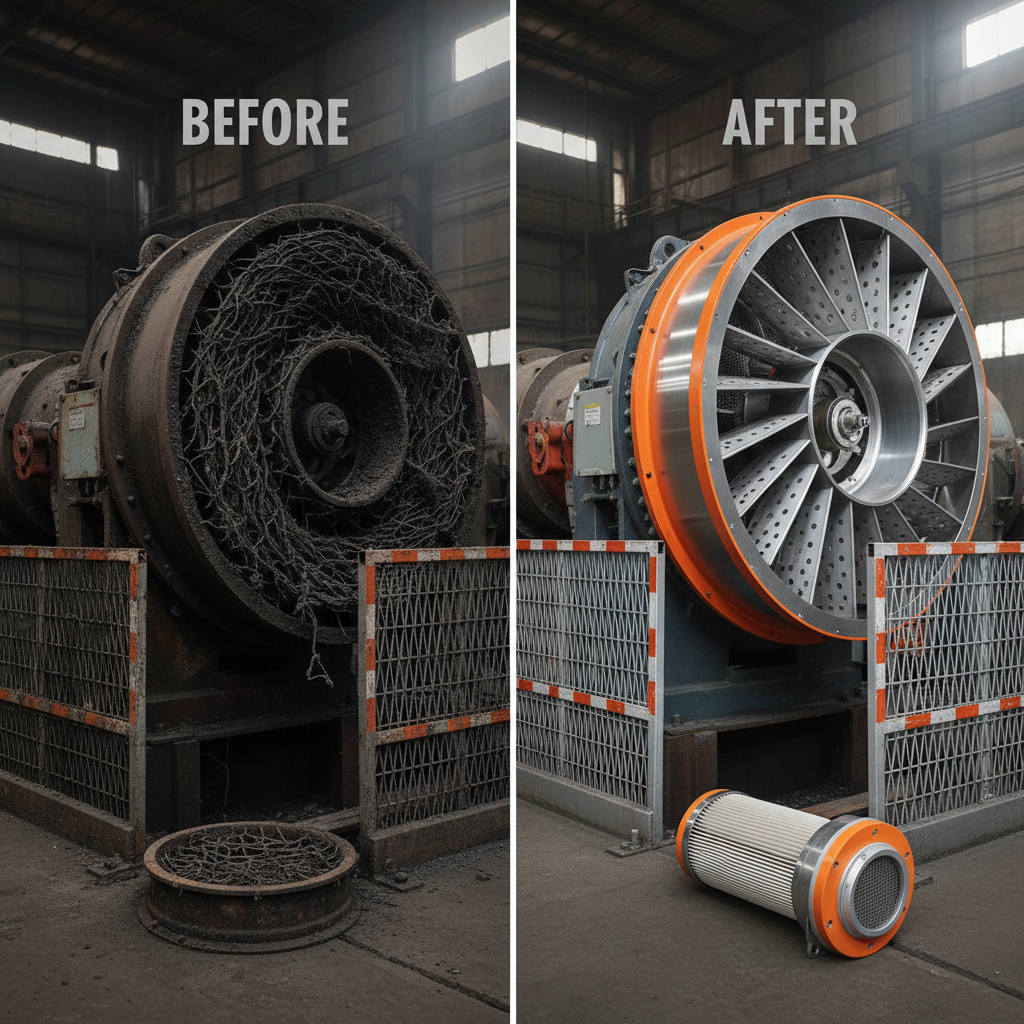
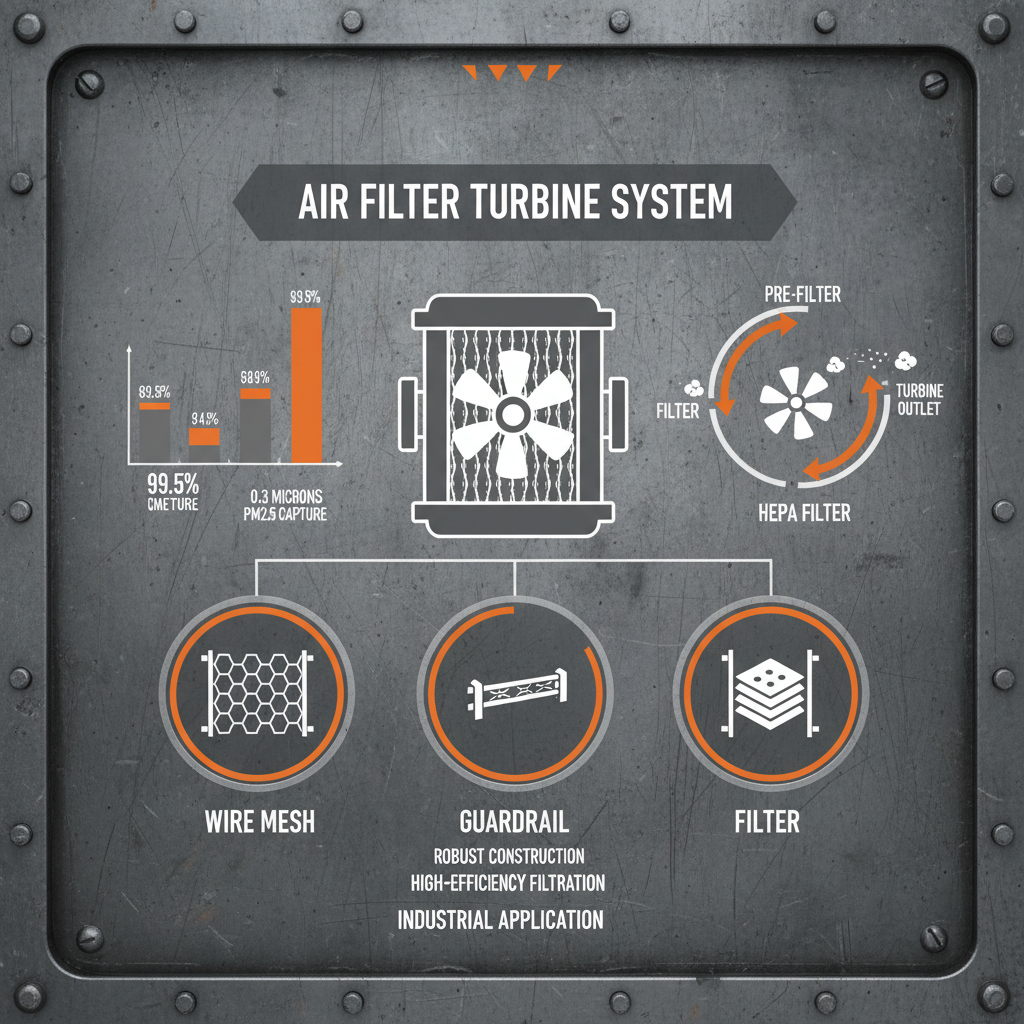
At their core, air filter turbines utilize a rotating fan (the turbine) to draw air through a filtration system. The turbine is driven by a motor, creating a pressure difference that pulls air in, forces it through the filter media, and then expels clean air. The filter media captures particulate matter, dust, pollen, and other contaminants, preventing them from entering sensitive environments or equipment. The efficiency of the turbine directly impacts the volume of airflow and the effectiveness of the filtration process. Different turbine designs exist, including centrifugal and axial flow turbines, each suited for specific applications and airflow requirements. Understanding these principles is key to selecting the right air filter turbine for your needs.
Key Benefits: Ensures clean and efficient air supply, protects sensitive equipment, and maintains air quality.
Applications of Air Filter Turbines
Air filter turbines find application in a diverse range of industries. In manufacturing, they protect sensitive machinery from dust and contaminants, preventing costly downtime. In HVAC systems, they ensure clean air circulation, improving indoor air quality. Pharmaceutical and food processing facilities rely on these turbines to maintain sterile environments. Power generation plants use them to protect gas turbines and other critical components. Furthermore, they are integral to cleanrooms, hospitals, and laboratories. The specific type of turbine and filter media employed will vary depending on the application's requirements. Consider the particle size, airflow rate, and environmental conditions when selecting an air filter turbine.
Key Industries:
• Manufacturing
• HVAC Systems
• Pharmaceutical & Food Processing
• Power Generation
Air Filter Turbine Selection: Key Considerations
Choosing the right air filter turbine requires careful consideration of several factors. First, assess the required airflow rate (CFM) for your application. Second, determine the necessary filtration efficiency, based on the size of particles you need to remove. Third, consider the environmental conditions, such as temperature, humidity, and the presence of corrosive substances. Fourth, evaluate the power source available and the turbine's energy efficiency. Finally, assess the turbine’s noise level and ease of maintenance. Selecting a turbine that meets these criteria will ensure optimal performance and longevity. OnlyFilterCartridge.com offers expert guidance to help you select the ideal air filter turbine for your specific needs.
Maintenance and Troubleshooting
Regular maintenance is critical for ensuring the reliable operation of air filter turbines. This includes periodic filter replacement, inspection of the turbine blades for damage, lubrication of bearings, and checking the motor’s electrical connections. Common issues include reduced airflow, increased noise levels, and motor overheating. Reduced airflow often indicates a clogged filter. Increased noise can signal bearing wear or imbalance. Motor overheating suggests electrical problems or inadequate ventilation. Following the manufacturer’s recommended maintenance schedule is essential for preventing these issues. OnlyFilterCartridge.com provides high-quality replacement filters and maintenance guidance to keep your turbine running smoothly.
Future Trends in Air Filter Turbine Technology
The field of air filter turbine technology is constantly evolving. Recent advancements include the development of more energy-efficient motors, improved filter media with higher capture rates, and the integration of smart sensors for remote monitoring and diagnostics. Variable frequency drives (VFDs) are becoming increasingly popular, allowing for precise control of airflow and energy consumption. Furthermore, research is focused on developing self-cleaning filters that reduce maintenance requirements. These innovations promise to enhance the performance, reliability, and sustainability of air filter turbines in the years to come.
Conclusion: Optimizing Air Quality with Air Filter Turbines
Investing in a high-quality air filter turbine is crucial for maintaining optimal air quality and protecting valuable equipment. By understanding the principles of operation, applications, and maintenance requirements, you can ensure the reliable and efficient performance of your air filtration system. OnlyFilterCartridge.com is your trusted partner for all your air filter turbine needs, providing expert guidance and high-quality products.
Frequently Asked Questions (FAQs)
What is the typical lifespan of an air filter turbine?
The lifespan of an air filter turbine varies depending on usage, operating conditions, and maintenance. With proper maintenance, a turbine can typically last between 5 to 10 years. Key factors affecting lifespan include the quality of the turbine components, the frequency of filter replacements, and the severity of the operating environment. Regular inspections and adherence to the manufacturer's recommended maintenance schedule can significantly extend its lifespan. Overheating, excessive vibration, or exposure to corrosive substances can shorten the turbine’s life.
How often should I replace the air filter in my turbine?
The frequency of air filter replacement depends on the operating environment and the type of filter used. As a general guideline, filters should be inspected monthly and replaced when they appear dirty or clogged. In heavily contaminated environments, filters may need to be replaced more frequently, perhaps even weekly. Using a pressure drop indicator can help determine when a filter needs replacement – a significant increase in pressure drop indicates a clogged filter. Ignoring filter replacement can lead to reduced airflow, increased energy consumption, and potential damage to the turbine.
What are the benefits of using a VFD with my air filter turbine?
A Variable Frequency Drive (VFD) allows for precise control of the turbine’s motor speed, optimizing airflow to match the specific demands of the application. This results in significant energy savings, reduced noise levels, and extended turbine lifespan. VFDs also provide soft starting and stopping, reducing stress on the motor and mechanical components. By adjusting the airflow dynamically, VFDs can improve system efficiency and reduce operational costs.
What safety precautions should I take when maintaining an air filter turbine?
Always disconnect the power supply before performing any maintenance on the turbine. Wear appropriate personal protective equipment (PPE), including safety glasses, gloves, and a dust mask. Be careful when handling filters, as they may contain accumulated contaminants. Avoid touching moving parts while the turbine is running. Follow the manufacturer's instructions carefully and consult a qualified technician if you are unsure about any aspect of the maintenance procedure.
-
High-Efficiency Adsorption for Clean Air & Water PurificationNewsApr.20,2026
-
Air Filter Cartridge: High-Efficiency Filtration for Engine Protection & Clean Air SupplyNewsApr.17,2026
-
Filter Paper: Precision Filtration Media for Industrial & Laboratory ExcellenceNewsApr.16,2026
-
Industrial Guide for Selecting a Stainless Filter CartridgeNewsApr.16,2026
-
Dust Filter Cartridges: High-Efficiency Industrial Filtration for Clean Production & ComplianceNewsApr.15,2026
-
Filter Paper: High-Efficiency Filtration Solution for Industrial & Laboratory UseNewsApr.14,2026