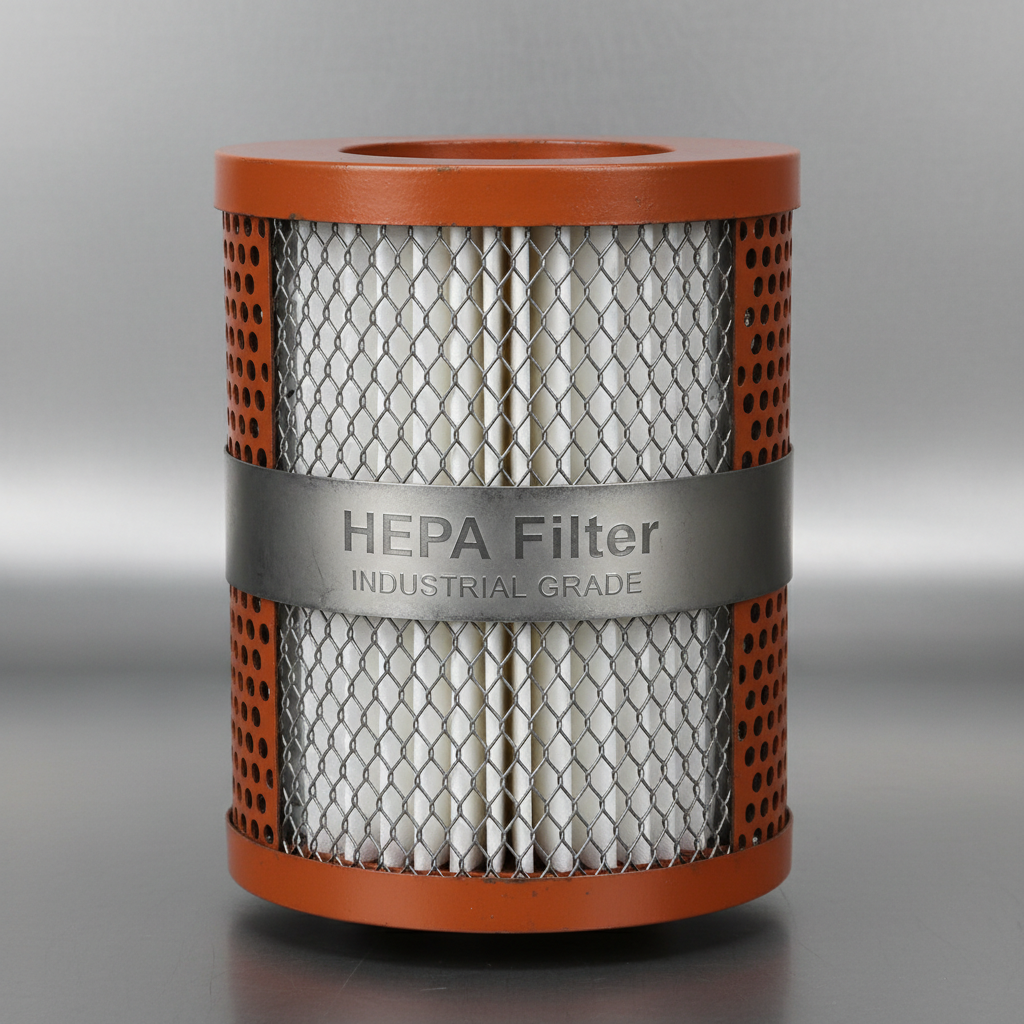
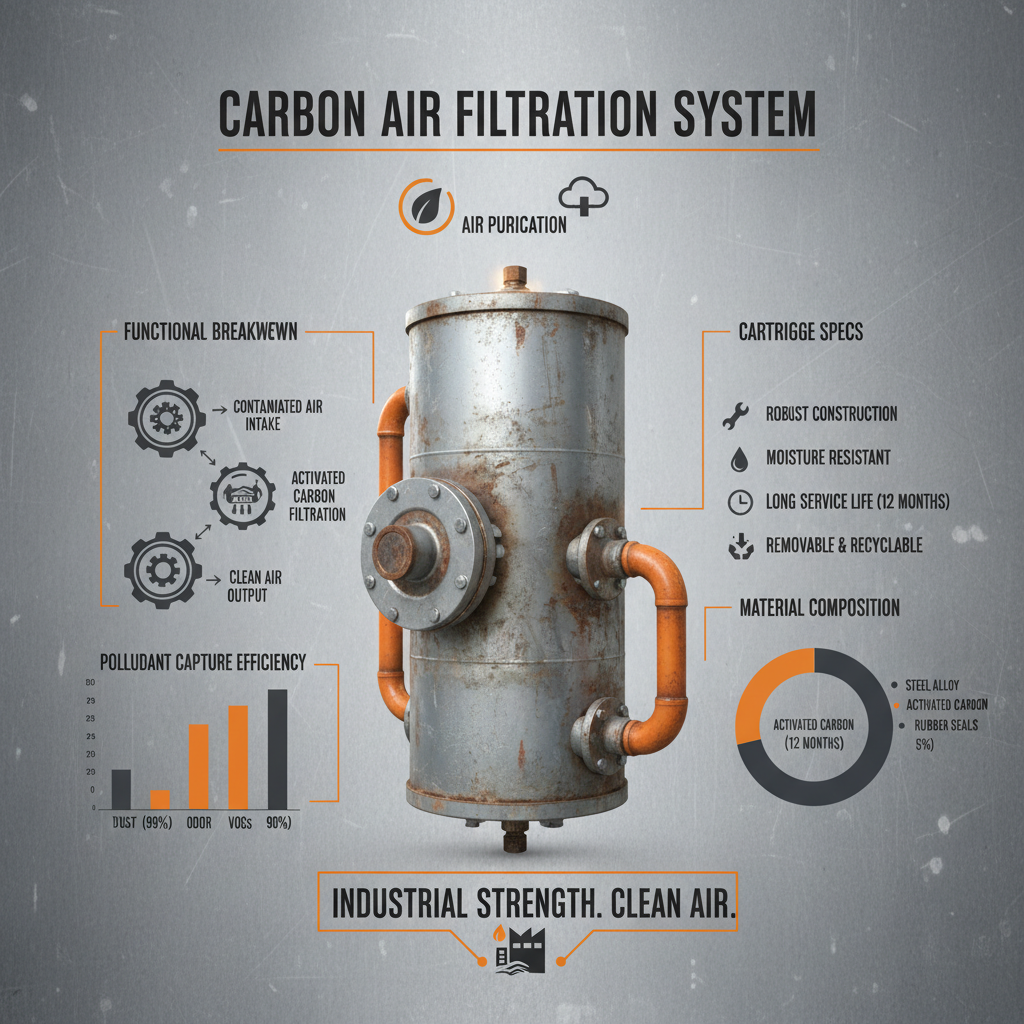
The world's increasing focus on air quality and industrial safety has driven significant demand for effective filtration solutions. vacuum filter cartridge systems are crucial components in maintaining clean and safe operating environments across a vast array of industries, from manufacturing and pharmaceuticals to energy production and environmental remediation. Their ability to remove particulate matter, contaminants, and harmful substances directly impacts process efficiency, product quality, and worker health.
Globally, stricter environmental regulations are pushing industries to adopt more sophisticated filtration technologies. The rising prevalence of respiratory illnesses linked to air pollution further underscores the importance of vacuum filter cartridge. Innovations in filter media and design are continually improving performance, extending lifespan, and reducing overall lifecycle costs, making them a cost-effective and essential investment for businesses worldwide.
Understanding the nuances of vacuum filter cartridge – their types, materials, and applications – is paramount for anyone involved in process engineering, facility management, or environmental compliance. This knowledge empowers informed decision-making, leading to optimized filtration systems and long-term operational success.
The Core Principles of Vacuum Filter Cartridge
At its core, a vacuum filter cartridge operates on the principle of separating solid particles from fluids – liquids or gases – using a porous barrier. This barrier allows the fluid to pass through while trapping the particulate matter, effectively cleaning the stream. The efficiency of this process is determined by factors like pore size, filter media, and the differential pressure across the cartridge.
The effective design of a vacuum filter cartridge system extends beyond the cartridge itself, encompassing the housing, sealing mechanisms, and flow dynamics. Optimized system design minimizes pressure drop, maximizes contaminant capture, and ensures a long and reliable service life, ultimately enhancing overall process efficiency.
Understanding Vacuum Filter Cartridge Technology
Vacuum filter cartridge technology has evolved significantly over time, moving from simple woven fabrics to sophisticated multi-layered structures utilizing advanced materials. Common filtration mechanisms include mechanical filtration (sieving), adsorption, and diffusion. Mechanical filtration is the most basic, physically trapping particles based on size. Adsorption utilizes surface chemistry to bind contaminants, while diffusion relies on random movement to capture smaller particles.
Different cartridge types are designed for specific applications and contaminant types. Pleated cartridges offer a large surface area for high flow rates and extended lifespan. Depth filters utilize a gradient density structure to capture particles throughout the media, providing higher dirt-holding capacity. Membrane filters, offering absolute pore sizes, are ideal for critical applications requiring sterile filtration.
Proper cartridge selection is crucial. Factors to consider include the nature of the fluid, the size and concentration of the contaminants, the desired filtration efficiency, and the operating conditions (temperature, pressure, chemical compatibility). Selecting the correct vacuum filter cartridge maximizes performance and minimizes costly downtime.
Key Components and Materials in Vacuum Filter Cartridge
The core of a vacuum filter cartridge is its filter media, which can be constructed from a variety of materials. Common options include polypropylene, polyester, cellulose, fiberglass, and various synthetic fibers. Polypropylene is widely used for its chemical resistance and cost-effectiveness, while polyester offers higher temperature resistance. Cellulose is often used in applications requiring high flow rates, and fiberglass provides excellent strength and durability.
Beyond the media, the end caps, gaskets, and core provide structural support and sealing. End caps are typically made from polypropylene or stainless steel, while gaskets are commonly constructed from elastomers like Buna-N, EPDM, or Viton, chosen for their chemical compatibility with the filtered fluid. The core provides structural integrity, preventing media collapse under pressure and ensuring consistent flow distribution.
The quality of these components directly impacts the vacuum filter cartridge's performance and longevity. Using high-quality materials ensures resistance to corrosion, degradation, and pressure fluctuations, minimizing the risk of failure and maintaining consistent filtration efficiency.
Performance Metrics and Efficiency of Vacuum Filter Cartridge
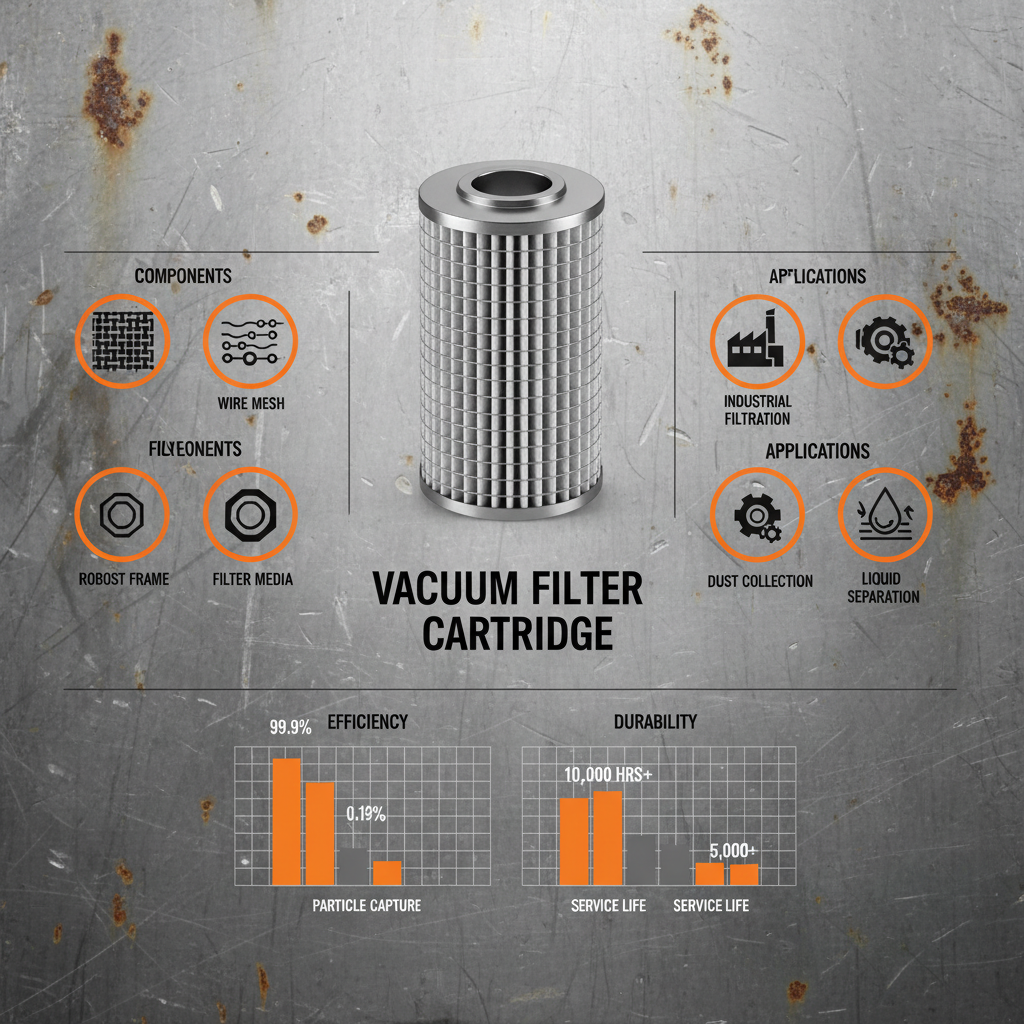
Evaluating the performance of a vacuum filter cartridge involves several key metrics. Filtration efficiency, expressed as a percentage, indicates the cartridge's ability to remove contaminants of a specific size. Pressure drop measures the resistance to flow, impacting energy consumption and system performance. Dirt-holding capacity determines how much contaminant the cartridge can accumulate before requiring replacement.
Beta Ratio is another crucial metric, indicating the number of particles of a given size upstream compared to downstream. A higher Beta Ratio signifies superior filtration efficiency. Lifespan, influenced by dirt-holding capacity and operating conditions, is a significant economic factor.
Vacuum Filter Cartridge Performance Comparison
Global Applications of Vacuum Filter Cartridge Systems
Vacuum filter cartridge systems find applications across a remarkably diverse range of industries. In manufacturing, they ensure product purity, protecting sensitive processes from contamination. Pharmaceutical companies rely on them for sterile filtration, guaranteeing the safety of medications.
The food and beverage industry utilizes vacuum filter cartridge for clarification and purification of liquids, maintaining product quality and extending shelf life. In the energy sector, they protect critical equipment from abrasive particles, ensuring reliable operation of turbines and compressors. Environmental applications include wastewater treatment and air pollution control.
Advantages and Long-Term Value Proposition of Vacuum Filter Cartridge
Employing vacuum filter cartridge offers numerous advantages, including improved product quality, reduced downtime, and enhanced process efficiency. By removing contaminants, they protect sensitive equipment, extending its lifespan and minimizing maintenance costs. The availability of a wide range of cartridge types allows for customized solutions tailored to specific application requirements.
The long-term value extends beyond cost savings. Effective filtration contributes to a safer working environment, protecting employee health and reducing the risk of accidents. Environmentally, it minimizes waste and reduces the discharge of pollutants, promoting sustainable practices and enhancing corporate social responsibility.
Furthermore, the reliability of vacuum filter cartridge systems fosters trust with customers and stakeholders, reinforcing a company's commitment to quality and responsible operations.
Future Trends and Innovations in Vacuum Filter Cartridge
The future of vacuum filter cartridge technology is driven by sustainability, efficiency, and digitalization. Ongoing research focuses on developing new filter media from renewable resources, reducing reliance on traditional polymers. Nanotechnology is being explored to create filters with enhanced surface area and improved contaminant capture capabilities.
Smart filtration systems, incorporating sensors and data analytics, are emerging. These systems monitor filter performance in real-time, predicting when replacement is needed, optimizing maintenance schedules, and minimizing downtime. Digital twins, virtual replicas of filtration systems, allow for predictive modeling and performance optimization.
The integration of artificial intelligence (AI) and machine learning (ML) will further enhance these capabilities, enabling self-optimizing filtration systems that adapt to changing operating conditions and maximize efficiency.
Summary of Key Challenges and Solutions in Vacuum Filter Cartridge Application
| Challenge |
Impact on Performance |
Potential Solutions |
Implementation Cost (1-10) |
| Differential Pressure Build-Up |
Reduced Flow Rate, Increased Energy Consumption |
Optimized Cartridge Selection, Pre-Filtration Stages |
4 |
| Media Migration |
Contamination of Downstream Processes |
High-Quality Cartridge Construction, Proper Installation |
6 |
| Chemical Compatibility Issues |
Cartridge Degradation, Reduced Lifespan |
Selecting Chemically Resistant Materials |
5 |
| Inaccurate Cartridge Sizing |
Bypass, Reduced Efficiency |
Detailed Flow Rate and Contaminant Analysis |
3 |
| Lack of Real-Time Monitoring |
Unplanned Downtime, Suboptimal Performance |
Implementing Smart Filtration Systems with Sensors |
8 |
| Improper Disposal of Used Cartridges |
Environmental Concerns, Regulatory Non-Compliance |
Partnering with Responsible Waste Management Companies |
2 |
FAQS
The lifespan of a vacuum filter cartridge varies considerably depending on the application, the concentration of contaminants, and the flow rate. Generally, they range from a few weeks to several months. Regular pressure drop monitoring is crucial for determining when replacement is necessary, preventing reduced efficiency and potential damage to downstream equipment. Preventative maintenance schedules and cartridge logs can help optimize lifespan and reduce unexpected downtime.
Selecting the correct vacuum filter cartridge requires careful consideration of several factors. These include the type of fluid being filtered (liquid or gas), the size and nature of the contaminants, the desired filtration efficiency, the operating temperature and pressure, and the chemical compatibility of the cartridge materials. It’s often beneficial to consult with a filtration specialist to ensure optimal performance and longevity.
Absolute filtration refers to a cartridge's ability to remove a specific percentage of particles of a given size, typically 99.99% or higher. Nominal filtration, on the other hand, indicates the percentage of particles of a certain size that a cartridge will retain, but it's a less precise measurement. Absolute filters are essential for critical applications like sterile filtration, while nominal filters are suitable for general pre-filtration or removing larger particles.
The frequency of vacuum filter cartridge replacement depends on the pressure drop across the cartridge. A significant increase in pressure drop indicates the cartridge is becoming clogged and losing efficiency. Regular monitoring and logging of pressure drop are vital. Additionally, visual inspection for damage or media degradation can signal the need for replacement. Following the manufacturer’s recommendations is also crucial.
While some vacuum filter cartridge types can be cleaned, it's generally not recommended for absolute filters or those used in critical applications. Cleaning can compromise the integrity of the filter media and reduce its efficiency. Disposable cartridges are designed for single-use and offer consistent performance. Cleaning is most suitable for coarser filters where contamination is easily removed without damaging the structure.
Proper disposal of used vacuum filter cartridge is crucial for environmental responsibility. Many cartridges contain materials that are not biodegradable. Partnering with a specialized waste management company is recommended to ensure compliant disposal or potential recycling options. Consider selecting cartridges made from more sustainable materials to minimize environmental impact.
Conclusion
In conclusion, vacuum filter cartridge are indispensable components in a wide range of industrial and environmental applications. Their ability to effectively remove contaminants safeguards equipment, enhances product quality, protects human health, and promotes sustainable practices. Understanding the core principles, materials, performance metrics, and future trends surrounding these filters is essential for optimizing their performance and maximizing their long-term value.
As technology advances, we can anticipate even more innovative filtration solutions emerging, driven by the need for greater efficiency, sustainability, and digitalization. Investing in high-quality vacuum filter cartridge and adopting a proactive maintenance approach will continue to be paramount for businesses seeking to maintain operational excellence and meet evolving regulatory requirements. Visit our website at www.onlyfiltercartridge.com to learn more and find the perfect filtration solution for your needs.

 Email:admin@only-filter.com
 Tel:
+8615930870079
Tel:
+8615930870079