 Email:admin@only-filter.com
 Tel:
+8615930870079
Tel:
+8615930870079
Aug . 14, 2025 02:20 Back to list
Activated Carbon Filter Elements: Premium Odor & Chemical Removal
The Critical Role of Activated Carbon Filter Elements in Modern Industrial Applications
In an era of increasingly stringent environmental regulations and a heightened focus on product purity, the demand for advanced filtration solutions has never been more critical. Among these, the activated carbon filter element stands out as a cornerstone technology for contaminant removal across a diverse range of industries. These sophisticated filter cartridges leverage the exceptional adsorptive properties of activated carbon, integrated within robust filter media, to effectively eliminate dissolved organic compounds, chlorine, odors, and other impurities from liquids and gases. This article delves into the intricacies of these essential filtration components, exploring their manufacturing processes, technical specifications, diverse applications, and the strategic advantages they offer to B2B clients seeking superior purification performance and operational longevity, particularly highlighting solutions like the OEM Size stainless steel filter element activated carbon cartridge. Our discussion will incorporate industry trends, technical insights, and real-world data to provide a comprehensive understanding for technical professionals and procurement decision-makers.
The global market for advanced filtration media, including activated carbon, is experiencing sustained growth driven by industrial expansion, increasing awareness of water and air quality, and the necessity for process optimization. Industries such as petrochemicals, pharmaceuticals, food and beverage, and municipal water treatment are continually upgrading their filtration systems to meet higher standards of efficiency and environmental compliance. This trend underscores the importance of reliable and high-performance filter elements. Innovations in carbon activation processes and filter cartridge design are continuously enhancing the capacity and lifespan of these filters, contributing to reduced operational expenditures and improved sustainability. The integration of durable materials like stainless steel further extends the applicability of these filters to harsh industrial environments, ensuring consistent performance and minimizing downtime for critical processes.
Industry Trends and Market Dynamics for Advanced Filtration
The filtration industry is currently navigating significant trends, including the push towards sustainable manufacturing, the increasing complexity of industrial effluents, and the demand for higher purity standards. Activated carbon, known for its extensive internal pore structure and high surface area, is uniquely positioned to address these challenges. The market for activated carbon filter element solutions is expanding, with a particular emphasis on customization and enhanced durability. End-users are increasingly seeking OEM size solutions that seamlessly integrate with existing infrastructure, minimizing retrofit costs and maximizing operational efficiency. This includes bespoke designs for various flow rates, pressure tolerances, and contaminant profiles. Moreover, there's a growing preference for filter elements that offer extended service life, which reduces replacement frequency and associated labor costs, contributing to a lower total cost of ownership (TCO).
Furthermore, the integration of advanced materials, such as robust stainless steel filter element housings, with high-quality activated carbon media, represents a significant market trend. This combination provides superior chemical compatibility and mechanical strength, making these cartridges ideal for demanding industrial environments where conventional materials may degrade rapidly. Environmental regulations, such as those imposed by the EPA or REACH, are also driving innovation, pushing manufacturers to develop more efficient and environmentally friendly filtration solutions. The adoption of smart filtration systems, capable of real-time monitoring of filter performance and contaminant levels, is another emerging trend, enabling predictive maintenance and optimizing filter replacement schedules. This technological evolution ensures that the filtration process is not just effective, but also economically viable and compliant with global sustainability goals.
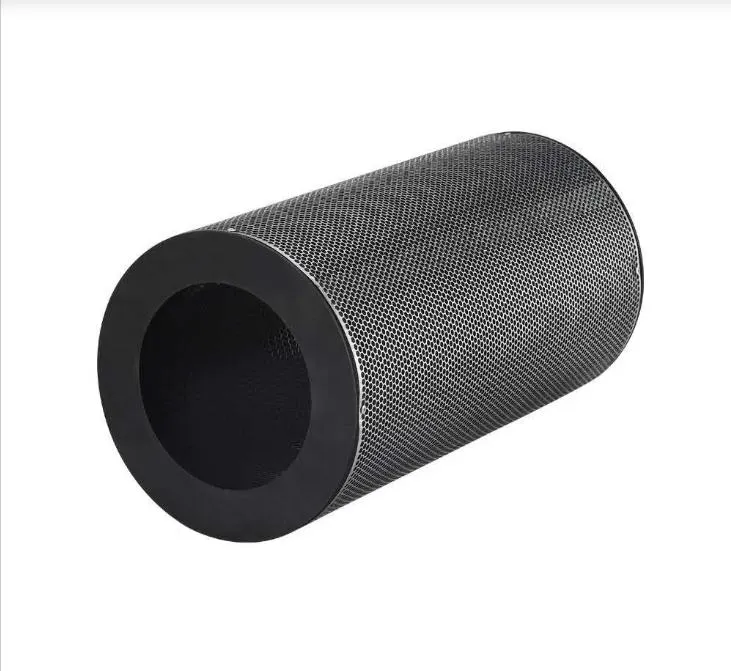
The Advanced Manufacturing Process of Activated Carbon Filter Elements
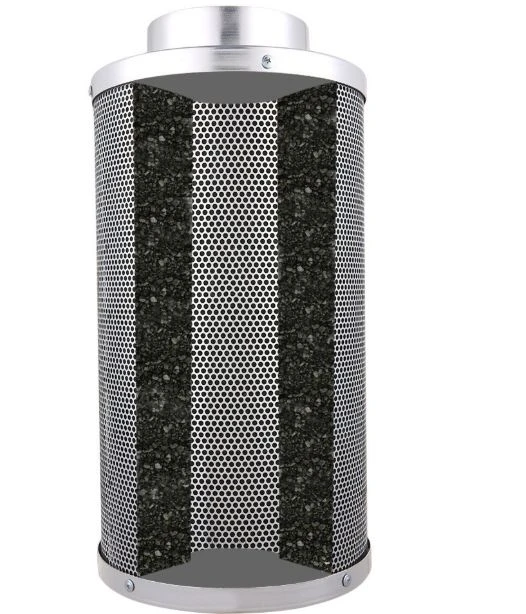
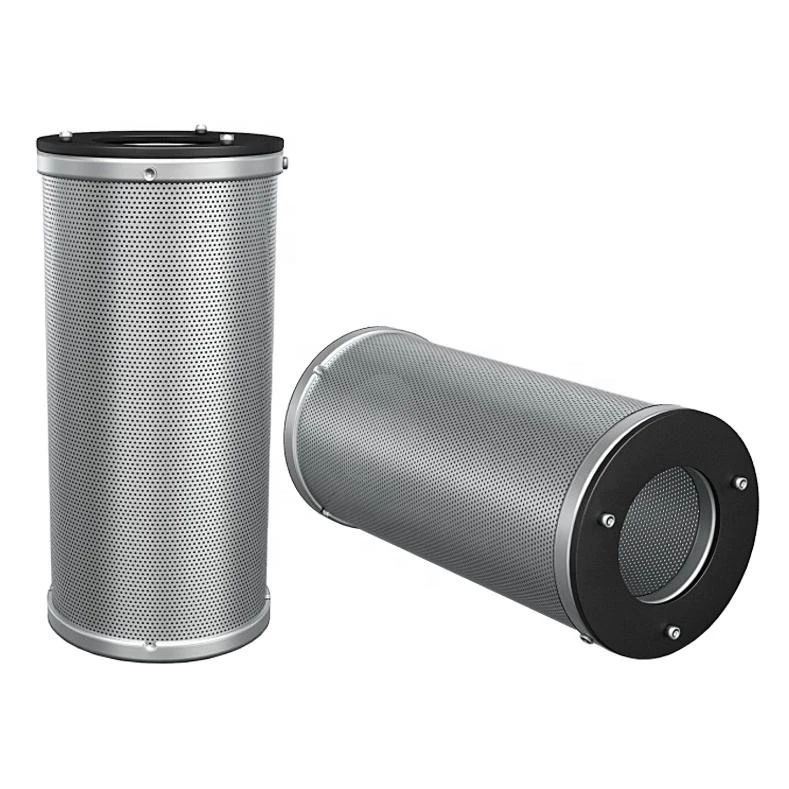
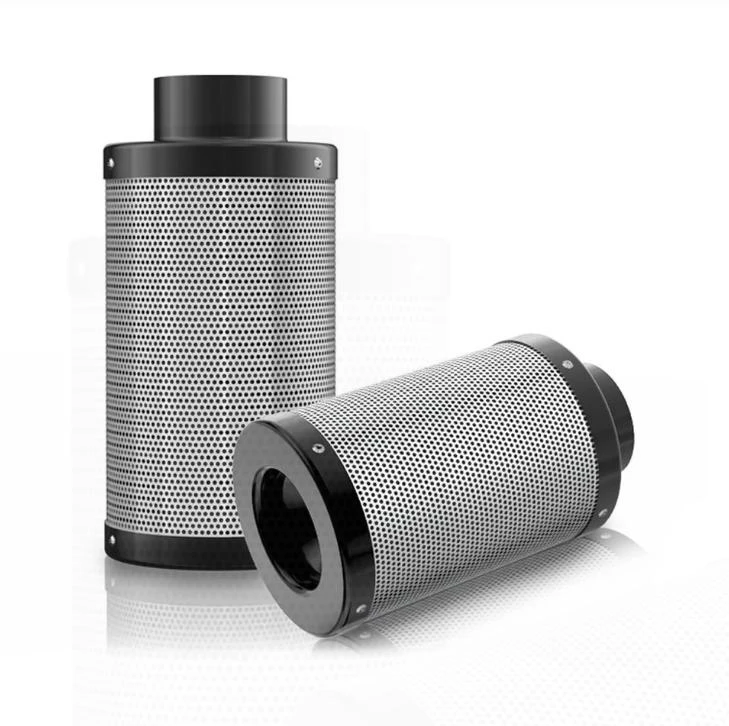
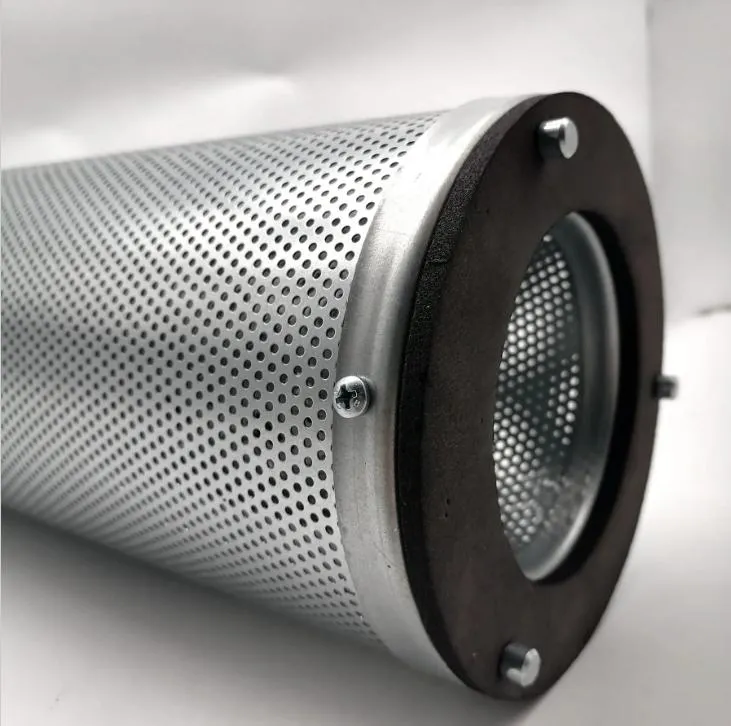
The production of a high-quality activated carbon filter element is a meticulous process, combining material science with precision engineering. The core component, activated carbon, is derived from raw materials such as coconut shells, wood, or coal, which undergo a thermal activation process in the absence of oxygen, followed by steam or chemical activation. This creates a highly porous structure with a vast surface area – typically ranging from 500 to 1500 square meters per gram – crucial for efficient adsorption. For robust applications, especially for the OEM Size stainless steel filter element activated carbon cartridge, the outer casing is often crafted from 304 or 316L stainless steel, utilizing advanced manufacturing techniques such as CNC machining for precise component fabrication, ensuring exact dimensions and leak-proof seals. The stainless steel provides exceptional corrosion resistance and mechanical strength, extending the filter's operational life in aggressive chemical environments.
After the carbon activation, the granular or powdered activated carbon is carefully loaded into the cartridge, often in a melt-blown or spun-bond polypropylene core for support, or it can be formed into a rigid carbon block via a proprietary binding process. The assembly involves precise sealing techniques, such as ultrasonic welding or heat sealing, to prevent bypass and ensure all flow passes through the carbon media. Quality control is paramount throughout the manufacturing process, with strict adherence to international standards such as ISO 9001 for quality management and ANSI/NSF standards for drinking water components. Each batch undergoes rigorous testing, including pressure drop analysis, flow rate verification, and adsorption capacity tests, to guarantee consistent performance and reliability. The typical service life of these elements can range from 6 to 12 months, depending on the contaminant load and flow conditions, significantly contributing to the efficiency and cost-effectiveness of systems in petrochemical, metallurgical, and water treatment industries.
Technical Parameters and Performance Specifications
Understanding the technical specifications of an activated carbon filter element is crucial for optimal system design and performance. Key parameters include the type of activated carbon (e.g., granular activated carbon (GAC), powdered activated carbon (PAC), or carbon block), which determines the adsorption kinetics and efficiency for specific contaminants. Micron ratings, though primarily for particulate filtration, are also relevant as they indicate the filter's ability to remove sediment while allowing liquid flow through the carbon media. Operating pressure and temperature ranges are critical for ensuring filter integrity and safety in demanding industrial environments. For instance, a typical activated carbon cartridge designed for industrial use might operate efficiently between 4°C to 52°C (40°F to 125°F) and withstand pressures up to 7 bar (100 psi). Higher temperature or pressure applications often necessitate reinforced designs or specific carbon types.
The flow rate capacity, typically measured in gallons per minute (GPM) or liters per minute (LPM), directly impacts the contact time between the fluid and the carbon, which is essential for effective adsorption. A higher flow rate might reduce removal efficiency if not properly matched with the carbon volume and bed depth. Adsorption capacity, often expressed in milligrams of contaminant per gram of carbon, is a critical metric for estimating the lifespan of the activated carbon cartridge for specific applications. For example, a high-quality activated carbon can adsorb significant amounts of chlorine or volatile organic compounds (VOCs) before saturation. Our OEM Size stainless steel filter element activated carbon cartridge offers precise filtration, consistent flow rates, and high chemical compatibility, making it a reliable choice for critical applications where purity and system longevity are paramount. The table below outlines typical technical specifications to aid in selection and system integration.
| Parameter | Typical Range/Value | Significance |
|---|---|---|
| Filter Media Type | Granular Activated Carbon (GAC), Carbon Block, Extruded Carbon | Determines adsorption performance and flow characteristics. |
| Outer Casing Material | 304 / 316L Stainless Steel, Polypropylene | Corrosion resistance, mechanical strength, compatibility. Stainless steel excels in harsh environments. |
| Micron Rating | 0.5 to 25 micron (nominal) | Particulate removal capability (for carbon block types). |
| Maximum Operating Pressure | 7 bar (100 psi) - 10 bar (145 psi) | Ensures structural integrity under pressure. |
| Maximum Operating Temperature | 52°C (125°F) - 80°C (176°F) | Prevents media degradation and housing deformation. |
| Typical Flow Rate | 5-40 GPM (19-150 LPM) depending on size | Influences contact time and adsorption efficiency. |
| Chlorine Reduction Capacity | Up to 99% for 20,000-100,000 gallons (approx.) | Key performance indicator for water treatment. |
| End Cap Configuration | DOE (Double Open End), SOE (Single Open End) with various gaskets | Ensures proper sealing within filter housings. |
Versatile Application Scenarios and Proven Case Studies
The versatility of the activated carbon filter element makes it indispensable across a wide array of industrial and commercial applications. In the petrochemical sector, these filters are critical for removing trace contaminants from process streams, ensuring catalyst protection, and purifying final products, leading to higher yields and reduced operational costs. For instance, in condensate polishing or solvent recovery systems, activated carbon cartridges efficiently remove oil, grease, and dissolved organic compounds, safeguarding downstream equipment and ensuring compliance with discharge regulations. In metallurgy, they are utilized for acid and solvent purification in electroplating baths, preventing impurities from affecting the quality of plated components and extending the life of costly chemical solutions. Their robust design, especially with a stainless steel filter element housing, makes them ideal for the harsh chemical environments often encountered in these industries, demonstrating superior resistance to corrosive agents and extreme temperatures.
In municipal and industrial water treatment, activated carbon cartridge solutions are foundational for potable water production, taste and odor removal, and dechlorination. They serve as pre-treatment for reverse osmosis (RO) systems, protecting delicate RO membranes from chlorine degradation and biofouling, thereby extending membrane lifespan and reducing maintenance overhead. A notable case involves a large-scale municipal water treatment plant that implemented OEM Size stainless steel filter element activated carbon cartridge systems for advanced tertiary treatment. This resulted in a consistent 99.5% reduction in residual chlorine and a significant decrease in organic load, improving overall water quality and extending the service life of their downstream UV disinfection units by 20%. This direct impact on system longevity and operational efficiency highlights the tangible benefits of integrating high-quality activated carbon filtration. Beyond water, these filters are vital in the food and beverage industry for de-colorization and purification of syrups, spirits, and edible oils, ensuring product clarity and taste integrity. In the pharmaceutical sector, they are used for sterile air filtration and purification of process water, meeting stringent FDA and cGMP requirements for purity and safety.
Unmatched Technical Advantages and Performance Benefits
The technical advantages of a well-engineered activated carbon filter element are multi-faceted, leading to significant performance benefits for industrial operations. Firstly, the superior adsorption capacity of high-grade activated carbon ensures effective removal of a broad spectrum of contaminants, including chlorine, chloramines, volatile organic compounds (VOCs), pesticides, herbicides, and certain heavy metals. This broad-spectrum removal capability makes them highly versatile for various purification needs, often performing where mechanical filtration alone is insufficient. Secondly, when paired with a robust stainless steel filter element housing, these cartridges offer unparalleled durability and resistance to harsh chemical environments. Unlike plastic counterparts, stainless steel can withstand high temperatures, aggressive chemicals, and significant pressure differentials without degradation, minimizing the risk of filter failure and associated downtime. This inherent strength contributes to a longer overall lifespan for the filtration system, reducing the frequency of replacements and maintenance interventions.
Furthermore, the design of modern activated carbon cartridge products often incorporates features that optimize flow dynamics and contact time, maximizing the efficiency of the adsorption process. This optimized design results in reduced pressure drop across the filter, leading to lower energy consumption for pumps and a more energy-efficient filtration system overall. The consistent performance of these filters helps maintain product quality, reduce batch rejections, and comply with strict industry standards, such as those set by ISO and FDA for specific applications. For clients requiring specific dimensions or performance characteristics, OEM Size stainless steel filter element activated carbon cartridge solutions offer the flexibility of custom designs, ensuring a perfect fit and optimized performance for unique system requirements. This combination of high contaminant removal, robust construction, and energy efficiency positions activated carbon filters as a cornerstone technology for critical industrial purification processes, offering significant long-term value.
Choosing the Right Manufacturer and Tailored Solutions
Selecting a reliable manufacturer for your activated carbon filter element is as crucial as understanding the product itself. Key considerations include the manufacturer's experience, their adherence to quality standards (e.g., ISO 9001, CE, FDA compliance for certain applications), and their capability to provide technical support and customized solutions. A reputable manufacturer will offer transparent testing data, provide detailed material certifications, and demonstrate a track record of successful industrial applications. When evaluating suppliers for solutions such as the OEM Size stainless steel filter element activated carbon cartridge, prioritize those with expertise in both filtration technology and material engineering, ensuring that the stainless steel housing is of industrial grade (e.g., 304L or 316L) and manufactured with precision for seamless integration into existing systems. Their ability to conduct pilot studies or offer on-site consultations can also be a significant differentiator, ensuring that the proposed solution perfectly aligns with your operational requirements and contaminant challenges.
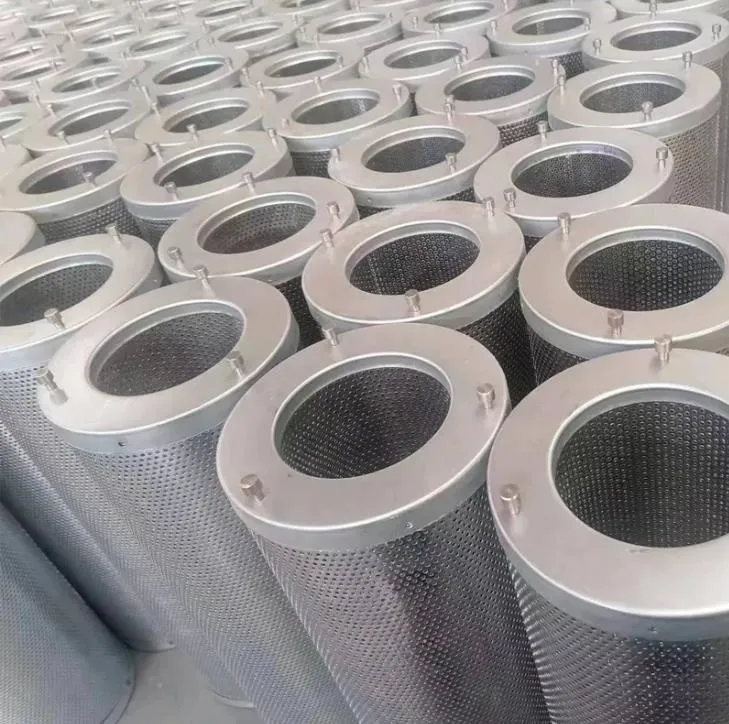
Customization is a vital aspect, especially for complex industrial processes where off-the-shelf filters may not suffice. Leading manufacturers offer comprehensive custom solution services, allowing clients to specify dimensions, flow rates, pressure tolerances, end-cap configurations, and even the type of activated carbon for their activated carbon cartridge needs. This bespoke approach ensures optimal performance, minimizes system modifications, and maximizes return on investment. Furthermore, robust after-sales support, including technical assistance, troubleshooting, and efficient delivery logistics, plays a critical role in long-term operational success. Partnering with a manufacturer that not only produces high-quality products but also provides proactive customer support and flexible delivery cycles ensures that your filtration needs are met promptly and effectively, minimizing downtime and maximizing productivity. A commitment to quality, backed by a strong warranty and responsive client service, builds the trust necessary for enduring B2B relationships.
Ensuring Trustworthiness: FAQs, Delivery, and Warranty
Frequently Asked Questions (FAQs)
-
Q: How do I know when to replace my activated carbon filter element?
A: For chlorine removal, a noticeable return of chlorine taste or odor in the filtered liquid indicates saturation. For VOCs or other specific contaminants, monitoring equipment or scheduled replacement based on expected lifespan (determined by flow rate and contaminant load) is recommended. Pressure drop across the filter can also indicate clogging, though this is less common with carbon filters than with particulate filters. -
Q: Can stainless steel filter elements be reused after cleaning?
A: While the stainless steel filter element housing itself is highly durable and reusable, the activated carbon media within the activated carbon cartridge is typically not regenerated on-site in industrial applications once saturated. The carbon's adsorptive capacity is finite, and once spent, it must be replaced. However, industrial-scale activated carbon can often be reactivated off-site through specialized thermal processes. -
Q: What is the typical lead time for an OEM Size stainless steel filter element activated carbon cartridge order?
A: Lead times vary based on customization requirements, order volume, and current production schedules. For standard OEM sizes, typical lead times range from 2-4 weeks. For highly customized or large-volume orders, a detailed production schedule will be provided upon inquiry, ensuring transparent communication and timely delivery.
Delivery Cycles and Quality Assurance
We understand the critical importance of timely delivery in industrial operations. Our robust supply chain and efficient manufacturing processes ensure reliable delivery cycles, minimizing potential disruptions to your production schedule. For OEM Size stainless steel filter element activated carbon cartridge orders, we establish clear timelines at the point of order confirmation, including regular updates on production status. Our quality assurance process is rigorous, adhering to ISO 9001 standards at every stage, from raw material inspection to final product testing. Each activated carbon filter element undergoes stringent quality checks to guarantee performance, dimensional accuracy, and material integrity.
Comprehensive Warranty and Customer Support
We stand behind the quality and performance of our filtration products. All our activated carbon cartridge products, including the OEM Size stainless steel filter element activated carbon cartridge, come with a comprehensive warranty against manufacturing defects and material failures, providing our clients with peace of mind and assurance of product reliability. Our dedicated customer support team and technical experts are readily available to provide pre-sales consultation, assist with product selection, offer installation guidance, and provide troubleshooting support. We are committed to building long-term partnerships by providing not just superior products, but also unparalleled service and technical expertise to ensure your operational success. Our commitment to client satisfaction is reflected in our responsive support and the consistent quality of our filtration solutions.
Conclusion: Driving Efficiency and Purity with Advanced Filtration
The continuous evolution of industrial processes demands filtration solutions that are not only effective in contaminant removal but also durable, cost-efficient, and adaptable to specific operational requirements. The activated carbon filter element, particularly when housed within a robust stainless steel filter element, embodies these qualities, offering an indispensable tool for achieving high levels of purity in liquids and gases across a myriad of sectors. From optimizing petrochemical processes to ensuring the safety of pharmaceutical products and providing clean potable water, these filters play a pivotal role in operational success and regulatory compliance. The ability to provide OEM Size stainless steel filter element activated carbon cartridge solutions further underscores the commitment to meeting the precise needs of modern industries, ensuring seamless integration and superior performance.
Investing in high-quality activated carbon cartridge technology is a strategic decision that yields significant returns through enhanced product quality, reduced maintenance, extended equipment lifespan, and improved environmental stewardship. As industries continue to face complex filtration challenges and increasing pressure for sustainability, the role of advanced activated carbon filtration will only become more pronounced. Partnering with a manufacturer that prioritizes technical excellence, custom solutions, and unwavering customer support is key to leveraging the full potential of these critical components.
Authoritative References
- American Water Works Association (AWWA) Standards for Activated Carbon.
- International Organization for Standardization (ISO) 9001: Quality Management Systems.
- National Sanitation Foundation (NSF) International Standards for Drinking Water Treatment Units.
- U.S. Environmental Protection Agency (EPA) Guidelines for Water Quality.
- Chemical Engineering Journal – Research on Adsorption Processes.
- Journal of Environmental Chemical Engineering – Studies on Activated Carbon Applications.
- Water Research – Publications on Advanced Water Treatment Technologies.
-
High-Efficiency Industrial Dust Filtration & PurificationNewsApr.21,2026
-
High-Efficiency Adsorption for Clean Air & Water PurificationNewsApr.20,2026
-
Air Filter Cartridge: High-Efficiency Filtration for Engine Protection & Clean Air SupplyNewsApr.17,2026
-
Filter Paper: Precision Filtration Media for Industrial & Laboratory ExcellenceNewsApr.16,2026
-
Industrial Guide for Selecting a Stainless Filter CartridgeNewsApr.16,2026
-
Dust Filter Cartridges: High-Efficiency Industrial Filtration for Clean Production & ComplianceNewsApr.15,2026