 Email:admin@only-filter.com
 Tel:
+8615930870079
Tel:
+8615930870079
Oct . 18, 2025 13:20 Back to list
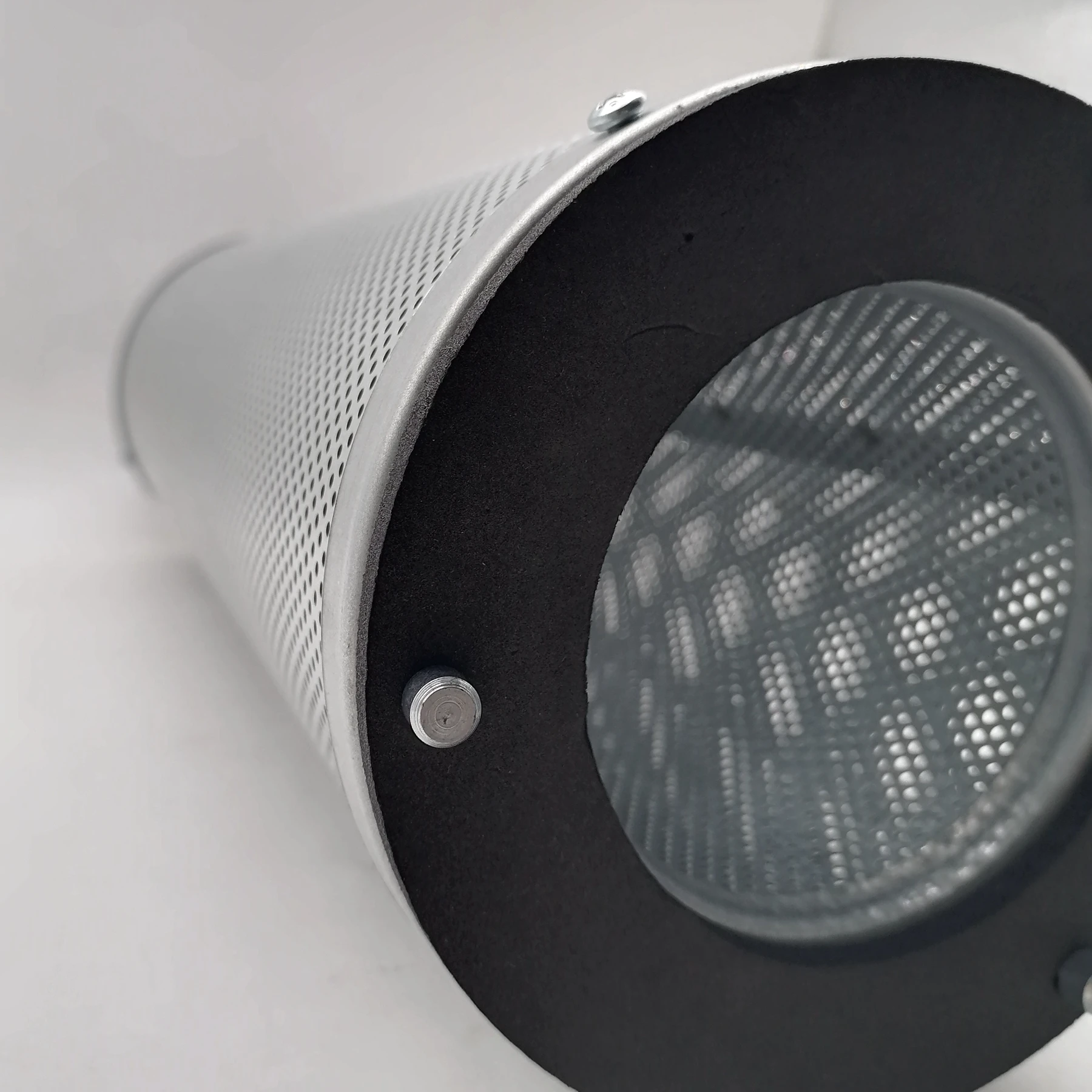
Activated Carbon Filter Element for Odor & VOC Removal
Hot‑Sale Activated Carbon Filter Element: field notes from the workshop floor
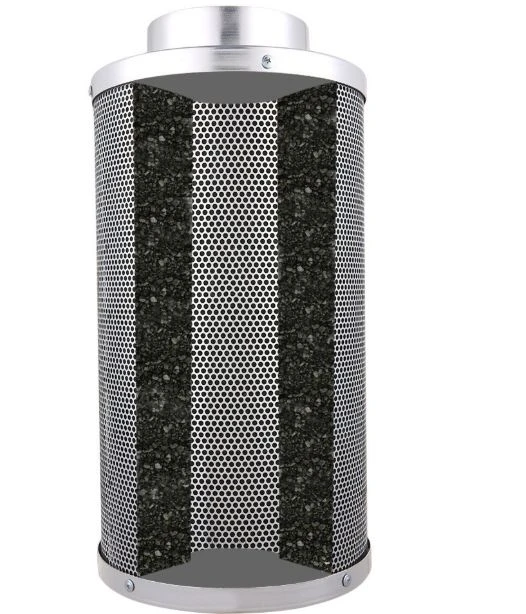
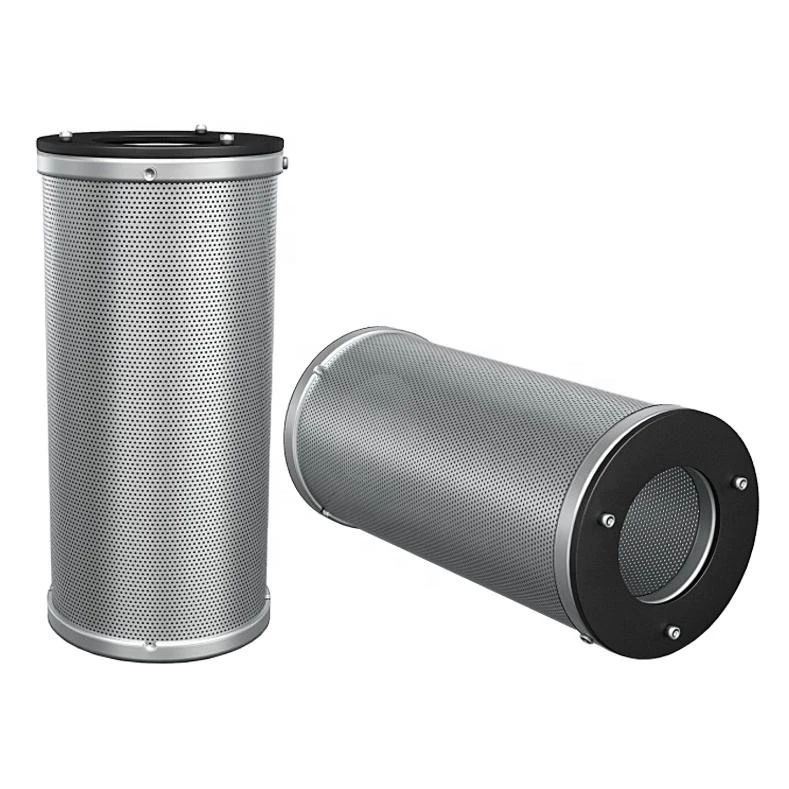
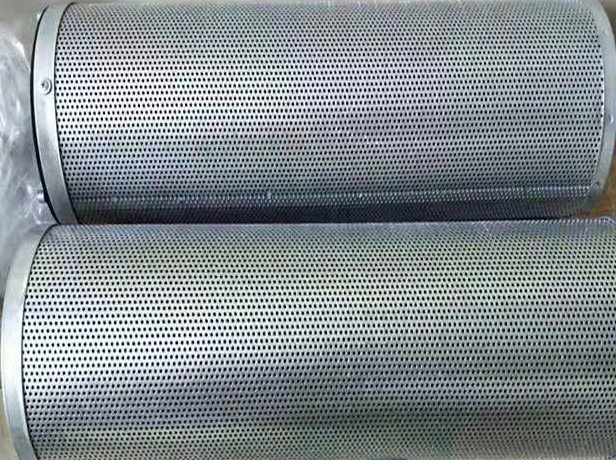
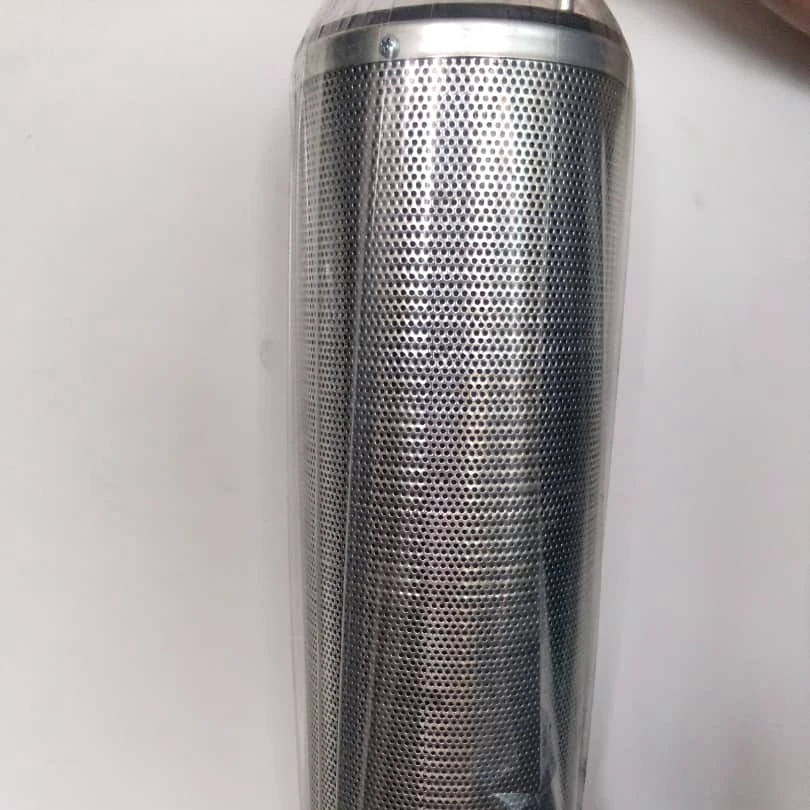
If you’ve ever cracked open a point‑of‑use system after a year in service, you know the hero inside is often the activated carbon filter element. To be honest, I’ve seen dozens of variants—coconut shell, coal‑based, powdered blocks—and the differences matter more than marketing suggests. This model hails from Rongding World, Xinhua District, Shijiazhuang City, Hebei Province, and yes, the local carbon craft scene there is stronger than many expect.
What’s trending (and why it matters)
Industry trend? Consolidation around coconut‑shell carbon blocks (CTO) for higher density and better VOC/chlorine reduction, with GAC still popular in pre‑filters. Utilities continue to push free chlorine or chloramine; households keep chasing taste/odor fixes. Many customers say the chlorine smell is gone within minutes—unsurprising, given carbon’s micropore affinity. However, tighter blocks raise pressure drop, so balancing pore size distribution and binder content is the real art.
Product snapshot
Below are typical specs for this activated carbon filter element (real‑world use may vary):
| Core material | Coconut‑shell activated carbon (CTO block) with food‑grade binder |
| Iodine number (ASTM D4607) | ≈ 1000–1100 mg/g |
| BET surface area | ≈ 900–1200 m²/g |
| Chlorine reduction (NSF/ANSI 42 style) | > 75–95% at 2 L/min; capacity around 9,000–15,000 L |
| Nominal dimensions | 10" × 2.5" or 10" × 4.5"; custom on request |
| Flow / ΔP | ≈ 2–6 L/min at 0.1–0.3 MPa (new element) |
| Operating temp / pH | 5–38°C; pH 5–10 |
| End caps / seals | PP caps; EPDM/NBR gaskets (food‑grade) |
| Service life | 6–12 months or ≈ 2,500–10,000 gallons, depending on feed quality |
Process flow (how it’s actually made)
- Material selection: coconut‑shell carbon screened for ash (ASTM D2866), hardness (ASTM D3802), density (ASTM D2854).
- Milling & blending: optimized particle size; binder proportion tuned to maintain porosity.
- Extrusion/sintering: CTO block formed; porosity controlled for taste/odor performance vs pressure drop.
- End‑capping & sealing: PP end caps, EPDM/NBR gaskets.
- Rinse & conditioning: fines removed to minimize initial turbidity.
- Testing: iodine number (ASTM D4607), chlorine reduction per NSF/ANSI 42 protocol simulation, pressure integrity and flow characterization.
Where it fits
The activated carbon filter element is a staple in residential under‑sink systems, refrigerators, and whole‑house pre‑polishers. It’s equally at home in coffee shops (taste consistency), bottled water polishing, food & beverage rinse lines, and light industrial process water—anywhere residual chlorine, odor, and organic traces need taming. Quick tip: if you’re dealing with chloramine, ask for a catalyzed carbon version.
Vendor comparison (typical market view)
| Vendor | Carbon Type | Certifications (typical) | Customization lead time | Notes |
|---|---|---|---|---|
| Hot‑Sale activated carbon filter element | CTO, optional catalyzed | Factory ISO 9001; NSF/ANSI 42 build‑to‑spec | ≈ 2–4 weeks | Strong coconut‑shell portfolio; flexible MOQs |
| Vendor A | GAC | NSF/ANSI 42 (selected models) | 3–6 weeks | Lower ΔP; lower VOC capture |
| Vendor B | CTO | NSF/ANSI 42/53 (select) | 4–8 weeks | Denser block; higher ΔP |
Field data and feedback
On a recent café retrofit, this activated carbon filter element cut free chlorine from 0.6 mg/L to non‑detect in startup tests and held taste quality steady over ~9,500 L—pretty much in line with NSF/ANSI 42 expectations. Baristas noticed fewer “swimming pool” notes in espresso; pressure drop stayed manageable. As always, feed water dictates lifespan.
Certifications, compliance, and standards
- Manufacturing QMS: ISO 9001.
- Material performance and safety: NSF/ANSI 42 (aesthetic effects), NSF/ANSI 53 (health effects, if required by design).
- Activated carbon quality: AWWA B604; iodine number via ASTM D4607.
- Regulatory context: WHO Guidelines for Drinking‑water Quality; EPA drinking water regulations.
Final note: if your feed includes chloramine, pesticides, or odd VOCs, specify the media type and target list up front. It seems obvious, but that’s where projects succeed—or drift.
References
- NSF/ANSI 42: Drinking Water Treatment Units—Aesthetic Effects. https://www.nsf.org
- NSF/ANSI 53: Drinking Water Treatment Units—Health Effects. https://www.nsf.org
- AWWA B604: Granular Activated Carbon. https://www.awwa.org
- ASTM D4607: Standard Test Method for Determination of Iodine Number. https://www.astm.org
- WHO Guidelines for Drinking‑water Quality. https://www.who.int
- US EPA: National Primary Drinking Water Regulations. https://www.epa.gov
-
High-Efficiency Industrial Dust Filtration & PurificationNewsApr.21,2026
-
High-Efficiency Adsorption for Clean Air & Water PurificationNewsApr.20,2026
-
Air Filter Cartridge: High-Efficiency Filtration for Engine Protection & Clean Air SupplyNewsApr.17,2026
-
Filter Paper: Precision Filtration Media for Industrial & Laboratory ExcellenceNewsApr.16,2026
-
Industrial Guide for Selecting a Stainless Filter CartridgeNewsApr.16,2026
-
Dust Filter Cartridges: High-Efficiency Industrial Filtration for Clean Production & ComplianceNewsApr.15,2026