 Email:admin@only-filter.com
 Tel:
+8615930870079
Tel:
+8615930870079
Mar . 31, 2026 02:05 Back to list
Understanding the Significance of Small HEPA Filter Cartridge Technology
Understanding Small HEPA Filter Cartridges
In the realm of air purification, small HEPA filter cartridges play a critical role in removing airborne particles. These compact yet powerful filters are essential components in various applications, from household air purifiers to industrial cleanrooms. This article will delve into the characteristics, benefits, applications, and selection criteria for small HEPA filter cartridges, providing a comprehensive guide for understanding their importance. Choosing the right filter is essential for ensuring clean and healthy air quality.
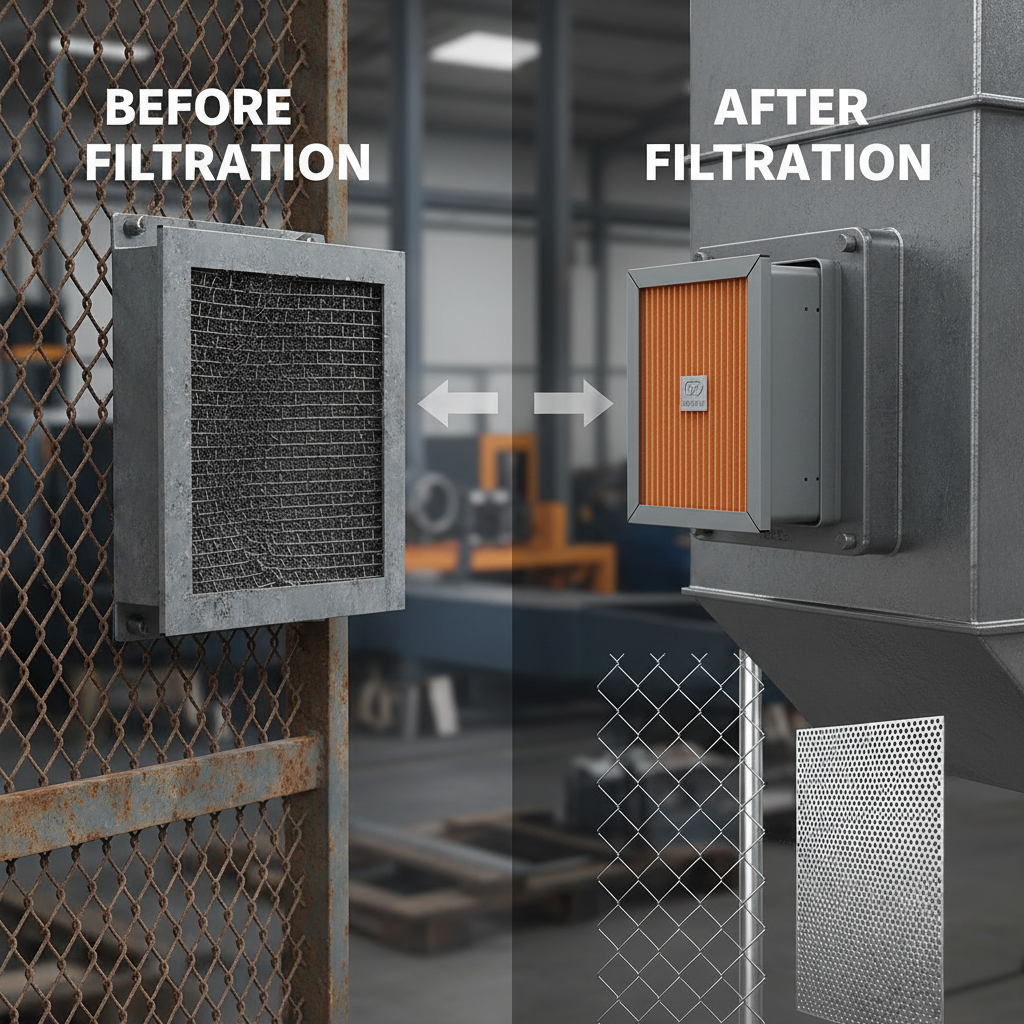
What Exactly is a Small HEPA Filter Cartridge?
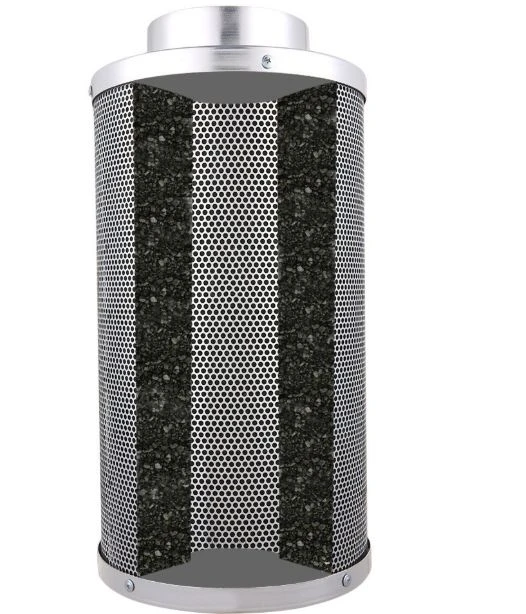
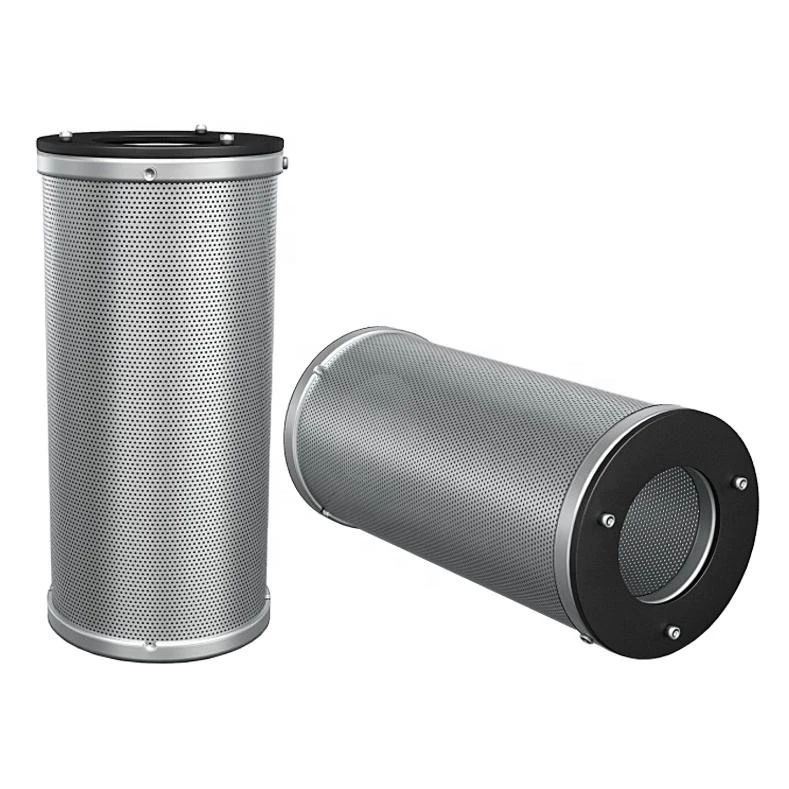
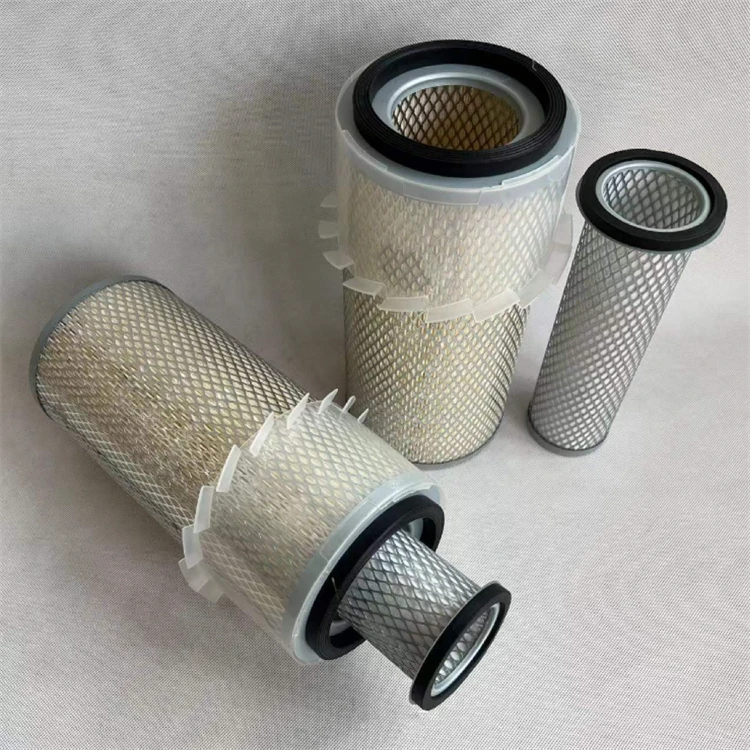
HEPA, which stands for High-Efficiency Particulate Air, denotes a filter that meets specific standards for particle removal. Specifically, a HEPA filter must capture at least 99.97% of particles that are 0.3 microns in diameter. Small HEPA filter cartridges are designed to fit into compact air purification systems. These cartridges typically consist of a tightly woven mat of fibers, usually fiberglass, that traps airborne particles as air passes through. The 'small' designation refers to their physical size, making them ideal for portable devices and space-constrained applications.
Key Highlights: These cartridges offer high efficiency in a compact form factor, making them suitable for a wide range of air purification needs.
The Benefits of Using Small HEPA Filter Cartridges
Employing small HEPA filter cartridges provides numerous benefits, primarily centered around improved air quality. They effectively remove dust, pollen, pet dander, mold spores, and other common allergens, contributing to a healthier indoor environment. This is particularly crucial for individuals with allergies, asthma, or other respiratory conditions. Beyond health benefits, HEPA filters can also protect sensitive electronic equipment from dust accumulation, extending their lifespan and maintaining optimal performance. They reduce unpleasant odors and improve overall air freshness.
Key Benefits:
• Improves indoor air quality by removing allergens and pollutants
• Protects respiratory health
• Extends the lifespan of electronic equipment
• Reduces odors and improves air freshness
Applications of Small HEPA Filter Cartridges
The versatility of these filters allows for deployment in a wide variety of settings. Common applications include: portable air purifiers for homes and offices, vacuum cleaners (to capture fine dust and allergens), HVAC systems (as a pre-filter or final filtration stage), medical devices (to maintain sterile environments), and automotive cabins (to improve air quality for drivers and passengers). Essentially, anywhere clean air is a priority, small HEPA filter cartridges can provide a valuable solution.
Small HEPA Filter Cartridge: Specifications & Performance
Understanding the technical specifications of these cartridges is crucial for selecting the optimal product for your needs. Key parameters include: filter efficiency (typically 99.97% @ 0.3 microns), airflow rate (measured in CFM or m³/h), physical dimensions (length, diameter), and filter life (indicated in months or cubic feet of air filtered). Filter media type, pressure drop and maximum operating temperature are also critical specifications.
Selecting the Right Small HEPA Filter Cartridge
When choosing a small HEPA filter cartridge, consider the specific application and air quality needs. Ensure the cartridge is compatible with your air purifier or HVAC system. Prioritize filters with verified HEPA certification. Consider the airflow rate to ensure adequate air purification. Regularly check and replace the filter according to the manufacturer's recommendations to maintain optimal performance. You can find a wide selection of high-quality HEPA filter cartridges at Onlyfiltercartridge.com.
Conclusion: Breathe Easier with HEPA Filtration
Investing in small HEPA filter cartridges is an investment in your health and well-being. By effectively removing airborne particles, these filters create cleaner, healthier indoor environments. From homes and offices to medical facilities and beyond, HEPA filtration is a vital component of a comprehensive air quality strategy. Choose quality, choose compatibility, and breathe easier knowing you’re protected.
Frequently Asked Questions (FAQs)
How often should I replace my small HEPA filter cartridge?
The replacement frequency depends on usage and air quality. As a general guideline, replace the cartridge every 3-6 months. However, if you have pets, allergies, or live in a heavily polluted area, you may need to replace it more frequently. Visually inspect the filter regularly; if it appears dirty or clogged, it's time for a replacement. A clogged filter reduces airflow and diminishes the filter's efficiency.
What's the difference between a HEPA filter and a regular air filter?
A regular air filter typically captures larger particles like dust and pollen, but it doesn't have the fine filtration capabilities of a HEPA filter. HEPA filters are specifically designed to remove 99.97% of particles 0.3 microns in diameter, including microscopic allergens, bacteria, and viruses. This makes them significantly more effective at improving indoor air quality, particularly for those with respiratory sensitivities.
Are all HEPA filters the same?
No, not all HEPA filters are created equal. The quality of the filter media, the construction, and the certification process can vary. Look for filters that are independently tested and certified to meet the HEPA standard. Onlyfiltercartridge.com ensures all filters meet rigorous quality standards.
Can HEPA filters remove viruses?
While HEPA filters are designed to capture particles as small as 0.3 microns, viruses are typically even smaller. However, viruses often attach themselves to larger particles like dust or droplets. HEPA filters can effectively remove these larger, virus-carrying particles, reducing the risk of airborne transmission.
-
High-Efficiency Adsorption for Clean Air & Water PurificationNewsApr.20,2026
-
Air Filter Cartridge: High-Efficiency Filtration for Engine Protection & Clean Air SupplyNewsApr.17,2026
-
Filter Paper: Precision Filtration Media for Industrial & Laboratory ExcellenceNewsApr.16,2026
-
Industrial Guide for Selecting a Stainless Filter CartridgeNewsApr.16,2026
-
Dust Filter Cartridges: High-Efficiency Industrial Filtration for Clean Production & ComplianceNewsApr.15,2026
-
Filter Paper: High-Efficiency Filtration Solution for Industrial & Laboratory UseNewsApr.14,2026