
 Email:admin@only-filter.com
 Tel:
+8615930870079
Tel:
+8615930870079
Sep . 22, 2025 15:15 Back to list
Premium Carbon Filter Element for Odor & Chemical Removal
Introduction to Advanced Carbon Filtration Solutions
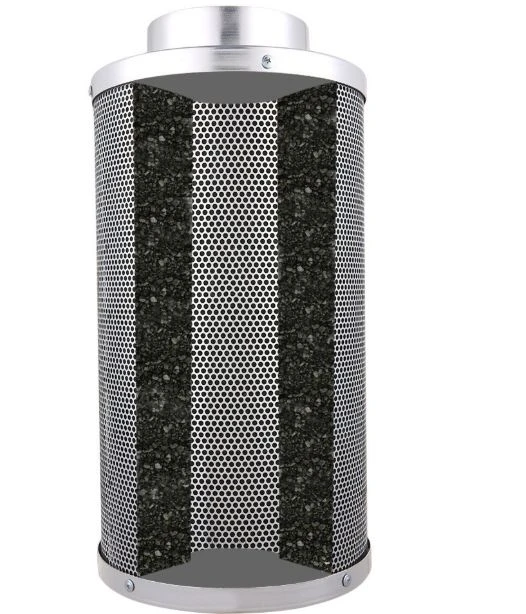
In diverse industrial applications, the purification of liquids and gases is paramount for operational efficiency, product quality, and environmental compliance. Central to many advanced filtration systems is the carbon filter element, a critical component engineered for the effective removal of organic compounds, chlorine, odors, and taste-impairing substances. Leveraging the inherent adsorptive properties of activated carbon, these elements are indispensable across sectors ranging from petrochemical and pharmaceuticals to food & beverage and municipal water treatment.
This comprehensive overview delves into the intricate world of activated carbon filtration, exploring the manufacturing sophistication, technical prowess, and versatile application potential of high-quality activated carbon filter elements. We aim to provide B2B decision-makers and technical engineers with profound insights into selecting, implementing, and optimizing these vital filtration solutions for superior performance and long-term operational integrity.
Industry Trends and Market Dynamics in Activated Carbon Filtration
The global market for activated carbon filtration is experiencing robust growth, driven by escalating environmental regulations, increasing awareness of water and air quality, and the expansion of industrial processes requiring high-purity inputs. Key trends influencing the demand for a superior carbon filter element include:
- Stricter Environmental Standards: Governments worldwide are implementing more stringent limits on industrial discharge and emissions, compelling businesses to adopt advanced treatment technologies, including those utilizing activated carbon filter element.
- Rise of Advanced Manufacturing: Industries like semiconductor manufacturing and pharmaceuticals require ultra-pure water and gases, for which activated carbon serves as a critical polishing step.
- Focus on Sustainability: There is a growing emphasis on activated carbon products derived from sustainable sources (e.g., coconut shells, wood) and on the development of regenerable filter elements to reduce waste.
- Technological Innovation: Advancements in media formulation (e.g., catalytic carbons, impregnated carbons) and cartridge design are leading to enhanced adsorption capacities, longer service life, and broader contaminant removal capabilities for the activated carbon cartridge.
- Expanding Application Scope: Beyond traditional water and air purification, new applications are emerging in areas such as point-of-use water purification, automotive cabin air filtration, and specialized chemical processing.
Industry reports project a Compound Annual Growth Rate (CAGR) of over 5% for the global activated carbon market, with the industrial water treatment segment being a significant contributor. This growth underscores the increasing reliance on reliable, high-performance filtration solutions.
The Manufacturing Process of a High-Quality Carbon Filter Element
The production of a high-performance activated carbon filter element is a meticulous process, combining advanced material science with precision engineering. The objective is to maximize the adsorptive surface area and ensure structural integrity and consistent flow characteristics.
1. Material Selection and Activation
The foundation of any superior carbon filter element lies in its raw material. Common precursors include coconut shells, wood, coal, and petroleum pitch. These materials are chosen for their high carbon content and ability to develop a microporous structure. The activation process, typically carried out through steam or chemical activation at high temperatures (700-1000°C), creates millions of pores on the carbon surface, vastly increasing its surface area (up to 1500 m²/g).
2. Granulation or Extrusion
Activated carbon can be used in granular (GAC) or powdered (PAC) form, or extruded into solid blocks. For block activated carbon filter element, powdered activated carbon is mixed with a polymer binder (e.g., polyethylene, polypropylene) to form a consistent slurry. This mixture is then extruded under high pressure and temperature to create a uniform, porous block structure. This 'casting' or extrusion process ensures a fixed pore size distribution and prevents carbon fines from escaping into the filtered fluid.
3. Precision Machining and Assembly
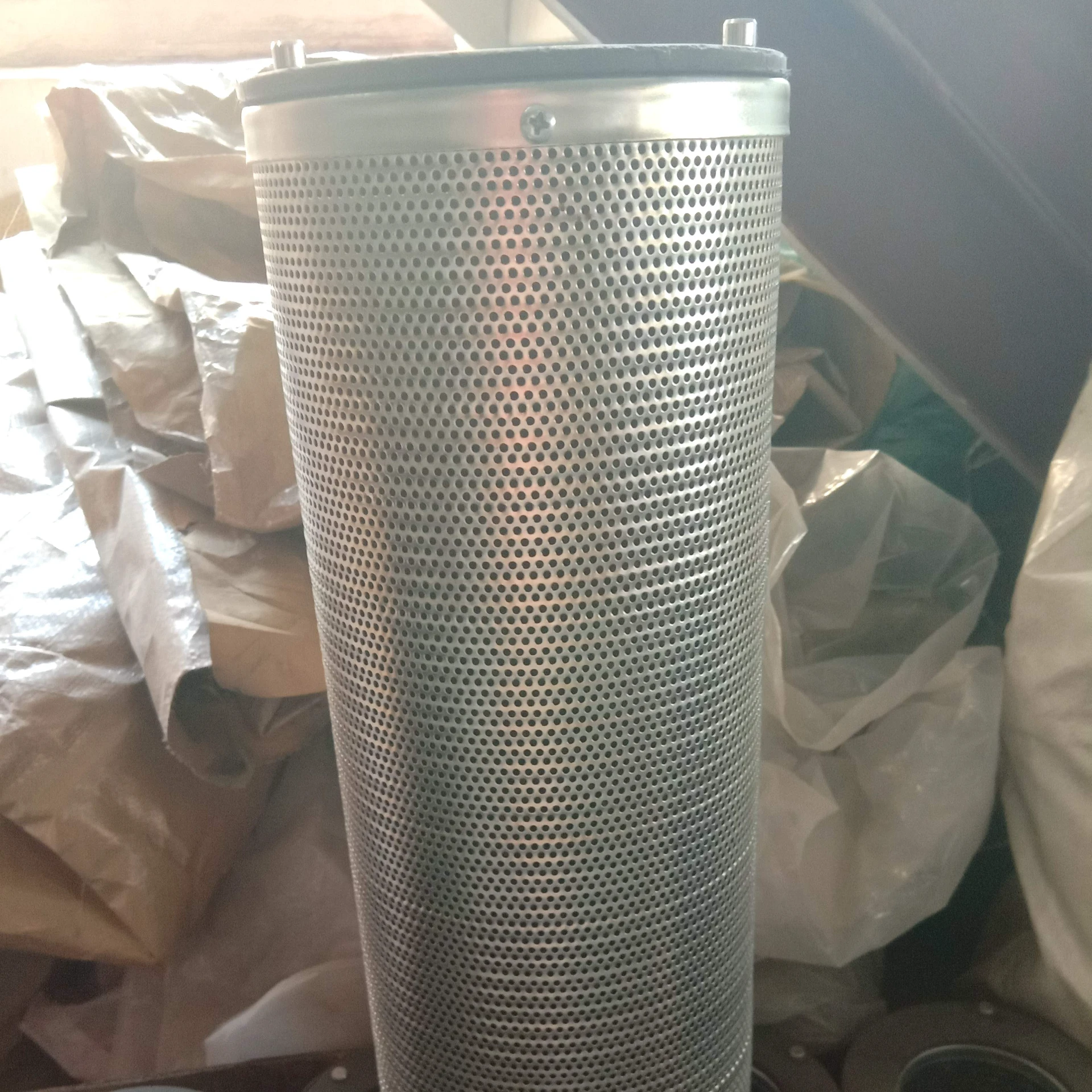
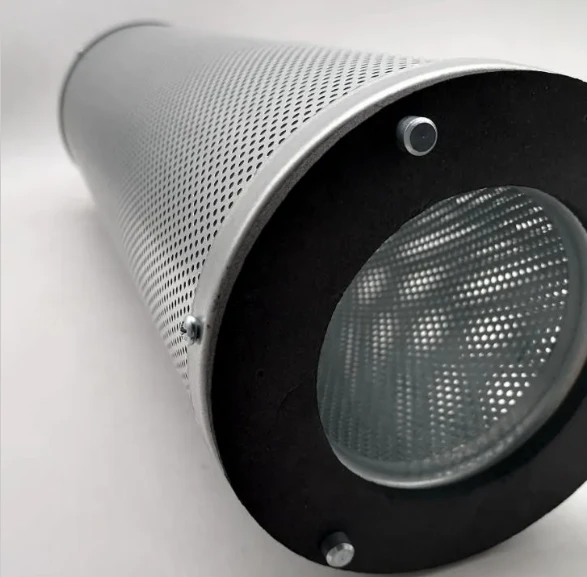
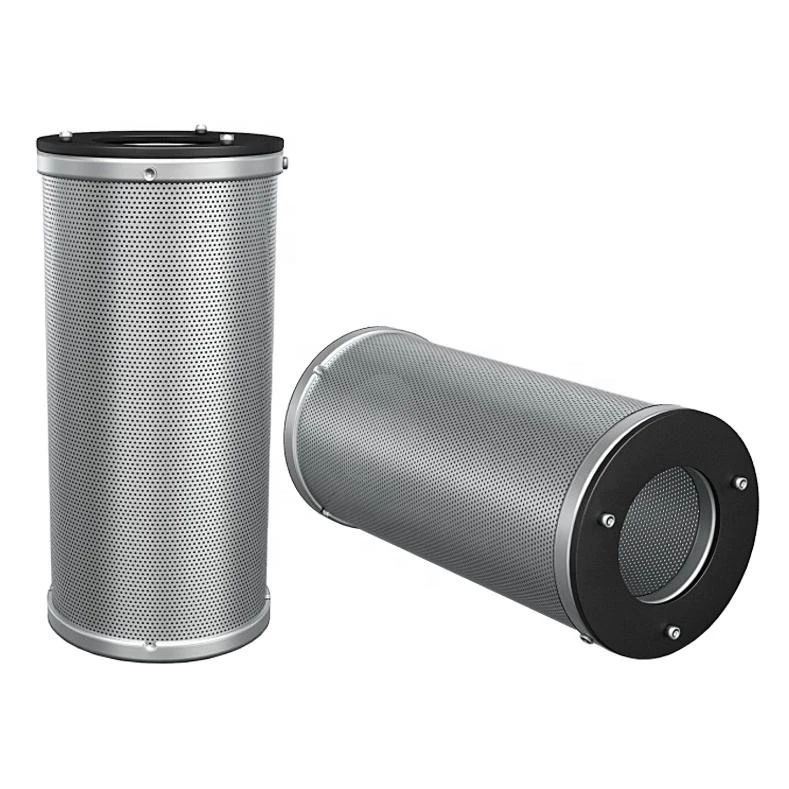
After extrusion, the carbon blocks are precision machined using CNC machining to achieve exact dimensions, ensuring a perfect fit within standard filter housings. End caps, gaskets, and outer wraps (often made of polypropylene or other inert polymers) are then assembled, often through thermal bonding, to complete the activated carbon cartridge. This assembly ensures structural integrity and prevents bypass, channeling, or media migration.
4. Quality Control and Testing
Every stage of production is subjected to rigorous quality control. Key testing standards include ISO 9001 for quality management, and performance tests adhering to ANSI/NSF standards for drinking water components. Tests cover:
- Iodine Number: Measures total surface area and activity. Higher values indicate greater adsorption capacity.
- CTC Adsorption: Measures the capacity to adsorb chlorinated organic compounds.
- Ash Content: Indicates the purity of the carbon.
- Pressure Drop: Ensures optimal flow rates without excessive energy consumption.
- Structural Integrity: Verifies resistance to cracking or disintegration under operational conditions.
Target Industries and Advantages
High-quality activated carbon filter elements offer significant advantages across various sectors:
- Petrochemical: Removes trace hydrocarbons, H2S, and other contaminants from process streams, preventing catalyst poisoning and ensuring product purity. Advantages include improved product yield and reduced equipment corrosion.
- Metallurgy: Purification of electroplating baths and wastewater treatment. Advantages are enhanced product finish and compliance with discharge regulations.
- Water Supply & Drainage: Municipal and industrial water treatment for taste, odor, chlorine, and organic contaminant removal. Offers energy saving by reducing reliance on more intensive chemical treatments, and superior corrosion resistance due to high-grade materials.
- Pharmaceuticals: Decolorization and removal of organic impurities from active pharmaceutical ingredients (APIs) and process water. Ensures product safety and regulatory compliance (e.g., FDA).
The typical service life of a well-engineered carbon filter element can range from 3 to 12 months, depending on influent quality, flow rate, and the type/concentration of contaminants, providing cost-effective and reliable long-term filtration.
Technical Specifications of High-Quality Activated Carbon Filter Element
Understanding the technical specifications is crucial for selecting the appropriate carbon filter element for specific industrial demands. Below is a representative table of parameters for a high-quality activated carbon filter element:
Typical Product Specification Table
| Parameter | Specification / Value | Unit / Standard |
|---|---|---|
| Filter Media | High-purity Coconut Shell Activated Carbon | N/A |
| Iodine Number | ≥ 1000 | mg/g (ASTM D4607) |
| CTC Adsorption | ≥ 50% | (ASTM D3467) |
| Chlorine Reduction Capacity | ≥ 20,000 | Gallons @ 2 GPM (95% Cl reduction) |
| Nominal Micron Rating | 5 | Microns |
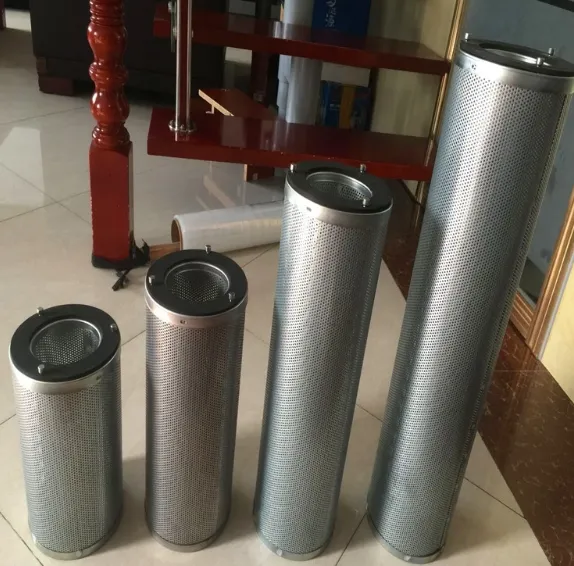
| Outer Diameter | 2.5, 4.5 | Inches (63.5, 114.3 mm) |
| Length | 10, 20, 30, 40 | Inches (254, 508, 762, 1016 mm) |
| Max. Operating Temperature | 52 (125) | °C (°F) |
| Max. Operating Pressure | 8.6 (125) | Bar (psi) |
| Initial Pressure Drop @ 2 GPM | < 0.5 (7) | Bar (psi) |
| End Caps / Gaskets | Polypropylene / Buna-N (or Silicone, EPDM) | Material Dependent |
| Certifications | ISO 9001, NSF/ANSI 42, FDA CFR Title 21 | Compliant |
These parameters ensure the performance, durability, and safety of the activated carbon cartridge in demanding industrial settings. An iodine number above 1000 mg/g signifies exceptional adsorptive capacity, crucial for prolonged effectiveness.
Application Scenarios and Technical Advantages
The versatility of the carbon filter element makes it indispensable across numerous industrial sectors, each benefiting from its unique adsorptive capabilities and robust construction.
Typical Application Scenarios:
- Potable Water Treatment: Municipal water works utilize large-scale activated carbon filter elements for dechlorination, taste and odor removal, and reduction of organic contaminants (THMs, pesticides). This ensures safe and palatable drinking water.
- Industrial Process Water: In manufacturing, activated carbon filters are vital for removing chlorine, chloramines, and organics that can foul Reverse Osmosis (RO) membranes or interfere with critical chemical reactions. This extends membrane life and reduces system downtime.
- Chemical Processing: Decolorization and purification of chemical intermediates, solvents, and final products. For instance, in the production of high-purity acids or bases, the carbon filter element removes trace impurities that could compromise product specifications.
- Food & Beverage: Essential for water purification in brewing, bottling, and food preparation to eliminate off-tastes and odors caused by chlorine or organic residues, protecting brand consistency and product quality.
- Odor Control and Air Purification: Large activated carbon beds are used in industrial ventilation systems and wastewater treatment plants to remove volatile organic compounds (VOCs) and hydrogen sulfide (H2S), mitigating nuisance odors and ensuring workplace safety.
- Pharmaceutical Water Systems: Pre-treatment for ultra-pure water (UPW) systems, removing oxidizers and organics to prevent microbial growth and ensure compliance with stringent pharmaceutical quality standards.
Technical Advantages:
- High Adsorption Capacity: The vast internal surface area of activated carbon provides exceptional capacity for adsorbing a wide range of organic and inorganic contaminants.
- Broad Spectrum Contaminant Removal: Effectively targets chlorine, chloramines, THMs, VOCs, pesticides, herbicides, industrial solvents, and numerous other taste- and odor-causing compounds.
- Enhanced Chemical Compatibility: Constructed with inert materials (e.g., polypropylene, activated carbon), ensuring resistance to a broad range of chemicals and preventing leaching into the filtered fluid. This is crucial for maintaining fluid purity in aggressive industrial environments.
- Optimized Flow Dynamics: Precision-engineered block or granular designs minimize pressure drop while maximizing contact time with the carbon media, leading to efficient contaminant removal without compromising flow rates.
- Long Service Life: High-quality activated carbon cartridges exhibit extended operational periods, reducing the frequency of change-outs and consequently, maintenance costs and downtime.
- Sediment Filtration Capability: Many block carbon filters offer dual functionality, providing both activated carbon adsorption and effective sediment filtration down to a nominal micron rating, eliminating the need for a separate sediment pre-filter in some applications.
- Cost-Effectiveness: By effectively removing contaminants, these elements protect downstream equipment (e.g., RO membranes, DI resins) from premature fouling and degradation, leading to significant energy saving and extended asset life.
These advantages collectively contribute to lower operational costs, improved product quality, and enhanced environmental compliance for industrial operations.
Vendor Comparison for Activated Carbon Filter Elements
Choosing the right supplier for carbon filter element is critical for ensuring reliable performance and cost-efficiency. While specific vendor names are not listed, a comparative framework focusing on key differentiation factors is presented below to aid in vendor evaluation.
Product Comparison Table: Key Differentiators
| Feature/Criterion | Our High-Quality Element | Typical Standard Element (Generic) |
|---|---|---|
| Activated Carbon Source | Premium Coconut Shell (high microporosity) | Coal-based or lower-grade wood carbon |
| Iodine Number (Adsorption Capacity) | ≥ 1000 mg/g | 700 - 900 mg/g |
| Chlorine Reduction Life | ≥ 20,000 gallons @ 2 GPM (95% reduction) | 5,000 - 15,000 gallons @ 2 GPM |
| Binder Material | Food-grade Polyethylene (FDA compliant) | Standard polymer, potentially non-compliant |
| Micron Rating Consistency | Highly consistent, precise pore structure | Variable, potential for channeling |
| Pressure Drop Characteristics | Low initial and throughout lifespan | Potentially higher, increasing rapidly |
| Leaching of Fines | Virtually none (solid block construction) | Possible, especially with GAC filters |
| Certifications | ISO 9001, NSF/ANSI 42 & 61, FDA CFR Title 21 | Basic or limited certifications |
| Customization Options | Extensive (size, media blends, end caps) | Limited to standard dimensions |
This comparison highlights the importance of scrutinizing technical data, certifications, and manufacturing processes. A higher initial investment in a quality activated carbon filter element often translates to superior performance, longer service life, and ultimately, lower total cost of ownership (TCO) due to reduced maintenance, downtime, and improved process reliability.
Customized Solutions for Specialized Filtration Needs
Recognizing that off-the-shelf solutions may not always meet the unique demands of complex industrial processes, we specialize in providing customized activated carbon filter element solutions. Our engineering team collaborates closely with clients to develop filtration strategies tailored to specific contaminant profiles, flow rates, operating conditions, and regulatory requirements.
Customization options include:
- Dimension and Configuration: Manufacturing elements with unique lengths, diameters, and end-cap configurations to fit existing or custom housing designs.
- Specialized Carbon Media: Blending different types of activated carbon (e.g., catalytic carbon for chloramine removal, acid-washed carbon for specific chemical processes, or impregnated carbon for mercury/sulfur removal) to target highly specific contaminants.
- Binder and Housing Materials: Selecting binder and outer wrap materials (e.g., high-temperature resistant polymers, stainless steel) to withstand aggressive chemical environments or elevated temperatures/pressures.
- Multi-Stage Filtration: Designing composite elements that combine activated carbon with other media, such as sediment pre-filtration layers or specialized ion-exchange resins, to achieve comprehensive purification in a single cartridge.
- Performance Optimization: Fine-tuning pore structure and flow paths to achieve optimal balance between pressure drop, contaminant removal efficiency, and service life for critical applications.
Our expertise in engineering and manufacturing ensures that even the most challenging filtration requirements are met with precision and reliability, providing a competitive edge through optimized process performance and cost control.
Application Case Studies and Customer Feedback
Real-world application demonstrates the tangible benefits of high-quality carbon filter element in demanding industrial settings.
Case Study 1: Semiconductor Manufacturing Facility
Challenge: A leading semiconductor manufacturer required ultra-pure water (UPW) free from trace organic compounds and chlorine to prevent defects in wafer fabrication. Their existing filtration system struggled with inconsistent organic removal and premature RO membrane fouling.
Solution: We implemented custom-designed 30-inch activated carbon cartridges with a specialized catalytic carbon blend as a pre-treatment stage for their RO system. These elements were engineered for extended chlorine contact time and superior adsorption of specific organic precursors. The solid block construction ensured no carbon fines leached into the sensitive UPW system.
Result: Post-implementation, the facility observed a 99% reduction in chlorine and a significant decrease in TOC (Total Organic Carbon) levels entering the RO units. This led to a 25% extension in RO membrane lifespan, resulting in substantial savings on membrane replacement and maintenance. The client reported a noticeable improvement in wafer yield and overall UPW system stability.
Case Study 2: Municipal Water Treatment Plant Upgrade
Challenge: A municipal water treatment plant faced increasing consumer complaints regarding seasonal taste and odor issues, primarily due to algal blooms and agricultural runoff. Their existing granular activated carbon (GAC) beds were costly to maintain and often struggled with breakthrough during peak contamination events.
Solution: We provided a pilot system using high-flow, large-diameter activated carbon filter element designed for municipal applications. These elements offered a larger surface area and more consistent flow distribution than traditional GAC beds, allowing for better contact time and adsorption efficiency in a compact footprint.
Result: The pilot demonstrated consistent removal of taste and odor compounds, even during challenging periods. The plant subsequently upgraded a portion of its system, benefiting from reduced backwash frequency, significant water savings, and a dramatic decrease in consumer complaints. The longevity of the activated carbon cartridge also contributed to lower operational labor costs.
Customer feedback consistently highlights the superior performance, reliability, and cost-effectiveness of our carbon filter element solutions, underscoring our commitment to engineering excellence and client satisfaction.
Ensuring Quality, Reliability, and Trustworthiness ( Standards)
Our commitment to providing high-quality activated carbon filter element solutions is underpinned by stringent adherence to industry best practices and global standards, ensuring Expertise, Experience, Authoritativeness, and Trustworthiness ().
Certifications and Compliance:
- ISO 9001:2015 Certified: Our manufacturing processes conform to the highest international standards for quality management, ensuring consistent product excellence.
- NSF/ANSI Standards: Many of our carbon filter elements are tested and certified to NSF/ANSI Standard 42 for material safety and structural integrity, and often Standard 61 for drinking water system components, guaranteeing safety for potable water applications.
- FDA CFR Title 21 Compliance: Materials used in our filter elements meet U.S. FDA requirements for food and beverage contact, making them suitable for sensitive applications in these industries.
- CE Mark: Our products comply with European health, safety, and environmental protection standards.
Authoritative References and Partnerships:
With over two decades of dedicated service in filtration technology, we have cultivated partnerships with leading industrial entities across the globe. Our client portfolio includes Fortune 500 companies in petrochemicals, electronics, and pharmaceuticals, underscoring our proven track record and reliability. We regularly publish test data and conduct collaborative research with academic institutions to advance filtration science, maintaining our position as an authoritative source in the field.
Robust Quality Assurance and Testing:
Each batch of activated carbon cartridge undergoes extensive internal testing, including particle size distribution analysis, iodine number measurement, and simulated application tests to verify chlorine reduction capacity and pressure drop characteristics. This data-driven approach ensures every product meets or exceeds stated performance metrics.
Frequently Asked Questions (FAQ)
- Q: What is the primary function of a carbon filter element?
A: Its primary function is to remove organic compounds, chlorine, chloramines, taste, and odor from liquids and gases through the process of adsorption. - Q: How does the service life of an activated carbon filter element compare to granular activated carbon (GAC) beds?
A: While GAC beds have higher capacity for very large volumes, a well-designed block activated carbon cartridge offers superior removal efficiency, often longer effective service life for specific contaminants, and eliminates channeling and carbon fines associated with GAC beds. - Q: Are your carbon filter elements suitable for high-temperature applications?
A: Our standard elements are rated for up to 52°C (125°F). For higher temperatures, we offer specialized constructions using high-temperature-resistant binders and materials. Please consult our technical team for specific requirements. - Q: Can the activated carbon filter element remove heavy metals?
A: Standard activated carbon has limited capability for heavy metal removal. However, specialized impregnated or catalytic carbon blends can be engineered for enhanced removal of certain heavy metals like lead or mercury. - Q: How do I dispose of spent activated carbon cartridges?
A: Disposal methods depend on the contaminants adsorbed. Non-hazardous contaminants allow for landfill disposal. For hazardous contaminants, specialized waste management protocols or regeneration services may be required. Please consult local regulations.
Lead Time & Fulfillment:
Standard carbon filter element orders typically have a lead time of 2-4 weeks, depending on volume and current production schedules. Custom solutions may require 4-8 weeks for design, prototyping, and production. We maintain robust inventory levels for common specifications to support urgent requirements and offer expedited shipping options.
Warranty Commitments:
All our activated carbon filter elements are backed by a comprehensive warranty against manufacturing defects, typically covering a period of 12 months from the date of purchase. Our commitment extends to ensuring products meet all advertised specifications and performance parameters under normal operating conditions.
Customer Support:
Our dedicated technical support team is available to assist with product selection, system integration, troubleshooting, and optimization. We provide pre-sales consultation, post-sales technical assistance, and comprehensive documentation to ensure seamless operation and maximum value from our filtration solutions. Contact us via phone, email, or our online portal for expert assistance.
Conclusion
The advanced carbon filter element stands as a cornerstone of modern industrial purification, providing critical solutions for maintaining water and air quality, protecting vital equipment, and ensuring compliance with ever-evolving environmental and health regulations. From intricate manufacturing processes leveraging premium activated carbon to rigorous quality assurance and tailored engineering, every aspect of a high-quality activated carbon cartridge is designed for unwavering performance and reliability.
For B2B decision-makers and technical professionals, investing in superior filtration technology translates directly into operational efficiency, cost savings, extended asset life, and ultimately, enhanced competitiveness. Our commitment to expertise, quality, and comprehensive customer support positions us as the trusted partner for your most demanding filtration challenges.
References
- ASTM International. (2018). ASTM D4607, Standard Test Method for Determination of Apparent Density of Activated Carbon.
- NSF International. (2022). NSF/ANSI 42: Drinking Water Treatment Units – Aesthetic Effects.
- Environmental Protection Agency. (2021). National Primary Drinking Water Regulations.
- Food and Drug Administration. (2023). Title 21 Code of Federal Regulations, Parts 170-199 (Food Additives).
- International Organization for Standardization. (2015). ISO 9001:2015, Quality management systems – Requirements.
-
High-Efficiency Industrial Dust Filtration & PurificationNewsApr.21,2026
-
High-Efficiency Adsorption for Clean Air & Water PurificationNewsApr.20,2026
-
Air Filter Cartridge: High-Efficiency Filtration for Engine Protection & Clean Air SupplyNewsApr.17,2026
-
Filter Paper: Precision Filtration Media for Industrial & Laboratory ExcellenceNewsApr.16,2026
-
Industrial Guide for Selecting a Stainless Filter CartridgeNewsApr.16,2026
-
Dust Filter Cartridges: High-Efficiency Industrial Filtration for Clean Production & ComplianceNewsApr.15,2026
Sep . 08, 2025 16:38 Back to list
Premium Carbon Filter Element for Odor & Chemical Removal
Introduction to Advanced Carbon Filtration Solutions
In diverse industrial applications, the purification of liquids and gases is paramount for operational efficiency, product quality, and environmental compliance. Central to many advanced filtration systems is the carbon filter element, a critical component engineered for the effective removal of organic compounds, chlorine, odors, and taste-impairing substances. Leveraging the inherent adsorptive properties of activated carbon, these elements are indispensable across sectors ranging from petrochemical and pharmaceuticals to food & beverage and municipal water treatment.
This comprehensive overview delves into the intricate world of activated carbon filtration, exploring the manufacturing sophistication, technical prowess, and versatile application potential of high-quality activated carbon filter elements. We aim to provide B2B decision-makers and technical engineers with profound insights into selecting, implementing, and optimizing these vital filtration solutions for superior performance and long-term operational integrity.
Industry Trends and Market Dynamics in Activated Carbon Filtration
The global market for activated carbon filtration is experiencing robust growth, driven by escalating environmental regulations, increasing awareness of water and air quality, and the expansion of industrial processes requiring high-purity inputs. Key trends influencing the demand for a superior carbon filter element include:
- Stricter Environmental Standards: Governments worldwide are implementing more stringent limits on industrial discharge and emissions, compelling businesses to adopt advanced treatment technologies, including those utilizing activated carbon filter element.
- Rise of Advanced Manufacturing: Industries like semiconductor manufacturing and pharmaceuticals require ultra-pure water and gases, for which activated carbon serves as a critical polishing step.
- Focus on Sustainability: There is a growing emphasis on activated carbon products derived from sustainable sources (e.g., coconut shells, wood) and on the development of regenerable filter elements to reduce waste.
- Technological Innovation: Advancements in media formulation (e.g., catalytic carbons, impregnated carbons) and cartridge design are leading to enhanced adsorption capacities, longer service life, and broader contaminant removal capabilities for the activated carbon cartridge.
- Expanding Application Scope: Beyond traditional water and air purification, new applications are emerging in areas such as point-of-use water purification, automotive cabin air filtration, and specialized chemical processing.
Industry reports project a Compound Annual Growth Rate (CAGR) of over 5% for the global activated carbon market, with the industrial water treatment segment being a significant contributor. This growth underscores the increasing reliance on reliable, high-performance filtration solutions.
The Manufacturing Process of a High-Quality Carbon Filter Element
The production of a high-performance activated carbon filter element is a meticulous process, combining advanced material science with precision engineering. The objective is to maximize the adsorptive surface area and ensure structural integrity and consistent flow characteristics.
1. Material Selection and Activation
The foundation of any superior carbon filter element lies in its raw material. Common precursors include coconut shells, wood, coal, and petroleum pitch. These materials are chosen for their high carbon content and ability to develop a microporous structure. The activation process, typically carried out through steam or chemical activation at high temperatures (700-1000°C), creates millions of pores on the carbon surface, vastly increasing its surface area (up to 1500 m²/g).
2. Granulation or Extrusion
Activated carbon can be used in granular (GAC) or powdered (PAC) form, or extruded into solid blocks. For block activated carbon filter element, powdered activated carbon is mixed with a polymer binder (e.g., polyethylene, polypropylene) to form a consistent slurry. This mixture is then extruded under high pressure and temperature to create a uniform, porous block structure. This 'casting' or extrusion process ensures a fixed pore size distribution and prevents carbon fines from escaping into the filtered fluid.
3. Precision Machining and Assembly
After extrusion, the carbon blocks are precision machined using CNC machining to achieve exact dimensions, ensuring a perfect fit within standard filter housings. End caps, gaskets, and outer wraps (often made of polypropylene or other inert polymers) are then assembled, often through thermal bonding, to complete the activated carbon cartridge. This assembly ensures structural integrity and prevents bypass, channeling, or media migration.
4. Quality Control and Testing
Every stage of production is subjected to rigorous quality control. Key testing standards include ISO 9001 for quality management, and performance tests adhering to ANSI/NSF standards for drinking water components. Tests cover:
- Iodine Number: Measures total surface area and activity. Higher values indicate greater adsorption capacity.
- CTC Adsorption: Measures the capacity to adsorb chlorinated organic compounds.
- Ash Content: Indicates the purity of the carbon.
- Pressure Drop: Ensures optimal flow rates without excessive energy consumption.
- Structural Integrity: Verifies resistance to cracking or disintegration under operational conditions.
Target Industries and Advantages
High-quality activated carbon filter elements offer significant advantages across various sectors:
- Petrochemical: Removes trace hydrocarbons, H2S, and other contaminants from process streams, preventing catalyst poisoning and ensuring product purity. Advantages include improved product yield and reduced equipment corrosion.
- Metallurgy: Purification of electroplating baths and wastewater treatment. Advantages are enhanced product finish and compliance with discharge regulations.
- Water Supply & Drainage: Municipal and industrial water treatment for taste, odor, chlorine, and organic contaminant removal. Offers energy saving by reducing reliance on more intensive chemical treatments, and superior corrosion resistance due to high-grade materials.
- Pharmaceuticals: Decolorization and removal of organic impurities from active pharmaceutical ingredients (APIs) and process water. Ensures product safety and regulatory compliance (e.g., FDA).
The typical service life of a well-engineered carbon filter element can range from 3 to 12 months, depending on influent quality, flow rate, and the type/concentration of contaminants, providing cost-effective and reliable long-term filtration.
Technical Specifications of High-Quality Activated Carbon Filter Element
Understanding the technical specifications is crucial for selecting the appropriate carbon filter element for specific industrial demands. Below is a representative table of parameters for a high-quality activated carbon filter element:
Typical Product Specification Table
| Parameter | Specification / Value | Unit / Standard |
|---|---|---|
| Filter Media | High-purity Coconut Shell Activated Carbon | N/A |
| Iodine Number | ≥ 1000 | mg/g (ASTM D4607) |
| CTC Adsorption | ≥ 50% | (ASTM D3467) |
| Chlorine Reduction Capacity | ≥ 20,000 | Gallons @ 2 GPM (95% Cl reduction) |
| Nominal Micron Rating | 5 | Microns |
| Outer Diameter | 2.5, 4.5 | Inches (63.5, 114.3 mm) |
| Length | 10, 20, 30, 40 | Inches (254, 508, 762, 1016 mm) |
| Max. Operating Temperature | 52 (125) | °C (°F) |
| Max. Operating Pressure | 8.6 (125) | Bar (psi) |
| Initial Pressure Drop @ 2 GPM | < 0.5 (7) | Bar (psi) |
| End Caps / Gaskets | Polypropylene / Buna-N (or Silicone, EPDM) | Material Dependent |
| Certifications | ISO 9001, NSF/ANSI 42, FDA CFR Title 21 | Compliant |
These parameters ensure the performance, durability, and safety of the activated carbon cartridge in demanding industrial settings. An iodine number above 1000 mg/g signifies exceptional adsorptive capacity, crucial for prolonged effectiveness.
Application Scenarios and Technical Advantages
The versatility of the carbon filter element makes it indispensable across numerous industrial sectors, each benefiting from its unique adsorptive capabilities and robust construction.
Typical Application Scenarios:
- Potable Water Treatment: Municipal water works utilize large-scale activated carbon filter elements for dechlorination, taste and odor removal, and reduction of organic contaminants (THMs, pesticides). This ensures safe and palatable drinking water.
- Industrial Process Water: In manufacturing, activated carbon filters are vital for removing chlorine, chloramines, and organics that can foul Reverse Osmosis (RO) membranes or interfere with critical chemical reactions. This extends membrane life and reduces system downtime.
- Chemical Processing: Decolorization and purification of chemical intermediates, solvents, and final products. For instance, in the production of high-purity acids or bases, the carbon filter element removes trace impurities that could compromise product specifications.
- Food & Beverage: Essential for water purification in brewing, bottling, and food preparation to eliminate off-tastes and odors caused by chlorine or organic residues, protecting brand consistency and product quality.
- Odor Control and Air Purification: Large activated carbon beds are used in industrial ventilation systems and wastewater treatment plants to remove volatile organic compounds (VOCs) and hydrogen sulfide (H2S), mitigating nuisance odors and ensuring workplace safety.
- Pharmaceutical Water Systems: Pre-treatment for ultra-pure water (UPW) systems, removing oxidizers and organics to prevent microbial growth and ensure compliance with stringent pharmaceutical quality standards.
Technical Advantages:
- High Adsorption Capacity: The vast internal surface area of activated carbon provides exceptional capacity for adsorbing a wide range of organic and inorganic contaminants.
- Broad Spectrum Contaminant Removal: Effectively targets chlorine, chloramines, THMs, VOCs, pesticides, herbicides, industrial solvents, and numerous other taste- and odor-causing compounds.
- Enhanced Chemical Compatibility: Constructed with inert materials (e.g., polypropylene, activated carbon), ensuring resistance to a broad range of chemicals and preventing leaching into the filtered fluid. This is crucial for maintaining fluid purity in aggressive industrial environments.
- Optimized Flow Dynamics: Precision-engineered block or granular designs minimize pressure drop while maximizing contact time with the carbon media, leading to efficient contaminant removal without compromising flow rates.
- Long Service Life: High-quality activated carbon cartridges exhibit extended operational periods, reducing the frequency of change-outs and consequently, maintenance costs and downtime.
- Sediment Filtration Capability: Many block carbon filters offer dual functionality, providing both activated carbon adsorption and effective sediment filtration down to a nominal micron rating, eliminating the need for a separate sediment pre-filter in some applications.
- Cost-Effectiveness: By effectively removing contaminants, these elements protect downstream equipment (e.g., RO membranes, DI resins) from premature fouling and degradation, leading to significant energy saving and extended asset life.
These advantages collectively contribute to lower operational costs, improved product quality, and enhanced environmental compliance for industrial operations.
Vendor Comparison for Activated Carbon Filter Elements
Choosing the right supplier for carbon filter element is critical for ensuring reliable performance and cost-efficiency. While specific vendor names are not listed, a comparative framework focusing on key differentiation factors is presented below to aid in vendor evaluation.
Product Comparison Table: Key Differentiators
| Feature/Criterion | Our High-Quality Element | Typical Standard Element (Generic) |
|---|---|---|
| Activated Carbon Source | Premium Coconut Shell (high microporosity) | Coal-based or lower-grade wood carbon |
| Iodine Number (Adsorption Capacity) | ≥ 1000 mg/g | 700 - 900 mg/g |
| Chlorine Reduction Life | ≥ 20,000 gallons @ 2 GPM (95% reduction) | 5,000 - 15,000 gallons @ 2 GPM |
| Binder Material | Food-grade Polyethylene (FDA compliant) | Standard polymer, potentially non-compliant |
| Micron Rating Consistency | Highly consistent, precise pore structure | Variable, potential for channeling |
| Pressure Drop Characteristics | Low initial and throughout lifespan | Potentially higher, increasing rapidly |
| Leaching of Fines | Virtually none (solid block construction) | Possible, especially with GAC filters |
| Certifications | ISO 9001, NSF/ANSI 42 & 61, FDA CFR Title 21 | Basic or limited certifications |
| Customization Options | Extensive (size, media blends, end caps) | Limited to standard dimensions |
This comparison highlights the importance of scrutinizing technical data, certifications, and manufacturing processes. A higher initial investment in a quality activated carbon filter element often translates to superior performance, longer service life, and ultimately, lower total cost of ownership (TCO) due to reduced maintenance, downtime, and improved process reliability.
Customized Solutions for Specialized Filtration Needs
Recognizing that off-the-shelf solutions may not always meet the unique demands of complex industrial processes, we specialize in providing customized activated carbon filter element solutions. Our engineering team collaborates closely with clients to develop filtration strategies tailored to specific contaminant profiles, flow rates, operating conditions, and regulatory requirements.
Customization options include:
- Dimension and Configuration: Manufacturing elements with unique lengths, diameters, and end-cap configurations to fit existing or custom housing designs.
- Specialized Carbon Media: Blending different types of activated carbon (e.g., catalytic carbon for chloramine removal, acid-washed carbon for specific chemical processes, or impregnated carbon for mercury/sulfur removal) to target highly specific contaminants.
- Binder and Housing Materials: Selecting binder and outer wrap materials (e.g., high-temperature resistant polymers, stainless steel) to withstand aggressive chemical environments or elevated temperatures/pressures.
- Multi-Stage Filtration: Designing composite elements that combine activated carbon with other media, such as sediment pre-filtration layers or specialized ion-exchange resins, to achieve comprehensive purification in a single cartridge.
- Performance Optimization: Fine-tuning pore structure and flow paths to achieve optimal balance between pressure drop, contaminant removal efficiency, and service life for critical applications.
Our expertise in engineering and manufacturing ensures that even the most challenging filtration requirements are met with precision and reliability, providing a competitive edge through optimized process performance and cost control.
Application Case Studies and Customer Feedback
Real-world application demonstrates the tangible benefits of high-quality carbon filter element in demanding industrial settings.
Case Study 1: Semiconductor Manufacturing Facility
Challenge: A leading semiconductor manufacturer required ultra-pure water (UPW) free from trace organic compounds and chlorine to prevent defects in wafer fabrication. Their existing filtration system struggled with inconsistent organic removal and premature RO membrane fouling.
Solution: We implemented custom-designed 30-inch activated carbon cartridges with a specialized catalytic carbon blend as a pre-treatment stage for their RO system. These elements were engineered for extended chlorine contact time and superior adsorption of specific organic precursors. The solid block construction ensured no carbon fines leached into the sensitive UPW system.
Result: Post-implementation, the facility observed a 99% reduction in chlorine and a significant decrease in TOC (Total Organic Carbon) levels entering the RO units. This led to a 25% extension in RO membrane lifespan, resulting in substantial savings on membrane replacement and maintenance. The client reported a noticeable improvement in wafer yield and overall UPW system stability.
Case Study 2: Municipal Water Treatment Plant Upgrade
Challenge: A municipal water treatment plant faced increasing consumer complaints regarding seasonal taste and odor issues, primarily due to algal blooms and agricultural runoff. Their existing granular activated carbon (GAC) beds were costly to maintain and often struggled with breakthrough during peak contamination events.
Solution: We provided a pilot system using high-flow, large-diameter activated carbon filter element designed for municipal applications. These elements offered a larger surface area and more consistent flow distribution than traditional GAC beds, allowing for better contact time and adsorption efficiency in a compact footprint.
Result: The pilot demonstrated consistent removal of taste and odor compounds, even during challenging periods. The plant subsequently upgraded a portion of its system, benefiting from reduced backwash frequency, significant water savings, and a dramatic decrease in consumer complaints. The longevity of the activated carbon cartridge also contributed to lower operational labor costs.
Customer feedback consistently highlights the superior performance, reliability, and cost-effectiveness of our carbon filter element solutions, underscoring our commitment to engineering excellence and client satisfaction.
Ensuring Quality, Reliability, and Trustworthiness ( Standards)
Our commitment to providing high-quality activated carbon filter element solutions is underpinned by stringent adherence to industry best practices and global standards, ensuring Expertise, Experience, Authoritativeness, and Trustworthiness ().
Certifications and Compliance:
- ISO 9001:2015 Certified: Our manufacturing processes conform to the highest international standards for quality management, ensuring consistent product excellence.
- NSF/ANSI Standards: Many of our carbon filter elements are tested and certified to NSF/ANSI Standard 42 for material safety and structural integrity, and often Standard 61 for drinking water system components, guaranteeing safety for potable water applications.
- FDA CFR Title 21 Compliance: Materials used in our filter elements meet U.S. FDA requirements for food and beverage contact, making them suitable for sensitive applications in these industries.
- CE Mark: Our products comply with European health, safety, and environmental protection standards.
Authoritative References and Partnerships:
With over two decades of dedicated service in filtration technology, we have cultivated partnerships with leading industrial entities across the globe. Our client portfolio includes Fortune 500 companies in petrochemicals, electronics, and pharmaceuticals, underscoring our proven track record and reliability. We regularly publish test data and conduct collaborative research with academic institutions to advance filtration science, maintaining our position as an authoritative source in the field.
Robust Quality Assurance and Testing:
Each batch of activated carbon cartridge undergoes extensive internal testing, including particle size distribution analysis, iodine number measurement, and simulated application tests to verify chlorine reduction capacity and pressure drop characteristics. This data-driven approach ensures every product meets or exceeds stated performance metrics.
Frequently Asked Questions (FAQ)
- Q: What is the primary function of a carbon filter element?
A: Its primary function is to remove organic compounds, chlorine, chloramines, taste, and odor from liquids and gases through the process of adsorption. - Q: How does the service life of an activated carbon filter element compare to granular activated carbon (GAC) beds?
A: While GAC beds have higher capacity for very large volumes, a well-designed block activated carbon cartridge offers superior removal efficiency, often longer effective service life for specific contaminants, and eliminates channeling and carbon fines associated with GAC beds. - Q: Are your carbon filter elements suitable for high-temperature applications?
A: Our standard elements are rated for up to 52°C (125°F). For higher temperatures, we offer specialized constructions using high-temperature-resistant binders and materials. Please consult our technical team for specific requirements. - Q: Can the activated carbon filter element remove heavy metals?
A: Standard activated carbon has limited capability for heavy metal removal. However, specialized impregnated or catalytic carbon blends can be engineered for enhanced removal of certain heavy metals like lead or mercury. - Q: How do I dispose of spent activated carbon cartridges?
A: Disposal methods depend on the contaminants adsorbed. Non-hazardous contaminants allow for landfill disposal. For hazardous contaminants, specialized waste management protocols or regeneration services may be required. Please consult local regulations.
Lead Time & Fulfillment:
Standard carbon filter element orders typically have a lead time of 2-4 weeks, depending on volume and current production schedules. Custom solutions may require 4-8 weeks for design, prototyping, and production. We maintain robust inventory levels for common specifications to support urgent requirements and offer expedited shipping options.
Warranty Commitments:
All our activated carbon filter elements are backed by a comprehensive warranty against manufacturing defects, typically covering a period of 12 months from the date of purchase. Our commitment extends to ensuring products meet all advertised specifications and performance parameters under normal operating conditions.
Customer Support:
Our dedicated technical support team is available to assist with product selection, system integration, troubleshooting, and optimization. We provide pre-sales consultation, post-sales technical assistance, and comprehensive documentation to ensure seamless operation and maximum value from our filtration solutions. Contact us via phone, email, or our online portal for expert assistance.
Conclusion
The advanced carbon filter element stands as a cornerstone of modern industrial purification, providing critical solutions for maintaining water and air quality, protecting vital equipment, and ensuring compliance with ever-evolving environmental and health regulations. From intricate manufacturing processes leveraging premium activated carbon to rigorous quality assurance and tailored engineering, every aspect of a high-quality activated carbon cartridge is designed for unwavering performance and reliability.
For B2B decision-makers and technical professionals, investing in superior filtration technology translates directly into operational efficiency, cost savings, extended asset life, and ultimately, enhanced competitiveness. Our commitment to expertise, quality, and comprehensive customer support positions us as the trusted partner for your most demanding filtration challenges.
References
- ASTM International. (2018). ASTM D4607, Standard Test Method for Determination of Apparent Density of Activated Carbon.
- NSF International. (2022). NSF/ANSI 42: Drinking Water Treatment Units – Aesthetic Effects.
- Environmental Protection Agency. (2021). National Primary Drinking Water Regulations.
- Food and Drug Administration. (2023). Title 21 Code of Federal Regulations, Parts 170-199 (Food Additives).
- International Organization for Standardization. (2015). ISO 9001:2015, Quality management systems – Requirements.
-
High-Efficiency Industrial Dust Filtration & PurificationNewsApr.21,2026
-
High-Efficiency Adsorption for Clean Air & Water PurificationNewsApr.20,2026
-
Air Filter Cartridge: High-Efficiency Filtration for Engine Protection & Clean Air SupplyNewsApr.17,2026
-
Filter Paper: Precision Filtration Media for Industrial & Laboratory ExcellenceNewsApr.16,2026
-
Industrial Guide for Selecting a Stainless Filter CartridgeNewsApr.16,2026
-
Dust Filter Cartridges: High-Efficiency Industrial Filtration for Clean Production & ComplianceNewsApr.15,2026