
 Email:admin@only-filter.com
 Tel:
+8615930870079
Tel:
+8615930870079
Sep . 22, 2025 14:10 Back to list
Expert Air Filtration Cartridges for HEPA & Excavator Needs
Advanced Air Filtration Cartridges for Industrial Excellence
In industrial environments, the purity of air is not merely a matter of compliance but a critical factor in operational efficiency, equipment longevity, and employee health. High-performance air filtration cartridges are indispensable components for capturing particulate matter, aerosols, and other contaminants, ensuring clean air circulation within a multitude of demanding applications. From protecting sensitive machinery to maintaining stringent cleanroom standards, these cartridges are engineered to deliver superior filtration efficiency and robust performance under diverse conditions. This comprehensive overview delves into the specifics of these essential industrial components, highlighting their manufacturing, application, and technological advantages.
Manufacturing Process of High-Quality Air Filtration Cartridges
The production of industrial air filtration cartridges is a multi-stage, precision-driven process that ensures the integrity and performance of each unit. Quality control is integrated at every step to meet rigorous international standards.
Key Materials and Components:
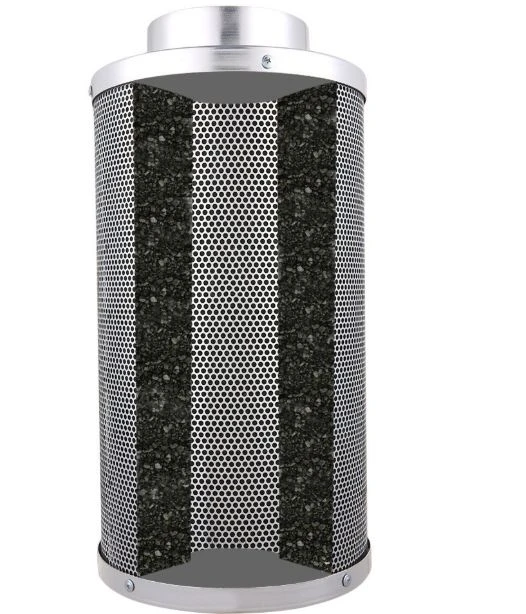
- Filter Media: Common materials include cellulose, synthetic fibers (polyester, polypropylene, fiberglass), and specialized composites. HEPA filters often use pleated borosilicate glass fibers. Material selection is based on target particle size, temperature, chemical compatibility, and desired efficiency (e.g., MERV rating).
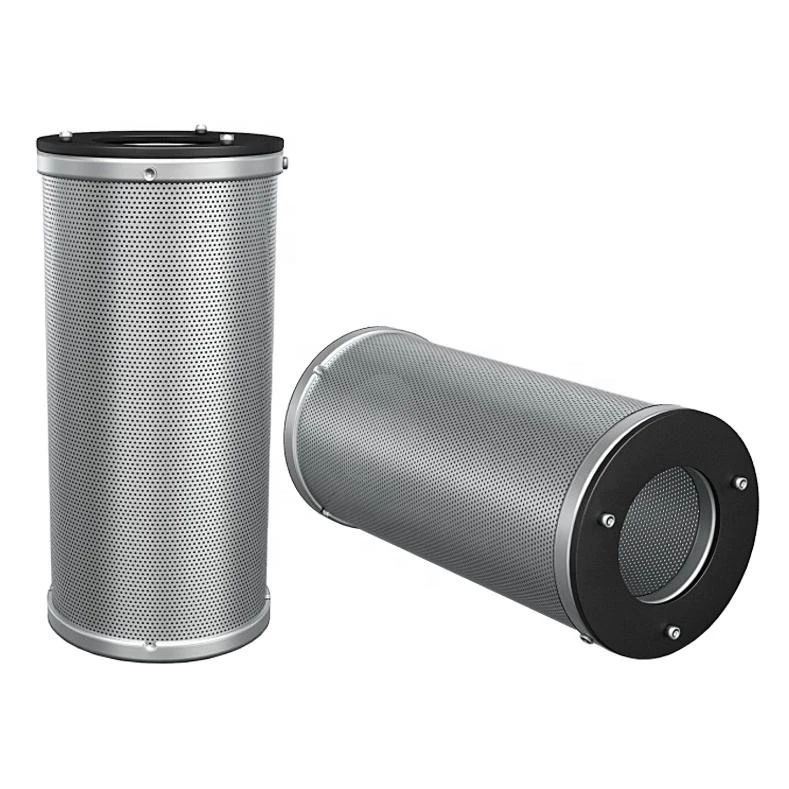
- End Caps: Typically made from galvanized steel, stainless steel, aluminum, or durable plastics (e.g., polyurethane, ABS) for structural integrity and sealing.
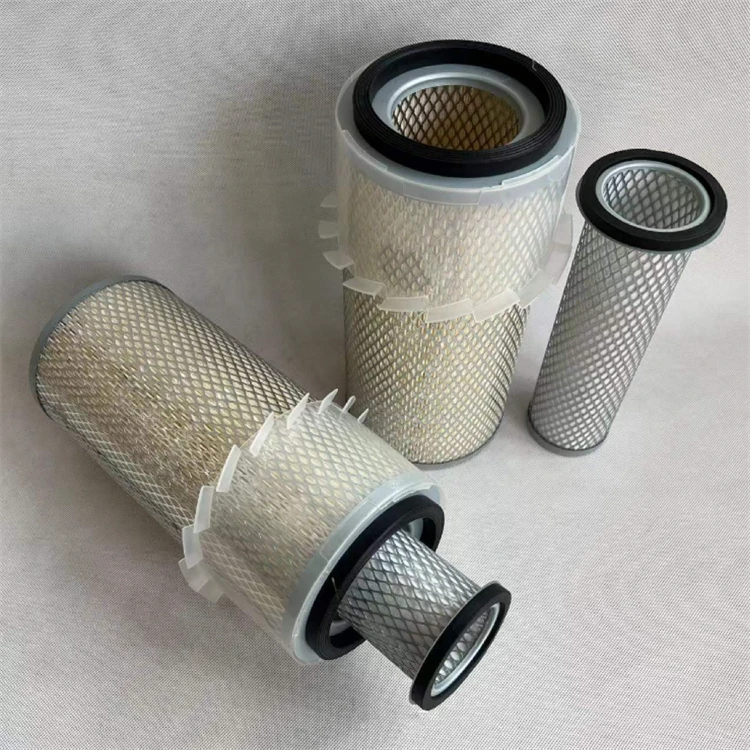
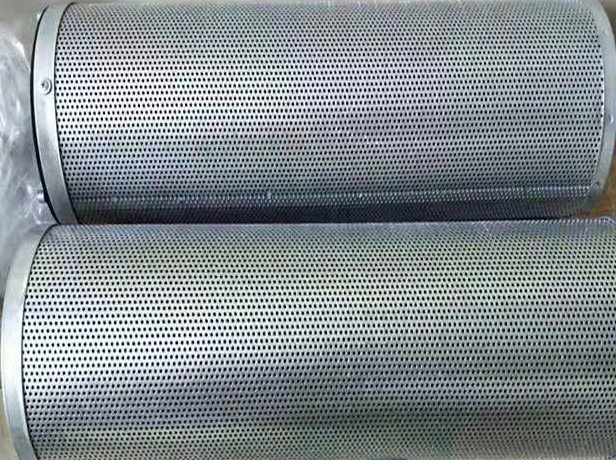
- Inner Core/Support: Perforated metal (galvanized steel, stainless steel) or plastic mesh provides structural support to the filter media, preventing collapse under differential pressure.
- Potting Compound/Sealant: Polyurethane, plastisol, or epoxy resins are used to bond the media pack to the end caps, creating an airtight seal.
Detailed Process Flow:
-
Media Preparation & Pleating:
The selected filter media is fed into an automated pleating machine. This process creates precise, uniform pleats that maximize the surface area within a compact cartridge, enhancing dust holding capacity and extending service life. Pleat depth and count are critical for flow characteristics.
-
Media Sealing & Bonding:
The pleated media pack is then formed into a cylindrical shape. The longitudinal seam is sealed, often using heat or an adhesive, to prevent bypass. This is followed by securing the media to the inner core support.
-
End Cap Assembly & Potting:
End caps are fitted onto both ends of the media pack and core assembly. A high-strength potting compound (e.g., polyurethane) is injected or poured to create a robust, leak-proof seal between the media, core, and end caps. This step is crucial for preventing contaminant bypass.
-
Curing & Finishing:
The assembled cartridge undergoes a curing process, often in controlled temperature environments, to fully set the potting compound. After curing, final inspections for physical defects, dimensions, and visual quality are performed.
-
Performance Testing & Certification:
Finished air filtration cartridges are subjected to stringent performance tests. These include initial pressure drop, filtration efficiency (e.g., DOP or MPPS tests for HEPA), burst pressure, and airflow resistance. Adherence to standards like ISO 16890, EN 1822, and ASHRAE 52.2 is verified. Products are often ISO 9001 certified for quality management.
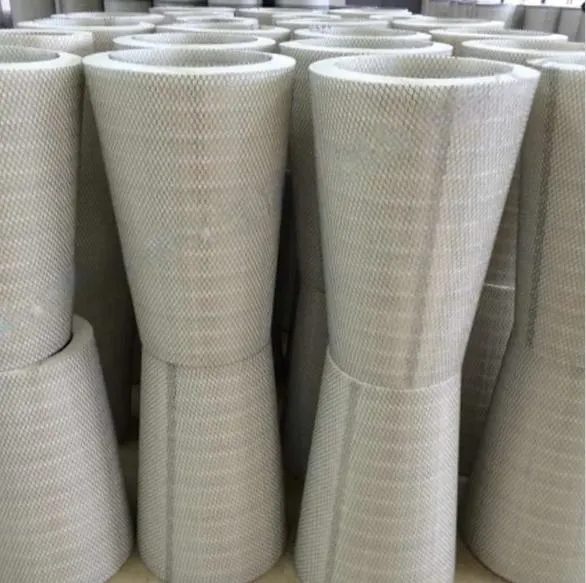
The service life of a high-quality air filtration cartridge can range from 6 months to over 2 years, depending on the operating environment, contaminant load, and maintenance schedule. Our cartridges demonstrate advantages in typical application scenarios such as energy saving through lower initial pressure drop and corrosion resistance due to robust material selection, leading to reduced operational costs and extended equipment lifespan.
Industry Trends and Market Dynamics for Cartridge Type Air Filters
The market for cartridge type air filter solutions is constantly evolving, driven by stricter environmental regulations, increasing awareness of air quality, and technological advancements. Key trends include:
- Higher Efficiency Standards: The shift towards filters with higher MERV (Minimum Efficiency Reporting Value) ratings and the increasing adoption of HEPA air filter cartridge technology are becoming standard in many industrial and commercial settings to capture finer particulate matter.
- Sustainable Materials: Demand for filter media made from recycled content or biodegradable materials is growing, aligning with global sustainability goals.
- Smart Filtration Systems: Integration of IoT sensors for real-time monitoring of pressure drop, filter saturation, and predictive maintenance scheduling is gaining traction, optimizing filter replacement cycles.
- Specialized Media for Diverse Contaminants: Development of media with enhanced resistance to chemicals, moisture, and high temperatures, or media incorporating activated carbon for odor and VOC removal.
- Energy Efficiency: Focus on designing filters with lower initial pressure drop to reduce fan energy consumption, leading to significant operational cost savings.
These trends underscore the importance of continuous innovation in manufacturing air filtration cartridges to meet the complex and evolving needs of industries ranging from petrochemicals to food and beverage production.
Technical Specifications and Performance Parameters
Understanding the technical parameters of air filtration cartridges is crucial for proper selection and optimal performance. These parameters define a cartridge's efficiency, capacity, and suitability for specific applications.
Key Performance Indicators:
- Filtration Efficiency: Measured by standards like ISO 16890 (ePM1, ePM2.5, ePM10), ASHRAE 52.2 (MERV rating), or EN 1822 (HEPA/ULPA classes). It indicates the percentage of particles of a given size range that the filter can capture. For instance, a HEPA filter captures 99.97% of particles at 0.3 microns.
- Initial Pressure Drop: The resistance to airflow offered by a clean filter. Lower initial pressure drop translates to lower energy consumption by fans.
- Dust Holding Capacity (DHC): The total amount of dust a filter can hold before reaching its terminal pressure drop or an unacceptable level of airflow restriction. A higher DHC extends service life.
- Airflow Rate (CFM/m³/h): The maximum volume of air that can pass through the filter efficiently without excessive pressure drop or diminished performance.
- Operating Temperature & Humidity: The range within which the filter media and construction materials can operate effectively without degradation.
- Chemical Compatibility: Resistance of the filter media and seals to specific chemicals present in the airstream.
Typical Product Specification Table:
| Parameter | Value/Range | Description |
|---|---|---|
| Filter Media | Pleated Polyester/Cellulose Blend | Durable media for general industrial dust collection. |
| Efficiency Rating | MERV 10 - MERV 16 (or ISO ePM1 50% - ISO ePM2.5 80%) | Captures fine to very fine particles efficiently. |
| Operating Temperature | -20°C to 80°C (-4°F to 176°F) | Suitable for a wide range of industrial climates. |
| Max Airflow Capacity | Up to 2500 m³/h (1470 CFM) per cartridge | High volume filtration for demanding systems. |
| Initial Pressure Drop | 150 Pa (0.6 in. wg) @ 1500 m³/h | Low resistance, contributing to energy savings. |
| Construction Materials | Galvanized Steel End Caps & Core, Polyurethane Gasket | Robust and corrosion-resistant construction. |
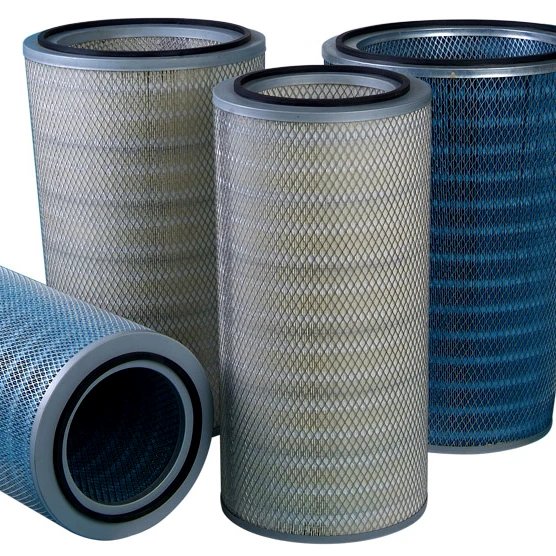
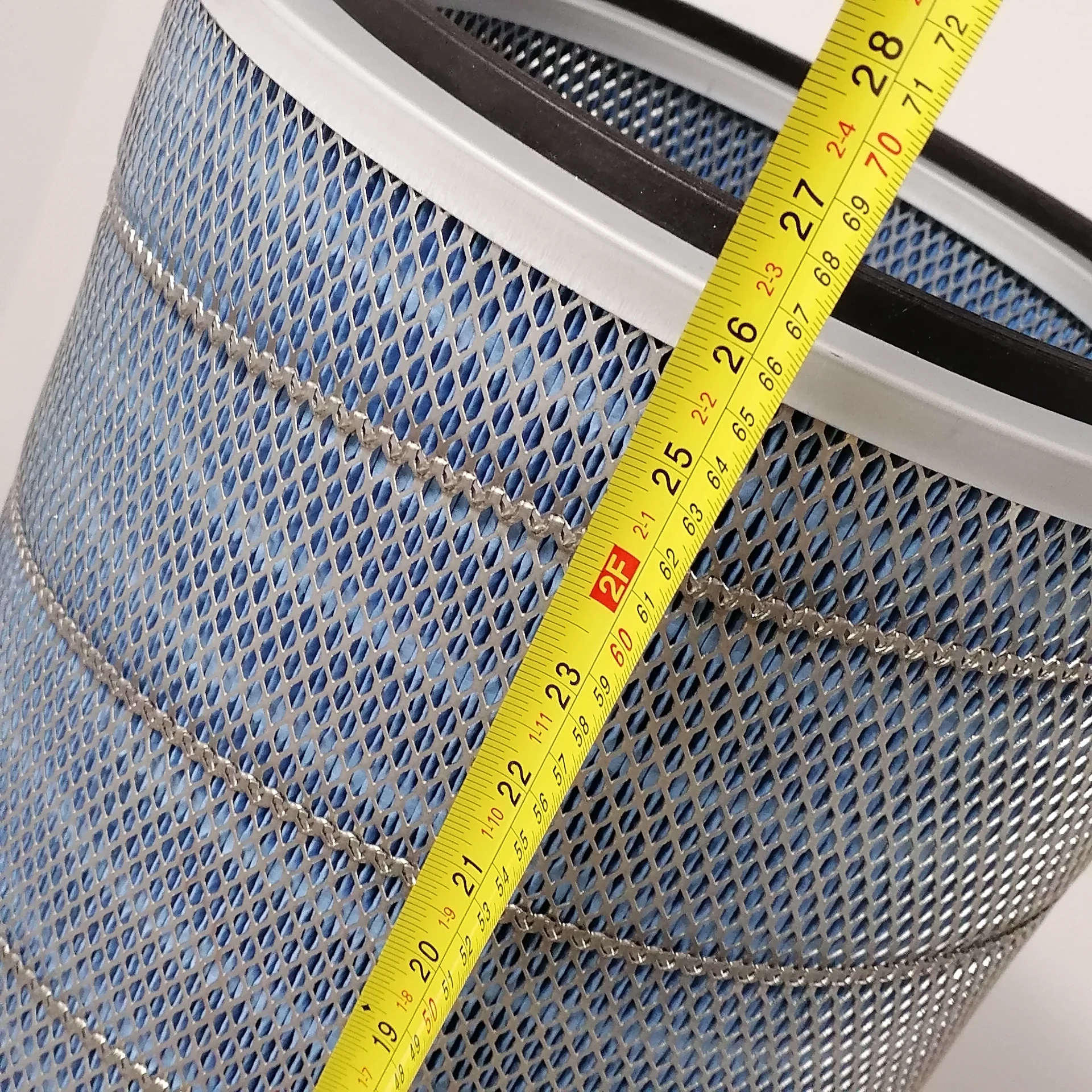
| Outer Diameter x Length | 325 mm x 600 mm (custom sizes available) | Standard and customizable dimensions for various systems. |
Diverse Application Scenarios
The versatility of air filtration cartridges makes them critical across a broad spectrum of industries. Their primary function is to protect personnel, processes, and equipment from harmful airborne particulates.
Target Industries:
- Manufacturing & Fabrication: Dust collection from welding fumes, grinding, sanding, and cutting operations in metalworking, woodworking, and plastics industries.
- Mining & Construction: Protecting engine air intakes, particularly for heavy machinery like an air filter for excavator and other earth-moving equipment, from abrasive dust in harsh environments.
- Food & Beverage: Ensuring sterile air for processing, packaging, and fermentation, preventing microbial contamination. HEPA and pharmaceutical-grade filters are common.
- Pharmaceutical & Healthcare: Maintaining cleanroom conditions, sterile processing environments, and preventing cross-contamination in drug manufacturing and laboratories.
- Chemical & Petrochemical: Removing corrosive gases, toxic fumes, and particulate matter to protect sensitive instrumentation, processes, and personnel. Often requires specialized media with chemical resistance.
- Power Generation: Protecting gas turbines and other critical equipment from airborne contaminants, which can cause erosion, fouling, and reduced efficiency.
- Water Supply & Drainage: Air intake filters for blowers and aeration systems to prevent contaminants from entering the water treatment process.
Technical Advantages Over Conventional Filters
Modern air filtration cartridges offer distinct advantages compared to traditional bag filters or panel filters, especially in high-dust loading and critical applications:
- Higher Filtration Efficiency: Advanced media designs, including nanofiber coatings and specific pleat geometries, allow cartridges to achieve significantly higher filtration efficiencies for sub-micron particles.
- Increased Surface Area & Dust Holding Capacity: The pleated design of cartridges packs a much larger filter media surface area into a compact volume, leading to superior dust holding capacity and longer service intervals. This directly translates to lower maintenance costs and reduced downtime.
- Lower Pressure Drop & Energy Consumption: Optimized media and structural design reduce airflow resistance. For example, a new generation cartridge might have an initial pressure drop 20% lower than an equivalent bag filter, leading to substantial energy savings over time in fan operation.
- Easier Maintenance & Replacement: Cartridges are designed for quick and clean changeouts, often requiring fewer tools and less labor compared to complex baghouse systems. This minimizes worker exposure to contaminants.
- Space Efficiency: Cartridge collectors are more compact than baghouses with comparable airflow capacities, making them ideal for facilities with limited floor space.
- Enhanced Durability & Corrosion Resistance: Robust construction materials and specialized media treatments provide excellent resistance to moisture, chemicals, and abrasion, extending the operational life in challenging environments.
- Superior Pulse-Jet Cleaning: Cartridges are highly effective with pulse-jet cleaning systems, which dislodge accumulated dust and restore airflow, further extending the filter's operational life.
Vendor Comparison and Customization Opportunities
When selecting air filtration cartridges, comparing vendors goes beyond price. It involves evaluating product quality, technical support, customization capabilities, and proven expertise. We differentiate ourselves through:
- ISO Certified Manufacturing: Adherence to ISO 9001 quality management ensures consistent product standards. Our processes are regularly audited for compliance and continuous improvement.
- Extensive R&D Investment: Continuous development of new media technologies and cartridge designs to meet emerging industry challenges, such as ultra-fine particulate removal or high-temperature resistance.
- Comprehensive Technical Support: Our team of engineers provides expert guidance on filter selection, system optimization, and troubleshooting, ensuring clients receive the most effective and efficient filtration solutions.
- Years of Service and Client Partnerships: With over 15 years in the industry, we have established long-term partnerships with leading companies in petrochemical, pharmaceutical, and heavy manufacturing sectors, demonstrating our reliability and expertise.
Customized Solutions: Tailored to Your Needs
Recognizing that off-the-shelf solutions may not always be optimal, we specialize in providing customized air filtration cartridges. This includes:
- Custom Dimensions: Manufacturing cartridges to specific diameters, lengths, and end cap configurations to fit existing dust collectors and air handling units, minimizing retrofit costs.
- Specialized Filter Media: Developing and utilizing media optimized for unique contaminants (e.g., sticky dust, abrasive particles, oil mist), extreme temperatures, or corrosive environments. This can include fire-retardant, anti-static, or oleophobic treatments.
- Performance Optimization: Working with clients to engineer cartridges that achieve specific pressure drop targets, extended service life, or enhanced filtration efficiency for critical processes.
- Rapid Prototyping: Ability to quickly design, prototype, and test custom cartridges, accelerating deployment for unique project requirements.
Application Case Studies and Customer Feedback
Our air filtration cartridges have consistently delivered exceptional results in challenging industrial environments. Here are a few examples:
Case Study 1: Metal Fabrication Facility Dust Control
A large metal fabrication plant experienced frequent downtime and high maintenance costs due to inadequate dust collection from welding and grinding operations. Their existing system, using standard bag filters, required replacement every 3 months.
- Solution: We provided custom-designed pleated polyester air filtration cartridges with a surface-loading nanofiber coating. These cartridges offered higher efficiency (MERV 15) and superior dust release during pulse cleaning.
- Results: The facility saw a 50% increase in filter service life (6 months), a 15% reduction in energy consumption due to lower pressure drop, and a significant improvement in air quality, validated by ambient air particulate monitoring. Maintenance labor costs decreased by 30%.
Case Study 2: Cement Plant Silo Venting
A cement production facility faced challenges with fine cement dust escaping during silo filling and emptying. Their older, less efficient filters led to regulatory concerns and environmental impact.
- Solution: We implemented rugged, anti-static cartridge type air filter units designed for high-abrasion resistance and efficient collection of fine, sticky powders. The cartridges featured robust galvanized steel construction and specialized media treatments.
- Results: Emissions were reduced by 98%, well below permissible limits, ensuring regulatory compliance. The enhanced dust release properties of the filters allowed for stable operation and extended periods between replacements, leading to an estimated annual saving of $15,000 in filter procurement and disposal costs.
"The change to your custom air filtration cartridges has been a game-changer for our plant. We've seen a noticeable improvement in air quality and our maintenance team appreciates the easier changeouts." - Operations Manager, Heavy Manufacturing Group.
Trustworthiness and Support: Your Partner in Filtration
Building trust is paramount in B2B relationships. We are committed to transparency, reliability, and unparalleled customer support for our air filtration cartridges.
Frequently Asked Questions (FAQ):
-
Q: How do I determine the correct MERV rating for my application?
A: The appropriate MERV rating depends on the type and concentration of contaminants, required indoor air quality, and specific industry standards. Our technical sales team can perform an assessment and recommend the ideal rating for your system.
-
Q: What is the typical lead time for custom air filtration cartridges?
A: Standard cartridge orders typically ship within 2-3 weeks. For custom solutions, the lead time can range from 4-8 weeks, depending on complexity and material availability, following design approval.
-
Q: How should used cartridges be disposed of?
A: Disposal methods depend on the collected contaminants. Non-hazardous dust can be disposed of in general waste. Hazardous materials require specialized disposal protocols as per local environmental regulations. We can provide guidance on safe disposal practices.
Lead Time & Fulfillment:
We maintain efficient production lines and robust inventory management to ensure timely delivery. Standard orders are typically processed and shipped within 10-15 business days. For urgent requirements, expedited shipping options are available. Customized solutions follow an agreed-upon project timeline from design to delivery.
Warranty & After-Sales Support:
All our air filtration cartridges come with a comprehensive 12-month warranty against manufacturing defects, effective from the date of purchase. Our dedicated after-sales support team is available to assist with installation queries, performance optimization, and any product-related concerns to ensure continuous, trouble-free operation of your filtration systems. We also offer maintenance contracts and periodic site visits for long-term partners.
References
- ISO 16890-1:2016. Air filters for general ventilation - Part 1: Technical specifications, requirements and classification system based on particulate matter efficiency (ePM). International Organization for Standardization.
- ASHRAE Standard 52.2-2017. Method of Testing General Ventilation Air-Cleaning Devices for Removal Efficiency by Particle Size. American Society of Heating, Refrigerating and Air-Conditioning Engineers.
- EN 1822-1:2019. High efficiency air filters (EPA, HEPA and ULPA) - Part 1: Classification, performance testing, marking. European Committee for Standardization.
- National Institute for Occupational Safety and Health (NIOSH). Respiratory Protection. U.S. Centers for Disease Control and Prevention.
-
High-Efficiency Industrial Dust Filtration & PurificationNewsApr.21,2026
-
High-Efficiency Adsorption for Clean Air & Water PurificationNewsApr.20,2026
-
Air Filter Cartridge: High-Efficiency Filtration for Engine Protection & Clean Air SupplyNewsApr.17,2026
-
Filter Paper: Precision Filtration Media for Industrial & Laboratory ExcellenceNewsApr.16,2026
-
Industrial Guide for Selecting a Stainless Filter CartridgeNewsApr.16,2026
-
Dust Filter Cartridges: High-Efficiency Industrial Filtration for Clean Production & ComplianceNewsApr.15,2026
Sep . 08, 2025 16:38 Back to list
Expert Air Filtration Cartridges for HEPA & Excavator Needs
Advanced Air Filtration Cartridges for Industrial Excellence
In industrial environments, the purity of air is not merely a matter of compliance but a critical factor in operational efficiency, equipment longevity, and employee health. High-performance air filtration cartridges are indispensable components for capturing particulate matter, aerosols, and other contaminants, ensuring clean air circulation within a multitude of demanding applications. From protecting sensitive machinery to maintaining stringent cleanroom standards, these cartridges are engineered to deliver superior filtration efficiency and robust performance under diverse conditions. This comprehensive overview delves into the specifics of these essential industrial components, highlighting their manufacturing, application, and technological advantages.
Manufacturing Process of High-Quality Air Filtration Cartridges
The production of industrial air filtration cartridges is a multi-stage, precision-driven process that ensures the integrity and performance of each unit. Quality control is integrated at every step to meet rigorous international standards.
Key Materials and Components:
- Filter Media: Common materials include cellulose, synthetic fibers (polyester, polypropylene, fiberglass), and specialized composites. HEPA filters often use pleated borosilicate glass fibers. Material selection is based on target particle size, temperature, chemical compatibility, and desired efficiency (e.g., MERV rating).
- End Caps: Typically made from galvanized steel, stainless steel, aluminum, or durable plastics (e.g., polyurethane, ABS) for structural integrity and sealing.
- Inner Core/Support: Perforated metal (galvanized steel, stainless steel) or plastic mesh provides structural support to the filter media, preventing collapse under differential pressure.
- Potting Compound/Sealant: Polyurethane, plastisol, or epoxy resins are used to bond the media pack to the end caps, creating an airtight seal.
Detailed Process Flow:
-
Media Preparation & Pleating:
The selected filter media is fed into an automated pleating machine. This process creates precise, uniform pleats that maximize the surface area within a compact cartridge, enhancing dust holding capacity and extending service life. Pleat depth and count are critical for flow characteristics.
-
Media Sealing & Bonding:
The pleated media pack is then formed into a cylindrical shape. The longitudinal seam is sealed, often using heat or an adhesive, to prevent bypass. This is followed by securing the media to the inner core support.
-
End Cap Assembly & Potting:
End caps are fitted onto both ends of the media pack and core assembly. A high-strength potting compound (e.g., polyurethane) is injected or poured to create a robust, leak-proof seal between the media, core, and end caps. This step is crucial for preventing contaminant bypass.
-
Curing & Finishing:
The assembled cartridge undergoes a curing process, often in controlled temperature environments, to fully set the potting compound. After curing, final inspections for physical defects, dimensions, and visual quality are performed.
-
Performance Testing & Certification:
Finished air filtration cartridges are subjected to stringent performance tests. These include initial pressure drop, filtration efficiency (e.g., DOP or MPPS tests for HEPA), burst pressure, and airflow resistance. Adherence to standards like ISO 16890, EN 1822, and ASHRAE 52.2 is verified. Products are often ISO 9001 certified for quality management.
The service life of a high-quality air filtration cartridge can range from 6 months to over 2 years, depending on the operating environment, contaminant load, and maintenance schedule. Our cartridges demonstrate advantages in typical application scenarios such as energy saving through lower initial pressure drop and corrosion resistance due to robust material selection, leading to reduced operational costs and extended equipment lifespan.
Industry Trends and Market Dynamics for Cartridge Type Air Filters
The market for cartridge type air filter solutions is constantly evolving, driven by stricter environmental regulations, increasing awareness of air quality, and technological advancements. Key trends include:
- Higher Efficiency Standards: The shift towards filters with higher MERV (Minimum Efficiency Reporting Value) ratings and the increasing adoption of HEPA air filter cartridge technology are becoming standard in many industrial and commercial settings to capture finer particulate matter.
- Sustainable Materials: Demand for filter media made from recycled content or biodegradable materials is growing, aligning with global sustainability goals.
- Smart Filtration Systems: Integration of IoT sensors for real-time monitoring of pressure drop, filter saturation, and predictive maintenance scheduling is gaining traction, optimizing filter replacement cycles.
- Specialized Media for Diverse Contaminants: Development of media with enhanced resistance to chemicals, moisture, and high temperatures, or media incorporating activated carbon for odor and VOC removal.
- Energy Efficiency: Focus on designing filters with lower initial pressure drop to reduce fan energy consumption, leading to significant operational cost savings.
These trends underscore the importance of continuous innovation in manufacturing air filtration cartridges to meet the complex and evolving needs of industries ranging from petrochemicals to food and beverage production.
Technical Specifications and Performance Parameters
Understanding the technical parameters of air filtration cartridges is crucial for proper selection and optimal performance. These parameters define a cartridge's efficiency, capacity, and suitability for specific applications.
Key Performance Indicators:
- Filtration Efficiency: Measured by standards like ISO 16890 (ePM1, ePM2.5, ePM10), ASHRAE 52.2 (MERV rating), or EN 1822 (HEPA/ULPA classes). It indicates the percentage of particles of a given size range that the filter can capture. For instance, a HEPA filter captures 99.97% of particles at 0.3 microns.
- Initial Pressure Drop: The resistance to airflow offered by a clean filter. Lower initial pressure drop translates to lower energy consumption by fans.
- Dust Holding Capacity (DHC): The total amount of dust a filter can hold before reaching its terminal pressure drop or an unacceptable level of airflow restriction. A higher DHC extends service life.
- Airflow Rate (CFM/m³/h): The maximum volume of air that can pass through the filter efficiently without excessive pressure drop or diminished performance.
- Operating Temperature & Humidity: The range within which the filter media and construction materials can operate effectively without degradation.
- Chemical Compatibility: Resistance of the filter media and seals to specific chemicals present in the airstream.
Typical Product Specification Table:
| Parameter | Value/Range | Description |
|---|---|---|
| Filter Media | Pleated Polyester/Cellulose Blend | Durable media for general industrial dust collection. |
| Efficiency Rating | MERV 10 - MERV 16 (or ISO ePM1 50% - ISO ePM2.5 80%) | Captures fine to very fine particles efficiently. |
| Operating Temperature | -20°C to 80°C (-4°F to 176°F) | Suitable for a wide range of industrial climates. |
| Max Airflow Capacity | Up to 2500 m³/h (1470 CFM) per cartridge | High volume filtration for demanding systems. |
| Initial Pressure Drop | 150 Pa (0.6 in. wg) @ 1500 m³/h | Low resistance, contributing to energy savings. |
| Construction Materials | Galvanized Steel End Caps & Core, Polyurethane Gasket | Robust and corrosion-resistant construction. |
| Outer Diameter x Length | 325 mm x 600 mm (custom sizes available) | Standard and customizable dimensions for various systems. |
Diverse Application Scenarios
The versatility of air filtration cartridges makes them critical across a broad spectrum of industries. Their primary function is to protect personnel, processes, and equipment from harmful airborne particulates.
Target Industries:
- Manufacturing & Fabrication: Dust collection from welding fumes, grinding, sanding, and cutting operations in metalworking, woodworking, and plastics industries.
- Mining & Construction: Protecting engine air intakes, particularly for heavy machinery like an air filter for excavator and other earth-moving equipment, from abrasive dust in harsh environments.
- Food & Beverage: Ensuring sterile air for processing, packaging, and fermentation, preventing microbial contamination. HEPA and pharmaceutical-grade filters are common.
- Pharmaceutical & Healthcare: Maintaining cleanroom conditions, sterile processing environments, and preventing cross-contamination in drug manufacturing and laboratories.
- Chemical & Petrochemical: Removing corrosive gases, toxic fumes, and particulate matter to protect sensitive instrumentation, processes, and personnel. Often requires specialized media with chemical resistance.
- Power Generation: Protecting gas turbines and other critical equipment from airborne contaminants, which can cause erosion, fouling, and reduced efficiency.
- Water Supply & Drainage: Air intake filters for blowers and aeration systems to prevent contaminants from entering the water treatment process.
Technical Advantages Over Conventional Filters
Modern air filtration cartridges offer distinct advantages compared to traditional bag filters or panel filters, especially in high-dust loading and critical applications:
- Higher Filtration Efficiency: Advanced media designs, including nanofiber coatings and specific pleat geometries, allow cartridges to achieve significantly higher filtration efficiencies for sub-micron particles.
- Increased Surface Area & Dust Holding Capacity: The pleated design of cartridges packs a much larger filter media surface area into a compact volume, leading to superior dust holding capacity and longer service intervals. This directly translates to lower maintenance costs and reduced downtime.
- Lower Pressure Drop & Energy Consumption: Optimized media and structural design reduce airflow resistance. For example, a new generation cartridge might have an initial pressure drop 20% lower than an equivalent bag filter, leading to substantial energy savings over time in fan operation.
- Easier Maintenance & Replacement: Cartridges are designed for quick and clean changeouts, often requiring fewer tools and less labor compared to complex baghouse systems. This minimizes worker exposure to contaminants.
- Space Efficiency: Cartridge collectors are more compact than baghouses with comparable airflow capacities, making them ideal for facilities with limited floor space.
- Enhanced Durability & Corrosion Resistance: Robust construction materials and specialized media treatments provide excellent resistance to moisture, chemicals, and abrasion, extending the operational life in challenging environments.
- Superior Pulse-Jet Cleaning: Cartridges are highly effective with pulse-jet cleaning systems, which dislodge accumulated dust and restore airflow, further extending the filter's operational life.
Vendor Comparison and Customization Opportunities
When selecting air filtration cartridges, comparing vendors goes beyond price. It involves evaluating product quality, technical support, customization capabilities, and proven expertise. We differentiate ourselves through:
- ISO Certified Manufacturing: Adherence to ISO 9001 quality management ensures consistent product standards. Our processes are regularly audited for compliance and continuous improvement.
- Extensive R&D Investment: Continuous development of new media technologies and cartridge designs to meet emerging industry challenges, such as ultra-fine particulate removal or high-temperature resistance.
- Comprehensive Technical Support: Our team of engineers provides expert guidance on filter selection, system optimization, and troubleshooting, ensuring clients receive the most effective and efficient filtration solutions.
- Years of Service and Client Partnerships: With over 15 years in the industry, we have established long-term partnerships with leading companies in petrochemical, pharmaceutical, and heavy manufacturing sectors, demonstrating our reliability and expertise.
Customized Solutions: Tailored to Your Needs
Recognizing that off-the-shelf solutions may not always be optimal, we specialize in providing customized air filtration cartridges. This includes:
- Custom Dimensions: Manufacturing cartridges to specific diameters, lengths, and end cap configurations to fit existing dust collectors and air handling units, minimizing retrofit costs.
- Specialized Filter Media: Developing and utilizing media optimized for unique contaminants (e.g., sticky dust, abrasive particles, oil mist), extreme temperatures, or corrosive environments. This can include fire-retardant, anti-static, or oleophobic treatments.
- Performance Optimization: Working with clients to engineer cartridges that achieve specific pressure drop targets, extended service life, or enhanced filtration efficiency for critical processes.
- Rapid Prototyping: Ability to quickly design, prototype, and test custom cartridges, accelerating deployment for unique project requirements.
Application Case Studies and Customer Feedback
Our air filtration cartridges have consistently delivered exceptional results in challenging industrial environments. Here are a few examples:
Case Study 1: Metal Fabrication Facility Dust Control
A large metal fabrication plant experienced frequent downtime and high maintenance costs due to inadequate dust collection from welding and grinding operations. Their existing system, using standard bag filters, required replacement every 3 months.
- Solution: We provided custom-designed pleated polyester air filtration cartridges with a surface-loading nanofiber coating. These cartridges offered higher efficiency (MERV 15) and superior dust release during pulse cleaning.
- Results: The facility saw a 50% increase in filter service life (6 months), a 15% reduction in energy consumption due to lower pressure drop, and a significant improvement in air quality, validated by ambient air particulate monitoring. Maintenance labor costs decreased by 30%.
Case Study 2: Cement Plant Silo Venting
A cement production facility faced challenges with fine cement dust escaping during silo filling and emptying. Their older, less efficient filters led to regulatory concerns and environmental impact.
- Solution: We implemented rugged, anti-static cartridge type air filter units designed for high-abrasion resistance and efficient collection of fine, sticky powders. The cartridges featured robust galvanized steel construction and specialized media treatments.
- Results: Emissions were reduced by 98%, well below permissible limits, ensuring regulatory compliance. The enhanced dust release properties of the filters allowed for stable operation and extended periods between replacements, leading to an estimated annual saving of $15,000 in filter procurement and disposal costs.
"The change to your custom air filtration cartridges has been a game-changer for our plant. We've seen a noticeable improvement in air quality and our maintenance team appreciates the easier changeouts." - Operations Manager, Heavy Manufacturing Group.
Trustworthiness and Support: Your Partner in Filtration
Building trust is paramount in B2B relationships. We are committed to transparency, reliability, and unparalleled customer support for our air filtration cartridges.
Frequently Asked Questions (FAQ):
-
Q: How do I determine the correct MERV rating for my application?
A: The appropriate MERV rating depends on the type and concentration of contaminants, required indoor air quality, and specific industry standards. Our technical sales team can perform an assessment and recommend the ideal rating for your system.
-
Q: What is the typical lead time for custom air filtration cartridges?
A: Standard cartridge orders typically ship within 2-3 weeks. For custom solutions, the lead time can range from 4-8 weeks, depending on complexity and material availability, following design approval.
-
Q: How should used cartridges be disposed of?
A: Disposal methods depend on the collected contaminants. Non-hazardous dust can be disposed of in general waste. Hazardous materials require specialized disposal protocols as per local environmental regulations. We can provide guidance on safe disposal practices.
Lead Time & Fulfillment:
We maintain efficient production lines and robust inventory management to ensure timely delivery. Standard orders are typically processed and shipped within 10-15 business days. For urgent requirements, expedited shipping options are available. Customized solutions follow an agreed-upon project timeline from design to delivery.
Warranty & After-Sales Support:
All our air filtration cartridges come with a comprehensive 12-month warranty against manufacturing defects, effective from the date of purchase. Our dedicated after-sales support team is available to assist with installation queries, performance optimization, and any product-related concerns to ensure continuous, trouble-free operation of your filtration systems. We also offer maintenance contracts and periodic site visits for long-term partners.
References
- ISO 16890-1:2016. Air filters for general ventilation - Part 1: Technical specifications, requirements and classification system based on particulate matter efficiency (ePM). International Organization for Standardization.
- ASHRAE Standard 52.2-2017. Method of Testing General Ventilation Air-Cleaning Devices for Removal Efficiency by Particle Size. American Society of Heating, Refrigerating and Air-Conditioning Engineers.
- EN 1822-1:2019. High efficiency air filters (EPA, HEPA and ULPA) - Part 1: Classification, performance testing, marking. European Committee for Standardization.
- National Institute for Occupational Safety and Health (NIOSH). Respiratory Protection. U.S. Centers for Disease Control and Prevention.
-
High-Efficiency Industrial Dust Filtration & PurificationNewsApr.21,2026
-
High-Efficiency Adsorption for Clean Air & Water PurificationNewsApr.20,2026
-
Air Filter Cartridge: High-Efficiency Filtration for Engine Protection & Clean Air SupplyNewsApr.17,2026
-
Filter Paper: Precision Filtration Media for Industrial & Laboratory ExcellenceNewsApr.16,2026
-
Industrial Guide for Selecting a Stainless Filter CartridgeNewsApr.16,2026
-
Dust Filter Cartridges: High-Efficiency Industrial Filtration for Clean Production & ComplianceNewsApr.15,2026