 Email:admin@only-filter.com
 Tel:
+8615930870079
Tel:
+8615930870079
Feb . 24, 2026 10:55 Back to list
Comprehensive Guide to Air Purifier Cartridge Technology and Replacement
Understanding Air Purifier Cartridge Technology
Maintaining clean indoor air is crucial for health and well-being. A vital component of many air purification systems is the air purifier cartridge. This article will explore the different types of air purifier cartridges, their functions, lifespan, and how to choose the right one for your needs. We’ll also discuss the benefits of regularly replacing your cartridge to ensure optimal air quality. Choosing the correct cartridge can dramatically improve the performance of your air purifier and the air you breathe.
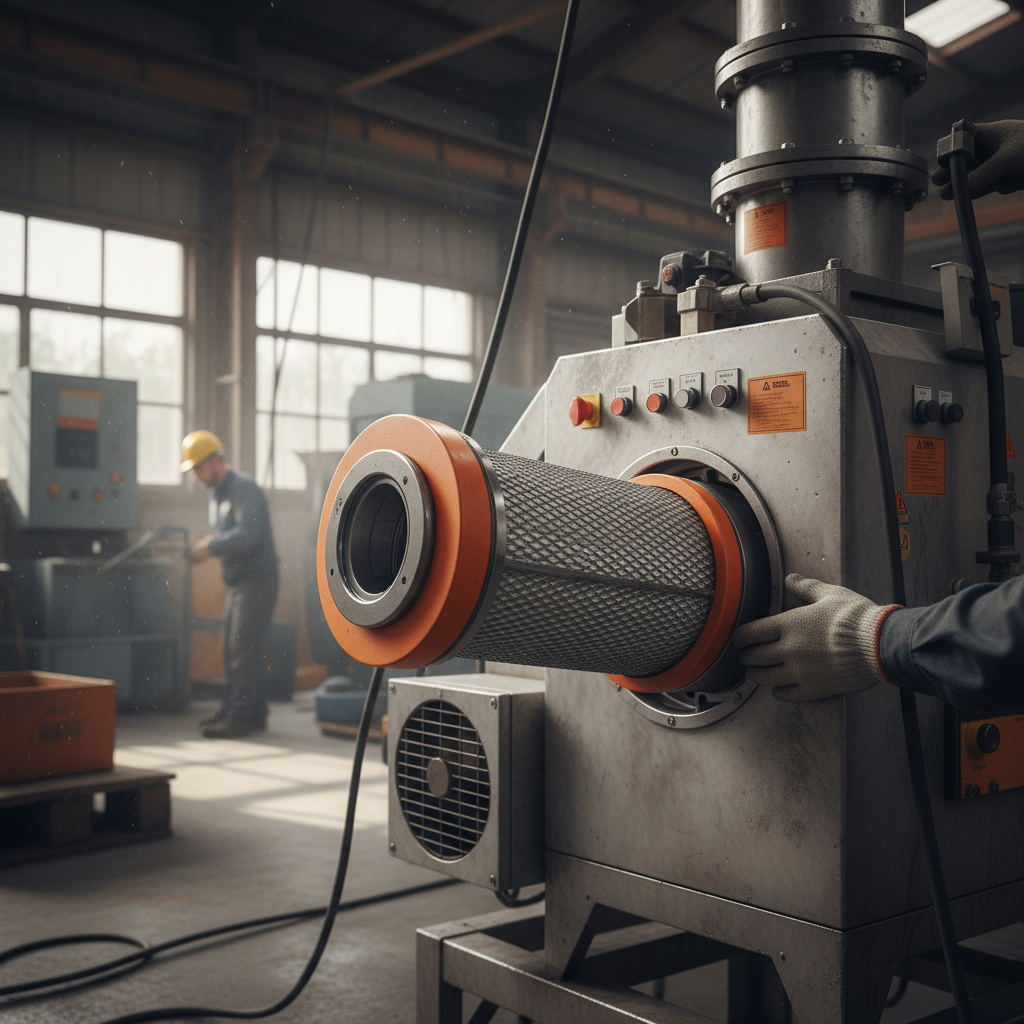
Types of Air Purifier Cartridges
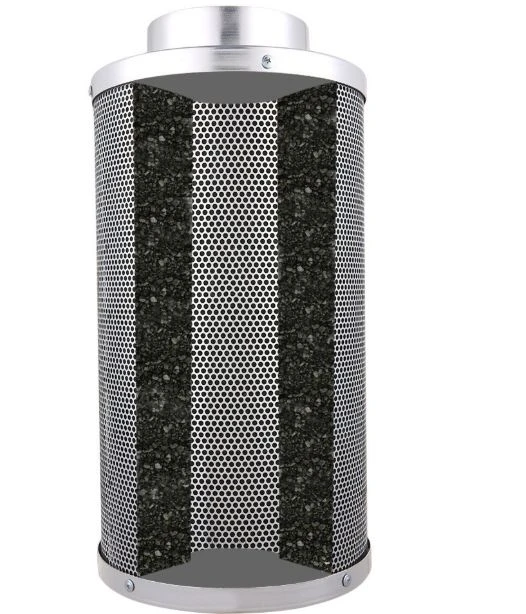
Air purifier cartridges aren’t one-size-fits-all. Several types exist, each designed to tackle different airborne pollutants. The most common include: HEPA (High-Efficiency Particulate Air) filters, which capture 99.97% of particles 0.3 microns in size; Activated Carbon filters, excellent for removing odors, gases, and VOCs (Volatile Organic Compounds); and Pre-filters, which catch larger particles like dust and pet dander, extending the life of other filters. Some cartridges combine multiple filtration layers for comprehensive air cleaning. Selecting the right type depends on your specific air quality concerns.
Key Highlights: Different cartridges target different pollutants. HEPA filters capture particles, activated carbon removes gases, and pre-filters extend the life of other filters.
HEPA vs. Activated Carbon: A Detailed Comparison
While both HEPA and activated carbon filters are crucial, they work differently. HEPA filters physically trap particles, preventing them from recirculating into the air. Activated carbon filters use adsorption, a process where gases and odors adhere to the carbon’s surface. A HEPA filter won't remove smells, and an activated carbon filter won't capture dust. Ideally, a combination of both is used for optimal air purification. Understanding the strengths of each allows you to tailor your air purification system to your specific needs.
HEPA and Activated Carbon Filter Comparison:
• HEPA: Captures 99.97% of particles 0.3 microns or larger.
• Activated Carbon: Removes odors, gases, and VOCs.
• HEPA: Best for allergens, dust, pollen, and smoke.
• Activated Carbon: Best for chemical fumes, pet odors, and cooking smells.
Choosing the Right Air Purifier Cartridge for Your Needs
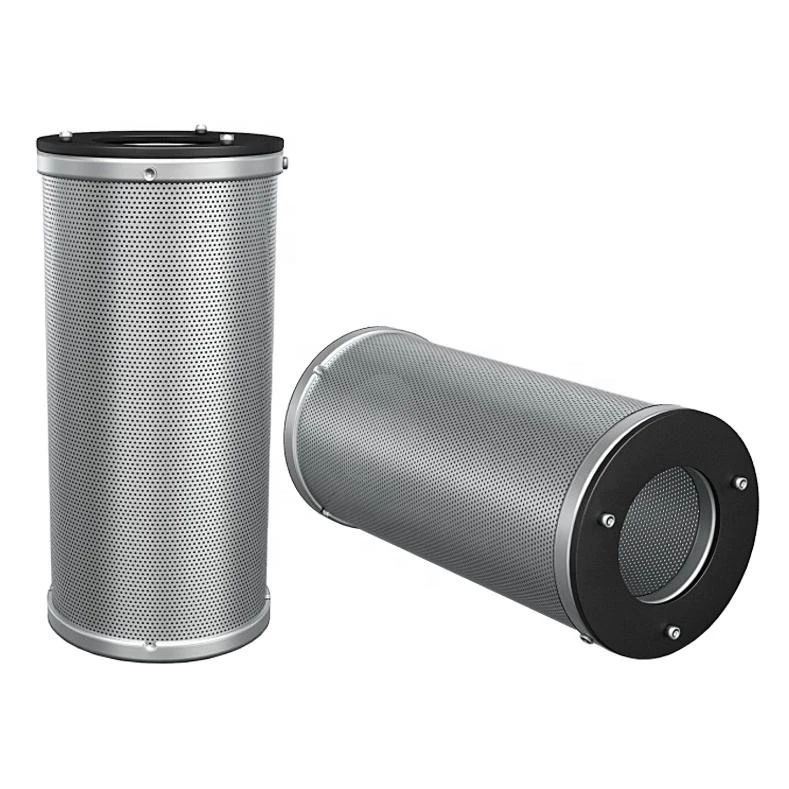
Selecting the correct cartridge involves considering the types of pollutants you want to remove. If you suffer from allergies, a HEPA filter is essential. For odor control, an activated carbon filter is the way to go. Consider the size of the room; larger rooms require more powerful cartridges or more frequent replacements. Always check your air purifier’s manual for compatible cartridge types. Using the wrong cartridge can damage your purifier or reduce its effectiveness. Onlyfiltercartridge.com provides a wide selection of cartridges for various air purifier models.
The Importance of Regular Cartridge Replacement
Air purifier cartridges don’t last forever. Over time, they become saturated with pollutants, reducing their effectiveness. The lifespan of a cartridge depends on usage and air quality. Pre-filters should be cleaned or replaced monthly. HEPA filters typically last 6-12 months, while activated carbon filters may need replacing every 3-6 months. Regularly replacing your cartridge ensures your air purifier continues to deliver clean, healthy air. Ignoring this maintenance can lead to poor air quality and potentially exacerbate allergies or respiratory issues.
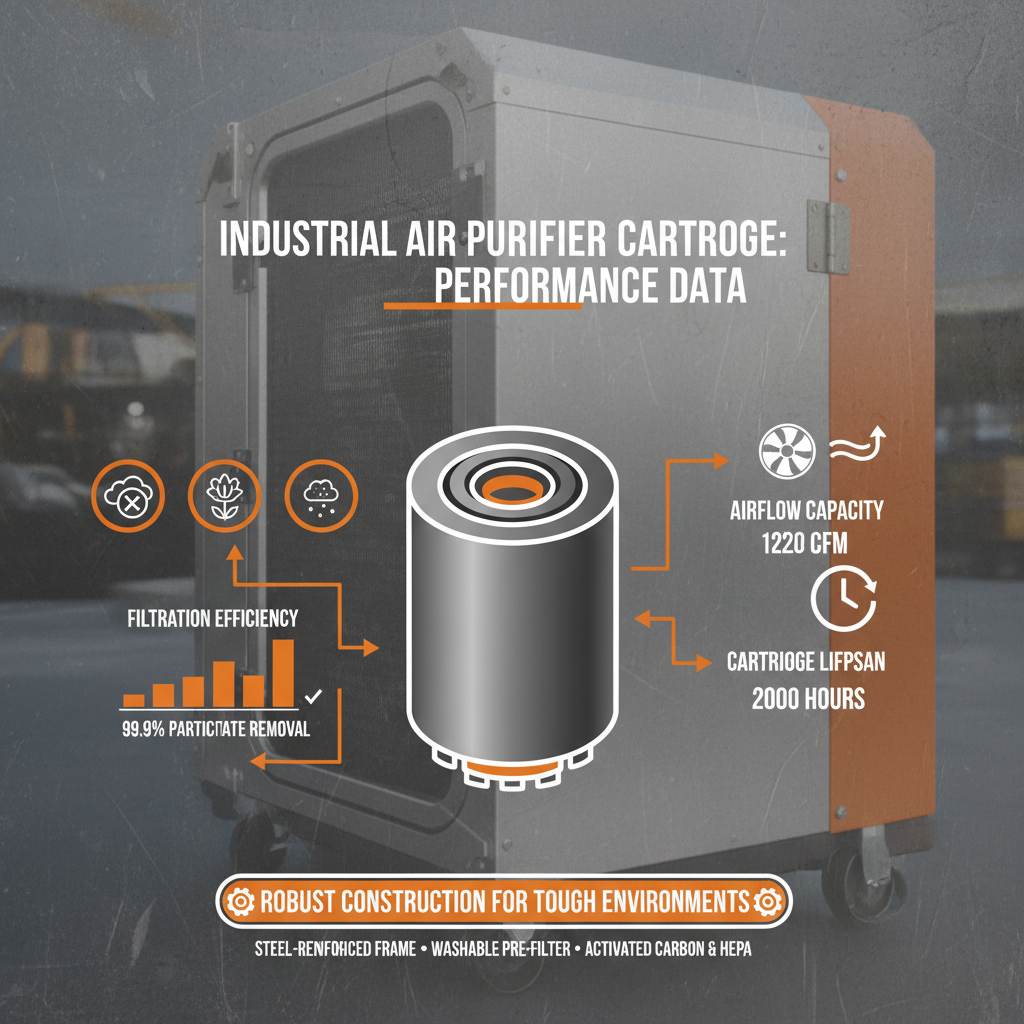
Product Specifications: Example HEPA Filter
Let’s look at a typical HEPA filter specification:
Conclusion: Breathe Easier with the Right Cartridge
Investing in quality air purifier cartridges is an investment in your health. By understanding the different types, knowing when to replace them, and choosing the right cartridge for your needs, you can enjoy cleaner, healthier indoor air. Don't compromise on the air you breathe – prioritize quality filtration.
Frequently Asked Questions (FAQs)
How often should I replace my air purifier cartridge?
The frequency of cartridge replacement depends on the type of filter and your air quality. Pre-filters need monthly cleaning or replacement. HEPA filters typically last 6-12 months, while activated carbon filters require replacement every 3-6 months. Factors like pet ownership, smoking, and outdoor pollution levels can shorten the lifespan of a cartridge. Always check the manufacturer’s recommendations and visually inspect the cartridge for signs of saturation or damage. A reduction in air purifier efficiency is also a sign that replacement is due.
Can I wash and reuse my air purifier cartridge?
While pre-filters are often washable, HEPA and activated carbon filters should not be washed. Washing can damage the delicate fibers of these filters and reduce their effectiveness. Attempting to wash a HEPA filter will render it useless. Activated carbon filters, when wet, can release captured pollutants back into the air. It’s always best to replace these filters according to the manufacturer's recommendations.
Where can I purchase replacement air purifier cartridges?
Replacement cartridges can be purchased from a variety of sources, including the manufacturer's website, online retailers like Onlyfiltercartridge.com, and appliance stores. When purchasing, ensure you select the correct cartridge model for your specific air purifier.
-
High-Efficiency Adsorption for Clean Air & Water PurificationNewsApr.20,2026
-
Air Filter Cartridge: High-Efficiency Filtration for Engine Protection & Clean Air SupplyNewsApr.17,2026
-
Filter Paper: Precision Filtration Media for Industrial & Laboratory ExcellenceNewsApr.16,2026
-
Industrial Guide for Selecting a Stainless Filter CartridgeNewsApr.16,2026
-
Dust Filter Cartridges: High-Efficiency Industrial Filtration for Clean Production & ComplianceNewsApr.15,2026
-
Filter Paper: High-Efficiency Filtration Solution for Industrial & Laboratory UseNewsApr.14,2026