 Email:admin@only-filter.com
 Tel:
+8615930870079
Tel:
+8615930870079
Sep . 14, 2025 09:00 Back to list
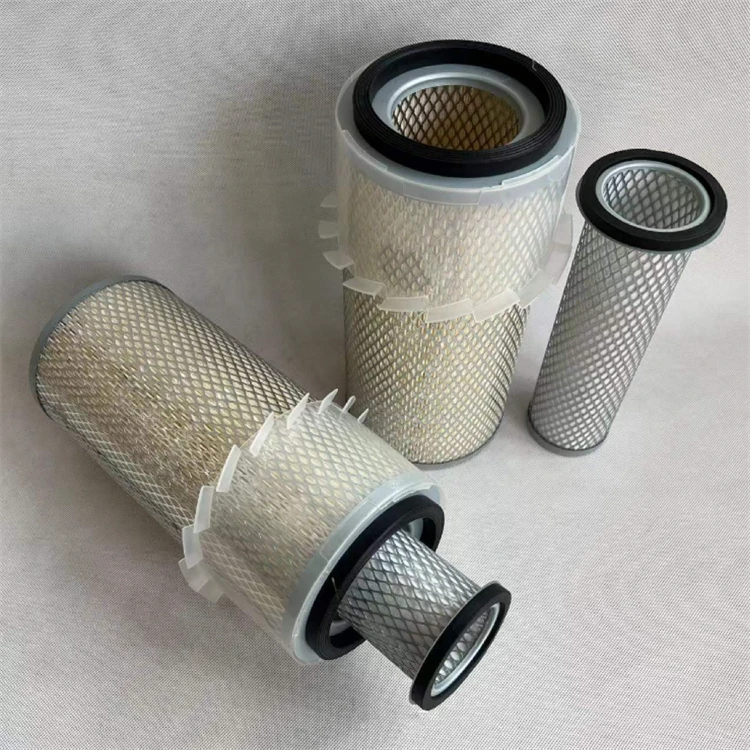
High-Efficiency Round HEPA Filter Cartridges for Air Purifiers
Navigating Industrial Air Purification: Trends and Critical Components
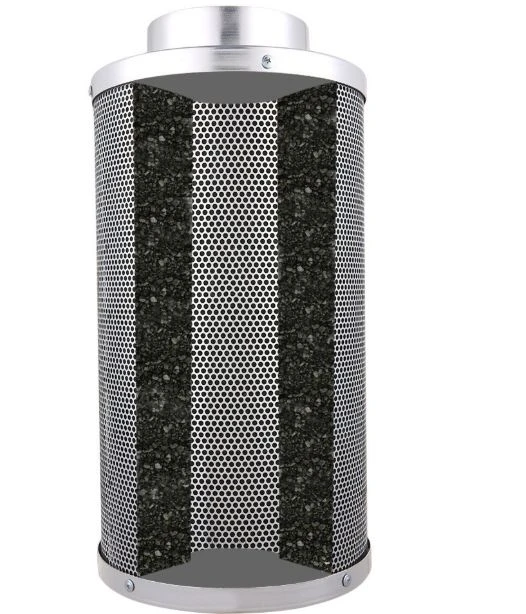
The escalating demand for superior air quality in industrial environments is a critical driver in modern manufacturing and process industries. As regulatory standards tighten globally and the imperative for operational efficiency intensifies, the role of advanced air filtration systems becomes paramount. A significant trend observed across sectors, from pharmaceuticals to heavy industry, is the shift towards high-efficiency particulate air (HEPA) filtration solutions. These systems are vital for protecting sensitive equipment, ensuring product purity, and safeguarding personnel health.
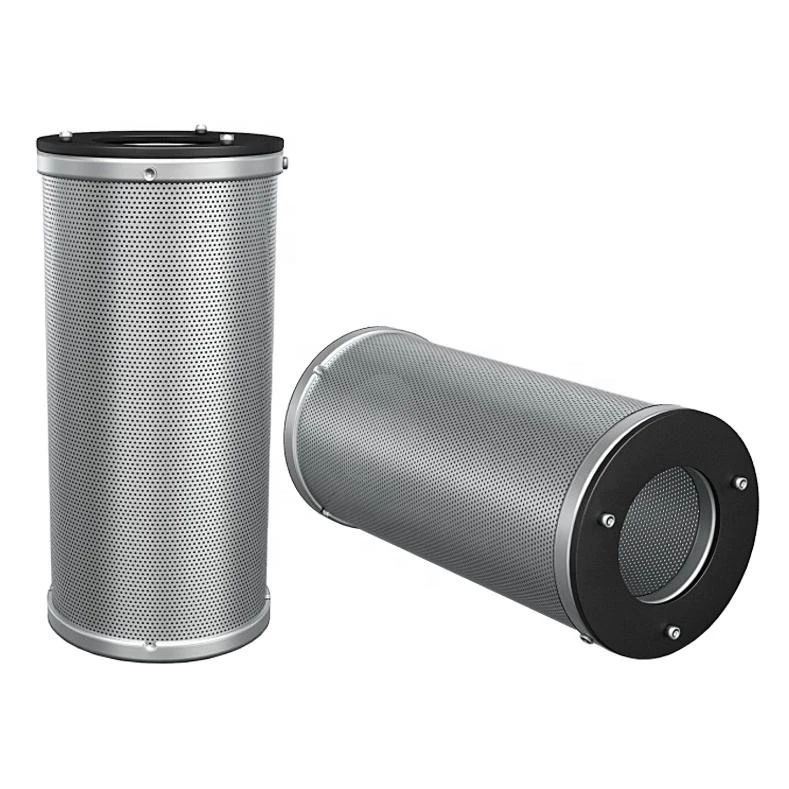
At the forefront of this technological advancement are round hepa filter cartridges, offering a compact, high-performance solution for demanding applications. Market analysis indicates a sustained compound annual growth rate (CAGR) of over 6% for the global industrial air filtration market, projected to reach over $10 billion by 2028, largely fueled by the adoption of sophisticated filter media and designs like those found in HEPA cartridges. The increased focus on indoor air quality (IAQ) and stricter emission control mandates further underscores the importance of these specialized components.
Modern industrial operations require filtration solutions that not only meet efficiency benchmarks but also offer durability, cost-effectiveness, and adaptability. This has led to innovations in materials science and cartridge design, improving both the filtration performance and the service life of these critical components.
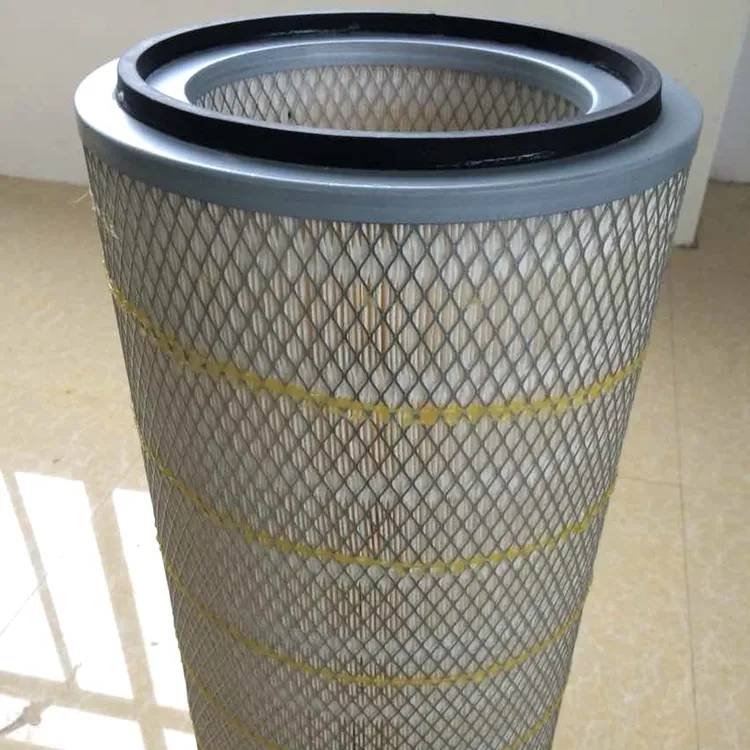
The Precision Manufacturing Process of HEPA Filter Cartridges
The production of industrial HEPA filter cartridges is a meticulous process demanding precision engineering and stringent quality control, adhering to international standards such as ISO 9001. The journey from raw material to a high-performance filtration unit involves several critical stages, ensuring the final product delivers optimal efficiency and longevity.
Key Materials:
- Filter Media: High-quality micro-fiberglass or cellulose media, often with specific coatings to enhance moisture resistance or particle capture. Our featured product, the Customizable 0.3 Micron Cellulose HEPA Industrial Air Purifier Filter, utilizes advanced cellulose media for robust performance.
- Sealants: Polyurethane or silicone-based sealants are critical for ensuring no air bypasses the filter media, maintaining the integrity of the HEPA rating.
- End Caps: Galvanized steel, stainless steel, or high-grade ABS plastic for durability and compatibility with various industrial environments, offering corrosion resistance where required.
- Gaskets: EPDM, neoprene, or silicone gaskets provide a tight seal against the filter housing.
Manufacturing Process Flow:
- Media Pleating: Raw filter media, precisely cut to size, undergoes a sophisticated mini-pleat process. This maximizes the filter surface area within a compact volume, crucial for high airflow and extended service life. Automated machinery ensures uniform pleat height and spacing, which directly impacts filtration efficiency and pressure drop.
- Spacer Application: Hot-melt adhesive beads are strategically applied between pleats to maintain uniform spacing. This prevents pleat collapse under high airflow and ensures consistent air distribution across the entire media, thus maintaining optimal performance of the round hepa filter cartridges.
- Media Cutting & Forming: The pleated and spaced media is then cut to the specified dimensions and formed into its characteristic round shape. Precision CNC machining may be involved in creating the molds or fixtures for perfect circularity.
- Sealing & End Cap Assembly: The formed filter media is meticulously sealed into the end caps using a durable sealant (e.g., polyurethane). This critical step prevents air bypass, a common cause of filtration failure. The end caps themselves are often produced by advanced `air filter cartridge manufacturers` using casting or specialized stamping techniques to ensure robust construction and a perfect fit.
- Gasket Installation: A continuous gasket is applied to one or both end caps, providing a reliable seal when the cartridge is installed into the housing.
- Quality Control & Testing: Each cartridge undergoes rigorous testing. This includes initial pressure drop tests, integrity checks (e.g., leak tests, scan tests according to EN 1822 or IEST-RP-CC001.3), and visual inspections to ensure compliance with standards like ISO 29463 (which defines HEPA and ULPA classes). This ensures that every filter meets its specified filtration efficiency (e.g., 99.97% at 0.3 microns for HEPA H13).
- Packaging: Finished cartridges are carefully packaged to prevent damage during transit and storage.
The emphasis on automated processes and detailed inspection in these stages directly translates into advantages for end-users: enhanced energy saving due to optimized airflow and low initial pressure drop, and significantly extended service life, reducing maintenance frequency and operational costs in industries such as petrochemical, metallurgy, and water supply & drainage. The corrosion resistance of chosen materials further ensures durability in harsh industrial settings.
Technical Specifications and Performance of Round HEPA Filter Cartridges
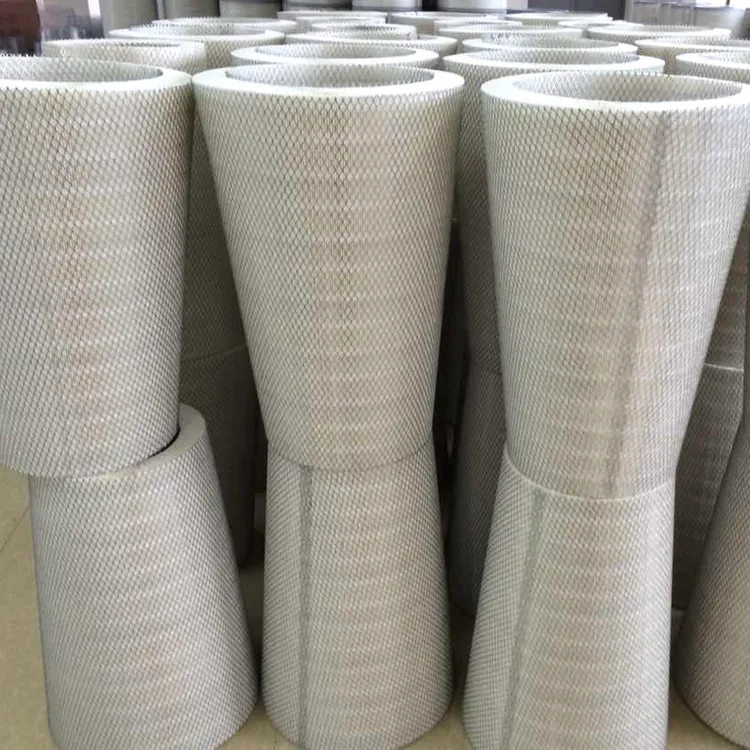
Understanding the technical parameters of round hepa filter cartridges is crucial for selecting the appropriate filtration solution for specific industrial needs. The Customizable 0.3 Micron Cellulose HEPA Industrial Air Purifier Filter exemplifies high-performance design, engineered to meet rigorous clean air standards. Key performance indicators (KPIs) include filtration efficiency, initial pressure drop, media type, and structural integrity under operational conditions.
Key Product Specifications:
| Parameter | Value / Description |
|---|---|
| Filtration Efficiency | 99.97% minimum @ 0.3 micrometers (µm) (H13 per EN 1822/ISO 29463) |
| Filter Media Type | Advanced Cellulose Fiber |
| Initial Pressure Drop (Typical) | < 250 Pa (1.0 in. w.g.) at rated airflow |
| Rated Airflow Capacity | Customizable based on dimensions (e.g., 500-2000 m³/h) |
| Max. Operating Temperature | 80°C (176°F) |
| Max. Operating Humidity | 100% RH (non-condensing) |
| Recommended Final Pressure Drop | 500-600 Pa (2.0-2.4 in. w.g.) for optimal lifespan |
| End Cap Material | Galvanized Steel, ABS (customizable options available) |
| Gasket Material | EPDM, Neoprene, or Silicone |
| Certifications | ISO 9001:2015, CE compliance |
The robust construction combined with the high-efficiency cellulose media ensures consistent air purification, crucial for maintaining critical process parameters. The relatively low initial pressure drop minimizes energy consumption, contributing to significant operational savings over the filter's service life.
Versatile Application Scenarios for Round HEPA Filter Cartridges
The adaptability and high performance of round hepa filter cartridges make them indispensable across a broad spectrum of industrial applications where stringent air quality control is non-negotiable. Their ability to capture sub-micron particles with exceptional efficiency positions them as a cornerstone in various critical processes.
Target Industries and Typical Use Cases:
- Pharmaceutical & Biotechnology: Essential for maintaining ISO-classified cleanrooms, aseptic processing areas, and preventing cross-contamination in drug manufacturing. They are crucial in terminal filtration stages for air supplied to production zones.
- Electronics Manufacturing: In wafer fabrication, semiconductor production, and hard drive assembly, even microscopic dust particles can cause critical defects. HEPA cartridges provide the ultra-clean air necessary for these sensitive operations.
- Food & Beverage Processing: Used to prevent airborne microbial contamination and particulate matter from affecting product quality and shelf-life, particularly in packaging areas and sterile environments. They are a key component of an effective `air purifier cartridge` system.
- Automotive Paint Booths: Crucial for filtering out dust, lint, and other airborne contaminants that could compromise paint finish quality. These filters ensure a pristine environment for vehicle painting.
- Hospitals & Healthcare Facilities: Utilized in operating rooms, isolation wards, and laboratories to remove bacteria, viruses, and other bio-aerosols, thus protecting patients and medical personnel.
- Industrial Dust Collection Systems: As final filters in baghouses or cartridge collectors, they capture residual fine particles, ensuring compliance with strict environmental emission regulations.
- Nuclear Industry: Employed in ventilation systems to contain radioactive particulates and ensure the safety of workers and the surrounding environment.
- HVAC Systems in Commercial Buildings & Data Centers: While not always the primary filter, HEPA cartridges are increasingly integrated into critical zones to protect sensitive equipment (e.g., servers from dust-induced overheating) and enhance overall indoor air quality.
In these scenarios, the advantages of high-efficiency filtration translate directly into improved operational uptime, reduced product rejects, enhanced worker safety, and compliance with increasingly stringent environmental and health regulations. The compact design of round hepa filter cartridges also allows for efficient integration into existing and new air handling units, optimizing space utilization without compromising performance.
Technical Advantages of Advanced HEPA Filter Cartridges
The deployment of modern round hepa filter cartridges brings a suite of technical advantages that directly impact operational efficiency, safety, and cost-effectiveness in industrial settings. These benefits stem from meticulous design, material selection, and advanced manufacturing techniques.
Key Technical Benefits:
- Superior Filtration Efficiency: HEPA filters are designed to capture 99.97% of airborne particles as small as 0.3 micrometers, including dust, pollen, mold spores, and even some bacteria and viruses. This high efficiency is paramount for achieving and maintaining classified cleanroom environments.
- Optimized Airflow Dynamics: The mini-pleat design within the cartridge maximizes the filter media surface area, allowing for significantly higher airflow rates with a lower initial pressure drop. This translates directly to reduced energy consumption for fans and blowers, yielding substantial energy saving over the filter's operational life.
- Extended Service Life: Advanced filter media and robust construction techniques, including precision sealing, contribute to a longer service life. This reduces the frequency of filter change-outs, minimizing maintenance downtime and associated labor costs.
- Robust Construction and Corrosion Resistance: Materials like galvanized steel or durable ABS plastic for end caps, combined with high-quality sealants, ensure the cartridge can withstand harsh industrial conditions, including varying temperatures and humidity, as well as exposure to certain chemicals, providing excellent corrosion resistance.
- Compact Design: The round, cylindrical form factor offers a high filtration capacity in a relatively small volume, making it ideal for integration into existing air handling units where space is limited. This form factor also aids in even air distribution.
- Ease of Installation and Replacement: Designed for straightforward installation and removal, often featuring quick-lock or bayonet mechanisms, which simplifies maintenance procedures and reduces downtime.
- Enhanced Safety: By effectively removing hazardous airborne particulates, these filters significantly improve worker safety, reducing exposure to respiratory irritants and dangerous substances.
These combined technical merits ensure that investing in high-quality round hepa filter cartridges represents a strategic decision for industries seeking to optimize air quality, reduce operational expenditures, and comply with environmental and safety mandates.
Vendor Comparison: Selecting the Right Air Filter Cartridge Manufacturer
Choosing the right `air filter cartridge manufacturers` is a critical decision that impacts not only the performance of your air purification systems but also long-term operational costs and compliance. While many suppliers offer HEPA filters, significant differences exist in product quality, customization capabilities, and after-sales support. A thorough evaluation based on key criteria is essential.
Key Comparison Criteria:
- Filtration Efficiency & Media Quality: Verify stated HEPA ratings (e.g., H13, H14) and request test reports. Assess the type and quality of filter media (e.g., cellulose vs. glass fiber vs. synthetic) and its suitability for specific particulate sizes and environmental conditions.
- Customization Capabilities: For unique industrial requirements, the ability to customize dimensions, media, end caps, and gaskets is invaluable. This ensures a perfect fit and optimized performance for specific applications.
- Certifications & Compliance: Look for ISO 9001 quality management, CE marking, and adherence to international filtration standards such as EN 1822 or ISO 29463. These certifications attest to manufacturing quality and product performance claims.
- Technical Support & R&D: A strong vendor offers robust technical consultation, helping you select the right product and providing support for system integration. Ongoing R&D indicates a commitment to innovation and future-proof solutions.
- Lead Times & Supply Chain Reliability: Timely delivery is crucial for maintaining operational continuity. Evaluate a vendor's typical lead times, inventory management, and ability to handle both standard and urgent orders.
- Total Cost of Ownership (TCO): Beyond the initial purchase price, consider factors like energy consumption (due to pressure drop), service life, and disposal costs. A higher-quality filter with a longer lifespan and lower pressure drop can offer a significantly lower TCO.
Comparative Analysis of HEPA Filter Cartridges:
| Feature | Our Product (Cellulose HEPA) | Generic Glass Fiber HEPA | Generic Synthetic HEPA |
|---|---|---|---|
| Media Type | High-Grade Cellulose Fiber | Borosilicate Glass Fiber | Melt-Blown Polypropylene/PET |
| Efficiency @ 0.3µm | 99.97% (H13) | 99.99% (H14) or 99.97% (H13) | 99.95% (H13) or lower |
| Initial Pressure Drop | Low (<250 Pa) | Moderate (<300 Pa) | Low (<200 Pa, but often lower life) |
| Moisture Resistance | Good (treated) | Excellent | Very Good |
| Mechanical Robustness | High | High (but can be brittle) | Moderate |
| Lifespan (Typical) | 6-12 months | 8-15 months | 4-8 months |
| Cost-Effectiveness | Excellent TCO balance | Higher upfront, good TCO | Lower upfront, variable TCO |
Our Customizable 0.3 Micron Cellulose HEPA Industrial Air Purifier Filter provides an optimal balance of high efficiency, robust construction, and cost-effectiveness, making it a compelling choice for a wide range of industrial applications. While glass fiber can achieve slightly higher efficiency ratings (H14), cellulose media, when properly treated, offers excellent performance with superior cost control and enhanced robustness against minor physical stresses.
Customized Solutions for Round HEPA Filter Cartridges
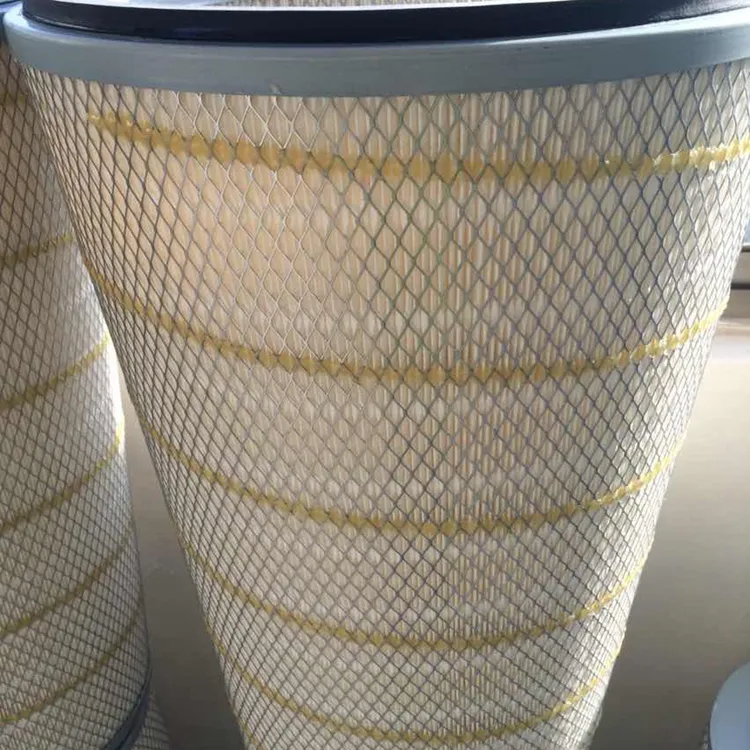
In diverse industrial environments, off-the-shelf filtration solutions may not always perfectly address unique operational challenges or spatial constraints. Recognizing this, leading `air filter cartridge manufacturers` excel in providing highly customized round hepa filter cartridges tailored to exact client specifications. This capability ensures optimal system performance, integration, and longevity.
Parameters for Customization:
- Dimensions: Diameter, length, and specific end cap configurations can be precisely matched to existing housing units or new system designs, ensuring perfect fit and seal without air bypass.
- Filter Media Type & Efficiency: While our standard offers a 0.3 Micron Cellulose HEPA, options can extend to different media for specific applications (e.g., higher efficiency H14/U15 glass fiber for ultra-clean environments, or specialized synthetic media for moisture or chemical resistance).
- End Cap Materials: From galvanized steel for general industrial use to stainless steel for corrosive or sterile environments, and various grades of ABS plastic, end cap materials can be chosen for durability and chemical compatibility.
- Gasket Materials: EPDM, silicone, and neoprene gaskets are available to ensure a tight, leak-proof seal under specific temperature ranges and chemical exposures.
- Special Coatings/Treatments: Filters can be treated with fire retardants, antimicrobial agents, or hydrophobic coatings for enhanced performance in challenging conditions.
The Customization Process:
Our approach to customized solutions involves a collaborative process:
- Consultation & Needs Assessment: Our technical experts work closely with your engineering teams to understand your specific operational parameters, environmental conditions, and filtration goals.
- Design & Prototyping: Utilizing CAD and advanced modeling, we design the custom cartridge. Prototypes are often produced for fitment checks and initial performance validation.
- Testing & Validation: Custom filters undergo rigorous in-house and, if required, third-party testing to ensure they meet specified performance criteria and adhere to relevant industry standards.
- Production & Quality Assurance: Once validated, the custom cartridges enter production with continuous quality checks at every stage, mirroring the high standards of our standard product lines.
This tailored approach ensures that clients receive not just a filter, but a precise engineering solution designed to integrate seamlessly and deliver optimal air purification performance.
Real-World Application Case Studies
The practical effectiveness of high-performance round hepa filter cartridges is best illustrated through real-world applications where they have demonstrably improved operational outcomes, enhanced safety, and ensured compliance.
Case Study 1: Pharmaceutical Aseptic Filling Line
- Client: A leading global pharmaceutical company.
- Challenge: Maintaining ISO Class 5 air purity in an aseptic filling line for injectable medications. Existing filtration struggled with consistent sub-micron particle removal, leading to occasional batch contamination risks and increased QC scrutiny.
- Solution: We supplied custom-designed H14 round hepa filter cartridges, replacing standard filters in their terminal HEPA filter banks. These cartridges featured specialized high-flow media and enhanced sealing to prevent bypass.
- Result: Post-installation monitoring showed a consistent reduction in particle counts, maintaining robust ISO Class 5 conditions. The client reported a 15% reduction in batch rejection rates attributed to airborne particulates and improved audit compliance, underscoring the vital role of the `air purifier cartridge`.
Case Study 2: Precision Manufacturing Plant Dust Collection
- Client: An industrial manufacturer specializing in metal powder additive manufacturing.
- Challenge: Capturing ultra-fine metal dust generated during post-processing and recovery, which posed significant health risks and potential equipment damage. The previous filters required frequent, costly change-outs.
- Solution: We implemented a multi-stage filtration system, with our H13 round hepa filter cartridges serving as the final stage in their central dust collection system. These were chosen for their high efficiency and robust construction suitable for fine metallic particulate.
- Result: Air quality in the facility vastly improved, exceeding local occupational safety standards for respirable dust. The enhanced dust holding capacity and structural integrity of the HEPA cartridges extended filter service life by 30%, leading to a substantial reduction in material and labor costs associated with filter replacement.
Case Study 3: Data Center Cooling System Upgrade
- Client: A major financial institution operating a large data center.
- Challenge: Accumulation of fine dust within server racks, leading to increased cooling loads, reduced equipment lifespan, and higher energy consumption. The existing MERV 13 filters were inadequate for the persistent fine particulate matter.
- Solution: Integration of low-pressure-drop H13 round hepa filter cartridges into the return air pathways of the Computer Room Air Conditioners (CRACs). The objective was to achieve enhanced particulate removal without significantly increasing fan energy.
- Result: Post-upgrade, airborne particle counts within the data hall dropped significantly, leading to cleaner internal server components. This resulted in a 5% reduction in overall cooling energy consumption due to improved heat dissipation and extended the projected lifespan of critical IT infrastructure, demonstrating a clear ROI.
Trustworthiness, Fulfillment, and Support
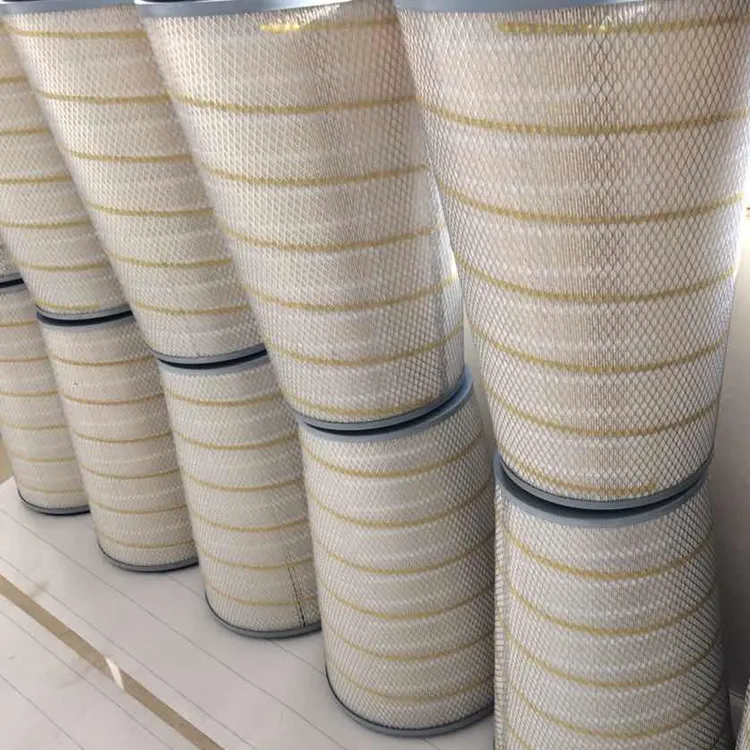
Our commitment extends beyond providing high-quality round hepa filter cartridges; we strive to build enduring relationships with our B2B partners through transparency, reliability, and exceptional support.
Frequently Asked Questions (FAQ):
Q: What is the typical service life of your industrial HEPA filter cartridges?
A: The service life varies significantly based on the operating environment (particulate load), airflow rate, and initial system design. Generally, for typical industrial applications, our round hepa filter cartridges are designed for 6 to 12 months of optimal performance before replacement is recommended. Regular monitoring of pressure drop is the best indicator for replacement.
Q: Can your cellulose HEPA filters be used in high-humidity environments?
A: Our advanced cellulose media is treated to resist moisture and can operate effectively in environments up to 100% relative humidity (non-condensing). For applications involving condensing moisture or direct water exposure, we offer alternative media options.
Q: Are your filters compliant with international cleanroom standards?
A: Yes, our HEPA filter cartridges are tested and manufactured to meet or exceed international standards such as EN 1822 and ISO 29463, ensuring compliance with ISO 14644-1 cleanroom classifications (e.g., H13 for ISO Class 7 and higher, H14 for ISO Class 6 and higher).
Lead Time and Fulfillment:
We understand the importance of timely delivery for maintaining your operational schedules.
- Standard Products: Typical lead time for our standard Customizable 0.3 Micron Cellulose HEPA Industrial Air Purifier Filters is 2-4 weeks from order confirmation, subject to stock availability and order volume.
- Customized Solutions: For bespoke round hepa filter cartridges, lead times range from 4-8 weeks, depending on the complexity of design, material sourcing, and testing requirements.
- Expedited Orders: We offer expedited manufacturing and shipping options for urgent requirements. Please contact our sales team to discuss specific needs and feasibility.
Warranty Commitments:
We stand by the quality and performance of our products. All round hepa filter cartridges come with a 1-year limited warranty against manufacturing defects from the date of purchase. This warranty covers defects in materials and workmanship under normal operating conditions and does not extend to damage caused by improper installation, misuse, or normal wear and tear.
Dedicated Customer Support:
Our commitment to our clients extends throughout the product lifecycle. We provide:
- Expert Technical Consultation: Our team of experienced engineers is available to assist with product selection, system design, and optimization, ensuring you receive the most effective filtration solution.
- After-Sales Service: Prompt support for any inquiries regarding installation, performance, or maintenance.
- Partnership Approach: We aim to be a long-term partner, adapting to your evolving needs and providing consistent, high-quality filtration solutions.
Conclusion
The continuous evolution of industrial processes demands equally advanced air filtration technologies. Round hepa filter cartridges represent a pinnacle in this field, offering unparalleled efficiency, reliability, and versatility for critical industrial applications. By investing in high-quality, expertly manufactured HEPA solutions, industries can achieve superior air quality, optimize operational performance, ensure regulatory compliance, and safeguard valuable assets and personnel. Our commitment to innovation, quality, and customer-centric solutions positions us as a trusted partner in meeting the most demanding air purification challenges.
References:
- International Organization for Standardization. ISO 29463:2011 - High efficiency filters and filter media for removing particles by filtration.
- European Committee for Standardization. EN 1822-1:2019 - High efficiency air filters (EPA, HEPA and ULPA) - Part 1: Classification, performance testing, marking.
- Institute of Environmental Sciences and Technology. IEST-RP-CC001.6: HEPA and ULPA Filters.
- MarketsandMarkets. "Industrial Air Filtration Market - Global Forecast to 2028." Published 2023.
-
High-Efficiency Industrial Dust Filtration & PurificationNewsApr.21,2026
-
High-Efficiency Adsorption for Clean Air & Water PurificationNewsApr.20,2026
-
Air Filter Cartridge: High-Efficiency Filtration for Engine Protection & Clean Air SupplyNewsApr.17,2026
-
Filter Paper: Precision Filtration Media for Industrial & Laboratory ExcellenceNewsApr.16,2026
-
Industrial Guide for Selecting a Stainless Filter CartridgeNewsApr.16,2026
-
Dust Filter Cartridges: High-Efficiency Industrial Filtration for Clean Production & ComplianceNewsApr.15,2026