 Email:admin@only-filter.com
 Tel:
+8615930870079
Tel:
+8615930870079
Mar . 26, 2026 02:05 Back to list
Comprehensive Guide to Turbine Filters for Optimal Industrial Performance
Understanding Turbine Filters: A Comprehensive Guide
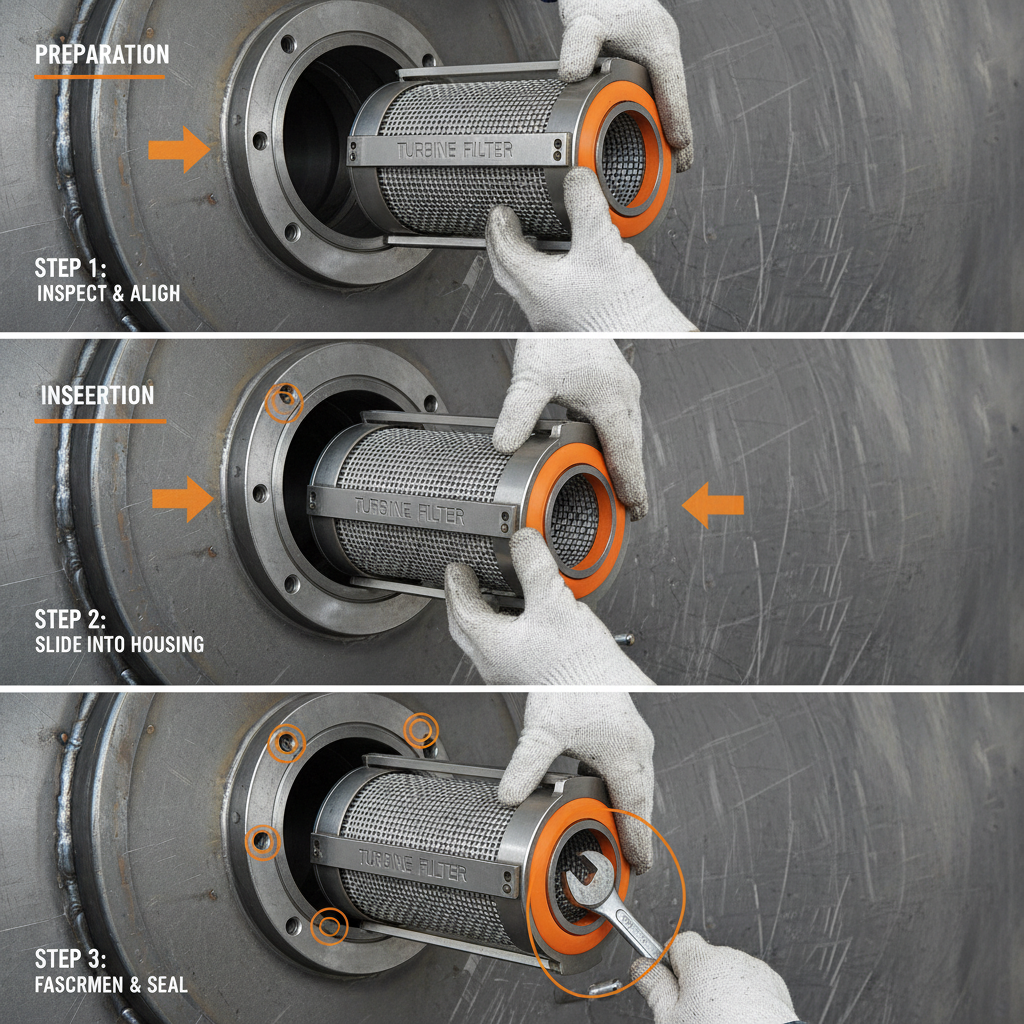
Turbine filters are critical components in a wide array of industrial applications, ensuring the efficient and reliable operation of gas turbines. These filters protect sensitive turbine components from particulate matter, preventing damage and maintaining optimal performance. This article provides an in-depth look at turbine filters, their types, benefits, maintenance, and selection considerations. Investing in the right turbine filter solution is crucial for minimizing downtime and maximizing the lifespan of your equipment. OnlyFilterCartridge specializes in providing high-quality turbine filters tailored to your specific needs.
Why are Turbine Filters Important?
Gas turbines operate under extreme conditions, processing large volumes of air. This air inevitably contains contaminants like dust, pollen, sand, and even insects. Without effective filtration, these particles can cause significant erosion of turbine blades, leading to reduced efficiency, increased maintenance costs, and even catastrophic failures. Turbine filters act as the first line of defense, safeguarding these critical components and ensuring continuous, reliable power generation. Properly selected and maintained filters contribute to extended turbine life and optimized operational expenses.
Key Benefits: Protecting turbine blades, reducing maintenance costs, extending turbine lifespan, and optimizing efficiency.
Types of Turbine Filters
Several types of turbine filters are available, each designed for specific applications and contaminant levels. The most common include:
- Inertial Separators: Utilize centrifugal force to remove larger particles.
- Mesh Filters: Employ a woven mesh to capture particulate matter.
- Pleated Filters: Offer a larger surface area for increased efficiency and longer life.
- Self-Cleaning Filters: Automatically remove accumulated debris, reducing maintenance requirements.
- HEPA Filters: Provide the highest level of filtration, removing even the smallest particles.
Filter Selection Considerations:
• Contaminant type and concentration
• Airflow rate
• Turbine manufacturer's recommendations
• Cost and maintenance requirements
Comparing Common Turbine Filter Types
Choosing the right filter type depends heavily on the specific environment and operating conditions. Here's a comparative overview:
Filter Maintenance: Best Practices
Regular filter maintenance is essential for ensuring optimal turbine performance. This includes:
- Regular Inspection: Check filters for damage, clogging, and leaks.
- Differential Pressure Monitoring: Monitor pressure drop across the filter to determine when cleaning or replacement is needed.
- Cleaning: Clean reusable filters according to the manufacturer's instructions.
- Replacement: Replace disposable filters on a scheduled basis.
- Record Keeping: Maintain a log of filter maintenance activities.
OnlyFilterCartridge offers comprehensive support for filter maintenance, including preventative maintenance schedules and filter replacement services.
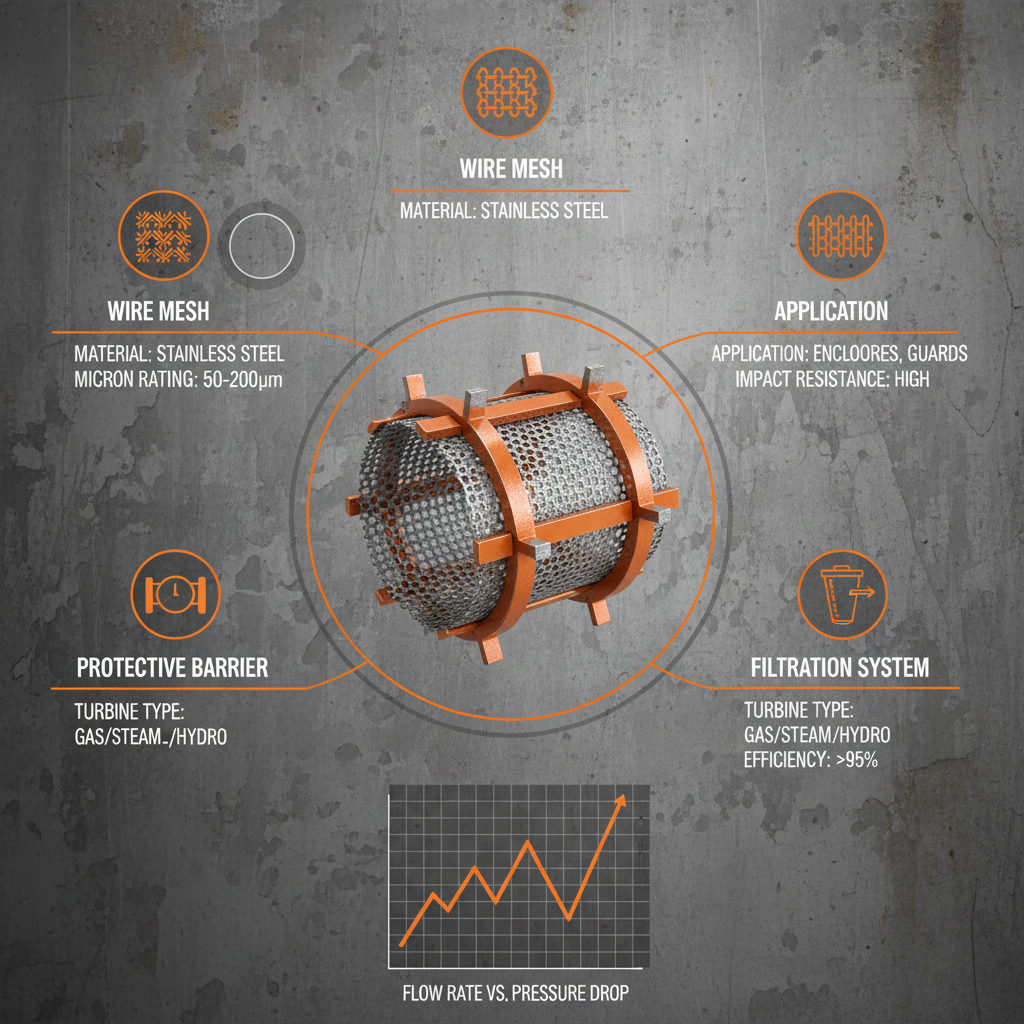
Choosing the Right Supplier for Turbine Filters
Selecting a reliable supplier is critical for ensuring you receive high-quality turbine filters that meet your specific requirements. Look for a supplier that offers:
- A Wide Range of Filter Types
- Customization Options
- Technical Expertise
- Competitive Pricing
- Reliable Delivery
OnlyFilterCartridge is a leading provider of turbine filters, offering a comprehensive selection, expert technical support, and competitive pricing.
Conclusion: Protecting Your Turbine Investment
Investing in high-quality turbine filters and a proactive maintenance program is essential for maximizing turbine efficiency, minimizing downtime, and extending the lifespan of your equipment. OnlyFilterCartridge provides the expertise and solutions you need to protect your turbine investment.
Frequently Asked Questions (FAQs)
How often should turbine filters be replaced?
The replacement frequency of turbine filters depends on several factors, including the operating environment, contaminant levels, and filter type. Generally, pleated filters should be replaced every 6-12 months, while self-cleaning filters require less frequent maintenance. Monitoring differential pressure is the best way to determine when a filter needs to be replaced. Always consult the turbine manufacturer’s recommendations and adhere to a scheduled maintenance plan. OnlyFilterCartridge can help you establish a customized maintenance schedule.
What is differential pressure, and why is it important?
Differential pressure is the difference in pressure between the clean and dirty sides of the filter. As the filter becomes clogged, the pressure drop increases. Monitoring differential pressure allows you to track the filter’s loading and determine when it needs to be cleaned or replaced. A high differential pressure indicates a clogged filter, which can reduce airflow, decrease turbine efficiency, and potentially damage the turbine. Regular monitoring is a key element of effective filter management.
Can turbine filters be cleaned, or do they always need to be replaced?
Some turbine filters, such as mesh and self-cleaning filters, can be cleaned and reused. However, pleated filters are typically disposable and should be replaced once they become clogged. Cleaning methods vary depending on the filter type and the nature of the contaminants. Always follow the manufacturer's instructions for cleaning procedures. It’s crucial to ensure that cleaning doesn’t damage the filter media, compromising its efficiency.
What are the consequences of using a damaged turbine filter?
Using a damaged turbine filter can have serious consequences, including reduced turbine efficiency, increased fuel consumption, and potential damage to turbine blades. A compromised filter allows contaminants to bypass the filtration system, leading to erosion, corrosion, and ultimately, turbine failure. Regular inspection and timely replacement of damaged filters are essential for maintaining turbine reliability and preventing costly repairs.
-
High-Efficiency Adsorption for Clean Air & Water PurificationNewsApr.20,2026
-
Air Filter Cartridge: High-Efficiency Filtration for Engine Protection & Clean Air SupplyNewsApr.17,2026
-
Filter Paper: Precision Filtration Media for Industrial & Laboratory ExcellenceNewsApr.16,2026
-
Industrial Guide for Selecting a Stainless Filter CartridgeNewsApr.16,2026
-
Dust Filter Cartridges: High-Efficiency Industrial Filtration for Clean Production & ComplianceNewsApr.15,2026
-
Filter Paper: High-Efficiency Filtration Solution for Industrial & Laboratory UseNewsApr.14,2026