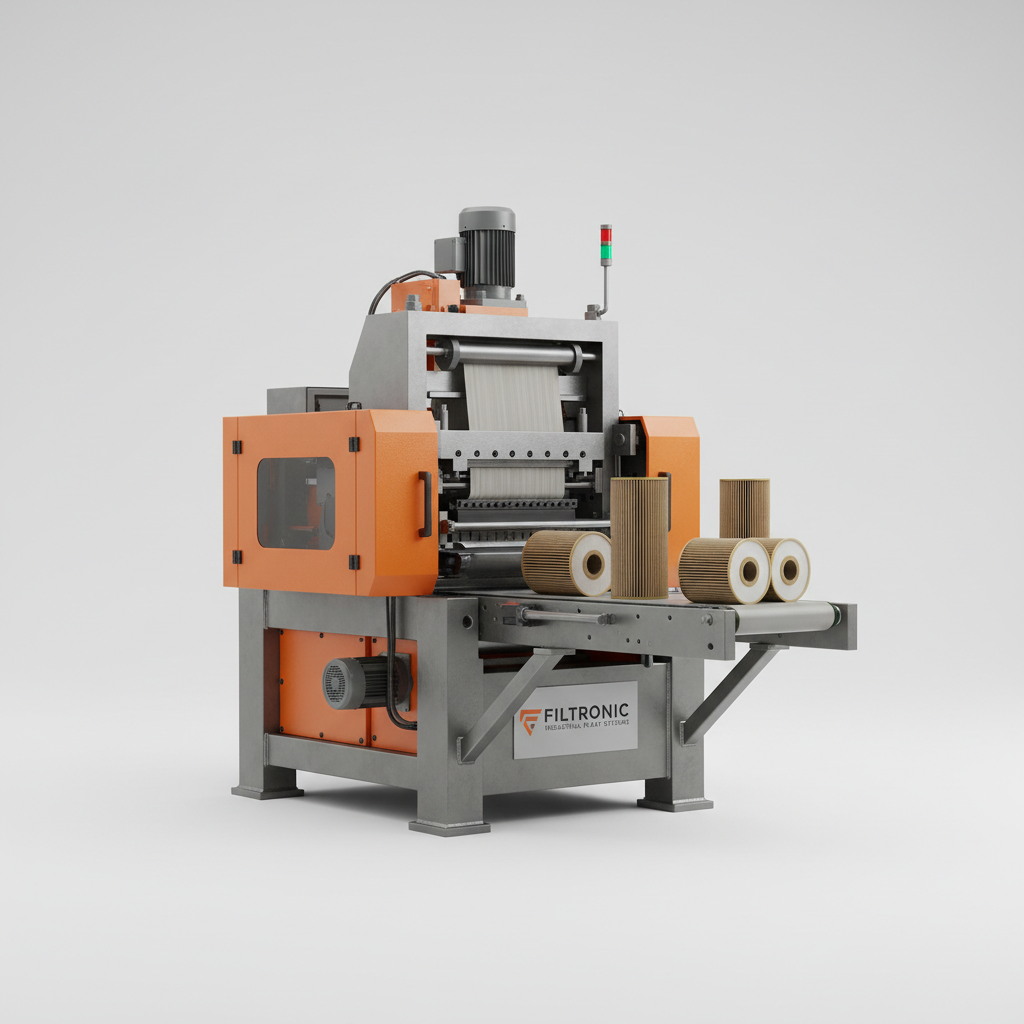
Look, I’ve spent the last fifteen years knee-deep in dust and concrete, watching projects go up – and sometimes, come down. And one thing I've learned is that ignoring the small stuff, the seemingly insignificant details, is a recipe for disaster. That’s where something like an antistatic filter element comes in. It’s not glamorous, but it’s critical. We’re dealing with sensitive equipment, volatile materials, and environments where a single spark can bring everything crashing down. It’s not just about keeping things running; it’s about safety, preventing delays, and protecting massive investments.
The increasing sophistication of construction machinery, the rise of electronic components in everything from HVAC systems to automated tools, and the sheer volume of combustible dust on most sites means static electricity is a bigger threat than ever. It’s something a lot of folks overlook until it bites them. And when it does, it’s costly – not just in terms of equipment damage, but in potential injuries and downtime.
I've seen firsthand how a simple failure in static control can wipe out a day’s progress, damage expensive sensors, or even worse. That's why I pay attention to components like the antistatic filter element – because those little things often make the biggest difference. It’s about proactive risk management, plain and simple.
The Importance of Antistatic Filter Elements in Modern Industries
These days, everything has electronics in it. From the paint sprayers to the concrete mixers, the sensors monitoring structural integrity, even the ventilation systems – it’s all electronic. That means static electricity is a constant threat. A build-up can fry circuits, cause inaccurate readings, and even ignite flammable dusts or vapors. The implementation of a reliable antistatic filter element isn't some nice-to-have anymore; it’s a fundamental part of maintaining operational efficiency and, frankly, preventing serious accidents.
The cost of ignoring static control far outweighs the investment in quality filtration. Downtime is expensive, repairs are expensive, and dealing with an incident, well, that's a whole different level of expensive, and potentially devastating. We're talking about protecting people and assets, and that starts with mitigating preventable risks like static buildup.
Defining Antistatic Filter Elements and Their Role
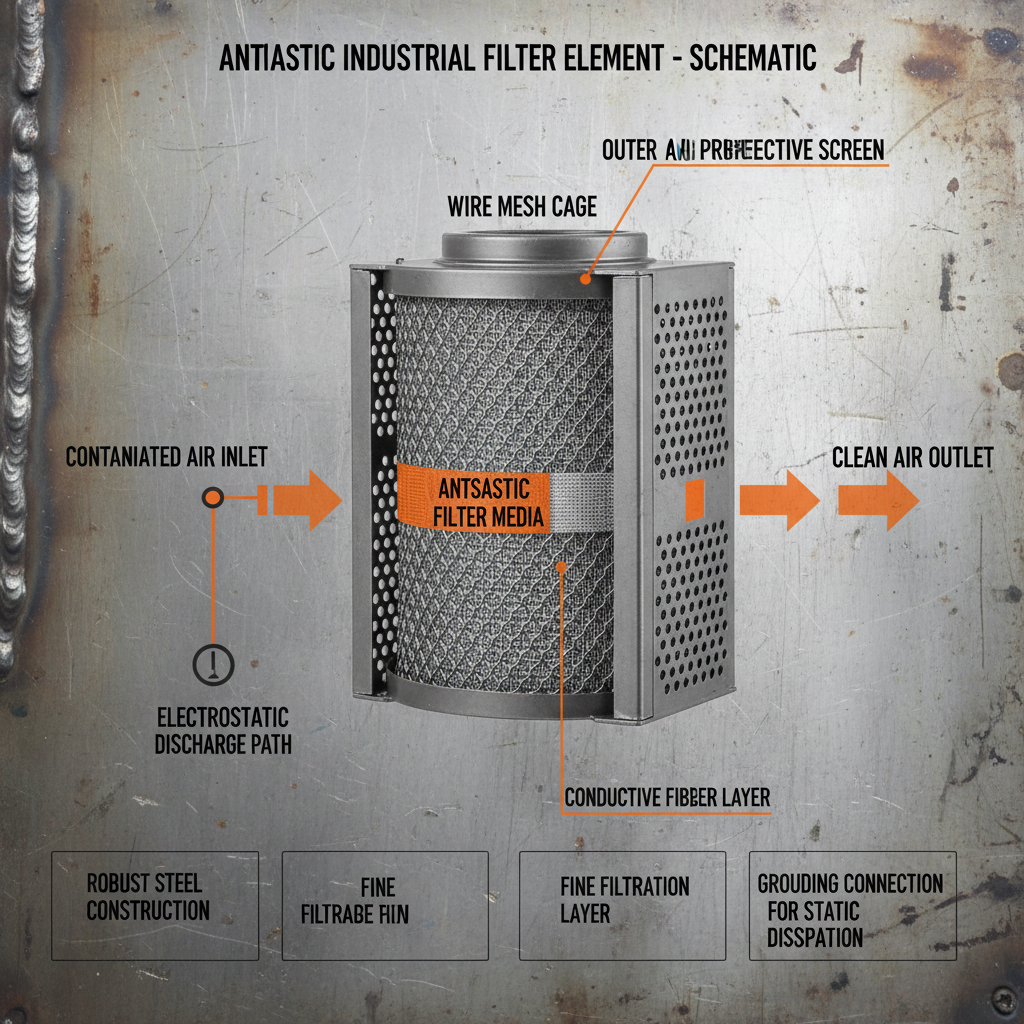
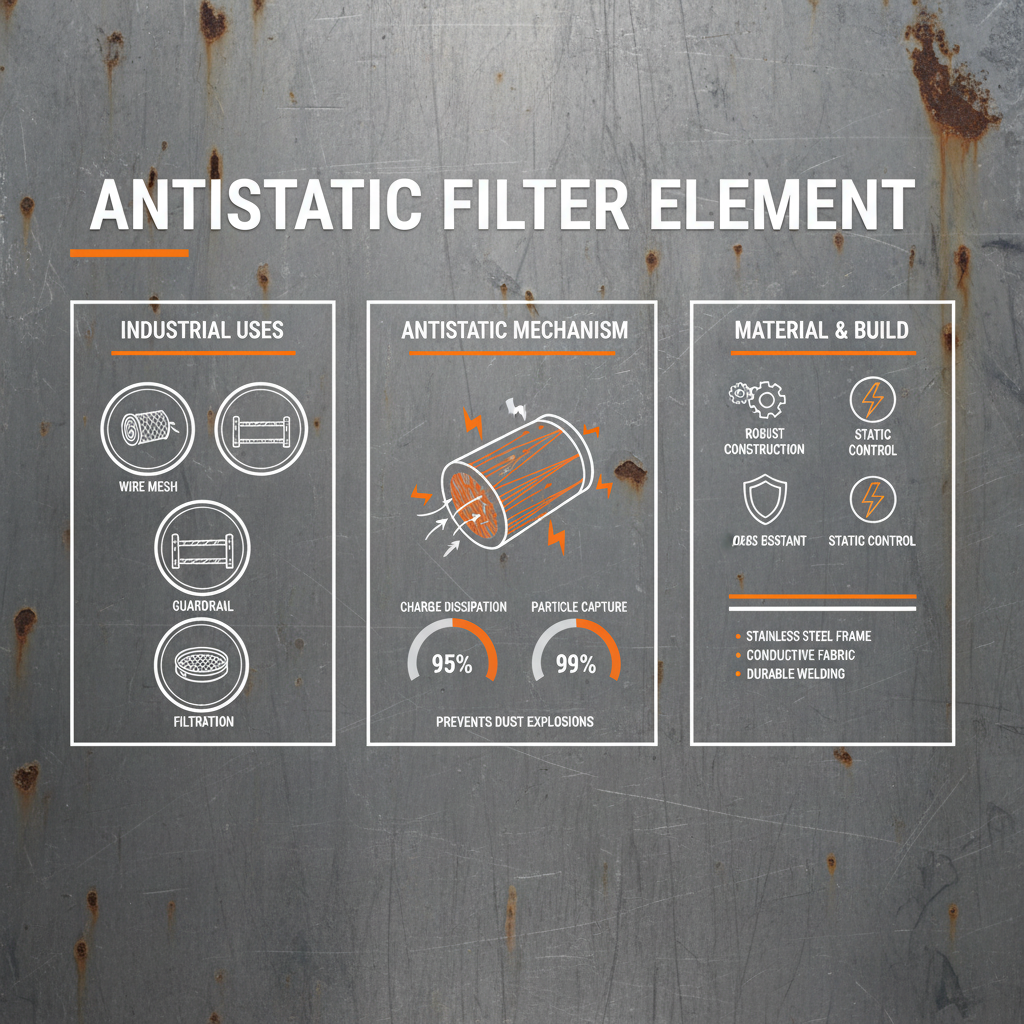
Simply put, an antistatic filter element is designed to dissipate static electrical charges that build up as air or other fluids pass through it. They do this through the incorporation of conductive materials – often carbon fibers, metal particles, or specialized polymers – within the filter media. Unlike regular filters that just remove particulate matter, these actively prevent the accumulation of static.
Their role goes beyond just protecting equipment. They ensure accurate measurements in sensitive monitoring systems, maintain the integrity of coatings and paints, and create a safer working environment, especially in areas handling flammable materials. Think of it as a crucial component of a broader static control strategy, working in conjunction with grounding systems, humidity control, and appropriate clothing.
We’re not talking about a one-size-fits-all solution either. Different applications demand different levels of static dissipation, so choosing the right filter element is crucial. That's where understanding the materials, construction, and performance characteristics comes into play.
Core Components of Effective Antistatic Filter Elements
When I’m looking at a new filter element, I’m focusing on a few key things. First, the filter media itself. Is it a durable material that can withstand the harsh conditions on a construction site? Is it compatible with the fluids it’s filtering? Then there's the conductive material – the amount and distribution of carbon fiber or metal particles are critical for effective static dissipation.
Equally important is the construction of the element. A well-engineered design ensures consistent airflow and prevents channeling, which can reduce the effectiveness of the antistatic properties. And finally, the end caps and seals – they need to be robust and chemically resistant to prevent leaks and maintain integrity over time. It’s a holistic thing, not just one magic ingredient.
You also have to consider the filtration efficiency. An antistatic filter element needs to remove particulate matter and control static, otherwise you’re just shifting the problem, not solving it. That's why I always look for certifications and independent testing data. It gives me confidence that the product will perform as advertised.
Practical Applications Across Diverse Sectors
We’re using these things everywhere. In spray booths, to prevent paint fumes from igniting. In electronics manufacturing, to protect sensitive components during assembly. In pharmaceutical plants, to maintain product purity and prevent contamination. Even in data centers, where static can wreak havoc on servers.
I recently worked on a project building a new power plant. They were using a lot of powdered coal, which is incredibly flammable. The antistatic filter element in their ventilation systems were absolutely critical for ensuring a safe working environment. It was non-negotiable.
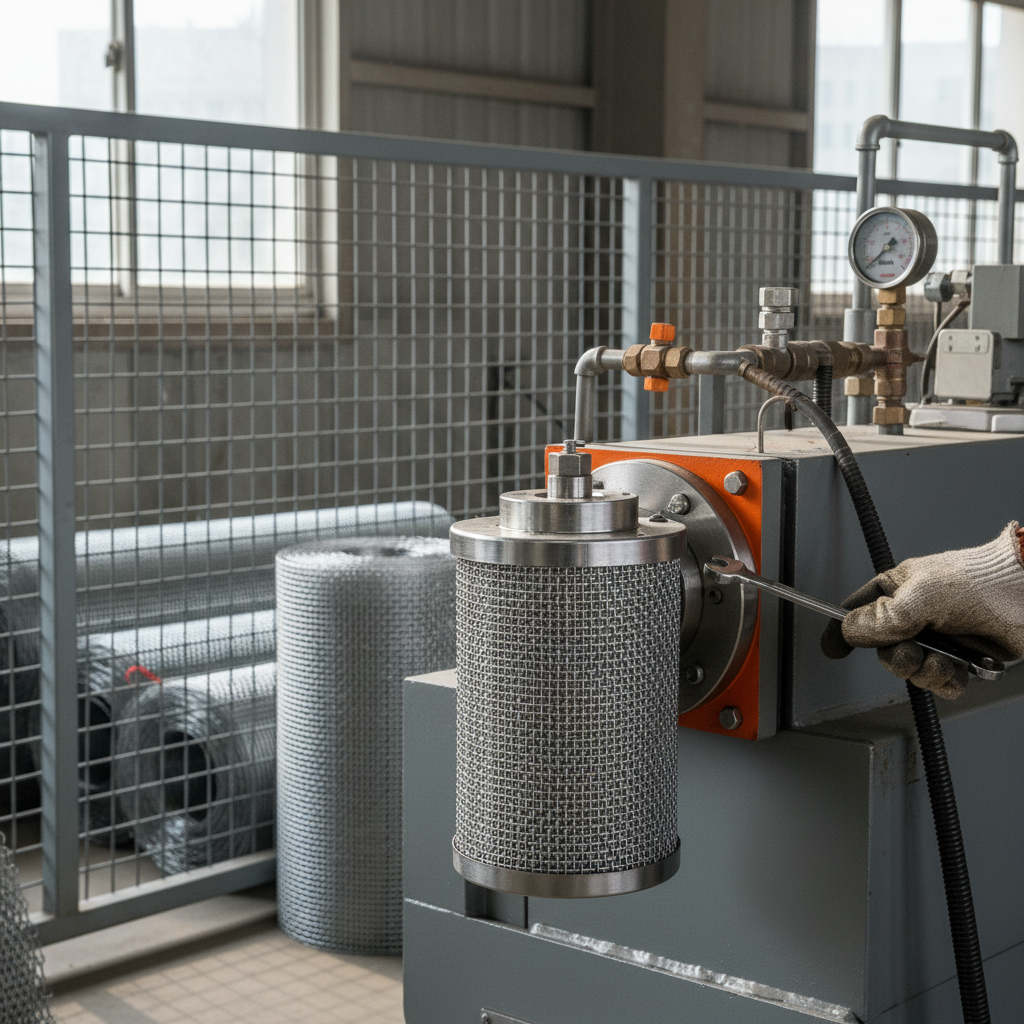
And it’s not just large-scale industries. Smaller workshops, even individual contractors, can benefit from using these filters. Anywhere there’s a risk of static buildup and flammable materials, you need to be thinking about implementing a proper filtration system.
Antistatic Filter Element Performance Across Applications
Advantages and Long-Term Value Proposition
The initial cost of an antistatic filter element might be a little higher than a standard filter, but the long-term benefits far outweigh the expense. We’re talking about reduced downtime, fewer equipment repairs, and a significantly lower risk of accidents. That translates to increased productivity and a healthier bottom line.
It's also about protecting your reputation. A single incident caused by static electricity can damage your company’s image and lead to costly lawsuits. Investing in proper static control measures demonstrates a commitment to safety and quality, which builds trust with clients and stakeholders. And frankly, that's priceless.
Future Trends and Innovations in Static Control Filtration
We’re seeing some exciting developments in this area. New materials are being developed that offer even greater static dissipation capabilities. There’s also a growing trend towards integrating sensors into filter elements, allowing for real-time monitoring of static buildup and filter performance.
I’m also keeping an eye on nanotechnology. Researchers are exploring the use of nanoparticles to enhance the conductivity of filter media and create filters that are both highly efficient and incredibly durable. It’s still early days, but the potential is enormous. The integration of AI and machine learning to predict filter lifespan and optimize replacement schedules is also something I think will become more common.
Challenges and Solutions in Antistatic Filter Element Implementation
The biggest challenge I see is a lack of awareness. A lot of people still don’t understand the importance of static control. They think it’s just a minor nuisance, not a serious safety hazard. Another challenge is choosing the right filter element for the specific application. There are so many options available, it can be overwhelming.
The solution is education and proper assessment. We need to educate workers and managers about the risks of static electricity and the benefits of using antistatic filter elements. And we need to conduct thorough site assessments to determine the specific static control needs of each environment.
Finally, regular maintenance and proper filter replacement are critical. A clogged or damaged filter element will lose its effectiveness, so it’s important to follow the manufacturer’s recommendations and establish a proactive maintenance schedule.
Summary of Challenges and Solutions for Effective Antistatic Filter Element Usage
| Challenge |
Impact on Operation |
Solution Strategy |
Implementation Cost (1-10) |
| Lack of Awareness |
Increased risk of incidents and damage |
Comprehensive safety training programs |
3 |
| Incorrect Filter Selection |
Suboptimal static dissipation |
Detailed site assessments and expert consultation |
5 |
| Improper Installation |
Reduced filter efficiency and potential leaks |
Certified installer programs and quality control checks |
4 |
| Inadequate Maintenance |
Reduced static control and filter lifespan |
Regular inspection and replacement schedules |
2 |
| Material Compatibility Issues |
Filter degradation and reduced performance |
Selection of chemically resistant filter materials |
6 |
| Environmental Factors (Humidity) |
Altered static dissipation rates |
Humidity control systems and adaptive filtration |
7 |
FAQS
For a spray painting booth, you generally want a surface resistivity of less than 10^9 ohms. This ensures a rapid and safe dissipation of static charges, preventing sparks that could ignite flammable paint fumes. Using a high-quality antistatic filter element alongside proper grounding and humidity control is critical. Regular testing with a resistivity meter is also recommended to verify the system’s effectiveness. It’s not just about installing the filter; it’s about maintaining a complete static control system.
Replacement frequency depends on several factors, including the level of contamination, airflow rate, and the specific materials being handled. As a general rule, check the filter element monthly and replace it when it appears dirty or when static readings start to increase. Many manufacturers recommend a replacement schedule of every 3-6 months, but this can vary. Monitoring static levels with a handheld meter can give you a more accurate indication of when replacement is necessary. Remember that a clogged filter reduces airflow and static dissipation.
Absolutely not. The term "antistatic" can be misleading. Some filters simply reduce static buildup, while others actively dissipate it. Look for filters that are specifically designed for static dissipation, with a clearly stated surface resistivity. Check the materials – carbon-loaded polymers and metal particles are common indicators. Also, consider the filter's efficiency rating and its ability to remove particulate matter. A good antistatic filter element does both.
Generally, antistatic filter elements are not designed to be cleaned and reused. The conductive materials can be damaged or dislodged during cleaning, reducing their effectiveness. Attempting to clean them can also contaminate the surrounding environment. It's almost always more cost-effective and safer to simply replace the filter element when it becomes dirty or loses its static dissipation properties. Check the manufacturer’s instructions – they typically recommend disposal after a certain period of use.
Look for certifications like ISO 9001, which indicates a quality management system, and certifications specific to static control, such as ESD (Electrostatic Discharge) compliance. These certifications demonstrate that the filter element has been tested and meets certain performance standards. Also, check if the filter element is compliant with relevant industry regulations, such as those related to flammable materials or hazardous environments. Proper certification provides assurance of product quality and safety.
Higher humidity levels can actually help to reduce static buildup, as moisture in the air increases conductivity. However, relying on humidity alone isn't a reliable static control strategy. In low-humidity environments, antistatic filter elements are even more critical. It’s important to maintain a consistent level of humidity and to use filters specifically designed for the prevailing conditions. Some filters perform better in dry environments than others.
Conclusion
In the end, an antistatic filter element is far more than just a component; it's an investment in safety, efficiency, and long-term reliability. From protecting sensitive equipment to preventing catastrophic incidents, these filters play a vital role in a wide range of industries. Ignoring static control is a gamble you can’t afford to take.
The future of filtration is moving towards smarter, more integrated solutions. Expect to see continued innovation in materials, sensor technology, and predictive maintenance. But remember, even the most advanced technology is only as good as its implementation. Prioritize proper selection, installation, and maintenance, and you’ll reap the rewards for years to come. For reliable, high-performance antistatic filtration solutions, visit our website: www.onlyfiltercartridge.com.

 Email:admin@only-filter.com
 Tel:
+8615930870079
Tel:
+8615930870079