 Email:admin@only-filter.com
 Tel:
+8615930870079
Tel:
+8615930870079
Oct . 16, 2025 14:50 Back to list
Filter Cartridge Air | High Efficiency, Durable, OEM
Inside the modern filter cartridge air game: specs, trends, and what actually matters
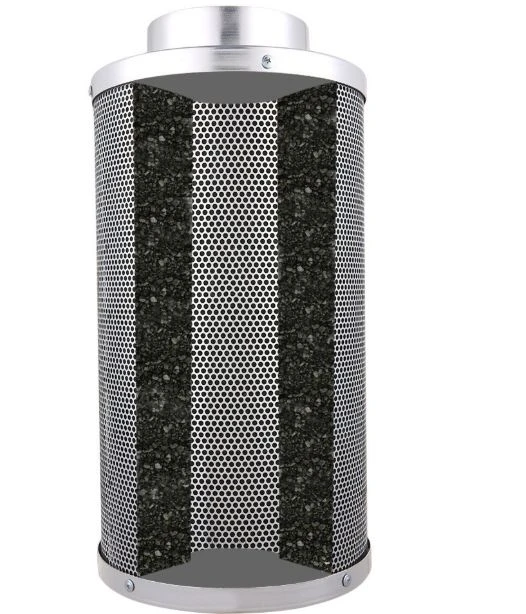
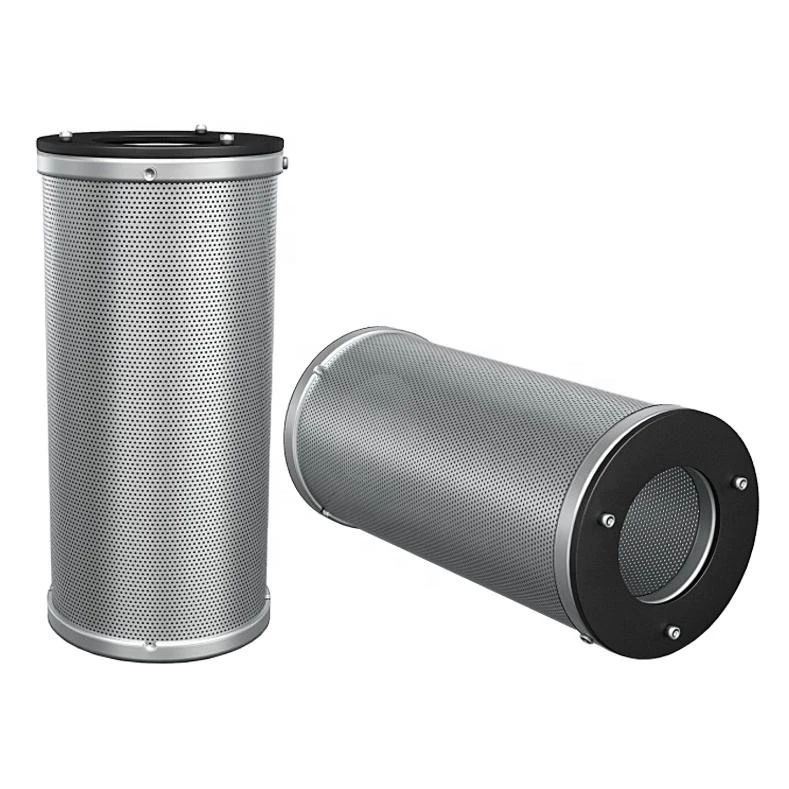
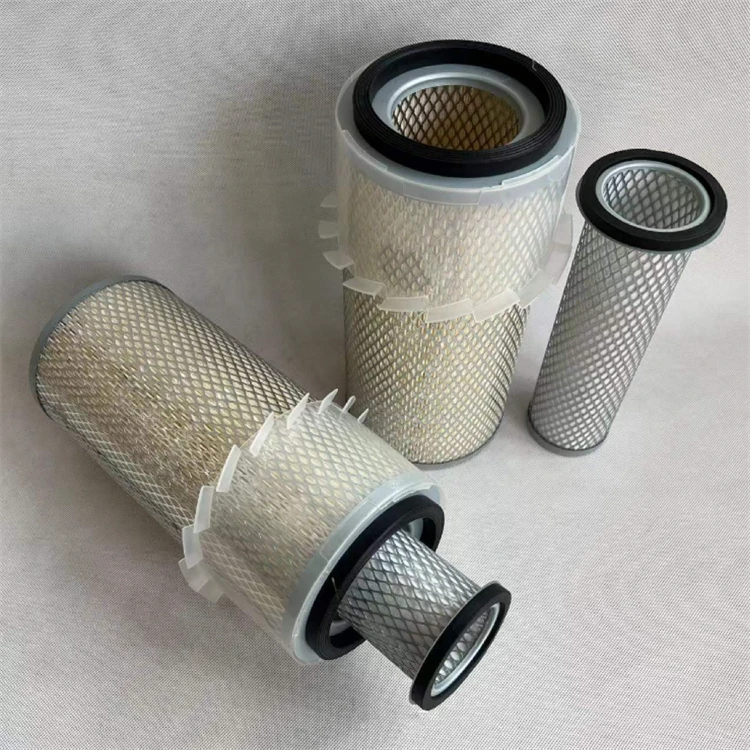
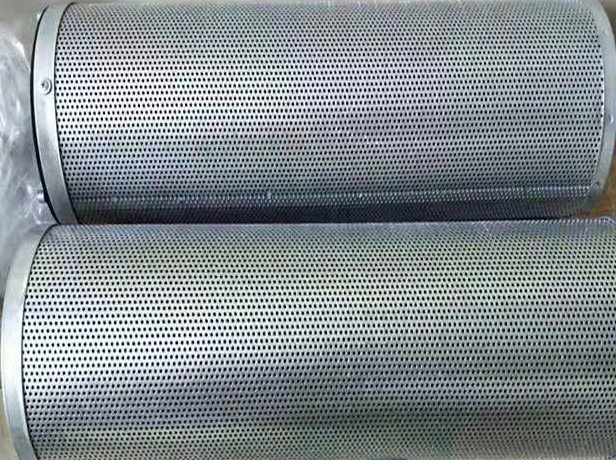
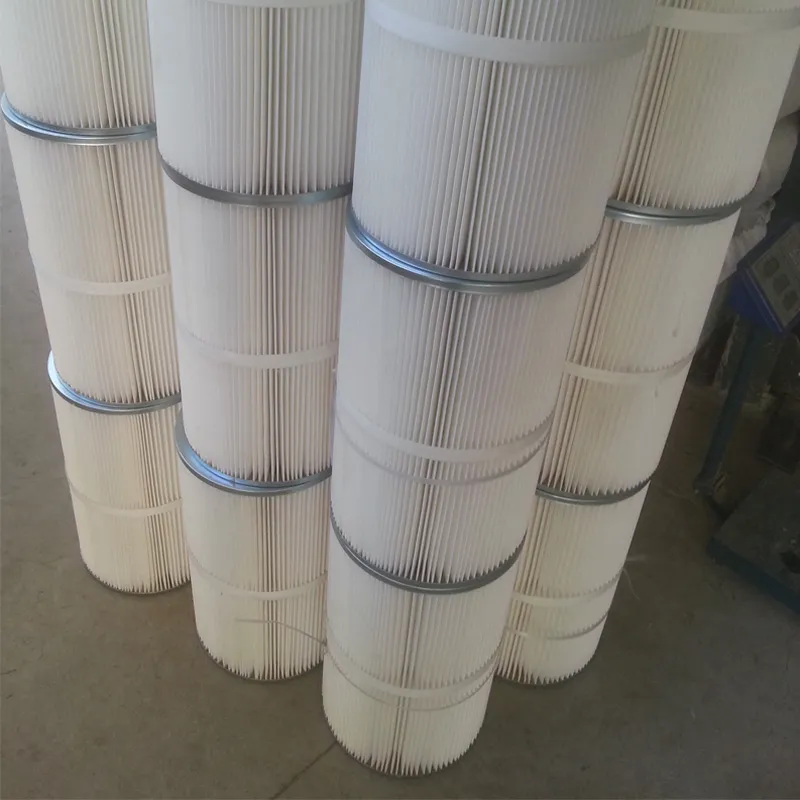
If you’ve ever tried to spec a plant-wide filtration upgrade or simply keep heavy equipment breathing clean, you know the term filter cartridge air covers a lot of ground. In factories and fleets I visit, the requests sound similar—better dust holding, lower pressure drop, fewer line stops. And yes, a fair price. The unit I’ve been watching lately is the “Professional Factory Air Filter Cartridge heavy equipment air filter” from Rongding World (Xinhua District, Shijiazhuang, Hebei). First impressions: solid media, consistent pleat geometry, and sensible options for gaskets/end caps.
Where the industry is heading
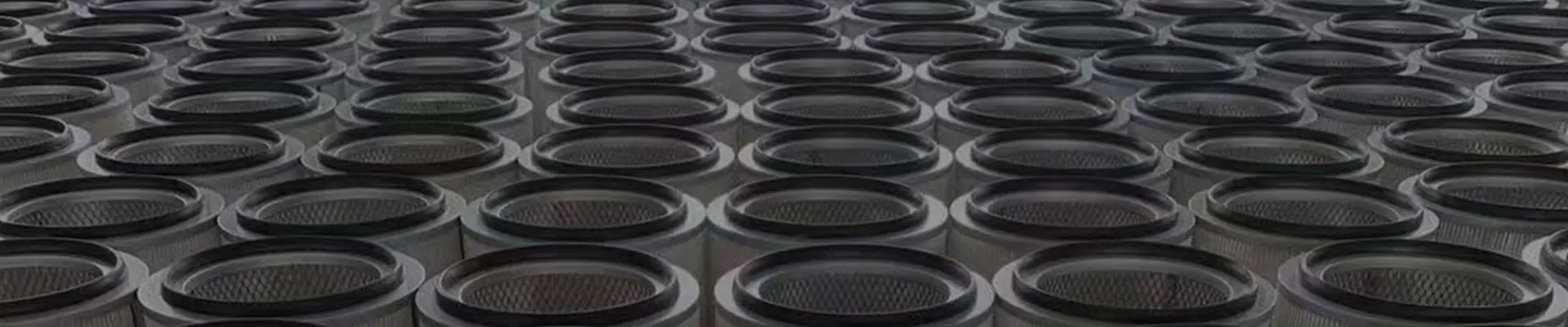
Trends? Lower ΔP media (to cut fan energy), nanofiber coatings for finer capture, and modular sizes to simplify spares. Sustainability is real too—longer service life and recyclable frames. Standards have shifted: ISO 16890 overtook EN 779, and buyers increasingly ask for MERV cross-references (ASHRAE 52.2) even when specs are written in ISO terms. Honestly, some of this is marketing—but in the lab, the better media really does post cleaner loading curves.
Technical specs at a glance
| Product | Professional Factory Air Filter Cartridge heavy equipment air filter |
| Media | Cellulose + synthetic blend with optional nanofiber topcoat; strong air permeability |
| Efficiency (ISO 16890) | ePM10 95% / ePM2.5 75% ≈ MERV 13–14 (real-world use may vary) |
| Initial ΔP | ≈ 110–140 Pa @ 1.5 m/s (typical) |
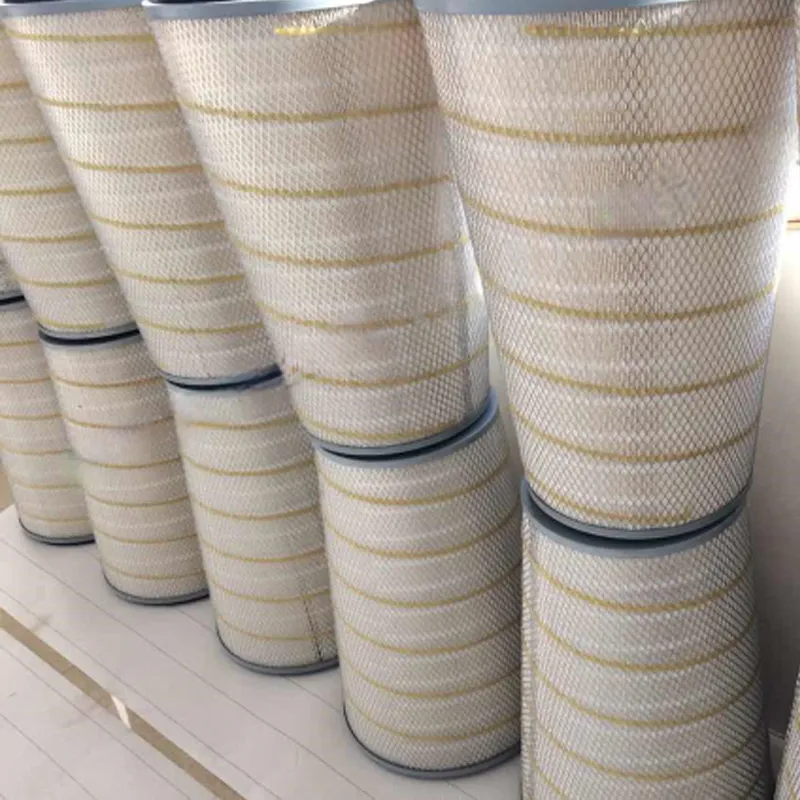
| Construction | Pleated media, metal mesh support, PU or plastisol end caps, EPDM/NBR gasket |
| Temp/Humidity | -20 to 80°C; up to 95% RH (non-condensing) |
| Service life | 6–18 months depending on dust load, duty cycle, and pulse cleaning |
| Standards | Designed to be tested to ISO 16890; MERV reference via ASHRAE 52.2 |
| Origin | Rongding World, Xinhua District, Shijiazhuang City, Hebei Province |
Process flow, methods, and testing
Materials are slit, pleated, and thermally set; hot-melt beads maintain spacing; end caps cast in PU; then cured, gasketed, and leak-checked. Typical QA includes gravimetric efficiency per ISO 16890 methodology, pressure drop at qualified velocity, burst/tear testing, and dimensional checks. An internal snapshot I saw showed dust-holding capacity around 220–260 g at 200 Pa terminal—reasonable for this class.
Applications
- Heavy equipment intakes (loaders, compressors) — the sweet spot for filter cartridge air.
- Industrial HVAC and make-up air for workshops and logistics centers.
- Spray booths and sanding lines; woodworking dust collectors.
- Automotive and light commercial cabins; home purifiers needing cartridge formats.
Why it’s gaining traction
The big wins are lower energy draw (thanks to lower ΔP media) and longer runs between swaps. Many customers say maintenance gets simpler—no weird tools, just pull, clean seat, press new gasket. And, to be honest, availability matters; this maker has steady stock and reasonable MOQs.
Vendor snapshot (informal comparison)
| Vendor | Price | Lead time | Customization | Testing docs |
|---|---|---|---|---|
| Rongding (this product) | Mid | ≈ 10–20 days | Sizes, gaskets, media | ISO 16890 test reports on request |
| Generic import | Low | Varies | Limited | Basic COA; sparse ΔP curves |
| Big-brand OEM | High | 2–6 weeks | Broad catalog | Full ISO/ASHRAE data packs |
Customization and real-world notes
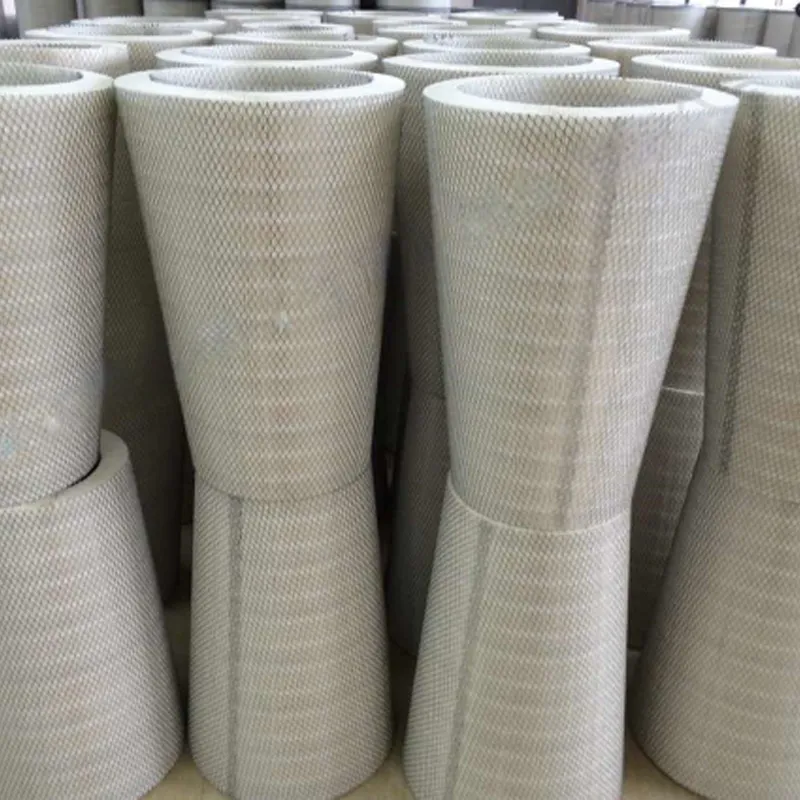
Options include diameter/height tweaks, U-gasket vs. flat, media upgrades (nanofiber for fine PM), and anti-static grounds for combustible dust areas. In the field, filter cartridge air life correlates most with inlet dust concentration and pulsing logic. Tip: log ΔP weekly; change at terminal ΔP rather than a fixed calendar date.
Quick case notes
Quarry fleet (compressor intakes): after switching to this filter cartridge air, maintenance tracked ≈ 18% longer intervals and fewer engine alarms over two dust seasons. In a PCB plant MUA unit, PM2.5 at workstations dipped by ~25% (combined with sealing fixes). Not a controlled trial, but convincing enough for the ops teams.
What to ask a supplier before you buy
- Request ISO 16890 test summary and ΔP curve at your face velocity.
- Confirm gasket compound, temperature rating, and any VOC constraints.
- Ask for dust-holding capacity method and terminal ΔP definition.
- Check availability of lot-level traceability and basic quality certs.
Citations
- ISO 16890-1: Air filters for general ventilation – Part 1: Technical specifications. https://www.iso.org/standard/68193.html
- ASHRAE Standard 52.2: Method of Testing General Ventilation Air-Cleaning Devices for Removal Efficiency by Particle Size. https://www.ashrae.org
- European Commission – Energy-efficient ventilation guidance (fan power and pressure drop). https://energy.ec.europa.eu
- U.S. EPA – Indoor Air Quality: Filtration and Air Cleaning. https://www.epa.gov/indoor-air-quality-iaq
-
High-Efficiency Industrial Dust Filtration & PurificationNewsApr.21,2026
-
High-Efficiency Adsorption for Clean Air & Water PurificationNewsApr.20,2026
-
Air Filter Cartridge: High-Efficiency Filtration for Engine Protection & Clean Air SupplyNewsApr.17,2026
-
Filter Paper: Precision Filtration Media for Industrial & Laboratory ExcellenceNewsApr.16,2026
-
Industrial Guide for Selecting a Stainless Filter CartridgeNewsApr.16,2026
-
Dust Filter Cartridges: High-Efficiency Industrial Filtration for Clean Production & ComplianceNewsApr.15,2026