 Email:admin@only-filter.com
 Tel:
+8615930870079
Tel:
+8615930870079
Aug . 25, 2025 03:20 Back to list
Outer Air Filter: Superior Protection & Engine Efficiency
Understanding the Critical Role of Outer Air Filters in Industrial Operations
In diverse industrial environments, the integrity of machinery and the quality of end-products are highly dependent on the purity of the air used in various processes. Central to achieving this critical standard is the implementation of robust air filtration systems. Among these, the outer air filter stands as a foundational component, acting as the primary line of defense against particulate contamination. These filters are not merely accessories but essential protective barriers designed to safeguard sensitive equipment, optimize operational efficiency, and extend the lifespan of costly machinery such as turbines, compressors, and pneumatic systems. Their role is particularly vital in industries where airborne contaminants, including dust, pollen, soot, and industrial aerosols, pose a constant threat to performance and product quality.
This article delves into the technical intricacies, application diversity, and strategic importance of these critical filtration solutions, offering B2B decision-makers and engineers a comprehensive guide to understanding and leveraging advanced air filtration technologies. We will explore everything from manufacturing processes and technical specifications to real-world application scenarios and custom solutions, ensuring a thorough grasp of their value proposition.
Industry Trends and Market Dynamics in Air Filtration
The global market for industrial air filtration is experiencing dynamic growth, driven by stringent environmental regulations, increasing industrialization, and a heightened awareness of operational efficiency and worker safety. Key trends include the push towards higher efficiency particulate air (HEPA) and ultra-low penetration air (ULPA) filtration, the integration of smart filtration systems with IoT capabilities for predictive maintenance, and the development of sustainable, long-life filter media. Industries are increasingly seeking filters that offer not just superior particulate capture but also lower pressure drop, leading to significant energy savings and reduced operational costs. The demand for specialized outer air filter solutions, including advanced industrial air filter cartridges and robust safety air filter systems, is projected to expand significantly, especially in developing economies.
Technological advancements are focused on nano-fiber media, electrostatic filtration, and self-cleaning mechanisms, which promise extended service intervals and enhanced performance. Furthermore, the emphasis on total cost of ownership (TCO) is prompting a shift towards premium, durable filtration products that offer long-term value over cheaper, less efficient alternatives. The advent of new materials and manufacturing techniques is also enabling the production of more compact, yet highly effective, filtration units capable of handling extreme operational conditions.
Technical Specifications and Design Principles
An effective outer air filter is meticulously engineered to achieve specific performance benchmarks. Its design encompasses critical parameters such as filtration efficiency, dust holding capacity, pressure drop, and operational temperature range. Filtration efficiency, often expressed as a MERV (Minimum Efficiency Reporting Value) rating for HVAC or ISO ePM for industrial applications, indicates the filter’s ability to capture particles of various sizes. A higher MERV or ePM rating signifies superior filtration performance.
The media itself is typically constructed from synthetic fibers (e.g., polyester, polypropylene), fiberglass, or cellulose, sometimes treated with resins to enhance durability and moisture resistance. Pleated designs maximize surface area within a compact form factor, thereby increasing dust holding capacity and extending service life. Gaskets and sealants are crucial for preventing bypass leakage, ensuring all air passes through the filter media. The structural components, often galvanized steel or high-impact plastics, provide rigidity and resistance to corrosion and deformation under varying airflow conditions.
Typical Product Specification Table: Industrial Air Filter Cartridge
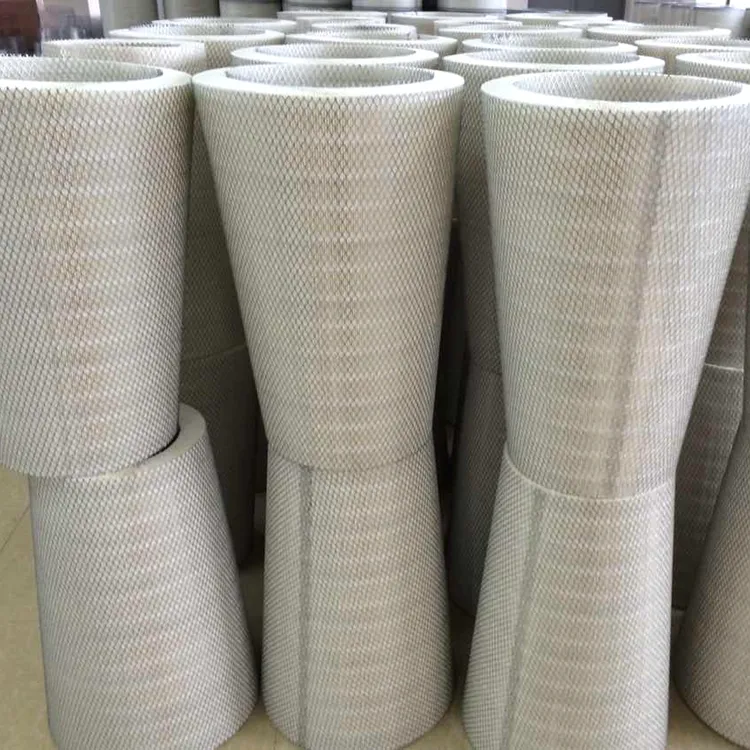
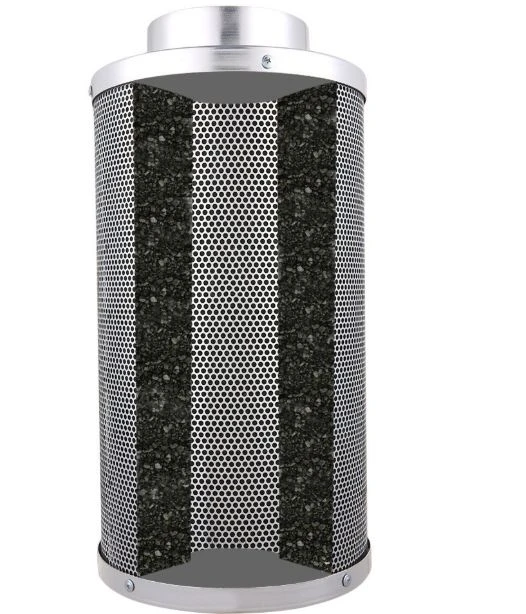
Figure 1: High-efficiency pleated filter media for industrial applications.
Detailed Manufacturing Process Flow of an Outer Air Filter
The production of a high-quality outer air filter is a multi-stage process involving precision engineering and stringent quality control. This systematic approach ensures optimal performance, durability, and compliance with international standards.
Process Steps:
- Media Selection and Preparation: High-grade filter media (e.g., cellulose, synthetic polyester, fiberglass) is chosen based on the required filtration efficiency, chemical resistance, and operational temperature. The media is then prepared, often involving coating with specialized resins for enhanced stiffness and moisture resistance.
- Pleating: The flat filter media undergoes precision pleating using automated machinery. The pleat height, depth, and spacing are critical for maximizing surface area and dust holding capacity while minimizing pressure drop. This step is crucial for the performance of industrial air filter cartridges.
- Stabilization and Curing: The pleated media is often stabilized with hot melt beads or metal mesh (e.g., expanded galvanized steel) to maintain pleat integrity during operation and prevent collapse under high airflow or dust loading. It then undergoes a curing process to set any adhesives or resins.
- End Cap and Gasket Attachment: Precision-molded end caps (often steel or durable plastic via injection molding) are attached to the pleated media. Polyurethane or rubber gaskets are then cast or bonded onto the end caps, forming a leak-proof seal essential for a reliable safety air filter.
- Housing/Frame Assembly: For filters requiring external support, a robust frame or housing (e.g., galvanized steel, aluminum, or impact-resistant plastic) is assembled around the filter element. Welding, stamping, or CNC machining might be used here.
- Adhesive Application and Curing: High-strength industrial adhesives are applied to securely bond the media to the end caps and any internal or external support structures. The assembly then undergoes a final curing process to ensure maximum bond strength and prevent delamination.
- Testing and Quality Control: Each filter undergoes rigorous testing. This includes initial pressure drop tests, burst strength tests, and leak tests. Critical filters might undergo efficiency testing according to ISO 16890, EN 779, or ASHRAE 52.2 standards. Batch testing and material analysis (e.g., tensile strength of media, chemical resistance of adhesives) are also common.
- Packaging and Labeling: Finished filters are carefully packaged to prevent damage during transit and labeled with product specifications, batch numbers, and installation instructions.
This meticulous manufacturing process, adhering to standards like ISO 9001 for quality management and ISO 14001 for environmental management, ensures that each outer air filter delivers consistent, reliable performance. The emphasis on robust materials and precise assembly guarantees extended service life and superior contaminant capture, leading to advantages like significant energy saving due to reduced fan power requirements and exceptional corrosion resistance in harsh industrial environments.
Application Scenarios Across Diverse Industries
The versatility of the outer air filter makes it indispensable across a multitude of heavy industries. Its primary function is to protect critical equipment and processes from airborne particulates that can lead to premature wear, system failures, and product contamination.
- Petrochemical Industry: Used in air intake systems for gas turbines, compressors, and blowers where fine dust, hydrocarbons, and corrosive gases are prevalent. High-performance industrial air filter cartridges prevent catalyst poisoning and protect rotating machinery.
- Metallurgy and Mining: In environments with high concentrations of metallic dust, silica, and abrasive particles, these filters protect vital equipment such as crushers, furnaces, and ventilation systems, preventing blockages and wear.
- Power Generation (e.g., Gas Turbines): Crucial for ensuring clean air intake into gas turbines, which are highly sensitive to particulate matter. A clean air supply prevents erosion of turbine blades, improves combustion efficiency, and extends maintenance intervals.
- Cement and Construction: Used in dust collection systems and pneumatic conveyors to filter out cement dust, silica, and other construction-related particulates, protecting machinery and ensuring compliance with air quality regulations.
- Food & Beverage Processing: While not a final stage filter, the outer air filter acts as a pre-filter in HVAC systems and process air applications to reduce particulate load, thereby extending the life of downstream HEPA filters crucial for hygiene.
- Transportation (e.g., Truck Air Filter): Essential for heavy-duty engines. A robust truck air filter ensures clean air combustion, preventing premature engine wear, maintaining fuel efficiency, and reducing exhaust emissions in commercial vehicles.
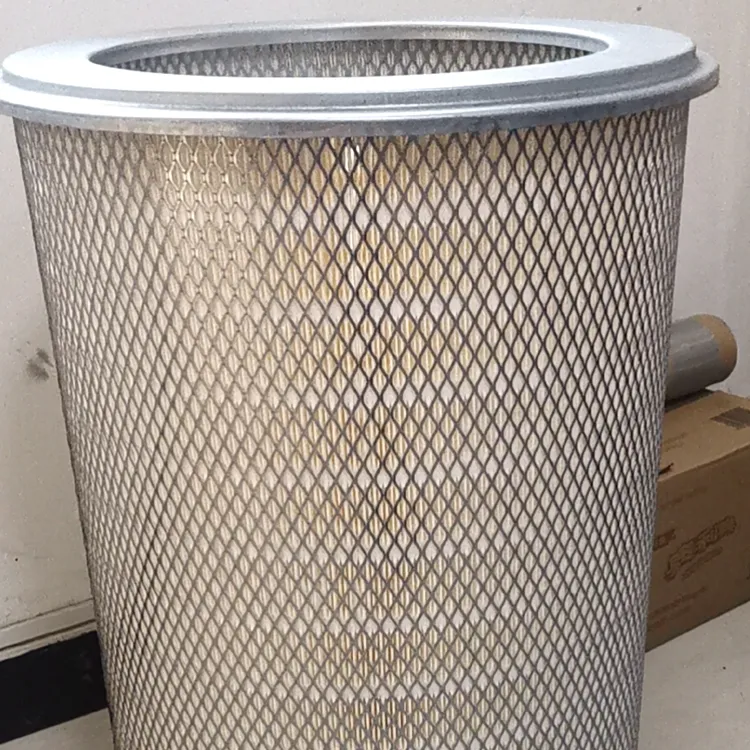
Figure 2: Industrial air filtration system protecting heavy machinery.
Technical Advantages: Energy Saving and Corrosion Resistance
Beyond mere contaminant removal, modern outer air filter designs offer significant technical advantages that contribute directly to operational efficiency and longevity.
- Energy Saving: Filters engineered with advanced media and optimized pleat geometry reduce initial pressure drop and maintain lower resistance throughout their service life. A lower pressure drop means less energy is required by fans and blowers to move air through the system. For large industrial operations, this translates into substantial electricity cost reductions over time. For example, a 50 Pa reduction in pressure drop in a system moving 100,000 m³/h can save thousands of dollars annually in energy costs.
- Corrosion Resistance: In many industrial settings, filters are exposed to moisture, humidity, and corrosive chemicals. Filters featuring frames made from galvanized steel, stainless steel, or high-grade plastics, combined with synthetic, moisture-resistant filter media and durable sealants, exhibit superior corrosion resistance. This characteristic ensures structural integrity and filtration performance are maintained even in aggressive environments, preventing filter breakdown and subsequent equipment damage.
- Extended Service Life: High dust holding capacity filters reduce the frequency of filter changes, leading to lower maintenance costs, reduced downtime, and less waste. This is a direct result of superior media engineering and optimized physical design.
- Enhanced Equipment Protection: By effectively removing abrasive particles, these filters significantly extend the lifespan of downstream components such as turbine blades, compressor impellers, and critical engine parts, drastically reducing repair and replacement costs.
Vendor Comparison: Key Criteria for Selection
Selecting the right supplier for industrial air filter cartridges requires careful consideration of several factors beyond just initial price. A comprehensive vendor comparison should evaluate aspects that influence long-term performance, reliability, and cost-effectiveness.
Vendor Comparison Table: Industrial Air Filter Solutions
Authoritative vendors not only provide certified high-performance filters but also offer valuable engineering support, ensuring the optimal filter solution is chosen for specific operating conditions. They invest in R&D to provide innovative solutions, such as enhanced filtration media for critical applications like cleanrooms or high-temperature environments.
Customized Solutions for Unique Industrial Demands
While standard filter configurations cater to many requirements, numerous industrial applications present unique challenges that necessitate tailored filtration solutions. Customization allows for the precise adaptation of filter design, materials, and performance characteristics to perfectly match specific operational environments, equipment types, and regulatory mandates.
A professional manufacturer specializing in industrial air filter cartridges, such as OnlyFilterCartridge.com, offers extensive customization capabilities. This includes:
- Specialized Media: Using media with specific properties like oleophobic (oil-repellent), hydrophobic (water-repellent), anti-static, or flame-retardant treatments for demanding conditions.
- Dimensional Adjustments: Manufacturing filters with non-standard diameters, lengths, or pleat depths to fit existing housings or optimize performance for specific airflow rates.
- Unique End Cap Designs: Fabricating custom end cap configurations, including open/closed ends, various mounting flanges, or integrated gasketing, to ensure a perfect fit and seal in proprietary equipment.
- High-Temperature or Corrosive Environments: Utilizing robust materials like stainless steel frames, high-temperature resistant media, and chemical-resistant sealants for applications involving extreme temperatures or aggressive chemical exposure.
- Multi-stage Filtration Integration: Designing primary and secondary filters to work in tandem, optimizing overall system efficiency and extending the life of higher-efficiency downstream filters.
The ability to provide customized solutions ensures that industries like petrochemical, pharmaceutical, and precision manufacturing can achieve optimal air quality without compromising on efficiency or safety. This bespoke approach minimizes operational risks and maximizes equipment uptime, offering a distinct competitive advantage.
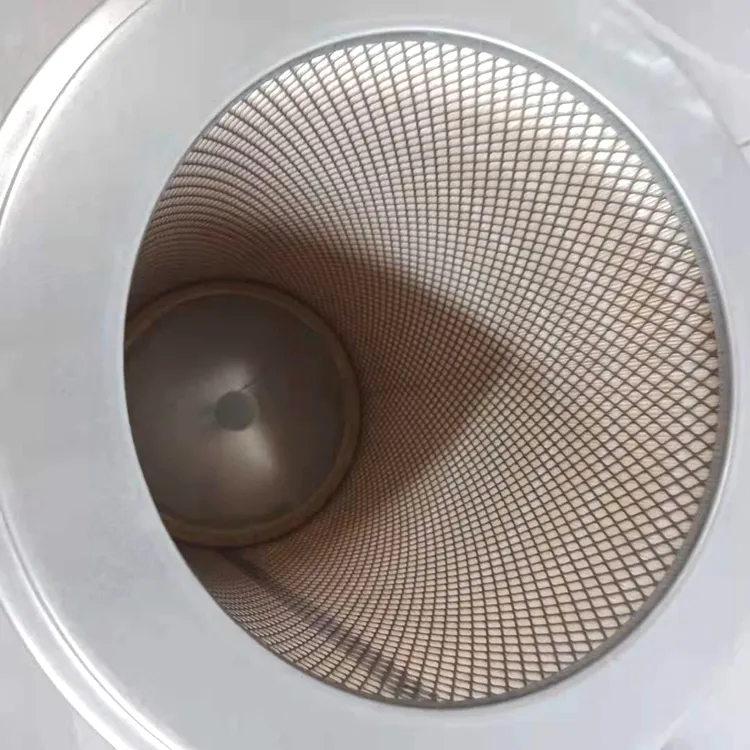
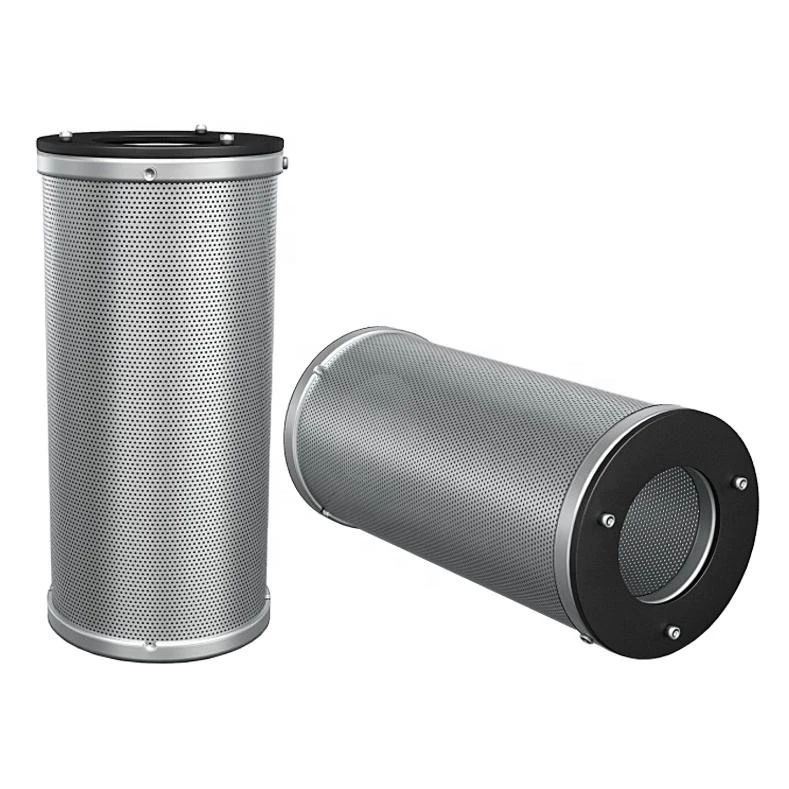
Figure 3: Customized industrial air filter cartridges in production.
Application Case Studies: Real-World Impact
The practical benefits of high-performance outer air filter solutions are best illustrated through real-world applications and customer feedback.
Case Study 1: Gas Turbine Protection in a Desert Environment
A major power generation plant operating in a desert region faced significant challenges with turbine degradation due to fine sand and dust ingestion. Traditional filters required frequent replacement (every 3 months) and still resulted in noticeable blade erosion. Our customized industrial air filter cartridges, featuring enhanced hydrophobic and oleophobic pleated media with a MERV 14 rating, were installed as the primary filtration stage. Post-installation, the service life of the filters extended to 12 months, and inspections revealed a drastic reduction in turbine blade erosion. The client reported a 70% reduction in maintenance costs related to filter changes and a 5% improvement in turbine efficiency due to consistently cleaner air intake. This solution directly contributed to increased operational uptime and significant long-term savings.
Case Study 2: Extending Engine Life for a Heavy-Duty Truck Fleet
A logistics company operating a large fleet of heavy-duty trucks on unpaved roads experienced high rates of engine wear and premature failures, largely attributed to inadequate air filtration. They switched to our specialized truck air filter, engineered with a robust, multi-layer synthetic media designed for high dust holding capacity in challenging conditions. After monitoring for 18 months, the company observed a 40% increase in the average engine overhaul interval and a measurable improvement in fuel efficiency (approximately 3%). The drivers also reported more consistent engine performance, leading to higher fleet reliability and lower total cost of ownership per vehicle.
Case Study 3: Air Quality Improvement in a Pharmaceutical Manufacturing Plant
A pharmaceutical facility needed to upgrade its HVAC pre-filtration system to meet increasingly stringent air quality standards and protect downstream HEPA filters. By implementing our high-efficiency industrial air filter cartridges as primary and secondary filters, they achieved a significant reduction in airborne particle counts (PM2.5 and PM10). This not only extended the life of their expensive HEPA filters by an average of 6 months but also reduced energy consumption due to optimized airflow. Employee feedback highlighted a noticeable improvement in ambient air quality within the production areas, enhancing overall worker safety and comfort. The successful implementation was verified by external auditors, confirming compliance with ISO 14644-1 standards for cleanrooms.
Trustworthiness and Support: Your Partner in Filtration
Establishing a reliable partnership with a filtration supplier is paramount for long-term operational success. Our commitment to quality, transparency, and comprehensive support underpins every product and service we offer.
Frequently Asked Questions (FAQ)
-
Q: How do I determine the correct filtration efficiency for my application?
A: The required efficiency depends on the sensitivity of your equipment, the type of contaminants, and relevant industry standards. Our technical sales team can perform an application analysis to recommend the optimal MERV/ePM rating. -
Q: What is the typical service life of an outer air filter?
A: Service life varies significantly based on air quality, operating hours, airflow, and filter design. Generally, industrial filters can last from 6 to 24 months. We recommend regular monitoring of pressure drop to determine optimal replacement intervals. -
Q: Can you provide custom sizes or specifications?
A: Absolutely. We specialize in customized solutions. Provide us with your specifications, and our engineering team will design a filter to meet your exact needs. -
Q: Are your filters compliant with international standards?
A: Yes, our products are manufactured and tested in accordance with leading international standards such as ISO 16890, ASHRAE 52.2, and EN 779, ensuring global compatibility and performance reliability.
Lead Time & Fulfillment
We understand the critical nature of timely delivery. Our state-of-the-art manufacturing facilities and optimized supply chain allow for efficient production. Standard industrial air filter cartridges typically have a lead time of 2-4 weeks. Customized orders, depending on complexity, generally require 4-6 weeks for design, production, and testing. We maintain transparent communication throughout the order fulfillment process, providing regular updates on production status and shipping timelines. Expedited options are available for urgent requirements.
Warranty Commitments
All our outer air filter products are backed by a comprehensive warranty against manufacturing defects and material failures under normal operating conditions. Our standard warranty period is 12 months from the date of purchase. Specific warranty details for specialized or custom products will be provided with the quotation. We stand by the quality and performance of our filters and are committed to resolving any issues promptly.
Customer Support Information
Our dedicated customer support team and application engineers are available to assist you with selection, installation guidance, troubleshooting, and any technical inquiries. We provide expert consultation to ensure you get the most out of your filtration system. Reach us via phone, email, or through our website contact form. We are committed to fostering long-term partnerships built on trust and exceptional service.
Conclusion
The selection and implementation of advanced outer air filter solutions are pivotal for optimizing operational efficiency, ensuring regulatory compliance, and protecting valuable industrial assets. By understanding the intricate manufacturing processes, technical specifications, and diverse application scenarios, B2B decision-makers can make informed choices that yield significant returns through reduced maintenance, energy savings, and extended equipment life. Partnering with an experienced manufacturer capable of providing customized, high-quality industrial air filter cartridges is not merely a procurement decision but a strategic investment in the long-term success and sustainability of industrial operations.
References
- ISO 16890: Air filters for general ventilation - Part 1: Technical specifications, requirements and classification system based on particulate matter efficiency (ePM). International Organization for Standardization.
- ASHRAE Standard 52.2: Method of Testing General Ventilation Air-Cleaning Devices for Removal Efficiency by Particle Size. American Society of Heating, Refrigerating and Air-Conditioning Engineers.
- EN 779: Particulate air filters for general ventilation - Determination of the filtration performance. European Committee for Standardization.
- Environmental Protection Agency (EPA) - Air Quality Standards. Available at: https://www.epa.gov/criteria-air-pollutants/naaqs-table
- International Energy Agency (IEA) - Energy Efficiency Trends. Available at: https://www.iea.org/reports/energy-efficiency-2023
-
High-Efficiency Industrial Dust Filtration & PurificationNewsApr.21,2026
-
High-Efficiency Adsorption for Clean Air & Water PurificationNewsApr.20,2026
-
Air Filter Cartridge: High-Efficiency Filtration for Engine Protection & Clean Air SupplyNewsApr.17,2026
-
Filter Paper: Precision Filtration Media for Industrial & Laboratory ExcellenceNewsApr.16,2026
-
Industrial Guide for Selecting a Stainless Filter CartridgeNewsApr.16,2026
-
Dust Filter Cartridges: High-Efficiency Industrial Filtration for Clean Production & ComplianceNewsApr.15,2026