 Email:admin@only-filter.com
 Tel:
+8615930870079
Tel:
+8615930870079
Jun . 01, 2025 01:52 Back to list
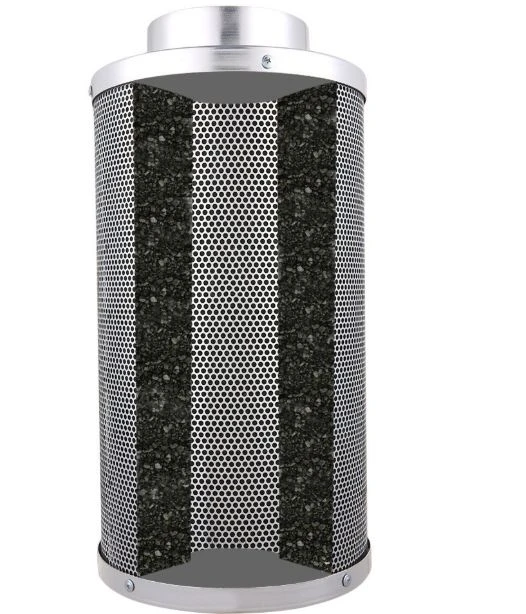
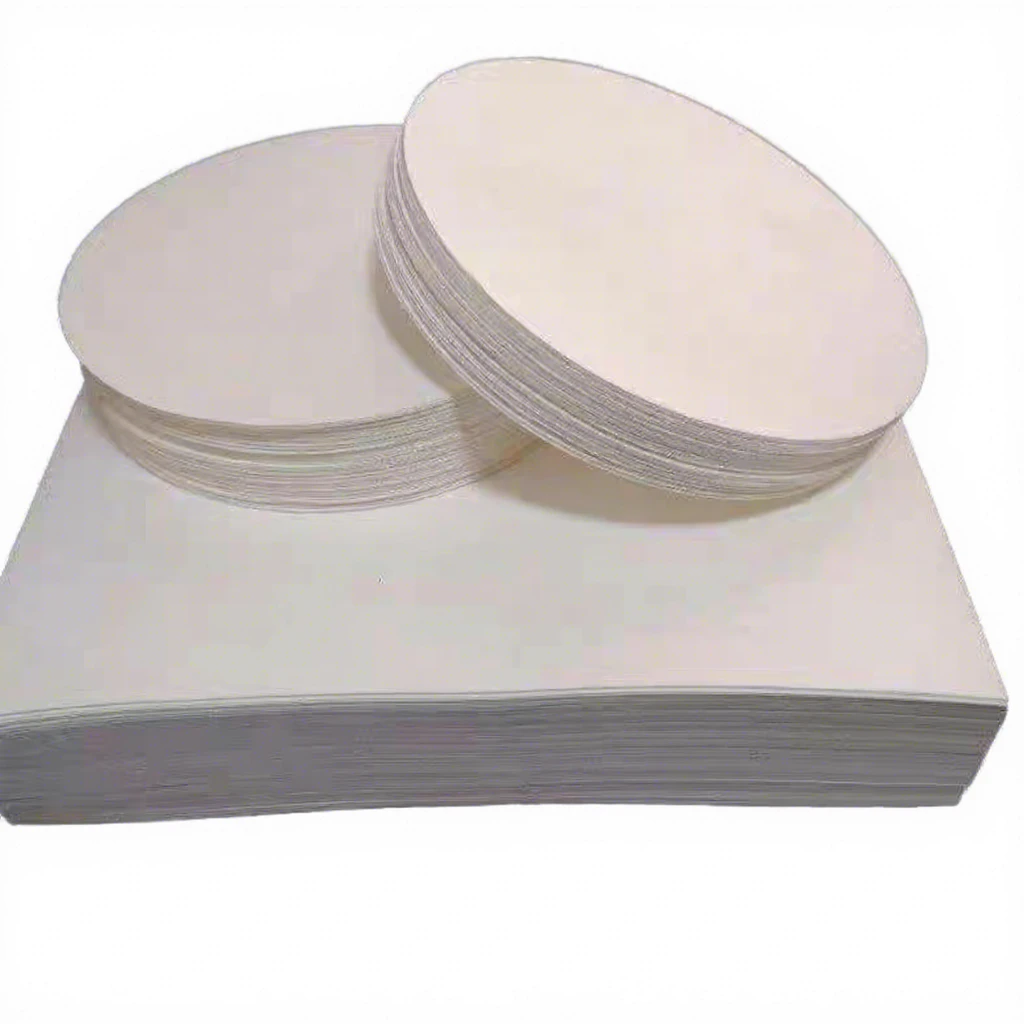
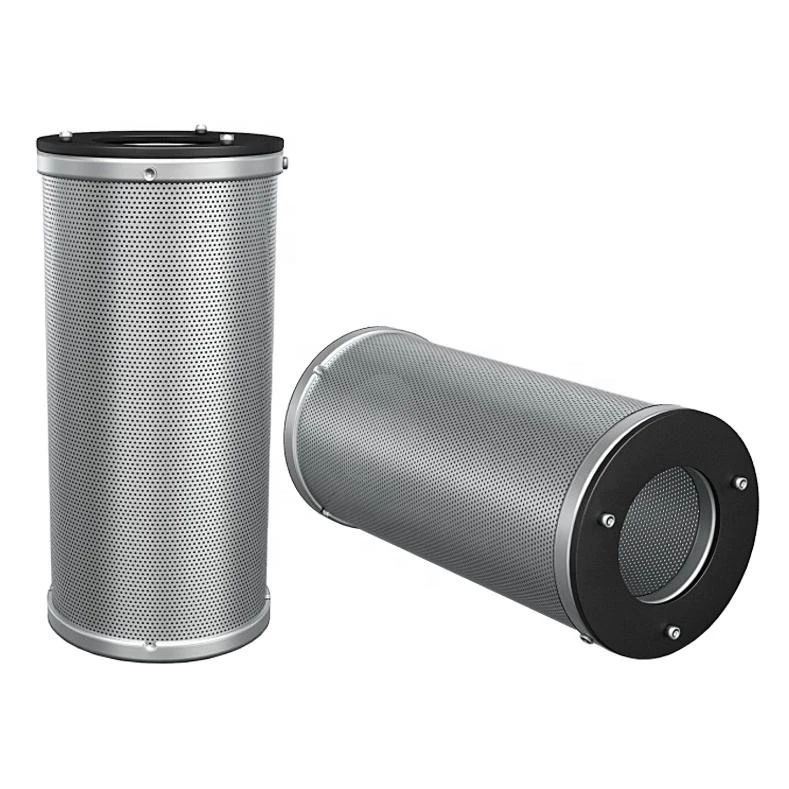
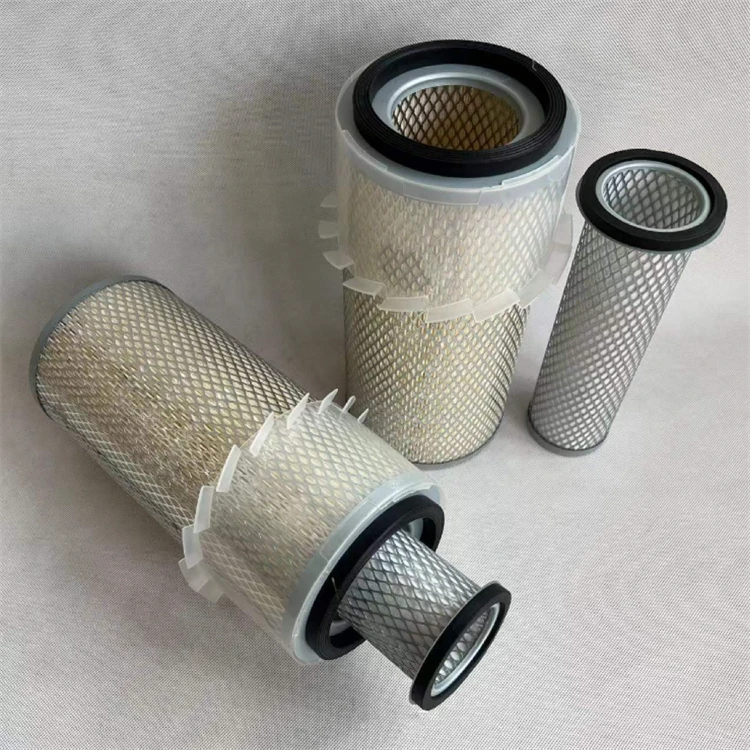
High-Efficiency Gas Turbine Air Filters Industrial Dust Collection
- Critical Role of Intake Filtration in Gas Turbine Systems
- Technological Innovations in Turbine Air Filtration Media
- Design Engineering Principles for Gas Turbine Intake Systems
- Comparative Analysis of Industrial Filtration Solutions
- Custom Engineering Approaches for Site-Specific Challenges
- Advanced Filtration Systems in Power Generation Applications
- Future-Proofing Operations Through Strategic Filtration Planning

(filtre à turbine à gaz)
Understanding the Critical Role of Gas Turbine Air Intake Filtration
Power generation facilities face relentless assault from particulate matter, with industrial environments containing up to 180 million particles per cubic meter. Gas turbine air intake filters serve as the primary defense against this contamination, directly impacting operational efficiency and equipment longevity. Compressor blade fouling from ingested particles can cause efficiency losses of 2-5% within 30 days of operation, translating to $500,000 annual fuel overconsumption for a 100MW turbine.
The filtration envelope must balance competing requirements: maximum contaminant removal versus minimal pressure drop. Modern systems employ pre-filters capturing 60-80% of particles greater than 10 microns, while high-efficiency final filters target sub-micronic particulates. When evaluating gas turbine filtration systems, operators must consider the specific environmental challenges - desert sandstorms produce different particle distributions than coastal salt aerosols or industrial pollution plumes. Each condition demands tailored filtration strategies to prevent premature fouling and maintain ISO 8573-1 Class 0 air quality standards.
Advancements in Filtration Media Technology
Media technology has evolved from basic cellulose materials to sophisticated multilayer composites combining depth loading and surface filtration mechanisms. High-loft synthetic media now dominate critical applications, featuring hydrophobic treatments that reduce moisture retention by 40% compared to traditional paper filters. Nanofiber coatings applied at 0.5-1μm thickness enhance particle capture efficiency without increasing airflow resistance.
Leading manufacturers have developed proprietary media formulations addressing specific failure modes:
• Salt-block polymers prevent crystalline bridging in marine environments
• Hydro-resistant treatments reduce moisture-triggered pressure spikes
• Nanoceramic reinforcements extend media life in high-temperature exhaust applications
• Electrostatic enhancement technologies boost submicron capture efficiency
Independent testing confirms modern synthetic media achieves initial efficiencies of 99.97% on 3-micron particles while maintaining differential pressures below 0.8 inches of water column during peak operation. This performance level represents a 30% improvement in efficiency-pressure differential ratio over earlier generation materials.
Engineering Principles for High-Performance Intake Systems
The most advanced filtration media underperform without proper system engineering. Optimal gas turbine filter housings incorporate aerodynamic designs eliminating dead zones where contaminants accumulate. Internal air velocities must remain within 500 fpm to prevent particle fallout and re-entrainment. Computational Fluid Dynamics (CFD) modeling now enables precise simulation of air flow patterns before fabrication.
Multi-stage configurations represent current best practice:
• Weather hoods: Remove large debris and bulk moisture
• Inertial separators: Centrifugal action on heavy particulates
• Pre-filters: Depth-loading media for cost-effective bulk removal
• High-efficiency final filters: Nanofiber composite barrier protection
• Drainage systems: Membrane-backed channels remove 4 gallons/hour of moisture during heavy rainfall
Pressure containment design deserves special attention—filter housings must withstand negative pressures exceeding 15 psi during emergency shutdown events. Finite Element Analysis (FEA) ensures structural integrity during transient conditions that cause sudden pressure fluctuations.
Comparative Analysis of Industrial Filtration Solutions
| Manufacturer | Efficiency @ 3μm | Max ΔP (in WC) | Salt Rejection | Warranty | Lifetime Cost/Year |
|---|---|---|---|---|---|
| Donaldson HEPA | 99.97% | 0.75 | 99.8% | 5 years | $23,400 |
| Camfil GT4 | 99.95% | 0.68 | 99.6% | 6 years | $21,900 |
| Pall Aerospace | 99.99% | 0.83 | 99.9% | 7 years | $26,700 |
| AAF Powerwave | 99.96% | 0.72 | 99.7% | 5 years | $24,500 |
Cost analysis based on 100MW turbine operating 8,000 hours/year including element replacement, energy penalty, and maintenance labor
Custom Engineering for Site-Specific Challenges
Standardized filtration packages fail in extreme environments requiring engineered solutions:
• Middle Eastern installations combat silica dust with three-stage progressive filtration
• Arctic facilities incorporate heating elements preventing ice formation
• Offshore platforms utilize salt-absorbing molecular traps in final stages
• Waste-to-energy plants deploy activated carbon layers neutralizing VOC penetration
Custom engineering extends beyond media selection—it encompasses structural adaptations for seismic zones, corrosion-resistant materials for coastal installations, and specialized access systems for constrained spaces. Computational modeling determines optimal pleat densities from 4-12 pleats/inch based on particulate loading profiles. The most advanced designs now integrate predictive maintenance sensors monitoring:
• Differential pressure gradients across filter banks
• Humidity levels with 2% measurement accuracy
• In-line particulate counting after final filtration stage
These systems automatically transmit performance data to predictive analytics platforms, enabling element changes within 5% of optimal replacement timing. Operational data confirms that engineered solutions reduce unexpected turbine deratings by 83% compared to standardized solutions.
Operational Validation in Power Generation
A combined-cycle facility in Texas documented measurable improvements after upgrading their gas turbine air filter system:
• Heat rate improvement: 1.7% reduction (equivalent to 28,000 MWh annual savings)
• Turbine wash intervals extended from 50 to 110 operating days
• Elimination of forced outages caused by salt-induced corrosion
• Compressor maintenance costs reduced by $240,000 annually
Offshore rigs in the North Sea demonstrate even more dramatic results. After implementing triple-stage filtration with salt coagulation technology, operators achieved:
• Fouling-related efficiency loss limited to 0.8% between wash cycles
• Compressor refurbishment intervals extended from 24,000 to 48,000 hours
• Frequency of offline washing reduced by 75%
• Elimination of chloride stress corrosion cracking incidents
These operational metrics prove that advanced filtration systems deliver quantifiable ROI, particularly where environmental challenges rapidly degrade conventional systems. The data confirms that optimized filtration contributes more significantly to turbine performance than minor combustion improvements.
Optimizing Gas Turbine Air Intake Filters for Operational Excellence
Forward-thinking operators adopt a lifecycle management approach rather than reactive element replacement strategies. By integrating filtration performance data with turbine operational parameters, facilities develop predictive maintenance models that reduce total cost of ownership by 17-29%. The most successful programs incorporate three strategic elements:
• Particle-based condition monitoring: Laser particle counters validate filter performance between pressure-based changeouts
• Consumption-based procurement: Long-term supply agreements tied to operating hours rather than calendar time
• Performance-linked warranties: Vendor guarantees covering turbine efficiency losses from premature fouling
Next-generation systems will feature active contamination control—using electrostatic precipitation as a polishing stage during peak pollution events while maintaining standard filtration during normal conditions. Industry leaders now consider filtration systems as efficiency assets rather than maintenance items. Plants participating in capacity markets increasingly monetize filtration upgrades through reliability bonuses that compensate for availability improvements.
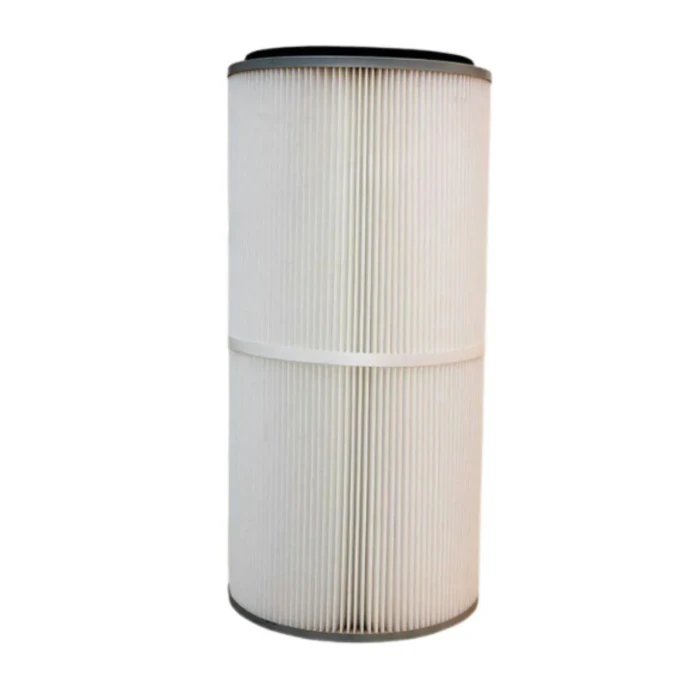
(filtre à turbine à gaz)
FAQS on filtre à turbine à gaz
What are the key considerations for gas turbine air intake filter design?
Q: How does gas turbine air intake filter design impact performance?
A: Proper design balances airflow efficiency with particle capture, ensuring minimal pressure drop while protecting turbine blades from dust and debris. Advanced designs use multi-stage filtration and corrosion-resistant materials.
How often should industrial dust collection gas turbine air filter paper be replaced?
Q: What determines replacement frequency for gas turbine air filter paper in industrial dust collection?
A: Replacement depends on dust load, operating hours, and environmental conditions. Monitoring pressure differentials across the filter helps schedule timely replacements to prevent airflow restrictions.
What materials are used in gas turbine air filters for harsh environments?
Q: Which materials ensure durability in gas turbine air intake filters for industrial settings?
A: High-efficiency synthetic media like nanofiber-coated cellulose or polyester blends are common. These materials resist moisture, chemicals, and extreme temperatures while maintaining filtration integrity.
How do modern gas turbine intake filters improve energy efficiency?
Q: Can upgraded gas turbine air filters reduce operational costs?
A: Yes, optimized filters minimize pressure drops, reducing turbine energy consumption. Some designs incorporate self-cleaning mechanisms to maintain consistent performance and extend service intervals.
What standards apply to gas turbine air filtration systems in industrial applications?
Q: Are there specific certifications for industrial gas turbine air filters?
A: Filters often comply with ISO 16890 or ASHRAE standards. Manufacturers may also follow OEM specifications for particulate retention and fire resistance to ensure turbine protection.
-
High-Efficiency Industrial Dust Filtration & PurificationNewsApr.21,2026
-
High-Efficiency Adsorption for Clean Air & Water PurificationNewsApr.20,2026
-
Air Filter Cartridge: High-Efficiency Filtration for Engine Protection & Clean Air SupplyNewsApr.17,2026
-
Filter Paper: Precision Filtration Media for Industrial & Laboratory ExcellenceNewsApr.16,2026
-
Industrial Guide for Selecting a Stainless Filter CartridgeNewsApr.16,2026
-
Dust Filter Cartridges: High-Efficiency Industrial Filtration for Clean Production & ComplianceNewsApr.15,2026