 Email:admin@only-filter.com
 Tel:
+8615930870079
Tel:
+8615930870079
Dec . 31, 2025 03:45 Back to list
Essential Guide to lucht-tot-doekverhouding voor patroonfilter in Dust Collection
Understanding the lucht-tot-doekverhouding voor patroonfilter: Why It Matters in Dust Collection
Having spent quite a few years tinkering and troubleshooting in the industrial equipment world, especially around dust collectors and filtration systems, I can tell you one concept that consistently pops up is the lucht-tot-doekverhouding voor patroonfilter — or in English, the air-to-cloth ratio for cartridge filters. It’s a bit of a mouthful, but frankly, it’s one of the most crucial specs that influence filter performance, lifespan, and, indirectly, your overall process reliability.
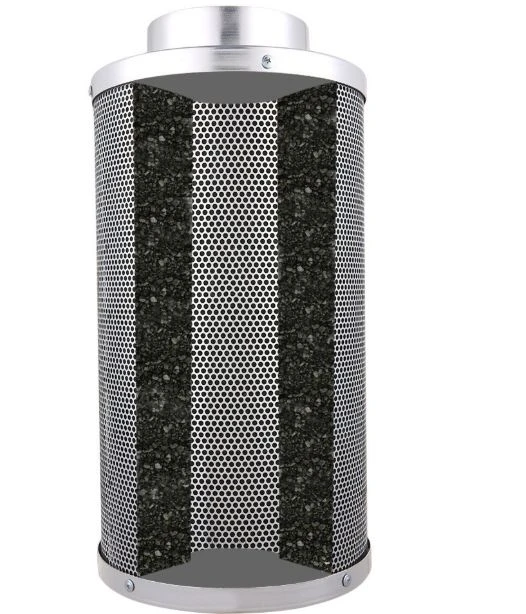
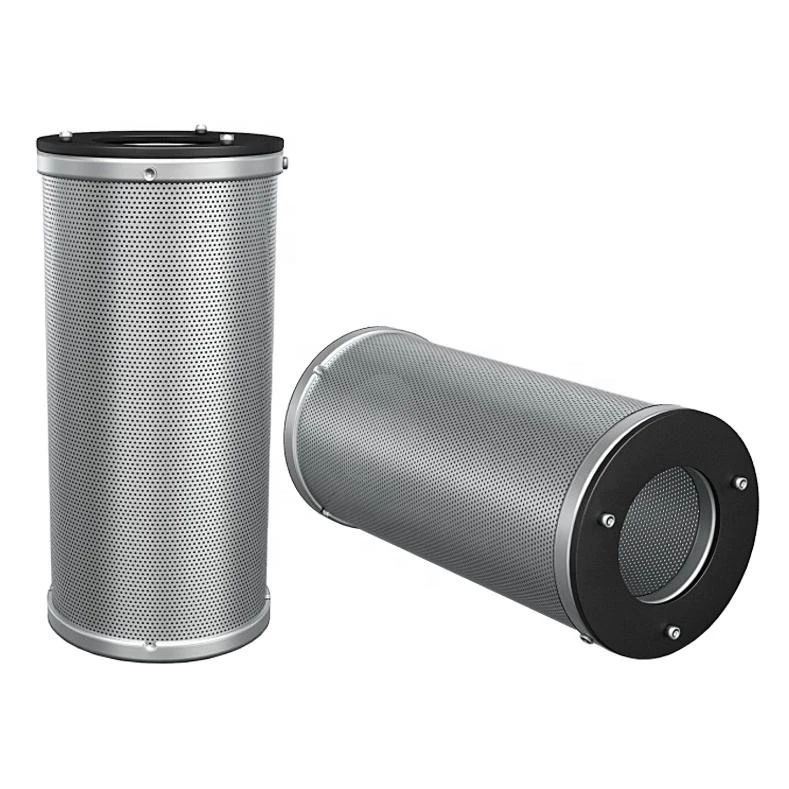
Now, if you’re working with dust collectors that use cartridge filters — which are those cylindrical or pleated fabric filters designed to capture airborne particulate — the lucht-tot-doekverhouding defines how much air flows through a given surface area of filter media. Too high, and you risk clogging or overloading the filter; too low, and you might be overinvesting in filter area and equipment size.
Oddly enough, this ratio is not just an arbitrary figure. Many engineers in my circle emphasize its role in balancing filtration efficiency with operational costs. One client I recall was initially running his dust collectors at a very aggressive air-to-cloth ratio, eager to maximize throughput. Not surprisingly, the filters were wearing out fast, and cleaning cycles were more frequent, leading to unplanned downtime.
After adjusting the lucht-tot-doekverhouding for patroonfilter downward — basically giving the fabric more breathing room — the whole system ran smoother. Maintenance intervals stretched longer, and the overall dust capture improved. It felt like a small tweak, but it made a big difference, especially for his production planners.
Key Factors Affecting the Air-to-Cloth Ratio
In real terms, this ratio depends on several parameters:
- Filter fabric type: Polyester, cellulose, PTFE membranes, or others each have different permeability and durability.
- Dust characteristics: Particle size, stickiness, moisture content — these influence how quickly filters clog.
- Process conditions: Temperature and humidity can degrade fabric prematurely or affect dust cake formation.
- Cleaning method: Pulse jet cleaning frequency and intensity can adjust recommended operating ranges.
Manufacturers often suggest an initial range for lucht-tot-doekverhouding — say, between 1.0 to 2.5 m³/min per m² — but it’s wise to tailor this to your specific application through trial or consulting seasoned professionals.
Typical Product Specifications for Cartridge Filters
| Specification | Value | Notes |
|---|---|---|
| Filter media | Polyester / PTFE membrane | Common due to durability and filtration efficiency |
| Average filtration efficiency | 99.9% (for particles >1 micron) | Important for air quality compliance |
| Max operating temperature | 120°C (248°F) | Polyester based media limit |
| Recommended lucht-tot-doekverhouding | 1.0 – 2.5 m³/min/m² | Depends on dust type and cleaning system |
| Typical lifespan | 2 – 5 years | Depends heavily on environment and maintenance |
Vendor Comparison: Cartridge Filter Suppliers
| Supplier | Filter Media Options | Custom Sizing | Typical Lead Time | Price Range |
|---|---|---|---|---|
| OnlyFilterCartridge.com | Polyester, PTFE, Nomex | Yes, per customer specs | 2-3 weeks | Mid-range |
| Global Filters Inc. | Polyester, Cellulose | Limited sizes | 4-6 weeks | Higher |
| DustTech Supplies | Polyester only | No | 1-2 weeks | Low |
Keep in mind that choosing a vendor isn’t just about price; it’s about quality, lead times, and flexibility. OnlyFilterCartridge.com has been my go-to for years because they really understand that balance. Plus, their custom sizing options mean you’re not stuck shoehorning your system into standard bag sizes, which can drastically affect that all-important lucht-tot-doekverhouding.
In the end, getting the right air-to-cloth ratio isn’t rocket science, but it is something you need to pay attention to. It’s interesting, really, how a parameter that sounds so technical touches everything from filter longevity to dust emissions, worker safety, and cost-effectiveness.
So, if you’re involved in specifying or maintaining dust collection systems, just remember: the lucht-tot-doekverhouding voor patroonfilter is your friend, not an annoying number. Tweak it wisely, and your filters (and your budget) will thank you.
Happy filtering!
References:
1. Manufacturer datasheets from multiple suppliers
2. Industry white papers on dust collector optimization
3. Personal field experience and client case studies
-
High-Efficiency Adsorption for Clean Air & Water PurificationNewsApr.20,2026
-
Air Filter Cartridge: High-Efficiency Filtration for Engine Protection & Clean Air SupplyNewsApr.17,2026
-
Filter Paper: Precision Filtration Media for Industrial & Laboratory ExcellenceNewsApr.16,2026
-
Industrial Guide for Selecting a Stainless Filter CartridgeNewsApr.16,2026
-
Dust Filter Cartridges: High-Efficiency Industrial Filtration for Clean Production & ComplianceNewsApr.15,2026
-
Filter Paper: High-Efficiency Filtration Solution for Industrial & Laboratory UseNewsApr.14,2026